
Saving Private Ryan
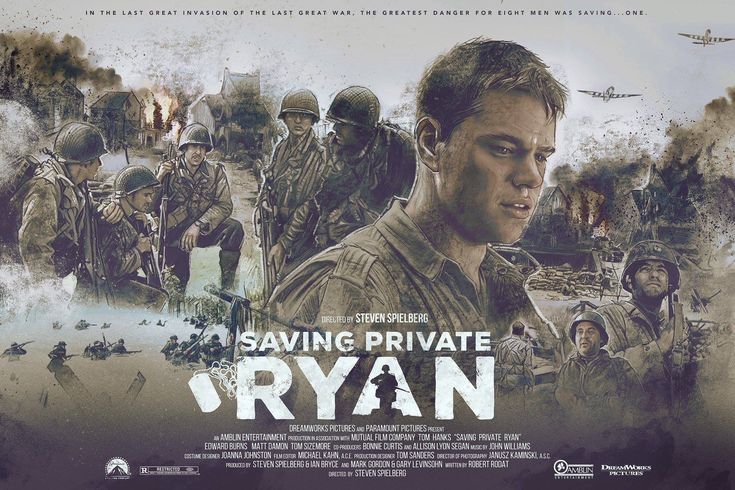
Steven Spielberg’s Saving Private Ryan, released on July 24, 1998, is frequently cited as the definitive cinematic portrait of World War II. The film is best known for its harrowing 27-minute opening sequence depicting the Omaha Beach landings, a technical feat that cost $12 million to film and involved over 1,500 extras. Critics at the time, and many veterans since, have praised the movie for its unflinching realism and visceral sound design, which earned it five Academy Awards. By the end of its theatrical run, the film had grossed over $481 million worldwide, cementing its status as a massive cultural and commercial juggernaut that redefined the “war movie” genre for a new generation of viewers.
Despite these accolades, a growing number of modern critics argue that the film’s brilliance is front-loaded. Once the spectacle of the D-Day invasion concludes, the narrative often shifts into a more traditional, sentimental Hollywood structure that some find manipulative. Specifically, the bookending scenes featuring an elderly James Ryan at the Normandy American Cemetery have been criticized for being overly melodramatic. Critics argue that while the cinematography by Janusz Kamiński is revolutionary, the actual plot relies on familiar tropes found in older combat films. This disconnect between the groundbreaking realism of the battle scenes and the conventional nature of the quest narrative explains why the movie is often debated in circles discussing overpraised classics.
Avatar
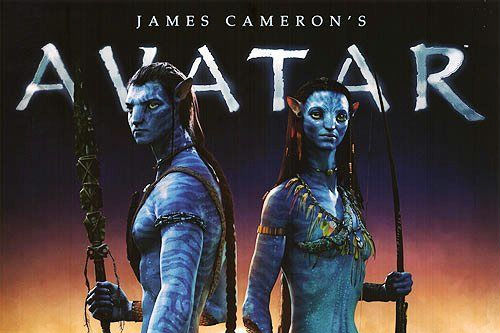
When James Cameron’s Avatar premiered on December 18, 2009, it didn’t just break box office records; it shattered them, eventually becoming the highest-grossing film of all time with a global haul exceeding $2.9 billion. The movie was a genuine technological milestone, introducing sophisticated motion-capture techniques and revitalizing the 3D format for the digital age. Audiences were captivated by the lush, bioluminescent world of Pandora, and the film received nine Academy Award nominations, winning three for its visual and art direction. For many, it represented the pinnacle of immersive “event” cinema, offering a sensory experience that few other films in history could match at the time of their release.
However, as the initial “wow factor” of the 3D visuals faded, many viewers began to scrutinize the film’s screenplay. The plot has been frequently criticized for being derivative, drawing heavy comparisons to Pocahontas, Dances with Wolves, and FernGully. Critics point out that while the world-building is expansive, the characters often feel like two-dimensional archetypes rather than complex individuals. This “style over substance” argument has followed the franchise for over a decade, with detractors claiming the film’s legacy is tied purely to its hardware rather than its heart. Consequently, Avatar remains a primary example of a film where the technical achievements are world-class, but the storytelling is seen by many as surprisingly pedestrian.
Dune
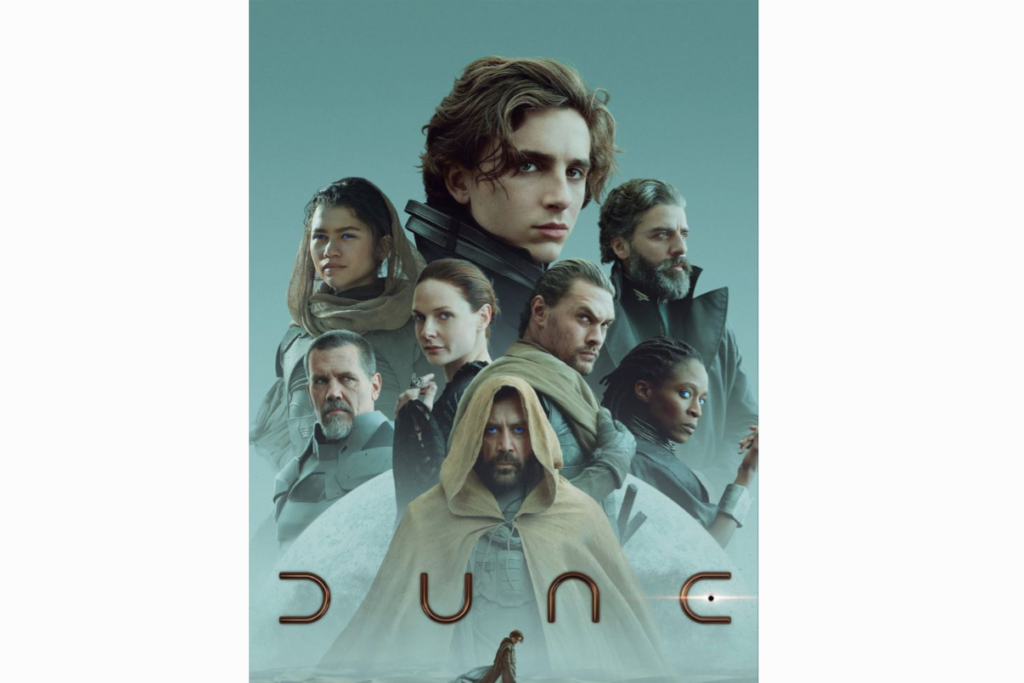
Directed by Denis Villeneuve and released on October 22, 2021, Dune (formally titled Dune: Part One) was hailed as a triumphant adaptation of Frank Herbert’s notoriously difficult 1965 novel. The film’s scale is undeniably massive, featuring brutalist architecture and sweeping desert vistas that earned it six Academy Awards, primarily in technical categories like Sound and Visual Effects. With a production budget of roughly $165 million, the movie managed to gross over $400 million during a challenging period for cinema, proving there was still an appetite for high-concept, philosophical science fiction. Fans praised Villeneuve’s disciplined direction and Hans Zimmer’s experimental, otherworldly score.
Conversely, a significant portion of the audience found the film to be an emotionally cold experience. Because the movie only adapts the first half of the book, it concludes abruptly, leading to complaints that it feels like a “two-and-a-half-hour trailer” for the sequel. The deliberate, slow pacing and the stoic nature of the characters can make it difficult for viewers to feel a personal connection to the stakes of the story. While the technical craftsmanship is widely considered flawless, the lack of a traditional narrative arc and the heavy reliance on exposition have led some to argue that the film is more of a visual gallery than a compelling drama. This divide ensures Dune remains a hot topic in debates regarding “masterpiece” status.
The Revenant
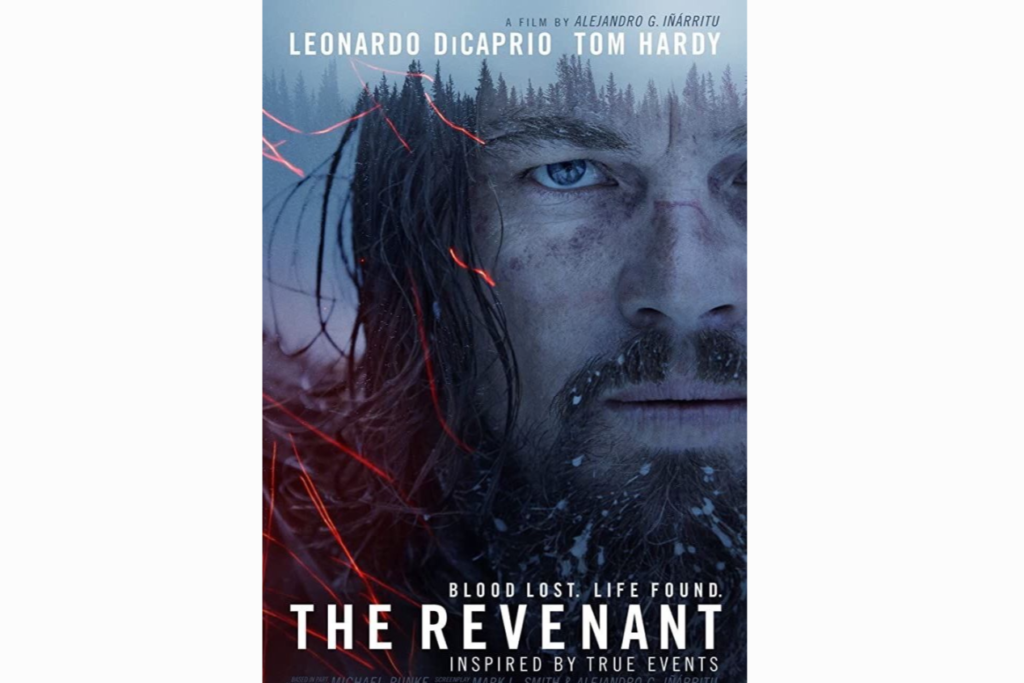
Released in wide format on January 8, 2016, The Revenant became a major awards season contender, finally earning Leonardo DiCaprio his long-awaited Best Actor Oscar. Directed by Alejandro G. Iñárritu, the film is famous for its grueling production process, where the cast and crew endured sub-zero temperatures and used only natural light, courtesy of cinematographer Emmanuel Lubezki. The film was a significant hit, earning $533 million against a $135 million budget. Its brutal realism, exemplified by the infamous bear attack sequence, was praised for pushing the boundaries of what survivalist cinema could achieve, making it one of the most talked-about films of its year.
Yet, for many viewers, the film is a grueling endurance test that offers little beyond its technical prowess. Critics have noted that while the cinematography is breathtaking, the story itself is a relatively thin revenge plot stretched over a two-and-a-half-hour runtime. The sparse dialogue and heavy symbolism have been described by some as “self-indulgent,” leading to the perception that the movie is more interested in its own difficulty than in building a resonant emotional core. Because the “misery” of the production became such a central part of the film’s marketing, some believe the movie receives credit for being hard to make rather than for being a truly great narrative, fueling its reputation as an overpraised work.
The Godfather Part II
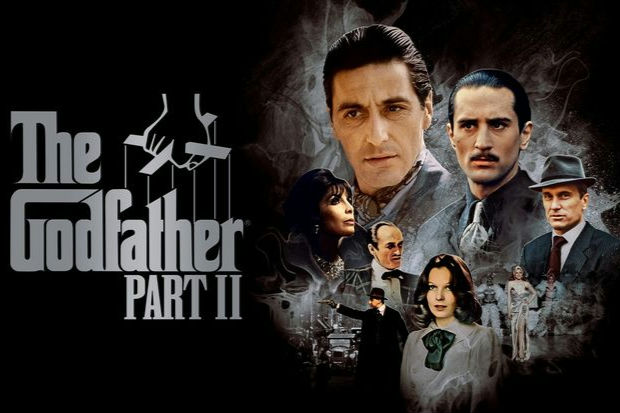
Francis Ford Coppola’s The Godfather Part II, released on December 20, 1974, is one of the rare sequels to win the Academy Award for Best Picture. It is celebrated for its ambitious dual-narrative structure, which acts as both a prequel and a sequel to the 1972 original. By contrasting the rise of a young Vito Corleone in the early 1900s with the moral decay of his son Michael in the 1950s, the film offers a sprawling critique of the American Dream. It is frequently cited by scholars and critics as the greatest film ever made, often appearing at the top of prestigious lists alongside its predecessor.
Despite its untouchable status in film history, some viewers find the sequel to be significantly less engaging than the first installment. The narrative is undeniably more clinical and somber, lacking the warmth and family-centric “soul” that made the original so beloved. Some argue that the pacing in the Michael Corleone segments can feel sluggish and that the film’s complexity occasionally borders on being convoluted. While its status as a masterpiece is rarely questioned by academics, everyday audiences sometimes find it to be a colder, more academic exercise in filmmaking. This creates a lasting debate over whether the film truly stands on its own or if it simply benefits from the immense goodwill generated by the first movie.
The Dark Knight
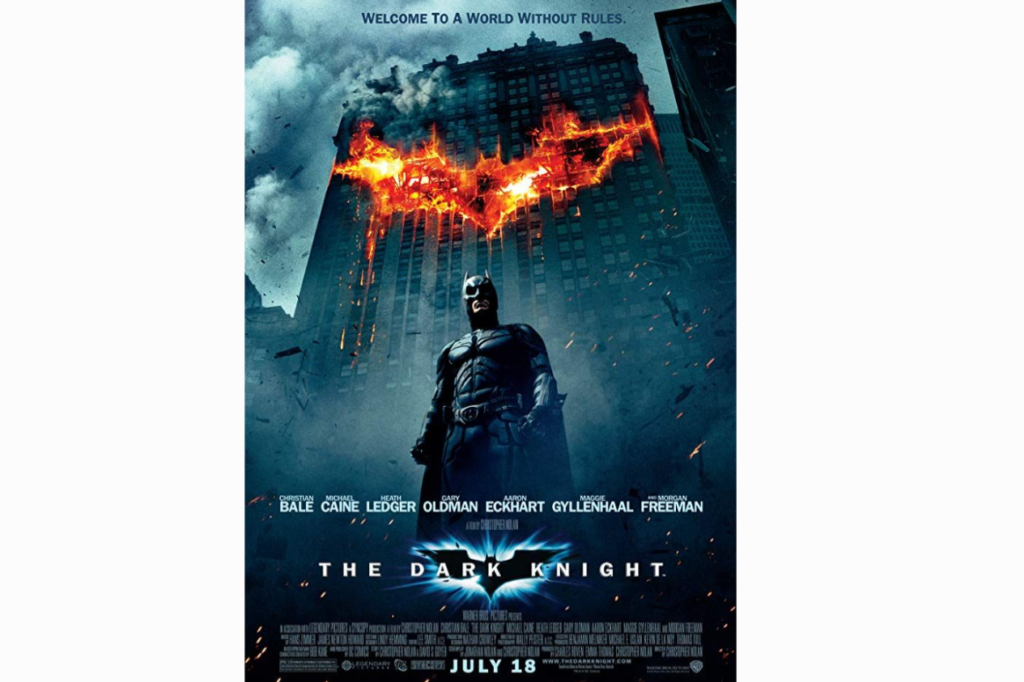
Christopher Nolan’s The Dark Knight arrived in theaters on July 18, 2008, and immediately changed the trajectory of superhero movies. Grossing over $1 billion worldwide, it was the first film in the genre to be taken seriously as a gritty crime drama. The movie is defined by Heath Ledger’s legendary performance as the Joker, which earned him a posthumous Academy Award and remains a gold standard for cinematic villains. The film’s use of IMAX cameras and its “grounded” approach to Batman’s world were seen as revolutionary, moving the genre away from “comic book” camp and toward a more realistic, high-stakes style of storytelling.
However, a growing chorus of critics argues that the film’s plot is somewhat messy and reliant on “movie logic” that doesn’t always hold up under scrutiny. Some suggest that the Joker’s plans are impossibly intricate, requiring every character to behave exactly as he predicts at all times. Furthermore, without Ledger’s electrifying presence, some find the film’s pacing to be uneven, particularly in the final act involving Two-Face. While it is undoubtedly a high-quality blockbuster, the claim that it is one of the “greatest films of all time” is often challenged by those who feel it is a very good action movie that has been elevated to an untouchable status primarily through the cult of Ledger’s performance.
Return Of The King
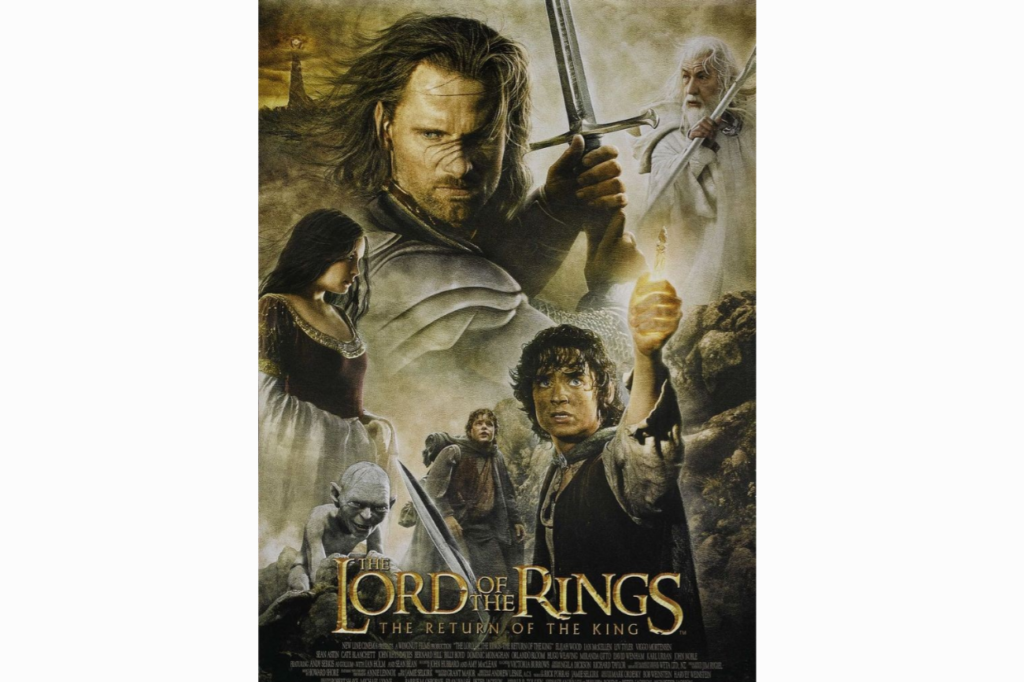
On December 17, 2003, The Lord of the Rings: The Return of the King brought Peter Jackson’s epic trilogy to a close in spectacular fashion. The film was a massive critical and commercial success, earning $1.1 billion and sweeping all 11 Academy Awards for which it was nominated, tying the record for the most wins ever. It was praised for its massive scale, groundbreaking digital characters like Gollum, and its ability to provide a satisfying conclusion to over nine hours of storytelling. For many fans of fantasy, it remains the pinnacle of the genre, representing a level of commitment and craftsmanship rarely seen in Hollywood.
The primary criticism leveled against the film involves its runtime and its infamous “multiple endings.” At 201 minutes (and over four hours in the extended edition), some viewers feel the movie becomes an exhausting experience rather than an exhilarating one. The series of epilogues following the climax has been a point of contention for decades, with critics arguing that the film lacks the narrative discipline to end when the main conflict is resolved. While the emotional payoff is significant for those invested in the journey, others feel that the film’s sheer length and repetitive battles result in diminishing returns. This sense of overindulgence is why it frequently appears in discussions about films that might be slightly overvalued.
Titanic
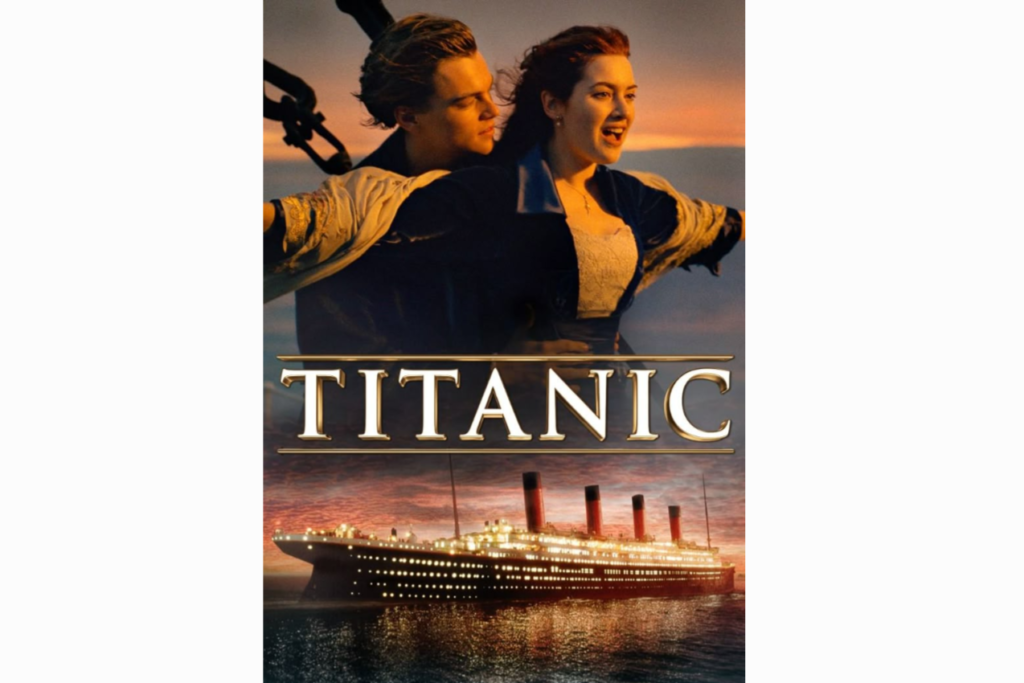
James Cameron’s Titanic sailed into theaters on December 19, 1997, and stayed at the top of the box office for an unprecedented 15 consecutive weeks. It eventually won 11 Academy Awards and became the first film to gross $1 billion, a testament to its massive global appeal. The movie’s blend of a fictional romance between Jack and Rose and the meticulously reconstructed historical disaster created a cultural phenomenon that defined the late 90s. Cameron’s insistence on building a nearly full-scale model of the ship and his use of cutting-edge effects made the sinking sequence one of the most impressive feats in cinematic history.
Decades later, the film’s reputation is often a battleground between nostalgia and modern critique. Many critics point to the dialogue as being simplistic or even “cheesy,” and the central romance has been dismissed by some as a standard melodrama that doesn’t deserve its lofty status. While the technical production remains a gold standard, the three-hour runtime and the perceived sentimentality of the script lead some to argue that the film was more of a “moment in time” than a timeless masterpiece. Because it was so omnipresent in the culture, it has faced a natural backlash from those who feel its artistic depth doesn’t match its massive commercial and awards-season success.
Forrest Gump
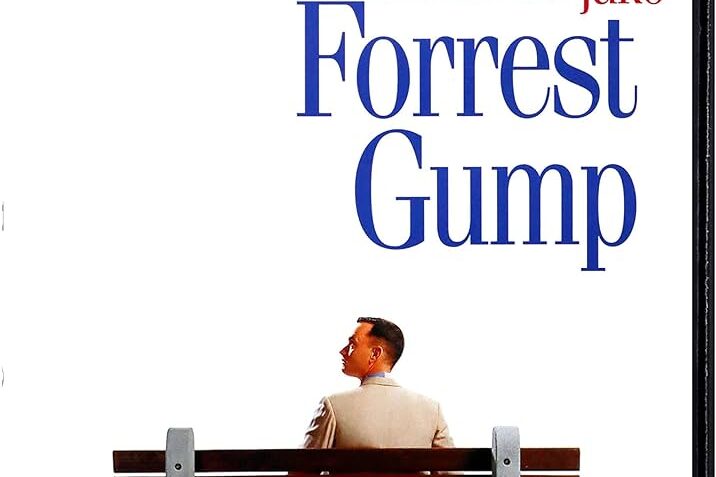
Released on July 6, 1994, Forrest Gump became an instant classic, winning six Academy Awards including Best Picture, Best Director, and Best Actor for Tom Hanks. The film followed the life of a simple man who unwittingly participates in some of the most significant events in 20th-century American history. It was a massive hit, earning over $678 million and producing a soundtrack that stayed on the charts for months. At the time, audiences were charmed by the film’s heart, its “box of chocolates” philosophy, and the innovative special effects used to insert Hanks into historical footage with figures like John F. Kennedy.
In the years following its release, Forrest Gump has faced significant re-evaluation. Modern critics often argue that the film promotes a passive, overly simplistic view of history and politics, contrasting Forrest’s rewarded compliance with Jenny’s punished counter-culture lifestyle. Some find the movie’s heavy reliance on “boomer nostalgia” to be a bit manipulative, suggesting that it avoids a truly honest engagement with the complexities of the Vietnam War and the Civil Rights movement. While it remains a beloved staple of American television, these ideological critiques have led many to question whether it truly deserved to beat out more daring films like Pulp Fiction or The Shawshank Redemption at the 1995 Oscars.
La La Land
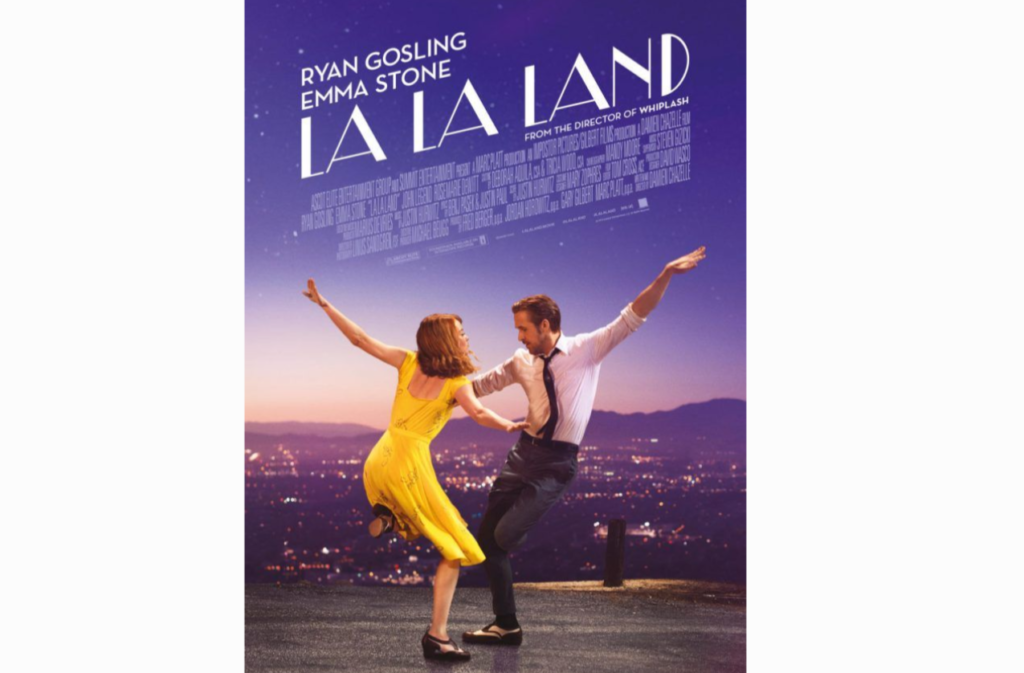
La La Land premiered at the Venice Film Festival on August 31, 2016, and quickly became the “darling” of that year’s awards circuit. Directed by Damien Chazelle, the film was a vibrant, candy-colored tribute to the Golden Age of Hollywood musicals, starring Ryan Gosling and Emma Stone. It grossed $448 million and famously almost won Best Picture in a historic Oscars mix-up. Critics praised the film for its catchy score, its bittersweet ending, and its attempt to modernize a genre that many felt had become obsolete. For a brief window, it was hailed as a modern classic that captured the dreams and disappointments of the creative class.
However, once the initial hype settled, a wave of criticism began to emerge. Some viewers pointed out that neither of the leads were particularly strong singers or dancers, which they felt detracted from the film’s effectiveness as a musical. Others argued that the story was somewhat thin and that the film’s preoccupation with jazz felt a bit superficial or “gatekeepy.” While it is undeniably a charming and well-made film, the level of extreme praise it received, including a record-tying 14 Oscar nominations, led many to feel it was being overvalued. This transition from “instant masterpiece” to “stylistic exercise” has made it a frequent example of a film that may have benefited more from its industry-centric subject matter than its narrative weight.
Gravity
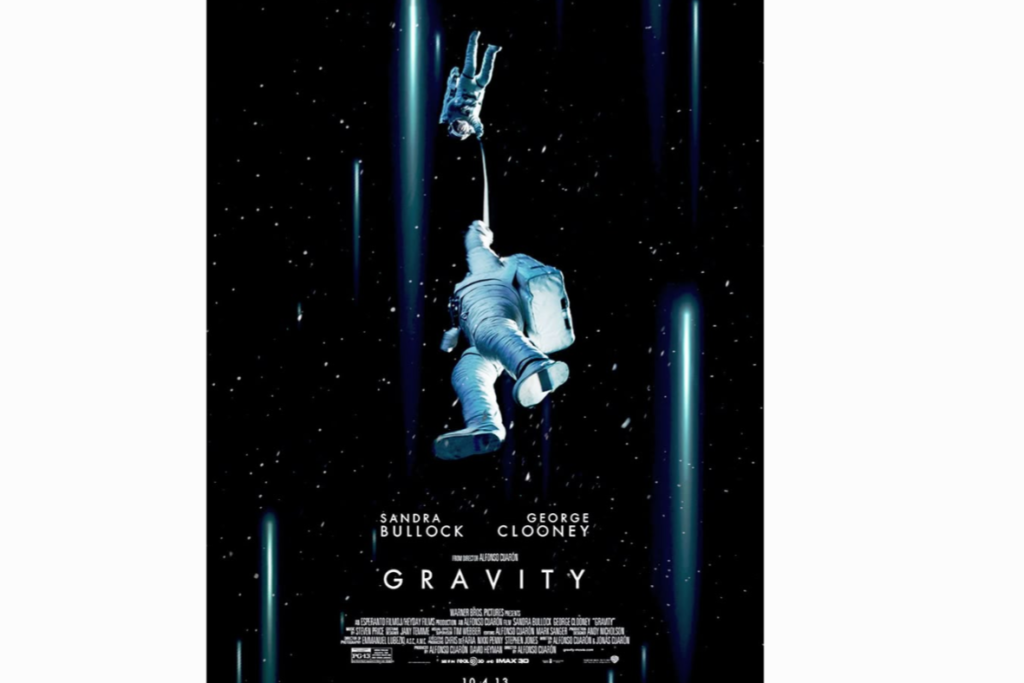
Alfonso Cuarón’s Gravity, released on October 4, 2013, was hailed as a milestone in cinematic immersion. Starring Sandra Bullock as an astronaut stranded in orbit, the film utilized groundbreaking long-take cinematography and state-of-the-art visual effects to simulate the terrifying vastness of space. It was a massive hit at the box office, grossing $723 million worldwide and winning seven Academy Awards, including Best Director and Best Cinematography. For many, it represented the ultimate “theater experience,” pushing the boundaries of what 3D and IMAX technology could achieve in modern storytelling.
Despite its technical brilliance, many viewers have argued that the film’s narrative is surprisingly thin. Once the initial thrill of the visual spectacle wears off, critics point to a screenplay that relies on convenient coincidences and a somewhat shallow backstory for its protagonist. While the tension is undeniably high, the dialogue has been described as clichéd, and some find the emotional stakes to be less compelling than the technical ones. This gap between the film’s “wow factor” and its actual depth often places Gravity in the category of movies that were perhaps overpraised during their initial, spectacular theatrical run.
The English Patient
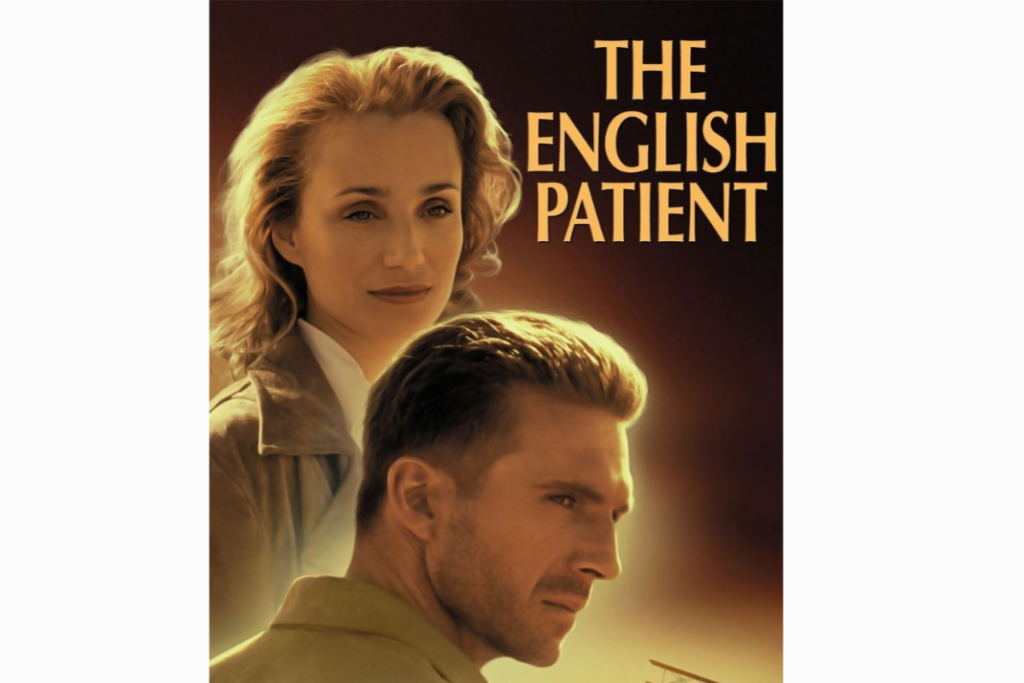
Premiering on November 15, 1996, The English Patient was the undisputed heavyweight of its awards season, winning nine Academy Awards, including Best Picture. Directed by Anthony Minghella and based on the Booker Prize-winning novel, the film is a sweeping, non-linear romance set against the backdrop of the North African campaign in World War II. It was celebrated for its poetic dialogue, lush desert landscapes, and the intense chemistry between Ralph Fiennes and Kristin Scott Thomas. For a time, it was considered the gold standard for the “prestige epic,” a film that combined intellectual depth with grand, old-fashioned Hollywood scale.
In the years following its sweep of the Oscars, however, the film has become a frequent target for those who find it overly slow and self-important. Its 162-minute runtime and deliberate pacing have been criticized for making the story feel more like an endurance test than a romantic journey. While the craftsmanship is flawless, many modern viewers struggle to connect with the characters’ motivations, leading to a reputation for being “awards bait” that prioritizes prestige over genuine engagement. This cultural shift was famously parodied in pop culture, cementing the film’s status as a work that critics loved far more than the general public.
Bohemian Rhapsody
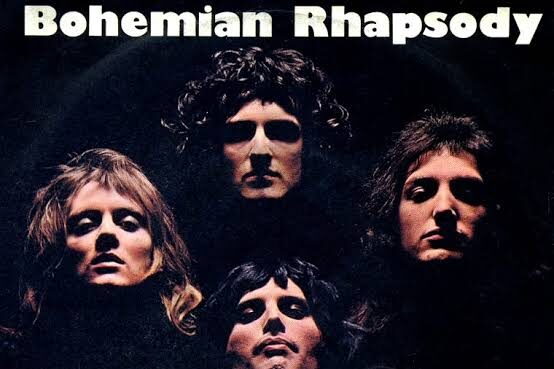
Released on November 2, 2018, Bohemian Rhapsody became a global phenomenon, celebrating the life of Freddie Mercury and the music of Queen. The film was a massive commercial success, earning over $910 million and winning four Academy Awards, including a Best Actor win for Rami Malek. Its climactic recreation of the 1985 Live Aid performance was widely praised for its energy and accuracy, introducing Queen’s discography to a whole new generation of fans. For many, the film was a high-energy celebration of a musical icon that successfully captured the spirit of the band’s legendary stage presence.
However, the film has faced significant criticism from historians and film critics alike for its “sanitized” and often inaccurate portrayal of Freddie Mercury’s life. Critics have argued that the movie simplifies complex personal struggles and rearranges the timeline of major events to fit a more traditional, crowd-pleasing narrative. Furthermore, the film’s editing was famously mocked by film enthusiasts for being disjointed and hyperactive. While it remains a favorite among casual moviegoers, many argue that its immense awards-season success was more a reflection of the band’s popularity than the film’s actual quality as a piece of biographical cinema.
American Beauty
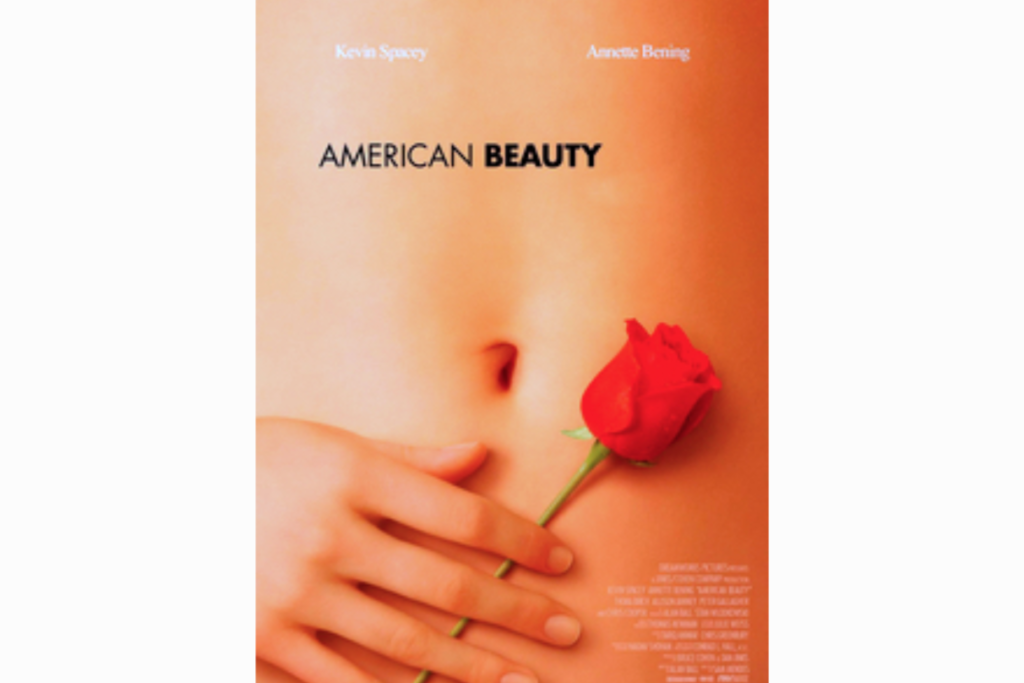
When American Beauty was released on September 15, 1999, it was immediately hailed as a masterpiece of suburban satire. Directed by Sam Mendes, the film explored the mid-life crisis of Lester Burnham and the hollow nature of the American Dream, winning five Academy Awards, including Best Picture. It grossed $356 million and was praised for its sharp wit, striking visual metaphors, like the famous floating plastic bag, and its ability to tap into the turn-of-the-century angst that many viewers were feeling at the time. It was seen as a bold, provocative look at the dark underbelly of “perfect” neighborhoods.
Decades later, the film’s reputation has undergone a drastic re-evaluation. Many modern viewers find the film’s themes to be heavy-handed and its cynical tone to be more “edgy” than actually insightful. Critics have pointed out that the central relationship involving a middle-aged man’s obsession with a teenager has aged incredibly poorly, making the film difficult for many to watch today. While it was once seen as the peak of intellectual filmmaking, it is now frequently cited as a movie that felt revolutionary in 1999 but hasn’t maintained its resonance. This shift has led many to question if it ever truly deserved its initial mountain of praise.
Crash
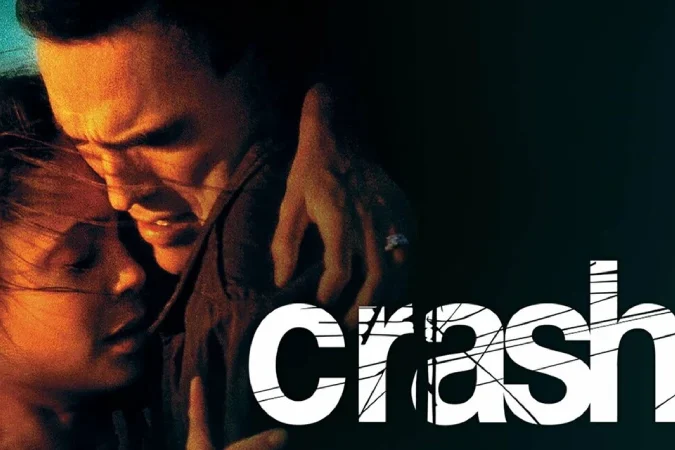
On May 6, 2005, the ensemble drama Crash arrived in theaters, aiming to provide a raw look at racial tensions in Los Angeles. The film used a series of intersecting storylines to show how prejudice affects people from all walks of life. In one of the most shocking upsets in Oscar history, it won Best Picture at the 2006 Academy Awards, beating out the heavily favored Brokeback Mountain. At the time, some praised the film for its ambition and its willingness to tackle difficult social issues through a high-stakes, emotional narrative that connected diverse characters in unexpected ways.
In the years since its win, Crash has frequently topped lists of the “worst Best Picture winners.” Critics argue that its portrayal of racism is incredibly simplistic and relies on forced coincidences and “teachable moments” that feel more like a soap opera than a serious drama. The film’s “everyone is a little bit racist” message has been dismissed by many as a shallow take on a deeply complex systemic issue. Because it won the industry’s highest honor over more critically respected films, it has become the ultimate symbol of a movie that received far more credit than its script or execution arguably earned.
The Blair Witch Project
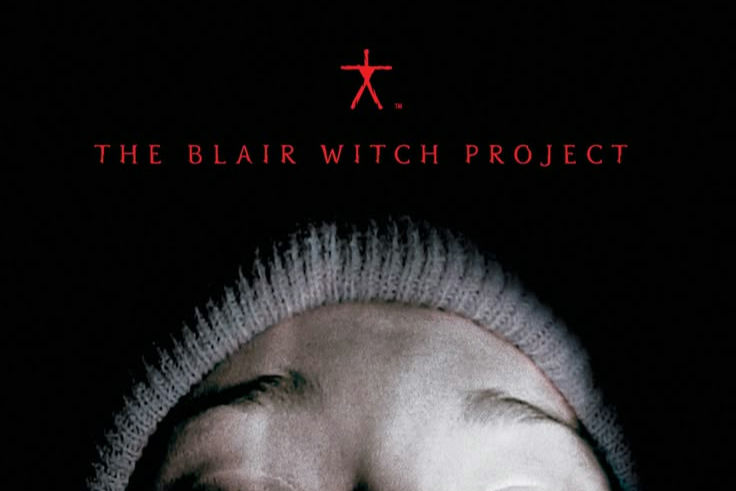
Released on July 30, 1999, The Blair Witch Project was a masterclass in independent filmmaking and viral marketing. Produced on a tiny budget of roughly $60,000, it used “found footage” to tell the story of three student filmmakers who disappear in the Maryland woods. The film grossed nearly $250 million, making it one of the most profitable movies ever made. Its shaky-cam style and the ambiguity of its scares felt terrifyingly real to audiences who had been conditioned by the film’s clever online campaign to believe the footage might actually be authentic.
However, for many viewers who watched the film without the benefit of the initial hype, the experience is often frustratingly slow and visually taxing. Critics have argued that the “scares” are mostly just the characters screaming at each other in the dark, and the lack of a clear payoff can feel like a letdown after such a long buildup. While its influence on the horror genre, specifically the found-footage boom of the 2000s, is undeniable, many believe the film’s reputation is built entirely on its marketing genius rather than the quality of the movie itself. As a result, it remains a frequent entry in debates about films that are more “important” than they are actually good.
Wonder Woman
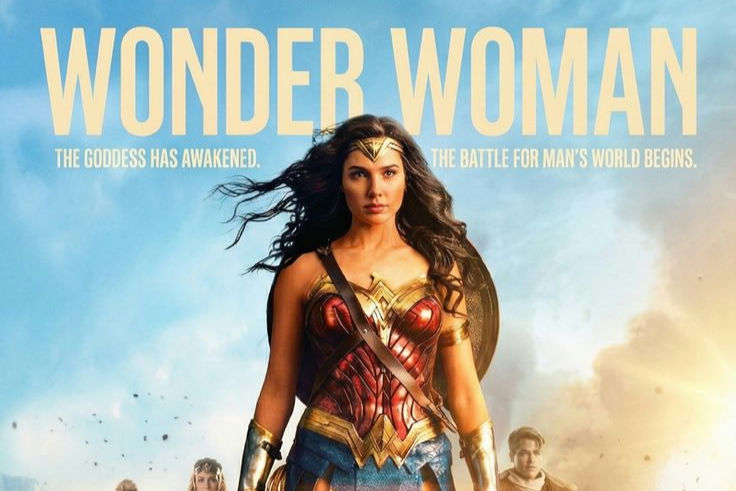
On June 2, 2017, Wonder Woman became a cultural phenomenon, finally giving one of the most iconic superheroes her own big-screen origin story. Directed by Patty Jenkins and starring Gal Gadot, the film was a massive critical and commercial hit, grossing $822 million. It was praised for its hopeful tone, its thrilling “No Man’s Land” sequence, and its departure from the overly dark style of previous DC films. For many, it was a long-overdue victory for female-led superhero cinema, proving that audiences were more than ready for a woman to lead a major blockbuster franchise.
Despite the initial wave of glowing reviews, some critics have pointed out that the film’s quality drops significantly in its third act. The final battle, which relies on a CGI-heavy fight against a generic villain, has been criticized for undermining the film’s earlier, more grounded themes of war and human nature. While Gadot’s performance and the film’s cultural impact are still widely respected, some argue that the “perfect” reviews it received upon release were influenced more by the excitement of seeing a female superhero succeed than by the film’s actual execution. This has led to ongoing discussions about whether the movie’s status as a “modern classic” is fully justified.
The Postman
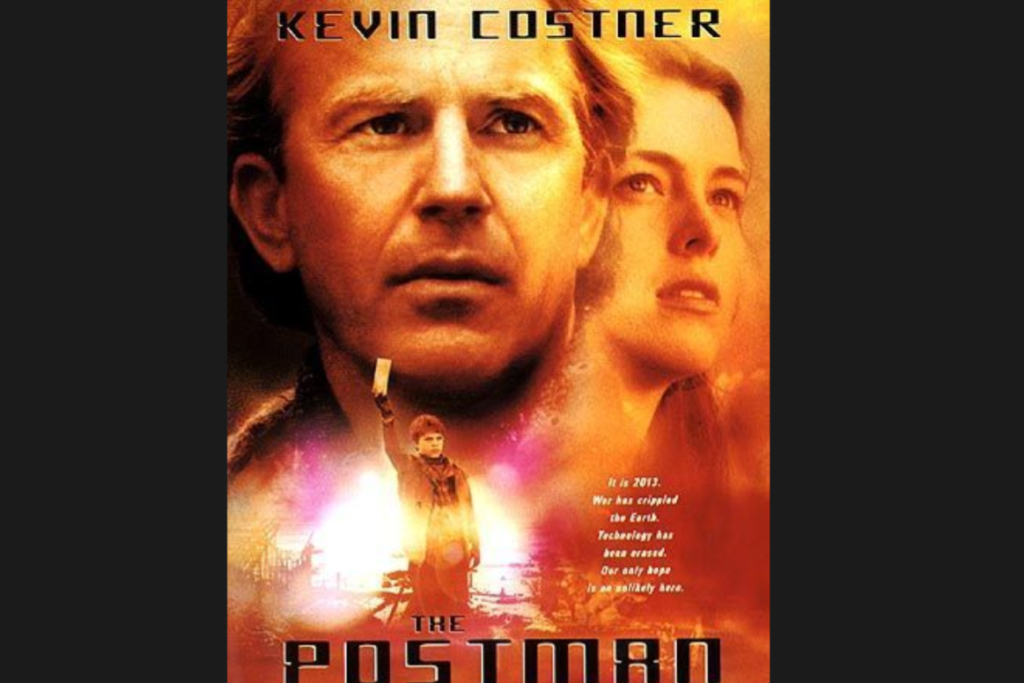
Released on Christmas Day in 1997, Kevin Costner’s The Postman was an epic attempt to blend post-apocalyptic survival with a hopeful message about the restoration of the United States. Following the success of Dances with Wolves, Costner directed and starred in this adaptation of David Brin’s novel, which featured a nearly three-hour runtime and a massive production budget of $80 million. The film aimed to be a sweeping, patriotic saga about the power of communication and the importance of civic duty, hoping to capture the same “prestige” audience that had supported Costner’s previous directorial efforts.
Instead, the film was met with significant critical backlash and became a notorious box office bomb, earning only $17 million. While it has occasionally been revisited by fans who appreciate its grand ambition, most critics maintain that it is a prime example of cinematic hubris. The film is often cited for its overly sentimental tone, its excessive length, and its perceived “self-importance.” While it didn’t receive the awards of other films on this list, it is often discussed as a project that was given far too much creative “credit” and resources by the studio, resulting in an overblown production that failed to deliver on its promise.


