
1. A President Seen Differently Over Time: Woodrow Wilson
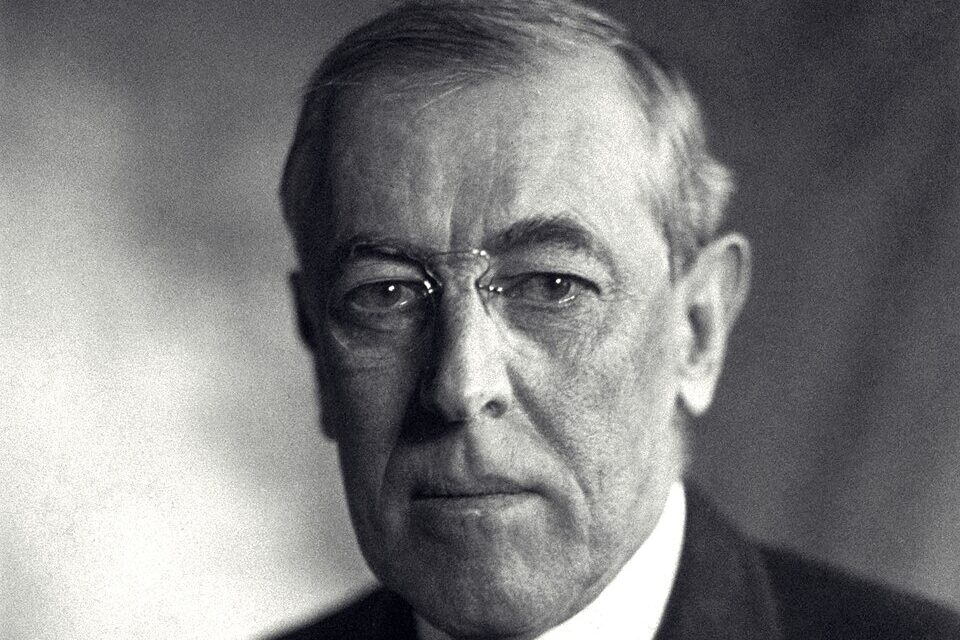
Woodrow Wilson is often associated with leadership during World War I and the creation of the League of Nations. For years, that image shaped how many Americans viewed his presidency. He was seen as thoughtful and forward-looking, especially in discussions about global cooperation.
But a closer look reveals policies and actions that complicate that image. Wilson oversaw the segregation of federal offices, reversing progress that had been made before his time. A quote often attributed to his administration’s stance described segregation as a way to bring “efficiency,” a justification that feels deeply troubling today. His screening of a controversial film at the White House also added to debates about his views on race. As perspectives shift, Wilson’s legacy has become a conversation rather than a conclusion. It shows how leadership can be both impactful and flawed, and how time allows people to reassess what once seemed settled.
2. The Inventor Who Didn’t Work Alone: Thomas Edison
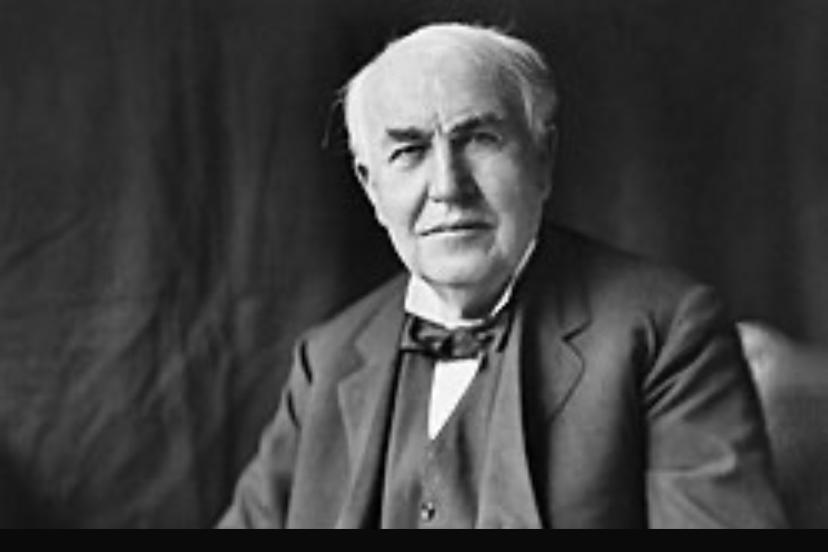
Thomas Edison is often painted as the ultimate inventor, the man behind the light bulb and countless other breakthroughs. His story fits neatly into the idea of American ingenuity, which is probably why it has lasted so long in popular memory. But like many well-known figures, the fuller story is a bit more layered.
Edison worked with teams of researchers, and some critics argue that he took more credit than he gave. There are also accounts of fierce competition, including efforts to discredit rivals. One historical remark about his approach described invention as “one percent inspiration and ninety-nine percent perspiration,” which captures his work ethic but not necessarily the collaborative reality behind it. Visiting Edison’s story does not take away his brilliance. Instead, it adds context, reminding us that innovation often comes from groups rather than individuals alone. It feels less like reducing his legacy and more like placing it in a wider frame.
3. The Tough Leader With a Lasting Debate: Andrew Jackson
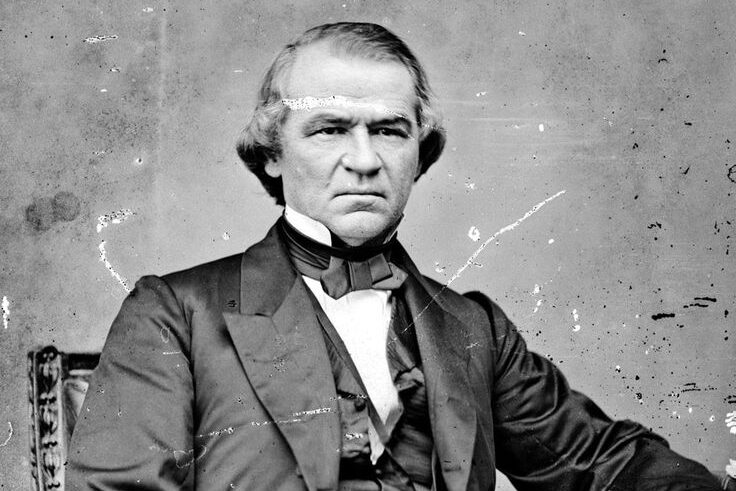
Andrew Jackson is often remembered as a strong, decisive leader who represented the “common man.” His presidency left a clear mark on American politics, and for many years, that image defined how he was taught and discussed.
But Jackson’s role in the forced relocation of Native American tribes, known as the Trail of Tears, has reshaped how people view him. Reports from that time describe immense suffering, with thousands losing their lives during the journey. One historical account simply notes the event as a “removal,” a word that feels understated compared to what actually happened. Today, Jackson’s legacy is often discussed with more care and honesty. His leadership is still recognized, but so are the human costs tied to his decisions. It leaves people with a more thoughtful understanding of what it means to lead and how those choices echo over time.
4. The Explorer We Rarely Question: Christopher Columbus
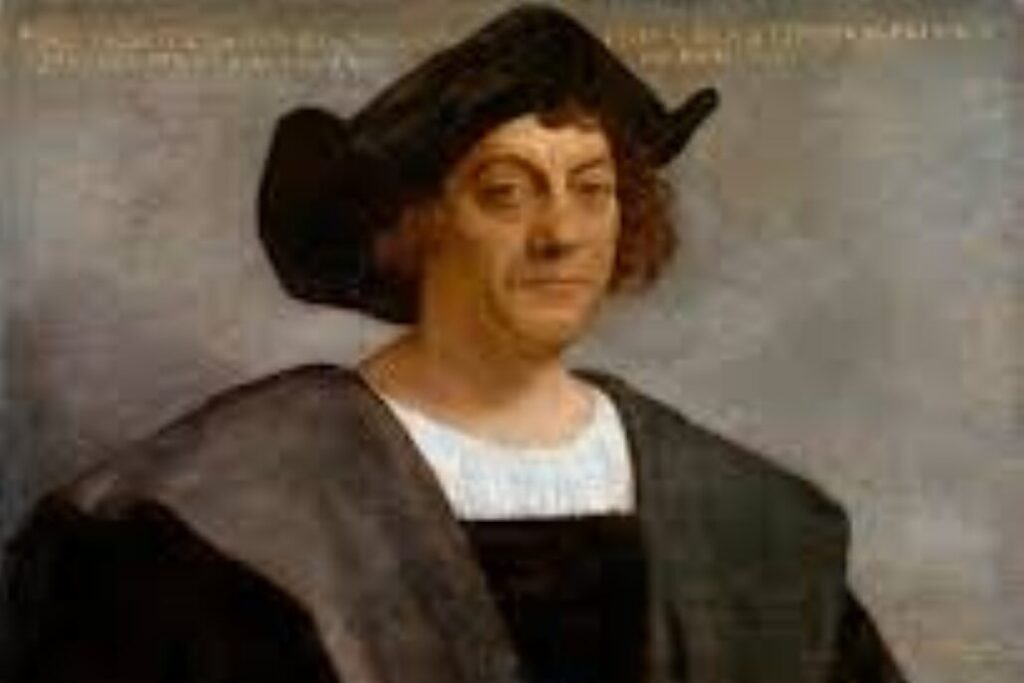
It is easy to remember Columbus as the man who “discovered” America, especially if that is how the story was first introduced in school. For many, his name still carries a sense of curiosity and bold travel. But over time, historians have revisited his voyages and the consequences that followed. Accounts from his own writings and those of observers describe harsh treatment of Indigenous people. One widely cited line from his journal notes how the natives “would make fine servants,” a sentence that shifts the tone of the story in a quiet but meaningful way.
Looking at Columbus today feels less like rewriting history and more like completing it. His journeys mattered, but so did the suffering that came with them. For many Americans, this reassessment has led to a broader conversation about how we remember national beginnings. It reminds us that admiration and accountability can exist in the same space, and that understanding history often means sitting with both.
5. The Industrial Genius With a Complicated Shadow: Henry Ford
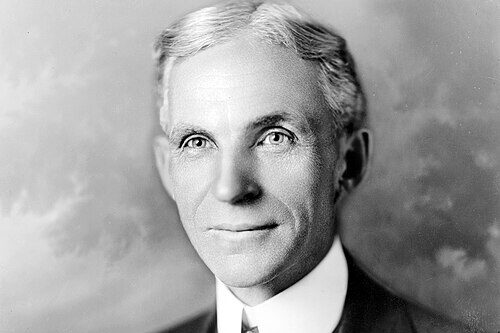
Henry Ford is often remembered as the man who put America on wheels. His assembly line transformed manufacturing, making cars affordable for everyday people. That part of his story still feels inspiring, especially when you think about how it changed daily life across the country. But there is another side that does not get as much attention in casual conversations.
Ford’s publication of antisemitic writings through his newspaper has been well documented. In one instance, he supported the spread of harmful conspiracies, later issuing a public apology after significant backlash. While some see that apology as meaningful, others note that the damage had already been done. It creates a tension between innovation and influence, showing how a person’s reach can extend beyond their industry in ways that are not always positive. When people revisit Ford’s legacy now, it tends to feel more balanced. His contributions remain undeniable, but so does the need to acknowledge the harm tied to his platform.
6. The Author of Freedom With Limits: Thomas Jefferson
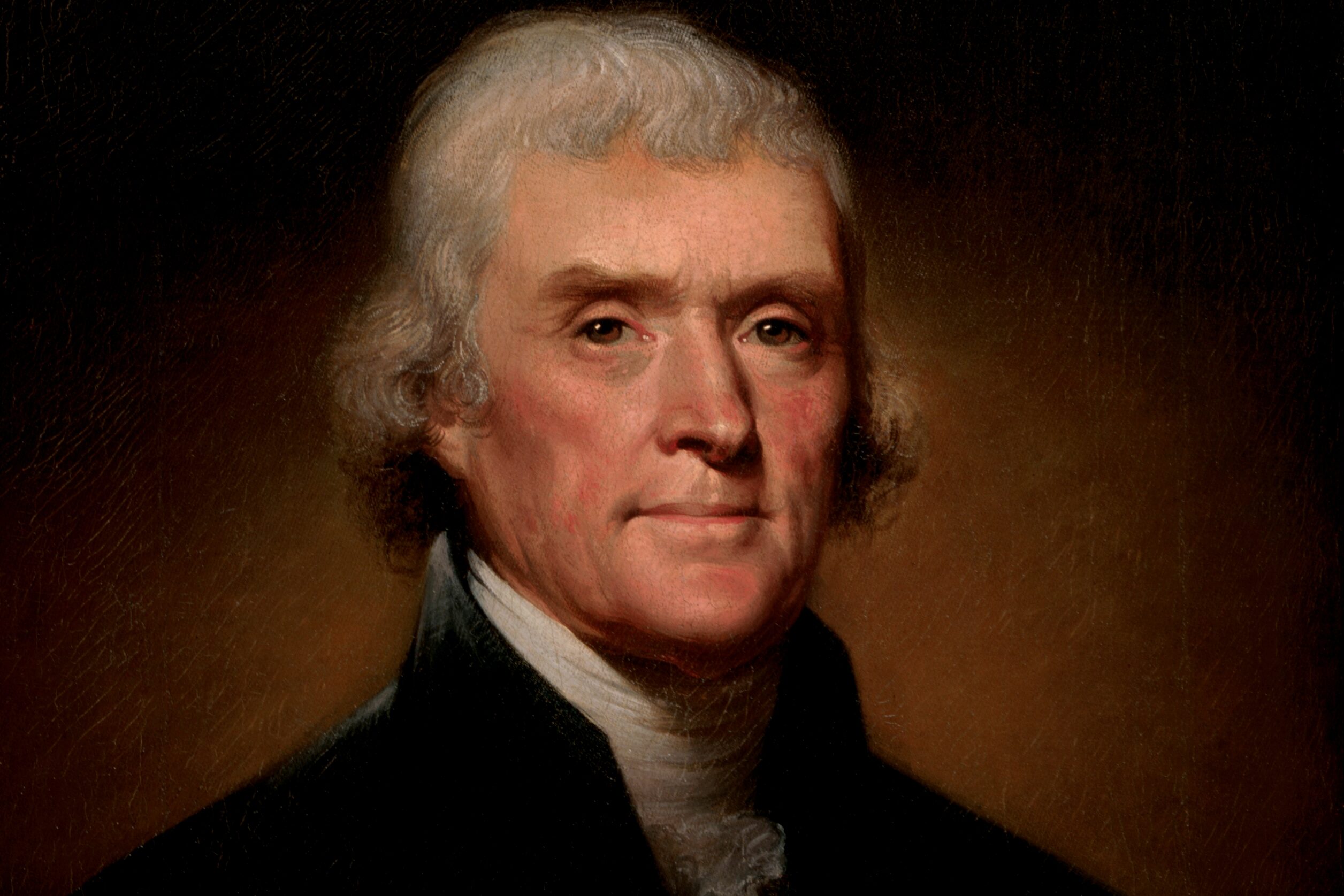
When people first hear about Jefferson, it often begins with the Declaration of Independence and that familiar line about all men being created equal. It is one of those phrases that feels almost stitched into American identity. Jefferson’s role in shaping those words makes him easy to admire at first glance. He comes across as thoughtful, forward-thinking, and deeply committed to the idea of liberty.
But the fuller picture brings a quiet tension into that admiration. Jefferson owned enslaved people for most of his life, and records show he did not free many of them even at his death. A line often quoted from his writings admits slavery was like “holding a wolf by the ear,” suggesting he understood the danger and moral weight, yet still remained part of it. For many readers today, that contradiction feels hard to ignore. Looking back, Jefferson’s legacy feels less like a clear answer and more like an ongoing conversation. He helped shape ideals that still matter, yet did not fully live by them. That gap is where much of the modern reflection begins.
7. The Conservationist With a Complex Record: Theodore Roosevelt
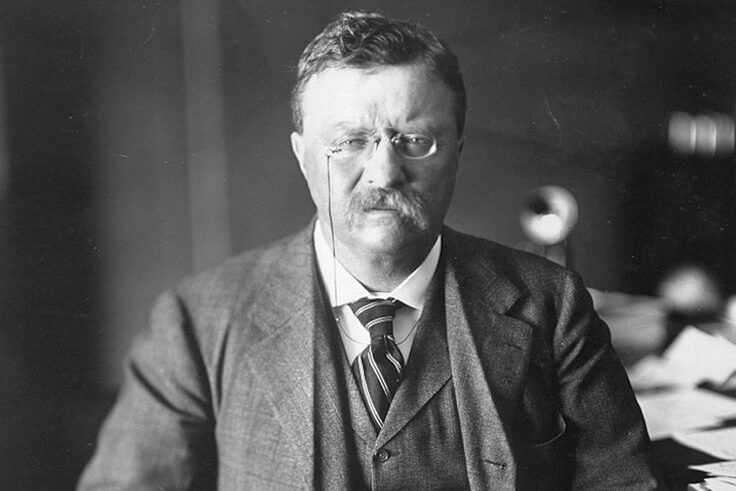
Roosevelt often comes across as energetic and bold, the kind of leader who seemed to move constantly and leave a mark wherever he went. His work in establishing national parks and protecting natural land has earned him lasting respect. Many Americans still associate his name with conservation and a genuine appreciation for the outdoors.
At the same time, some of his views and actions tell a more complicated story. Roosevelt expressed ideas about race and cultural hierarchy that feel uncomfortable to read today. In one instance, he spoke about the expansion of American influence in ways that framed other cultures as less developed, a perspective that shaped policy decisions during his time. When people revisit Roosevelt now, they tend to hold both sides together. His contributions to preserving land are still valued, especially as environmental concerns grow. But there is also a growing awareness that his worldview reflected assumptions that had real consequences for others.
8. The General Turned President With Hard Choices: Ulysses S. Grant
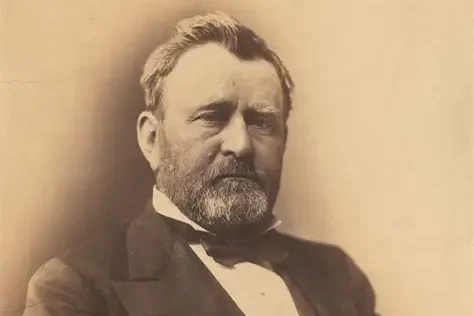
Grant is often remembered for helping lead the Union to victory during the American Civil War, and that part of his story carries a sense of steady determination. His leadership during such a defining moment has earned him respect, and many see him as someone who stood firmly on the side of unity.
But his presidency introduces a more mixed picture. His administration was marked by several corruption scandals involving people close to him. While there is little evidence that Grant himself was personally corrupt, critics often point out that he trusted too easily, allowing others to misuse power. One observer from the time described his leadership as “honest but not always watchful,” a phrase that seems to linger in how he is remembered. Today, Grant’s reputation has been revisited with more nuance. His efforts to support civil rights during Reconstruction are gaining more recognition, even as the shortcomings of his presidency remain part of the story.
9. The Celebrated Feminist With Overlooked Views: Margaret Sanger
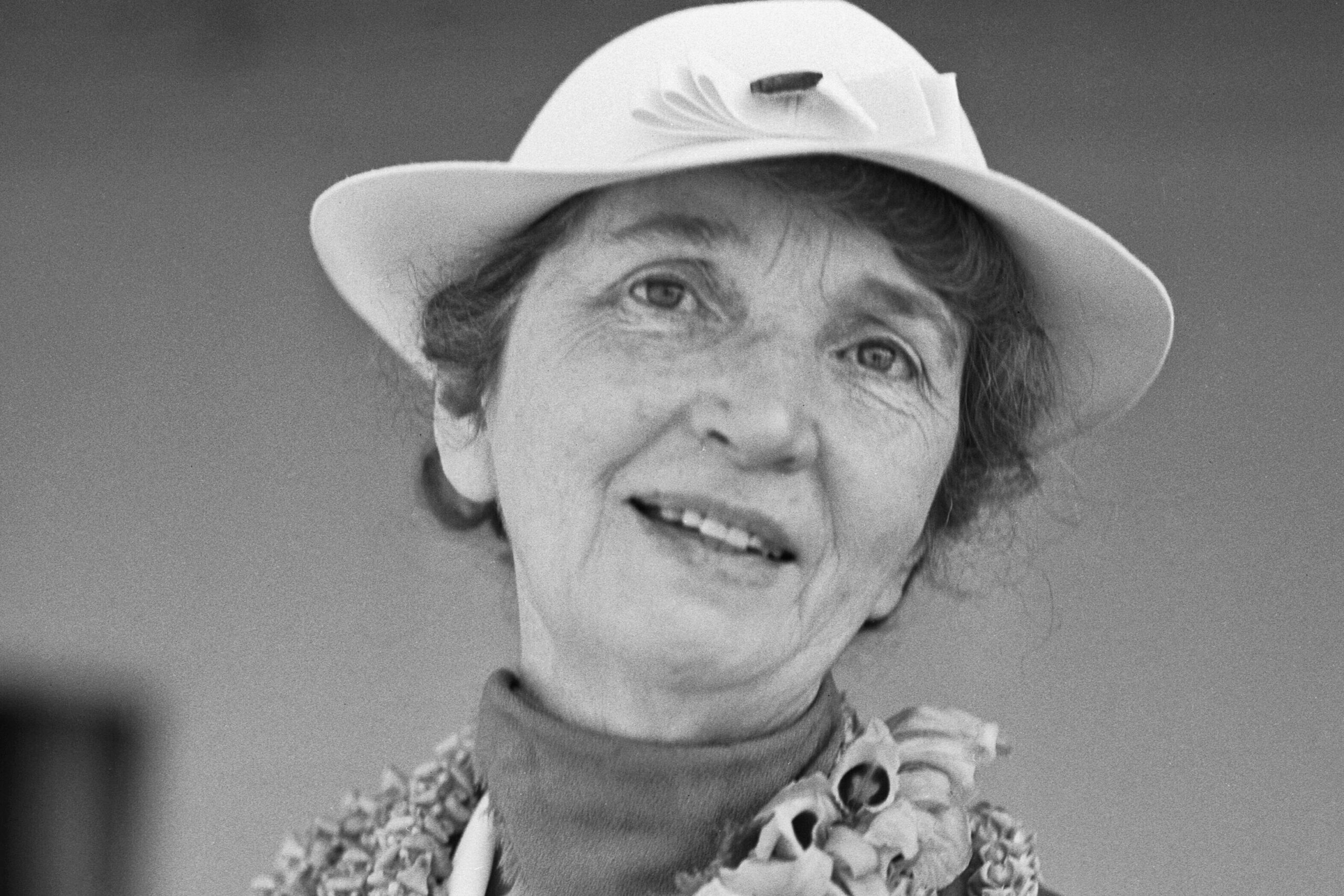
Margaret Sanger is often introduced as a pioneer of women’s rights, particularly for her role in expanding access to birth control. For many, her work represents a turning point in how women could make decisions about their own bodies and futures. That part of her legacy still resonates strongly in conversations about health and autonomy.
Yet there are aspects of her views that have drawn increasing scrutiny. Sanger was connected to the eugenics movement, which promoted ideas about controlling populations based on perceived traits. Some of her writings reflect language that today feels exclusionary and troubling. A frequently cited line speaks about the need to prevent “unfit” populations from growing, a perspective that raises difficult questions about her broader intentions. Looking back, Sanger’s story feels layered rather than simple. Her contributions to reproductive rights are still recognized, but they sit alongside concerns that cannot easily be set aside.
10. The Founding Father With a Sharp Divide: Benjamin Franklin
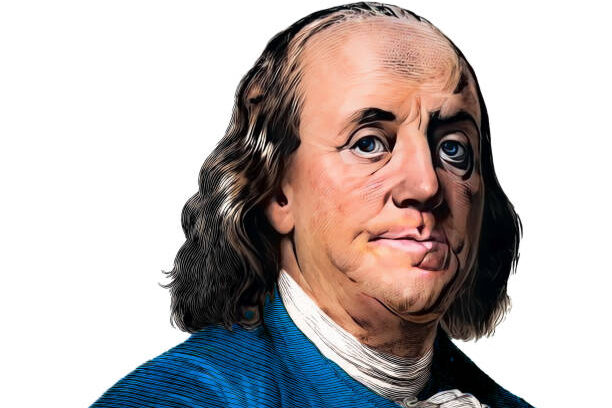
Franklin often comes across as approachable, almost like someone you could sit with and learn from over a long afternoon. His experiments, inventions, and writing have made him one of the more relatable figures among the Founding Fathers. He is often remembered for curiosity and practicality, qualities that still feel appealing today.
But even Franklin’s story carries its share of contradictions. Earlier in his life, he owned enslaved people and participated in systems that supported slavery. Although he later became involved in abolitionist efforts, that shift did not erase the earlier part of his life. One of his later writings urged Americans to “promote mercy and justice,” indicating a shift in perspective but also highlighting how long it took to arrive there. Franklin’s legacy now feels like a reflection of personal evolution. It shows how people can change over time, even if that change comes later than it should.
11. The Advocate of Liberty With Contradictions: Patrick Henry
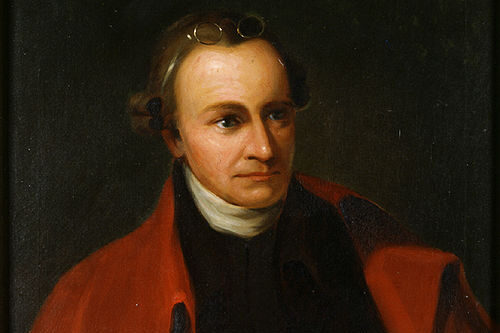
Patrick Henry’s name often comes up when talking about early American patriotism. His famous “Give me liberty or give me death” speech still resonates in classrooms and public memory, capturing a fiery commitment to independence. For many Americans, he embodies courage, the willingness to speak out, and a devotion to the revolutionary cause that created the nation.
Yet, Henry’s life also carries complexity that is often overlooked. Like several prominent Virginians of his era, he was a slave owner, and some of his political actions reinforced the social hierarchies of the time. While he argued passionately against centralized power, he did not challenge the institution of slavery with the same vigor. Letters from the period reveal someone deeply committed to freedom in theory, yet selectively applied. That tension makes his story feel more human, someone capable of boldness and blind spots at the same time. Reflecting on Patrick Henry today encourages a more nuanced view of the revolution. His words continue to inspire, but understanding the context around his actions reminds us that even heroes can carry contradictions that history often simplifies.
12. The Frontier Legend With a Sharper Edge: Davy Crockett
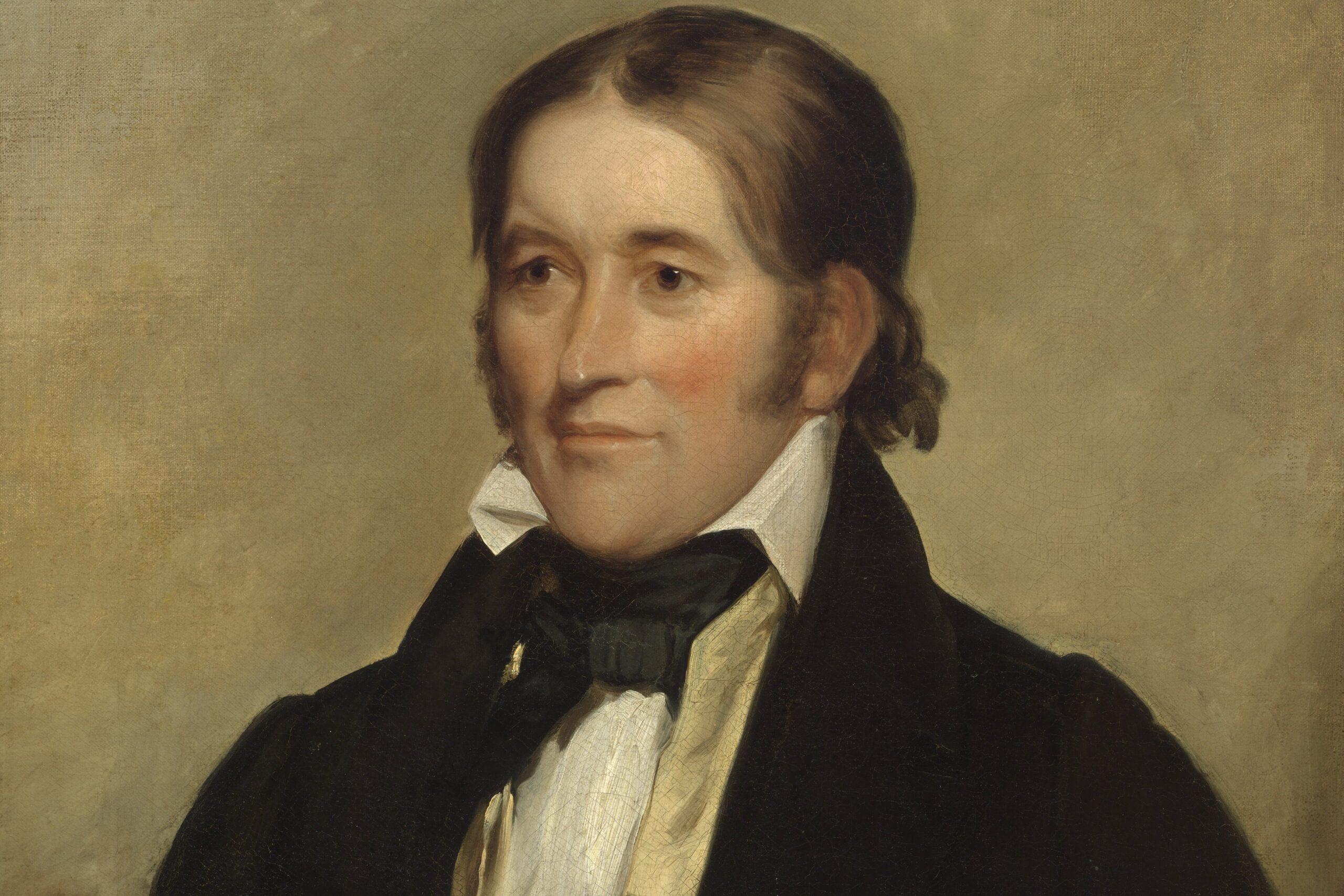
Davy Crockett’s story often feels like it belongs to folklore as much as history. The coonskin cap, the frontier spirit, the sense of independence. For many Americans, he represents a kind of rugged individualism that feels almost timeless, like a symbol of pushing forward into the unknown.
But behind that image is a more grounded reality. Crockett was a politician as well as a frontiersman, and his actions and positions were shaped by the same tensions of his time. He supported policies that contributed to the displacement of Native Americans, even as he later voiced opposition to certain aspects of those policies. That shift can feel confusing at first, like trying to reconcile two versions of the same person. What stands out most is how easily the legend can overshadow the person. When you look a little closer, Crockett becomes less of a symbol and more of a participant in a complicated moment in history.
13. The Senator With Both Vision and Flaws: Henry Clay
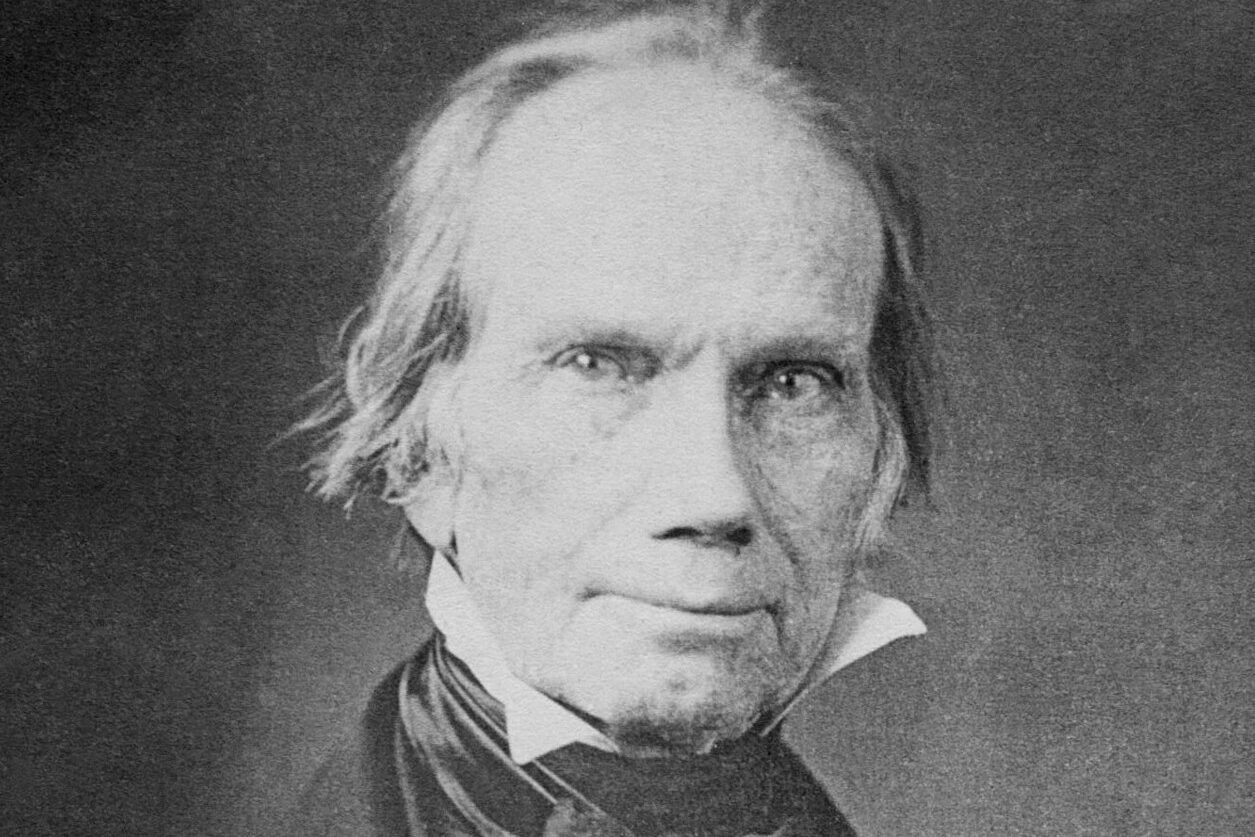
Henry Clay was known as the “Great Compromiser,” and for good reason. He played a key role in shaping early 19th-century American politics, helping to navigate conflicts over tariffs, state rights, and the expansion of slavery. Many historians admire his skill in negotiation and his effort to hold the country together during a period of rising sectional tension.
Still, Clay’s legacy is not entirely without controversy. He owned enslaved people and supported compromises that maintained the institution of slavery, a reality that complicates his reputation as a unifying figure. One contemporary described his approach as “practical yet morally uneasy,” highlighting the balance he tried to strike between political stability and ethical consistency. His willingness to compromise kept the Union intact in some ways but came at the cost of human freedom for many. Clay’s story reminds us that political skill can coexist with ethical limits. His contributions to the nation’s structure remain significant, but they are inseparable from the moral compromises required to achieve them.
14. The Visionary With Contested Boundaries: Andrew Carnegie
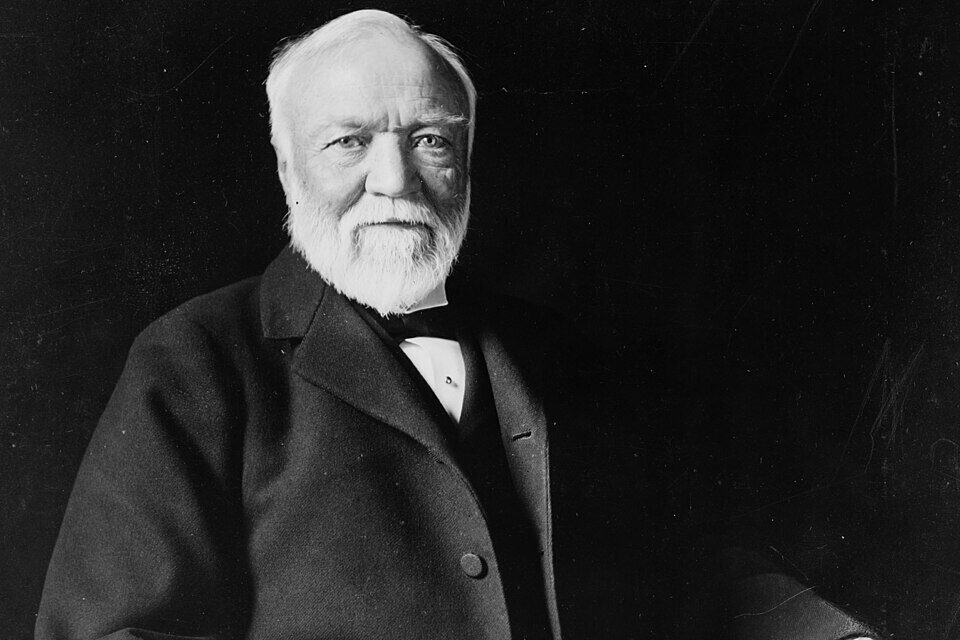
Carnegie is often remembered for his philanthropy, especially the libraries that still stand in towns and cities across the United States. His story fits neatly into the idea of giving back, of using wealth to create opportunity for others. That part of his legacy still feels tangible and easy to appreciate.
But the path to that wealth tells a more complicated story. Carnegie’s steel empire grew during a time of intense labor struggles, and events like the Homestead Strike highlight the tension between workers and management. During that strike, violence broke out, and the response to workers’ demands left a lasting mark on how his leadership is viewed. A line often associated with Carnegie speaks about the responsibility of the wealthy to use their riches for good. While that idea shaped his later years, it does not fully settle the questions about how that wealth was built. It leaves his legacy balanced between generosity and the conditions that made it possible.
15. The Spy Master With Quiet Controversy: J. Edgar Hoover
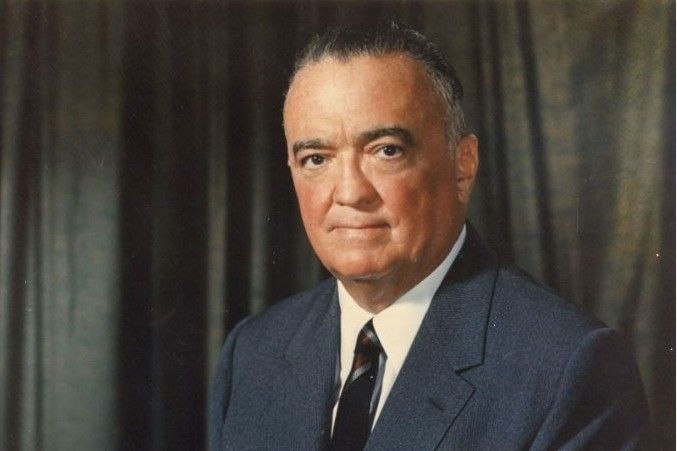
Hoover’s name is closely tied to the early identity of the Federal Bureau of Investigation. He is often seen as the figure who brought structure and discipline to federal law enforcement, helping to modernize investigations and build a national presence.
At the same time, his long tenure brought concerns about power and oversight. Hoover authorized surveillance programs that targeted civil rights leaders, political activists, and others, often without clear accountability. One internal memo from the era described efforts to “expose and disrupt” certain groups, language that has since been widely debated. Looking back, Hoover’s legacy feels tightly wound between order and overreach. His influence shaped the FBI in lasting ways, but it also raised questions about how much authority should rest in one set of hands. It is the kind of story that encourages careful thought about both security and freedom.
16. The Entertainer Who Shaped a Culture: Walt Disney
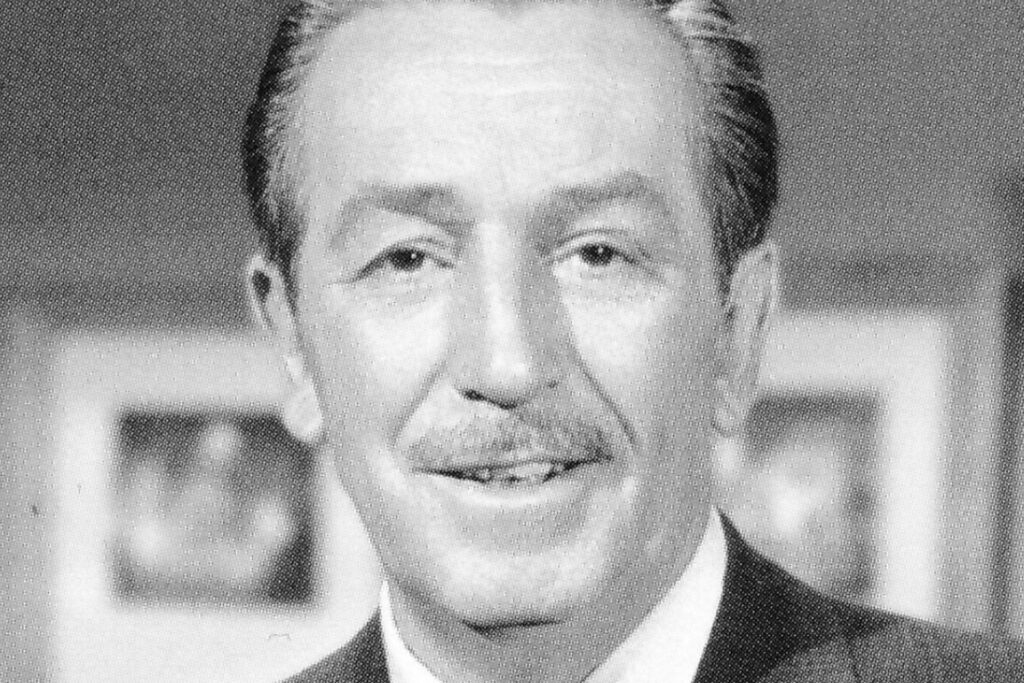
For many Americans, Disney feels like a warm part of childhood. The films, the characters, the parks all carry a sense of imagination that is hard to separate from growing up. Walt Disney himself is often seen as a creative visionary, someone who understood how to turn simple ideas into lasting experiences that families could share.
But over time, some parts of his legacy have been revisited with more care. There have been ongoing discussions about portrayals in early films, particularly how certain groups were represented in ways that now feel limiting or outdated. In addition, questions have been raised about Disney’s labor practices during studio strikes, where tensions between management and animators came to the surface. One account from that period described the workplace as “less magical behind the scenes,” a line that gently shifts the image people often hold. Looking back, Disney’s impact remains undeniable, but it also feels more human when seen in full. Creativity and influence can coexist with blind spots, and understanding both makes the story feel more complete.
17. The Military Leader With a Difficult Decision: Harry S. Truman
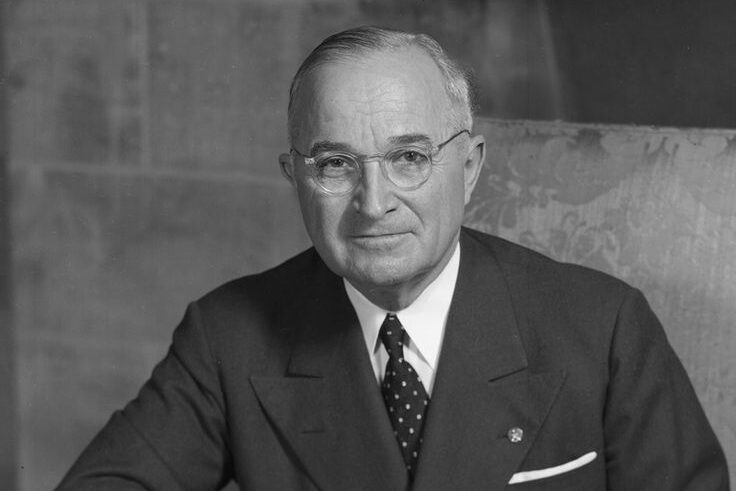
Truman’s presidency is often remembered for decisive action, especially at the end of World War II. His choice to authorize the use of atomic weapons has been framed by some as a way to bring the war to a quicker close, potentially saving lives that might have been lost in a prolonged conflict. That perspective has shaped how many people first understand his leadership.
At the same time, the human cost of those decisions remains central to how others view his legacy. The bombings of Hiroshima and Nagasaki caused immense destruction and loss of life, leaving a lasting global impact. A statement often associated with Truman described the decision as a military necessity, but that framing has been questioned repeatedly over the years. Today, Truman’s legacy is often approached with a sense of weight rather than certainty. His decision marked a turning point in history, and the questions it raised have not fully settled, even decades later.
18. The Supreme Court Voice With Limits: Oliver Wendell Holmes Jr.
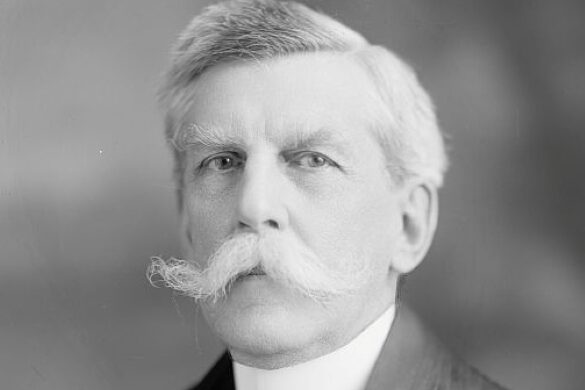
Holmes is often remembered as one of the most influential justices in American legal history. His writings helped shape how people understand free speech, and his opinions are still studied in law schools today. At first glance, his legacy feels closely tied to the protection of individual rights and thoughtful interpretation of the Constitution.
But one of his most cited decisions reveals a more complicated side. In the case of Buck v. Bell, Holmes upheld a law that allowed forced sterilization of individuals deemed unfit. His opinion included the stark line that “three generations of imbeciles are enough,” a sentence that continues to echo in discussions about ethics and law. Revisiting Holmes does not erase his contributions to legal thought, but it does place them alongside decisions that caused real harm. It shows how influence in one area does not always translate to fairness in another, and how legal history can carry both insight and regret.
19. The Founding Voice With an Uneven Record: John Adams
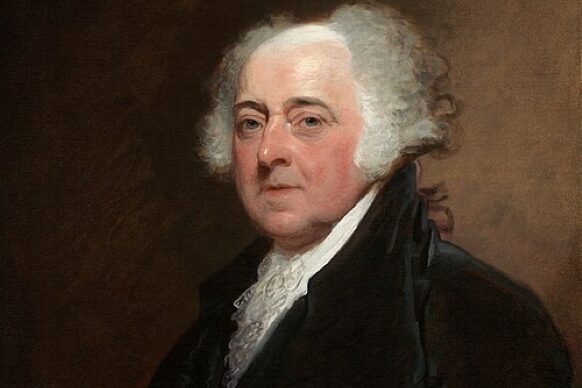
Adams often comes across as steady and principled, especially in the early days of the United States. His role in shaping the nation and supporting independence has earned him a place among the most respected Founding Fathers. There is something grounded about his story, something that feels rooted in duty and persistence.
Yet even Adams made choices that complicate that image. During his presidency, he signed the Alien and Sedition Acts, which limited speech and targeted political dissent. Critics at the time argued that these laws contradicted the very freedoms the new nation was meant to protect. One response from that era described them as measures that “struck at the heart of liberty,” a phrase that still resonates when looking back. As the list comes to a close, Adams’ story feels like a quiet summary of what has come before. People can help build something meaningful and still fall short of its ideals. That does not erase their contributions, but it does ask for a more honest remembrance.


