
1. Enron

It’s hard to talk about corporate failure without mentioning Enron, a company that once felt unstoppable. In the late 1990s, it was praised as one of the most innovative firms in America, a place where big ideas turned into big profits. People trusted it, employees believed in it, and investors couldn’t get enough. But behind that polished image was a complicated web of accounting tricks that hid massive debt and inflated success.
When everything came crashing down in 2001, it didn’t just affect shareholders. Thousands of employees lost their jobs and savings almost overnight. One former executive famously admitted, “We were creating an illusion of earnings,” a simple line that captured just how far things had drifted from reality. What made Enron feel so unsettling was how normal it all seemed until it suddenly wasn’t. It reminds people that even the most celebrated companies can lose their way when transparency disappears and ambition goes unchecked.
2. Lehman Brothers
There was a time when Lehman Brothers felt like a permanent fixture in American finance. Founded in the 1800s, it had survived wars, recessions, and decades of change. So when it collapsed in 2008, the shock went far beyond Wall Street. It felt personal to many people, especially as the financial crisis rippled into everyday life, affecting jobs, homes, and savings.
What went wrong wasn’t just one decision but a pattern of risky bets on housing markets that no longer held up. When the dust settled, the firm filed for the largest bankruptcy in U.S. history. One insider later described the mindset bluntly, saying, “We knew the risks, but we kept going.” That quiet honesty says a lot. It wasn’t ignorance, it was momentum that no one stopped. The story of Lehman Brothers still lingers because it connects to real consequences people experienced, making it more than just a corporate failure.
3. BlackBerry
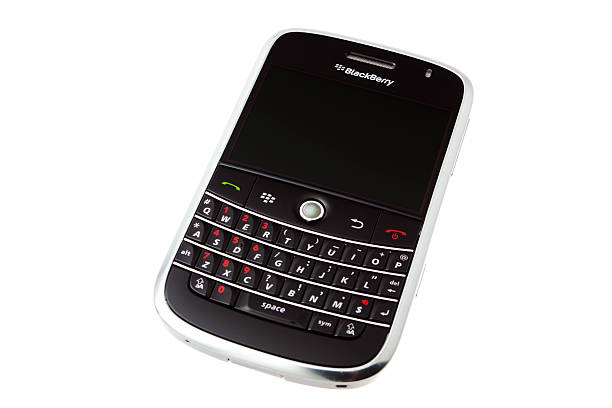
For a while, BlackBerry was the phone to have. Professionals relied on it, governments trusted it, and its physical keyboard became almost iconic. It felt secure, efficient, and ahead of its time. But then the smartphone landscape started shifting, and what once made BlackBerry special slowly became a limitation rather than an advantage.
While competitors embraced touchscreens and app ecosystems, BlackBerry hesitated. That hesitation cost them dearly. As one former executive later admitted, “We underestimated how quickly the market would change.” It’s a simple sentence, but it captures a common mistake many can relate to, assuming what works today will work tomorrow. BlackBerry didn’t disappear entirely, but its fall from dominance serves as a quiet reminder that staying comfortable can be just as risky as making a wrong move.
4. Volkswagen

Volkswagen built its reputation on reliability and engineering. For many drivers, it represented trust, something solid and dependable. That’s why the emissions scandal in 2015 hit so hard. The company admitted to installing software designed to cheat emissions tests, making vehicles appear cleaner than they actually were.
The fallout was immediate and global. Customers felt misled, regulators stepped in, and the brand’s image took a serious hit. One statement during the crisis summed it up in plain terms, “We have totally screwed up.” It was unusually direct, and maybe that’s why it stuck with people. The situation showed how quickly trust can unravel when honesty is compromised. It also reminded consumers that even well-established brands can make decisions that don’t align with the values they promote.
5. Sears
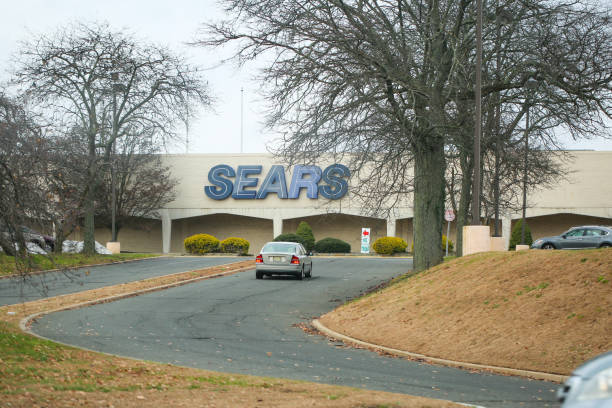
Sears was once at the heart of American shopping. Families browsed its catalogs, visited its stores, and trusted it for everything from tools to appliances. It wasn’t just a retailer, it was part of everyday life. But over time, that connection started to fade as the company struggled to adapt to changing shopping habits.
While competitors invested in online retail and modern store experiences, Sears seemed stuck between past success and an uncertain future. A former employee once reflected, “We kept trying to cut costs instead of creating value.” That quiet observation explains a lot. Customers noticed the difference, and slowly, they stopped coming back. Sears didn’t collapse overnight, it faded in a way that felt almost inevitable. Its story resonates because it mirrors what happens when a business forgets why people chose it in the first place.
6. WeWork
At first glance, WeWork didn’t feel like just another office rental company. It marketed itself as a movement, something bigger than desks and shared spaces. Young professionals were drawn to the energy, investors were drawn to the vision, and for a while, it seemed like the company could do no wrong. Its rise was fast, almost too fast, and that momentum became part of its identity.
But somewhere along the way, the story started to shift. Concerns about leadership decisions, spending habits, and a business model that didn’t quite match its valuation began to surface. When the company tried to go public, everything slowed down under scrutiny. One early investor reportedly said, “The numbers didn’t match the narrative,” a simple observation that carried a lot of weight. What felt inspiring at the start began to feel uncertain. WeWork didn’t disappear, but its fall from hype to reality became a lesson many people quietly took note of, especially in a culture that often celebrates rapid growth.
7. Uber
Uber changed how people moved around cities. It made transportation feel easier, more accessible, and in many cases, more affordable. For riders, it was convenience. For drivers, it was opportunity. That early promise made it one of the most talked-about companies in the country, and for a time, it felt like it could do no wrong.
Then the headlines began to change. Reports of workplace culture issues, regulatory battles, and leadership controversies started to shape public perception. One former employee described the environment as “chaotic and unchecked,” a phrase that stuck because it felt honest rather than dramatic. It wasn’t just about one issue, it was a pattern that people began to notice. Uber has since worked to rebuild its image, but that period of turbulence remains part of its story. It’s a reminder that even companies built on convenience and innovation still need strong foundations behind the scenes.
8. Facebook
Facebook once felt like a simple way to stay connected. Friends, photos, updates, it all came together in a way that felt natural. Over time, though, the platform grew into something much larger, shaping conversations, influencing opinions, and becoming deeply woven into everyday life in the U.S.
With that influence came scrutiny. Concerns around data privacy, misinformation, and user trust began to surface more frequently. During one congressional hearing, Mark Zuckerberg acknowledged, “We didn’t take a broad enough view of our responsibility,” a statement that many people saw as overdue. It wasn’t just about technology anymore, it was about impact. Facebook is still widely used, but the way people view it has changed. The story isn’t about disappearance, it’s about transformation, and the growing awareness that platforms carrying so much influence also carry a deeper responsibility.
9. Purdue Pharma
Purdue Pharma became widely known for producing OxyContin, a drug that was initially presented as a breakthrough in pain management. Doctors prescribed it, patients trusted it, and for a time, it seemed like a solution to a real need. The company’s messaging played a big role in how the drug was perceived across the country.
But as the opioid crisis deepened, attention turned toward how the drug had been marketed. Lawsuits and investigations revealed concerns that risks had been downplayed. One widely cited claim in court filings stated the company had “misled the public about addiction risks,” a phrase that became central to the conversation. The impact wasn’t abstract, it affected families, communities, and entire regions. Purdue Pharma’s story is one that people still grapple with, not just as a corporate issue, but as something that touched real lives in lasting ways.
10. Wells Fargo
Wells Fargo had long been seen as a steady, reliable bank, the kind of institution people trusted with their savings and everyday finances. It wasn’t flashy, but that consistency was part of its appeal. For many customers, it felt like a safe choice, something dependable in an often complicated financial world.
That perception shifted when it was revealed that millions of unauthorized accounts had been created in customers’ names. The news felt personal to many, not just because of the scale, but because of the breach of trust involved. A former employee later said, “The pressure to meet targets was intense,” offering a glimpse into how things had escalated internally. It wasn’t just a policy failure, it was a cultural one. Wells Fargo has since taken steps to rebuild trust, but the incident remains a clear example of how quickly confidence can be shaken when priorities become misaligned.
11. Pacific Gas and Electric Company
For many people in California, Pacific Gas and Electric Company, often called PG&E, was just part of daily life. It powered homes, businesses, and entire communities without much thought. Utilities are supposed to be steady, reliable, and almost invisible when things are working well. That quiet expectation is what made everything that followed feel so unsettling.
Over time, investigations linked the company’s equipment to several devastating wildfires. Lives were lost, homes were destroyed, and trust was shaken in a way that felt deeply personal. In court filings and public statements, the company acknowledged responsibility in certain cases, with one report noting that its equipment was “involved in ignition.” It’s a restrained phrase, but the impact behind it is anything but small. PG&E eventually filed for bankruptcy as the financial consequences mounted. For many Americans watching from afar, it became a reminder that even essential services can falter when maintenance, oversight, and accountability fall behind what people depend on.
12. Blockbuster
There was a time when a Friday night often meant a trip to Blockbuster. Walking the aisles, picking out a movie, maybe grabbing some snacks, it was a small routine that felt familiar across the country. Blockbuster wasn’t just a business, it was part of how people experienced entertainment before everything went digital.
But as streaming services began to emerge, the company struggled to adapt. It had opportunities to pivot, even chances to embrace new models early on, but hesitation got in the way. A former executive later admitted, “We were late to see the shift,” a simple line that captures a much bigger story. While companies like Netflix moved forward, Blockbuster stayed rooted in what had worked before. The result wasn’t sudden collapse but a slow fading that people could almost feel happening in real time. It’s the kind of story that sticks because it reflects how easy it is to hold onto the familiar, even when change is already at the door.
13. WorldCom
WorldCom was once one of the largest telecommunications companies in the United States. It grew quickly, expanding through acquisitions and building a presence that seemed solid on the surface. For investors and employees, it looked like a company that had figured out how to keep climbing, even in a competitive industry.
Then the accounting scandal came to light. Billions of dollars in expenses had been improperly reported, creating a false picture of profitability. When the truth surfaced, it led to one of the largest bankruptcies in U.S. history at the time. A report later described the situation plainly, noting the company had “manipulated its financial statements,” a phrase that feels clinical but carries heavy consequences. Jobs were lost, retirement savings were affected, and confidence in corporate reporting took a hit. WorldCom’s story doesn’t just sit in the past, it still comes up whenever people talk about transparency and the importance of getting the numbers right.
14. Toyota
Toyota had built a reputation in the U.S. for reliability and consistency. For many American families, owning a Toyota meant peace of mind, a car that would simply do its job without much trouble. That trust had been earned over years, which is why the recall crisis around unintended acceleration drew so much attention.
Reports of vehicles behaving unpredictably led to widespread recalls and intense scrutiny. Drivers were concerned, regulators stepped in, and the company faced questions it wasn’t used to answering at that scale. At one point, Akio Toyoda acknowledged, “We pursued growth over the speed at which we were able to develop our people and organization,” a statement that felt reflective rather than defensive. It showed how even a respected brand can stretch itself too far. For U.S. consumers, the story resonated because it involved something so everyday, getting from one place to another safely.
15. Barings Bank
Barings Bank might not have been an American institution, but its collapse still caught the attention of U.S. audiences. As one of Britain’s oldest banks, it carried a sense of history and stability that felt almost unshakable. That’s part of what made its downfall so surprising when it came.
The collapse was tied to unauthorized trading activities by a single employee, losses that quietly grew until they could no longer be contained. When the situation became public, the bank folded under the weight of it. One account described how the losses had been “hidden in plain sight,” a phrase that lingers because of how simple it sounds. For many Americans following the story, it was a reminder that financial systems are deeply connected. What happens in one part of the world can quickly become a lesson for another. Barings didn’t just fall, it became a case study in oversight, accountability, and how much trust institutions really carry.
16. Theranos
At one point, Theranos felt like the future of healthcare. The idea was simple and powerful, running a wide range of blood tests from just a small finger prick. It sounded convenient, less invasive, and almost revolutionary. Investors believed in it, partners signed on, and the company quickly became one of the most talked-about startups in the country.
But as time went on, questions began to surface about whether the technology actually worked as claimed. Investigations revealed that many of the promises had not been backed by reliable results. During the fallout, Elizabeth Holmes maintained that she had believed in the vision, but reports and testimony painted a more complicated picture. One widely cited conclusion described the technology as “not capable of delivering accurate results,” a statement that shifted everything. What made this story resonate was how much hope had been attached to it. It wasn’t just about business, it was about trust in something that felt personal, like health.
17. JCPenney
JCPenney was once a steady presence in malls across America. Families shopped there for clothes, home goods, and seasonal sales that felt like small events. It wasn’t flashy, but it was reliable, and that consistency built a quiet kind of loyalty over the years.
The challenges came as shopping habits began to shift. Online retailers grew stronger, foot traffic in malls declined, and attempts to reinvent the brand didn’t quite land the way they were intended. Pricing strategies changed, store layouts evolved, but customers seemed unsure about what the company was trying to become. A former executive later reflected, “We changed too much, too quickly,” a line that captures that sense of disconnection. It wasn’t just about competition, it was about losing a clear identity. JCPenney didn’t disappear overnight, but its struggles felt familiar to anyone who has seen something once dependable slowly lose its footing.
18. Boeing
Boeing has long been a symbol of American engineering, a company associated with innovation, scale, and reliability in aviation. For many travelers, stepping onto a Boeing aircraft was something that rarely raised a second thought. It was simply part of the routine of flying.
That sense of ease was shaken during the 737 Max crisis. Two tragic crashes led to global groundings and intense investigations into the aircraft’s design and certification process. The situation drew worldwide attention, including in the U.S., where aviation safety is closely watched. In congressional hearings, one internal message described the aircraft in troubling terms, reflecting concerns that had not been fully addressed. It was a sobering moment. Boeing has since worked toward recovery, but the episode remains a reminder that even the most established companies must continuously earn the trust placed in them, especially when lives are directly involved.
19. Equifax
Equifax operates mostly in the background of everyday life, tracking credit information that affects loans, mortgages, and financial decisions. Most people don’t think about it often, but its role is deeply tied to personal identity and financial stability in the U.S.
That’s what made the 2017 data breach feel so personal. Sensitive information belonging to millions of Americans was exposed, including Social Security numbers and other critical data. It wasn’t just a technical issue, it was a breach of something people rarely get a chance to protect themselves. In the aftermath, a company statement acknowledged the incident as one that “impacted a significant portion of the U.S. population,” a carefully worded line that still carried weight. The reaction was immediate, frustration, concern, and a renewed focus on data security. It’s the kind of story that stays with people because it touches something close to everyday life.
20. FTX

FTX wasn’t a traditional American company in the strictest sense, but its presence in the U.S. was strong enough that its collapse felt close to home for many. It positioned itself as a trustworthy platform in the fast-moving world of cryptocurrency, attracting everyday users, investors, and even major public figures.
When the company collapsed in 2022, it sent shockwaves through the financial world. Customers suddenly found themselves unable to access funds, and the broader crypto market reacted almost instantly. At the center of it was Sam Bankman-Fried, who later admitted, “I made a lot of mistakes,” a simple statement that stood in sharp contrast to the scale of the situation. For many Americans watching or affected, it felt like a reminder of how quickly things can shift in newer financial spaces. And quietly, it brings this entire list full circle, showing that whether old institutions or new ventures, the core issues often come back to trust, clarity, and responsibility.


