
1. The Always-On Smartphone
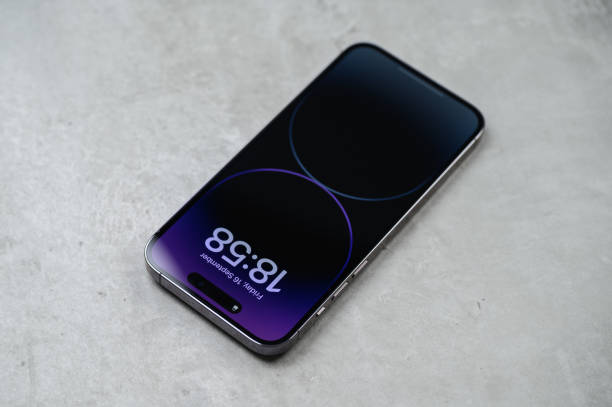
It’s hard to remember what daily life felt like before the smartphone slipped into every pocket and palm. At first, it felt like freedom having maps, messages, and the world’s knowledge within reach. But somewhere along the way, the line between convenience and constant interruption blurred. Many people now find themselves checking their phones without thinking, in quiet moments, during meals, even mid-conversation. As one report from Pew Research puts it, “a majority of users say they often feel distracted by their devices,” which says a lot about how deeply it’s embedded in everyday life.
There’s also the quieter cost of attention. Conversations shorten, focus splinters, and rest becomes harder to come by. It’s not that the smartphone failed, it’s that it worked too well, folding so many parts of life into one screen that stepping away feels like missing out. Over time, what was meant to simplify things has added a subtle layer of mental clutter. You start to notice it in small ways, like reaching for your phone without a reason, or feeling a pull you can’t quite explain.
2. Plastic Surgery

Plastic surgery emerged as a tool for reconstruction and self-expression. Initially, it addressed injuries, birth defects, or medical conditions, offering solutions that were previously impossible. Over time, elective procedures became more common, fueled by media and social expectations. While transformative for some, the industry has also contributed to subtle social pressures. Psychologists note that “body image concerns are often amplified by cosmetic interventions,” highlighting the psychological consequences beyond the physical.
People who pursue surgery can feel empowered, but there’s also an underlying narrative of comparison and perfection that can be hard to escape. It’s an invention that literally reshapes appearances, yet it also reshapes how society perceives beauty and normalcy. Plastic surgery succeeded in solving certain personal and medical challenges but created a landscape of expectations that continues to evolve.
3. Processed Foods
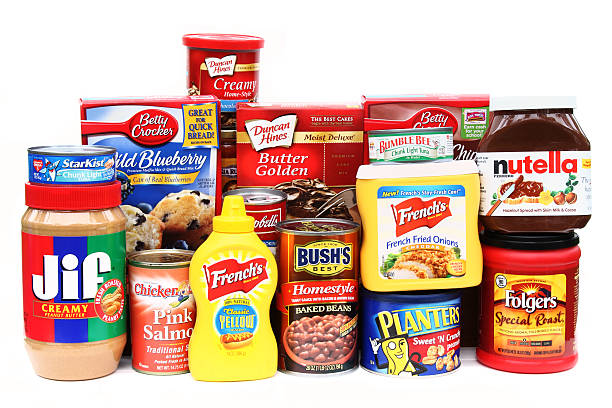
Processed foods stepped in as a practical solution for busy lives. They offered longer shelf life, quick preparation, and a sense of reliability. For families juggling work, school, and everything in between, that convenience mattered. Meals became easier to plan, store, and serve. But over time, the broader effects started to come into focus. Nutrition experts often say that “high consumption of processed foods is linked to various health concerns,” highlighting a trade-off that wasn’t always obvious at first.
There’s also the shift in how people relate to food itself. Cooking becomes less frequent, ingredients less familiar, and meals more standardized. While processed foods still serve a purpose, they’ve also changed expectations around time and effort. The idea of a quick fix becomes the norm, even when it comes at a cost. It’s not about removing them entirely, but about noticing how easily they can take over. What started as support for busy schedules has, in some cases, reshaped them.
4. Social Media Platforms
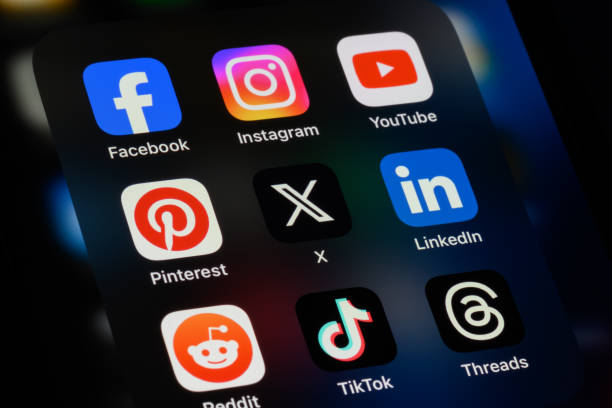
At the beginning, social media felt like a warm, open room where everyone could connect, share, and be heard. It made long-distance friendships feel closer and gave people a voice in ways that once seemed impossible. But as the platforms grew, so did the complexity. What started as simple connection slowly turned into performance, comparison, and, at times, pressure. As researchers have noted, “these platforms are designed to keep users engaged for as long as possible,” which helps explain why logging off can feel surprisingly difficult.
Over time, many users began to notice the emotional weight. Scrolling can shift from curiosity to comparison without warning, and moments that once felt private now feel curated for an audience. It’s not that social media is entirely negative, it still connects people in meaningful ways. But it also introduced a new kind of noise, one that’s harder to turn down. The challenge now isn’t whether to use it, but how to use it without losing the quiet, unfiltered parts of life that matter just as much.
5. Ride-Sharing Apps
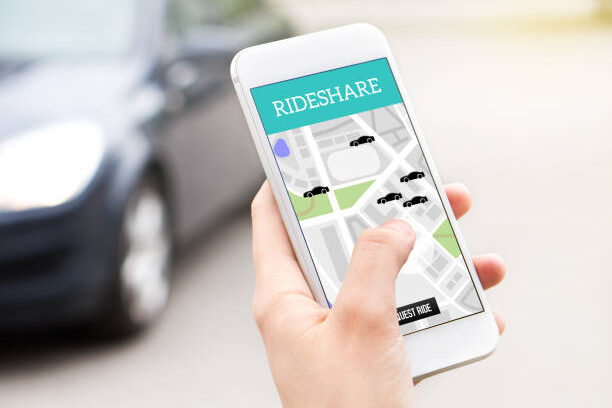
When ride-sharing apps first appeared, they felt like a simple answer to everyday transportation issues. No more waiting on the street or calling ahead, just a few taps and a car would arrive. It was convenient, often affordable, and opened up flexible work opportunities for drivers. But as the model expanded, new questions followed. Some urban studies suggest that “ride-hailing services have contributed to increased traffic congestion in major cities,” which is a twist few expected at the start.
There’s also the human side of it. Drivers navigate uncertain earnings, fluctuating demand, and long hours, while passengers grow accustomed to instant availability. The balance between convenience and sustainability becomes harder to ignore. Ride-sharing didn’t replace traditional transport, it added another layer to it, sometimes making systems more crowded rather than less. It still works, and for many, it works well, but it also reshaped how cities move in ways that are still unfolding.
6. Fast Fashion

There was a time when buying clothes meant choosing carefully, wearing them often, and keeping them for years. Fast fashion changed that rhythm completely. Suddenly, trends moved quicker, prices dropped, and wardrobes expanded almost overnight. On the surface, it felt like access and variety, something for everyone at any moment. But behind that convenience sits a more complicated reality. Industry reports often point out that “millions of tons of textile waste are generated each year,” much of it from items worn only a handful of times.
The impact shows up in subtle habits too. Clothes become easier to discard, trends feel fleeting, and the idea of durability quietly fades. It’s not just about environmental cost, it’s about how quickly value shifts. What once felt like a thoughtful purchase can now feel temporary, almost disposable. Fast fashion didn’t fail in delivering affordability, but it changed the relationship people have with what they wear. And once you notice that shift, it’s hard not to question whether more options really meant better choices.
7. Plastic Packaging

Plastic packaging arrived as a solution that seemed almost perfect. It was light, durable, inexpensive, and incredibly versatile. It kept food fresh, protected goods in transit, and made storage easier than ever. For a long time, it quietly did its job so well that few people questioned it. But over the years, the long-term effects began to surface. Environmental studies often note that “plastic can take hundreds of years to decompose,” which turns everyday convenience into a lasting footprint.
What makes it more complicated is how invisible the problem can feel. You throw something away, and it disappears from sight, but not from existence. Beaches, waterways, and even food systems now carry traces of what was once considered harmless. Plastic packaging solved immediate problems with remarkable efficiency, but it didn’t account for what would happen after use. And now, the conversation has shifted from convenience to responsibility, asking not just how we use it, but how we move beyond it.
8. Single-Use Coffee Pods

For many people, mornings used to begin with a simple routine scoop, brew, pour. Then single-use coffee pods arrived and reshaped that ritual into something faster and more precise. Just pop in a pod, press a button, and your coffee is ready in seconds. It felt like a small luxury, especially on busy mornings when time feels tight. But over time, the convenience came with a growing awareness. Environmental groups have often pointed out that “billions of coffee pods end up in landfills each year,” largely because many are difficult to recycle.
There’s also something subtle that changed in the experience itself. Coffee became more about speed than process, more about ease than intention. While that suits modern life, it also creates a quiet dependency on a system that produces more waste than it removes effort. The pods did exactly what they promised, but they introduced a new layer of consumption that lingers long after the coffee is gone. And once you notice how many small pieces add up, the simplicity starts to feel a bit more complicated.
9. Email

Email was meant to simplify communication, and in many ways, it did. It replaced slower forms of correspondence and made it possible to reach someone across the world in seconds. At first, it felt efficient and organized, a place where messages could be stored, searched, and revisited. But over time, inboxes began to fill faster than they could be cleared. Workplace studies often note that “employees spend a significant portion of their day managing email,” which reflects how quickly it shifted from tool to task.
What’s interesting is how it changed expectations. A message sent quickly now often expects a quick reply, and silence can feel like neglect. The steady stream of notifications can make it hard to fully step away from work, even after hours. Email didn’t fail, it expanded, quietly stretching into spaces it wasn’t meant to occupy. It made communication easier, but also more constant. And in doing so, it turned something simple into something that always seems to need attention.
10. GPS Navigation
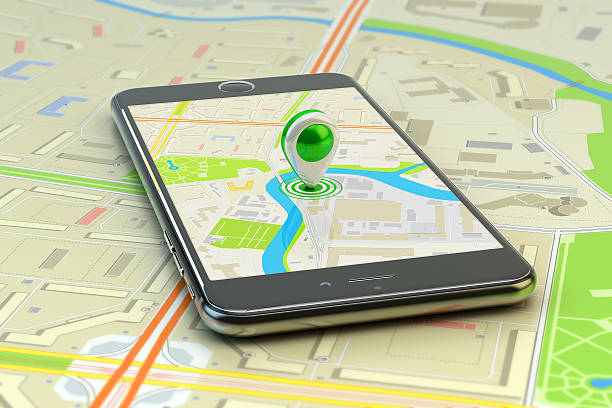
There was a time when getting somewhere new required a bit of planning maybe a printed map, maybe asking for directions along the way. GPS navigation changed that almost overnight. Suddenly, you could follow a voice, trust the route, and arrive without much thought. It felt like a relief, especially in unfamiliar places. But as reliance grew, something else quietly faded. Some studies suggest that “overreliance on GPS can weaken natural navigation skills,” which speaks to how convenience can sometimes replace awareness.
You notice it in small moments, like struggling to recall a route you’ve taken multiple times or feeling lost without a device guiding you. The mental map that once formed naturally now gets outsourced. GPS didn’t create a visible problem, but it shifted a skill into the background. It made travel easier, no doubt, but also less engaging in a way that’s hard to describe until you experience it. And once that dependence sets in, it’s not so easy to undo.
11. Air Conditioning

Air conditioning transformed indoor living in ways that are easy to take for granted. It made homes more comfortable, workplaces more productive, and hot climates more manageable. On the surface, it feels like a clear improvement, especially during intense summer heat. But as usage increased, so did the broader impact. Energy reports often note that “cooling systems account for a significant share of electricity use,” which ties directly into larger environmental concerns.
There’s also a quieter shift in how people interact with their surroundings. Windows stay closed, natural airflow gets ignored, and the body adapts to controlled temperatures rather than seasonal changes. It creates comfort, but also a kind of separation from the outside world. Air conditioning didn’t create a problem on its own, it amplified patterns of use that add up over time. And like many of the inventions on this list, it leaves you balancing what it gives with what it slowly takes.
12. Credit Cards

Credit cards arrived as a promise of financial flexibility. They made it possible to buy things without carrying cash, pay later, and even build a credit history. At first, it felt liberating, freedom at your fingertips, the sense of being in control. But over time, the convenience quietly morphed into a trap for many. Financial reports often note that “the average American carries thousands of dollars in credit card debt,” highlighting how easy it is to spend beyond means when the line between money in hand and money owed blurs.
The subtle cost is not just financial, it’s psychological. The ease of swiping can create a disconnect between purchase and consequence, turning small choices into bigger burdens over time. Credit cards didn’t fail at their purpose; they did exactly what they were meant to do. The problem is how we interact with them. They make life smoother, but they also demand awareness, discipline, and careful management. Once you start seeing that, the small freedom they offer comes with a quiet responsibility you can’t ignore.
13. Pesticides

Pesticides came into agriculture with the promise of healthier crops and more abundant harvests. They dramatically increased yields and made it possible to feed a growing population. At first, it seemed like a straightforward win: fewer pests, better produce, more consistent food supply. But over decades, the broader effects emerged. Studies have pointed out that “pesticides can have harmful effects on pollinators, soil health, and water systems,” which adds layers of complexity to what seemed like a simple solution.
Farmers and consumers both feel the ripple effects. Soil depletion, chemical exposure, and the rise of resistant pests create cycles that aren’t easy to break. The tools worked exactly as designed, but nature’s balance wasn’t fully accounted for. It’s a reminder that interventions, even with the best intentions, can ripple outward in ways that take time to understand. Pesticides solved immediate problems but created challenges that continue to shape agriculture today.
14. E-Cigarettes
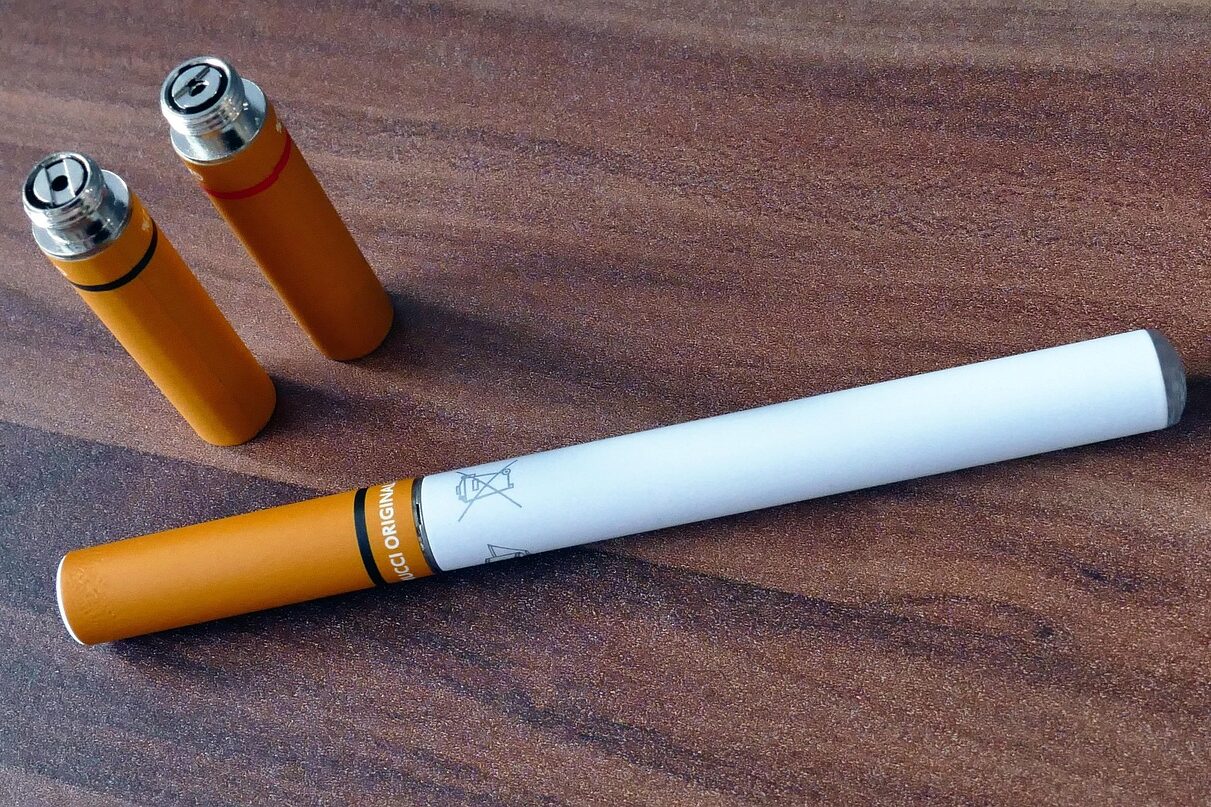
E-cigarettes arrived as a modern alternative for smokers seeking a less harmful habit. They promised convenience, a variety of flavors, and potentially lower health risks compared to traditional cigarettes. For many, it was a hopeful step toward reducing harm. But patterns soon emerged that worried researchers. Reports note that “teen use of e-cigarettes has risen sharply,” raising questions about new dependencies and unintended audiences.
The product worked exactly as designed, delivering nicotine efficiently, but the social and behavioral consequences were more complicated. What was supposed to reduce harm for adult smokers ended up introducing risks for younger generations and non-smokers. It’s a reminder that innovation can have multiple sides, and effectiveness in one area can carry hidden costs elsewhere. E-cigarettes illustrate how solutions don’t always stay contained in the way we expect.
15. Nuclear Power
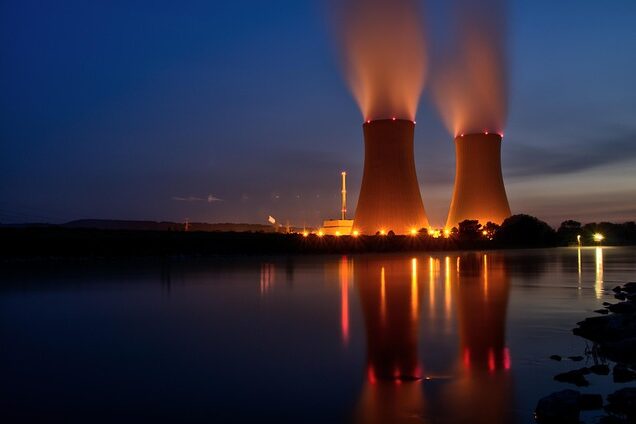
Nuclear power was conceived as a revolutionary, energy source clean, powerful, and efficient. It promised to reduce dependence on fossil fuels and provide nearly limitless energy. For decades, it has delivered impressive results, powering cities and industries. Yet, the stakes are high, and accidents or mismanagement can have catastrophic consequences. The environmental and societal impacts, such as radioactive waste that lasts thousands of years, remind us that “nuclear energy carries long-term safety and disposal challenges.”
There’s also the psychological dimension. The public often reacts with fear, whether or not risk is immediate. Nuclear power solved the immediate need for high-output energy, but it introduced a tension between utility and caution that other energy sources rarely demand. It’s a case of an invention working brilliantly yet leaving a footprint that stretches far beyond its everyday benefits.
16. Antibiotics

Antibiotics arrived like a miracle, turning once-deadly infections into treatable nuisances. For decades, they saved countless lives, changing medicine forever. At first, it felt like humanity had finally tipped the scale in its favor. But overuse and misuse quietly shifted the landscape. Scientists warn that “antibiotic resistance is now one of the biggest threats to global health,” showing how an invention meant to solve a problem created another, far more complex one.
The subtle impact is in how we’ve come to rely on them as a first resort. Minor illnesses that once resolved naturally now trigger automatic prescriptions, altering both individual immune responses and broader bacterial ecosystems. Antibiotics still save lives, but they’ve also introduced a long-term challenge that requires vigilance, new strategies, and a cultural shift around medication. They solved a pressing problem but left a legacy that demands careful stewardship.
17. Automobiles
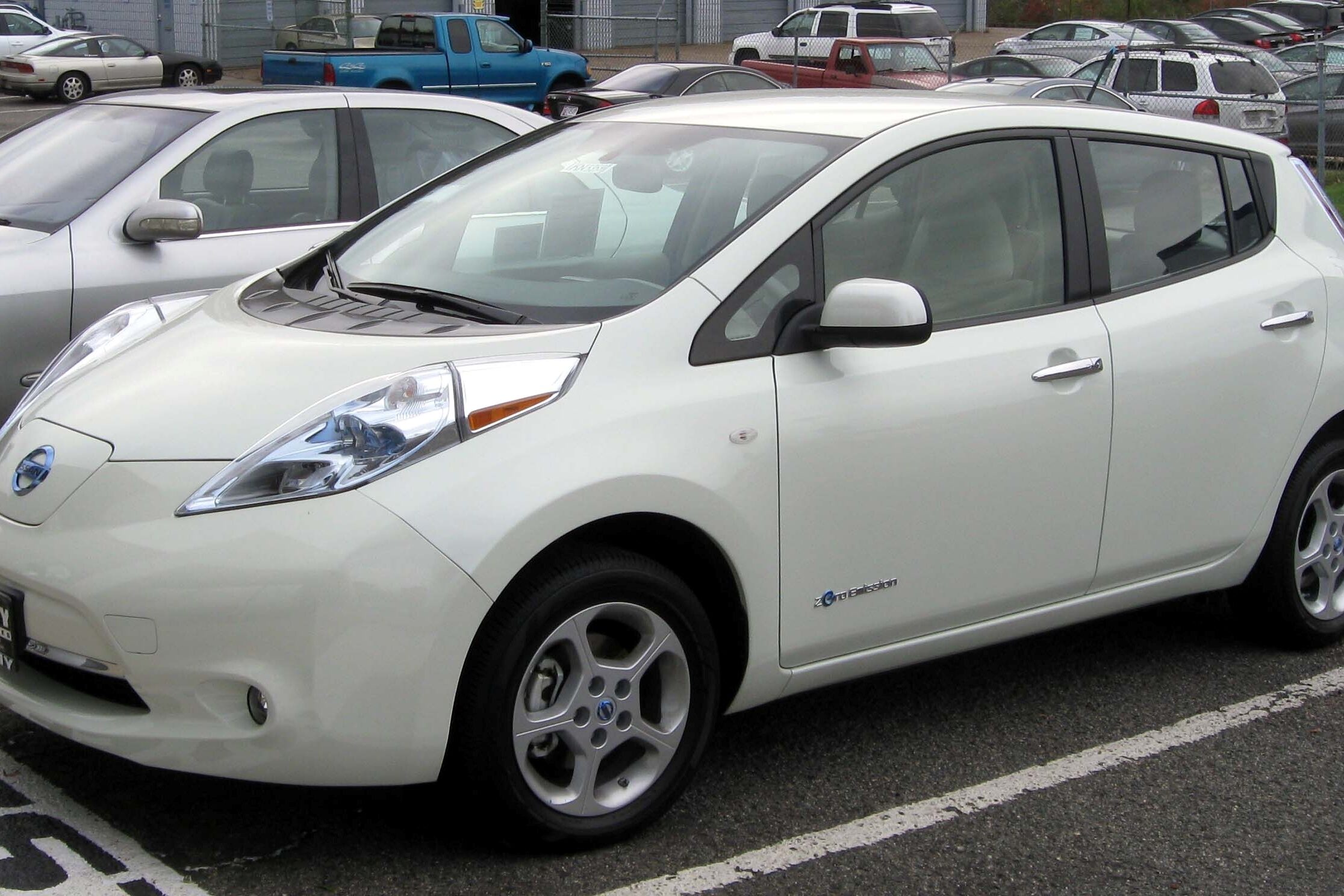
Cars revolutionized mobility and transformed cities, making long distances manageable and connecting communities like never before. They promised independence, speed, and convenience. At first, it seemed like a straightforward benefit: travel on your own terms, at your own pace. Yet as cities grew around the automobile, so did traffic, pollution, and urban sprawl. Reports estimate that “transportation accounts for nearly 30% of U.S. greenhouse gas emissions,” a reminder that convenience has environmental consequences.
The ripple effect goes beyond emissions. Dependence on cars has shaped city planning, reduced walkability, and influenced lifestyle choices. While they solved transportation challenges, they introduced new patterns of congestion and reliance that weren’t anticipated in the earliest models. Automobiles work brilliantly, but the trade-off shows how transformative inventions can quietly reshape not just behavior but the environment itself.
18. Television

Television promised entertainment, information, and a window to the world, and for decades it delivered exactly that. Families gathered around screens to watch news, sports, and stories that brought people together and shaped culture. But over time, TV subtly shifted how people spend time. Studies suggest that “high television consumption is associated with reduced physical activity and social interaction,” highlighting unintended consequences of what felt like a harmless habit.
Beyond physical effects, television also influenced attention spans and social patterns. Stories and commercials subtly shape desires and expectations, and the passive nature of the medium can make it easy to lose track of time. Television solved the problem of mass communication and entertainment, but it introduced new ways for people to disengage or consume passively. It’s a reminder that even the most beloved inventions carry quiet trade-offs alongside their benefits.


