
1. West Virginia’s Coal Country
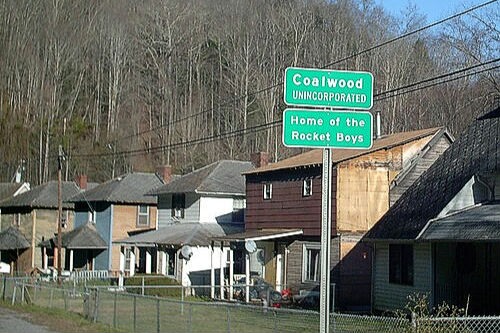
It is impossible to discuss the heart of southern West Virginia without first acknowledging the profound spiritual connection between the residents and the rugged mountains they call home. You feel it in the cadence of local storytelling and in the way families remain rooted to the same hillside across multiple generations, resulting in a culture of intense loyalty. However, as the coal industry underwent a long and painful decline, the economic foundation of these hollows began to erode. While the eastern panhandle near Harpers Ferry has seen a surge in commuters and tourism, the southern mining towns face a much quieter reality. Many parents now find themselves in the bittersweet position of encouraging their children to seek opportunities elsewhere, even if it means watching the family legacy move across state lines.
This transition does not happen overnight, but rather shows up in the subtle thinning of school enrollments and the sight of neighborhoods that feel just a little less full than they once were. Those who remain continue to hold onto the traditions that make the region special, from tight community bonds to a shared history of resilience. Still, there is a growing understanding that love for the land does not always create a sustainable career path. People in these valleys carry both immense pride and a hard-edged practicality at the same time, which is the delicate balance shaping the population loss in coal country. It is a slow, dignified shift that reflects the changing energy of the entire Appalachian region.
2. Rural Mississippi Delta
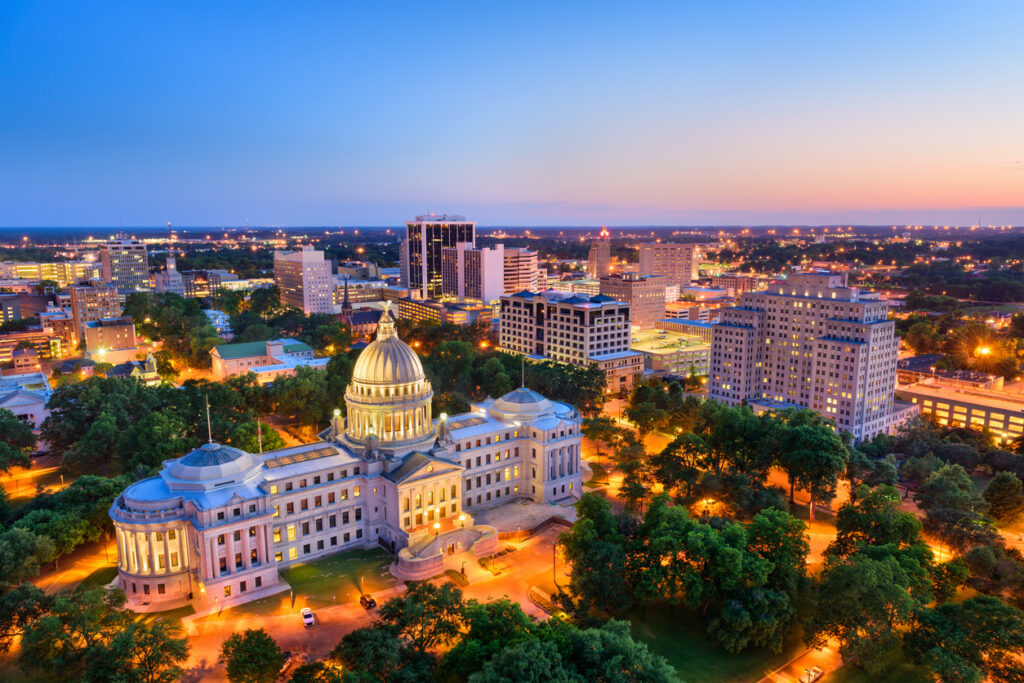
There is something about the Mississippi Delta that feels deeply rooted, like life moves to a rhythm that has been around for generations. You notice it in the food, the music, and the way people connect with one another. But beneath that sense of familiarity, there is also a quiet shift taking place. Farming still plays a role, but it does not support communities the way it once did. Many younger residents grow up knowing they may need to leave to find stable work, even if they would rather stay close to home.
The change feels gradual, almost unspoken. One person leaves, then another, until it becomes something everyone notices. Families gather and talk about it in simple terms, weighing what is best for the future. Those who stay continue to hold onto tradition, keeping culture alive in everyday ways. But the number of people carrying those traditions is slowly shrinking. It is not a loss of identity, just a change in how that identity is sustained over time.
3. Southern Illinois Small Towns
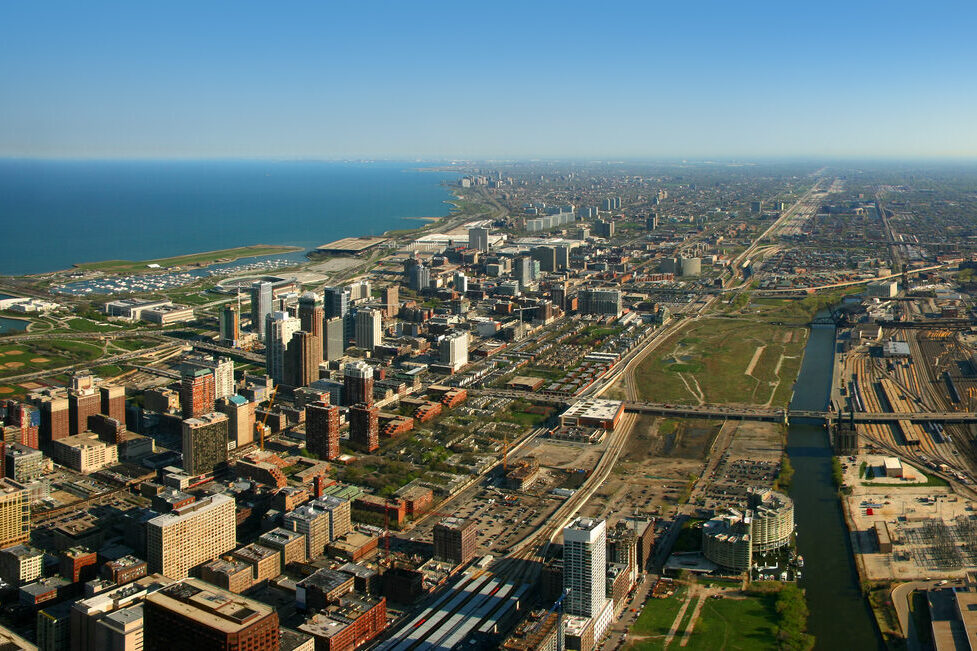
Spending time in southern Illinois small towns can feel comforting in a way that is hard to explain. Life moves at a steady pace, and there is a sense of familiarity in everyday routines. People know each other, and that connection makes the place feel grounded. But over time, there has been a noticeable shift. Job opportunities are not as easy to come by, and many younger residents begin to look elsewhere for something more stable. It often starts quietly, with one person leaving, then another.
The conversations around leaving are usually simple and honest. Families sit together and weigh their options, knowing that staying may not offer enough for the future. Those who remain continue to value the sense of community, even as it grows smaller. Shops close, schools adjust, and the rhythm of the town changes slightly. It is not a sudden transformation, but a gradual one that people learn to live with. The connection to home remains strong, even as more people feel the need to move on.
4. Upstate New York’s Industrial Belt
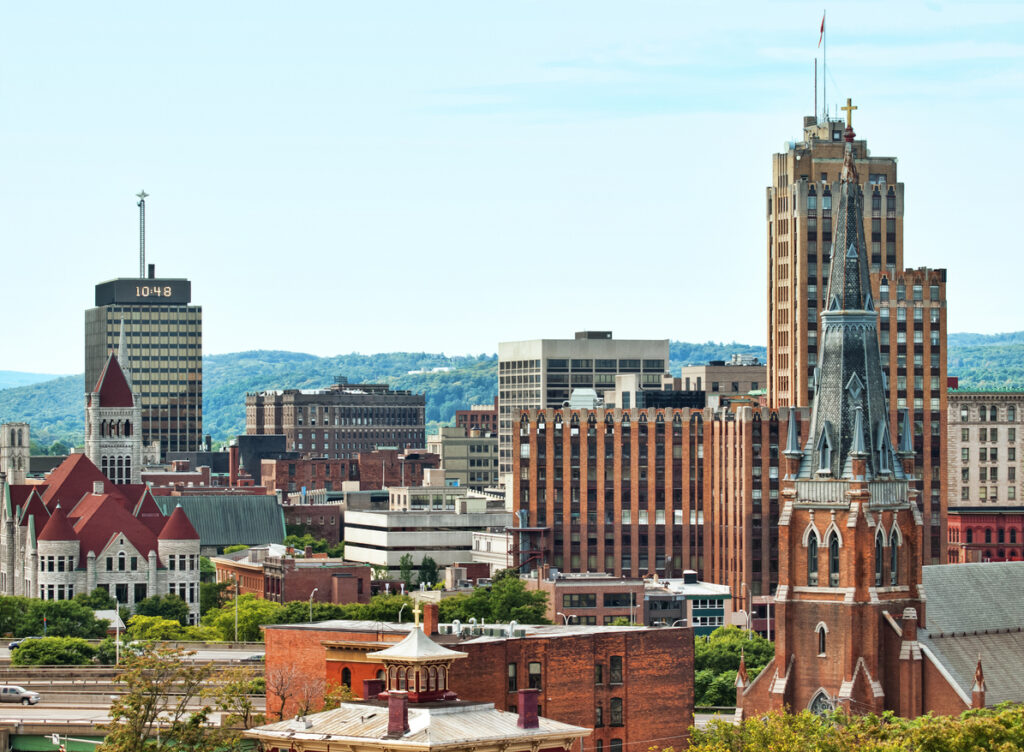
Upstate New York carries a sense of history that is easy to notice the moment you arrive. Old buildings, wide streets, and neighborhoods tell stories of a time when industry kept everything moving. For many residents, those memories are still very present. But over the years, things have slowed down. As manufacturing jobs declined, so did the population in many of these areas. Younger generations often feel drawn to larger cities where opportunities seem more certain.
The shift is not always dramatic. It shows up in subtle ways, like quieter streets and fewer active businesses. Those who stay often do so because of strong ties to the place, whether through family or familiarity. There is still a sense of resilience, with some communities finding new ways to adapt. But the overall feeling is one of transition. The past and present exist side by side, and people are learning how to move forward while holding onto what once made these towns thrive.
5. Northern Maine’s Remote Communities
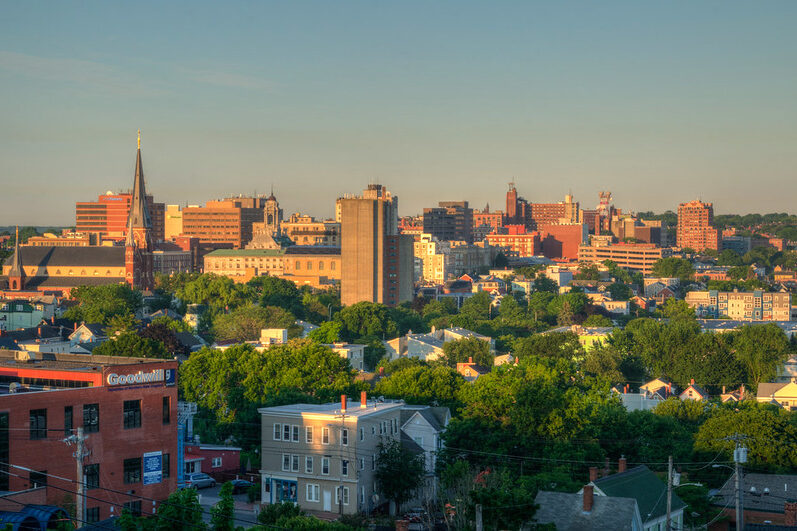
Northern Maine offers a kind of quiet that many people find appealing at first. The space, the calm, and the sense of distance from busy life can feel refreshing. But living there long term brings its own challenges. Jobs are limited, and daily life can require more effort than in more connected areas. Many younger residents leave for education or work, and not all of them return. It is not always a difficult decision, but it is often a necessary one.
Those who stay tend to value what the region offers, from close communities to a slower pace of life. Still, the effects of population loss are noticeable. Schools become smaller, local businesses adjust, and familiar faces gradually disappear. The beauty of the area remains unchanged, but the number of people experiencing it day to day continues to shift. It is a place people hold onto in memory, even if they cannot always stay.
6. Alaska’s Interior Regions
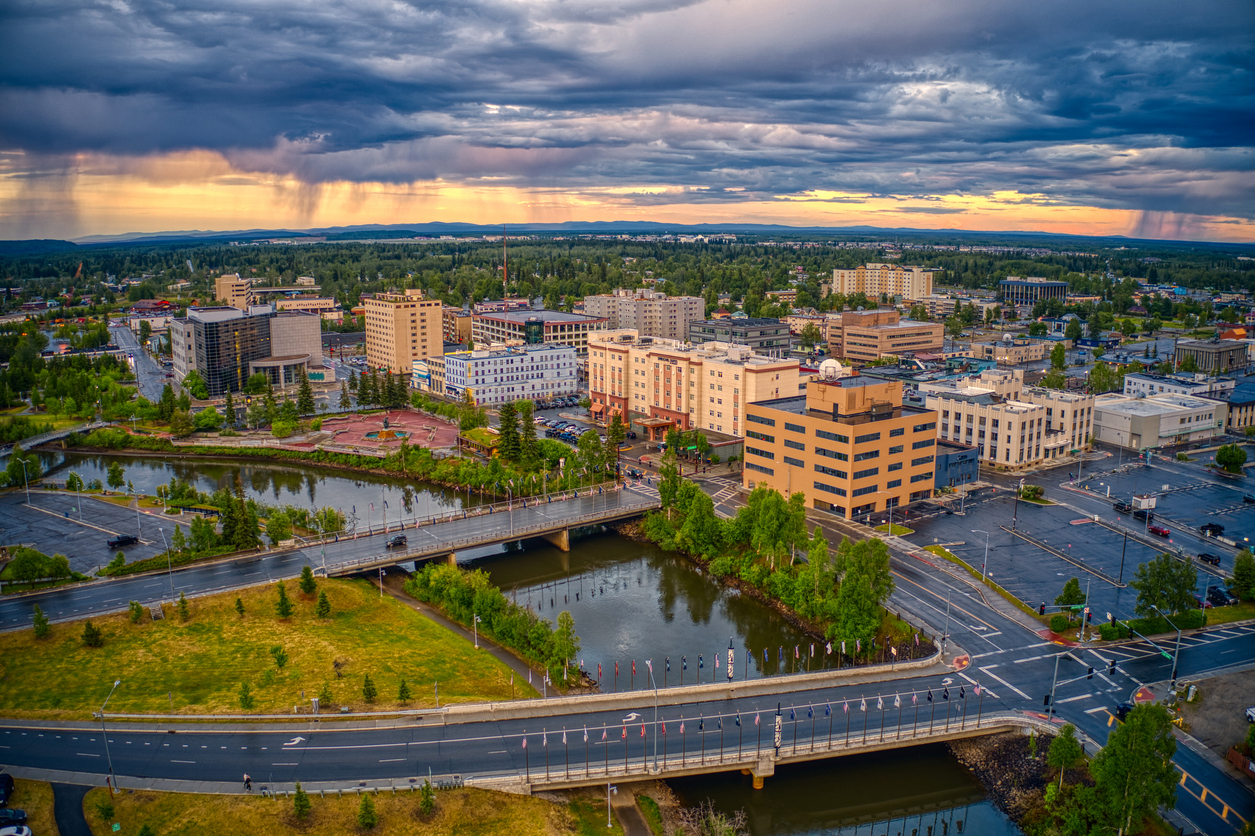
Living in the vast interior of Alaska has always required a specific brand of rugged adaptability and a willingness to face the elements on their own terms. The landscape is undeniably striking with its endless taiga forests and subarctic tundra, which led many adventurous souls to move north in search of a frontier lifestyle. However, the reality of staying long-term in places like Fairbanks or the remote bush villages brings a set of challenges that can wear down even the most determined families. The high cost of basic goods and the isolation of long winters create a heavy burden, resulting in a steady reconsidering of what it means to build a permanent home in the wilderness.
Over the years, many residents have found that the logistical hurdles of the interior outweigh the draw of the scenery, leading them to move toward more accessible coastal cities. Those who leave often speak with a deep fondness for the midnight sun and the silence of the North, remembering their time there as a defining chapter of their lives. Meanwhile, the people who stay continue to embrace the demanding lifestyle with a sense of purpose and local pride. The population shift is not always obvious at first glance, but it becomes clear in the changing routines of the smaller settlements. It remains a place that leaves a permanent mark on the soul, even as fewer people choose to endure its beautiful but difficult extremes.
7. Eastern Kentucky Appalachian Towns
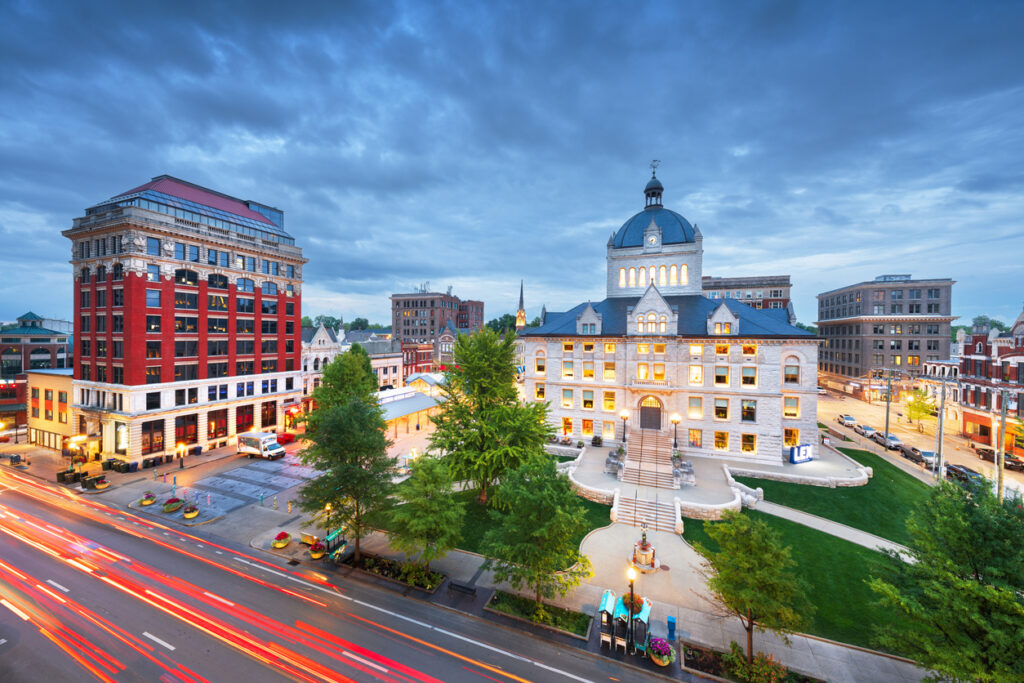
Eastern Kentucky carries a deep sense of identity that is hard to separate from its landscape and history. Communities are close, and people take pride in where they come from. But as coal jobs declined, many of the economic foundations that once supported these towns began to fade. Younger residents often find themselves facing a difficult choice between staying near family and seeking better opportunities elsewhere. It is a decision that comes up often in everyday conversations.
The change happens gradually, showing up in fewer local businesses and smaller school populations. Those who remain continue to support one another, maintaining strong community ties even as numbers decrease. There is no lack of pride or connection, just a growing awareness of what is needed to build a stable future. People carry both love for their home and the understanding that sometimes leaving is the most practical step forward.
8. California’s Inland Rural Counties
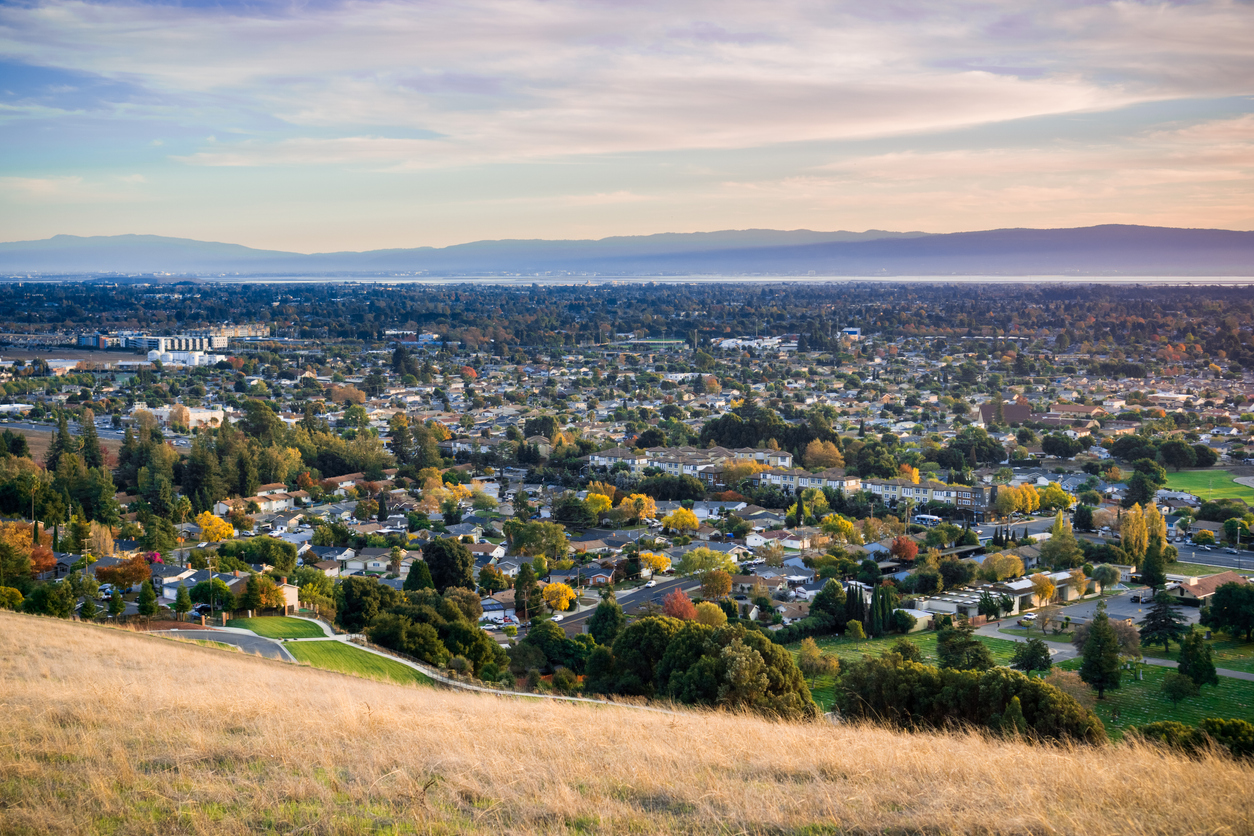
When most people think of California, they imagine busy cities and constant growth. But inland rural counties tell a quieter story. Life in these areas can feel calm and spacious, but opportunities are not always easy to find. Many residents eventually move closer to urban centers, where jobs and resources are more available. It is not always about wanting something different, but about needing something more reliable.
Those who stay often appreciate the slower pace and the sense of space that rural living provides. Still, the effects of population decline become visible over time. Fewer neighbors, less activity, and small shifts in daily life all point to a changing environment. The land remains open and steady, but the number of people around it continues to decrease. It is a subtle change, but one that shapes how these communities move forward.
9. North Dakota Oil Patch Slowdown
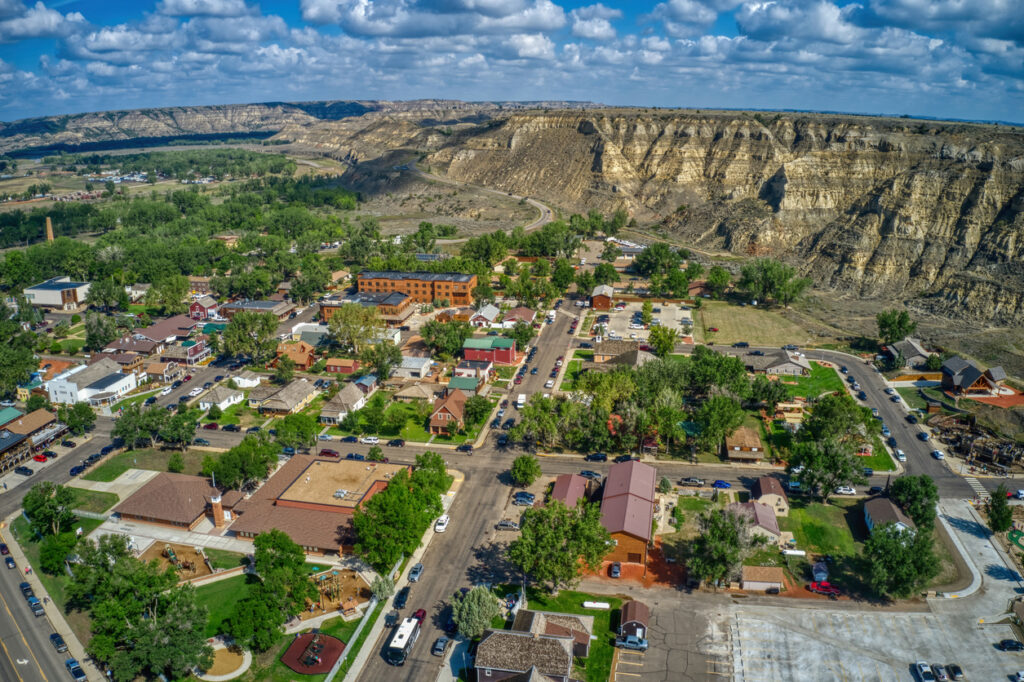
There was a time when parts of North Dakota felt unexpectedly busy, especially during the height of the oil boom. Towns filled up quickly, new faces arrived almost overnight, and everything seemed to move at a faster pace. For many residents, it felt like a moment of growth that would last longer than it did. But as oil activity slowed, so did everything else. Jobs became less certain, and many of the same people who came for work began to leave just as quickly as they had arrived.
Now, the shift feels more settled but also quieter. Streets that once felt crowded have more space, and local businesses have had to adjust to fewer customers. Those who stayed have found ways to adapt, but they still remember how different things felt not too long ago. It is one of those places where change comes in waves, and right now, it feels like the tide has pulled back. The energy is still there, just not as full as it once was.
10. Michigan’s Upper Peninsula
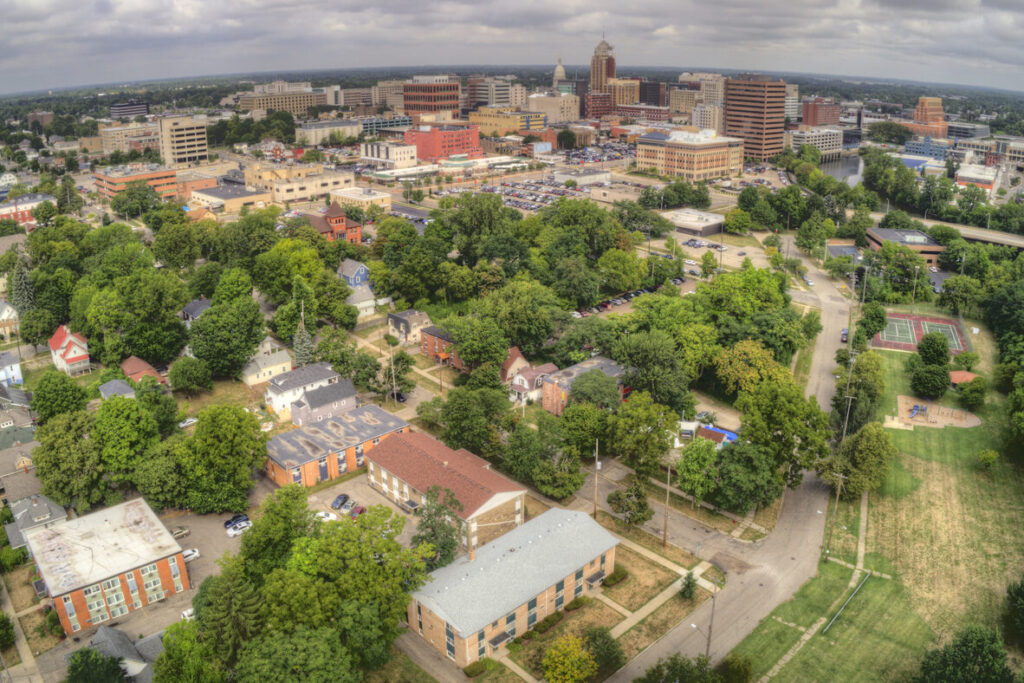
The Upper Peninsula of Michigan has a kind of beauty that feels untouched, with long stretches of forest, water, and quiet roads that go on for miles. People who live there often speak about it with a kind of calm appreciation, like it offers something rare. But living there also comes with trade-offs. Jobs are not always easy to find, and being far from larger cities can make daily life feel a bit isolated over time. Many younger residents leave for school or work and end up building lives somewhere else.
Those who remain usually do so because they value the lifestyle, even with its challenges. They accept the slower pace and the distance from convenience in exchange for peace and space. Still, the population shift is noticeable. Communities feel smaller, and familiar faces become fewer over time. It is not a sudden change, but one that settles in gradually, shaping how people experience the place year after year.
11. Louisiana’s Bayou Parishes
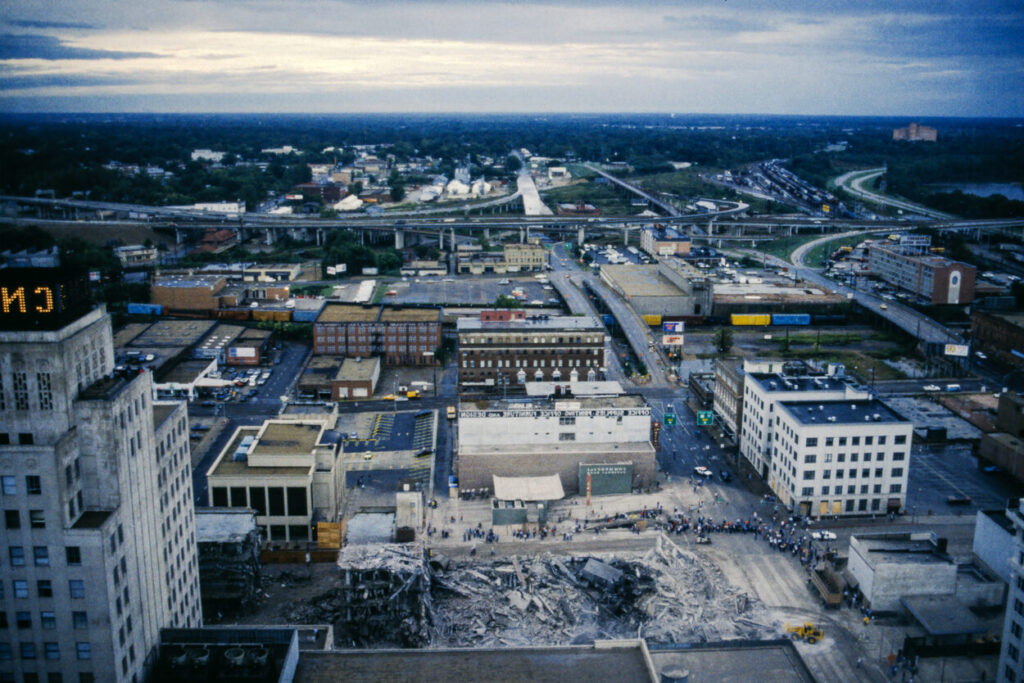
Life in Louisiana’s bayou parishes feels deeply connected to the land and water in a way that is hard to separate. Families have built their lives around these surroundings for generations, creating traditions that feel personal and lasting. But over time, things have become more complicated. Environmental changes and fewer job opportunities are making it harder for people to stay. Some leave because of work, others because daily life is no longer as predictable as it once was.
The decision to leave is rarely easy. It often comes after long conversations and careful thought, especially for those with deep family roots in the area. Those who remain continue to hold onto the culture, keeping traditions alive in small, meaningful ways. Still, there are fewer people around to share in those experiences. The connection to the place remains strong, but the number of people living it out day to day continues to shift.
12. Nevada’s Rural Counties

Outside of Nevada’s well known cities, rural counties offer a completely different kind of life. It is quieter, more spread out, and often feels far removed from the fast pace people associate with the state. But with that quiet comes a challenge. Job opportunities can be limited, and access to services is not always easy. Many residents find themselves thinking about moving, not because they want to leave, but because they need something more stable.
Over time, that decision becomes more common. People head toward urban areas where work feels more reliable and daily life is easier to manage. Those who stay continue to appreciate the space and calm, but they also notice the changes. Fewer neighbors, less activity, and a growing sense that the community is slowly shrinking. It is not dramatic, just steady, and that steady change shapes how these areas continue to evolve.
13. Kansas Farming Communities
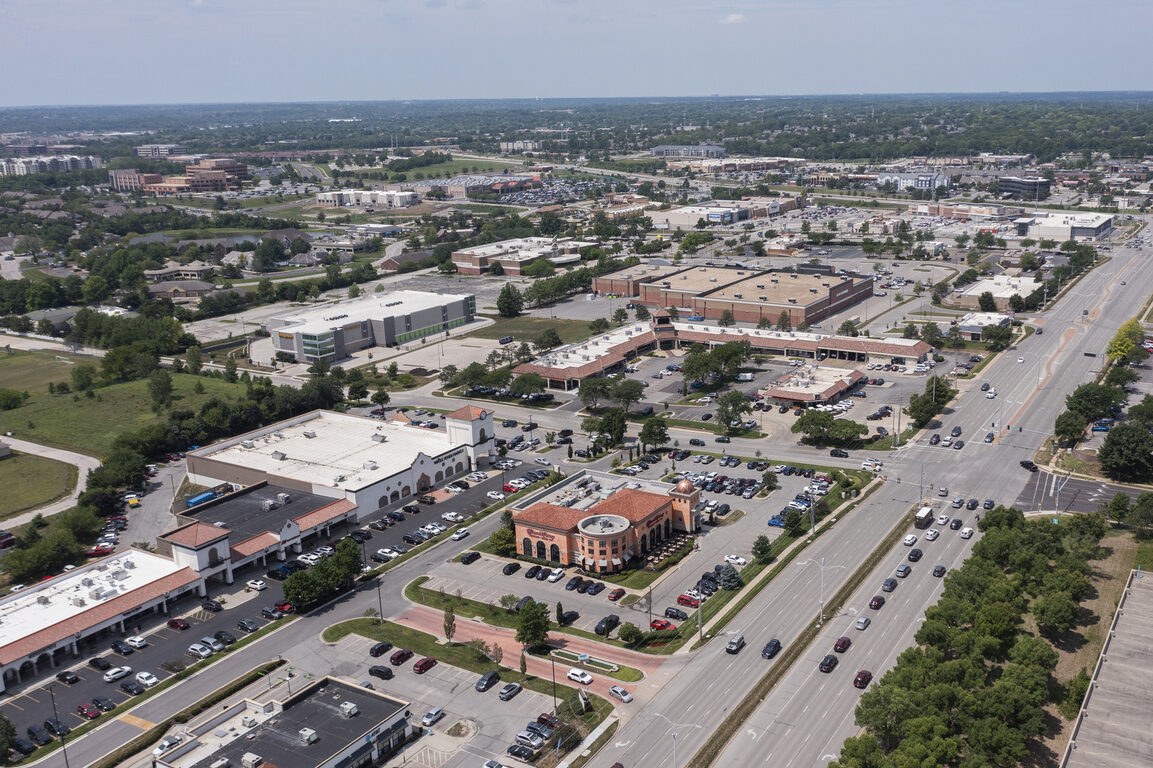
Kansas farming communities have always been built around a steady and familiar rhythm, one that revolves around the land and the seasons. For many families, that rhythm is still there, but the way farming works has changed. It now requires fewer people to manage the same amount of land, which means fewer jobs in the community. Younger generations often find themselves looking elsewhere for opportunities, even if they feel a strong connection to home.
These decisions are usually made quietly, with families talking through what makes the most sense for the future. Those who stay continue to care for the land and maintain the lifestyle they value. Still, the communities themselves grow smaller over time. Schools adjust, local businesses shift, and the social fabric changes in subtle ways. It is not about losing what matters, but about adapting to a different reality that fewer people are part of.
14. Pennsylvania’s Rust Belt Towns
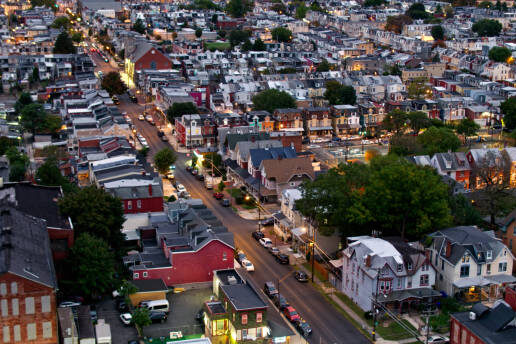
In parts of Pennsylvania, there is a clear sense of history tied to industries that once shaped entire communities. You can see it in the buildings, the neighborhoods, and the stories people share about earlier times. But as those industries declined, so did the population in many of these towns. Younger residents often leave in search of more stable opportunities, creating a gradual shift that becomes more noticeable with time.
Those who remain tend to have strong ties to the area, whether through family or a deep sense of belonging. Some communities are working to rebuild and find new paths forward, but that process takes time. In the meantime, the changes are visible in everyday life. There are fewer people, fewer busy moments, and a quieter pace overall. It is not the same as it once was, but it is still home for many.
15. New Mexico’s Remote Villages
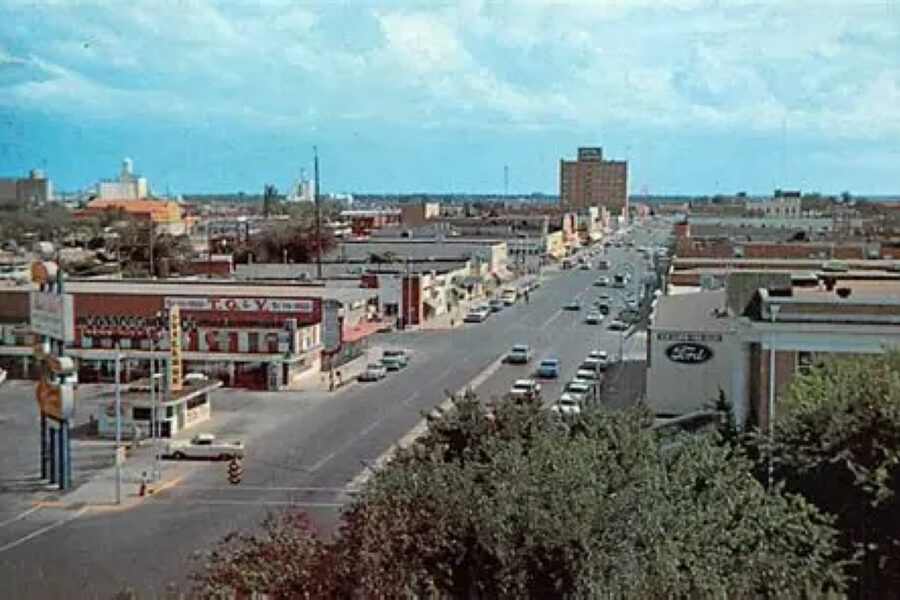
New Mexico’s remote villages carry a sense of history and culture that feels deeply rooted in everyday life. Traditions are not just remembered, they are lived, passed down through generations in ways that feel natural and steady. But living in these areas can be challenging, especially when it comes to jobs and access to basic services. Many residents eventually move to more connected places, even if they would prefer to stay where they feel most at home.
Those who remain continue to preserve what makes these communities special, holding onto traditions with care and intention. Still, the population shift is noticeable. Schools become smaller, gatherings feel different, and the number of people involved in daily life changes over time. It is not a sudden loss, but a gradual thinning that reshapes how the community functions while still holding onto its identity.
16. Arkansas Delta Region
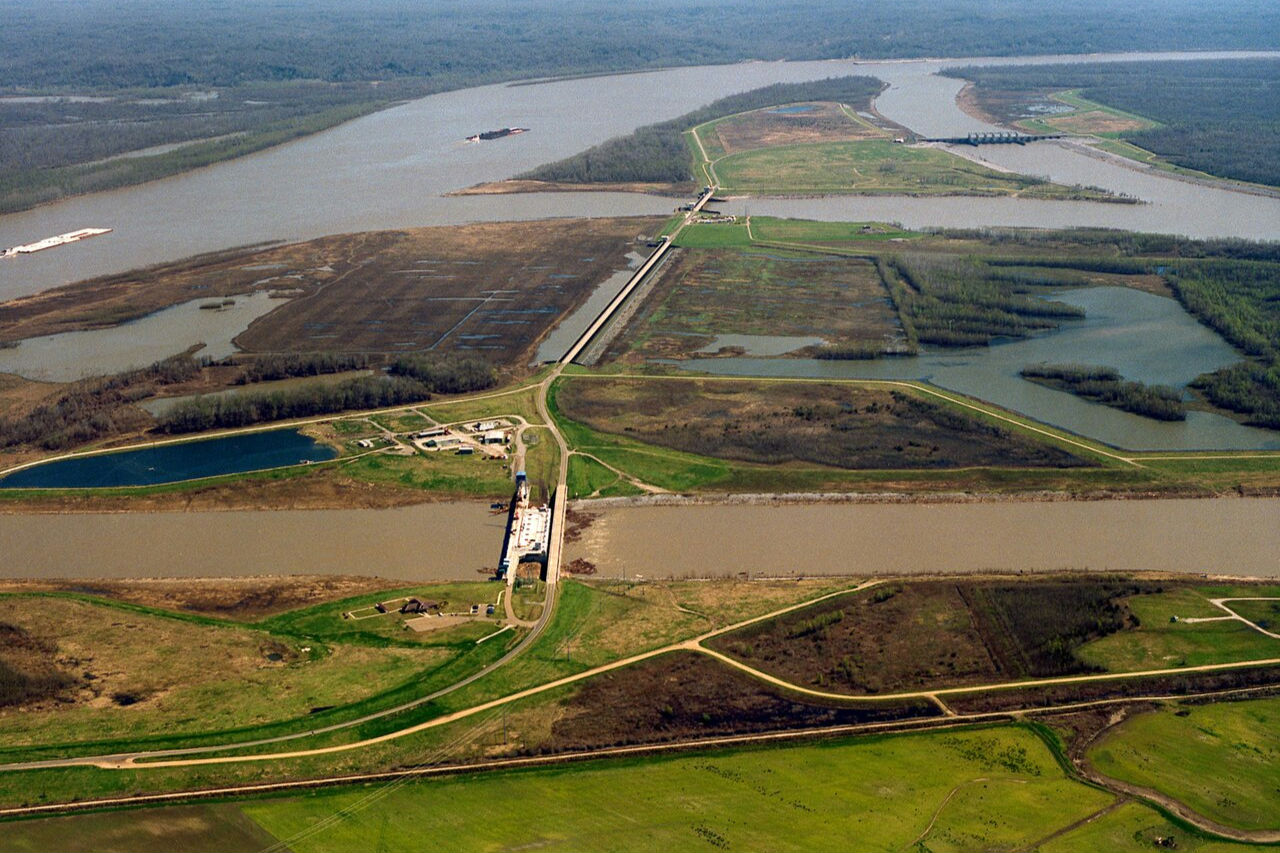
The Arkansas Delta is a place where the history of the land is etched into the flat, fertile soil of the Mississippi Alluvial Plain. There is a powerful sense of community that comes from shared family ties and a life built around the rhythm of the planting seasons, creating a culture that feels deeply grounded and permanent. However, the economic reality of the Delta is a far cry from the bustling growth currently seen in the Ozark Mountains on the opposite side of the state. As agricultural technology has evolved to require less manual labor, the job market in these historic river towns has grown increasingly lean, which led to a quiet but steady departure of the younger demographic.
This migration happens slowly as high school graduates look toward the corporate hubs of the northwest or out of state to find a stable future. Those who remain in the Delta continue to preserve the region’s unique musical and culinary heritage, keeping the spirit of the area alive through small, meaningful interactions. They understand that a place is defined by more than just its census numbers, whereas the reality of a shrinking tax base creates new challenges for local schools and businesses. It is a region caught in a state of transition, where the deep love for home is constantly weighed against the necessity of finding a new way to thrive in a changing world.
17. Nebraska’s Sandhills Ranching Communities
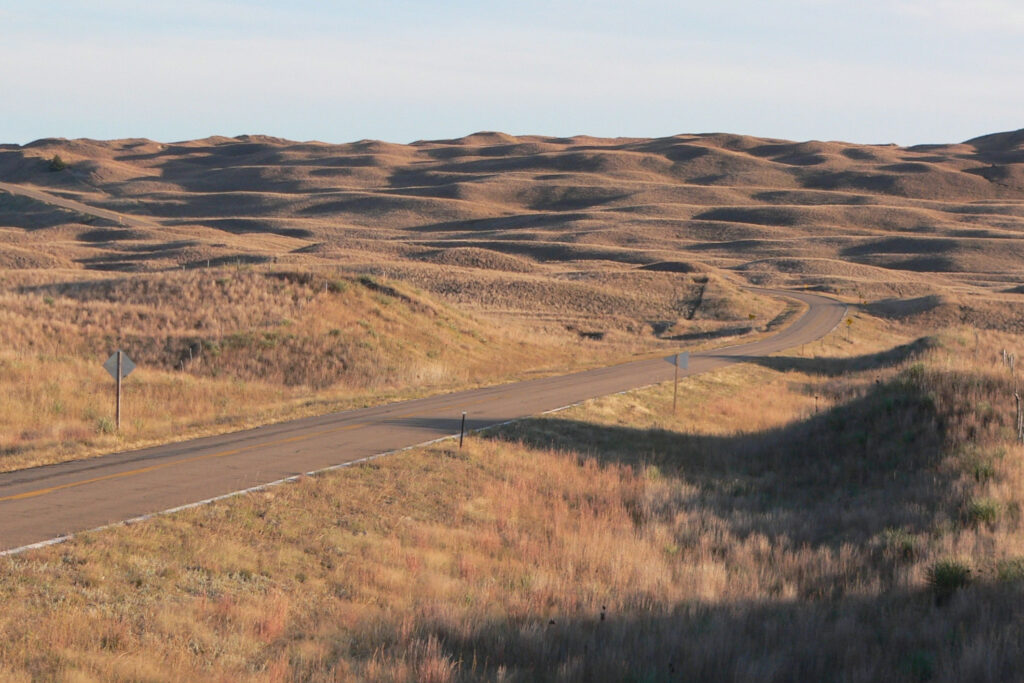
The Sandhills of Nebraska offer a landscape that feels almost infinite, with grass-stabilized dunes stretching as far as the eye can see. Life here has always revolved around cattle ranching and the hardy independence required to thrive in such a remote environment. You can feel the history in the weathered fences and the steady, rhythmic pace of daily chores that have not changed much in a century. But as modern ranching becomes more automated and consolidated, the need for a large local workforce has diminished, resulting in a gradual departure of younger generations.
Those who remain in these small towns are fiercely dedicated to the land and the quiet beauty of the high plains. They value the silence and the tight-knit support systems that only exist in places where your nearest neighbor might be several miles away. However, the lack of diverse career paths means that many high school graduates head toward Omaha or Lincoln to find their footing. It is a slow transition that leaves the remaining residents to balance their immense pride in the ranching lifestyle with the reality of a shrinking social circle.
18. Coastal North Carolina Villages
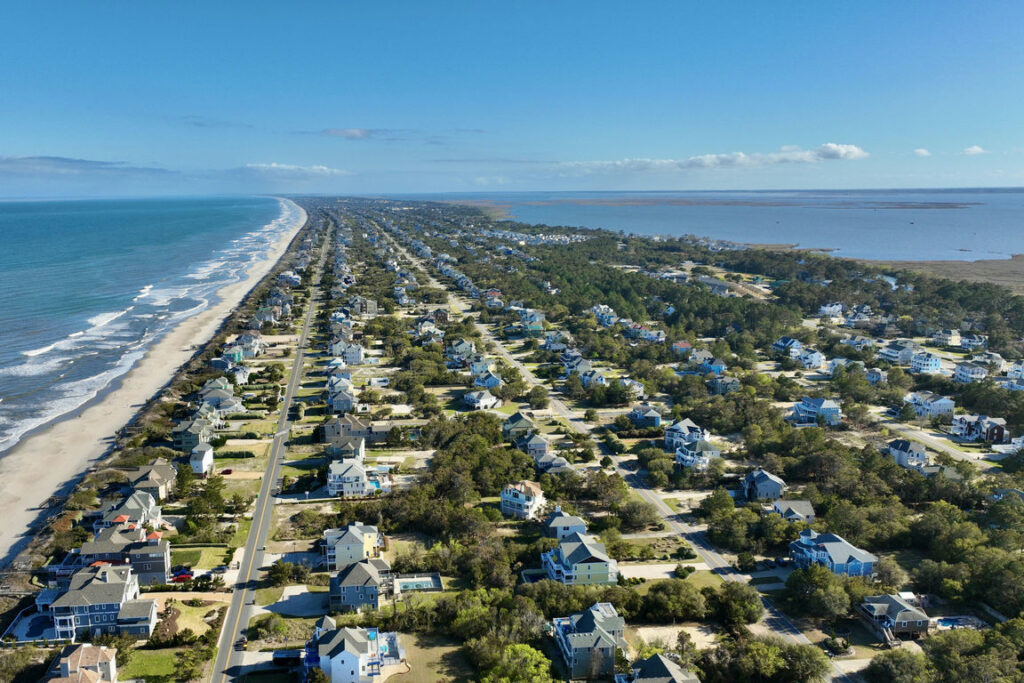
Along the outer reaches of the North Carolina coast, the relationship between the people and the water is both beautiful and demanding. Fishing villages that have stood for generations are facing a dual challenge from changing environmental patterns and a shifting economy that favors large-scale tourism over traditional maritime trades. You see it in the docks that are now more likely to house recreational boats than commercial trawlers, which led to a different kind of energy in the local harbors. Families who once made their living from the sound are finding it harder to maintain that legacy.
As the cost of living rises due to seasonal demand, many year-round residents find themselves priced out of the very towns their ancestors helped build. Younger people often look inland for more stable employment in the growing tech or service sectors, whereas their parents hold onto the salty air and the familiar tides. The community spirit remains vibrant during the summer months, but the winter brings a quiet reminder of the thinning permanent population. It is a place of transition where the heritage of the coast is being reshaped by the modern world.
19. The Iron Range Of Minnesota
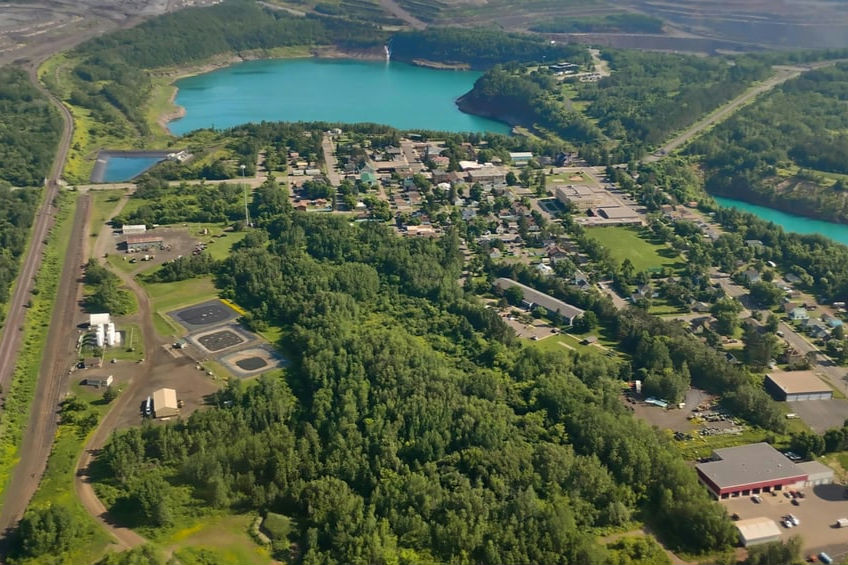
Minnesota’s Iron Range has long been defined by its rugged landscape and the industrial strength of its mining operations. There is a palpable sense of grit in these communities where the red earth and the deep pits represent decades of hard work and national contribution. Families here have a shared identity built on the labor of the mines, which led to a culture of resilience and deep loyalty to the region. However, as global markets fluctuate and mining technology advances, the massive crews of the past are no longer required to keep the industry moving.
This shift has prompted many young families to seek opportunities in the Twin Cities or other regional hubs where the economy feels more predictable. Those who stay behind continue to celebrate their heritage through local festivals and a strong sense of community pride. They understand that the “Range” is a unique place that requires a specific kind of toughness to call home. Even so, the closing of local shops and the consolidation of schools serve as a constant reminder that the industrial era is evolving into something much smaller and more contained.
20. Rural Vermont’s Hill Towns
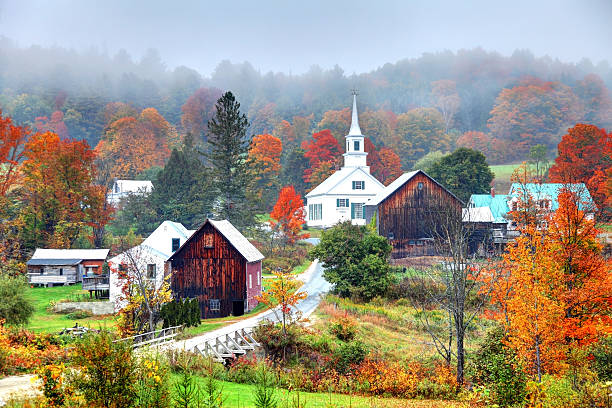
The hill towns of Vermont are often pictured as the epitome of New England charm with their white steeples and vibrant autumn foliage. While this image remains true for tourists, the year-round residents face a more complicated reality of isolation and limited economic mobility. The traditional dairy farms that once dotted every valley have faced immense pressure from industrial competition, resulting in many family operations closing their barn doors for good. This loss has left a hole in the local economy that is not easily filled by the seasonal tourism industry.
Younger residents frequently find that the idyllic scenery is not enough to offset the lack of high-paying jobs or affordable housing. They move toward larger centers like Burlington or across the border into Massachusetts to start their careers, leaving the small towns to an aging population. Those who stay are often there by choice, valuing the connection to nature and the slow, deliberate pace of life. They work hard to preserve the character of their villages, even as the number of people available to volunteer for the fire department or the town council continues to dwindle.
21. New Mexico’s High Desert Outposts
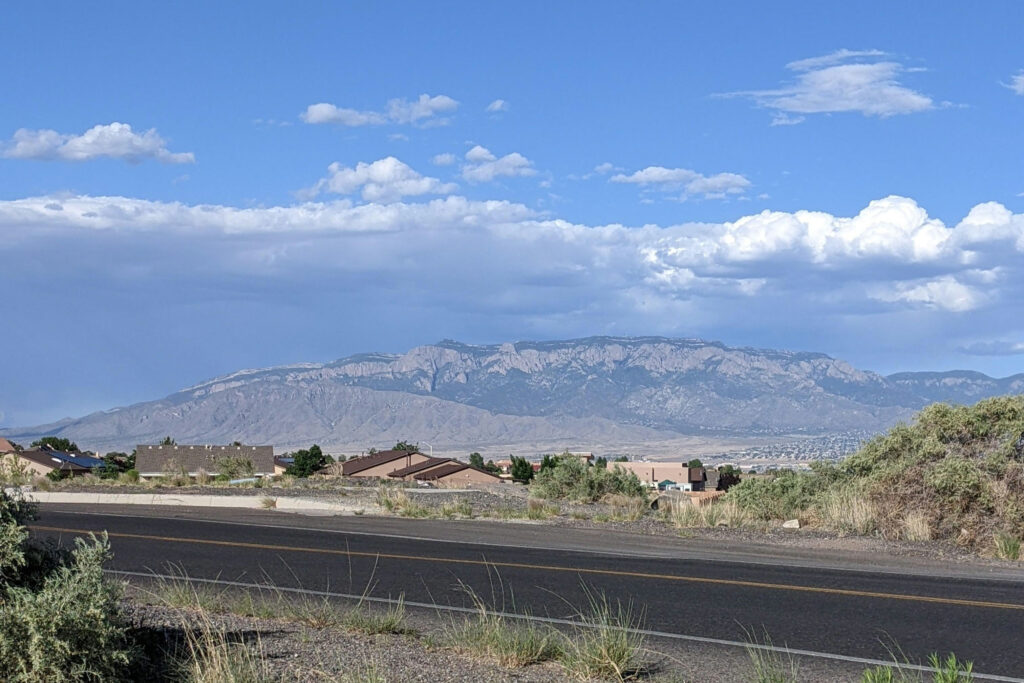
In the high desert of New Mexico, the landscape is a striking mix of red rock and endless blue sky that has inspired artists for a century. The small outposts and villages in this region are often deeply rooted in Spanish and Indigenous traditions that give the area a unique cultural depth. However, the sheer distance from urban amenities and the scarcity of water make long-term residency a challenge for modern families. The decline of small-scale ranching and mining has left many of these communities without a primary source of income.
This economic vacuum has led to a steady migration of the youth toward Albuquerque or Santa Fe in search of modern services and employment. Those who remain are often the keepers of the local history, maintaining the adobe homes and the community acequias that have survived for hundreds of years. They live with a sense of patience that matches the landscape, but they also feel the absence of the children who have moved away. It is a region where the past is physically present, yet the future feels increasingly uncertain for the smaller settlements.
22. The Palouse Region Of Washington
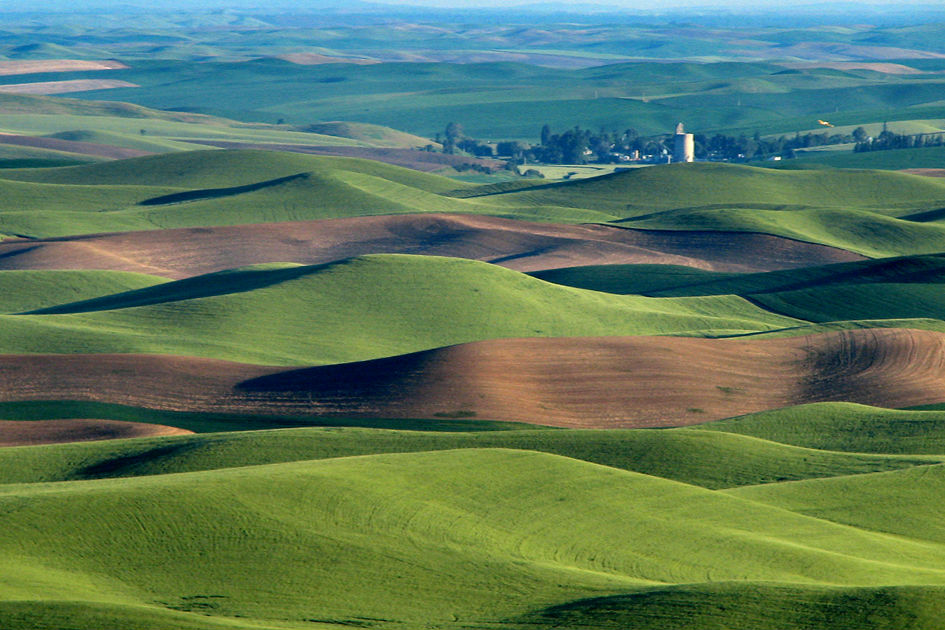
The rolling hills of the Palouse in Eastern Washington are some of the most fertile and visually stunning agricultural lands in the country. Life here is dictated by the wheat harvest and the changing colors of the landscape as the seasons move from green to gold. While the soil remains productive, the modernization of farming means that a handful of people can now manage thousands of acres, which led to a decrease in the number of farm families needed in the area. The small towns that once bustled with activity during the harvest are now much quieter.
Younger people who grow up in these scenic hills often head to the coastal cities or the university centers to find professional careers outside of agriculture. Those who stay are dedicated to the legacy of the land, finding comfort in the wide-open spaces and the predictability of the rural rhythm. They watch as the old grain elevators become silent monuments to a different era of farming. The community bond remains strong among the remaining families, but there is an unspoken understanding that the heyday of the small Palouse town has shifted into a more solitary existence.
23. South Dakota’s Black Hills Fringes
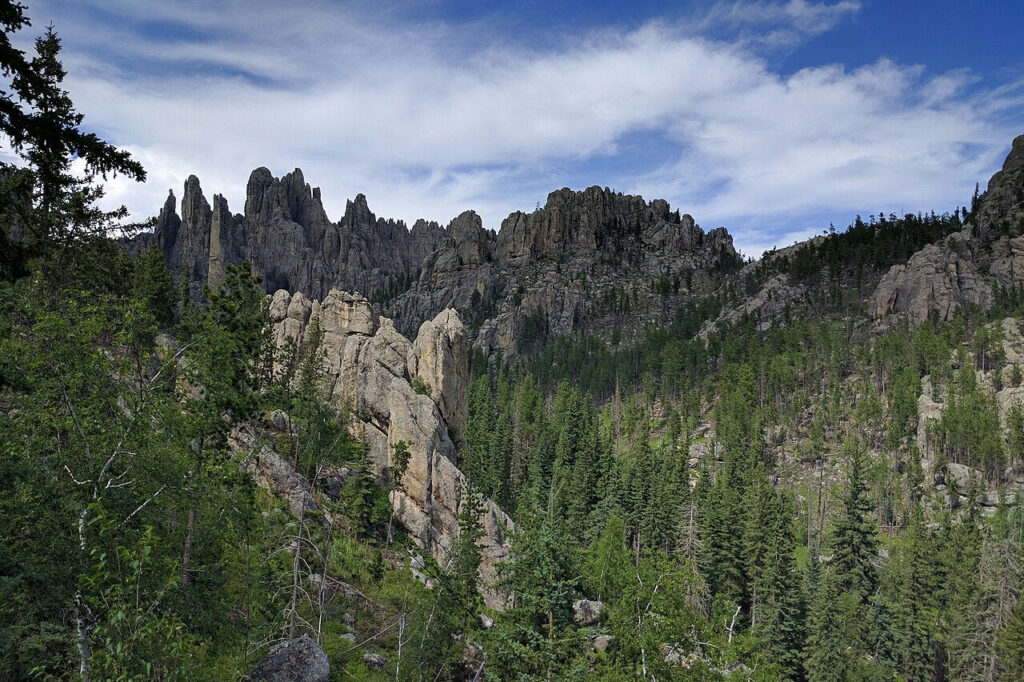
The fringes of the Black Hills in South Dakota offer a transition between the rugged mountains and the expansive plains. These communities were often built on the back of the timber industry and small-scale mining, creating a culture of rugged individualism and a deep connection to the forest. But as environmental regulations and market shifts changed the nature of resource extraction, the steady jobs that once anchored these towns began to disappear. This resulted in a slow but steady departure of residents who needed more than the beauty of the hills to survive.
Many former residents have moved toward Rapid City or out of state entirely to find work in healthcare or technology. Those who remain in the smaller towns value the access to the outdoors and the lack of pretense that defines life in the Hills. They are often the ones who keep the local history alive, sharing stories of the old mills and the gold strikes that first brought people to the region. The landscape remains a powerful draw, but the reality of making a living there has become a more difficult puzzle for the next generation to solve.
24. The Georgia Wiregrass Region
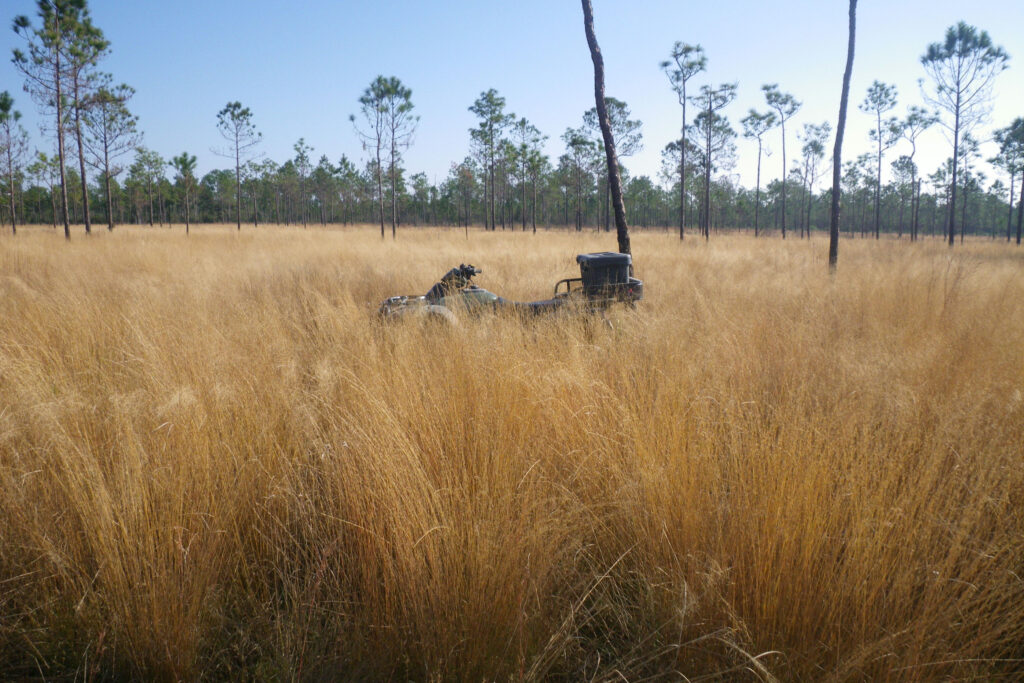
Deep in the southern part of Georgia lies the Wiregrass region, a place characterized by its pine forests and sandy soil. Historically, the economy here was built on timber and turpentine, which led to the development of many small, hardworking communities. Today, the shift toward large-scale commercial forestry and automated agriculture has changed the social fabric of the area. There are fewer reasons for young people to stay in their hometowns when the local industries no longer require the same level of manual labor or local management.
The departure of the younger demographic has left many of these towns feeling like they are caught in a different time. The people who stay are often those with deep family roots who cannot imagine living anywhere else, whereas their children are looking toward Atlanta or Savannah for a different kind of life. There is a sense of nostalgia that hangs over the town squares, where the buildings remain but the foot traffic has thinned out. It is a quiet, dignified region that is learning how to maintain its identity in a world that moves much faster than the growth of a pine tree.
25. Wyoming’s High Basin Towns
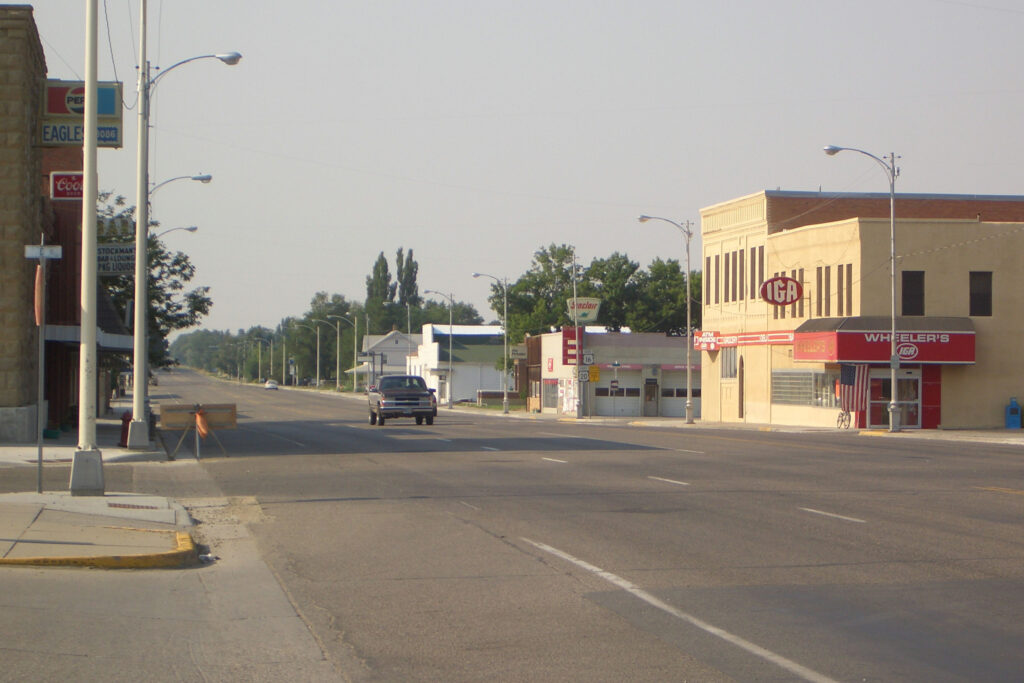
The high basins of Wyoming are places of extreme weather and incredible vistas where the wind never seems to stop blowing. Towns in these areas were often established as railroad stops or service hubs for the oil and gas industry, resulting in a population that is used to the boom-and-bust cycles of the energy market. When the rigs are moving, the towns are full, but the downturns leave a lasting mark on the community. Many people have grown tired of the uncertainty and have moved to more diversified economies in larger mountain cities.
Those who call the basins home are a resilient group who appreciate the wide-open spaces and the lack of crowds. They find beauty in the sagebrush and the distant peaks, even when the local economy is struggling to find its footing. The challenge remains in keeping the younger generation interested in a life that requires so much grit and offers so few conventional amenities. It is a landscape that demands respect, and those who stay are proud to meet that challenge, even as their neighborhoods grow a little quieter each year.
26. The Missouri Bootheel

The southeastern corner of Missouri, known as the Bootheel, is a land of rich soil and complex history tied to the Mississippi River. This region was once a powerhouse of cotton production, creating a landscape of small, vibrant farming towns that were the heart of the local economy. As industrial farming techniques replaced the need for large labor forces, the population began to decline, resulting in a sense of abandonment in some of the older districts. The transition from labor-intensive crops to automated systems has left many residents without a clear path forward.
Young people from the Bootheel often look toward St. Louis or Memphis to find education and careers that aren’t tied to the fluctuating fortunes of the river land. Those who remain are deeply connected to the geography and the stories of their ancestors who cleared the swamps to create the farmland. They continue to gather at local diners and high school football games, keeping the community spirit alive despite the dwindling numbers. It is a region of immense potential that is currently navigating the difficult space between its storied agricultural past and a modern, digital future.
27. The Great Basin Of Nevada
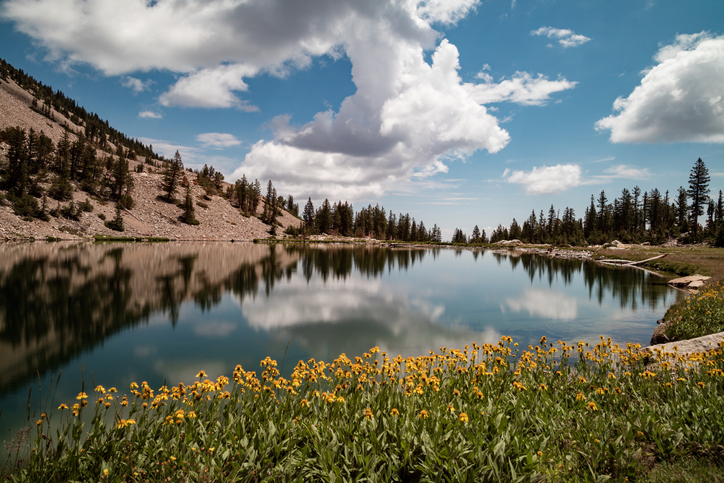
Outside the neon glow of the state’s famous desert cities, the Great Basin of Nevada offers a completely different kind of existence defined by vast horizons and rugged mountain ranges. Life in these high-desert valleys was once anchored by mining and small-scale ranching, which led to the creation of tight-knit communities where self-reliance was the primary currency. However, the modern shift toward large-scale corporate operations has reduced the need for local labor in the traditional sense, resulting in a steady thinning of the permanent population. Many residents find themselves looking toward the growing hubs of Reno or Las Vegas to find a more stable future.
The departure of younger families has left these remote towns with a quiet, contemplative atmosphere where the history of the Old West feels physically present in every weathered building. Those who stay continue to appreciate the silence and the immense sense of space that the Great Basin provides, whereas their children often feel the pull of more connected urban centers. It is a region where the landscape remains as stubborn and beautiful as ever, yet the human footprint is becoming lighter with each passing census. The community spirit remains resilient among the few who call these basins home, even as the distance between neighbors seems to grow wider.
28. Northern Maine’s Logging Towns
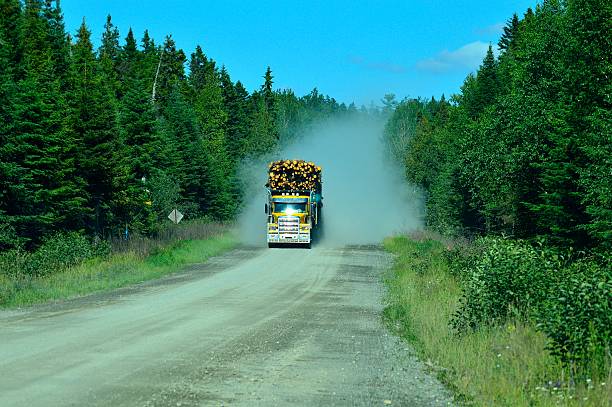
The deep woods of Northern Maine have long been the heart of the region’s timber industry, creating a culture of hardworking independence that is as sturdy as the white pines themselves. Generations of families have made their living in the forests and mills, which led to a profound sense of pride in the physical labor and craftsmanship required to thrive in the North Woods. But as global paper markets shifted and logging became increasingly mechanized, the economic engine that once powered these small towns began to slow down. This transition has forced many young people to leave the quiet of the forest for the more diverse job markets in the southern part of the state.
Those who remain in these isolated communities often do so because of a deep-seated love for the wilderness and the slower, more deliberate pace of life it offers. They value the traditions of the woodsy lifestyle, from seasonal hunting to the tight bonds of a village where everyone knows your name. However, the reality of a shrinking workforce means that local businesses and schools must constantly adapt to a smaller group of residents. It is a bittersweet evolution where the natural beauty of the Maine woods remains untouched, even as the vibrant mill towns of the past continue to transform into much quieter versions of themselves.
29. The Texas Rolling Plains
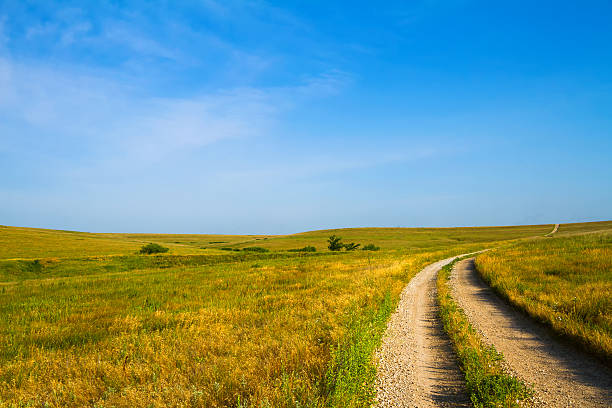
The Rolling Plains of Texas represent a transition between the bustling prairies and the rugged High Plains, where the economy was once dominated by cotton farming and cattle ranching. There is a specific kind of beauty in the red soil and the mesquite-dotted landscape that has inspired generations of Texans to build their lives in the wide-open spaces. However, the consolidation of family farms into massive agricultural enterprises has changed the social structure of these rural counties, resulting in fewer opportunities for the next generation to stay on the land. Younger residents frequently find themselves moving toward the Dallas-Fort Worth metroplex to find professional careers.
This demographic shift has left many of the smaller town squares feeling like monuments to a busier era of Texas history. Those who stay are often the ones who find deep meaning in the rhythm of the ranching life and the vast, unobstructed sunsets that define the region. They continue to gather at local high school football games and community auctions, keeping the fire of local pride burning even as the population numbers dip. It is a landscape of incredible resilience where the spirit of the pioneer remains strong, whereas the modern world continues to draw the youth toward the promise of the big city.
30. Idaho’s Salmon River Valley
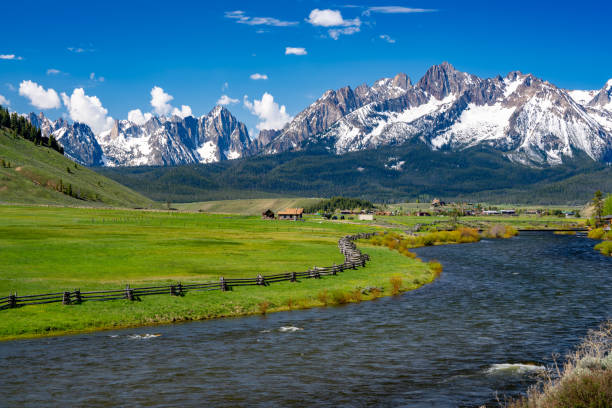
The Salmon River Valley in Idaho is a place of breathtaking alpine beauty and dramatic canyons that has long been a haven for those who value the outdoors. Historically, the communities along the “River of No Return” were built on mining and forestry, which led to a rugged, independent lifestyle that prioritized a connection to the natural world. But as the focus of the regional economy shifted toward seasonal recreation and tourism, the availability of year-round, high-paying jobs began to diminish. This resulted in many local families finding it difficult to maintain their homes in the face of rising land values and a changing economic landscape.
Younger people who grow up in the shadow of these mountains often look toward Boise or beyond to find careers in technology or healthcare that offer more long-term stability. Those who stay are fiercely protective of the river and the surrounding wilderness, valuing the peace and the lack of crowds above all else. They live with a sense of gratitude for the landscape, even as they watch the local population become more seasonal and transitory. It is a region in the midst of a profound identity shift, where the traditional ways of making a living are being replaced by a new reality centered on the beauty of the scenery.


