
The Laughter Behind The Pain
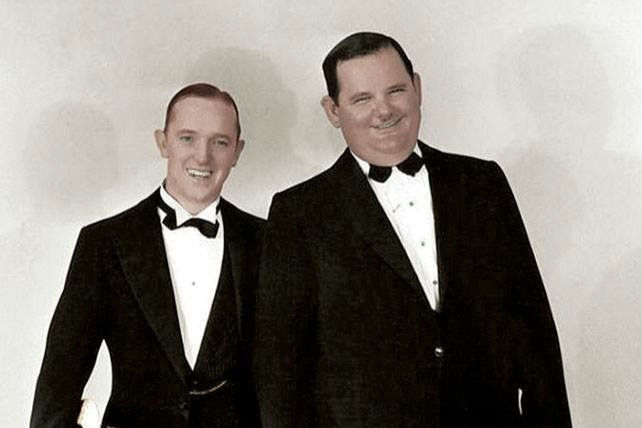
Few comedy duos in film history have left a mark quite like Stan Laurel and Oliver Hardy. Their work defined an era, bringing simple, physical humor to audiences across the world at a time when laughter was deeply needed. From their first official pairing in 1927 until their final projects in the 1950s, they appeared in over 100 films together. This timeless partnership seemed effortless on screen, but it was built on a foundation of intense professional dedication and a genuine bond between two very different men.
Behind the gentle smiles and perfectly timed mishaps lay a far more complicated story of human struggle. Their lives were shaped by personal loss, fragile health, financial strain, and an industry that often gave them little control over their own success. While audiences saw perfect harmony, their private realities were filled with professional setbacks and quiet personal battles. Looking back, their story is not just one of slapstick comedy, but of incredible resilience in the face of repeated hardship and the cold reality of the Hollywood studio system.
Childhood Losses
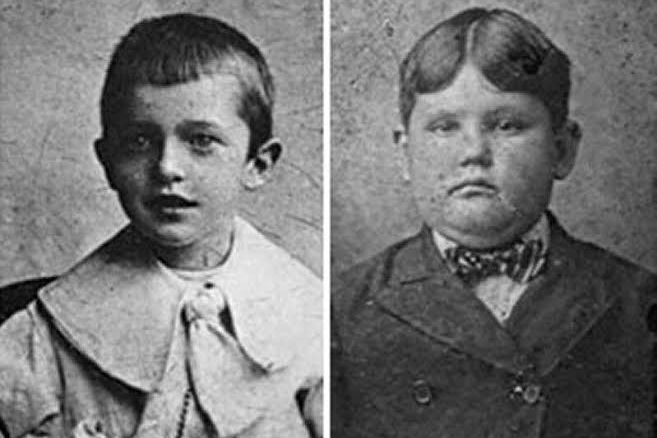
Oliver Hardy’s early life was marked by grief almost from the very beginning. Born in Harlem, Georgia, in 1892, he lost his father, Oliver Sr., when he was less than a year old. This left his mother to raise him alone while managing a hotel to survive. Tragedy struck again in 1909 when his older brother, Sam, accidentally drowned in a river. Oliver witnessed the event and even pulled his brother’s body from the water at just seventeen years old. These traumas likely contributed to the reserved, sensitive persona he maintained behind the scenes.
Stan Laurel, born Arthur Stanley Jefferson in 1890, also endured significant heartbreak during his youth in England. In 1908, when he was only eighteen, his mother, Madge Metcalfe, died unexpectedly. This loss deeply unsettled him, as he was very close to her and reportedly blamed his father’s busy lifestyle and family dynamics for her decline. These early experiences left both men carrying a heavy weight of private sorrow long before they found fame, which perhaps added the necessary emotional depth to their legendary comic performances.
Early Humiliation
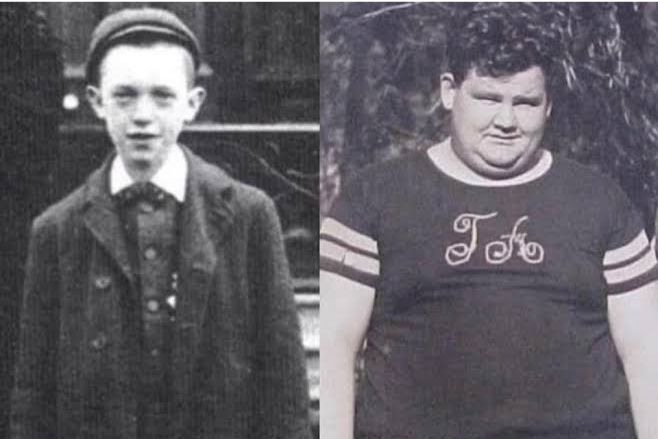
As a young boy in the late 1890s, Oliver Hardy faced frequent teasing due to his weight, which made him incredibly self-conscious. His mother ran boarding houses and sometimes required him to walk through the streets wearing a sandwich board to advertise her business. For a teenager already struggling with his self-confidence, being turned into a walking billboard was a deeply humiliating experience. These moments of public embarrassment lingered with him for years, shaping a hidden vulnerability that existed despite his later fame and polished public image as a comedic star.
Stan Laurel’s early years in the theater were also filled with professional pressure and identity struggles. Before moving to America in 1912, he spent years in the shadow of other performers, including the legendary Charlie Chaplin, for whom he served as an understudy. Living in the shadow of rising stars placed immense pressure on Laurel to prove his own worth. This constant struggle to find his own voice and the fear of being “second best” helped form the quiet, bewildered vulnerability that eventually became the defining trait of his iconic on-screen character.
Broken Marriages
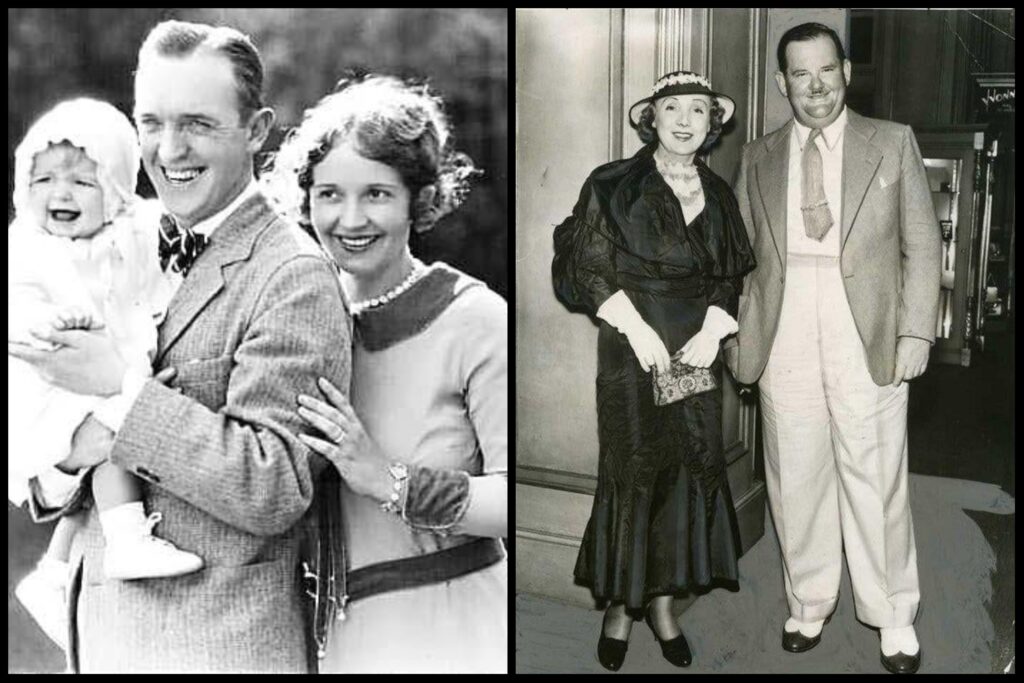
Both men experienced turbulent personal lives, particularly when it came to their romantic relationships. Oliver Hardy married three times, and his path to happiness was far from smooth. His first marriage to Madelyn Saloshin ended in 1921, and his second marriage to Myrtle Reeves was particularly painful, as she battled severe alcoholism. This led to many years of stress and frequent stays in care facilities for Myrtle. These domestic challenges created a private strain that contrasted sharply with the calm, controlled figure that global audiences saw on the cinema screen.
Stan Laurel’s romantic life was even more chaotic and frequently made headlines. Between 1926 and 1946, he was involved in eight marriage ceremonies with four different women, even remarrying one of his ex-wives. His relationships were often marked by legal disputes, public arguments, and intense financial demands. One wife even accused him of various eccentricities during their divorce proceedings. While Laurel was a genius who devoted himself fully to his creative work, his private life lacked the stability he craved, adding a layer of exhaustion to his demanding career.
Studio Exploitation
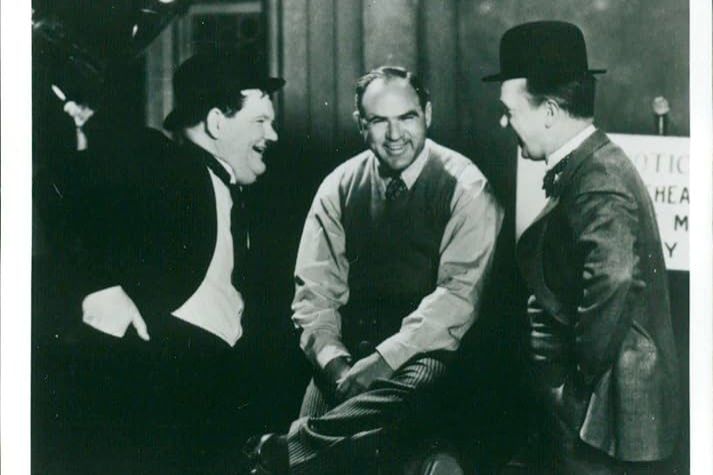
Despite their immense popularity during the 1930s, Laurel and Hardy did not benefit financially in the way many people would expect today. Working under producer Hal Roach, they were kept on fixed weekly salaries rather than receiving a percentage of the films’ profits. This meant that even when their movies broke box office records and generated millions for the studio, the duo saw only a small, flat fee. They were essentially employees rather than partners, a situation that became increasingly frustrating as they realized the true value of their work.
Even more significantly, the duo did not retain any ownership of their films or characters. They had no control over the copyrights, the reuse of their scripts, or the long-term financial returns from television broadcasts that began in the late 1940s. As the years passed, this lopsided arrangement left them financially vulnerable, especially when new film opportunities began to slow down. Their creative brilliance helped build a successful studio empire, yet they personally faced financial uncertainty while the studio owners continued to profit from their timeless comedic genius.
Financial Difficulties
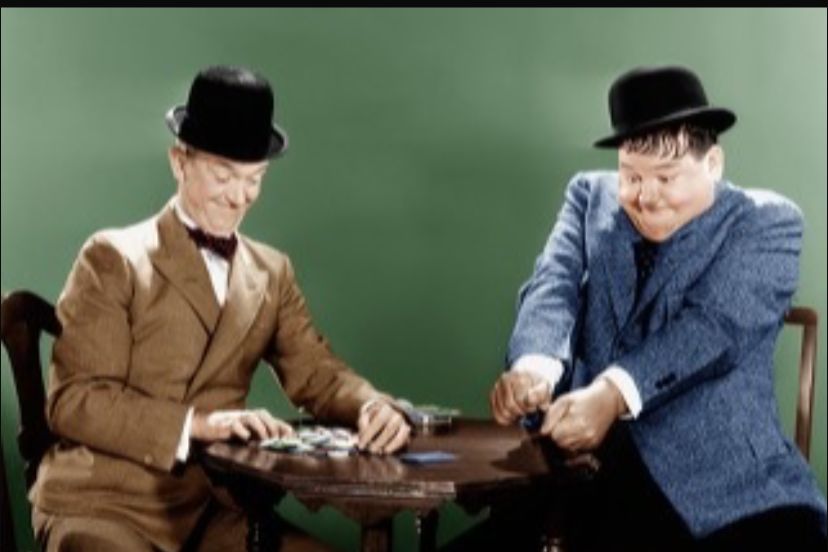
By the mid-1940s, financial pressures were becoming a serious burden for both men. Despite decades of global success, Stan Laurel reportedly had very little in the way of savings. This highlighted how little security their long careers had actually provided. High costs from multiple divorce settlements, alimony payments, and various failed business ventures added to his stress. By the time their film career was winding down, the man who had made the entire world laugh was forced to live a very modest life due to a lack of funds.
Oliver Hardy also struggled with money management throughout his life. He had an expensive lifestyle and a well-known fondness for gambling, particularly on horse races. While this was a common hobby in Hollywood during that era, it compounded the instability caused by his lack of film royalties. Together, these challenges created a sad contrast to their public image. Audiences around the world saw two men at the peak of comedic success, yet behind the scenes, both were navigating a very real and frightening uncertainty regarding their long-term financial security.
Loss Of Control
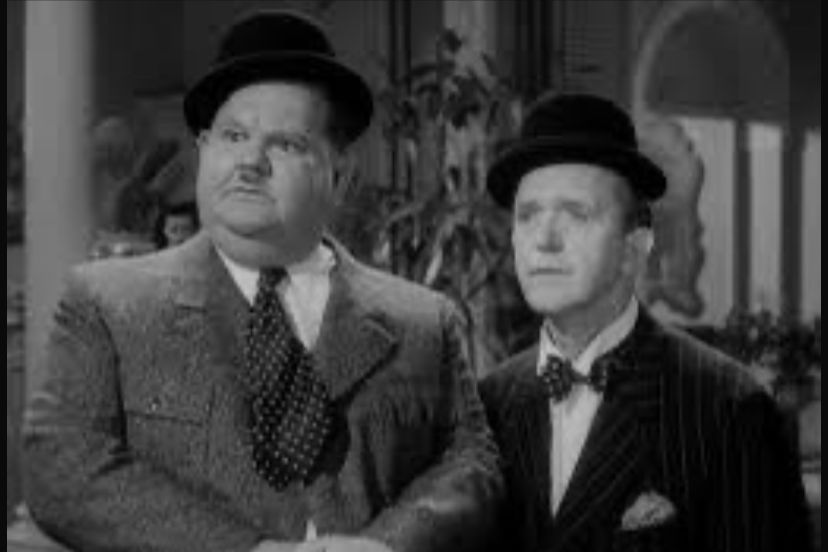
The year 1940 marked a painful turning point in their professional lives. After their contract with Hal Roach ended, Laurel and Hardy signed with major studios like 20th Century-Fox and MGM. However, they quickly realized that they had traded their independence for a paycheck. In these big-studio environments, they were no longer treated as creative collaborators. Instead, they were viewed as aging contracted actors who were expected to follow orders and stick to the script. This lack of respect for their creative process was devastating for the duo.
For a team that had built its success on improvisation and perfect timing, this loss of control was stifling. The big studios ignored Stan Laurel’s suggestions for gags and forced the duo to use writers who didn’t understand their unique style. Although these later films, produced between 1941 and 1945, were still profitable, the “magic” that defined their earlier work began to disappear. Both men felt deeply frustrated and disconnected from these projects, knowing that the quality of their legendary legacy was being diluted by corporate interference.
Career Decline
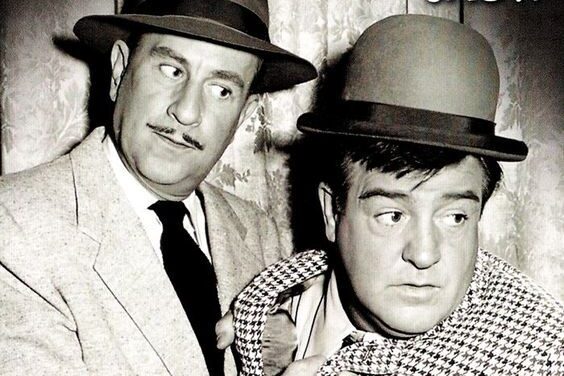
As the film industry evolved after World War II, audience tastes began to shift toward newer styles of comedy. By the late 1940s, the gentle, pantomime-style humor that Laurel and Hardy had perfected was starting to be seen as old-fashioned by younger viewers. They found themselves competing with faster-paced, more cynical acts like Abbott and Costello. The duo continued to work hard, embarking on grueling stage tours across Europe to stay connected with their fans, but the massive influence they once held over Hollywood was clearly fading.
Their final attempt at a comeback was a commercial and critical disaster. The production was a mess, and by the time it reached theaters, the duo looked noticeably older and tired. These conditions drained their energy and made the physical demands of performing almost impossible. Despite their pain, the two remained incredibly close, visiting each other often and discussing comedy ideas even when they could no longer stand on a stage. Their declining health made it clear that their time in the spotlight was over, but their commitment to their craft and their friendship never wavered during these final, difficult years.
Final Film Struggles
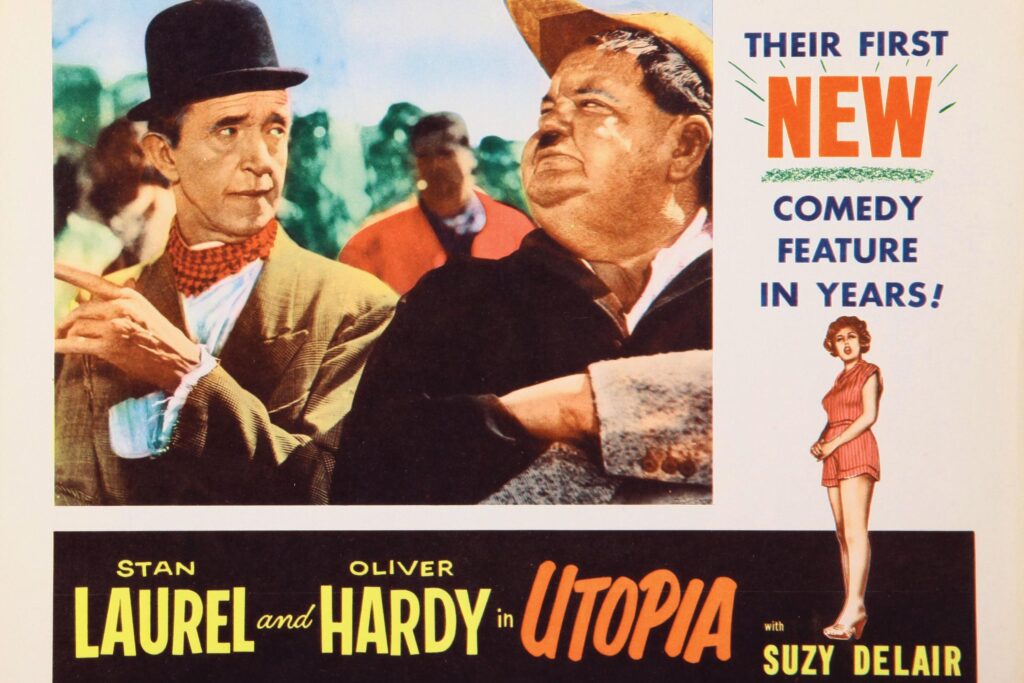
Precisely, the production of their final film, Atoll K, which took place between 1950 and 1951, was an absolute nightmare for the aging duo. Filmed in France and Italy, the project was plagued by massive language barriers between the actors and the crew, as well as terrible organization. Both men were extremely ill during the shoot; Stan Laurel suffered from a painful kidney condition and required surgery, while Oliver Hardy struggled with heart strain and the intense heat. They both looked visibly sickly on screen, which was heartbreaking for fans.
When the film was finally released, it was panned by critics and failed at the box office. It was a messy, disorganized project that did not reflect the brilliant timing or high standards the duo had maintained for decades. For Laurel and Hardy, Atoll K represented more than just a bad movie; it was a physically exhausting ordeal that took a permanent toll on their remaining health. It served as an unfortunate and unintended finale to their legendary film careers, highlighting just how much they had sacrificed for their art.
Stroke And Decline
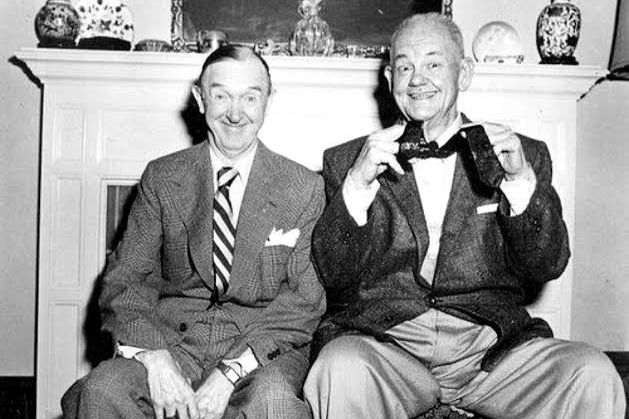
Health problems became a major concern for the duo during the 1950s. Oliver Hardy, who had always struggled with his weight, began suffering from heart-related issues. In 1954, he underwent a drastic diet, losing over 150 pounds in a short period. In September 1956, Oliver Hardy suffered a major stroke that changed his life forever. The stroke left him partially paralyzed and unable to speak, a devastating blow for a performer whose facial expressions and vocal timing had defined a generation of comedy. He spent the final months of his life in a state of declining health, confined to his bed and cared for by his devoted wife, Lucille. Oliver passed away on August 7, 1957, at the age of 65, following a series of additional strokes that his weakened body could no longer fight.
Stan Laurel also faced significant health battles, including complications from diabetes and a minor stroke in 1955. Stan Laurel was deeply affected by his partner’s condition and eventual death, and he was too ill to attend Oliver’s funeral. Their bond had lasted for over three decades, surviving the pressures of Hollywood and the challenges of aging. To Stan, Oliver was more than a co-star; he was a brother and a creative soulmate. After their last photograph, the passing of “Babe,” as Stan affectionately called him, marked the end of a unique partnership that could never be replaced, leaving Stan to navigate a much quieter and more solitary chapter of his life.
A Life Of Letters
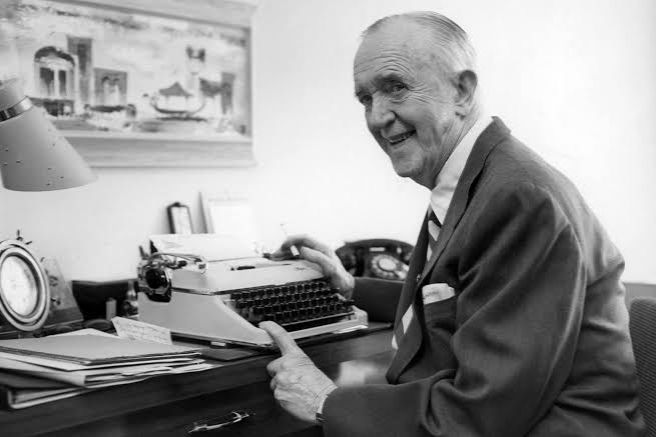
After the death of Oliver Hardy in 1957, Stan Laurel entered a more reflective phase of his life in Santa Monica. He famously refused to perform again, turning down lucrative offers to appear on television or in movies because he could not imagine “The Boys” without his partner. Instead, he dedicated his time to his fans, maintaining a deep connection through personal correspondence. Laurel’s telephone number was listed in the public directory, and he spent hours every day personally responding to fan mail, often including handwritten jokes and warm advice.
This period of his life revealed a man who was incredibly generous with his time and legacy. While he was no longer making films, he became a mentor to a new generation of comedians, including Jerry Lewis and Dick Van Dyke, who visited him frequently to talk about the mechanics of humor. Writing letters became his primary way of staying relevant and connected to the world he loved. Through these thousands of letters, Laurel ensured that the spirit of their comedy remained alive, even as he lived a modest life in a small apartment overlooking the Pacific.
Final Days Alone
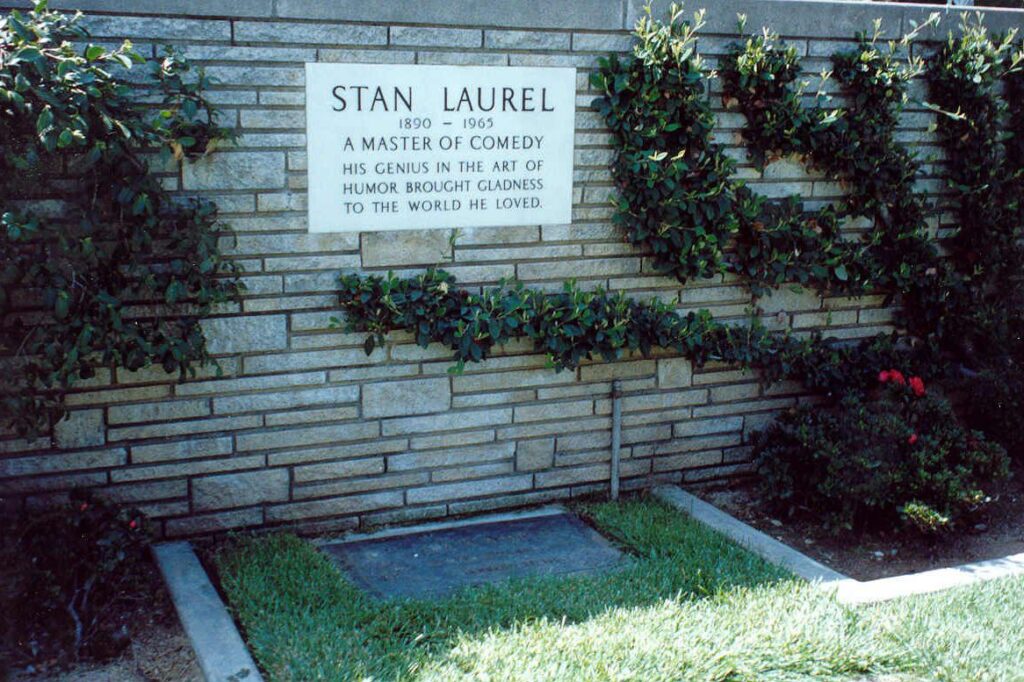
Stan Laurel’s final years were defined by a quiet dignity despite his increasing physical limitations. By the early 1960s, he was struggling with the long-term effects of a 1955 stroke and worsening diabetes. Although he lived to see a massive revival of Laurel and Hardy films on television, which brought their work to a whole new generation, he remained largely confined to his home. In 1960, he was awarded a special Honorary Academy Award for his creative contributions to cinema, but he was too frail to accept the statue in person.
He passed away on February 23, 1965, at the age of 74, following a heart attack. True to his character, his final moments were marked by a joke; he told a nurse he wouldn’t mind skiing, and when she asked if he skied, he replied, “No, but I’d rather be doing that than this!” This gentle humor masked a lifetime of personal trials and the loneliness of outliving his closest friend. With his death, the curtain finally closed on a legendary era, leaving behind a legacy of laughter that remains a gift to the world.


