
1. Prohibition and the Birth of Organized Crime
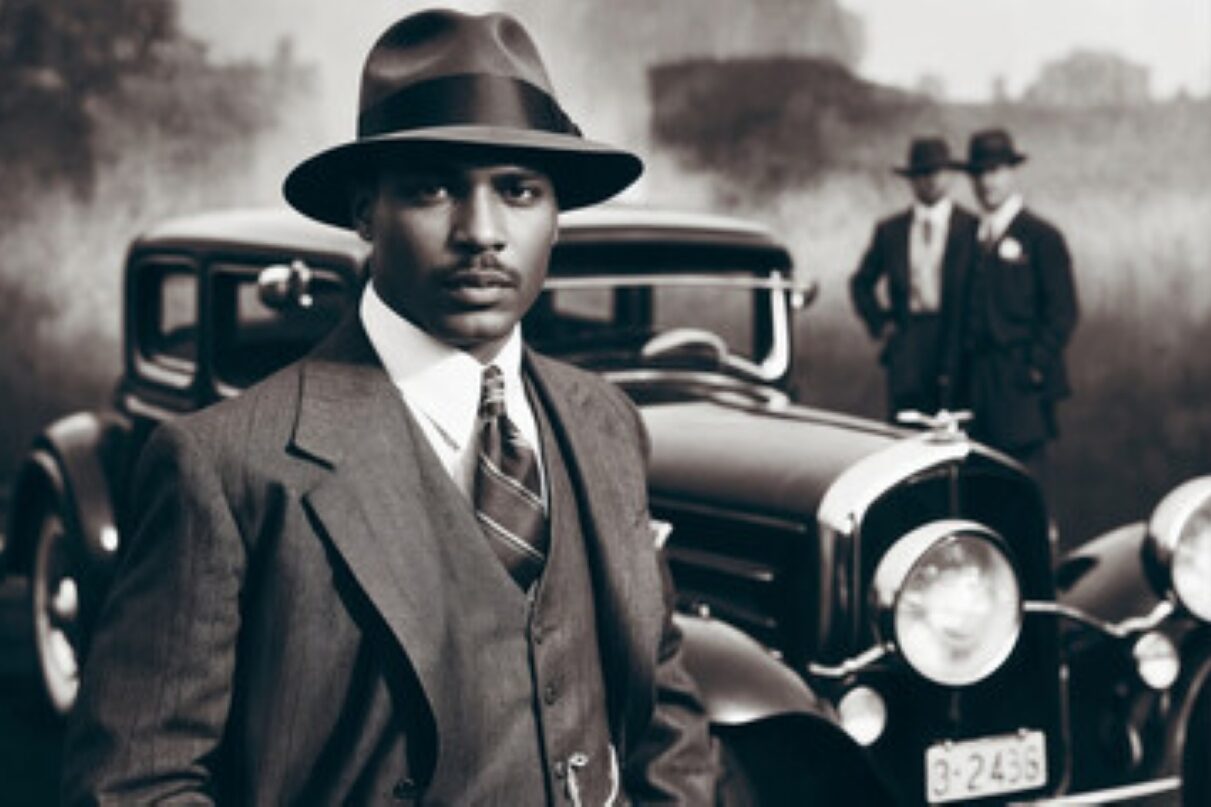
When most of us first hear about the Mafia, we picture hooded figures with cigars and trench coats. The real story begins long before The Godfather made its way into pop culture. In 1920, the United States enacted Prohibition, banning alcohol across the country. Overnight, a vast legal void opened an enormous black‑market opportunity. Ordinary people, neighborhoods, and communities suddenly found themselves drawn into a network that could make or move liquor in defiance of the law. What started as local smuggling quickly turned into structured groups as operators realized that organization reduced risk and increased profits. Many of these early bootleggers were immigrants or first‑generation families seeking economic opportunity in an America that seemed stacked against them. That laid the groundwork for crime families to evolve beyond mere street gangs to organized syndicates with reach.
These groups weren’t just about illegal booze. As Prohibition profits expanded, so did the varieties of criminal enterprises they controlled gambling, racketeering, and loan‑sharking became part of daily business before anyone fully grasped the scale. People in those neighborhoods often had conflicted relationships with these figures: some saw them as protectors or providers in tough times, others lived in fear of their influence. That early blending of economics, community, and secrecy shaped an identity that outlasted Prohibition itself, setting the stage for the mid‑century Mafia structure we think we know. By the time law enforcement paid attention, many of these families were deeply entrenched.
2. The Valachi Breakthrough
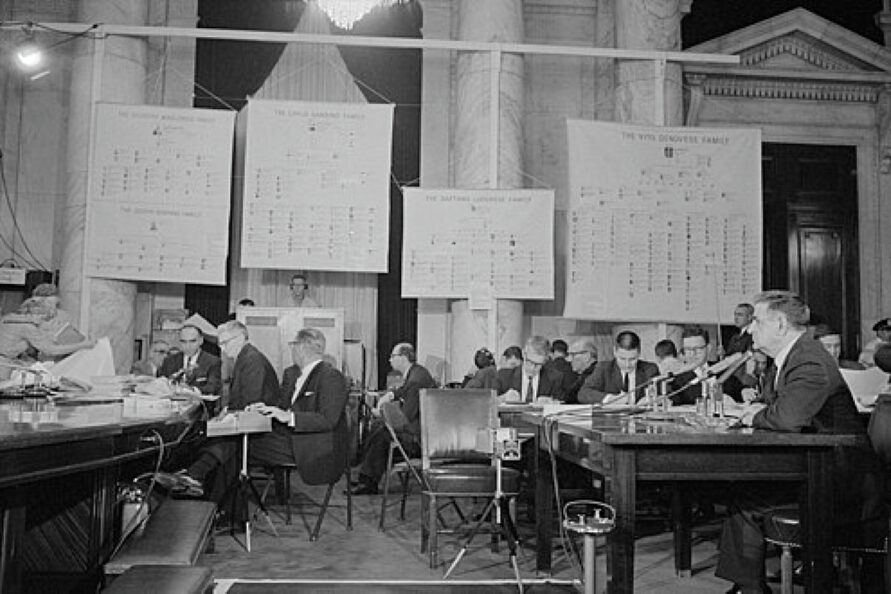
For decades, mob life was shrouded in secrecy. The term omertà, a strict code of silence, wasn’t just a catchphrase; it was an enforceable rule that kept associates from revealing anything about operations, meetings, or leadership. That began to change in 1963 when a relatively unknown mobster named Joseph Valachi took the stand before the United States Senate and spoke openly about the inner workings of La Cosa Nostra. Valachi’s testimony was seismic. For the first time, the public, the media, and even many law enforcement officials got a detailed look at Mafia ranks, rituals, and structure. Suddenly, what had been rumor and folklore was being described in official government proceedings, complete with hierarchy, membership initiation rituals, and coded communications.
Valachi’s decision didn’t come from bravery so much as survival instinct. Facing life in prison, he chose to cooperate, and his disclosures were both enlightening and unsettling for the public. Many people who had thought of organized crime in cinematic terms finally saw the human and very real face of a criminal network. His testimony didn’t dismantle the Mafia overnight, but it gave prosecutors the first workable blueprint for how to investigate and indict these groups at a structural level.
3. The Power of RICO
Long before 1970, prosecutors faced a frustrating problem. They could charge mobsters for individual crimes, a murder here, a bribe there, but they couldn’t easily pursue leaders who had their hands in hundreds of illicit operations without personally committing every act. That changed with the passage of the Racketeer Influenced and Corrupt Organizations Act, better known simply as RICO. This powerful law allowed prosecutors to charge an entire organization for a pattern of crimes, even if the leader hadn’t personally pulled every trigger or signed every check. For the first time, law enforcement could peel back the layers of a crime family like it was a corporation, linking disparate illegal acts back to the central figures who directed them.
In the 1980s and 1990s, RICO became the cornerstone of major Mafia prosecutions. High‑ranking members who once seemed untouchable were indicted, convicted, and imprisoned based on their roles in orchestrating criminal enterprises. Many associates chose to cooperate with prosecutors to avoid life sentences, breaking up the secrecy that had always protected the organization. Suddenly, loyalty wasn’t enough to guarantee silence. The Mafia’s internal culture of trust began to erode as real legal pressure mounted.
4. Real Life Behind the Legend

It’s tempting to think of Mafia life as glamorous because the media has sold us that image. But for many members and their families, the real experience was gritty, tense, and unpredictably dangerous. While books and films focus on dramatic power struggles or extravagant dinners, daily life for lower‑level associates often involves mundane and stressful work like collecting debts, managing small illegal operations, or maintaining relationships with powerful figures. And beneath the surface, there was always risk, not just from law enforcement but from internal rivalries, fear of betrayal, and consequences for mistakes that could be swift and brutal.
Many people who grew up around these figures later described conflicting memories. Some saw generosity and community support, a man paying for a neighbor’s groceries, for example, while others recall living in fear of unpredictability or violence. Some members eventually chose to cooperate with authorities, entering witness protection programs to save themselves or their families from legal consequences. That culture of whispered codes and unspoken fear defined life inside the syndicates in ways that are rarely as neat or romantic as fiction.
5. Changing Neighborhoods, Changing Influence
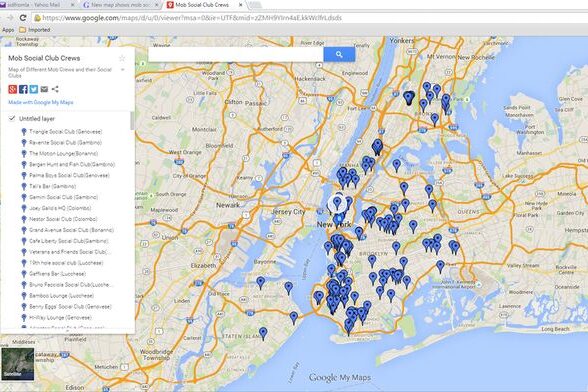
The mid‑20th century Mafia was deeply tied to ethnic neighborhoods where many members grew up in places where Italian‑American families lived, worked, and socialized. These communities provided fertile ground for recruitment and influence. But as cities changed in the post‑war era, so did the Mafia’s power. Suburbanization, economic mobility, and cultural assimilation diluted the concentration of potential recruits, making the old neighborhood networks less dominant. Young men who might once have seen the Mafia as an attractive path often had alternative opportunities in college, business, and the professions that previous generations didn’t have. Population shifts, especially after World War II, reshaped the social fabric.
At the same time, organized labor changed. Where Mafia families once had significant sway in unions and construction trades, reforms and federal oversight made those avenues harder to control. The combination of social change, law enforcement pressure, and alternative opportunities for later generations meant that the Mafia’s grip on certain industries slowly weakened. The old neighborhood power brokers didn’t disappear overnight, but their influence became more diluted and less culturally central.
6. Adaptation in the Modern Era

Even as traditional structures weakened, organized crime didn’t simply disappear. What happened instead was a shift in strategy and visibility. Major families like the Genovese, Gambino, and Lucchese in New York became smaller and more secretive. They moved away from overt control of unions and construction sites into areas that drew less public attention but could still be highly profitable. Technology, globalization, and new markets meant their operations began to blend into broader criminal enterprises. For example, sophisticated illegal gambling rings, financial fraud, and cyber‑based schemes have become far more common than street‑level rackets.
Law enforcement today sometimes describes this shift as a move from conspicuous muscle to quiet influence. Members are less visible on street corners and more likely to operate behind encrypted communication, financial layers, and complex networks that resemble corporate structures more than the old crime‑family tables. This makes them harder to prosecute and harder for the public to notice. The Mafia still exists in pockets, but its presence is more subtle, less centralized, and far less romantic than what many grew up hearing.
7. Voices That Broke Away

Some of the most powerful insights into Mafia life come from people who eventually left or were pushed out of the life by law enforcement or personal choice. Former associates, family members, and even mob wives have shared stories of fear, loyalty, heartbreak, and disillusionment. These personal accounts often reveal the human cost behind the legend. One common theme is that loyalty came with a price not just legal risk, but emotional strain. Associates describe family dinners coloring into discussions about who trusted whom and whether loyalty was worth the danger.
Witnesses who cooperated with prosecutors in the 1980s and 1990s did so out of fear of long prison terms, but their testimonies also exposed how fractured the internal relationships could be. These stories show a world where secrecy often turned into isolation, and where promises of brotherhood sometimes dissolved under pressure. Hearing these real voices bridges the gap between myth and reality, reminding us that even hardened criminal worlds are made up of real people with real emotions.
8. From Page to Screen
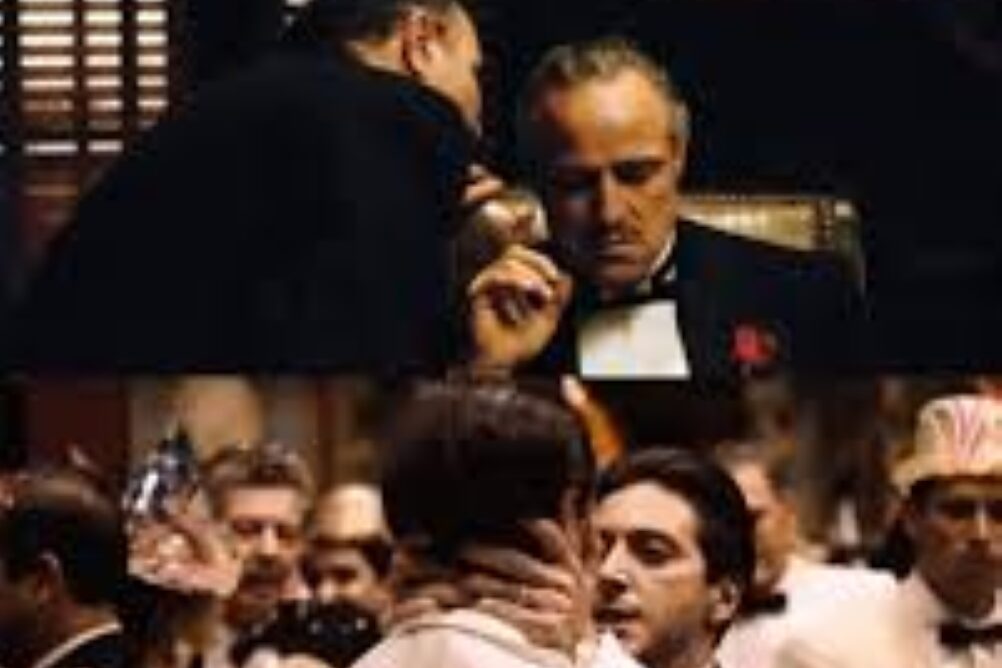
Few cultural forces have shaped the public’s perception of the Mafia as dramatically as film and television. Movies like The Godfather trilogy and TV shows like The Sopranos turned organized crime into storytelling gold, with layered characters, complex relationships, and dramatic moral themes. These stories weren’t documentaries, but they drew from real elements of Mafia life: family loyalty, power struggles, and the tension between tradition and modernity. What they added was narrative polish and emotional depth that made audiences empathize with characters who, in real life, were often cold‑blooded criminals or opportunists.
While these portrayals helped cement the Mafia in American cultural imagination, they also blurred the lines between reality and fiction. People began to see mobsters as anti‑heroes rather than dangerous criminals, which softened public understanding of the real violence, fear, and social impact of their activities. The cultural myth sometimes outlived the historical reality. But it also kept interest alive and encouraged deeper exploration, documentaries, and books that sought to peel back the layers of truth beneath the legend.
Call to action: Up next, we’ll explore how organized crime in America isn’t gone, it’s just different.
9. Organized Crime Beyond the Mafia
When people think of organized crime today, many imagine the Mafia first, but that’s only one piece of a much larger picture. In recent decades, other criminal networks, both domestic and international, have risen in prominence. Latin American cartels, cybercrime syndicates, and international money‑laundering rings operate with sophistication that would have amazed earlier generations. These groups may not wear the same cultural markers that classic American Mafia families did, but some of the underlying patterns, exploiting demand, coordinating illicit markets, and using secrecy to protect operations, are familiar. This isn’t to downplay the Mafia’s influence; it’s to show that organized crime evolves to the challenges and opportunities of its time.
In this broader landscape, law enforcement has had to adapt. Efforts now span global cooperation, cyber‑monitoring, and financial tracing, far beyond the community‑level policing that once focused on street rackets and labor disputes. Today’s organized crime is a networked challenge, one that blends old concepts of coordination with new technology and international reach. The Mafia’s historic role has influenced how authorities understand and pursue organized crime today, even as the players and methods have shifted.
10. Legacy and Lessons

Looking back, the Mafia we grew up hearing about now feels like a chapter in a larger book about crime, culture, and societal change. Its story isn’t simply about violence and secrecy; it’s about how power takes root in times of inequality and how society learns to confront it. The old families taught law enforcement new tools, reshaped legal strategy, and even influenced cultural storytelling. The myth and the reality together created a kind of feedback loop: real life inspired art, and art shaped public imagination, which in turn influenced how people understood real organized crime.
Today’s Mafia is smaller, quieter, less centralized, and far more blended into a global landscape of crime that looks very different from the one in the 1930s and ’40s. But the legacy remains because it taught us about secrecy, loyalty, power, and the ways law and society respond to organized threats. It’s not a relic, nor a myth; it’s a chapter in American history that still echoes.


