
Songbirds That Sound Different By Region

It starts in the smallest way, like a quiet morning where birds are singing and something feels slightly off but you cannot explain it. That is where this whole idea begins to settle in. Birds do not just make sounds randomly. They actually learn them from older birds around them as they grow. Over time, those little differences begin to form patterns that belong to a specific place. It is almost like each area has its own version of the same song, shaped slowly by repetition and familiarity over many seasons of listening and copying.
Now think about how that works in real life. A young bird hears one version of a song and carries it forward into adulthood. Another bird somewhere else learns a slightly different version. The structure stays the same, but the details shift in tone, rhythm, and timing. It is not something loud or dramatic, just soft differences that stay consistent. Once you notice it, it changes how you listen completely. It begins to feel less like background noise and more like a shared voice that belongs to a place, shaped by where those birds grew up together.
Whales With Ocean Dialects

It feels almost unreal at first, but whales carry their own kind of sound patterns across the ocean. When people first started recording whale songs, they noticed how long and detailed they were, almost like music moving through water. But over time, something more interesting became clear. Whales in different regions were not singing exactly the same way. There were clear variations depending on where they lived, and those differences were consistent enough to feel intentional rather than random or accidental.
What makes it even more relatable is how these sounds change over time. A group of whales can slowly shift their song, with one pattern fading and another taking its place. Other whales in the group begin to follow that change, creating something that feels shared. It is similar to how people pick up new ways of speaking without realizing it. Listening to recordings from different areas feels like hearing different communities. It makes the ocean feel less distant and more connected, like a space filled with voices shaped by experience and interaction over time.
Dogs Picking Up Human Speech Patterns

If you have ever spent time around different dogs, you may have noticed that they do not all sound the same. Some bark sharply, some sound softer, and some seem to adjust their tone depending on the situation. That difference is not just personality. It is shaped by the environment they grow up in and the people they interact with every day. Dogs are constantly observing and responding to human behavior, and over time, that begins to influence how they communicate.
Think about a dog raised in a calm, quiet home compared to one living in a noisy street. Their responses will naturally sound different. The rhythm of their barking, the urgency, even the tone can shift based on what they are used to. It is not exactly an accent like humans have, but it is close enough to feel familiar. The more time you spend listening, the more you notice that each dog carries a voice shaped by daily experience, routine, and the environment it has learned to respond to over time.
Bats With Social Group Signatures
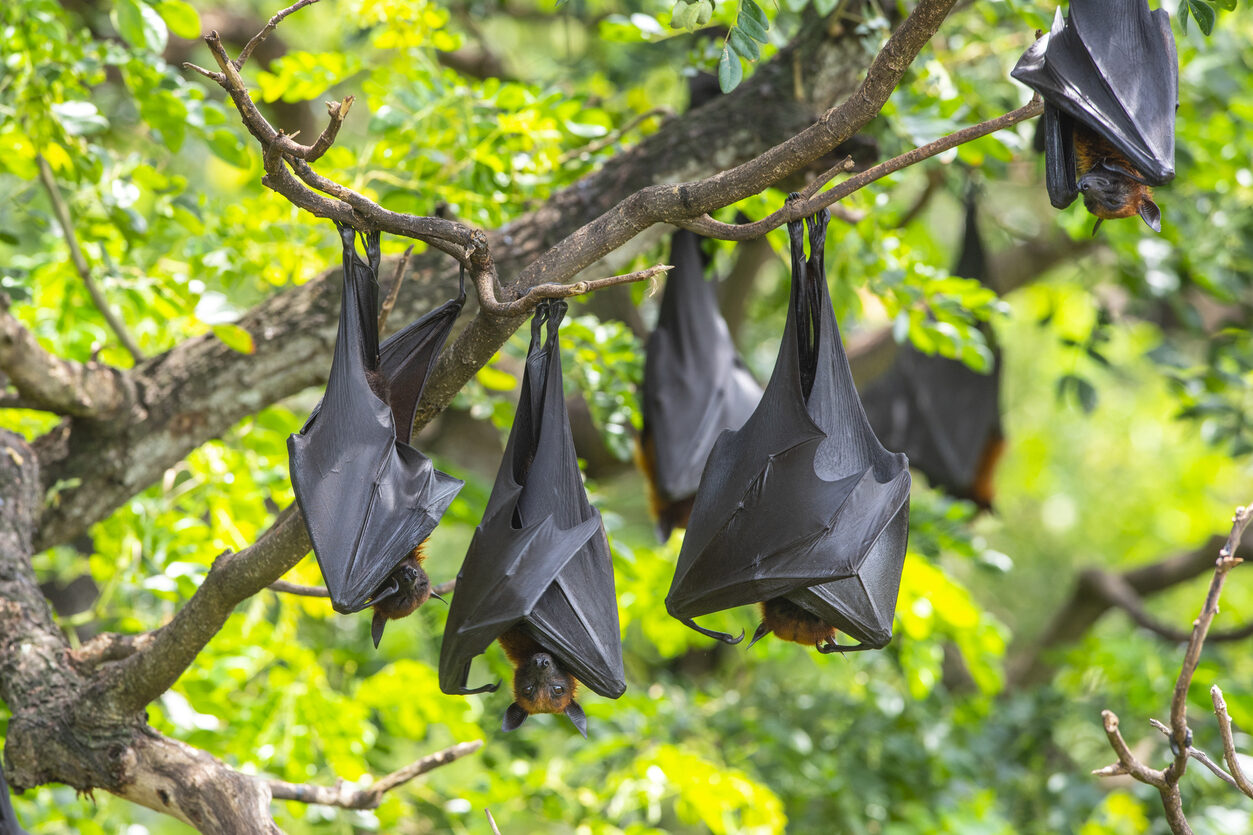
Bats are not usually the first animals people think about when talking about communication, but they are surprisingly social in how they use sound. Beyond using calls to navigate, they also develop group specific vocal patterns that help them recognize each other. Within a colony, these shared sounds become part of how they stay connected, even in complete darkness where sight is not useful at all.
Now imagine a bat moving into a new group. Over time, it begins to adjust its calls to match the others. That slow shift feels very familiar. It is similar to how people adapt when they move somewhere new and gradually begin to sound like those around them. The change does not happen instantly, but it builds through repeated interaction. It shows that even in animals we rarely think about, there is a constant process of learning, adjusting, and blending in. It adds a layer of depth to something that might otherwise seem simple at first glance.
Cows That Moo Differently
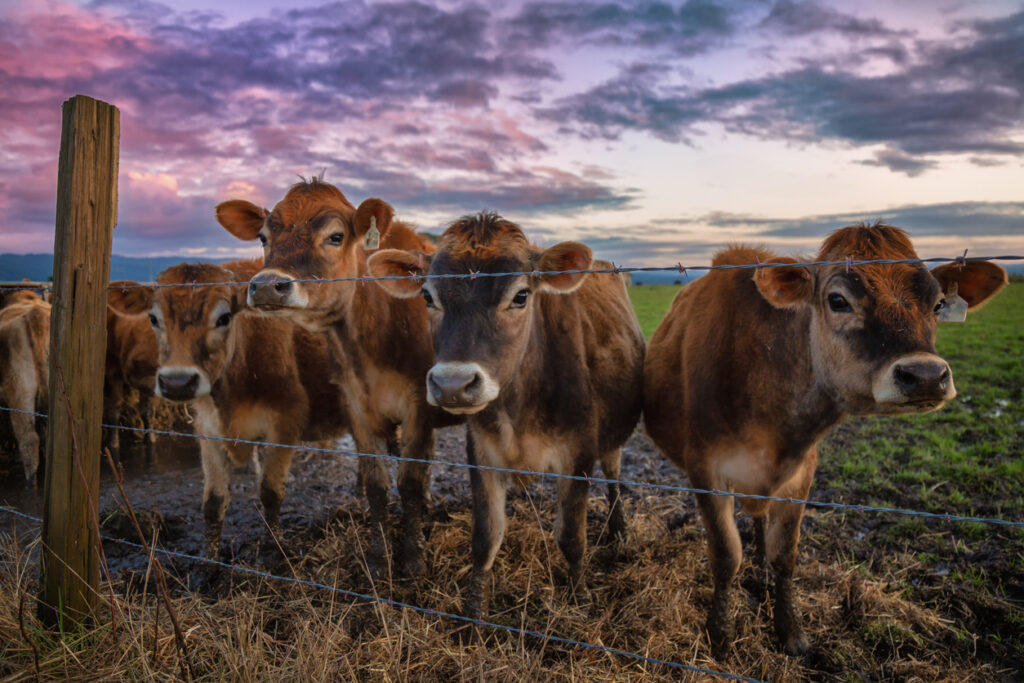
It might sound amusing at first, but cows actually show small differences in how they communicate depending on their group. Farmers who spend long periods around them often notice that cows within the same herd begin to sound similar over time. It is not something obvious right away, but with familiarity, those subtle differences become easier to pick up and recognize.
When animals spend time together, they influence each other in more ways than we expect. That includes how they vocalize. A herd develops its own shared rhythm, with calls that begin to align in tone and pattern. Some cows may sound deeper, others softer, but there is still a connection in how they communicate. It feels quietly familiar, like hearing people who have spent years in the same place. It reminds you that even in calm, open fields, there is a form of shared expression shaped by routine, proximity, and everyday interaction within the group.
Dolphins With Signature Whistles

Dolphins have always stood out for their intelligence, and their communication adds another layer to that. Each dolphin develops a unique whistle that acts almost like an identity signal. It is something others can recognize and respond to, creating a sense of individuality within the group. But beyond that, there is also a shared pattern that develops among dolphins living together.
Over time, dolphins begin to reflect the sounds of their social group. There are similarities in how they communicate, shaped by constant interaction and familiarity. It is not just about individual identity, but about belonging. Listening to them feels less like random sound and more like structured communication. You may not understand the meaning, but you can sense the connection. It gives the impression of a community shaped by shared experience, where sound becomes a way of maintaining relationships and staying connected over time.Goats That Adjust Their Voices
Goats That Adjust Their Voices
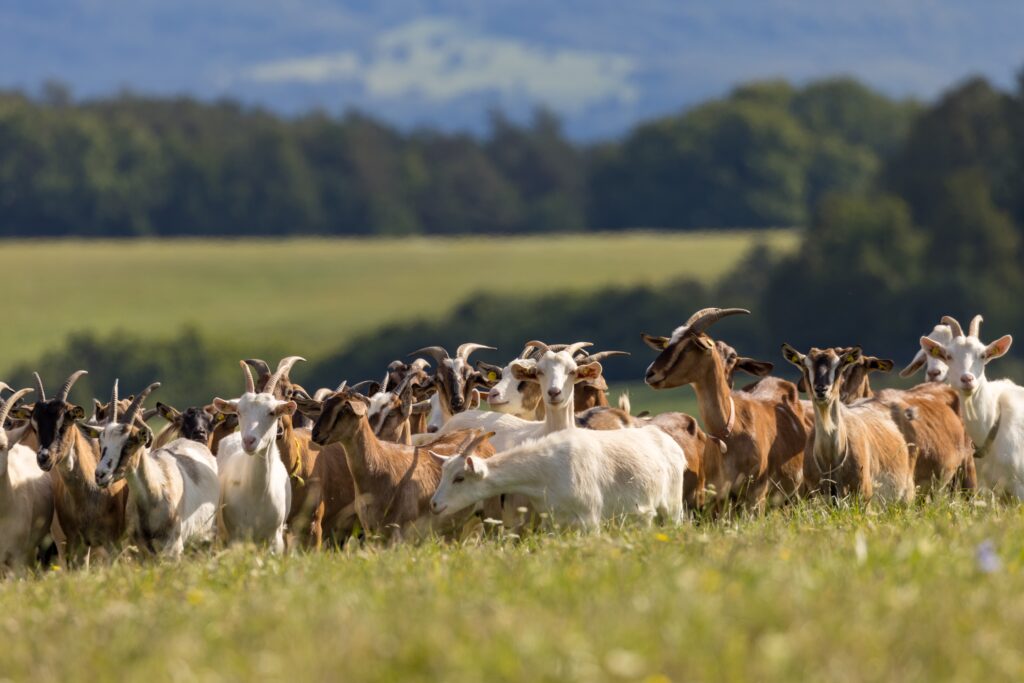
Goats may not seem especially expressive at first, but they are more responsive than they appear. Their vocalizations can shift based on their social environment, especially when they are separated from or reunited with their group. Over time, goats living together begin to develop similar patterns in how they sound, reflecting the influence of their surroundings.
That adjustment happens gradually and naturally. A goat returning to its group may initially sound different, but with time, it blends back into the shared rhythm of the others. It feels similar to how people begin to pick up each other’s tone when they spend a lot of time together. These changes are not forced. They come from repeated interaction and familiarity. It shows that communication, even in simple forms, is shaped by connection. The more time spent together, the more those subtle similarities begin to appear and settle into something consistent.
Elephants With Family Specific Calls
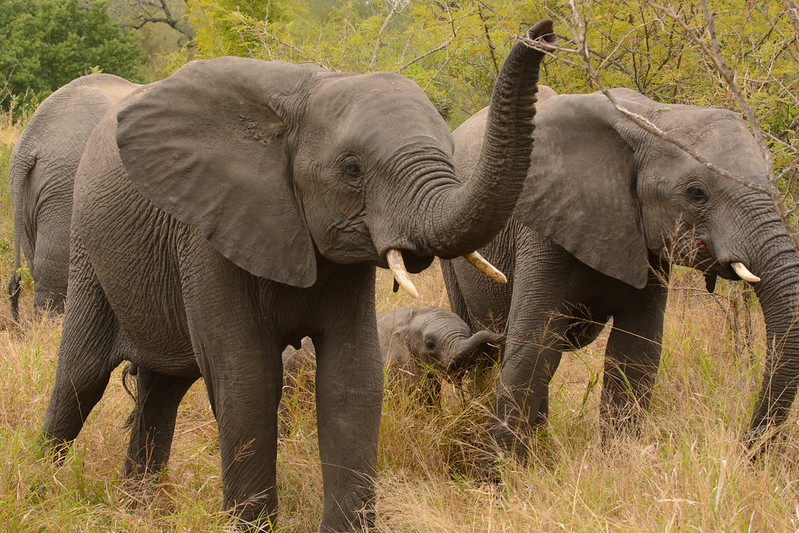
Elephants communicate in a way that feels steady and deeply rooted, using low sounds that travel across long distances and still carry meaning when they arrive. Within their family groups, these calls are not random or interchangeable. They develop shared patterns that help them recognize one another and stay connected even when they are far apart. It begins early, with young elephants listening closely to older members and gradually learning the specific sounds that belong to their group and shape how they express themselves over time.
As those young ones grow, the calls become familiar and consistent, almost like a family way of speaking that continues across generations. You can imagine it as a quiet thread connecting them, even when they cannot see each other. The more time they spend together, the more those patterns settle in. It feels very close to how people carry shared tones within families. That sense of belonging becomes part of their communication, showing that even in the wild, connection and identity can be carried through sound in a simple but powerful way.
Parrots That Mimic Local Sounds
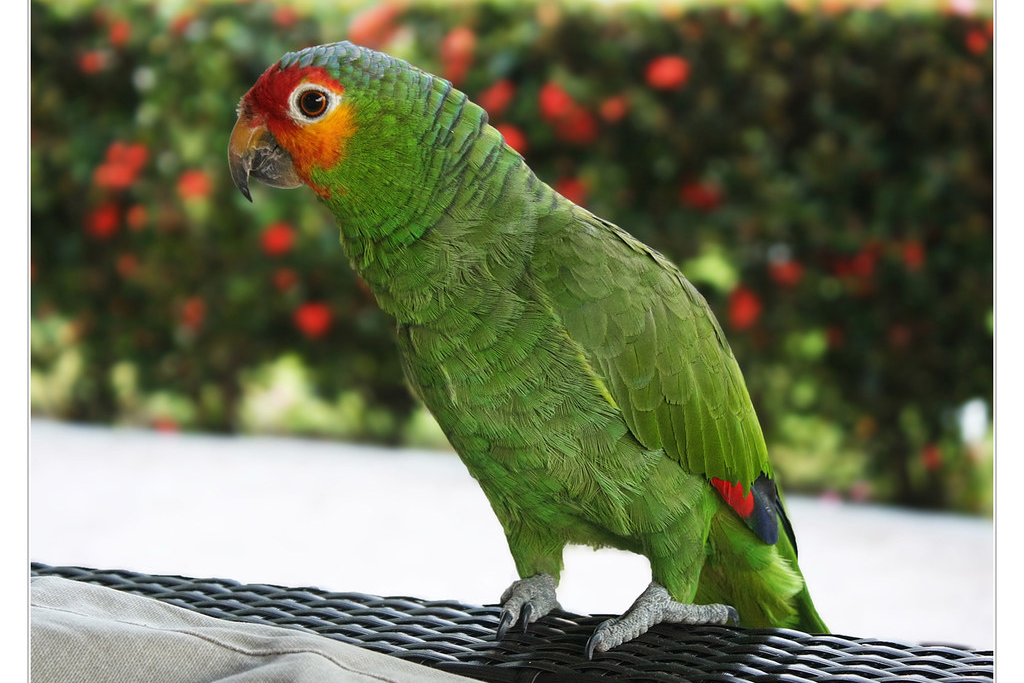
Parrots are often the easiest place to notice how environment shapes sound because their ability to mimic is so clear and immediate. But what they repeat is not random. It comes from what they hear every day. A parrot raised in one home may pick up laughter, phrases, or even the sound of a door opening, while another in a different space learns something completely different. Over time, those repeated sounds begin to form a pattern that reflects where they have been and what they have heard consistently.
As those sounds build, they become part of how the parrot communicates naturally. It is not just imitation for the sake of it, it is learning through exposure and repetition. The tones and rhythms they use begin to feel familiar to the environment they come from. Listening to them can feel like hearing pieces of a place carried in sound. It quietly shows how surroundings shape expression, even in animals, and how what we hear daily can slowly become part of how we communicate without even noticing it happening.
Frogs That Croak With Local Flavor
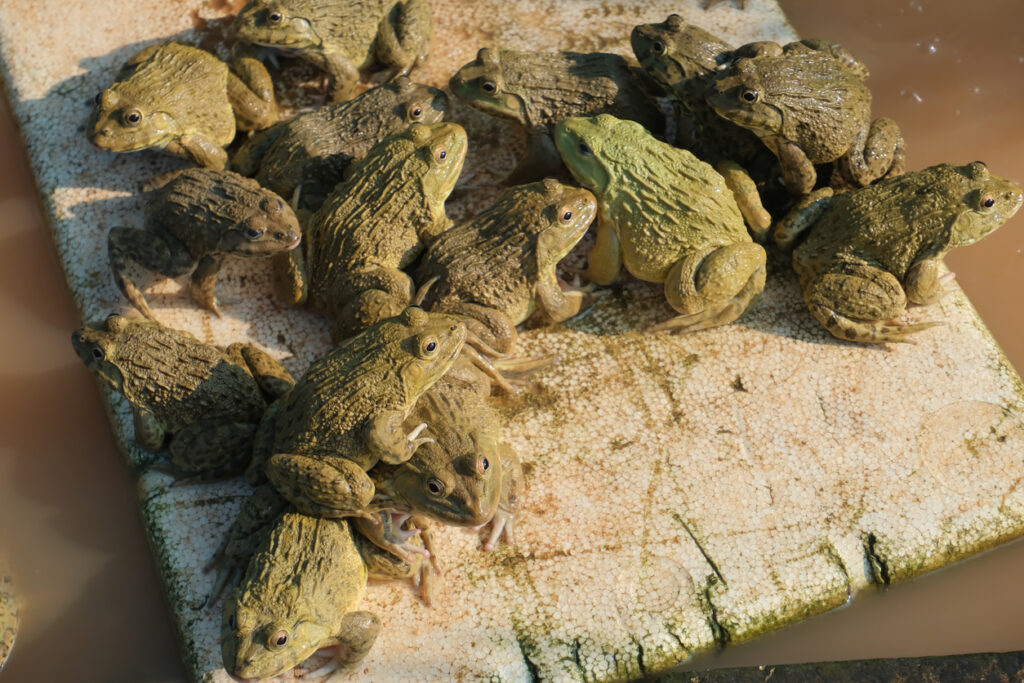
If you have ever been near water at night and heard frogs calling out, you might have noticed that the sound changes depending on where you are. It is not always the same pattern or rhythm. Frogs within the same area tend to share similar croaking styles, almost like they are following a familiar structure that belongs to that environment. It happens naturally as they respond to each other and adapt to the sounds around them.
Over time, these shared patterns become consistent within groups. A frog raised in one region will sound slightly different from one raised somewhere else, even if they are the same species. The difference is not loud or obvious, but it is there in the timing and tone. It feels similar to how people from different places speak in slightly different ways without realizing it. That quiet variation shows how even simple sounds can carry a sense of place, shaped by repeated interaction and the environment surrounding them.
Monkeys With Group Specific Calls
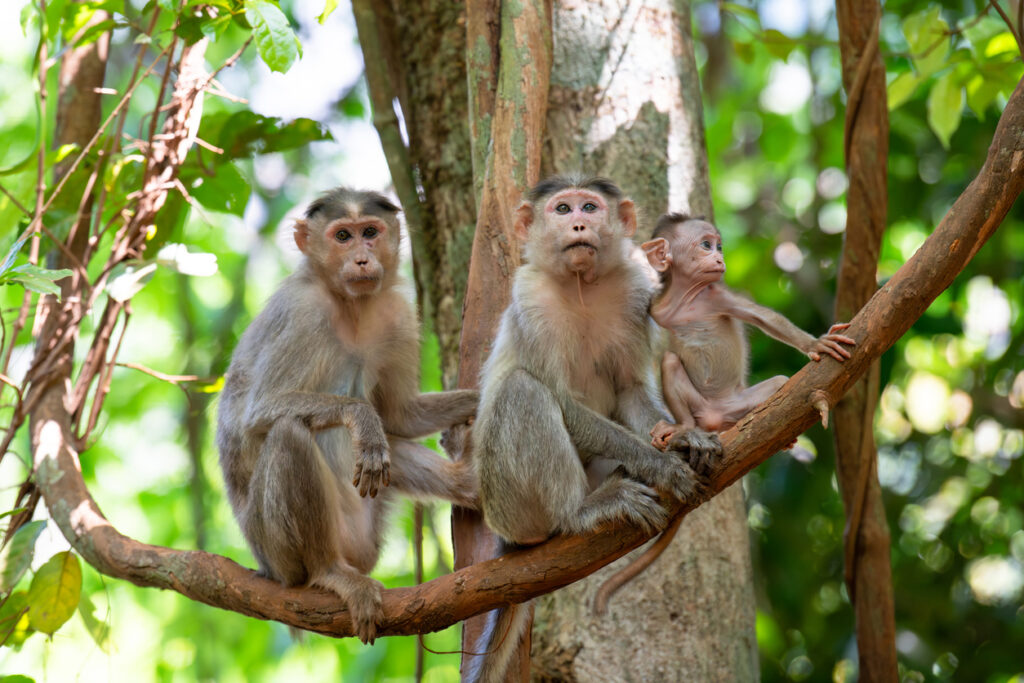
Monkeys rely heavily on sound to stay connected within their groups, especially in environments where visibility is limited. Their calls are not random. They develop specific patterns that help them recognize one another and communicate effectively. Within a group, these sounds become familiar and consistent, making it easier to stay connected and respond quickly when needed.
As monkeys spend more time together, their calls begin to align in subtle ways. The tone, rhythm, and repetition start to reflect the group they belong to. If one moves to another group, it can gradually adjust to match the new pattern. That slow shift feels very familiar. It is like learning how to fit into a new environment without even realizing it. It shows that communication is not fixed. It is something that evolves through interaction, shaped by the people or group you are surrounded by every day.
Chickens That Recognize Familiar Sounds
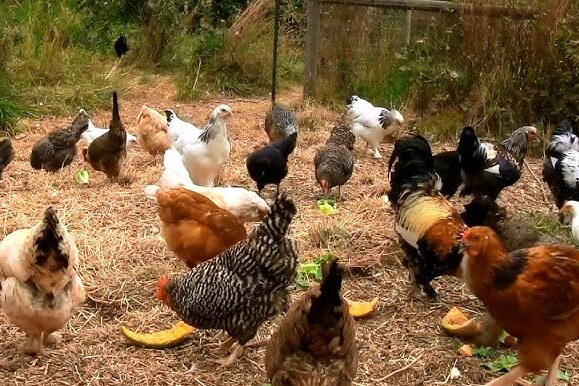
Chickens may seem simple at first, but they have a surprisingly rich way of communicating with each other. Within a flock, they develop recognizable sounds that signal different things like food, danger, or comfort. Over time, these sounds become familiar within the group, helping them respond quickly and stay connected throughout their daily routine.
When chickens spend time together, their vocal patterns begin to align in subtle ways. It is not something you notice immediately, but it becomes clearer with observation. A flock develops its own rhythm in how they communicate, shaped by shared experiences and constant interaction. It feels quietly familiar, like being part of a group where everyone understands each other without needing to explain much. That sense of shared understanding shows how even simple animals build communication systems that reflect their environment and relationships over time.
Wolves That Howl In Harmony
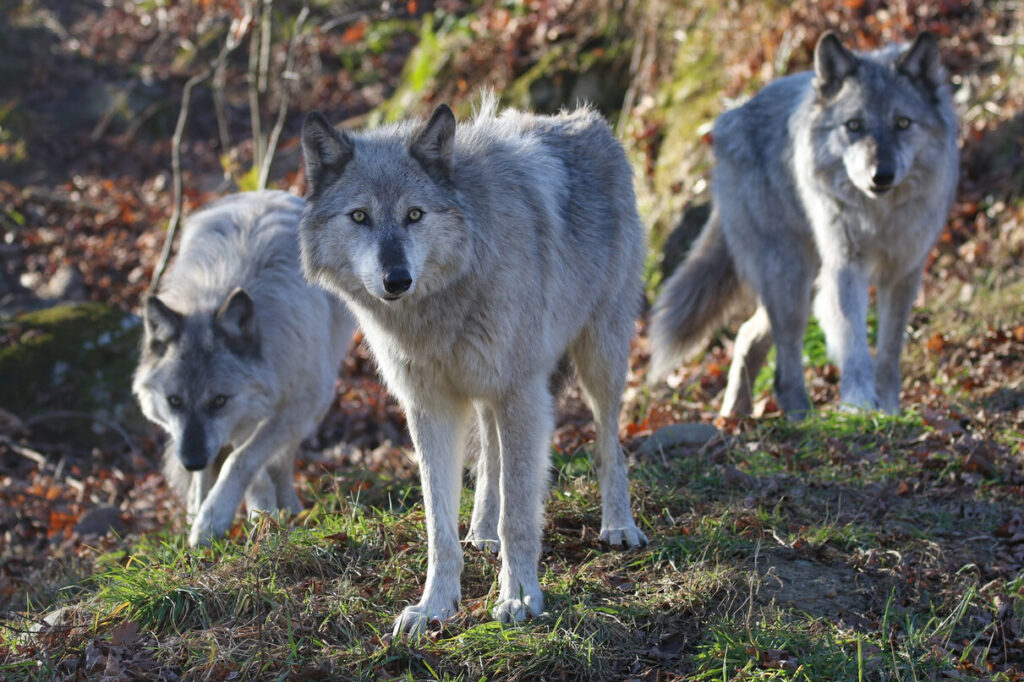
There is something about the sound of wolves howling that feels both distant and deeply connected at the same time. But those howls are not random or identical. Within a pack, wolves develop coordinated patterns in how they howl, creating a shared sound that helps them stay connected across long distances. Each pack has its own way of doing this, shaped by the members within it.
As wolves continue to live and hunt together, their howls begin to blend in a way that feels unified. The timing, pitch, and flow start to reflect the group rather than just the individual. It is not just about making noise, it is about maintaining connection. Listening to a pack howl feels like hearing a shared voice rather than separate ones. That sense of unity shows how communication can grow into something collective, shaped by cooperation and the need to stay connected within a group.
Penguins That Recognize Unique Calls
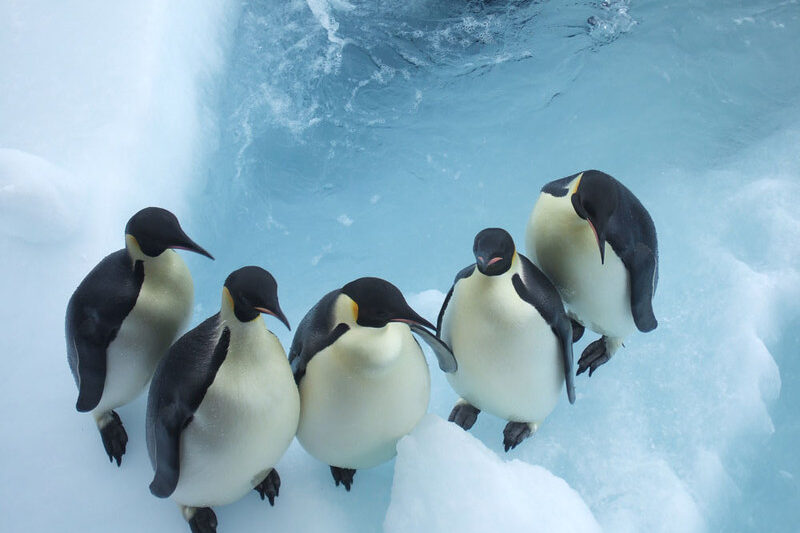
In large penguin colonies, everything can feel crowded and overwhelming, with thousands of voices filling the same space at once. Yet somehow, penguins are able to find and recognize each other without confusion. Each penguin develops a unique call that helps it stand out, especially when trying to locate a mate or chick among so many others. That sound becomes something familiar and reliable, even in the middle of constant noise and movement happening all around them every day.
At the same time, there is still a shared rhythm within the colony that shapes how those calls are expressed. While each sound is unique, it still carries patterns influenced by the group and environment. Over time, these similarities become part of how the colony functions smoothly. It feels a bit like being in a busy place where you can still recognize a familiar voice instantly. That balance between individuality and shared sound shows how communication can be both personal and shaped by the space animals live in together.
Horses That Communicate Through Tone

Horses may not rely heavily on loud or frequent sounds, but the way they communicate carries a lot of meaning in subtle ways. Their vocalizations often depend more on tone and variation than on volume. Within a group, these small differences become important signals that help them understand each other and respond appropriately in different situations. It is not always obvious at first, but it becomes clearer the more time you spend observing how they interact.
As horses live and move together, they begin to pick up on each other’s patterns. The way one responds can influence how another reacts, creating a shared understanding over time. Their sounds may shift slightly depending on the group they belong to, reflecting the relationships they have formed. It feels similar to how people adjust their tone when they are around certain individuals. That quiet adjustment shows that communication is not always about words or loud signals, but about connection built through familiarity and consistent interaction.
Seals That Develop Colony Sounds

Seals live in close groups where staying connected is important, especially in environments where visibility can be limited. Sound becomes one of the main ways they recognize each other and maintain that connection. Over time, seals within the same colony begin to develop similar patterns in their vocalizations, creating a shared sound that belongs to that specific group and helps them stay coordinated.
As these interactions continue, those patterns become more consistent and familiar. The tone and rhythm of their calls begin to align, making it easier for them to identify one another even in busy surroundings. It feels similar to how people living in the same place begin to sound alike without trying. That sense of familiarity builds naturally through repeated interaction. It shows that communication is not fixed but shaped by the environment and the relationships formed within it, even in spaces that may seem simple from the outside.
Cats That Adjust Their Meows

Cats often appear independent, but their communication tells a more connected story. Interestingly, cats tend to adjust their meows based on how humans respond to them. Over time, they begin to shape their vocalizations in ways that are more likely to get attention or meet their needs. This means a cat living in one home may sound quite different from a cat living somewhere else, simply because of the different interactions they experience daily.
As those interactions repeat, the cat’s sounds begin to settle into a pattern that fits its environment. The tone, length, and rhythm of the meow can change depending on what works best. It is not something they plan consciously, it develops naturally through experience. That adjustment feels very familiar, like how people shift their tone depending on who they are speaking to. It shows that communication grows through feedback, shaped by response and routine, even in animals that seem quiet or reserved at first glance.
Birds In Cities Versus Forests

Birds living in cities face a very different environment from those in forests, and that difference shows in how they communicate. In noisy urban areas, birds often adjust their calls to be heard over traffic and constant activity. Their sounds may become sharper or more direct, helping them cut through the noise and still reach others nearby. It is a practical change that develops over time as they adapt to their surroundings.
In quieter forest environments, birds can rely on softer and more varied patterns without needing to compete with background noise. This creates a noticeable difference between groups living in different spaces. Over time, these changes become consistent within each environment. It feels like a natural response to what is needed in order to be understood. That shift shows how communication is flexible, shaped by daily conditions and the need to connect effectively within whatever space an animal calls home.
Bees That Communicate Through Movement
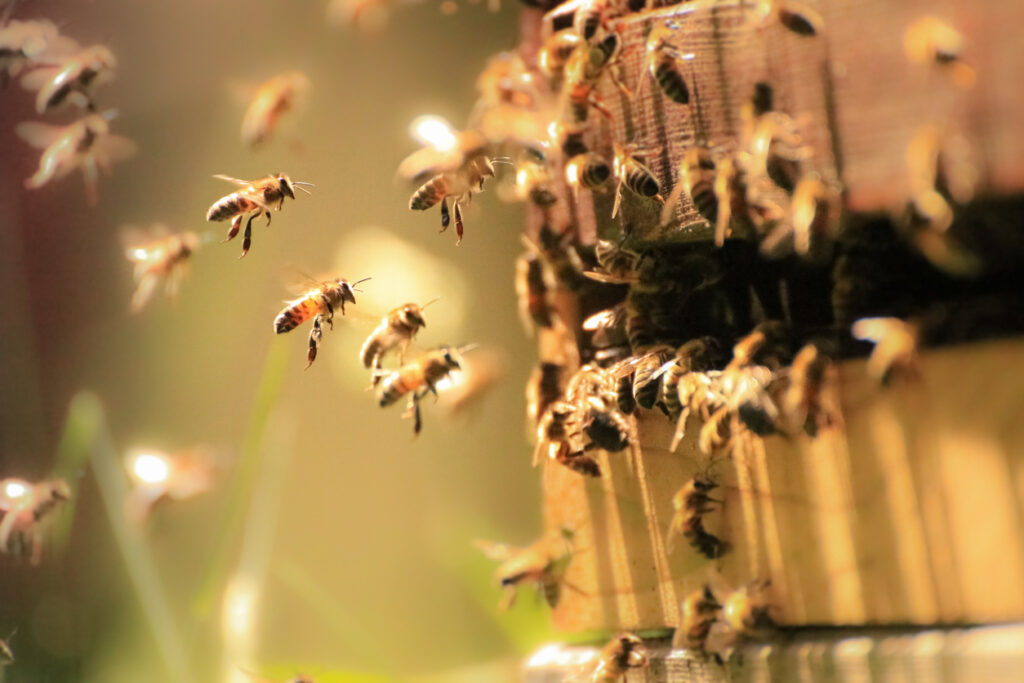
Bees communicate in a way that feels different but still follows the same idea of shared patterns within a group. Instead of relying on sound, they use movement, especially through what is known as the waggle dance. This movement carries information about direction and distance, helping other bees understand where to find resources. Within a hive, these movements become familiar signals that everyone can interpret easily over time.
As bees continue to interact, their movements become more refined and consistent. The way they perform these dances reflects a shared understanding built within the group. It may not sound like an accent, but it carries the same idea of learned behavior shaped by interaction. It shows that communication is not limited to sound alone. It can exist in patterns, motion, and shared meaning. That idea quietly expands how we think about expression, showing that connection can take many forms beyond what we immediately recognize.


