
1. The Banking Maze

Most of us walk into a bank and simply nod, swipe, or deposit, without ever stopping to think about how money moves behind the counters. We trust ATMs to deliver cash, apps to pay our bills, and loans to appear almost magically, yet the complex systems orchestrating it are largely invisible. Banks juggle deposits, investments, and regulations in ways that most of us never glimpse. It’s easy to forget that every dollar we spend is part of a larger web, with interest rates, reserve requirements, and digital ledgers shaping what seems ordinary. The system is designed to make transactions seamless, yet underneath, the mechanics are intricate and precise, balancing trust with legal frameworks.
Understanding even a little of this invisible architecture changes perspective. Knowing why interest rates fluctuate or how fees accumulate can feel like unlocking a secret map of everyday finance. Americans rely on this system daily, but often without realizing the trust we place in it. It quietly structures our lives from morning coffee purchases to mortgage payments, making it one of the most impactful yet least understood systems in our routines. If you start paying attention, banking can feel less like a mystery and more like a tool that works for you, instead of just around you.
2. The Electricity Grid
Flick a switch, and lights appear. Simple, right? Most of us rarely pause to consider the vast network of power plants, transmission lines, and transformers working in concert to make that happen. The electricity grid is a marvel of engineering, stretching across states, balancing supply and demand in real-time, and constantly maintaining stability so your phone charges, your fridge hums, and your laptop stays alive. Blackouts, when they happen, remind us how fragile it really is. The system we rely on so effortlessly involves countless operators, monitoring stations, and automated safeguards that coordinate without us ever noticing.
It’s even more impressive when you consider that this system responds instantly to spikes in demand, like when everyone brews coffee at 7 a.m., or when air conditioners roar on hot summer afternoons. Americans live their lives on autopilot while this invisible network hums quietly in the background. Understanding it can change the way we appreciate our daily comforts. Next time your lights turn on without a thought, you’re witnessing the quiet magic of a system designed to work for millions, flawlessly and invisibly. It’s a reminder that the ordinary is often extraordinary once you stop and notice.
3. The Postal System

We drop letters in the mailbox or track packages online, assuming they’ll arrive without a hitch. But the U.S. Postal Service is more than mail trucks and post offices, it’s a sprawling operation moving billions of items annually, coordinating flights, sorting machines, and delivery routes across cities, towns, and remote corners alike. The sheer scale is staggering, and while the digital age has changed communication, the postal system still hums quietly beneath our daily lives. It ensures bills reach homes, care packages arrive on time, and online shopping works seamlessly, even when we rarely think about it.
The system relies on careful planning, timing, and logistics, and it’s resilient enough to handle weather delays, holidays, and high-volume seasons. Every stamp purchased or box shipped is a small vote of trust in this network. Americans lean on it for connection, commerce, and convenience, often overlooking the careful coordination behind the scenes. Understanding it doesn’t require memorizing every ZIP code or sorting rule, but just knowing how many hands and machines are involved makes each delivery feel a bit more miraculous. The postal system quietly ties the country together in a web of reliability that we rarely stop to appreciate.
4. The Transportation Web

From morning commutes to cross-country flights, we move through a network of highways, rails, and air routes without a second thought. The transportation system is a coordinated dance of scheduling, traffic control, and infrastructure that allows millions of Americans to reach their destinations daily. Highways are maintained by state and federal systems, air traffic is managed second by second by controllers, and public transit keeps cities moving like clockwork. We focus on convenience while the system quietly coordinates timing, safety, and efficiency on a scale few of us truly see.
Even small missteps—a traffic signal malfunction, delayed flight, or crowded subway reveal how much effort it takes to keep everyone moving. Planning, maintenance, and regulations underpin every ride, yet most of us experience the system only as riders or drivers, rarely as participants aware of its complexity. When we pause to consider it, the scope of what we rely on daily becomes clear: miles of pavement, schedules, safety protocols, and countless unseen decisions all converge to make the ordinary journey possible. Transportation is both a marvel and a necessity we often take for granted, a silent partner in every commute, trip, or delivery.
5. The Internet Highway

We tap, scroll, or stream, assuming that the vast web of information will always be there, instantly, without error. But the internet is a massive system of servers, fiber optic cables, routers, and protocols that orchestrate the flow of data across continents. Emails, social media, banking, and streaming all ride on this invisible highway, which is maintained, monitored, and constantly upgraded to prevent failures. The digital convenience we take for granted masks an enormous infrastructure, often tucked away underground or behind locked doors, yet powering our daily lives relentlessly.
Understanding the internet’s backbone changes how we think about connection. Every search, video call, or online purchase is the result of an intricate choreography happening in milliseconds. From cybersecurity measures to server load balancing, the invisible work keeps our virtual world spinning smoothly. Americans rely on this system constantly, rarely realizing the complexity, coordination, and ongoing effort involved. Recognizing the infrastructure behind our online routines can spark appreciation and awareness, reminding us that what seems instantaneous is actually the product of remarkable planning and innovation. It’s a system we trust every day without fully understanding.
6. Water Supply and Treatment
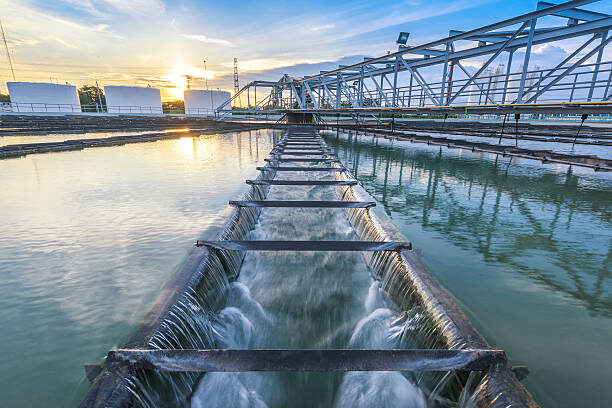
Turn on your tap, pour a glass, and drink. Simple, right? But the journey from river or reservoir to your kitchen is anything but simple. The water system involves collection, filtration, chemical treatment, and constant monitoring to ensure safety and taste. Engineers and technicians work around the clock to keep pipes flowing, remove contaminants, and test for bacteria and chemicals. Most Americans don’t stop to think about it until something goes wrong a boil advisory or a sudden brown tap water reminder. Yet, this system quietly safeguards public health, making everyday life possible without a second thought.
Water is more than a convenience; it’s a carefully regulated network balancing environmental sustainability, population demands, and infrastructure maintenance. Every shower, flush, and sip relies on a chain of planning, pumping stations, and treatment plants that rarely make headlines. Understanding this system gives a new appreciation for something often taken for granted. The pipes beneath our feet, the reservoirs in the distance, and the people ensuring standards are met all contribute to a reliability that feels magical when uninterrupted. Simple daily access is actually the result of complex coordination, reminding us to pause and appreciate the hidden work keeping life flowing.
7. Waste Management

We toss trash into bins and leave recycling by the curb, rarely pausing to think about where it goes next. Waste management is a system of collection, sorting, processing, and disposal that keeps communities clean and minimizes environmental impact. Behind the scenes, drivers, plant operators, and planners coordinate schedules, routes, and capacity limits to prevent public health hazards and environmental issues. From landfills to composting, the process is an intricate web of logistics that most Americans trust instinctively, even if the mechanics remain invisible.
The system isn’t just about hauling garbage; it’s about sustainability, regulation, and planning for future generations. Recycling programs, hazardous waste protocols, and composting facilities all rely on careful monitoring and compliance to function safely. By understanding even a little, like how much energy goes into sorting recyclables or how landfill design prevents contamination, we gain insight into the unseen labor that maintains public health. This daily interaction with waste highlights how much we rely on systems that operate quietly in the background. The next time you toss something away, it’s worth remembering the careful orchestration that keeps neighborhoods clean and our planet a little safer.
8. The Postal and Package Tracking Network

Beyond dropping letters in mailboxes, Americans increasingly rely on a system that tracks parcels with near-magical precision. Behind that “Delivered” notification lies a network of scanning points, automated sorting machines, and transportation links that coordinate movement across states and borders. Each package is logged, routed, and monitored, requiring software, human oversight, and logistics experts working together to ensure timely delivery. Most people glance at a tracking number without understanding the sophistication needed to make it function seamlessly.
This network exemplifies modern efficiency and trust. It not only delivers personal packages but supports businesses, commerce, and e-commerce giants that depend on accurate timing. Weather, staffing, or technical errors can ripple through the system, yet the infrastructure is built to recover and adapt. Recognizing the complexity of package tracking reminds us how intertwined technology, logistics, and human effort have become in daily life. Every parcel that arrives intact represents a small triumph of coordination that many of us rely on without noticing, showing that even ordinary tasks like online shopping depend on systems most people rarely understand.
9. The Healthcare Infrastructure

Scheduling a checkup or filling a prescription seems straightforward, yet the healthcare system behind it is a labyrinth of insurance policies, hospital networks, regulatory compliance, and digital records. Hospitals, labs, pharmacies, and insurers interact in a carefully balanced ecosystem to deliver care efficiently and safely. Most Americans navigate appointments, coverage, and prescriptions without thinking about the underlying systems that coordinate billing, data security, and patient safety, yet the entire process depends on seamless cooperation behind the scenes.
Understanding healthcare systems sheds light on why even small delays occur, whether it’s insurance verification, lab results, or treatment coordination. Every visit involves layers of administration, technology, and professional oversight designed to prevent errors and ensure care quality. Awareness of the system’s scale can make interactions feel less frustrating and more manageable, turning confusion into insight. It also highlights the human effort behind digital records, automated reminders, and hospital operations. The healthcare infrastructure quietly supports millions daily, and even a small understanding of its complexity can make navigating appointments feel less like a maze and more like a guided journey through a network built to keep people healthy.
10. Public Safety and Emergency Response

911 calls, police patrols, fire stations, and ambulance services feel like instant support, yet they operate within a carefully coordinated system. Dispatch centers, GPS tracking, and emergency protocols all converge to ensure help arrives quickly, often within minutes. Most Americans assume calls for help will simply work, rarely considering the infrastructure, training, and communication systems that make it possible. Behind the sirens and flashing lights is a network of coordination, technology, and human judgment working continuously to protect communities.
Emergency services are more than reacting to crises; they involve prevention, planning, and resource management. Fire departments maintain equipment, law enforcement monitors patterns to anticipate risk, and paramedics train rigorously for diverse scenarios. Understanding even a little about how calls are prioritized or how units are dispatched highlights the precision and trust embedded in daily life. It’s a system that Americans rely on without fully grasping, yet its existence quietly shapes feelings of safety and community stability. Awareness of this network fosters appreciation for the unseen structures keeping everyday life secure.
11. Financial Credit Networks

Swipe a card, pay a bill, or apply for a loan, and it feels instantaneous. Yet behind every credit transaction is a vast system of banks, credit bureaus, and digital processors working in tandem to approve, record, and protect payments. Credit scores, interest calculations, and fraud detection all happen quietly, shaping borrowing power and financial access. Most Americans rely on these networks daily without understanding the complexity of how their financial behavior is tracked and reported, or how decisions about credit are made.
The system is both invisible and indispensable. It affects renting apartments, buying cars, and even job applications in some cases. Understanding even a small part of it, like how payment history impacts your score or why pre-authorization holds appear on cards, helps demystify financial life. This network allows millions of transactions to happen safely, instantly, and reliably. Recognizing the trust and technology behind it shows that what feels simple, swiping, tapping, or applying, is actually the result of careful coordination across multiple institutions. It’s a reminder that daily financial ease relies on systems we rarely see, yet constantly depend on.
12. Public Education System

We send kids to school thinking it’s routine, yet public education is a system of curriculum design, funding allocations, teacher training, testing standards, and policy compliance that balances countless priorities. Administrators, educators, and policymakers work quietly to coordinate schedules, resources, and support programs so classrooms run smoothly. Most Americans interact with it directly or indirectly but rarely consider the structural complexity that keeps students learning and schools operational across the country.
From transportation to lunch programs, from standardized testing to special education, every part of the school day is supported by planning and coordination. The system evolves constantly, responding to population growth, technological change, and new educational research. Understanding this framework highlights how much trust is placed in unseen processes to educate future generations. It also reminds adults how much effort goes into what children often take for granted having a safe, supportive environment to learn. Public education quietly shapes society, and recognizing its intricacies makes us appreciate the hands and minds orchestrating learning behind the scenes.
13. Food Supply Chains
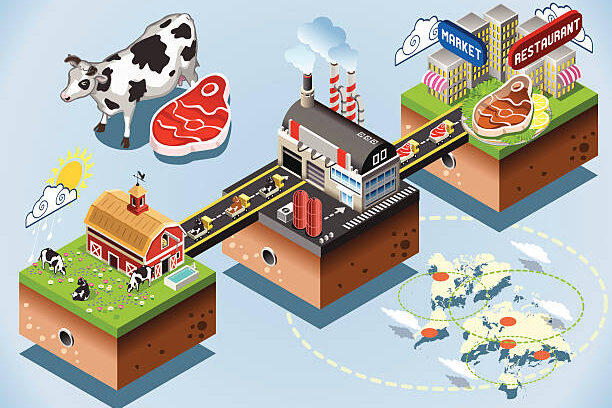
When groceries appear on shelves or farmers’ markets open, it seems effortless. In reality, the food system is an intricate web of farms, processing plants, distribution networks, refrigeration systems, and retail logistics. Growers, transporters, warehouse managers, and grocers coordinate schedules, quality control, and safety standards to ensure produce, meat, and packaged goods arrive fresh. Americans rely on it constantly, yet few consider the coordination, regulations, and monitoring required to keep food both safe and available.
Every step is a balancing act: timing harvests, regulating storage conditions, monitoring safety protocols, and responding to demand fluctuations. Disruptions anywhere from weather events to transportation delays can ripple through the system. Awareness of this complexity highlights how modern conveniences like supermarket shopping are underpinned by careful planning and unseen effort. Recognizing the effort behind everyday meals fosters appreciation for the people and processes keeping tables stocked, reminding us that behind every bite is a network designed to nourish millions reliably.
14. Government Data Systems

Taxes, licenses, and social benefits seem like bureaucratic routines, but the systems managing these functions are vast, computerized, and constantly evolving. Government databases track billions of interactions, secure sensitive information, and coordinate departments so citizens receive services efficiently. Most Americans trust them to work without interruption, yet few understand the complexity of integrating technology, policy, and human oversight to maintain accuracy, security, and fairness.
These systems manage everything from social security benefits to voter registration, from public health records to transportation planning. Errors, delays, or breaches remind us how fragile yet sophisticated the system is. Understanding even a little about how data verification or automated processing works reveals the care and coordination behind daily interactions with government services. It’s a quiet, invisible infrastructure that keeps society functioning, proving that even when it seems bureaucratic, it is essential. Recognizing this system makes everyday encounters feel less like paperwork and more like a seamless, coordinated effort designed to support citizens.
15. The Legal and Judicial Network

Courts, law enforcement, attorneys, and administrative offices create a legal system that Americans rely on without always understanding it. Laws, regulations, and court procedures are managed through an intricate web of local, state, and federal entities, ensuring disputes are resolved and rights are protected. Most people encounter this system only indirectly, yet it quietly maintains social order, mediates conflicts, and protects civil liberties.
Beyond courtrooms, the system involves police records, case management software, legal filings, and public resources that keep operations running smoothly. Understanding even a little about how cases move from investigation to judgment reveals a coordinated network of rules, professionals, and technology. Americans trust this system every day, from property rights to contract enforcement, often without realizing the complexity. It reminds us that much of modern life is supported by networks designed to function quietly in the background, and appreciating them can change how we see order, fairness, and the invisible threads that keep society running. It all comes together to show that the systems we take for granted are remarkable, quietly shaping daily life, and worth noticing and valuing.


