
1. Social Media Manager

It’s funny to think there was a time when businesses didn’t worry about posting online every day. A social media manager today handles everything from brand voice to customer engagement, often acting as the “personality” behind a company’s online presence. Thirty years ago, this role simply didn’t exist because platforms like Facebook, Instagram, and TikTok weren’t part of daily life. Now, companies rely heavily on these professionals to stay visible and relevant in a crowded digital space. As one marketing expert once put it, “If your brand isn’t part of the conversation, it risks being forgotten,” and that idea drives much of what social media managers do.
In a way, this job feels like a mix of creativity and customer service. You’re writing posts, responding to comments, tracking trends, and sometimes even handling crises in real time. It’s fast-paced, unpredictable, and deeply human despite being online. Many people stumbled into this career without formal training, learning as platforms evolved. Today, it’s a recognized profession with strategy, analytics, and storytelling at its core, something no one would have imagined back in the 1990s.
2. App Developer

If you handed someone a smartphone in the early 90s, they might not even know what to do with it. The idea of downloading apps for everything from banking to fitness simply wasn’t part of everyday thinking. App developers now build the tools people rely on daily, shaping how we communicate, shop, learn, and even relax. The rise of mobile technology created an entire ecosystem of opportunity, and developers sit right at the center of it. As one tech founder said, “There’s an app for almost everything now,” and behind each one is someone who had to imagine and build it from scratch.
What makes this career interesting is how quickly it grew from nothing into a global industry. Many developers started out experimenting, teaching themselves coding through online resources and trial and error. It’s a field that rewards curiosity and persistence, often more than formal pathways. Today, app development is seen as both a technical and creative role, blending problem-solving with user experience. It’s hard to imagine modern life without apps, which makes it even more surprising that this career didn’t exist just a few decades ago.
3. Data Scientist

Not long ago, businesses made decisions based mostly on instinct, experience, and small sets of data. Today, data scientists help organizations make sense of massive amounts of information, turning numbers into clear insights. This career didn’t exist in its current form 30 years ago because the volume of data simply wasn’t there. Now, every click, purchase, and interaction creates information that companies want to understand. As a common saying in the industry goes, “Data is the new oil,” and data scientists are the ones refining it into something useful.
The role blends statistics, programming, and storytelling in a way that feels both analytical and practical. It’s not just about crunching numbers but explaining what those numbers mean in real terms. Many people in this field come from different backgrounds, from mathematics to economics, and learned new skills as the demand grew. What started as a niche area has become one of the most sought-after careers today, quietly influencing decisions in healthcare, finance, entertainment, and more.
4. YouTube Content Creator

There was a time when becoming a “video creator” meant working in television or film. Now, people can build entire careers from their bedrooms by sharing videos online. YouTube content creators didn’t exist 30 years ago because the platform itself hadn’t been imagined yet. Today, millions of people watch creators for entertainment, education, and inspiration. As one creator once shared, “People don’t just watch content, they connect with people,” and that connection is what keeps audiences coming back.
What makes this career unique is how personal it feels. Creators often start with simple equipment and a passion for sharing something they love, whether it’s cooking, gaming, or storytelling. Over time, some grow into full-scale businesses with sponsorships, merchandise, and loyal communities. It’s a career built on authenticity and consistency, not just production quality. The idea that everyday individuals can reach global audiences still feels new, even though it has already reshaped how we think about media and influence.
5. UX Designer

Before websites and apps became central to daily life, there wasn’t much need to think about how users “felt” while interacting with digital products. UX designers, or user experience designers, focus on making technology easy, intuitive, and even enjoyable to use. This role didn’t exist in a formal sense 30 years ago because digital interfaces were limited and often technical. Today, companies understand that a smooth experience can make or break a product. As one design principle puts it, “Good design is invisible,” meaning users shouldn’t have to think too hard about what to do next.
The work involves understanding people as much as technology. UX designers research user behavior, test ideas, and refine layouts to remove friction. It’s a thoughtful process that blends psychology, design, and problem-solving. Many professionals in this field transitioned from graphic design or other creative paths as the demand grew. What started as a niche concern has become a standard part of building any digital product, showing how much our expectations have changed over time.
6. Podcast Producer

There was a time when audio storytelling belonged almost entirely to radio stations and large media houses. Now, podcast producers help shape conversations that reach listeners across the world, often on demand and on their own schedules. This career didn’t exist 30 years ago because the tools and platforms weren’t there yet. Today, podcasts cover everything from personal stories to business advice, and producers work behind the scenes to bring those ideas to life. As one industry voice put it, “Podcasting feels like sitting in on a real conversation,” and that sense of closeness is exactly what producers aim to create.
The role is a blend of planning, editing, and creative direction. A producer might help structure an episode, clean up audio, guide interviews, or even suggest topics that resonate with listeners. Many started out simply recording conversations for fun, only to realize there was an audience waiting. Over time, what began as a hobby for some has become a serious profession. It’s one of those careers that quietly grew alongside technology, reflecting how people now prefer content that feels personal, flexible, and easy to fit into everyday life.
7. Influencer Marketing Specialist
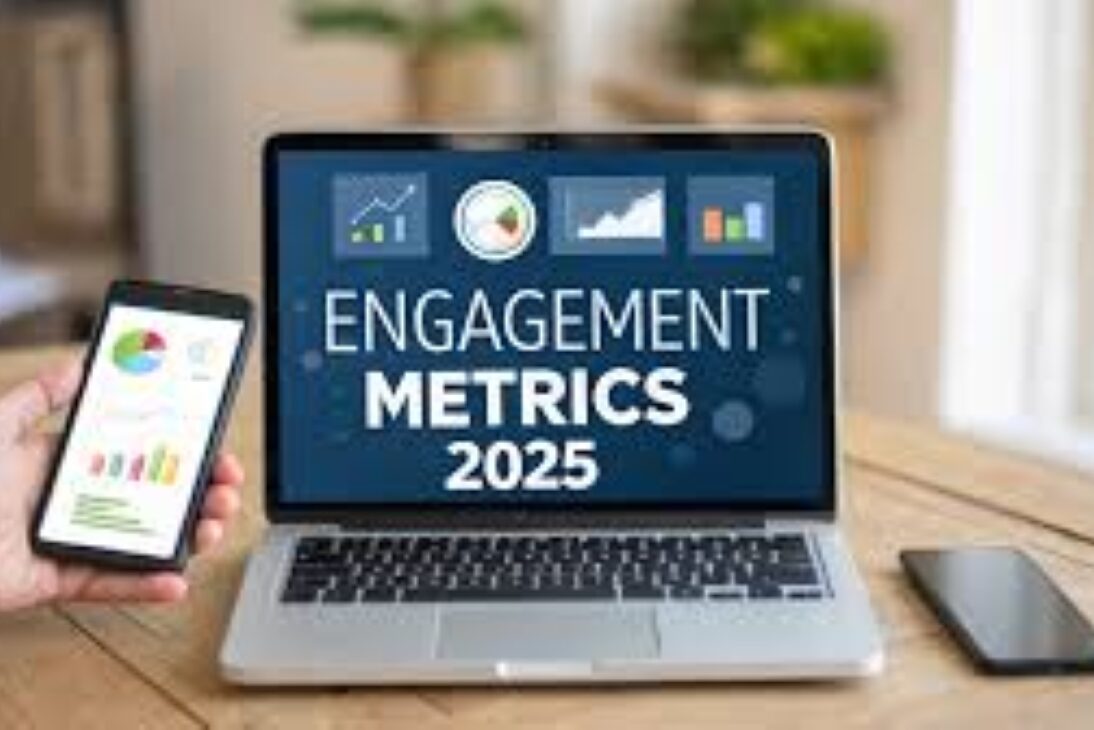
Not too long ago, advertising was mostly about billboards, TV commercials, and print ads. Today, brands often collaborate with individuals who have built trust with their audiences online. Influencer marketing specialists help connect companies with these creators, shaping campaigns that feel more natural and relatable. This role didn’t exist 30 years ago because the concept of “influence” looked very different back then. As one marketer observed, “People trust people more than logos,” and that idea sits at the heart of this career.
In practice, the job involves identifying the right voices, managing partnerships, and ensuring campaigns feel genuine rather than forced. It’s part strategy, part relationship-building, and part storytelling. Many professionals in this field came from traditional marketing but had to adapt quickly as digital platforms changed the landscape. What makes it interesting is how human it feels despite being rooted in online spaces. It’s less about pushing a message and more about creating conversations that people actually want to be part of.
8. Cybersecurity Analyst

A few decades ago, most information was stored in physical files, and security meant locks and keys. Today, with so much data living online, protecting that information has become a priority. Cybersecurity analysts work to prevent breaches, detect threats, and keep systems safe. This career didn’t exist in its current form 30 years ago because the digital risks we face today simply weren’t part of everyday life. As one expert put it, “Security used to be an afterthought, now it’s a foundation.”
The role requires constant learning because threats are always evolving. Analysts monitor systems, investigate unusual activity, and develop strategies to stay ahead of potential attacks. It’s a field that blends technical skill with careful thinking and attention to detail. Many people entered this career through IT roles and gradually specialized as the need grew. What stands out is how essential it has become, even though most people rarely think about it. Behind the scenes, these professionals are helping keep everything from personal data to national systems secure.
9. Cloud Computing Specialist

There was a time when storing files meant keeping them on your own computer or in physical storage. Now, cloud computing specialists manage systems that allow people to access data from anywhere in the world. This career didn’t exist 30 years ago because the infrastructure for cloud services wasn’t available. Today, businesses rely on the cloud for flexibility, scalability, and efficiency. As one common phrase goes, “The cloud is just someone else’s computer,” but managing that “computer” is a complex and important task.
The work involves setting up systems, maintaining performance, and ensuring data is secure and accessible. It’s a role that often operates in the background, yet it supports many of the services people use daily. Many specialists started in traditional IT roles before shifting into cloud technologies as they emerged. What makes this career interesting is how it reflects a broader shift in how we think about ownership and access. Instead of holding everything locally, we now trust systems that exist beyond what we can physically see.
10. E-commerce Manager

Shopping used to mean visiting a store, walking through aisles, and making choices in person. Today, e-commerce managers oversee online stores that operate around the clock, reaching customers far beyond a single location. This role didn’t exist 30 years ago because online shopping was still in its early stages. Now, it’s a major part of the global economy. As one retail expert noted, “Convenience has become a key driver of buying decisions,” and e-commerce managers work to deliver exactly that.
Their responsibilities often include managing product listings, tracking sales data, improving user experience, and coordinating with marketing teams. It’s a role that blends business sense with digital understanding. Many people transitioned into this field from traditional retail, learning new skills as shopping habits changed. What’s interesting is how familiar it feels despite being relatively new. At its core, it’s still about understanding customers and meeting their needs, just in a space that didn’t exist a few decades ago.
11. SEO Specialist

There was a time when finding information meant flipping through directories or relying on word of mouth. Now, search engines shape how people discover almost everything, and SEO specialists work quietly behind the scenes to make sure content gets seen. This career didn’t exist 30 years ago because search engines themselves were still evolving. Today, businesses depend on visibility online, and as one digital strategist once said, “If you’re not on the first page, you’re almost invisible,” which explains why this role has become so important.
The work involves understanding how search engines rank content and then shaping websites to match those patterns. It’s part research, part writing, and part technical adjustment. SEO specialists look at keywords, user behavior, and site performance, always trying to improve how content appears in search results. Many people found their way into this field through writing or marketing, learning as the digital space expanded. It’s one of those careers that feels natural now, even though it quietly grew alongside the internet itself, changing how businesses connect with people every day.
12. Mobile Game Developer
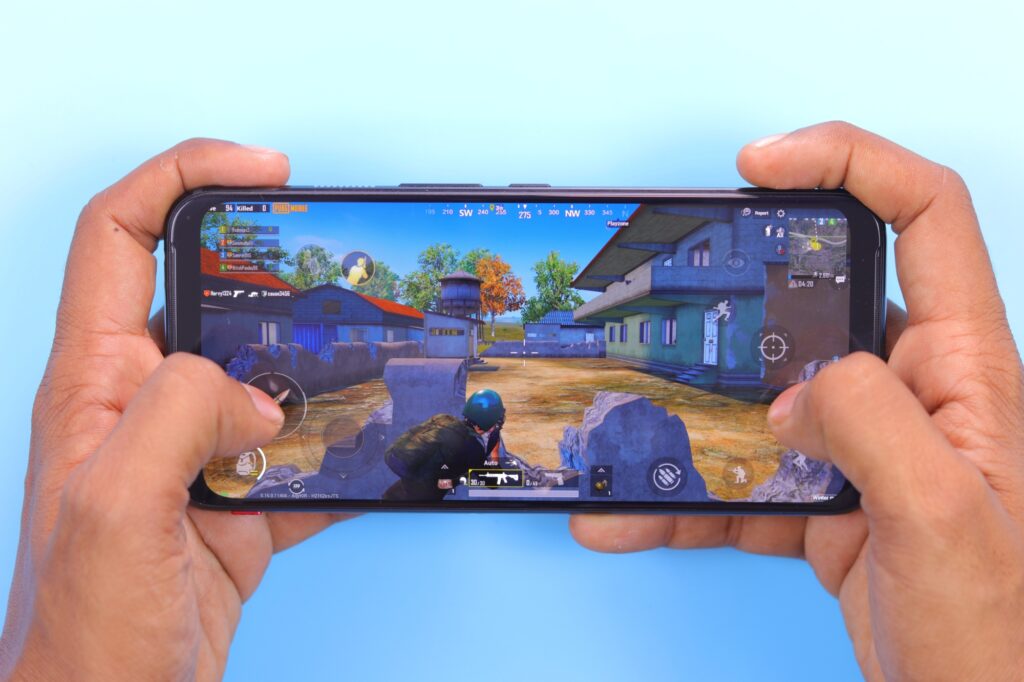
Years ago, gaming was tied to consoles, arcades, or personal computers. Now, people carry games in their pockets, playing during short breaks or long commutes. Mobile game developers design and build these experiences, creating games that are easy to pick up but often hard to put down. This career didn’t exist 30 years ago because mobile devices weren’t capable of supporting such entertainment. Today, it’s a global industry that reaches people of all ages. As one developer once shared, “The goal is simple, make something people want to come back to.”
The role blends creativity with technical skill, requiring an understanding of both storytelling and coding. Developers think about user experience, game mechanics, and how to keep players engaged over time. Many started out as gamers themselves, experimenting with simple ideas before turning them into full projects. What makes this career interesting is how accessible it feels, yet how complex it can become behind the scenes. It reflects how entertainment has shifted, becoming more personal and portable than ever before.
13. Digital Marketing Analyst

Not long ago, measuring the success of a marketing campaign meant looking at sales numbers and making educated guesses. Today, digital marketing analysts track detailed data to understand exactly what’s working and what isn’t. This career didn’t exist 30 years ago because the tools to gather and analyze such precise information weren’t available. Now, every click, view, and interaction can be measured. As one professional in the field put it, “Data tells the story if you know how to read it,” and that idea drives much of their work.
In practice, the role involves studying trends, interpreting metrics, and helping teams make informed decisions. Analysts often work closely with marketers, offering insights that shape campaigns and strategies. It’s a mix of numbers and narrative, turning raw data into something meaningful. Many people entered this field from business or analytics backgrounds, adapting as digital platforms grew. What stands out is how it has changed decision-making, making it more precise and less reliant on guesswork than it used to be.
14. Online Course Creator

There was a time when learning something new usually meant sitting in a classroom or reading a textbook. Today, online course creators design lessons that people can access anytime, from anywhere. This career didn’t exist 30 years ago because the internet wasn’t yet a space for structured learning in the way it is now. As one educator noted, “Learning no longer has to fit into a schedule,” and that flexibility has opened doors for both teachers and students.
The role involves planning content, recording lessons, and finding ways to keep learners engaged without being physically present. It’s part teaching, part storytelling, and part technical setup. Many course creators began by sharing knowledge informally before realizing there was a wider audience interested in learning. Over time, what started as simple tutorials has grown into full educational platforms. It’s a career that reflects how access to knowledge has changed, making learning more flexible and often more personal than it used to be.
15. Virtual Assistant

A few decades ago, assistants typically worked in offices, handling schedules, calls, and paperwork in person. Today, virtual assistants provide similar support from entirely different locations, often working remotely for clients around the world. This career didn’t exist 30 years ago because the tools for remote collaboration weren’t widely available. Now, it’s a growing field that offers flexibility for both workers and employers. As one business owner put it, “You don’t need someone in the room to get things done.”
The work can vary widely, from managing emails and calendars to handling customer inquiries or basic research. It’s a role that values organization, communication, and reliability. Many people turned to this career as remote work became more common, building skills along the way. What makes it stand out is how it mirrors traditional roles while adapting to modern needs. It shows how work itself has shifted, becoming less tied to physical spaces and more focused on results, a quiet change that continues to shape everyday life.
16. Cloud Solutions Architect

Not long ago, designing IT systems meant worrying mostly about physical servers and on-site storage. Today, cloud solutions architects design flexible digital infrastructures that allow companies to scale and adapt quickly. This career didn’t exist 30 years ago because cloud computing was still a futuristic idea. Now, organizations depend on these professionals to make complex systems work seamlessly across locations. As one IT leader explained, “The cloud is not just storage; it’s a platform for innovation,” and architects are the ones building the foundation.
The role blends technical expertise with strategic planning. Architects analyze business needs, design solutions, and ensure that cloud systems are secure, efficient, and reliable. Many started in traditional IT roles before shifting to cloud-focused careers as technology evolved. What makes it interesting is how it combines problem-solving with foresight, anticipating needs that businesses may not even realize they have. It reflects a broader shift in how we think about technology, not merely as a tool but as an adaptable ecosystem that supports nearly every aspect of modern work.
17. AI Trainer / AI Ethicist

Artificial intelligence feels like a new frontier, but it’s already part of everyday life. AI trainers help machines learn by feeding them data, while AI ethicists ensure those systems operate fairly and responsibly. Thirty years ago, neither role existed in any practical sense, because AI was largely experimental and far from mainstream. As one expert said, “We’re teaching machines to understand us, but we need to guide them carefully,” which is exactly what these careers focus on.
The work requires a combination of technical skill, critical thinking, and ethical awareness. AI trainers often curate datasets, test outcomes, and refine algorithms, while ethicists address bias and unintended consequences. Many came from computer science, psychology, or philosophy, adapting as AI technologies matured. What makes these careers fascinating is how they sit at the intersection of technology and human values, shaping systems that increasingly influence decisions in business, healthcare, and daily life. It’s a reminder of how rapidly innovation creates entirely new professional paths.
18. Sustainability Consultant

Thirty years ago, the idea of hiring someone to advise on sustainability was uncommon. Today, sustainability consultants help companies reduce environmental impact, improve efficiency, and align with social responsibility goals. As public awareness of climate issues has grown, so has demand for expertise in this area. One consultant explained, “It’s about making change practical, measurable, and meaningful,” showing how this career combines strategy with impact.
The work can involve auditing energy usage, suggesting greener practices, and integrating sustainability into business strategy. Many professionals transitioned from engineering, environmental science, or business roles, adapting as sustainability became central to modern operations. What makes this career compelling is how it bridges purpose and practice, turning awareness into actionable results. It reflects a broader societal shift toward responsibility and long-term thinking, creating opportunities that didn’t exist for previous generations.
19. Drone Operator / Aerial Videographer

Flying cameras for entertainment or inspection sounds futuristic, but it’s now a real career. Drone operators create stunning aerial shots, monitor construction sites, and assist in everything from filmmaking to disaster response. Thirty years ago, this job was unimaginable outside of sci-fi because drones weren’t commercially available. Today, one pilot noted, “You can see perspectives that were impossible before,” highlighting how technology has reshaped visual storytelling and data collection.
The work blends technical skill with creativity. Operators learn flight dynamics, camera control, and regulatory compliance while finding ways to capture visuals or information efficiently. Many came from photography, filmmaking, or engineering, transitioning as drone technology became practical. What makes it unique is the combination of imagination and precision, giving audiences or clients something they couldn’t get any other way. It’s a modern career that literally changed the way we see the world.
20. Remote Work Coordinator

Working from home is so common today that it’s hard to imagine when offices were the default. Remote work coordinators help teams stay connected, manage workflows, and maintain culture without a shared physical space. Thirty years ago, this role didn’t exist because remote work wasn’t mainstream. As one manager explained, “Keeping teams aligned remotely takes structure and intentionality,” which sums up the purpose of this career.
The job involves communication, planning, and problem-solving to ensure productivity and collaboration across locations. Coordinators often use digital tools to track progress, organize meetings, and foster engagement. Many transitioned from HR, project management, or operations as remote work expanded. What’s striking is how this career highlights a larger shift in work culture away from rigid offices toward flexible, results-focused collaboration. It’s a reminder that modern careers often emerge from the changing ways we live, communicate, and work, showing how innovation quietly reshapes opportunity in ways that were unimaginable just a generation ago.


