
1. Centralia, Pennsylvania
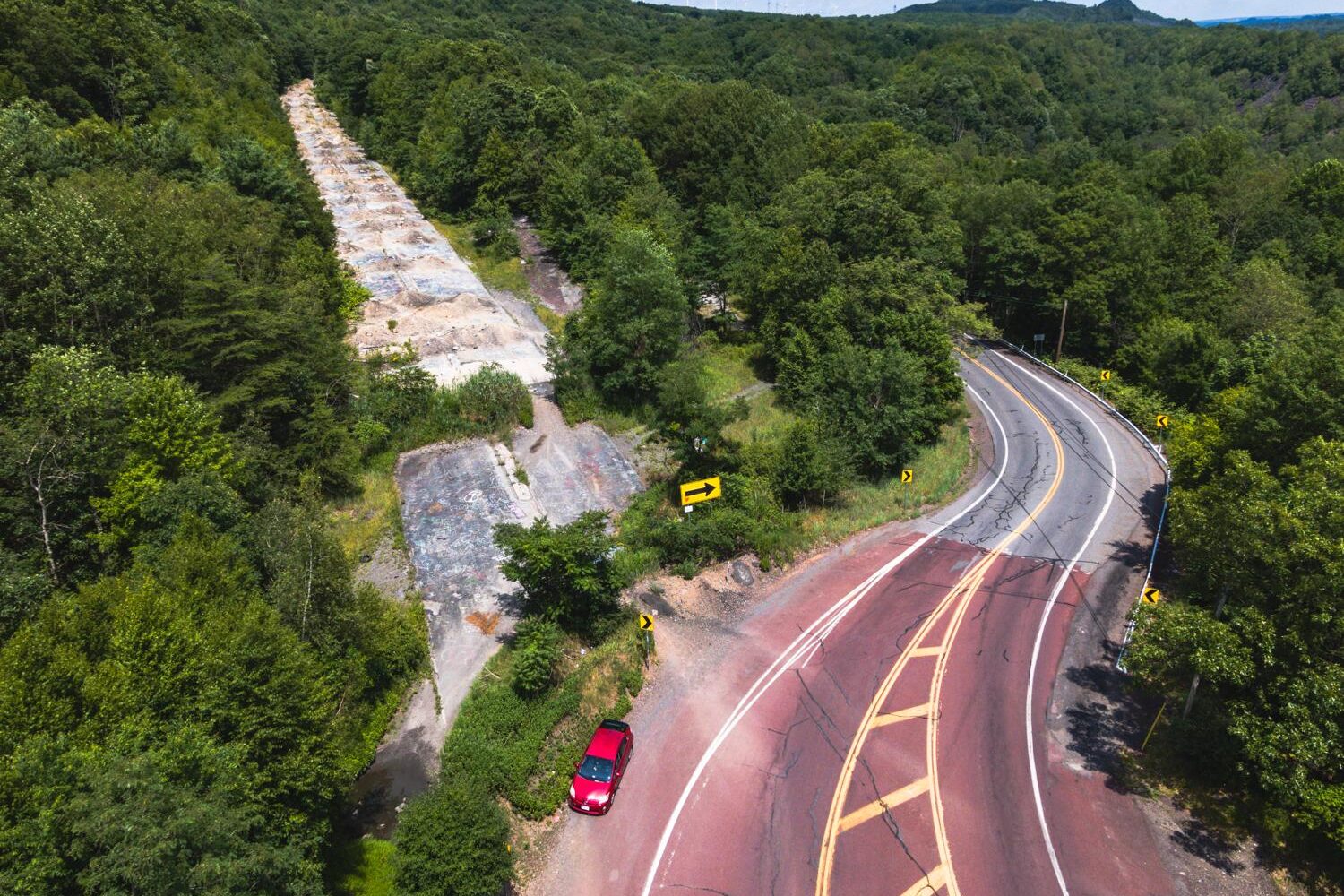
It’s hard to imagine a town being abandoned because of something burning underground, but that’s exactly what happened in Centralia. Once a busy coal mining community, Centralia thrived through the early 20th century, with families, schools, and local businesses forming a tight-knit town. Then in 1962, a fire ignited in a coal seam beneath the town, and it never stopped.
At first, residents hoped it would be contained, but over time, dangerous gases and sinkholes made daily life unsafe. One report famously described the situation as “a slow-moving disaster that could last a century.” As the years passed, most residents accepted buyouts and left, watching their hometown disappear piece by piece. Today, only a handful of people remain, surrounded by empty streets and quiet hills. Centralia didn’t collapse overnight. It faded gradually, as people realized the ground beneath them could no longer be trusted.
2. Bodie, California
There was a time when Bodie was anything but quiet. In the late 1800s, it was one of the richest gold mining towns in the country, drawing thousands of hopeful prospectors. Saloons, shops, and homes filled the streets, and for a brief moment, it felt like a place where fortunes were waiting just beneath the surface.
But like many boomtowns, Bodie’s success depended entirely on one thing. When the gold began to run out, so did the people. A visitor once wrote that it was “a town that lived fast and emptied faster,” capturing the suddenness of its decline. Businesses closed, families moved on, and buildings were left behind as if time had paused. Today, Bodie is preserved in a state of “arrested decay,” giving visitors a glimpse into a once-thriving place that simply ran out of reason to exist. Its story feels familiar because it reminds us how quickly success can shift when the foundation disappears.
3. Gary, Indiana
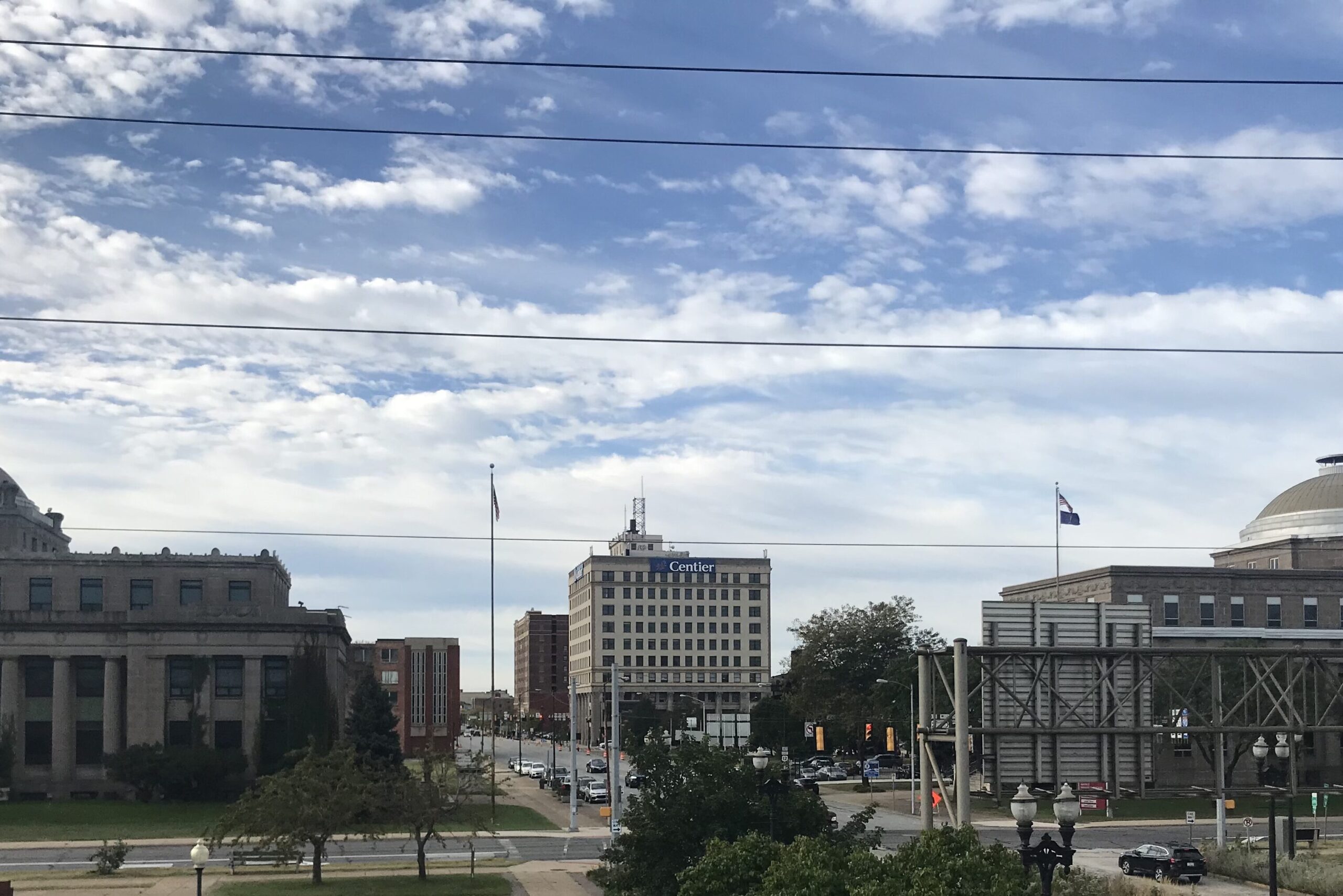
If you had visited Gary in its prime, you would have seen a city full of energy and purpose. Founded in 1906 by U.S. Steel, Gary quickly became a major hub for steel production, attracting workers from across the country. Neighborhoods grew, schools filled, and the city became a symbol of industrial strength in America’s Midwest.
But industries change, and when steel production began to decline in the late 20th century, Gary felt it deeply. Jobs disappeared, and with them, many of the people who had built their lives there. A former resident once reflected, “When the mills slowed down, everything else did too.” The population dropped sharply, leaving behind empty buildings and struggling neighborhoods. Gary hasn’t vanished entirely, but its story is one of gradual collapse rather than sudden abandonment. It shows how closely a town’s identity can be tied to a single industry and what happens when that industry no longer holds everything together.
4. Cahawba, Alabama
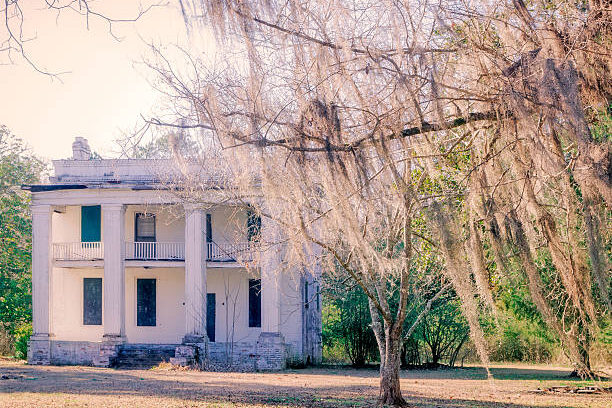
There’s something especially striking about a place that was once so important and is now almost forgotten. Cahawba was Alabama’s first state capital, carefully planned and full of promise in the early 1800s. Located at the meeting point of two rivers, it was expected to grow into a lasting center of government and trade.
But nature had other plans. Frequent flooding made life difficult, and after just a few decades, the capital was moved elsewhere. Residents slowly left, and the town began to empty. One historical account noted that “the land itself seemed to resist the idea of permanence,” which feels like a quiet but fitting summary. Today, Cahawba is mostly ruins and open space, with traces of streets and foundations still visible. It didn’t collapse because people stopped caring. It simply became too difficult to stay. Its story feels less like failure and more like a reminder that sometimes, even well-planned beginnings can’t overcome the realities of place.
5. Picher, Oklahoma
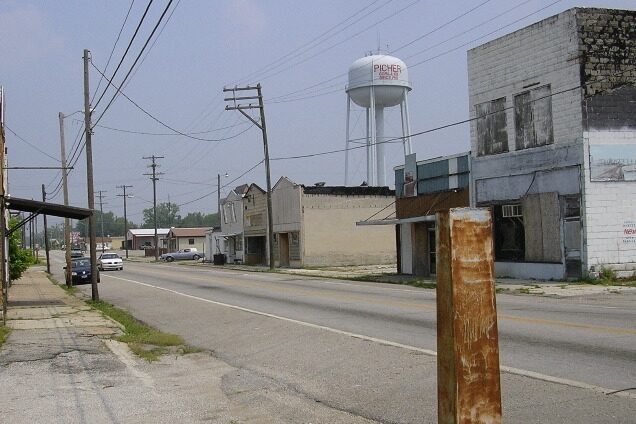
At one point, Picher was a booming mining town, known for producing lead and zinc that supported the nation’s growth. Families built their lives there, and the town had all the signs of stability, from schools to local businesses. It looked like the kind of place that would last for generations.
But the same mining that brought prosperity also left behind serious environmental damage. Over time, toxic waste contaminated the soil and water, making the area unsafe to live in. A government report described it as “one of the most hazardous sites in the country,” which changed everything for the people who called it home. Residents were eventually relocated, and the town was largely abandoned. Walking through Picher today, it’s hard not to think about how quickly things shifted from promise to problem. It’s not just a story about decline. It’s about how choices made during growth can shape what comes after.
6. Kennicott, Alaska
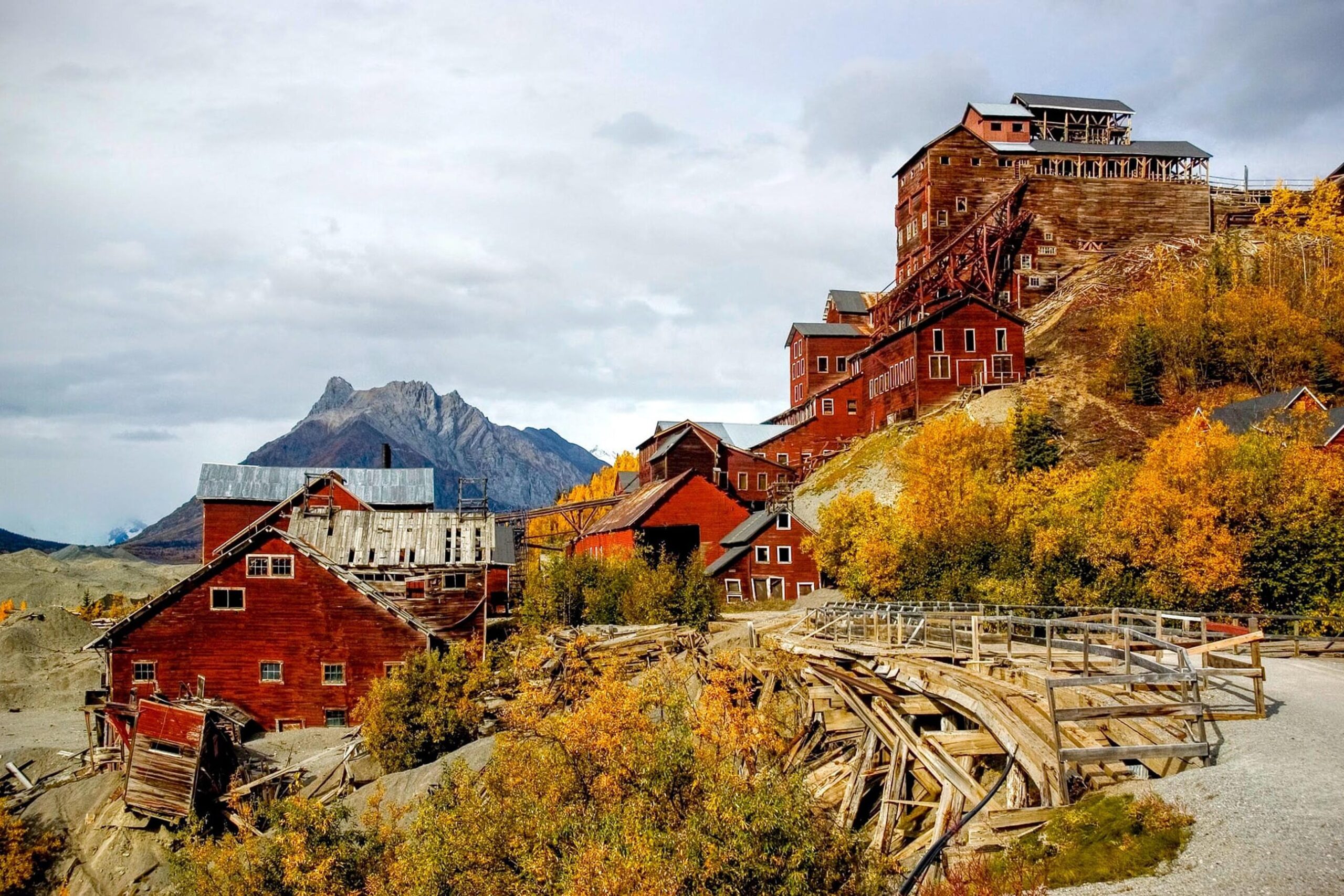
Up in the remote reaches of Kennicott, there was once a town built almost entirely around copper. In the early 1900s, it thrived as one of the richest mining operations in the country, drawing workers willing to live far from everything else for steady work and good pay. For a time, it worked. The town had order, purpose, and a rhythm shaped by the mine.
But when the copper supply began to thin out in the 1930s, the reason for staying disappeared just as quickly as it had come. Operations shut down, and people left almost overnight. One account put it simply, saying the town was “full one day and nearly empty the next.” Today, the wooden buildings still stand against the Alaskan landscape, preserved by the cold. Kennicott didn’t fail in a dramatic way. It simply reached the end of what it was built to do, and when that purpose was gone, so was everything else that held it together.
7. Thurmond, West Virginia
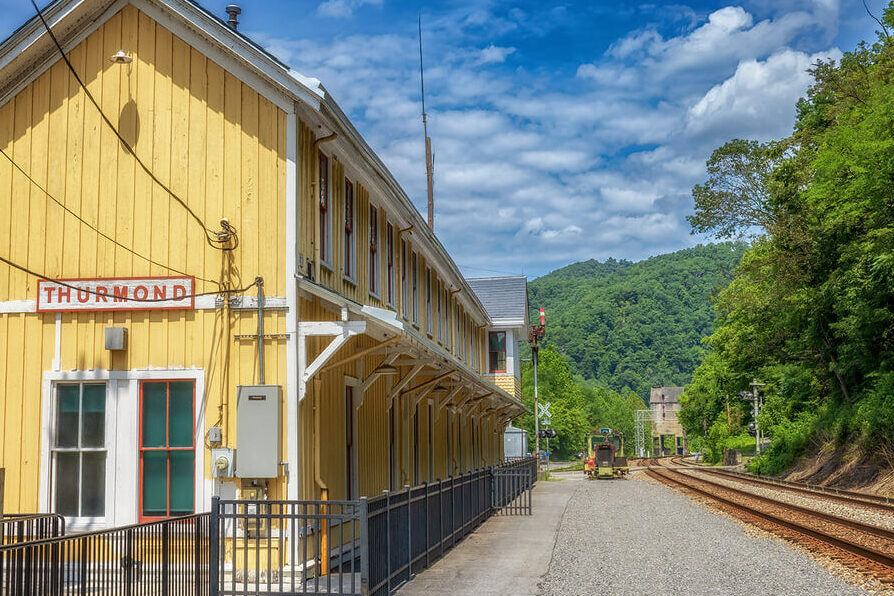
There was a time when Thurmond was a key stop along a busy railroad line, with trains coming and going and businesses built around that constant motion. It wasn’t a large town, but it didn’t need to be. Its importance came from its location and the steady flow of people and goods passing through.
As transportation patterns changed and rail travel declined, Thurmond’s role began to shrink. Highways and new routes pulled activity elsewhere, and the town slowly lost its reason to exist. A local reflection once described it as “a place that depended on movement, then watched it pass by.” Over time, residents moved away, and buildings were left behind. Today, only a handful of people remain, and the quiet feels like a pause that never quite ended. Thurmond’s story isn’t about sudden loss. It’s about what happens when the world moves in a different direction and doesn’t look back.
8. Rhyolite, Nevada
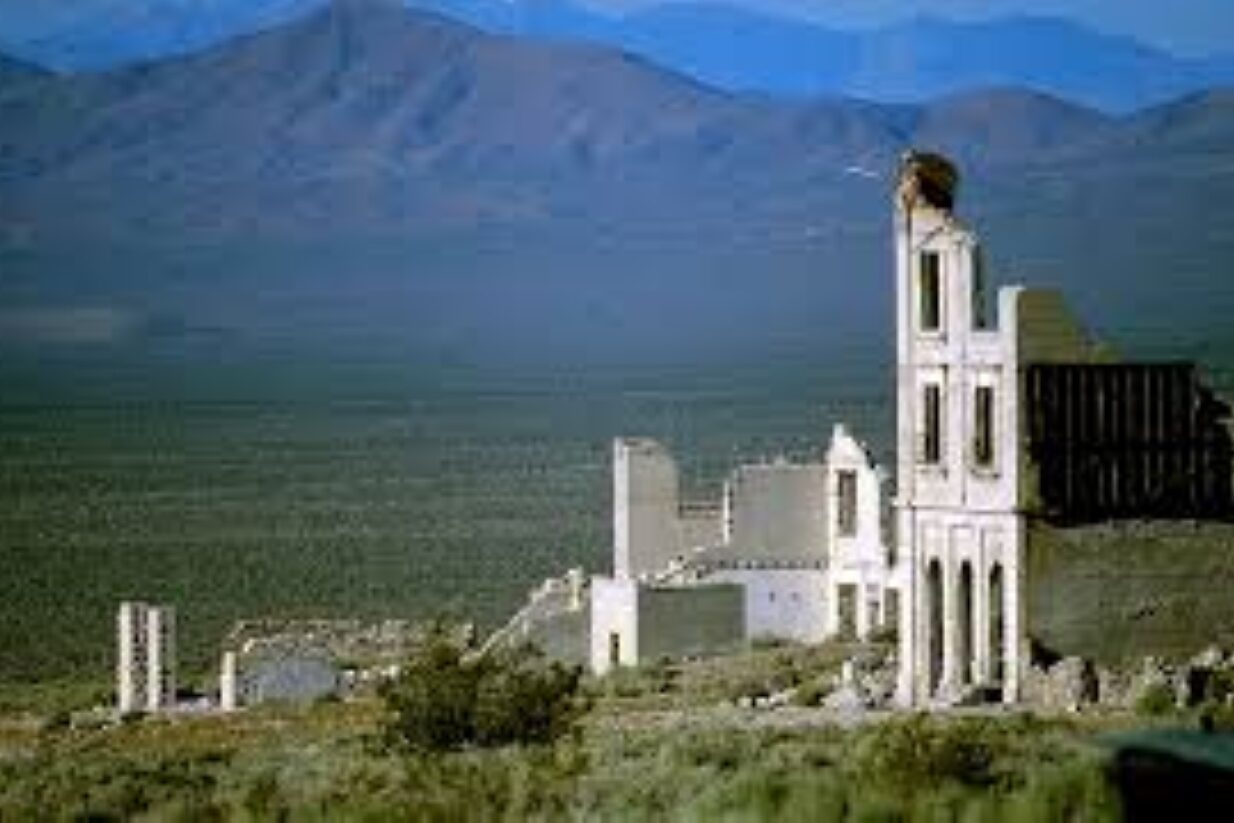
In the Nevada desert, Rhyolite rose quickly during the gold rush of the early 1900s. It had all the signs of a town built to last, including banks, schools, and even an opera house. For a brief moment, it felt less like a temporary settlement and more like a permanent community.
But the gold that fueled its growth turned out to be less reliable than expected. When financial troubles hit and mining slowed, people began to leave. One observer noted that it “grew with confidence and emptied with equal speed,” which captures the shift clearly. Buildings were abandoned, and the desert slowly reclaimed the space. Today, the remains of Rhyolite stand as a reminder of how quickly optimism can fade when the foundation isn’t as strong as it seemed. It’s not just a ghost town. It’s a snapshot of a moment when everything felt possible, right before it changed.
9. Cairo, Illinois
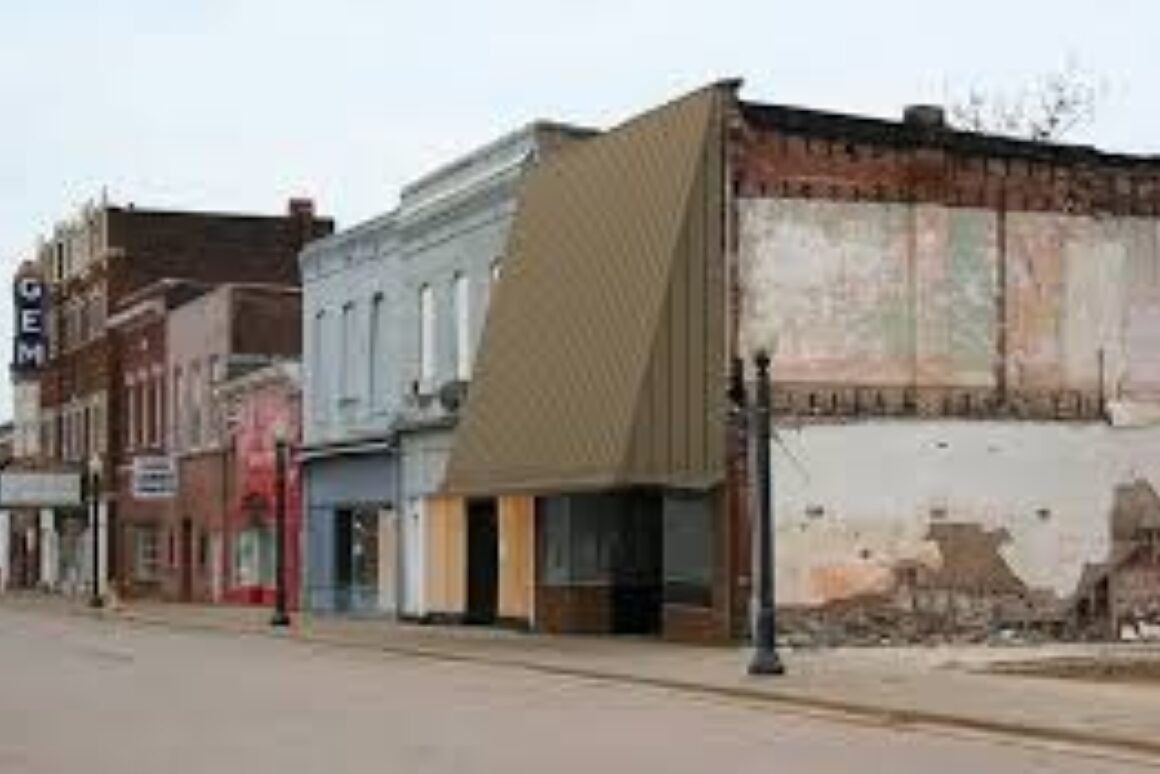
Sitting at the meeting point of two major rivers, Cairo once seemed perfectly placed for success. In the 19th and early 20th centuries, it was a busy port town, with trade, transportation, and opportunity flowing through it. People settled there expecting steady growth and a reliable future.
But over time, changes in transportation and economic shifts reduced its importance. Racial tensions and flooding challenges added to the strain, making it harder for the town to maintain stability. A longtime resident once said, “It felt like everything that held us together slowly came apart.” The population declined, businesses closed, and large parts of the town were left behind. Cairo hasn’t disappeared, but it feels like a place caught between what it was and what it might have been. Its story is layered, shaped by both external changes and internal struggles that made recovery difficult.
10. Glenrio, Texas/New Mexico
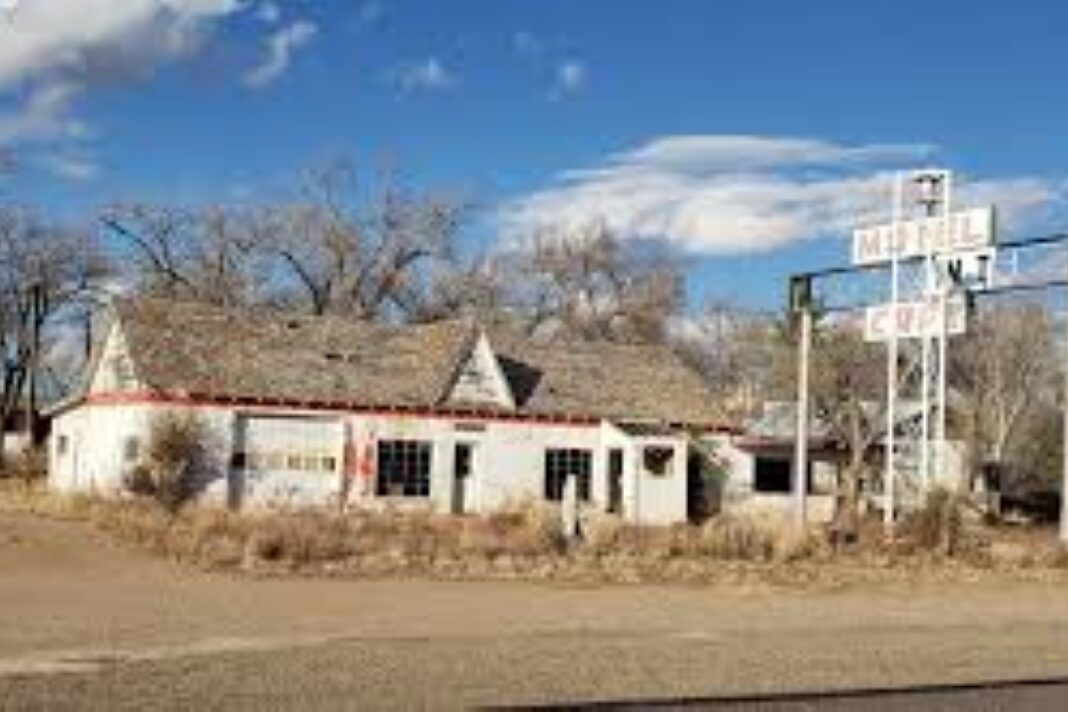
Right along the border of Texas and New Mexico sits Glenrio, a town that once thrived because of the famous Route 66. Travelers stopped for gas, food, and rest, and for a while, that steady stream of visitors was enough to keep everything going. It was the kind of place that lived off the road and the people passing through it.
But when Interstate 40 replaced parts of Route 66, traffic no longer flowed through Glenrio the way it once had. Businesses lost customers almost immediately, and the town began to empty. One description summed it up as “a place the road forgot,” which feels both simple and accurate. Today, abandoned buildings line the old route, quietly marking where life used to gather. Glenrio’s story shows how something as simple as a change in direction can reshape an entire community. When the road moved on, the town didn’t have a way to follow.
11. St. Elmo, Colorado
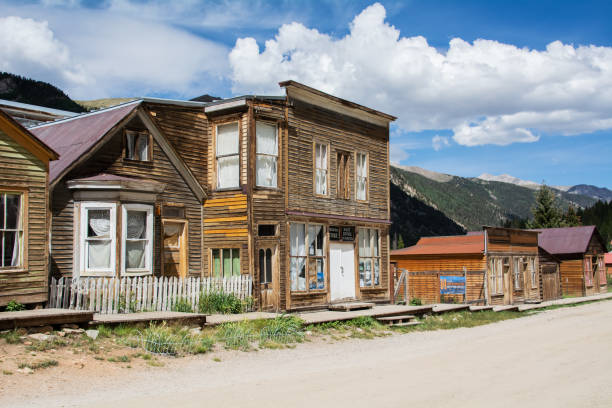
Tucked away in the Rockies, St. Elmo once carried the steady hum of a mining town. In the late 1800s, it was full of workers, families, and the everyday rhythm that comes with a place built on purpose. The nearby mines gave people a reason to stay, and for a while, it felt like a town that would hold on.
But as mining slowed and eventually stopped, that sense of permanence began to slip. Residents moved on in search of work, leaving behind buildings that still stand today. One account described it as “a place that didn’t empty in a rush, but in a quiet understanding.” Over time, St. Elmo became less of a town and more of a preserved moment. It still welcomes visitors, but mostly as a reminder. Nothing dramatic pushed people out. The work simply faded, and with it, the reason to keep calling it home.
12. Jerome, Arizona
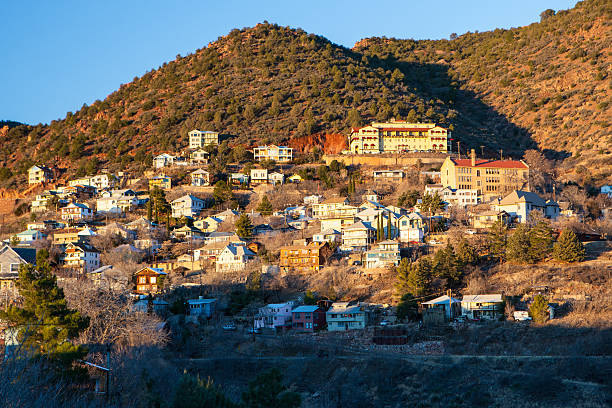
Perched on a hillside, Jerome was once known as the “Wickedest Town in the West,” full of life driven by copper mining. At its peak in the early 20th century, it had thousands of residents, busy streets, and a reputation that made it stand out even among other mining towns.
When the mines began to close in the 1950s, Jerome’s population dropped sharply. For a time, it came close to becoming a full ghost town. A former resident once said, “When the mine closed, it felt like the town exhaled and never quite breathed back in.” Buildings were abandoned, and the hillside grew quieter. Unlike some towns, Jerome later found a second life through tourism and art, but its near-collapse still lingers in its identity. It’s a reminder that even when a place recovers, it doesn’t return to what it once was.
13. Animas Forks, Colorado
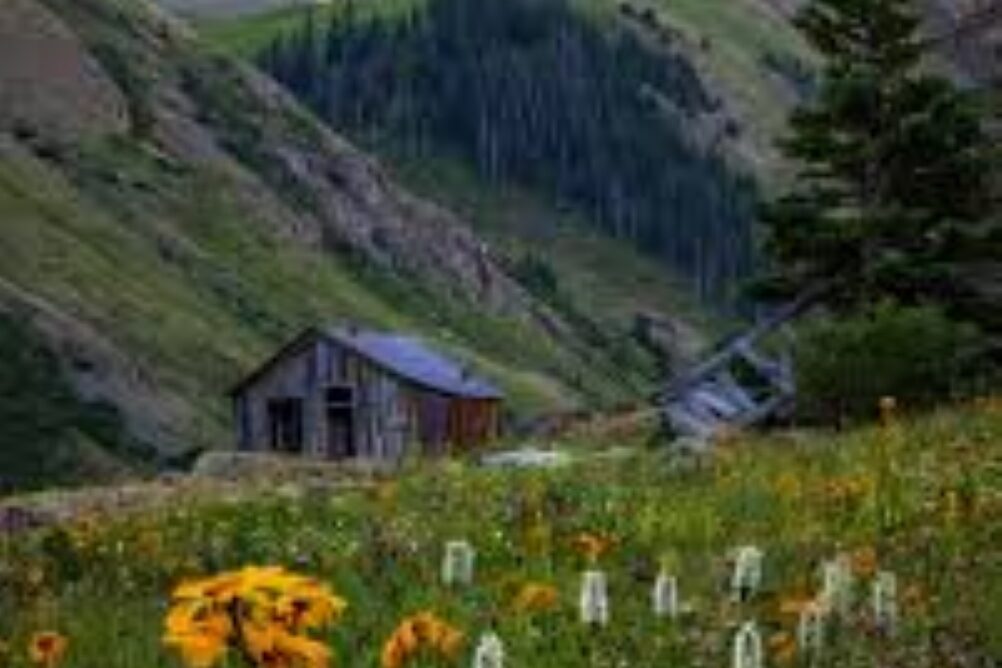
High in the San Juan Mountains sits Animas Forks, a town that rose quickly during the silver mining boom. Life there was never easy, with harsh winters and isolation shaping daily routines, but for a time, people stayed because the mines made it worthwhile.
As silver prices dropped and mining declined, Animas Forks began to empty. The conditions that once felt manageable became harder to justify without steady income. One historical note described it as “a place where the environment always had the final say.” Residents gradually left, leaving behind structures that still stand against the mountain backdrop. Today, it feels more like a quiet outpost than a former community. Its story isn’t just about economics. It’s about how much people are willing to endure for opportunity, and what happens when that opportunity fades.
14. Cairo, West Virginia
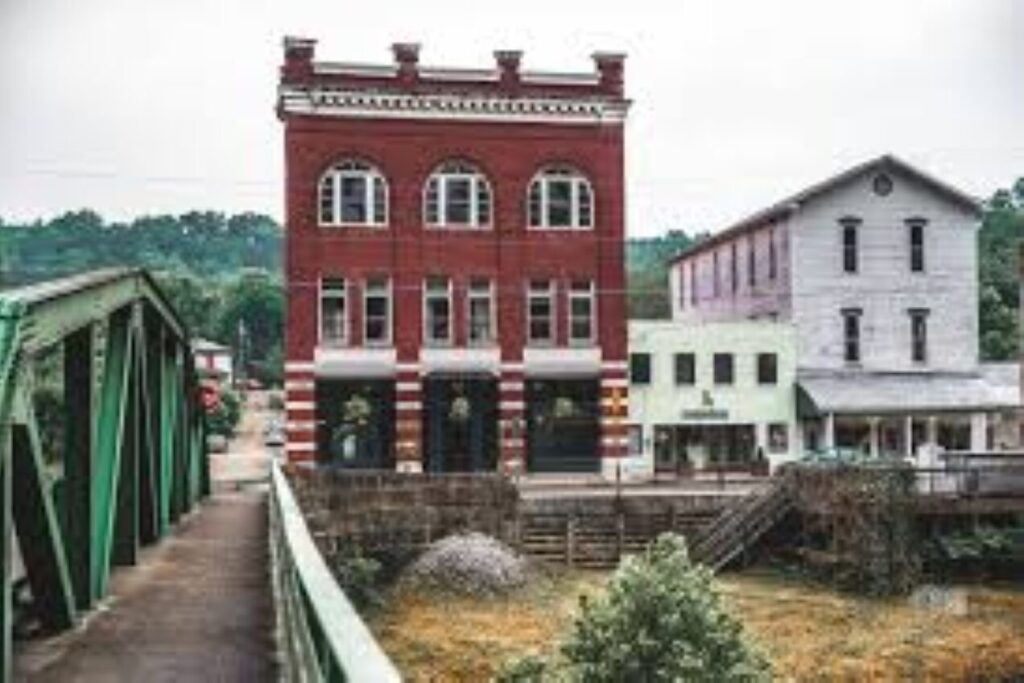
Not to be confused with its namesake elsewhere, Cairo once relied on oil and local industry to sustain its growth. It wasn’t a massive city, but it had enough going for it to feel stable, with businesses, schools, and families building a shared life over time.
As industries declined and opportunities became scarce, the town began to shrink. Younger generations moved away, and businesses struggled to stay open. A local reflection put it plainly, saying, “It wasn’t one moment. It was years of things getting a little quieter.” That quiet eventually settled into something more permanent. Today, Cairo still exists, but in a much smaller, slower form. Its story feels especially familiar because it mirrors so many places where change didn’t arrive suddenly, but stayed long enough to reshape everything.
15. Darwin, California
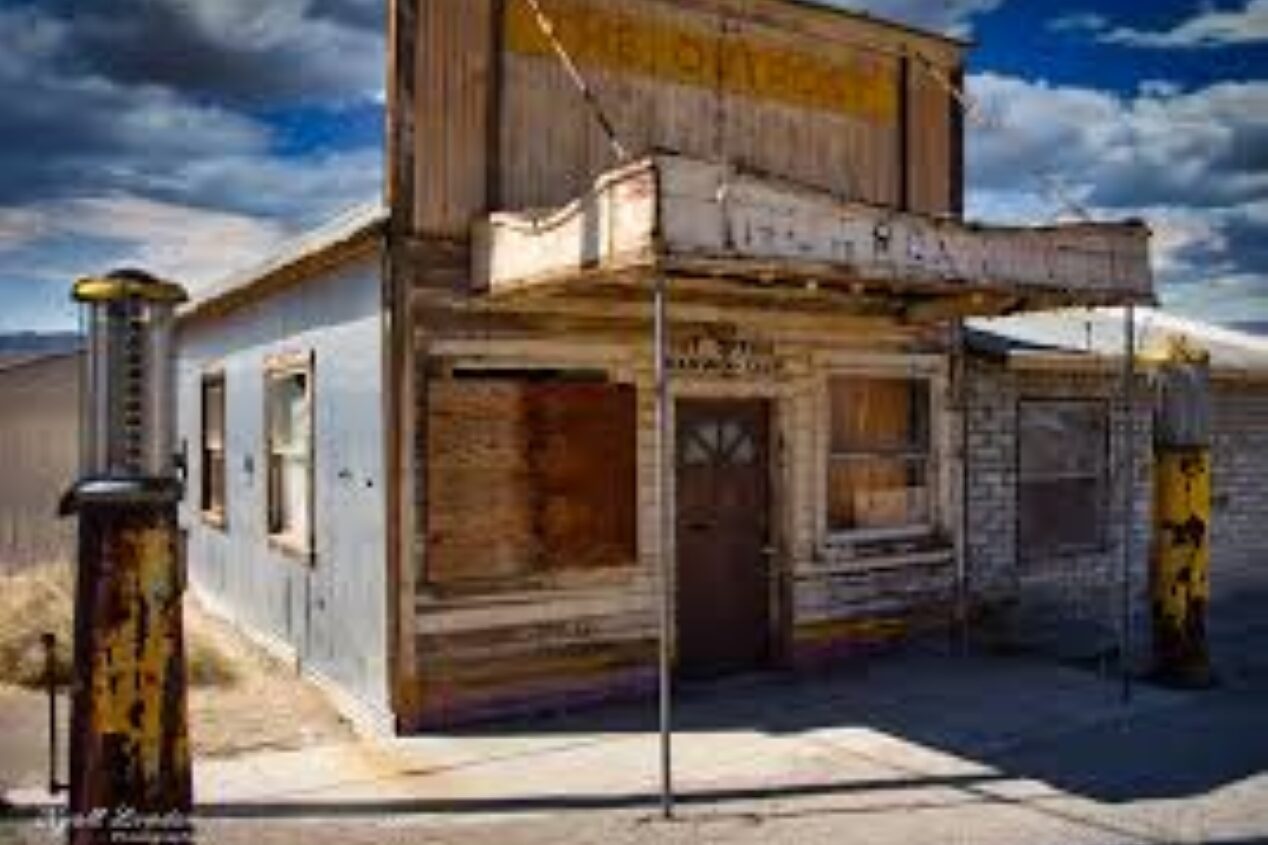
Out in the California desert, Darwin once stood as a busy mining town, with enough activity to support a growing population and a sense of community. Like others, it depended heavily on what could be taken from the ground, and for a time, that was enough.
When mining operations slowed, Darwin began to lose people, but unlike many towns, it never fully emptied. A small number of residents chose to stay, adapting to a quieter, more isolated way of life. One description noted that it’s “less a ghost town and more a place that decided not to leave.” That distinction matters. Darwin didn’t completely collapse, but it changed so much that it almost feels like a different place entirely. Its story sits somewhere between decline and resilience, showing that even in fading, there can still be a kind of quiet continuation.
16. Calico, California
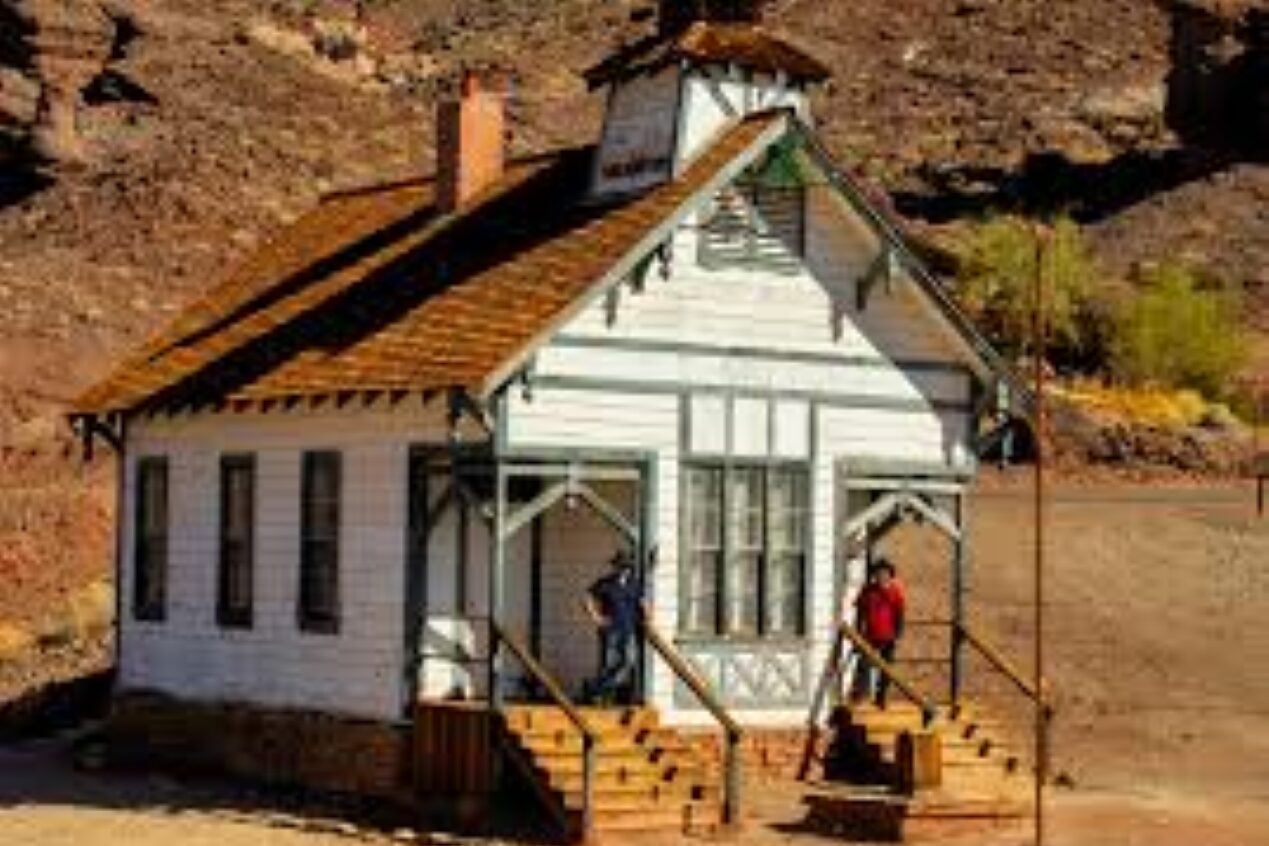
Out in the Mojave Desert, Calico once stood as a lively silver mining town in the late 1800s. At its peak, it had hundreds of mines and a steady flow of people chasing opportunity. Stores, saloons, and homes filled the dusty streets, giving it the feel of a place that had found its footing.
But when silver prices dropped sharply in the 1890s, Calico’s foundation weakened almost overnight. Mining slowed, jobs disappeared, and people began to leave in search of something more stable. One account described it as “a town that followed the price of silver, and fell with it.” Over time, buildings were abandoned, left to weather under the desert sun. Today, Calico has been restored as a historical site, giving visitors a glimpse into its past life. Still, beneath that preservation, you can sense the original story, a place that thrived as long as its purpose held, then quietly stepped aside when it didn’t.
17. South Pass City, Wyoming
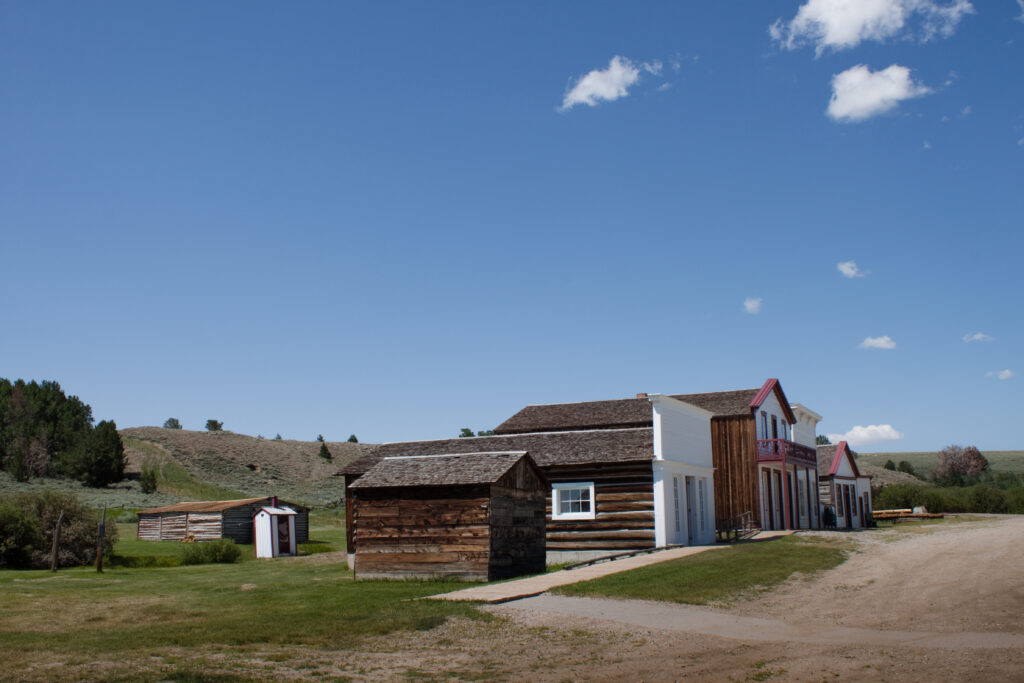
There was a time when South Pass City drew thousands during the gold rush, turning a remote area into a busy settlement almost overnight. People arrived with plans, building homes and businesses with the belief that the land would keep giving. For a while, it did.
As gold production declined, the crowds began to thin. What had once felt full of possibility started to feel uncertain. A historical reflection noted that it “rose quickly on hope, and settled slowly into memory.” Residents left in waves, not all at once, but steadily enough to change the town’s character. Today, South Pass City is preserved as a state historic site, with its buildings still standing as quiet markers of what used to be. It doesn’t feel completely gone, just paused in time. Its story echoes many others on this list, showing how closely hope and reality can sit side by side.
18. Virginia City, Montana
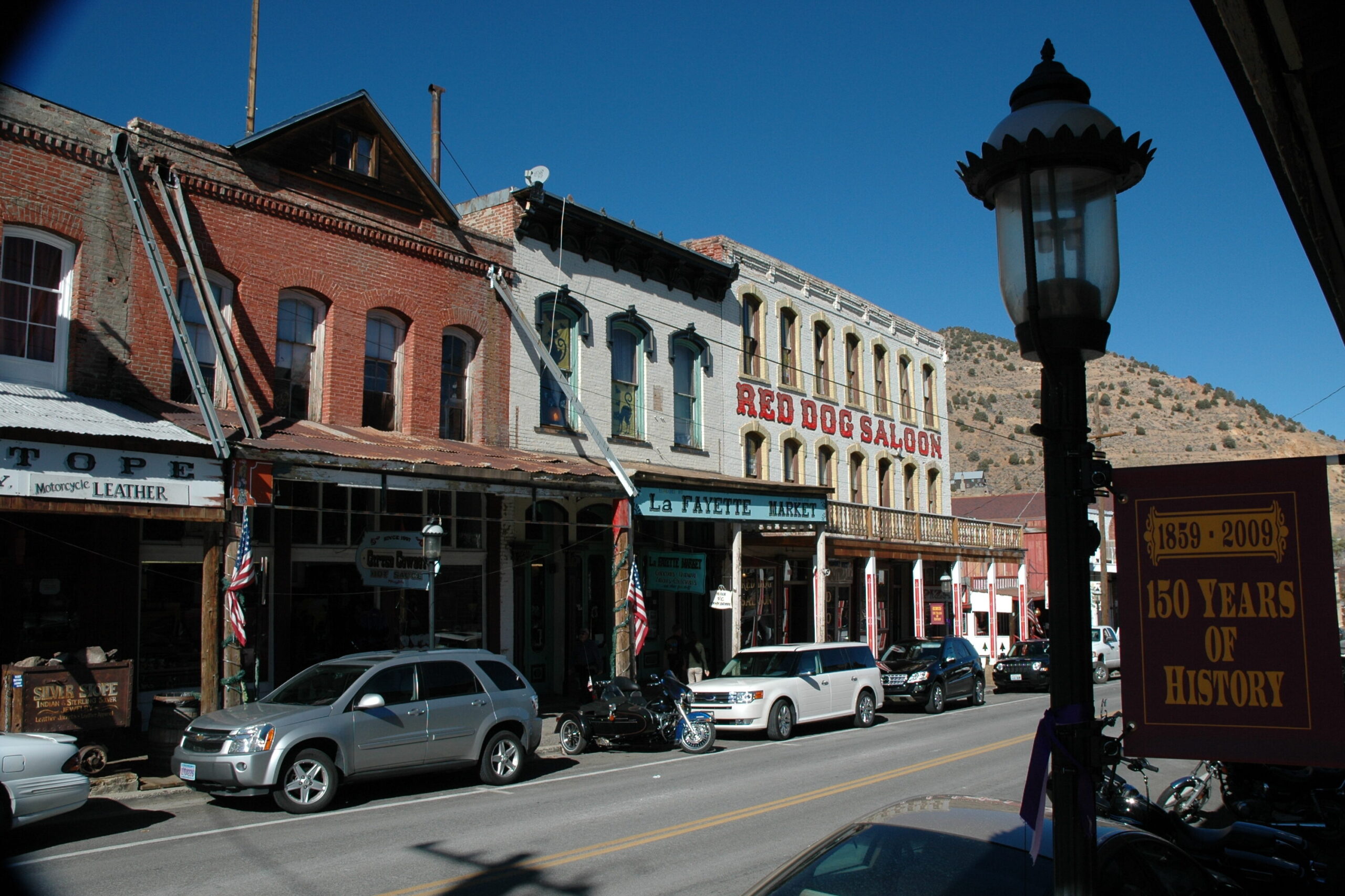
In its early days, Virginia City was one of the most important mining towns in the region, built on the riches of nearby gold discoveries. It grew quickly, filled with people who believed they had found a place worth settling into for the long term. Streets were active, businesses thrived, and the town carried a sense of lasting importance.
But as with so many others, the decline of mining changed everything. People left, opportunities faded, and the town grew quieter with each passing year. One description captures it gently, calling it “a place where the past feels closer than the present.” Unlike some towns, Virginia City never fully disappeared. It held on, preserved and partially revived through tourism, but its identity remains tied to what it once was. And in a way, that brings this whole list together. These towns didn’t just collapse. They changed, adapted, or stepped back, leaving behind stories that still linger if you take the time to notice them.


