
1. Tom Selleck Nearly Became Indiana Jones
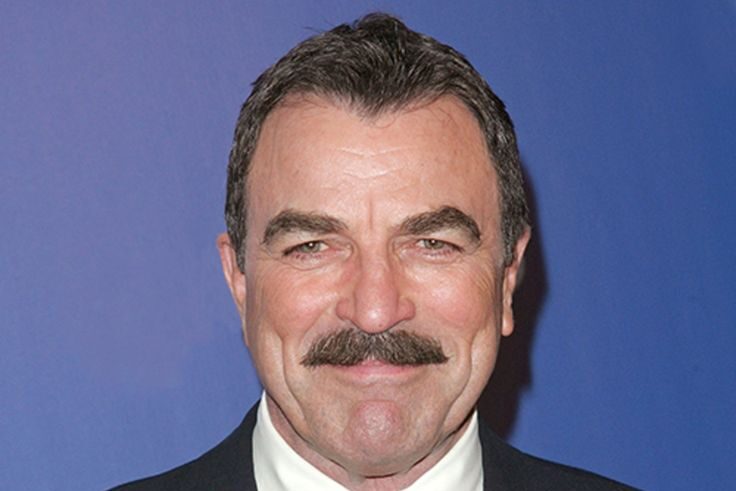
It’s funny how some stories begin quietly, almost like a small detail that later turns out to matter a lot. When people talk about casting, they often imagine everything falling perfectly into place, but that is rarely how it happens. Tom Selleck was originally set to play Indiana Jones, and by all accounts, he was a strong and convincing choice. But his commitment to Magnum, P.I. stood in the way, and he had to step back from the role. It was not about ability or fit, just timing and responsibility pulling in another direction at the same time.
Harrison Ford eventually stepped in and brought a grounded, slightly rugged presence that shaped the character in a lasting way. Selleck later shared that it was a heartbreaking decision, but one he had to honor. When you think about it now, it feels less like something lost and more like a moment that gently redirected two careers. One stayed on television and thrived, while the other stepped into a role that would become unforgettable across generations.
2. Will Smith Passed On Neo In The Matrix
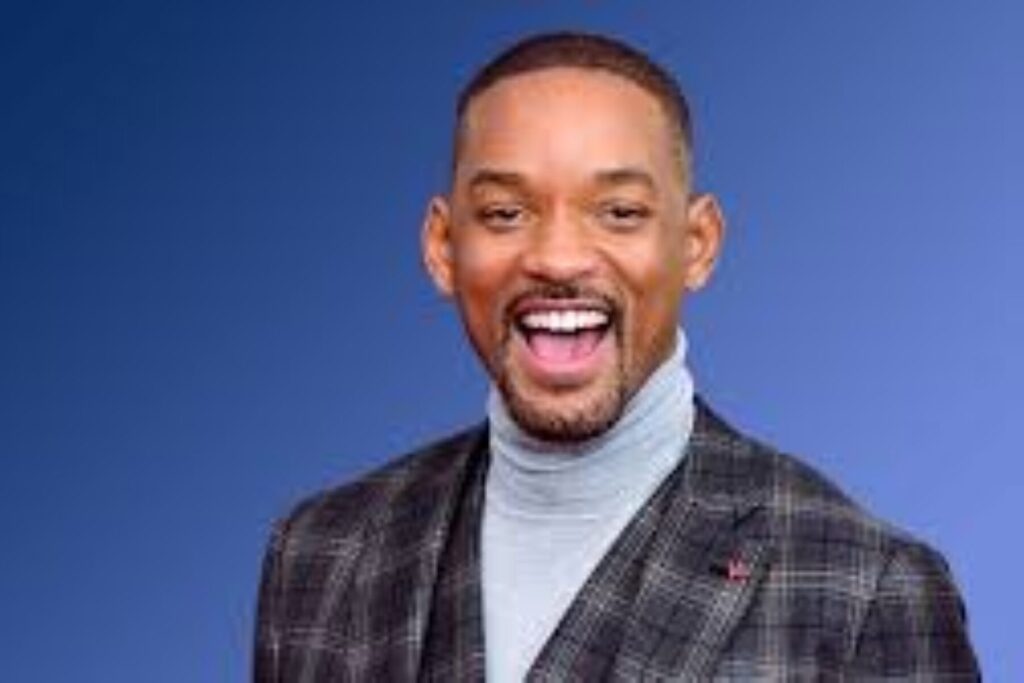
There is something very human about not fully understanding something at first, especially when it sounds unusual or ahead of its time. Will Smith has spoken openly about being offered the role of Neo and choosing not to take it because the concept did not quite click for him then. He described how the pitch felt confusing, especially the explanation of how certain scenes would be filmed, and he simply could not see the full picture at that moment. It was not hesitation, just a lack of connection.
Keanu Reeves stepped into the role and gave it a calm, steady energy that carried the story forward in a powerful way. Looking back, Smith has reflected on the decision without regret, even suggesting it may not have worked the same way with him. That kind of reflection feels honest and grounded. It reminds you that sometimes, passing on something is not a mistake, but just part of how things settle into place naturally over time.
3. Emily Blunt Almost Played Black Widow

Sometimes decisions are not about preference or passion, but simply about commitments already made. Emily Blunt was originally lined up to play Black Widow, and it seemed like a strong match at the time. However, she was tied to another project through a contract she could not step away from, which meant she had to let the role go. It was not dramatic or complicated, just one of those quiet industry moments where timing does not cooperate.
Scarlett Johansson stepped in and gradually shaped the character across multiple films, building a connection with audiences that felt steady and natural. Blunt has spoken about it with ease, explaining that she was contractually obligated elsewhere and that was simply the reality of the situation. When you think about it, it feels like a clean handover rather than a missed chance. Both actresses continued to build strong careers, just along slightly different paths.
4. John Travolta Turned Down Forrest Gump
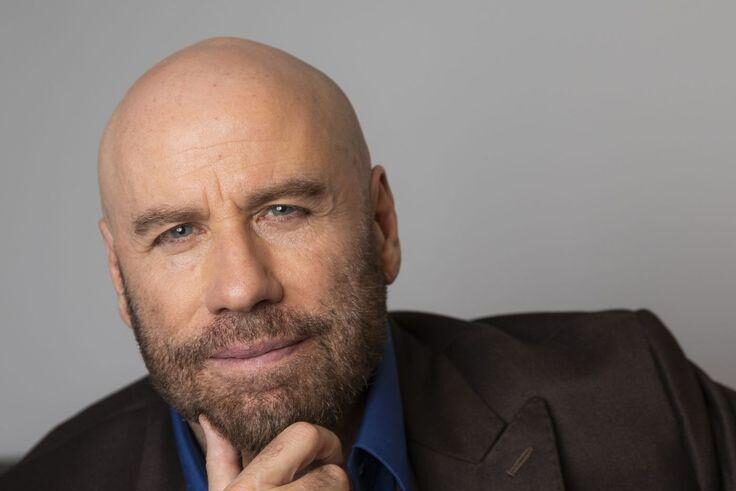
There is a certain simplicity in how John Travolta talks about this moment that makes it stand out. He was offered the role of Forrest Gump and chose not to take it, later admitting plainly that it was a mistake. There is no long explanation or attempt to soften it, just a straightforward acknowledgment that he did not see what the role would become. That kind of honesty feels rare and refreshing in an industry that often avoids clear admissions.
Tom Hanks stepped into the role and brought a gentle warmth that made the character feel real and deeply relatable. Travolta, meanwhile, continued building his own career with roles that defined his path in different ways. When you look at it closely, it does not feel like a failure, but more like a moment where one door closed and another stayed open. Both actors still found their place in ways that mattered.
5. Gwyneth Paltrow Was Almost Rose In Titanic
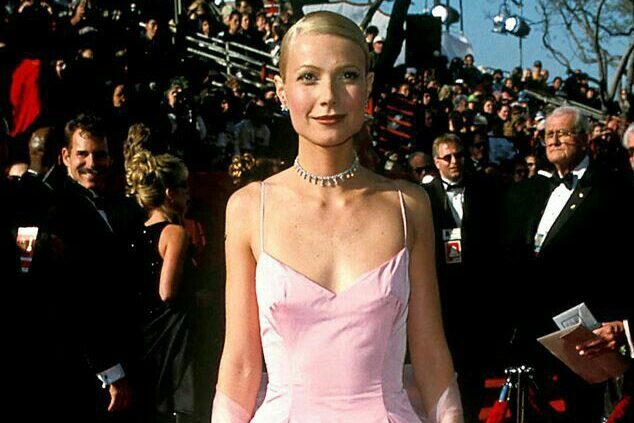
Some casting stories feel more like quiet possibilities than fully formed decisions, and this is one of them. Gwyneth Paltrow was considered for the role of Rose, and for a while, it seemed like it might happen. She later mentioned that she turned it down, though the details have always remained a little unclear. It feels like one of those moments where things were close, but never completely settled.
Kate Winslet eventually took on the role and brought an emotional openness that carried the story in a very personal way. Her performance felt natural, almost effortless, and it helped anchor the entire film. When you imagine Paltrow in that position, it feels like the tone might have shifted slightly, perhaps becoming more reserved. Still, it does not feel like something that was lost, just a path that gently changed direction before it fully began.
6. Al Pacino Declined Han Solo
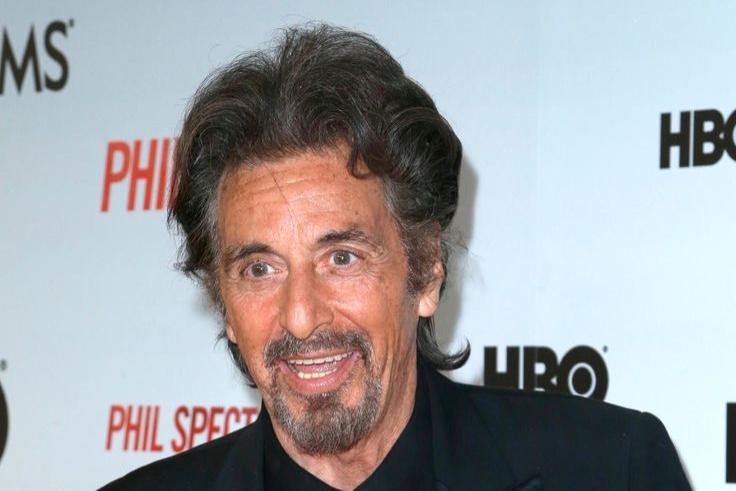
It is interesting how even experienced actors can come across a script that simply does not connect with them at first. Al Pacino was offered the role of Han Solo but chose not to take it because he did not fully understand the material. He later explained this in a very direct way, saying he just did not get it at the time. There is something honest and relatable about that kind of response.
Harrison Ford stepped into the role and gave the character a grounded, slightly playful charm that became essential to the story. Pacino continued building his career with roles that matched his instincts more closely. When you think about it, it does not feel like a missed opportunity, but more like a moment where two different creative directions quietly moved apart. Each one still led somewhere meaningful and lasting.
7. Anne Hathaway Almost Played Knocked Up Lead
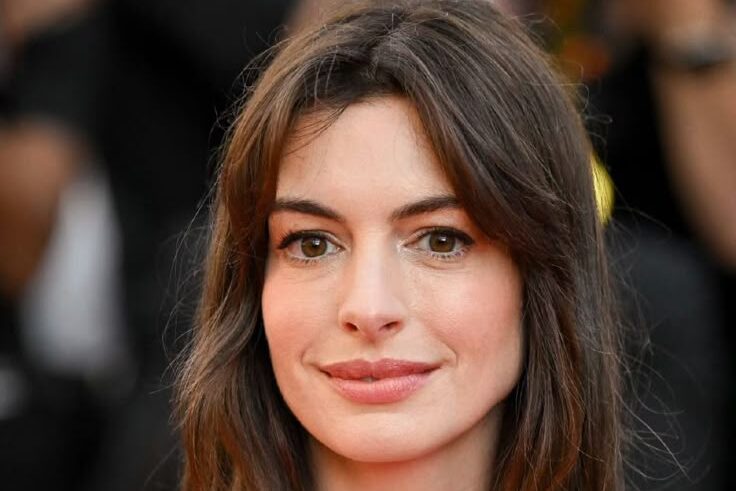
Not every decision comes from a lack of interest, sometimes it comes from wanting something to feel right. Anne Hathaway was initially attached to Knocked Up, but she stepped away because she was not comfortable with how a particular scene was going to be handled. She later explained that she wanted the moment to feel more realistic, and that mattered enough for her to walk away. It was a thoughtful and personal choice.
Katherine Heigl stepped into the role and carried it in her own way, bringing a different tone that still connected with audiences. Hathaway moved on to other projects that aligned more closely with her perspective. This moment feels less like conflict and more like quiet self awareness. It shows how actors often make decisions based on how a story feels to them, not just how big the opportunity might be.
8. Matt Damon Turned Down Avatar
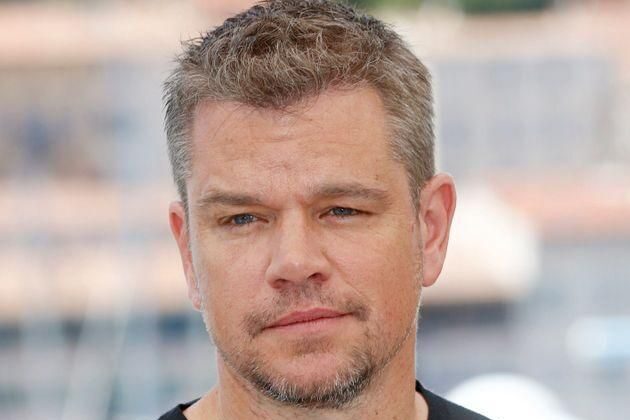
Some decisions feel ordinary at the time but take on a different weight later. Matt Damon was offered the lead role in Avatar and even a share of the film’s profits, but he could not commit because of scheduling conflicts. It was not a matter of interest or doubt, just timing not lining up in a practical way. He has spoken about it openly, without trying to reshape the story.
Sam Worthington stepped into the role and carried the film through what became a major success. Damon has since reflected on the decision with a sense of acceptance, even humor at times. It does not feel like regret, just an understanding that not every opportunity can be taken. Sometimes, life simply asks you to choose one path over another, without fully knowing where either one will lead.
9. Leonardo DiCaprio Considered American Psycho
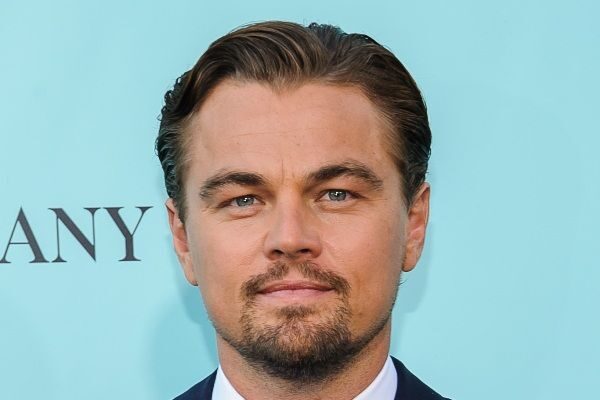
There are moments when a project feels close, but something shifts before it fully settles. Leonardo DiCaprio was once attached to American Psycho, and it seemed like it might move forward with him in the lead. However, changes in direction led to him stepping away, and the role eventually went to someone else. It was not a dramatic exit, just a gradual shift in how the film was taking shape.
Christian Bale stepped in and brought a controlled intensity that became central to how the character was remembered. DiCaprio moved on to other roles that helped define his own path in a different way. When you look at it now, it feels less like a missed opportunity and more like two creative directions choosing not to meet at that moment. Both outcomes still carried weight in their own space.
10. Sandra Bullock Nearly Starred In Million Dollar Baby
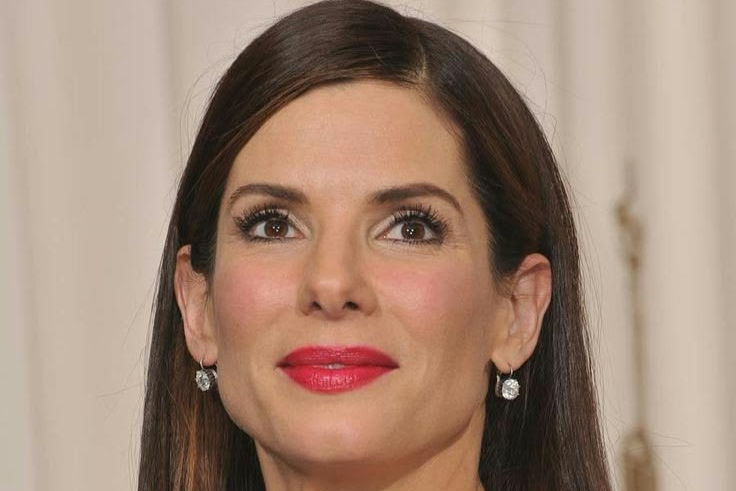
Sometimes a role passes quietly from one actor to another without much attention at the time. Sandra Bullock was considered for Million Dollar Baby before the role eventually went to Hilary Swank. It is one of those casting moments that did not make much noise initially but became more interesting in hindsight. Bullock might have brought a slightly different tone to the character.
Swank stepped into the role and delivered a performance that carried a quiet strength and emotional depth. It resonated strongly with audiences and became a defining moment in her career. Bullock continued taking on roles that suited her range in other ways. Looking at it now, it feels like a natural shift rather than something that went wrong. Each actress found the space that worked best for her at that time.
11. Jim Carrey Was Almost Captain Jack Sparrow
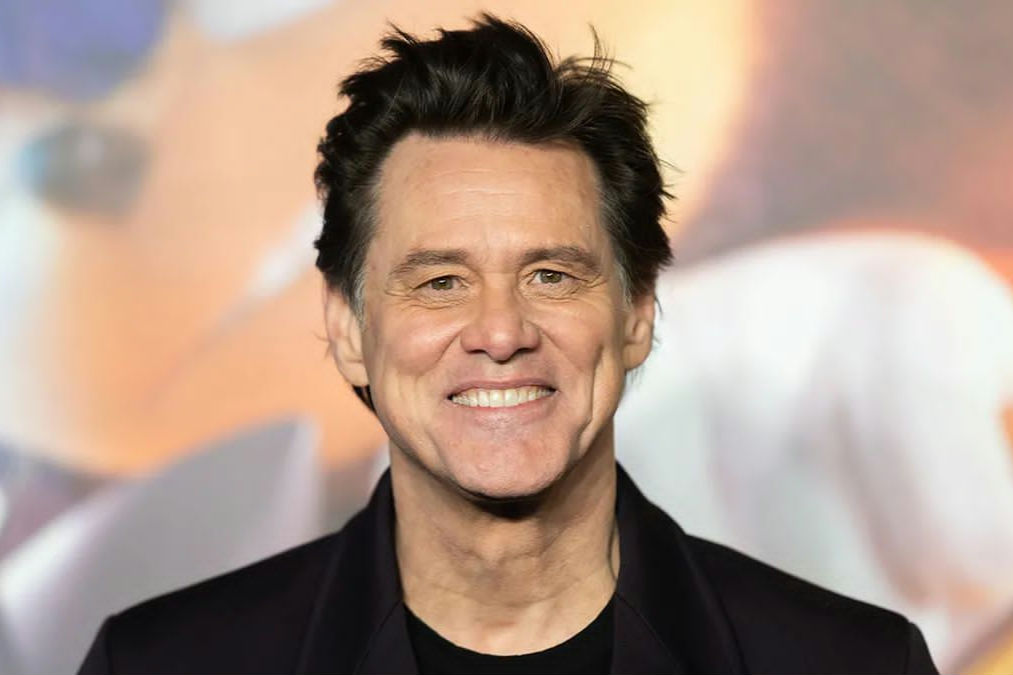
It’s one of those ideas that makes you pause for a second and try to picture how it would feel. Jim Carrey was considered for Captain Jack Sparrow, and on paper, it makes a lot of sense. He had the energy, the unpredictability, and the ability to stretch a character into something memorable. But scheduling conflicts came in quietly, and he could not take on the role when it mattered. It was not about fit, just timing stepping in again.
Johnny Depp eventually took the role and shaped it in a way that felt unusual but strangely grounded at the same time. His performance leaned into subtle quirks rather than loud expression, and it stuck with people. Carrey continued building his own path, moving between comedy and more serious roles. When you think about it, it feels less like something that slipped away and more like a character finding the version of itself that felt right in that moment.
12. Rachel McAdams Passed On The Devil Wears Prada
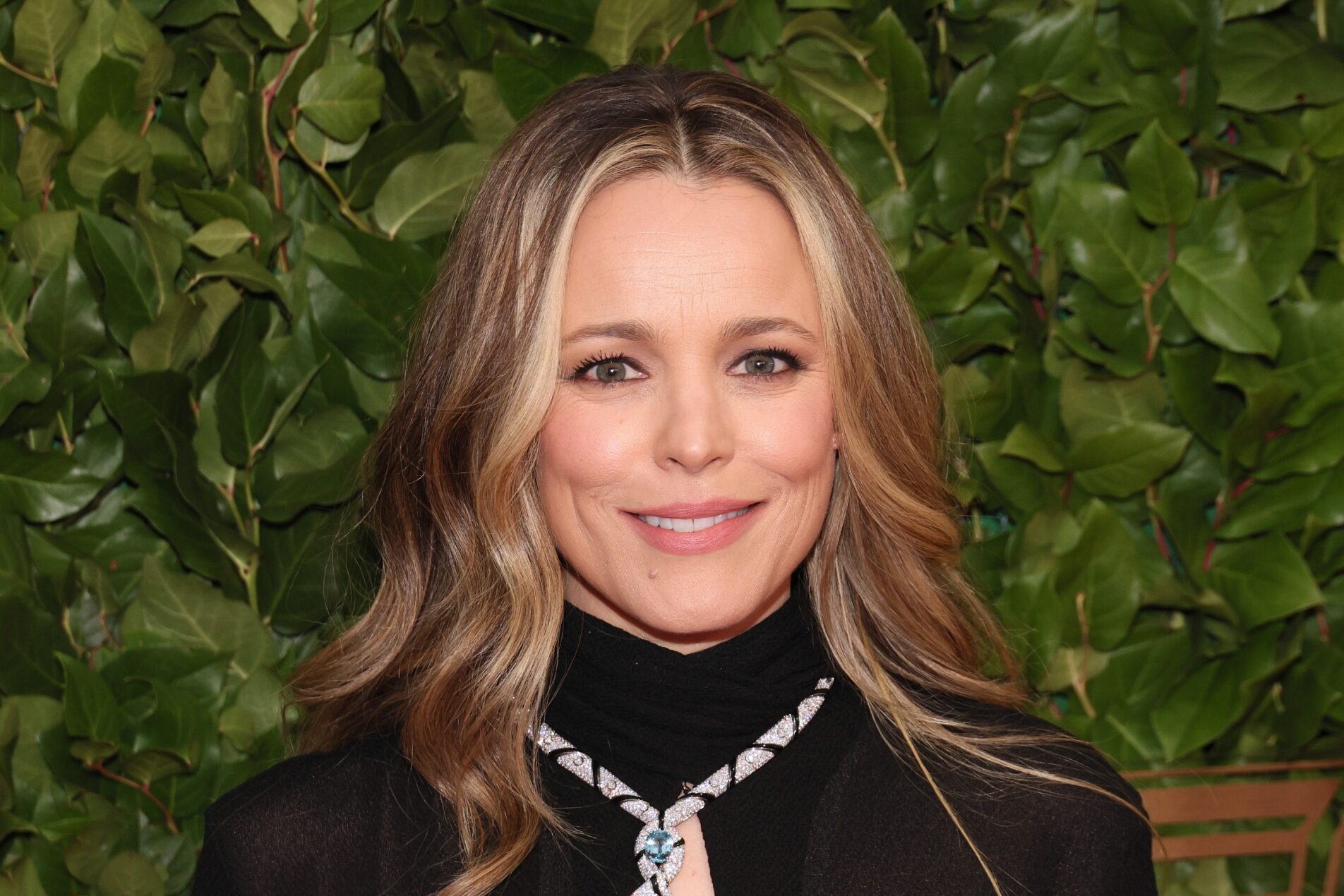
There are moments when stepping back feels more important than stepping forward, even if others do not immediately understand it. Rachel McAdams was offered the lead role in The Devil Wears Prada, but she chose to turn it down during a period when she wanted to slow things down. She had been working steadily and felt the need to take a break from large studio films. It was a quiet decision, not driven by doubt, but by a need for balance.
Anne Hathaway stepped into the role and brought a relatable softness that helped the story connect with audiences. McAdams later returned with projects that felt more aligned with where she was at that time. Looking back, it does not feel like a missed opportunity. It feels like someone choosing their pace carefully, even when something big was right in front of them.
13. Nicolas Cage Almost Played Aragorn
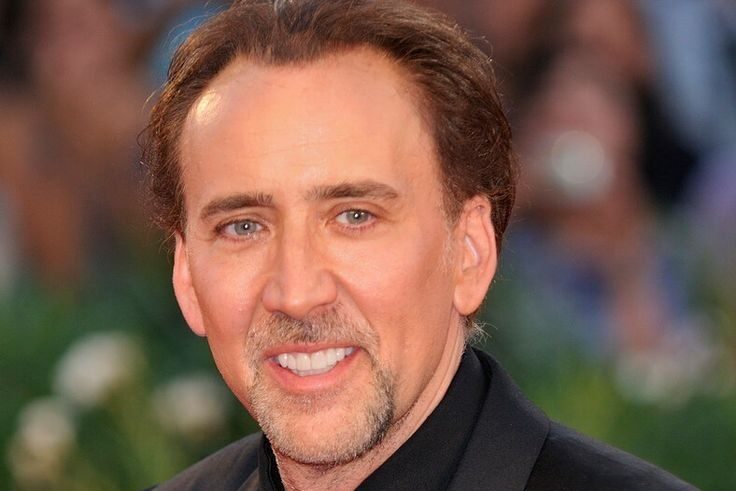
Sometimes the reasons behind a decision are simple and personal, even when the opportunity itself feels huge. Nicolas Cage was offered the role of Aragorn but chose not to take it because he wanted to stay close to his family. It was not about the script or the character, just a choice rooted in where he needed to be in his personal life. That kind of decision often stays quiet behind the scenes.
Viggo Mortensen stepped into the role and brought a steady, grounded presence that carried through the entire trilogy. His performance felt natural, as though he had always been part of that world. Cage continued working on projects that fit his life at the time. When you look at it closely, it feels less like something he gave up and more like something he gently set aside for a different kind of priority.
14. Reese Witherspoon Nearly Played Cher In Clueless
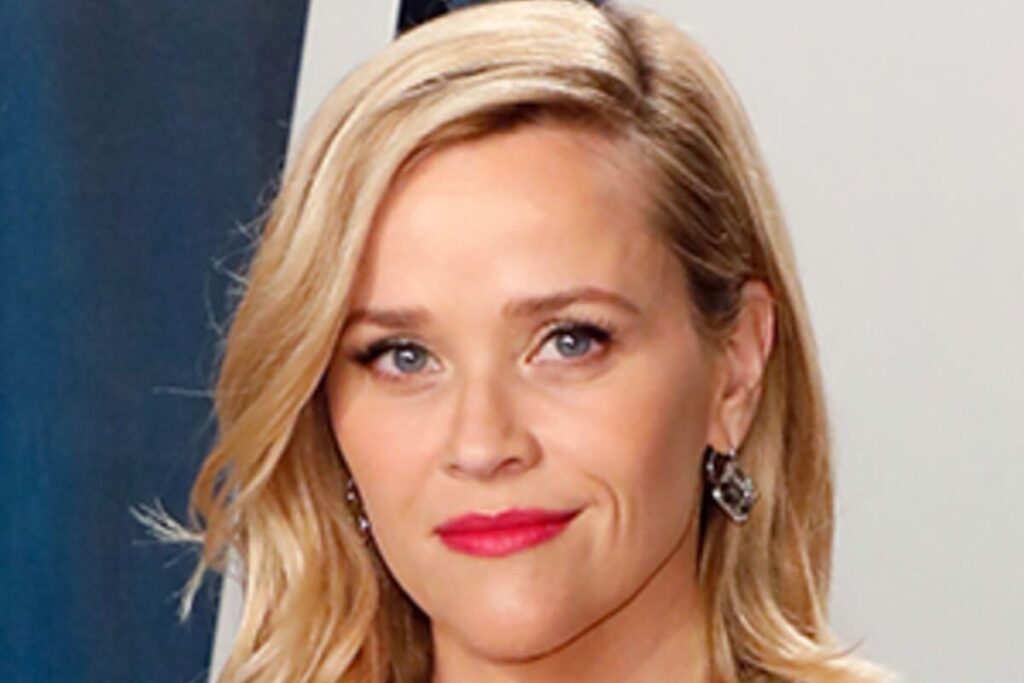
There is something interesting about auditions that almost turn into something more. Reese Witherspoon auditioned for the role of Cher, and she was close enough for people to remember it. She had the brightness and charm that could have worked well, but in the end, the role went to Alicia Silverstone. Sometimes, it comes down to a feeling that is hard to explain, just a sense of who fits the moment best.
Silverstone brought a light, easy presence that defined the tone of the film in a very specific way. Witherspoon went on to build her own path with roles that carried a similar warmth but in different spaces. It does not feel like she missed out. It feels like she found her version of that moment somewhere else, just a little later.
15. Emma Watson Almost Played Mia In La La Land
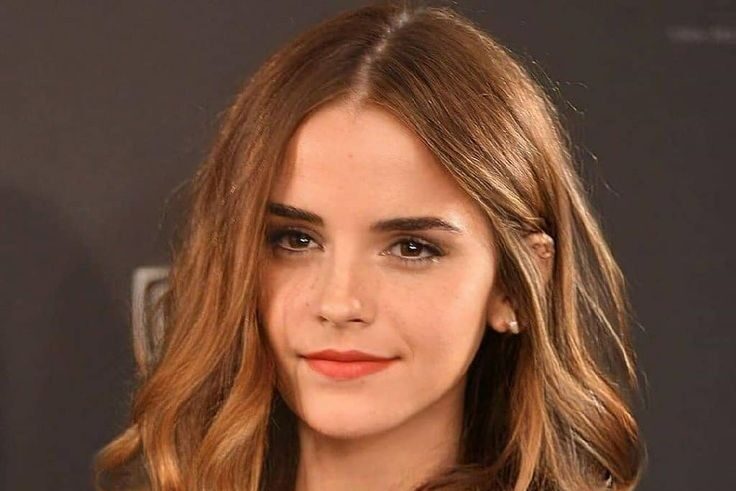
There are times when everything seems to be lining up, and then one detail quietly changes the outcome. Emma Watson was in talks to play Mia in La La Land, and it seemed like a strong possibility for a while. However, scheduling conflicts made it difficult to move forward, and she had to step away from the project. It was not about interest or ability, just timing not aligning properly.
Emma Stone stepped into the role and gave it a soft, natural rhythm that carried the story with ease. Her performance felt personal and grounded, which helped the film connect in a deeper way. Watson moved on to other work, and there has never been any tension around the decision. It feels like one of those quiet transitions that happen all the time, just usually without much attention.
16. Denzel Washington Turned Down Se7en
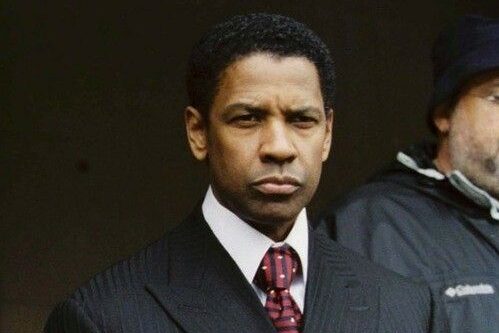
There are times when a story just feels too heavy to carry, especially when you are reading it for the first time. Denzel Washington came across the script for Se7en and decided to pass on it because the tone felt too dark and unsettling. It was not about the quality of the writing or the strength of the role, but about how it sat with him personally in that moment. Sometimes, instinct plays a quiet but powerful role in decisions like this.
Brad Pitt eventually took on the role, and the film went on to leave a strong impression on audiences. Washington later admitted he may have misjudged the project, but it never came across as regret, just a calm reflection. It shows how timing and perspective can shape how we see things, and how a decision that feels right at one point can look different later on without changing its original meaning.
17. Christina Applegate Almost Played Elle Woods
It is easy to say yes to something that looks familiar, but sometimes that familiarity is exactly what makes someone pause. Christina Applegate was offered the role of Elle Woods, but she chose to turn it down because she was concerned about being boxed into similar characters. She had already played roles that carried the same kind of tone, and she wanted to explore something different for herself. That kind of awareness does not always get talked about openly.
Reese Witherspoon stepped into the role and gave it a fresh and engaging energy that connected quickly with audiences. Applegate later spoke about her decision in a way that felt honest and grounded. It did not sound like regret, but more like someone who understood why she made that choice at the time. It shows how thinking ahead can sometimes mean letting go of something that seems perfect in the moment.
18. Eric Stoltz Originally Played Marty Mcfly
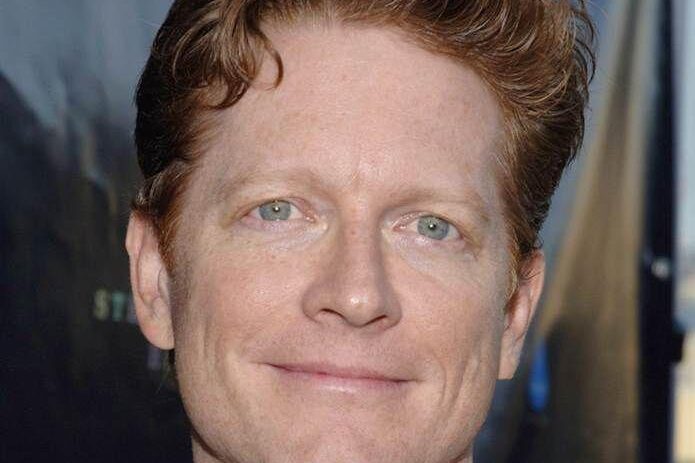
Some changes happen quietly, but others unfold in a way that becomes part of the story itself. Eric Stoltz was originally cast as Marty McFly and had already started filming when the decision was made to replace him. His performance leaned more serious, and it did not quite match the tone the filmmakers were aiming for. It was not about talent, just about finding the right balance for the story.
Michael J. Fox stepped in and brought a lighter, more playful energy that helped shape the film into what people remember today. Stoltz has spoken about the experience calmly over the years, and it never feels like something he holds onto with frustration. Instead, it feels like a moment where a creative adjustment was needed, and everyone moved forward in their own direction.
19. Michelle Pfeiffer Almost Played Clarice Starling
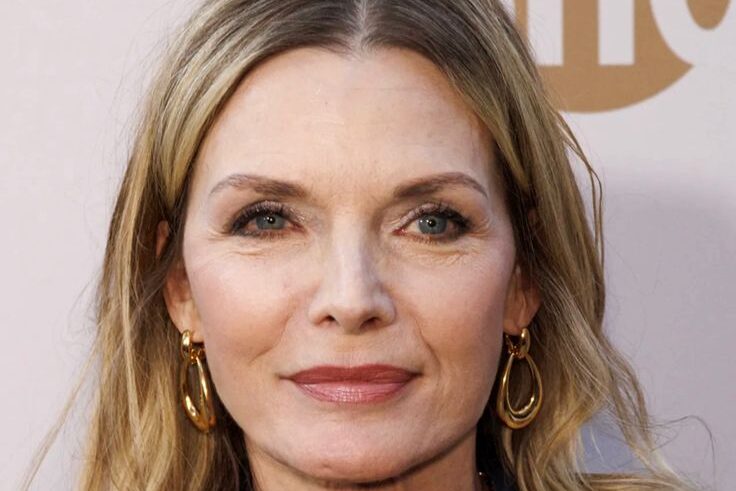
There are roles that ask a lot from an actor, not just in skill but in emotional weight, and sometimes that alone shapes the decision. Michelle Pfeiffer was offered the role of Clarice Starling, and while it was a strong opportunity, she chose to step away because the story felt too intense for her at the time. It was not about the quality of the film or the strength of the character, but about how deeply the material affected her personally when she read it. That kind of reaction can be hard to ignore.
Jodie Foster eventually took on the role and brought a calm, focused strength that grounded the character in a powerful way. Her performance stayed with audiences long after the film ended. Pfeiffer’s choice feels thoughtful when you look at it closely, like someone recognizing what they were ready for and what they were not. It is a quiet reminder that not every opportunity needs to be taken for a career to still move forward in a meaningful way.
20. Jack Nicholson Turned Down The Godfather
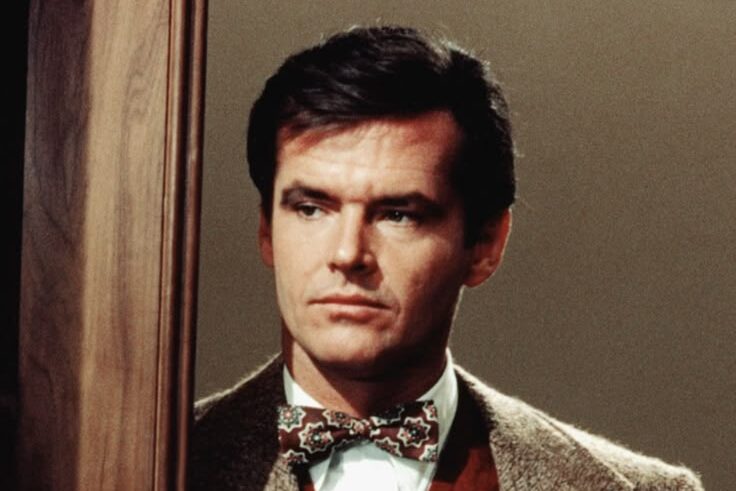
Sometimes a decision comes from a place that has little to do with ambition and more to do with what feels right for the story itself. Jack Nicholson was offered a role in The Godfather, but he chose to turn it down because he believed the character should be played by an Italian actor. He felt the cultural identity behind the story mattered, and that it should be reflected in who brought it to life. It was a choice shaped by respect rather than hesitation.
Al Pacino stepped into the film and became part of something that would go on to define cinema for years. Nicholson continued building his own path through roles that suited him in different ways. When you look back, it does not feel like something he missed out on. It feels like a moment where stepping aside allowed the story to feel more authentic, which in its own way made the outcome stronger.
21. Molly Ringwald Passed On Pretty Woman
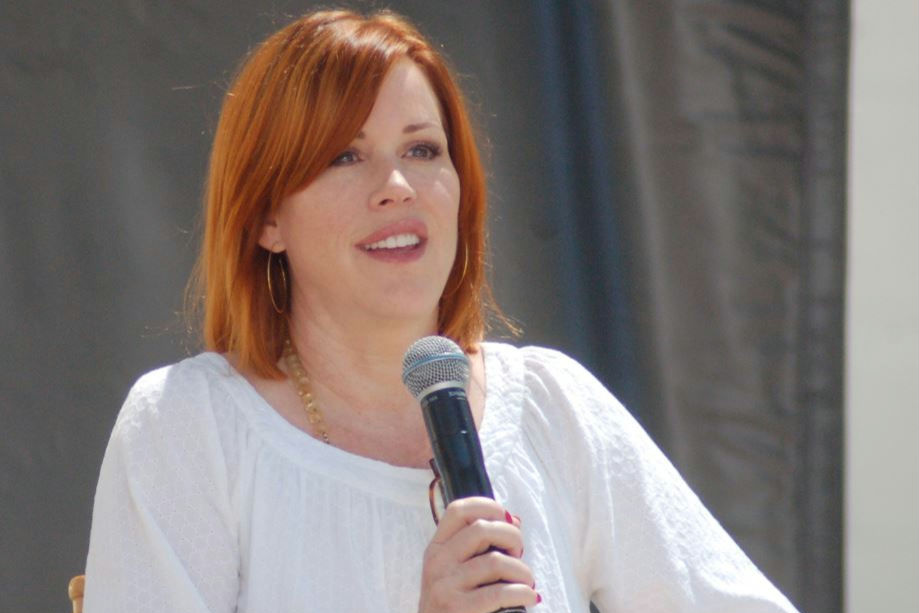
There are times when a script simply does not connect, even if it later becomes something widely loved. Molly Ringwald was offered the lead role in Pretty Woman, but when she read it, it did not resonate with her in a way that made her want to take it on. It was not a complicated decision, just a personal reaction that she trusted in that moment. Those kinds of choices often happen quietly without much attention at the time.
Julia Roberts stepped into the role and brought a warmth that made the character feel easy to connect with. Her performance became closely tied to the film’s identity and how people remember it. Looking across all these stories together, it starts to feel less like missed chances and more like small shifts that led everyone where they needed to be. If this drew you in, share it with someone who enjoys these kinds of film moments and keep the conversation going.


