
1. Cleopatra Lived Closer to the Moon Landing Than the Pyramids
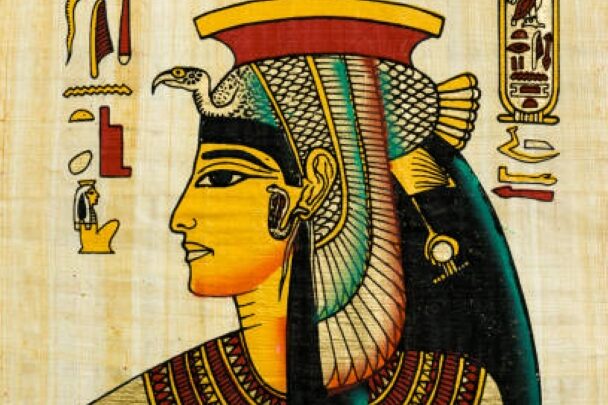
It’s easy to think of ancient history as something unimaginably far away, and yet Cleopatra, the last pharaoh of Egypt, ruled in 69–30 BC. That seems ancient, but when you consider that the Great Pyramid of Giza was built around 2560 BC, Cleopatra actually lived more than 2,500 years after the pyramid was completed. Even more mind-bending, she lived just over 2,000 years before the first humans walked on the Moon. It’s a stark reminder that our sense of “ancient” is relative. Historians often point out that events we imagine as equally distant might be worlds apart in real time, reshaping how we connect timelines and civilizations.
This fact also makes modern history feel closer and more intertwined than we might expect. The Egyptians, Romans, and later Europeans all interacted in ways that ripple into our understanding of politics, culture, and trade. The story of Cleopatra isn’t just about exotic queens and palaces; it reminds us how human events are layered across centuries, influencing one another in ways that surprise even the most seasoned scholars. Knowing this can make history feel alive, not just a collection of old dates.
2. The Shortest War in History Lasted Just 38 Minutes
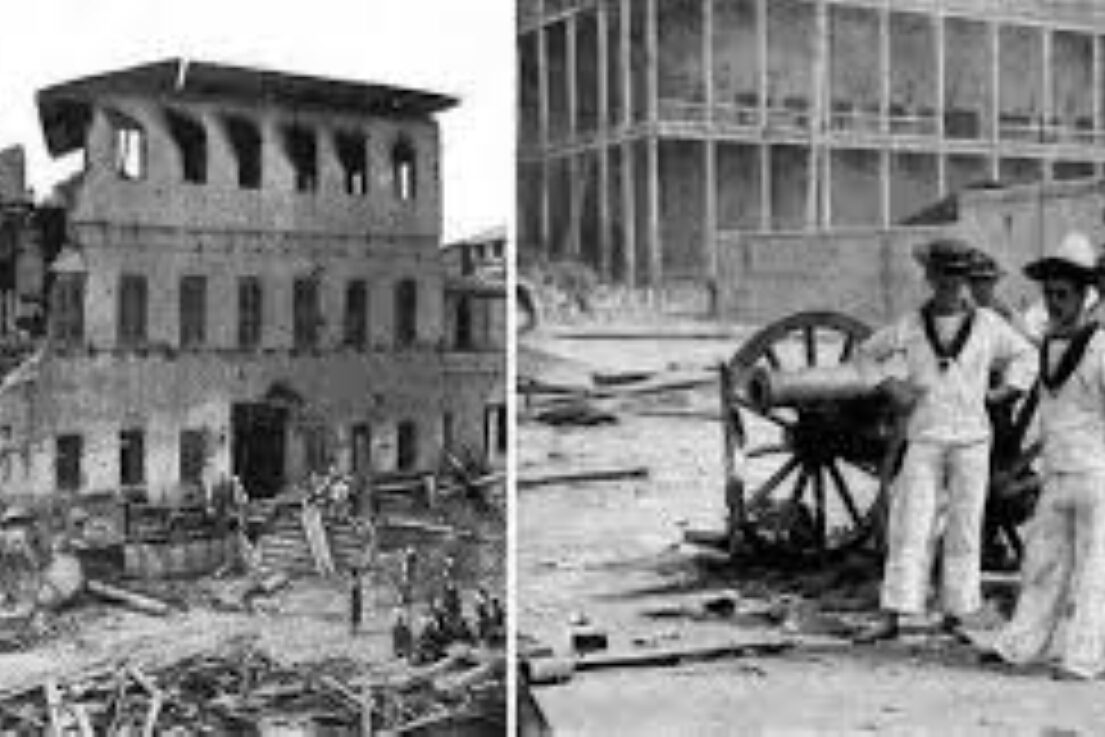
Sometimes, history is measured not in years but in astonishingly brief moments. The Anglo-Zanzibar War of 1896 is considered the shortest war in recorded history, lasting only 38 minutes. Zanzibar’s Sultan Khalid bin Barghash refused to step down after the death of the previous Sultan, and British forces quickly took action. The sheer brevity of the conflict leaves historians amazed that an entire war, with real stakes and lives at risk, could be over before most people finish a lunch break.
Beyond the numbers, it’s a glimpse into how colonial power dynamics shaped world events in ways that seem almost absurd today. Historians note that even in such a brief period, political tensions, alliances, and technological differences dictated the outcome. It serves as a reminder that history doesn’t always unfold in prolonged struggles; sometimes decisions and timing alone shape the fate of nations. It also encourages readers to consider that big historical impacts can arise from surprisingly short moments.
3. Viking Helmets Didn’t Have Horns

When we picture Vikings, it’s almost automatic to imagine horned helmets, but historians confirm this is a complete myth. The image of horned helmets actually comes from 19th-century opera costumes and romanticized illustrations, not archaeological evidence. Viking warriors wore practical helmets made of iron or leather, designed for protection, not showmanship. This misconception has been so pervasive that even today, movies, cartoons, and merchandise perpetuate it, giving generations a skewed visual of Viking life.
The persistence of this myth reminds us how pop culture shapes historical memory. Historians love pointing this out because it’s a clear example of how storytelling, art, and entertainment can overwrite facts in the public imagination. It also highlights how assumptions about the past often come from what’s visually striking rather than what’s accurate. For readers, it’s a gentle nudge to question what they think they know about history. Sometimes, the most iconic images we carry in our minds are the ones that never actually existed, and unraveling these myths makes learning about history feel fresh and surprising.
4. Napoleon Wasn’t Actually Short
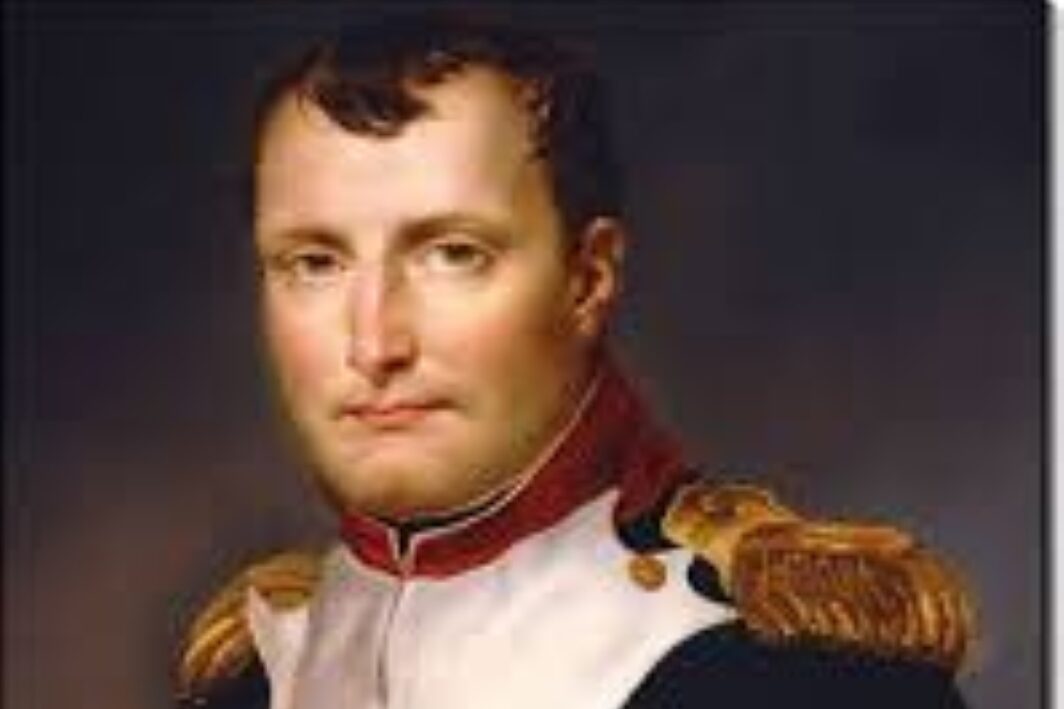
Napoleon Bonaparte’s height has been endlessly mocked, yet historical records reveal he was around 5’6” or 5’7”, average for his time. The myth of his “short stature” seems to have originated from British propaganda and the difference between French and British measuring systems. For centuries, this misperception influenced art, literature, and even political cartoons, casting a larger-than-life shadow on what was actually an ordinary height.
This is a small but telling example of how historical narratives can be shaped by perception rather than fact. Historians caution that even seemingly trivial details like height can affect how a figure is remembered and interpreted across generations. It invites readers to question what else in history might be exaggerated or misunderstood. Even a famous figure like Napoleon teaches us that context, culture, and perspective are as important as the events themselves, and that myths often persist longer than reality.
5. The Great Emu War Was Real

In 1932, Australia faced an unusual problem: a population of emus was destroying crops in Western Australia. The government deployed soldiers with machine guns to control the birds, leading to what is humorously remembered as the “Great Emu War.” Despite military effort, the emus proved remarkably resilient, and the humans struggled to make a significant impact. Historians often cite this as an example of the unpredictability of human intervention against nature.
Beyond the humor, the event highlights serious themes about human-animal conflict, government policy, and ecological consequences. It shows how history isn’t always about kings, battles, or revolutions; sometimes the quirks of daily life and environment create events that are fascinating in their own right. For readers, it’s a reminder that history can surprise us, entertain us, and teach lessons about humility and persistence in unexpected ways. Moments like this make history feel alive, approachable, and oddly charming.
6. Japan Once Had Samurai Women

When imagining samurai, most people picture male warriors in armor, but history shows that women also took up the sword. Onna-bugeisha, female samurai, trained in combat and played active roles in defending households and territories, especially during the Sengoku period. Some women even led troops in battle, challenging the common perception that warfare was entirely male-dominated. Historians emphasize that these stories have been underrepresented, reminding us that history often hides powerful figures who don’t fit familiar narratives.
These women show that courage, skill, and leadership aren’t confined to the figures we usually learn about. For readers today, discovering samurai women adds nuance to what we understand about gender, power, and social structure in historical Japan. It also encourages a deeper look at overlooked narratives, proving that history can surprise us in ways that change our assumptions and enrich our understanding of the past. Sometimes, the most inspiring lessons come from figures we never expected to find.
7. Ancient Romans Had Fast Food
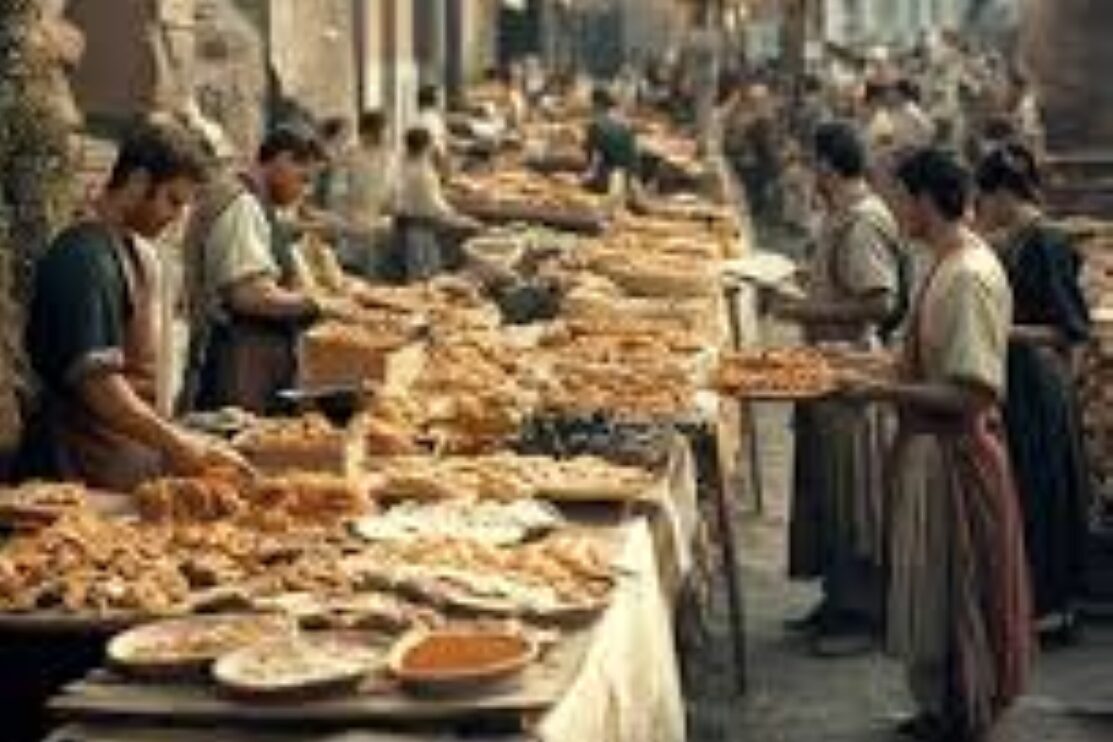
We often think of fast food as a modern invention, but Ancient Rome had its own version. Archaeological finds show that Romans frequented thermopolia street-side counters serving ready-to-eat meals like stews, bread, and wine. These establishments were particularly popular among city dwellers who didn’t have kitchens at home. Some estimates suggest Rome had hundreds of thermopolia bustling with customers, resembling a busy urban takeout scene more than the slow, stately dinners often imagined in history books.
This fact challenges the idea that convenience food is purely a modern phenomenon. Historians note that urbanization and social structures in Ancient Rome created demand for quick meals, much like in contemporary cities. It also humanizes the Romans, reminding us that they faced the same daily struggles and choices as we do today time, hunger, and convenience. For modern readers, it’s fascinating to see that the rhythms of daily life, even across centuries, share surprising similarities. History isn’t only about grand events; it’s also about the ordinary moments that connect us across time.
8. The Library of Alexandria Wasn’t Completely Lost
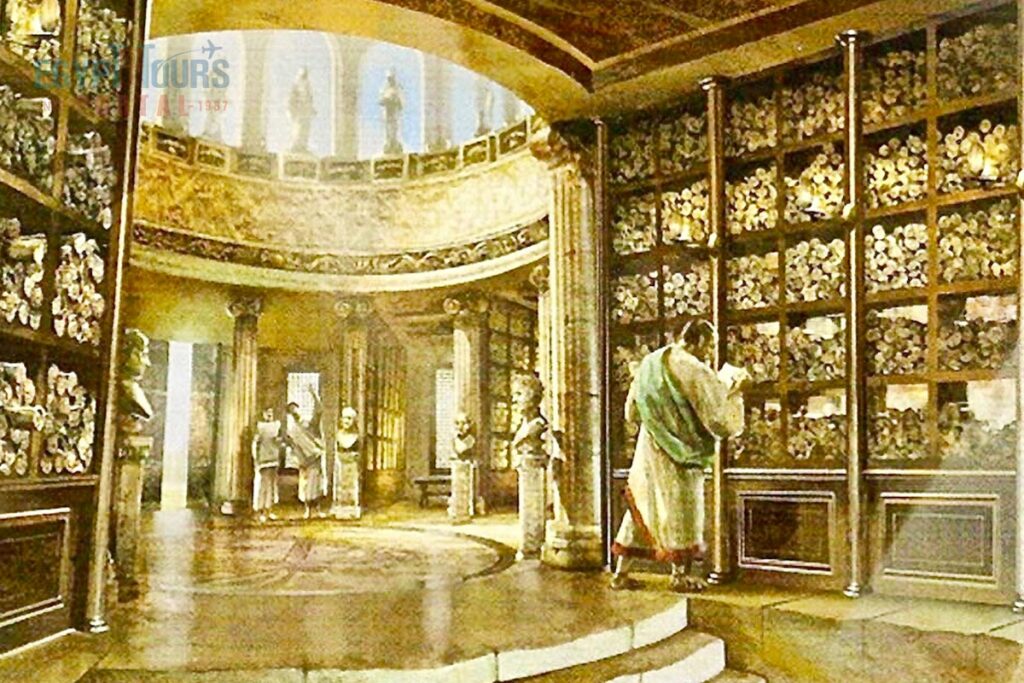
The Library of Alexandria is often cited as a tragic symbol of lost knowledge, yet historians now believe it wasn’t destroyed in a single catastrophic event. Evidence suggests the library suffered a gradual decline through multiple incidents of fires, neglect, and political turmoil over centuries. Some scrolls were likely moved or copied elsewhere, meaning fragments of their collection survived. The enduring mystique of the library, however, has fueled centuries of fascination, creating a mythic version of knowledge lost to human folly.
This reminds us that history is often more complex than the stories we tell. Even what seems like a dramatic “loss” may have been a slow transformation. Historians use the example to show how human memory and legend can exaggerate events, turning reality into a cautionary tale. For readers, it encourages a deeper look at historical narratives and the sources behind them. Understanding the nuances behind the Library of Alexandria not only reshapes our perception of ancient scholarship but also inspires a respect for the fragility and resilience of knowledge across time.
9. The Eiffel Tower Was Once Hated

When Gustave Eiffel completed the Eiffel Tower in 1889, it wasn’t universally admired. Many Parisians, including prominent artists and intellectuals, criticized the tower as an eyesore, calling it a monstrous, garish intrusion into the cityscape. Newspapers published open letters denouncing it, and there were calls for it to be torn down after just 20 years. Today, of course, the Eiffel Tower is one of the most iconic symbols of Paris and is beloved worldwide, a testament to how taste and perception evolve over time.
This story shows that historical reception isn’t always immediate or consistent. Public opinion can transform as culture, context, and utility change, which historians find endlessly fascinating. It also reflects how innovation is often met with skepticism, whether in architecture, art, or technology. For modern readers, it’s a gentle reminder that what seems shocking or unattractive today might become tomorrow’s treasure. History is full of these reversals, and noticing them helps us appreciate the ebb and flow of human judgment and aesthetic preference.
10. The U.S. Once Had a President Who Only Served One Month
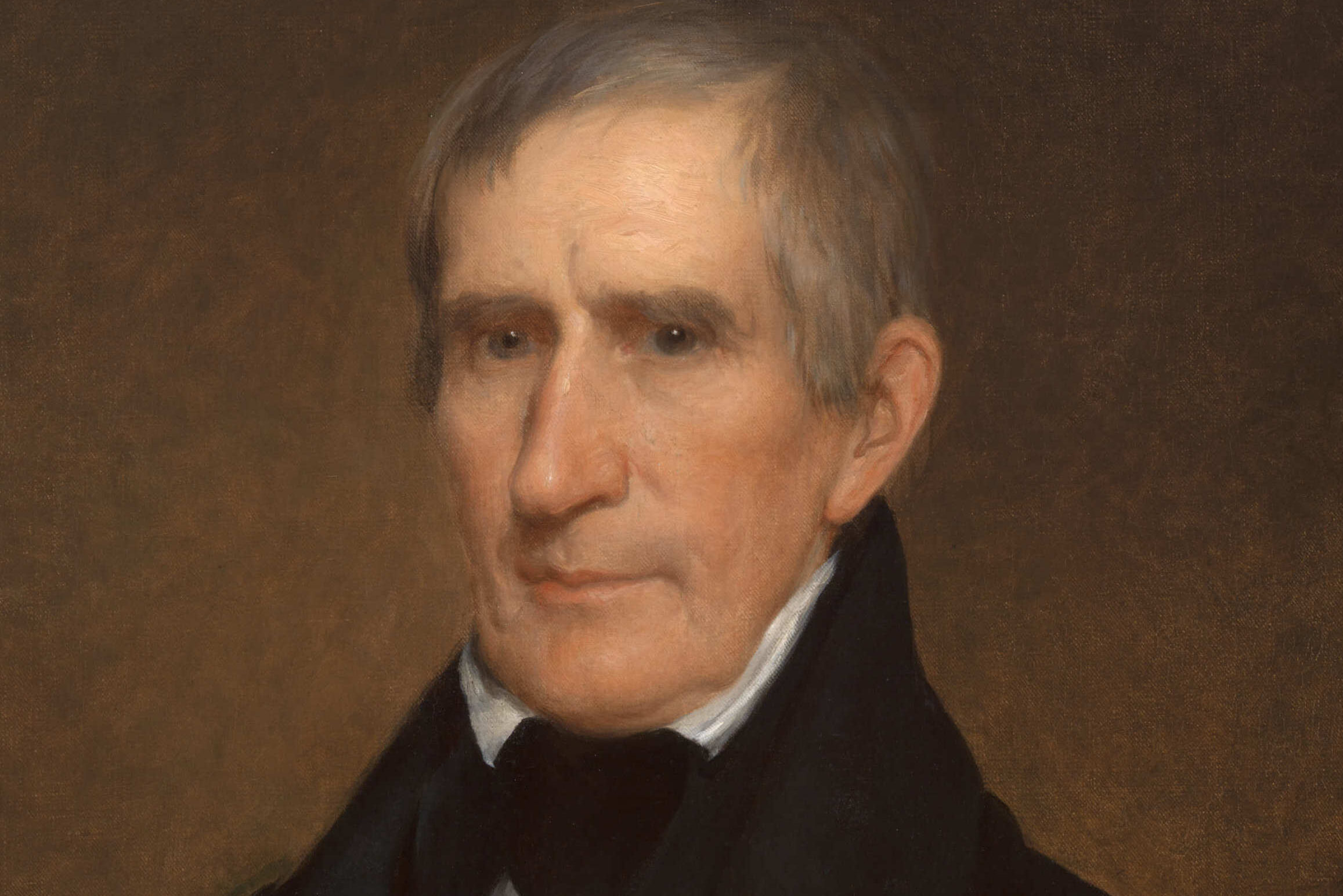
Before we assume presidential terms are long and stable, consider William Henry Harrison, who served as the ninth U.S. president in 1841. Harrison holds the record for the shortest tenure, dying just 31 days after taking office. His death, due to pneumonia, was unexpected and plunged the nation into uncharted political territory, testing the rules of presidential succession. Historians often point to this moment as a reminder of how fragile leadership can be and how unforeseen events can shape the course of history.
This brief presidency also illustrates that historical significance isn’t measured by duration. Even a month in office can leave a lasting impact through policy, precedent, or public awareness. It encourages readers to see history as full of both monumental and fleeting moments that shape outcomes in surprising ways. Harrison’s short term serves as a human story of unpredictability, vulnerability, and the delicate nature of political life. It’s a small fact with a big lesson about how quickly events can change the course of history, keeping the past alive and compelling.
11. The Great Fire of London Started From a Bakery
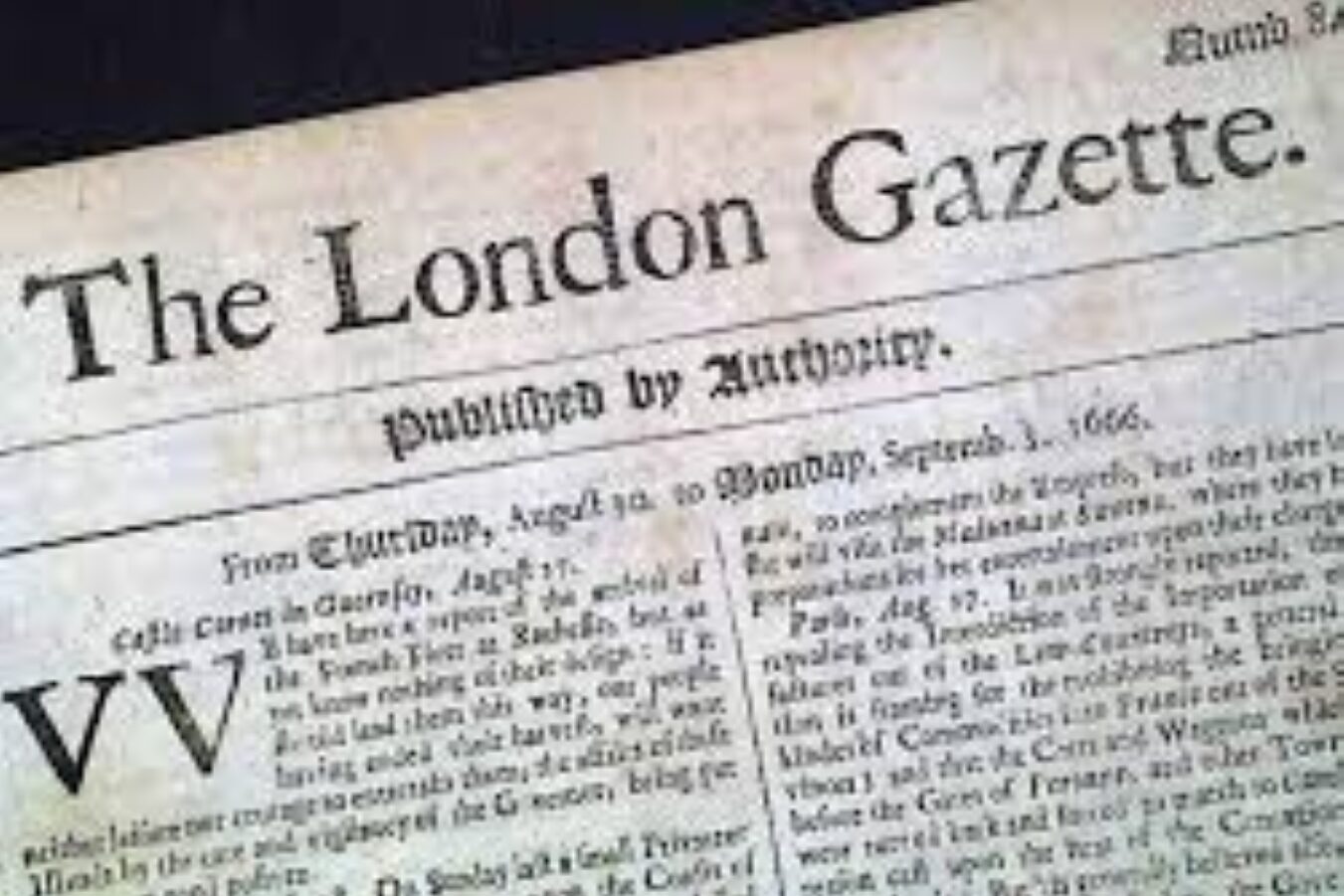
When we think of massive historical disasters, it’s easy to imagine earthquakes or wars, but the Great Fire of London in 1666 actually started in a small bakery on Pudding Lane. A spark in Thomas Farriner’s bakery ignited a fire that spread rapidly through the city, fueled by wooden buildings and strong winds. It destroyed thousands of homes, churches, and businesses, yet remarkably, the death toll was relatively low. Historians often highlight this as a reminder that even small accidents can have enormous consequences.
Beyond the devastation, the fire reshaped London in meaningful ways. Urban planning, fire safety regulations, and building materials were re-evaluated, influencing how modern cities approach disaster preparedness. The story also humanizes history by showing how ordinary people and mundane places can inadvertently become pivotal actors in major events. For readers, it’s a chance to see history not as distant or abstract but as full of relatable moments, where everyday choices and actions intersect with larger forces.
12. Soldiers Were Paid in Salt in Ancient Rome
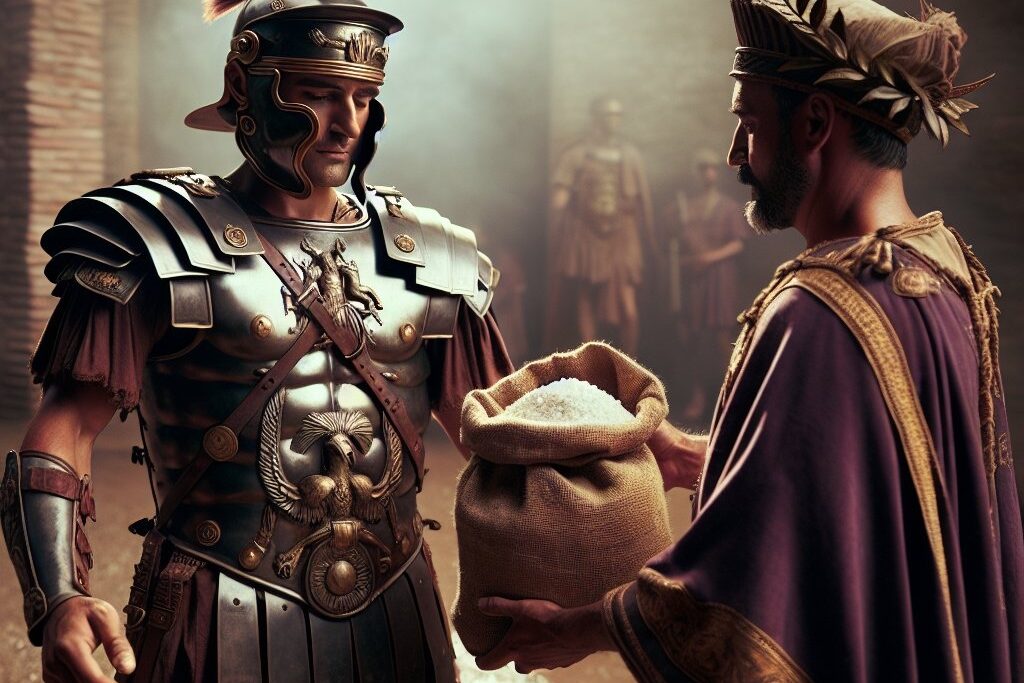
Economic history often surprises us with its oddities, and Ancient Rome provides one such example. While we usually think of coins as the primary form of payment, Roman soldiers were sometimes paid in salt, a valuable commodity at the time. This practice even influenced language, giving rise to the word “salary” from the Latin “salarium.” Salt was essential for preserving food, seasoning, and even religious rituals, making it more than just a flavoring it was a form of wealth.
This fact highlights how economics and culture are deeply intertwined. Historians note that everyday necessities can carry symbolic and practical value that shapes society in unexpected ways. It also connects modern readers to the past, revealing that what seems mundane today had monumental significance in earlier eras. Learning that salt was once a form of currency challenges our assumptions and makes the past feel more tangible, bridging centuries in a simple, flavorful detail that sticks in the imagination.
13. The Great Molasses Flood Was Surprisingly Deadly
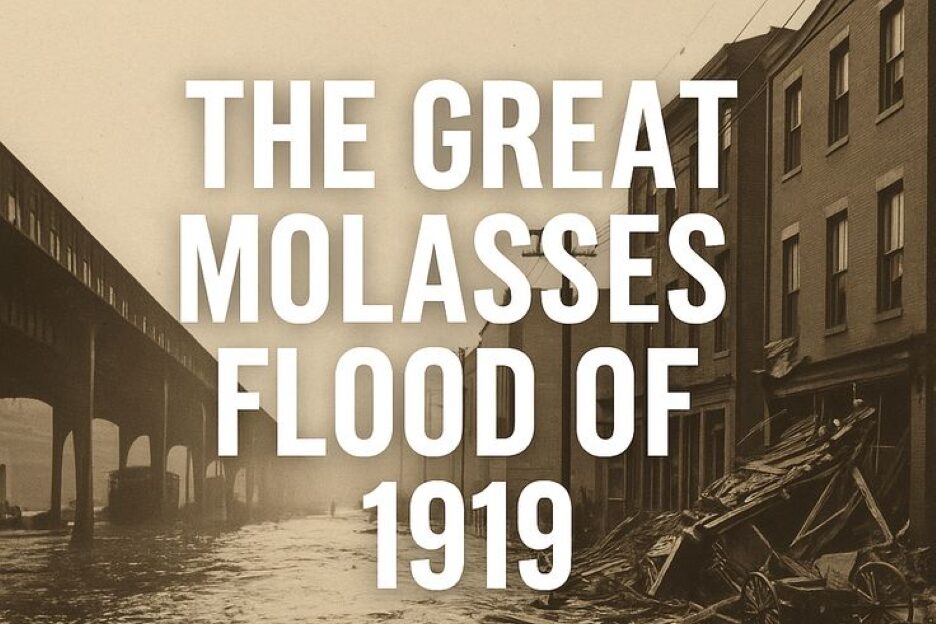
In 1919, Boston experienced the Great Molasses Flood, an event that sounds almost comedic but was tragically deadly. A massive storage tank burst, sending a wave of molasses through the streets at roughly 35 miles per hour, killing 21 people and injuring over 150. Historians note that this event, while bizarre, reveals important lessons about industrial safety, urban planning, and the unforeseen consequences of human error. The flood was both sticky and catastrophic, and it remains one of the stranger yet impactful disasters in U.S. history.
The Great Molasses Flood reminds readers that history is full of moments that are simultaneously surprising, tragic, and educational. Ordinary materials, like molasses, can play unexpectedly significant roles, and ordinary decisions such as building or maintaining infrastructure can have huge consequences. For modern audiences, it shows that paying attention to details and understanding context can make history both fascinating and relevant. Even quirky events like this offer insight into human behavior, urban development, and the hazards of everyday life, showing that history is often stranger than fiction.
14. Paper Money Was Once Banned in the United States

While we take paper money for granted today, the early United States experimented cautiously with it. During the 18th and 19th centuries, some states temporarily banned paper currency because of inflation fears and distrust of banks. Coins were preferred for everyday trade, and paper money often had limited acceptance, creating a patchwork of regional economic systems. Historians see this as a fascinating glimpse into the evolving trust in government and financial systems, showing that modern currency conventions were far from guaranteed.
The ban also underscores how innovation and practicality often clash. While paper money was easier to transport and produce, skepticism and past failures slowed adoption. This makes us reflect on how societal trust, regulation, and technology shape economic behavior, lessons still relevant today. For readers, it’s a reminder that what we assume as normal, like paying with a $20 bill, is the result of trial, error, and adaptation over centuries. History often surprises us by showing how ordinary things we take for granted were once controversial.
15. The Cold War Had a “Nuclear Chess Game”
When people think of the Cold War, they often imagine spies, politics, and diplomacy, but historians point out that it also played out like a giant, high-stakes chess game with nuclear weapons. During the Cuban Missile Crisis in 1962, the world came closer than most people realize to nuclear conflict. Decisions were made with split-second timing, coded messages, and tense calculations. Experts often note that luck, miscommunication, and human judgment all shaped events, which makes this period endlessly fascinating and nerve-wracking to study.
This perspective shows that history isn’t just about victories or treaties; it’s about the fragile balance of human decisions under pressure. For modern readers, it’s a vivid reminder that behind headlines and textbooks are real people facing choices that affected millions. Seeing history in this way helps us connect with the past emotionally and intellectually. It also inspires curiosity about how decisions we take for granted today might have far-reaching consequences, teaching lessons about responsibility, foresight, and the very real human stakes behind global events.


