
How Human Influence Quietly Reshapes The Natural World
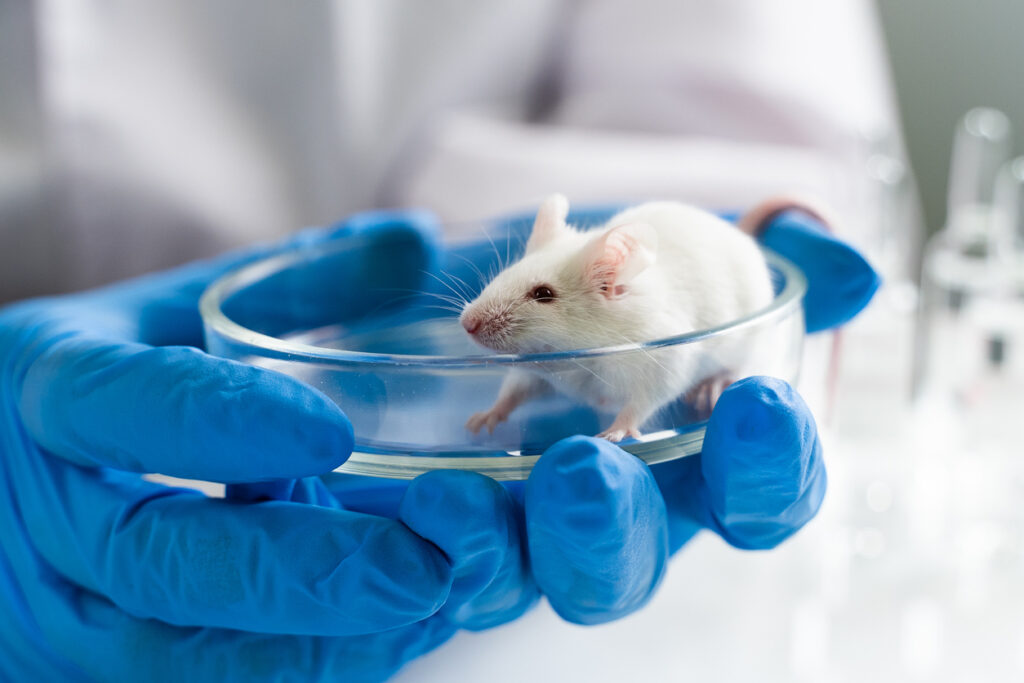
Scientists frequently use the term “anthropogenic evolution” to describe this phenomenon, which involves species rapidly adjusting to environments modified by people. This process can occur with startling speed, sometimes manifesting in just a few generations as animals strive to keep pace with a changing world. A 2022 study highlighted that these shifts are often driven by urban heat, habitat fragmentation, and the presence of artificial light.
The most fascinating aspect of this transition is how subtle the behavioral changes can be. Whether it is a songbird opting for discarded snacks over natural seeds or a snake choosing to remain silent instead of rattling a warning, these small shifts represent a significant narrative of survival. These creatures are not merely existing alongside us; they are actively rewriting their own biological scripts to navigate a landscape increasingly defined by human infrastructure and technology. Below are 10 remarkable examples of how animals and microbes have altered their instincts and biology in response to our presence.
London Tunnel Mosquito
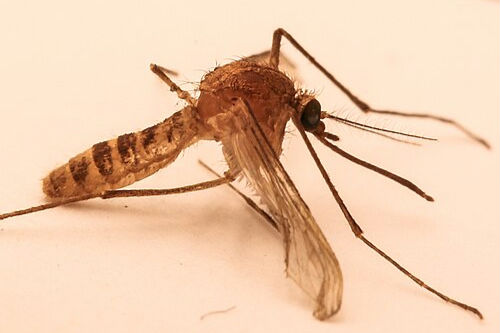
The London Underground mosquito, known to researchers as Culex pipiens molestus, provides a definitive case study in rapid urban evolution. This distinct population was first brought to public attention during the Blitz of World War II, specifically around 1940 and 1941, when thousands of Londoners used the subway tunnels as air-raid shelters. While the humans were seeking safety, they provided a consistent food source for these insects. Over the decades, these mosquitoes have become genetically isolated from their surface-dwelling cousins, meaning they can no longer interbreed, effectively forming a new species created by human engineering.
The behavioral differences between the tunnel dwellers and the surface mosquitoes are profound. While the original species prefers to feed on birds and hibernates during the cold winter months, the Underground variety has adapted to stay active year-round due to the constant warmth of the transit system. They have shifted their primary diet to human blood and have developed the unique ability to mate in the confined, cramped spaces of the tube. This divergence occurred in less than a century, proving that man-made structures can act as powerful catalysts for biological change and the birth of entirely new evolutionary branches.
City Pigeons Thrive

Pigeons were originally known as rock doves, specialized for living on steep coastal cliffs and rocky ledges. However, as human civilization expanded, these birds recognized that our stone and concrete skyscrapers provided the perfect substitute for their natural habitats. By the mid-20th century, pigeons had successfully colonized nearly every major city on the globe. Their ability to nest on window sills and under bridges is a direct behavioral carryover from their ancestors, yet they have expanded their survival tactics to include a high tolerance for the presence of millions of people and constant noise.
Beyond their choice of housing, their diet has undergone a radical transformation. In the wild, pigeons rely on a steady supply of grains and seeds, but urban populations have become opportunistic scavengers that can digest a wide array of human food scraps. Since the 1960s, studies have shown that city pigeons have even developed darker feathers, a trait known as industrial melanism, which may help them detoxify heavy metals from urban pollution. Their resilience is a testament to how a species can find a competitive advantage within the chaotic environment of a modern human metropolis.
Raccoons Outsmart Cities
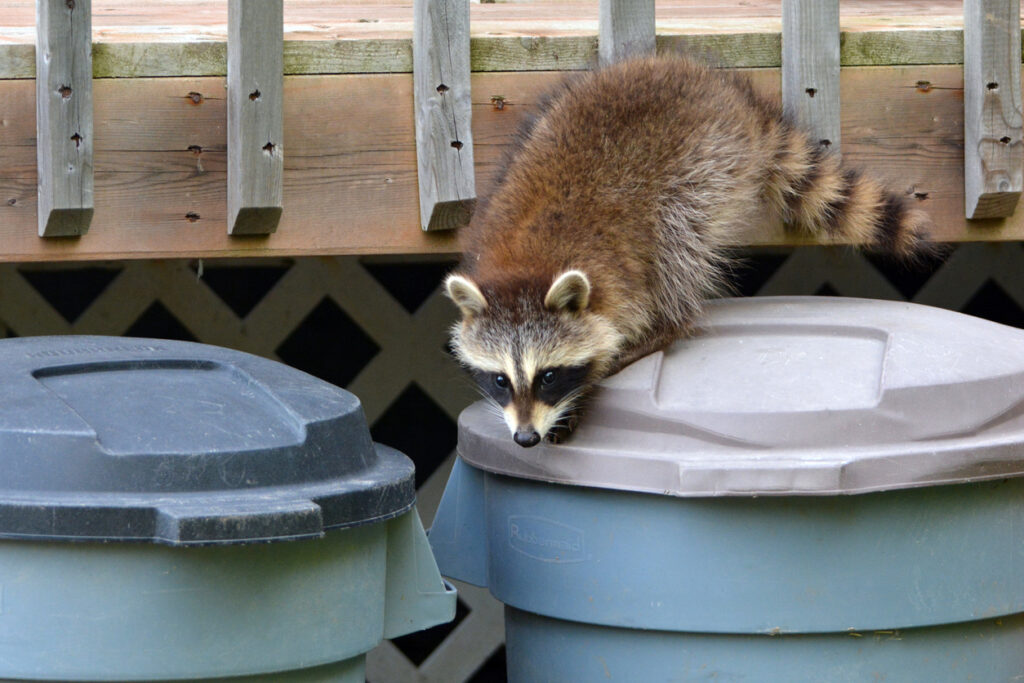
Raccoons have transitioned from being elusive forest dwellers to becoming some of the most intelligent “urban warriors” in North America. Often called “trash pandas,” these mammals have developed advanced problem-solving skills specifically to bypass human deterrents. In a series of cognitive tests conducted in 2017, researchers found that urban raccoons were significantly more adept at opening complex locks and latches than their rural counterparts. This suggests that the challenges of city life, such as secured garbage bins and residential barriers, are actually making the species smarter and more resourceful over time.
Their success is also tied to their ability to memorize human schedules. Many urban raccoons have learned to track the specific nights when trash is left on the curb for collection, minimizing their energy expenditure by showing up exactly when food is most accessible. This level of behavioral flexibility shows that intelligence is a primary survival trait in human-dominated landscapes. By navigating traffic and exploiting artificial light to hunt at night, raccoons have turned the “concrete jungle” into a thriving habitat where they often live in higher densities than they ever did in the wild.
Clever Urban Crows
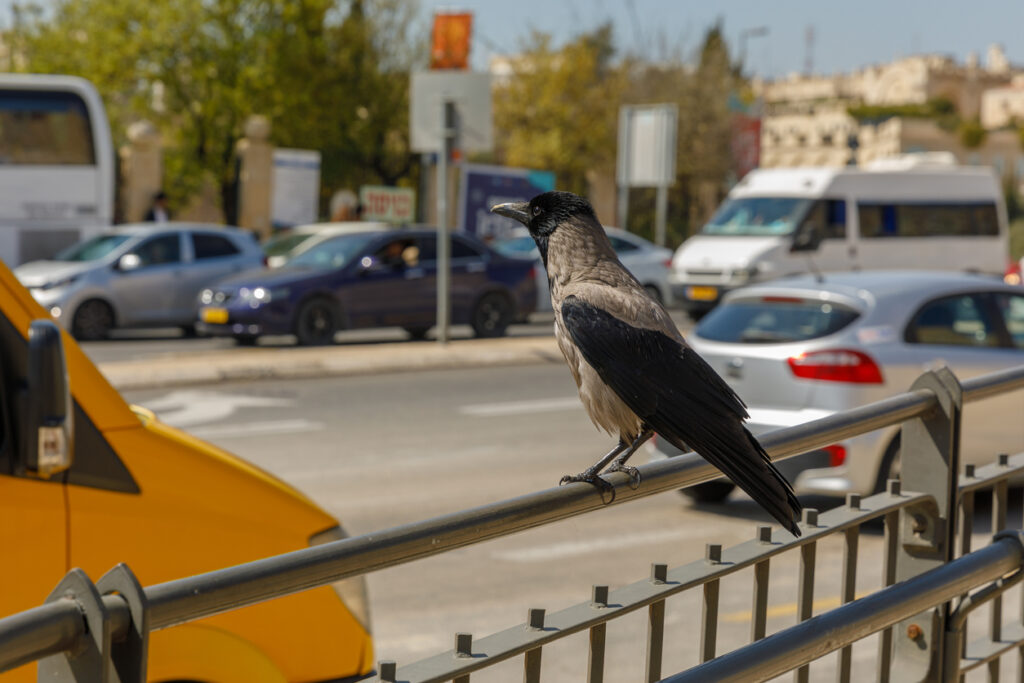
Crows are among the most cognitively advanced birds on the planet, and their interactions with humans have pushed their intelligence to new heights. One of the most famous examples of their adaptation was documented in Japan during the late 1990s, where crows were observed placing hard-shelled nuts in front of cars at traffic lights. The birds waited for the vehicles to drive over and crack the shells, then returned to collect the food once the light turned red and traffic stopped. This use of human technology as a tool demonstrates a sophisticated understanding of cause and effect.
In addition to using our cars as nutcrackers, crows have developed the ability to recognize individual human faces. A landmark study at the University of Washington in 2008 proved that crows could identify “dangerous” humans who had previously captured them, even if those people were wearing masks. They can hold these grudges for years and even “warn” other crows about specific individuals, passing the information down to younger generations. This social learning and memory ensure that crow populations stay one step ahead of human threats, making them one of the most successful species living among us today.
House Mice Evolving Fast
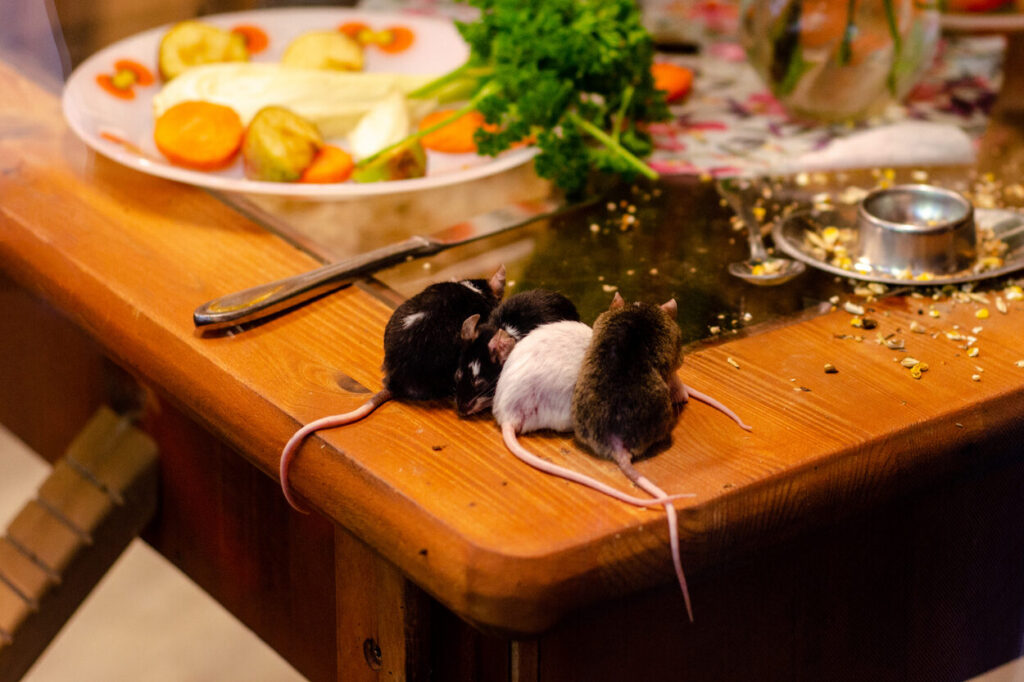
The common house mouse has lived in the shadows of human civilization for over 10,000 years, ever since the first agricultural settlements appeared in the Fertile Crescent. However, their evolution has reached a fever pitch in the modern era. Recent genetic studies have revealed that mice living in major cities, like New York or London, are developing distinct genetic signatures that separate them from mice in nearby rural areas. These changes are often linked to their diet, as urban mice have evolved to better process the high-fat, high-sugar foods that dominate the human waste they consume.
Environmental pressures have also led some populations of mice to develop incredible resistance to chemical deterrents. In various parts of Europe and North America, mice have evolved a resistance to warfarin, a common poison used by pest control services, through a process of rapid genetic mutation. This “super mouse” phenomenon shows that our attempts to eradicate them are actually driving their evolution, making them hardier and more difficult to manage. The house mouse serves as a perfect example of how the environments we build serve as laboratories for accelerated biological change.
Elephants Losing Tusks
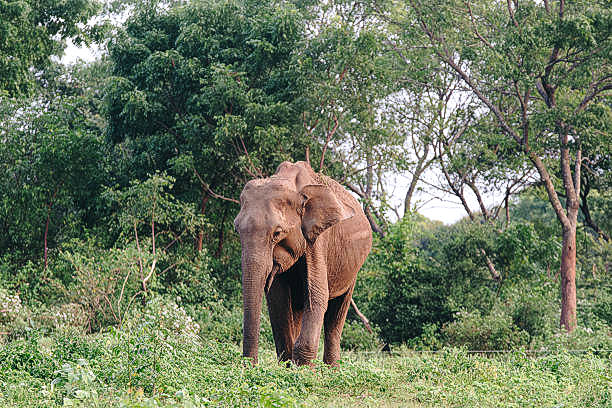
In a somber example of human-driven change, African elephants are physically evolving in response to the illegal ivory trade. For centuries, large tusks were a survival advantage for digging for water and defending territory. However, during the Mozambican Civil War from 1977 to 1992, intense poaching for ivory decimated the elephant population in Gorongosa National Park. Because poachers specifically targeted elephants with large tusks, those born without tusks had a much higher chance of surviving and passing on their genes to the next generation.
By the early 2000s, researchers noticed a staggering shift: nearly 50% of the female elephants in the park were tuskless, compared to only about 18% in the years before the conflict. This is a rare instance where a human-imposed threat has fundamentally altered the anatomy of a large mammal in just a few decades. While being tuskless saves them from poachers, it changes how they interact with the ecosystem, as they can no longer strip bark from trees or dig as effectively. This demonstrates the profound and often unintended ways our actions reshape the natural world.
Atlantic Cod Shrinking
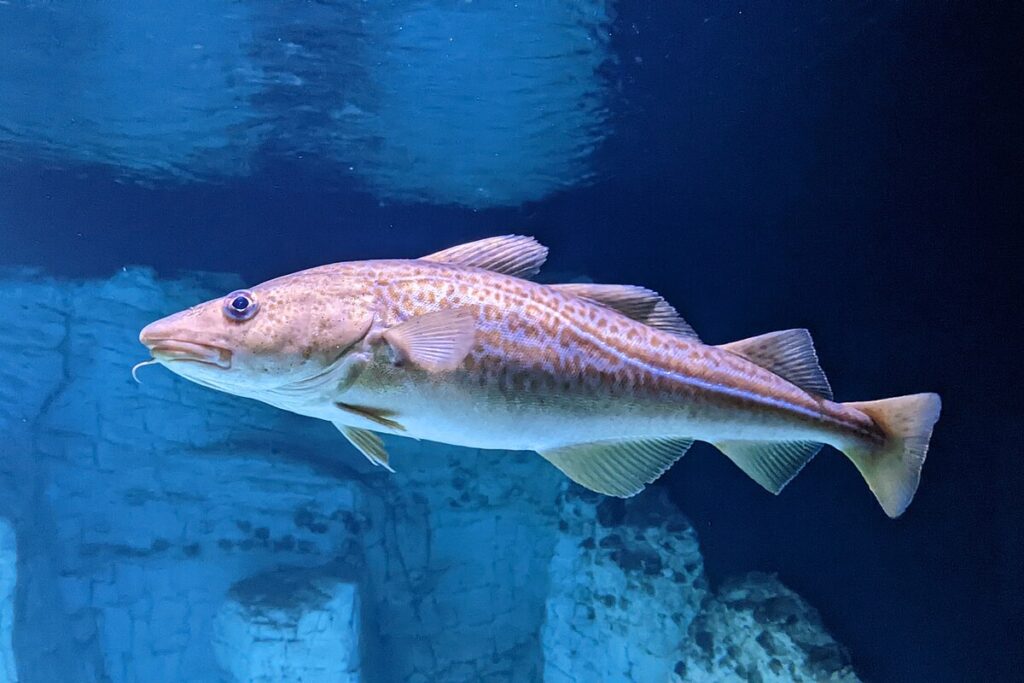
Over the last century, the Atlantic cod has undergone a massive biological shift due to the pressures of commercial fishing. In the early 1900s, it was common to find massive cod that lived for many years and grew to impressive sizes. However, as industrial fishing technology improved and demand surged, the largest fish were consistently removed from the ocean. This created a selective pressure where fish that were naturally smaller and matured at a younger age were the ones that survived to reproduce, leading to a permanent change in the species’ life cycle.
By the time the Canadian cod fishery collapsed in 1992, the remaining populations looked very different from their ancestors. Today, Atlantic cod reach sexual maturity much earlier in their lives and rarely reach the massive sizes seen in historical records. Scientists refer to this as “fisheries-induced evolution.” This change is problematic because smaller, younger fish generally produce fewer and less resilient eggs, which makes it much harder for the population to recover even when fishing is restricted. This serves as a cautionary tale of how human consumption can shrink the vitality of a species.
Bighorn Sheep Smaller Horns
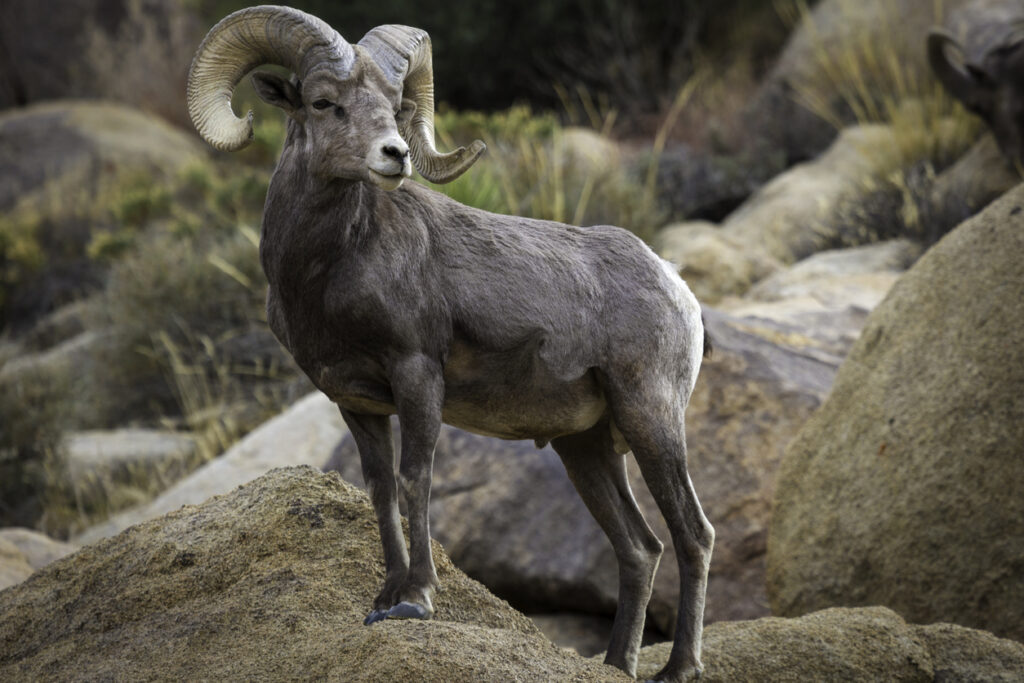
The Bighorn sheep of North America are iconic for their massive, spiraling horns, which males use in dramatic head-butting contests to win the right to mate. Unfortunately, these very horns have made them a prime target for trophy hunters. For decades, hunters have sought out the rams with the largest, most impressive headgear. A long-term study at Ram Mountain in Alberta, Canada, which began in the early 1970s, revealed that this selective hunting has led to a measurable decline in the average horn size and body weight of the sheep.
Because the “alpha” males with the largest horns are being removed from the population before they can finish their peak reproductive years, the smaller-horned males are left to sire the next generation. Over the course of 30 years, researchers documented a 25% decrease in horn size among the rams in that specific population. This is a classic case of artificial selection, where human preference for a specific trait, large horns, results in the gradual disappearance of that trait from the wild. It shows that even recreational activities can have a lasting impact on animal genetics.
Wary Brown Trout
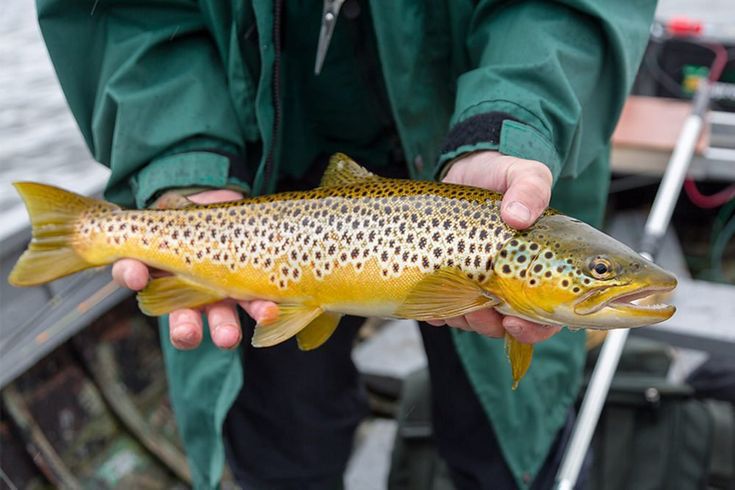
Recreational fishing might seem like a minor influence compared to industrial harvesting, but it has significantly altered the behavior of brown trout in European rivers. In areas that are heavily frequented by anglers, the trout have become famously difficult to catch. This isn’t just luck; it is a behavioral adaptation known as “survival of the wariest.” Studies conducted over several decades have shown that fish with a natural boldness or a high metabolism are more likely to strike at an angler’s lure, leading to their removal from the gene pool.
The fish that remain are those that are naturally more cautious and less likely to take risks. These shy traits are passed on to their offspring, creating entire populations of trout that are genetically predisposed to avoid anything that looks suspicious. By the early 2000s, researchers noted that this shift in temperament could also affect how the fish forage for natural food, potentially slowing their growth rates. This example proves that even the simple act of a human casting a line can influence the personality and survival strategies of a species over many generations.
Peppered Moths Darken
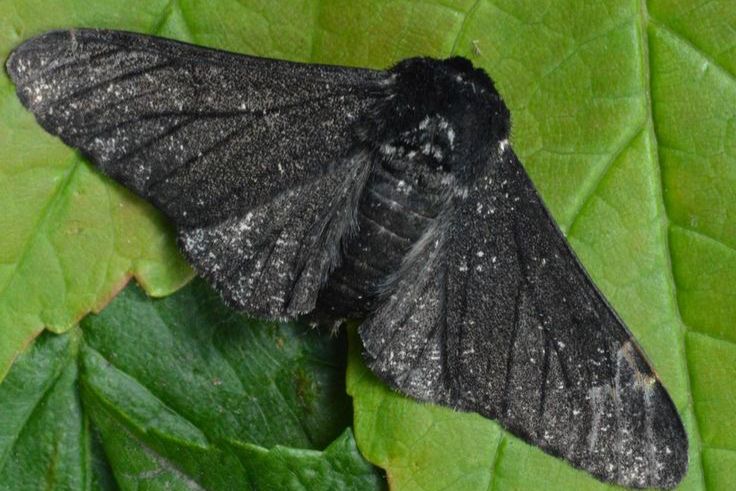
The story of the peppered moth is perhaps the most famous example of “industrial melanism” in history. Before the mid-19th century, the majority of these moths in England had light, speckled wings that allowed them to blend in perfectly with the lichen-covered bark of trees. However, as the Industrial Revolution took hold in the 1850s, heavy soot from coal-burning factories began to kill the lichen and blacken the tree trunks. The light-colored moths suddenly became easy targets for birds, while a rare dark mutation suddenly had the advantage.
By the late 1800s, the dark-colored moths made up nearly 98% of the population in industrial areas like Manchester. This rapid shift provided a clear, visible demonstration of natural selection in a human-altered environment. Interestingly, once the UK passed the Clean Air Act in 1956 and pollution levels began to drop, the trees returned to their natural state, and the light-colored moths regained their dominance. This shows that while humans can drive rapid evolutionary changes, nature is sometimes capable of swinging back when we take steps to repair the environment.
Polar Bears On Land
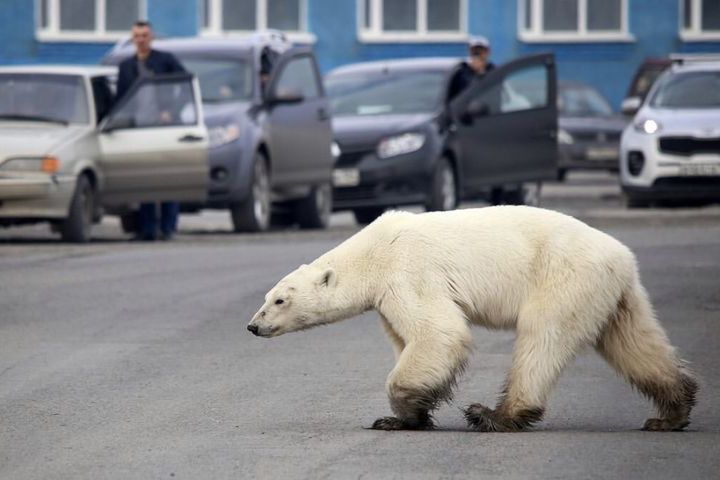
Polar bears have traditionally been the masters of the Arctic sea ice, using it as a platform to hunt calorie-rich seals. However, since the late 1970s, satellite data has shown a steady decline in Arctic ice thickness and extent due to human-driven climate change. This environmental shift has forced many bear populations to spend significantly more time on solid ground during the summer months. On land, they are forced to pivot their hunting strategies, often targeting bird colonies for eggs or scavenging for berries and kelp, which provide far less energy than their natural blubber-heavy diet.
This forced migration toward land has led to more frequent and dangerous interactions with human settlements. In places like Churchill, Manitoba, bears have learned to frequent local landfills or investigate food storage areas, displaying a bold new level of scavenging behavior. Furthermore, as their habitat overlaps more with inland species, a rare phenomenon has emerged: the “pizzly” or “grolar” bear. First confirmed in the wild in 2006, these hybrids are the result of polar bears mating with grizzly bears. These biological and behavioral shifts highlight the desperate measures a species must take when its primary environment literally melts away.
Silent Rattlesnakes
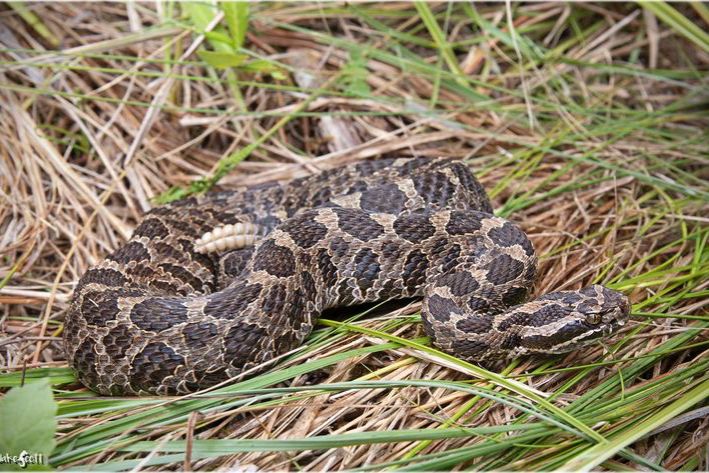
For centuries, the prairie rattlesnake has relied on its iconic rattle to warn off large animals and potential predators, a behavior that effectively prevents accidental trampling. However, in regions of the American West with high human foot traffic and residential development, this survival strategy has backfired. Humans who hear the distinct buzzing sound often react by killing the snake. Over several decades, this has created a powerful selective pressure where “loud” snakes are removed from the population, while those with a genetic predisposition for silence go unnoticed and survive to reproduce.
Researchers and naturalists have noted that in some high-density areas, rattlesnakes are increasingly staying coiled and motionless rather than sounding their alarm. While this helps the snakes avoid being targeted by humans, it creates a new set of risks for people who may accidentally step on a camouflaged, silent predator. This shift from an auditory warning to total reliance on stealth is a perfect example of how human intolerance for a specific animal trait can force a species to abandon a behavior that has served it well for thousands of years.
Hedgehogs Change Tactics
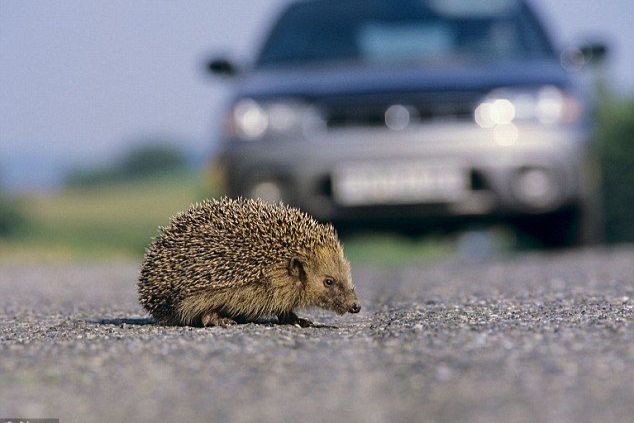
Hedgehogs are famous for their “curl and wait” defense mechanism, where they roll into a tight ball of sharp spines to deter predators like foxes. While this tactic is nearly foolproof against natural enemies, it is a fatal mistake when facing a two-ton motor vehicle. For decades, the leading cause of hedgehog mortality in Europe has been road traffic. Interestingly, recent observations suggest that some urban and suburban populations are beginning to adapt their instincts. Instead of freezing and curling up when they feel the vibration of an approaching car, some individuals are choosing to run for the nearest curb.
This behavioral shift is particularly noticeable on smooth, artificial surfaces like asphalt, where the animals can achieve higher speeds than they can in thick grass. While this “flight” response is not yet universal across the species, it represents a significant break from a deeply ingrained evolutionary instinct. Since the early 2000s, wildlife biologists have monitored these changes to see if “road-smart” hedgehogs will eventually dominate the gene pool. It is a fascinating look at how modern infrastructure can rewrite the basic survival manual of a small mammal in real-time.
Dogs Read Humans

The transformation of wolves into domestic dogs is perhaps the most successful biological partnership in history, beginning roughly 15,000 to 30,000 years ago. Throughout this period, dogs have evolved a specialized form of social intelligence that allows them to “read” humans better than any other animal, including non-human primates. One of the most striking behavioral shifts is their ability to understand deictic gestures, such as pointing. While a wolf will simply look at a person’s finger, a dog understands that the person is directing their attention to a specific object or location in the distance.
Recent studies published in the 2010s have even shown that dogs have developed specific facial muscles, such as the one used to raise their inner eyebrows, to create “puppy dog eyes” that trigger a nurturing response in humans. This isn’t just a physical trait; it’s a behavioral tool used to communicate needs and strengthen bonds. Whether they are free-ranging strays navigating city streets by watching traffic lights or family pets sensing their owner’s emotions, dogs have evolved to be perfectly in tune with the human frequency. Their very survival is now hard-coded to their ability to cooperate with and manipulate human behavior.
Tame Silver Foxes
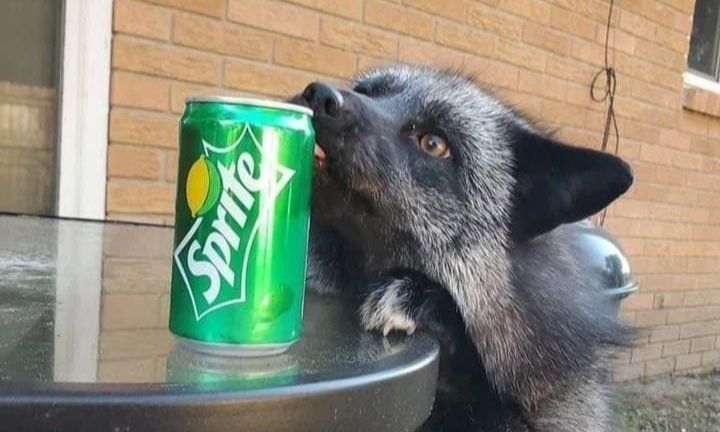
In 1959, Soviet biologist Dmitry Belyaev began an ambitious experiment in Siberia to see if he could recreate the domestication of dogs using wild silver foxes. By selecting only the most approachable and least aggressive individuals to breed, he managed to transform the behavior of the entire population in a remarkably short time. Within just ten generations, the foxes began seeking out human contact and wagging their tails when researchers approached. This experiment proved that “tameness” is a heritable trait that can be rapidly amplified through targeted selection.
The most shocking result, however, was that as the foxes’ behavior changed, their physical appearance changed too. By the 1970s, the “domesticated” foxes began to sprout white patches of fur, developed floppy ears, and grew shorter, curled tails, traits they shared with domestic dogs but not with wild foxes. This “domestication syndrome” showed that selecting for a specific behavior can cause a cascade of genetic changes across the entire body. Today, the descendants of these foxes continue to provide scientists with a living map of how human interaction can fundamentally reshape the biology of a wild predator.
Talking Grey Parrots
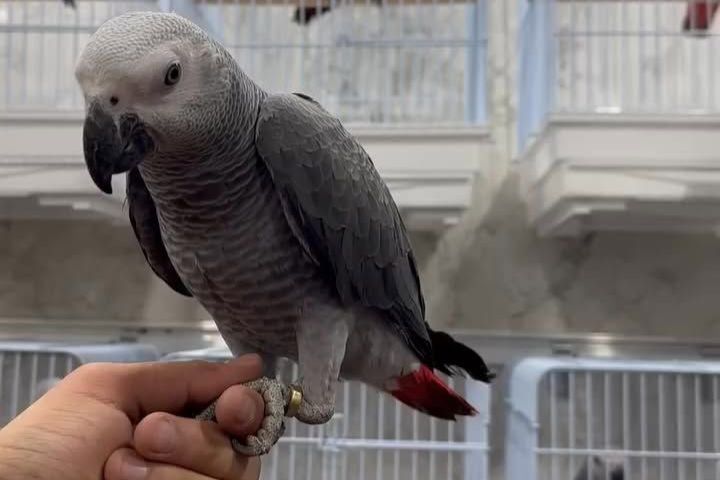
African grey parrots are renowned for their vocal mimicry, but their interaction with humans has revealed a level of cognitive depth that mirrors the intelligence of a young child. The most famous example of this was Alex, a parrot studied by Dr. Irene Pepperberg from 1977 until his death in 2007. Alex didn’t just repeat sounds; he learned to use English words to categorize objects by color, shape, and material. He could count up to six and even express frustration or boredom, proving that parrots are capable of complex abstract thought when placed in a structured human learning environment.
This expansion of behavior is a direct result of the intense social stimulation provided by human caretakers. In the wild, these parrots use a variety of clicks and whistles to communicate with their flock, but in captivity, they pivot their linguistic abilities to bridge the gap between species. This shows that the potential for advanced communication was always there, but it required a human catalyst to unlock it. The behavior of talking parrots serves as a reminder that many species possess “hidden” intellectual capabilities that only emerge when they are challenged by the complexities of the human world.
Nylon-Eating Bacteria
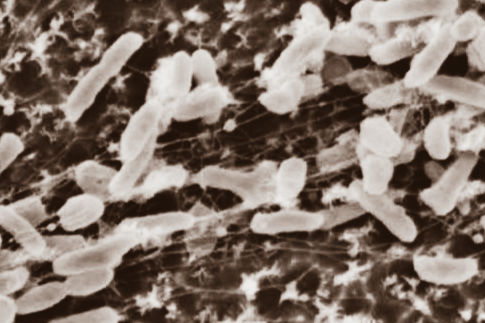
Evolution isn’t limited to large animals; even the microscopic world is scrambling to keep up with human invention. In 1935, the world saw the invention of nylon, a fully synthetic material that does not occur in nature. By 1975, scientists discovered a strain of bacteria, Paenarthrobacter ureafaciens KI72, living in the wastewater of a nylon factory that had evolved the ability to eat the by-products of nylon manufacture. This was a stunning discovery because the enzymes required to digest these synthetic chemicals simply did not exist forty years prior.
This rapid adaptation is one of the most cited examples of “neofunctionalization,” where a species develops an entirely new biological function to exploit a human-made resource. These bacteria have essentially learned to survive on a “diet” of industrial waste that would be toxic to almost any other life form. As we continue to saturate the planet with plastics and synthetic chemicals, these microbes represent a new frontier of evolution. They demonstrate that life is incredibly opportunistic and will eventually find a way to consume even the most artificial materials humans leave behind in the environment.


