
1. Groceries That Quietly Climb
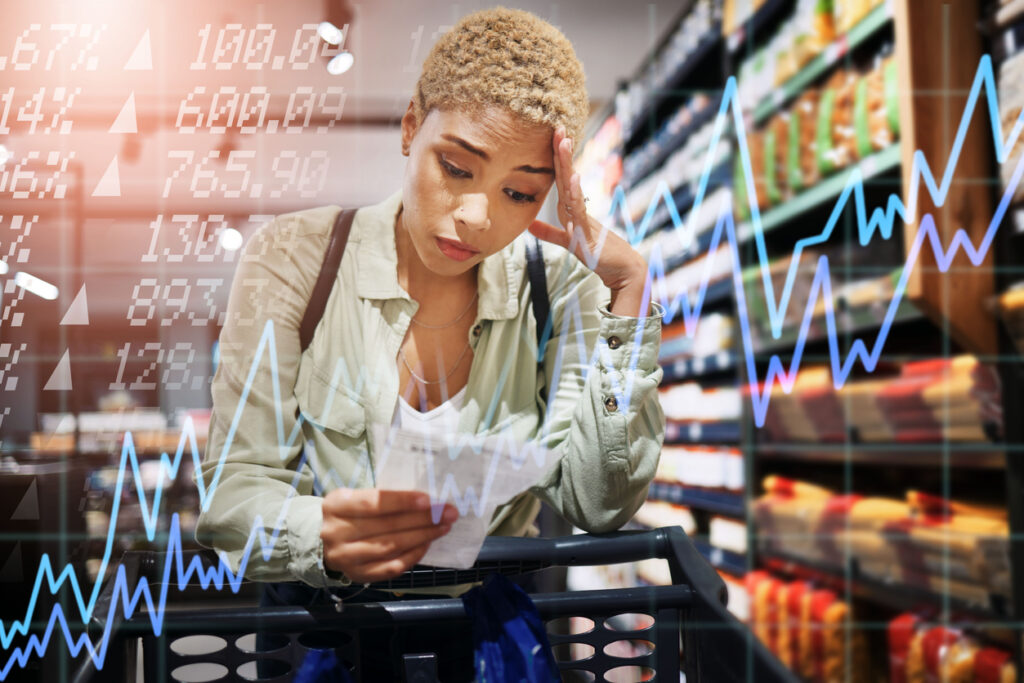
You know that feeling when you walk into the store for your usual items and somehow the total just feels a little off? It is not always something you can point at immediately, but it lingers. This is where tariffs quietly step in. Many of the foods we buy rely on ingredients sourced from outside the country, and when those costs go up, the effect slowly finds its way to the shelf. It does not happen overnight, which is why it feels so subtle at first. You just notice your money does not stretch the same way it used to. You may even brush it off the first few times, thinking it is just a random change or a one off increase that will balance itself out soon enough.
Over time, it becomes clearer. That cooking oil you buy regularly costs a bit more, your favorite snacks are not on discount as often, and your grocery routine starts to feel slightly tighter. You might adjust without even thinking about it, maybe picking fewer extras or switching brands. It is not dramatic, just a steady shift that builds quietly. And before long, your regular shopping trip feels like it requires more planning than it used to. You start double checking prices, comparing options, and being more mindful of what goes into your basket each time.
2. Electronics Getting Pricier
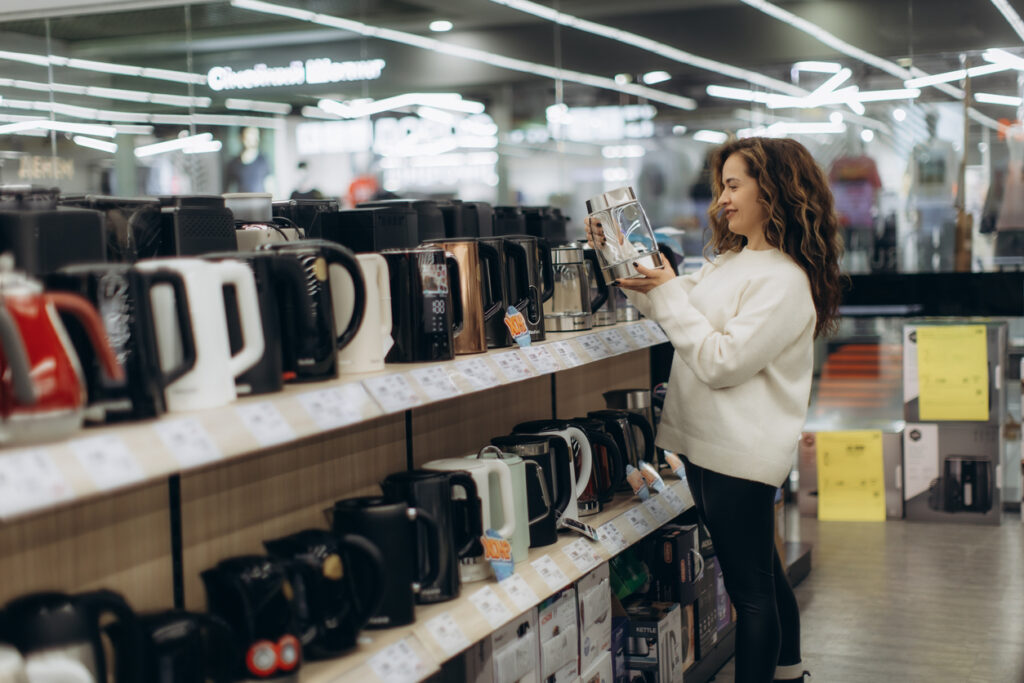
It usually starts when you decide to replace something you use every day. Maybe your phone is slowing down or your laptop has seen better days. You check online or walk into a store expecting familiar price ranges, but something feels different. Electronics are built from parts that often come from different countries, and when tariffs affect those components, the final cost changes too. It is not always obvious from the outside, but it shows up clearly when you are ready to buy. You might scroll longer than usual, trying to find something that still fits within what you had in mind.
You might find yourself hesitating a bit longer before making the purchase. The difference may not be huge at first glance, but it is enough to make you reconsider your timing. Maybe you decide to repair instead of replace, or wait a little longer before upgrading. It becomes one of those quiet decisions where you weigh what you need against what you can afford, and that balance feels slightly different than it did before. Even accessories start to feel less like quick add ons and more like purchases you think through.
3. Clothing Costs Adding Up
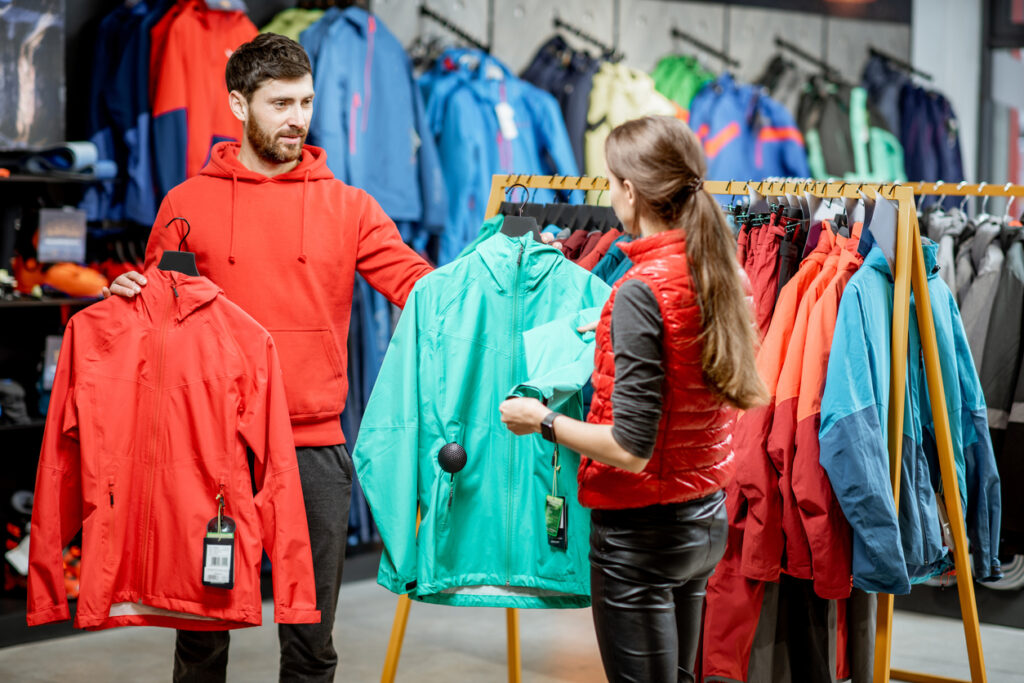
You step into a store thinking you will just grab a few basics, something simple and familiar. But as you look through the racks, you start to notice the prices feel a bit higher than you remember. Clothing often comes from global supply chains, whether it is the fabric or the finished piece itself. When tariffs affect those imports, the cost slowly makes its way to you. It is not always obvious, but it is there in the background. You may even pause and check the tag twice, just to be sure you are not imagining the difference.
Instead of one big change, it shows up in smaller ways. Sales do not feel as generous, and the starting prices seem slightly higher than usual. You might pick fewer items or think twice before adding something extra to your basket. Over time, it changes how you shop without you even realizing it. What used to feel like a quick stop becomes something you plan a little more carefully, just to stay within your comfort zone. You begin to focus more on value and how long each piece will last.
4. Cars And Spare Parts
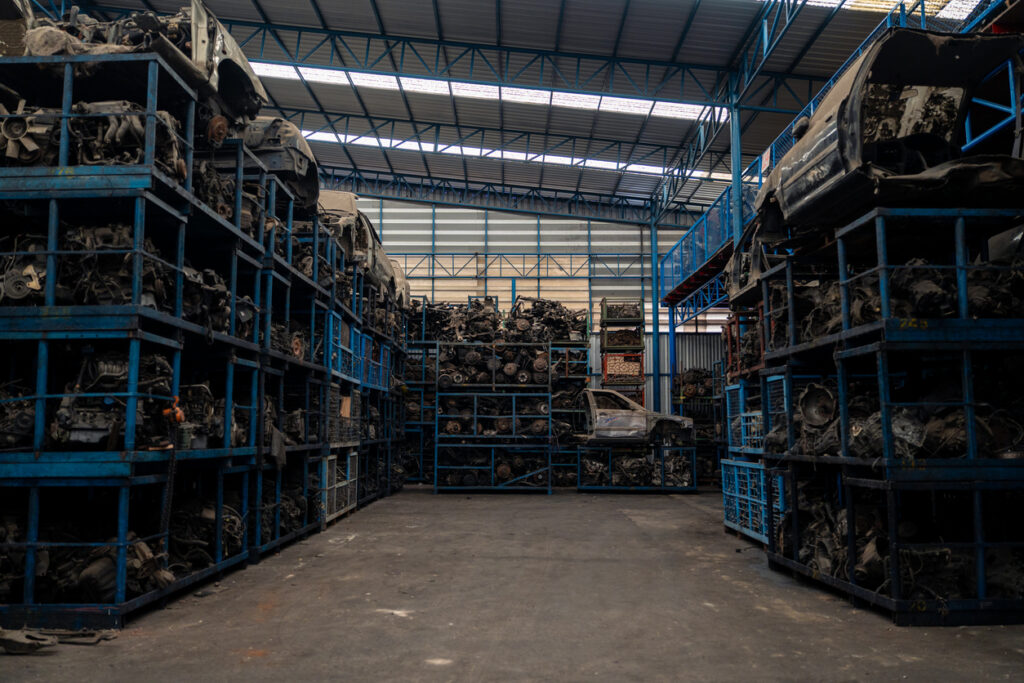
You rarely think about this until something needs fixing. Maybe your car starts making a sound you cannot ignore, or it is time for a routine replacement. You take it in, expecting a certain range, but the quote feels higher than expected. Many car parts are sourced internationally, and when tariffs increase those costs, it shows up in repairs and replacements. It is one of those moments that catches you off guard. You might even ask for a breakdown, trying to understand where the extra cost is coming from.
Even if you are not buying a new car, maintaining the one you have can feel more expensive. Small fixes add up, and what used to feel manageable starts to require more thought. You might delay non urgent repairs or ask more questions before agreeing to anything. It becomes less about convenience and more about careful decisions, all because of changes that happened far from where you are standing. Over time, you start budgeting differently just to keep things running smoothly.
5. Household Appliances Rising
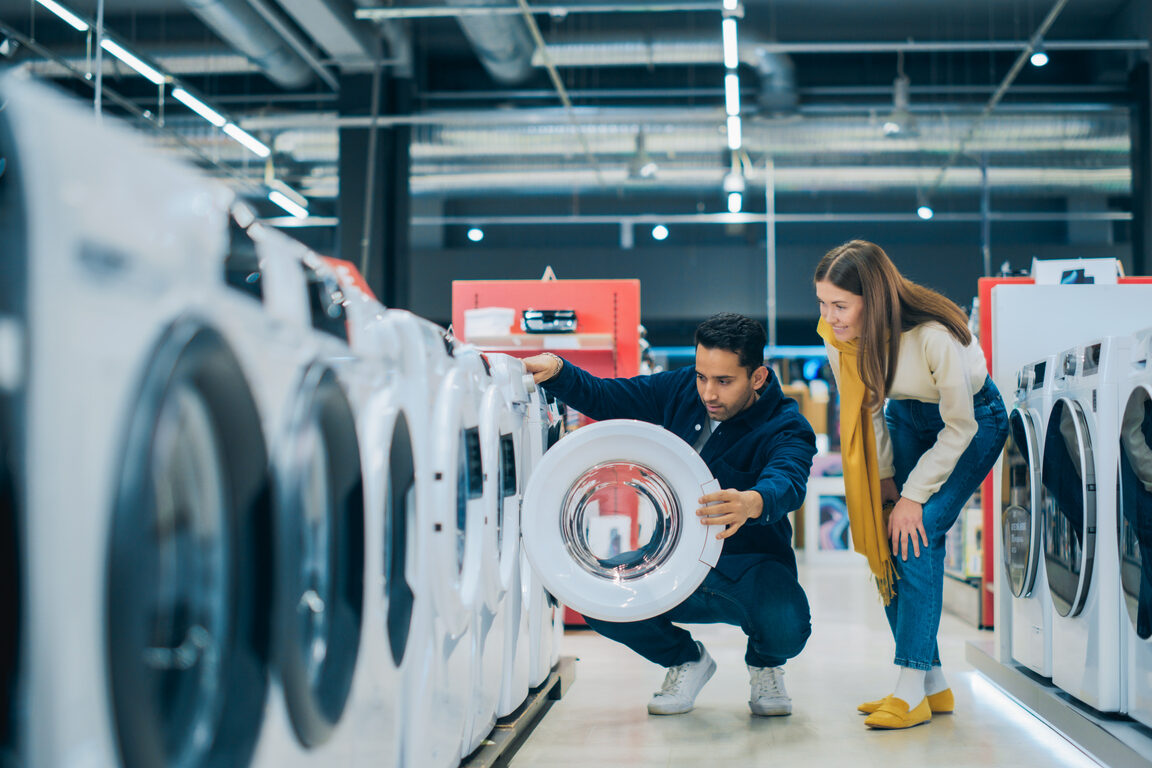
It always seems to happen at the worst possible time. Something breaks, maybe your fridge or washing machine, and suddenly you need a replacement. You start looking around, expecting a certain price range, but things feel slightly higher than you anticipated. Appliances depend on materials and components that often come from different places, and tariffs can quietly push those costs upward. You may find yourself checking more stores than usual, hoping to find something that feels reasonable.
What should feel like a straightforward purchase becomes something you pause over. You compare more options, check more stores, and think more carefully about what you really need. Even basic models can feel like a bigger investment than before. It is not just about replacing what is broken anymore, it is about making sure you are spending wisely. That shift in mindset is where the impact really settles in. You begin to see these purchases less as routine and more as decisions that need planning.
6. Furniture Feeling Less Affordable

You might notice this when you are trying to refresh your space, maybe a new couch or a small table to brighten things up. You browse, expecting to find something within your usual range, but the prices feel a bit out of reach. Furniture often relies on imported materials or is made abroad, and tariffs can slowly increase those costs before they reach you. You may even leave the store or close the page feeling unsure if now is the right time to buy.
Instead of making a quick decision, you take your time. You compare more, wait for deals, or even decide to hold off completely. It becomes less about what you want and more about what makes sense right now. Over time, even small home upgrades feel like something you need to plan for. That easy feeling of just picking something you like slowly fades into more careful thinking. You begin to appreciate what you already have a little more.
7. Beauty And Personal Care Products

This one shows up in the little routines you hardly think about. You run out of your usual products and go to restock, expecting the same price you always pay. But it feels slightly higher, just enough to catch your attention. Many beauty products rely on imported ingredients or packaging, and when tariffs affect those, the changes quietly reach the shelf. You might pause for a second, wondering if the price has always been that way.
It does not feel dramatic, but it is consistent. Over time, you notice how often you are buying these items and how the cost adds up. You might start using products more sparingly or trying alternatives that fit your budget better. It is a small adjustment, but it becomes part of your routine. Without realizing it, you are adapting to changes that started far away from your everyday life. You begin to rethink what feels essential and what can wait.
8. Construction And Housing Costs

If you have ever thought about building or renovating, this is where things can feel heavier. You get an estimate, and it is higher than you expected, even for something simple. Materials like steel and aluminum are often imported, and tariffs can increase those costs before they even reach your project. It is not always something you see clearly, but you feel it in the final number. You may find yourself going over the estimate more than once, trying to make sense of it.
Plans that once felt easy now require more thought. You might scale back, delay, or adjust your expectations. What seemed straightforward becomes something you need to carefully consider. It is not just about what you want to build, it is about what you can realistically afford. That shift changes how you approach even the smallest improvements. You begin to plan in stages instead of doing everything at once.
9. Food Delivery And Dining Out

You order your usual meal, something you have had many times, and the price feels slightly different. Not enough to stop you, but enough to notice. Restaurants deal with rising costs too, from ingredients to packaging and equipment. When those costs increase, the changes often show up quietly on the menu. You may even scroll through options longer, comparing prices before deciding.
It happens gradually, so it blends into your routine. But over time, you might find yourself ordering less often or choosing simpler options. Dining out starts to feel like something you plan instead of something you do casually. It is a small shift, but it changes how often you treat yourself. Those little decisions add up and shape your everyday habits. You begin to appreciate those moments more when you do decide to indulge.
10. The Overall Cost Of Living Shift

At some point, it all connects. It is not just one thing anymore, it is many small changes happening at once. Groceries, repairs, shopping, even small treats all feel slightly more expensive than they used to. You may not track each increase, but you feel it in how your money moves each month. It is that quiet pressure that makes you pause more often. You start noticing patterns in your spending that you did not pay attention to before.
You begin making small adjustments without thinking too much about it. Maybe you plan more, spend more carefully, or cut back in places you once did not consider. It is not about one big change, it is about everything shifting together. And as you notice it more, you begin to understand how those distant decisions slowly shape your everyday life. If this felt familiar, share it with someone who has been noticing the same thing and keep the conversation going.


