
George Clooney’s Batman Regret
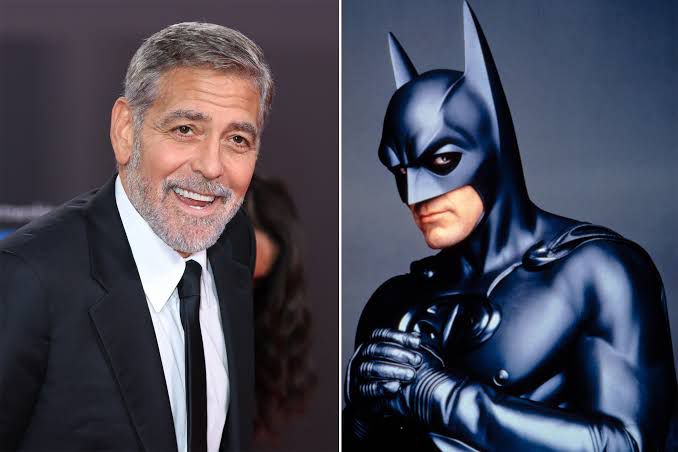
When George Clooney took on the role of Bruce Wayne in Batman & Robin, released on June 20, 1997, he was already a TV heartthrob on ER. Directed by Joel Schumacher, the film was a neon-soaked spectacle featuring Arnold Schwarzenegger and Uma Thurman. Warner Bros. expected a gold mine, but the movie was savaged by critics for its campy tone and those infamous “Bat-nipples” on the suit. Even though it earned over $238 million globally, it almost killed the franchise.
Clooney has spent decades hilariously apologizing for the film, often joking in interviews that he thought he had personally destroyed the Batman legacy. He felt the movie was a “work-for-hire” project that lacked the grit of the original comics. This experience changed his entire career path; he became much more selective about his scripts, eventually leading to his Oscar win for Syriana in 2005. To this day, he considers it a massive learning curve in his Hollywood journey.
Viola Davis And The Help
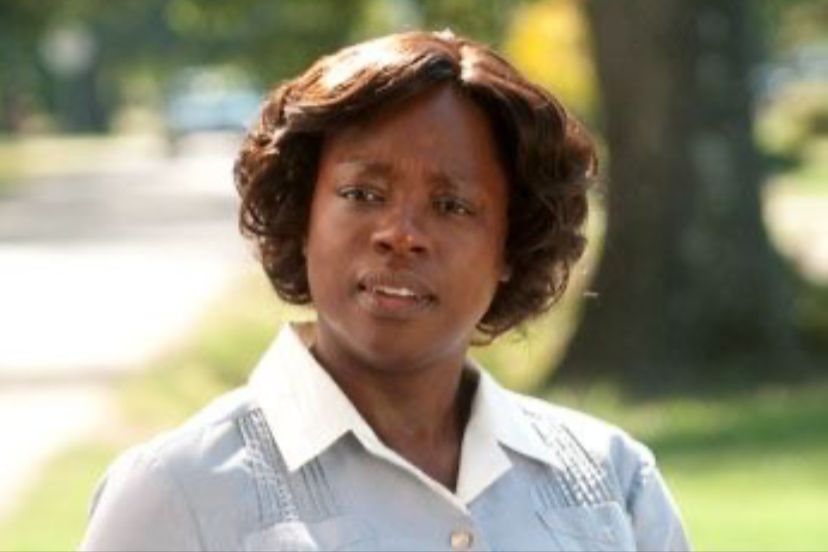
The Help was a massive hit when it hit theaters on August 10, 2011, earning four Academy Award nominations and winning one for Octavia Spencer. Based on Kathryn Stockett’s 2009 novel, the story focused on Black maids in 1960s Mississippi. Viola Davis delivered a heartbreaking performance as Aibileen Clark, a role that shot her to the top of the A-list. Audiences loved the film’s emotional weight, but Davis began to feel uneasy about the movie’s perspective as the years passed.
By 2018, Davis admitted in an interview with The New York Times that she regretted the role. She explained that while she loved the people she worked with, she felt the movie didn’t actually tell the truth about the maids’ lives. Instead, it focused on the white characters’ experiences. Davis felt the “Black voices” were filtered through a “white lens,” making the story feel incomplete. Since then, she has prioritized projects like Fences (2016) that offer more authentic and complex portrayals of Black history.
Channing Tatum And G.I. Joe
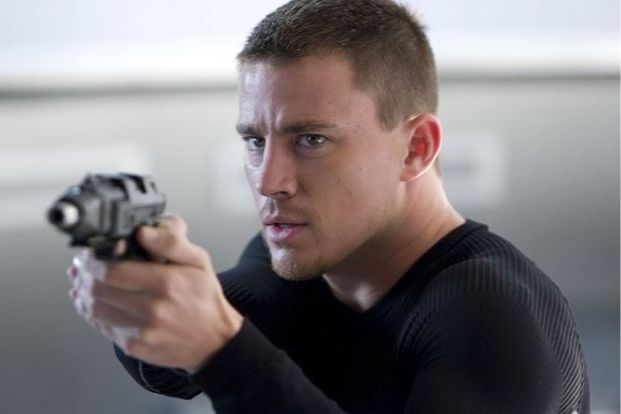
Before he was a comedy star or a dance icon, Channing Tatum suited up for G.I. Joe: The Rise of Cobra, which premiered on August 7, 2009. Directed by Stephen Sommers, the movie was a loud, high-octane adaptation of the popular Hasbro toys. Tatum played Duke, the lead soldier, and while the film raked in over $302 million at the box office, the actor was miserable behind the scenes. He wasn’t there by choice; he was legally bound by a contract.
Tatum later confessed on The Howard Stern Show that he “hated” the movie and was pushed into doing it by the studio. He felt the script wasn’t very good and didn’t want to play a character he had no passion for. Because he had signed a three-picture deal early in his career, he felt trapped by the production. Fortunately, his later success in films like Magic Mike in 2012 allowed him to take total control of his career and avoid roles that felt like a chore.
Sandra Bullock’s Sequel Embarrassment
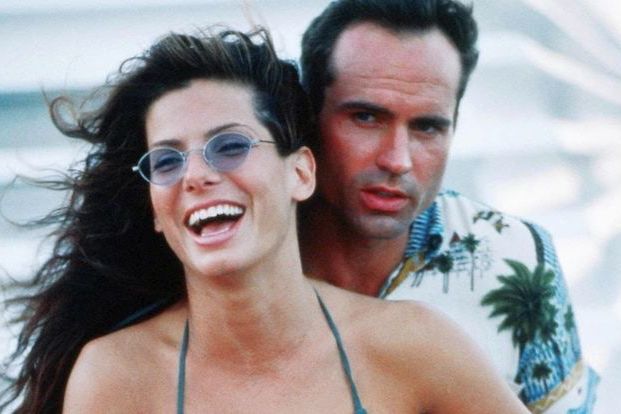
Sandra Bullock became a superstar after the 1994 hit Speed, but the follow-up was a different story entirely. Speed 2: Cruise Control was released on June 13, 1997, and swapped the fast-moving bus for a slow-moving cruise ship. Keanu Reeves famously turned down the sequel, leaving Bullock to star alongside Jason Patric. The movie was a critical disaster, with many people pointing out that a boat slowly heading toward an island just wasn’t very “speedy” or exciting.
Bullock has been very vocal about her regret, often calling the film “embarrassing” during press tours. She has joked that the plot made absolutely no sense and that she still feels a bit bad for making the fans sit through it. Despite the movie’s failure, Bullock’s career didn’t skip a beat, and she went on to win an Oscar for The Blind Side in 2009. She now uses the sequel as a funny example of why some stories are better left as a one-off.
Halle Berry’s Catwoman Moment
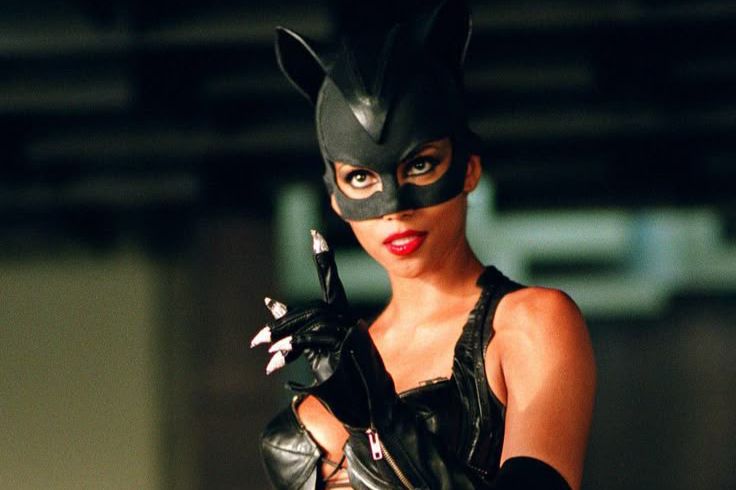
In July 2004, Halle Berry starred in Catwoman, a movie that was supposed to be a massive win for female-led superhero films. Coming off an Oscar win for Monster’s Ball in 2002, Berry was at the height of her fame. However, the film deviated wildly from the DC Comics source material, giving her character supernatural powers from a mystical cat. Critics hated the plot, the costume, and the editing, and the film became a legendary box-office flop.
Berry handled the situation with incredible class and a great sense of humor. She actually showed up in person to the 2005 Razzie Awards to accept the “Worst Actress” trophy, holding her Oscar in one hand and the Razzie in the other. In her speech, she thanked the studio for putting her in a “piece of garbage” movie. While she doesn’t take the failure personally, she has often reflected on how the production went off the rails despite the hard work of the cast.
Ben Affleck’s Daredevil Disappointment
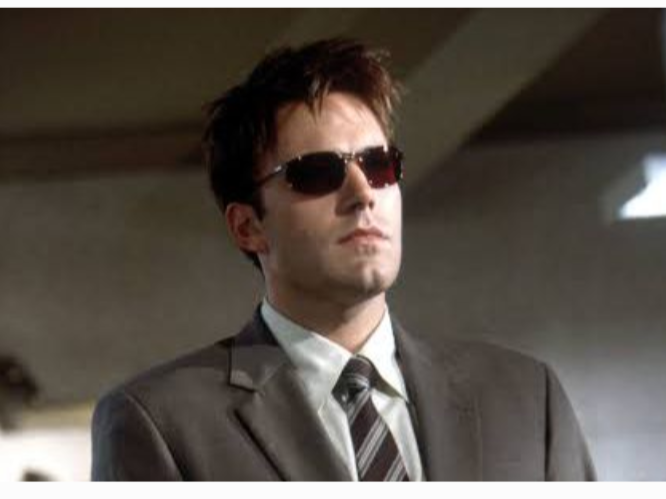
Long before he put on the cape for Batman v Superman in 2016, Ben Affleck played the blind lawyer-turned-vigilante in Daredevil, released on February 14, 2003. At the time, superhero movies were still finding their rhythm, and this film was a commercial success, earning $179 million. However, Affleck, who was a massive fan of the comic books as a kid, felt the movie failed to capture the dark, gritty essence of the character Matt Murdock.
In later years, Affleck admitted that he “hated” Daredevil and felt it was a missed opportunity. He believed the movie was too focused on early 2000s trends rather than the deep storytelling found in the source material. His disappointment with the project actually motivated him to take the role of Batman years later, as he wanted to finally “get a superhero movie right.” He viewed the 2003 film as a reminder that even big-budget projects can lose their way without a clear vision.
Zac Efron And Early Fame
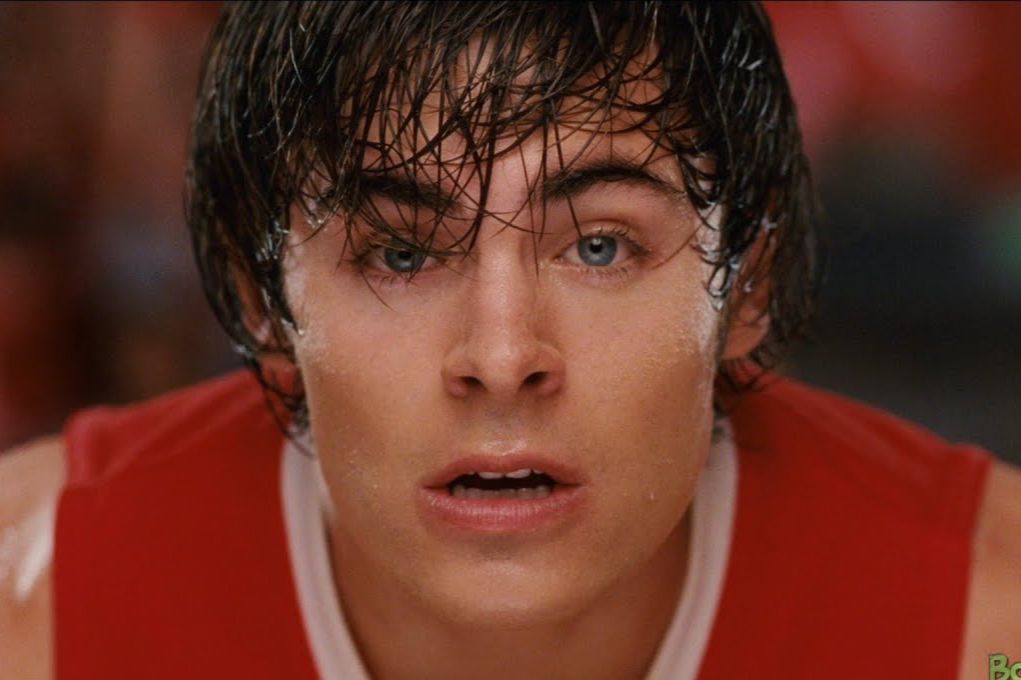
High School Musical debuted on the Disney Channel on January 20, 2006, and instantly turned Zac Efron into a global teen idol. As Troy Bolton, the basketball star who loved to sing, Efron became the face of a billion-dollar franchise that spanned three movies. The songs were everywhere, and Efron’s face was on every magazine cover. While he was grateful for the start, he struggled with being seen only as a “Disney kid” for years afterward.
In a 2016 interview with Men’s Fitness, Efron admitted that he sometimes wanted to go back in time and “kick that guy’s butt.” He felt that the squeaky-clean image of Troy Bolton made it very difficult for him to be taken seriously as a dramatic actor in Hollywood. It took years of gritty roles, like his performance in The Paperboy (2012) or playing Ted Bundy in 2019, to move past the shadow of the East High Wildcats. He now appreciates the fans but is glad to have moved on.
Katherine Heigl’s Knocked Up Critique
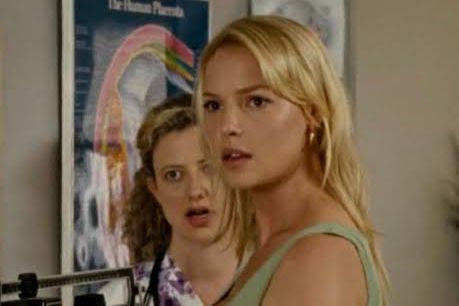
The 2007 comedy Knocked Up was a massive breakout for Katherine Heigl, cementing her status as a leading lady. Released on June 1, 2007, the film followed her character, Alison, as she dealt with an unplanned pregnancy after a one-night stand. The movie was a huge hit with critics and audiences, earning over $219 million. However, just a few months after its release, Heigl made headlines for calling the movie “a little sexist” in a high-profile interview with Vanity Fair.
Heigl felt that the film portrayed the women as humorless and “uptight,” while the men were shown as lovable, fun-fearing slackers. Her comments caused a major stir in the industry and led to a long-standing rift with director Judd Apatow and co-star Seth Rogen. While she later clarified that she enjoyed the experience of making the movie, her honest critique changed the public’s perception of her. It remains one of the most famous instances of an actor calling out their own successful project.
Harrison Ford’s Mixed Feelings
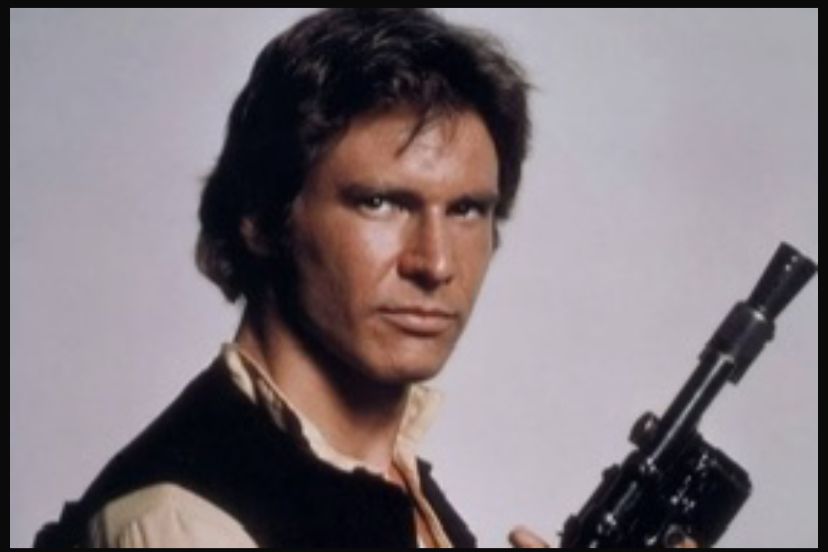
Harrison Ford is the king of iconic roles, but he hasn’t always been a fan of the process. While he is legendary as Han Solo, he famously asked George Lucas to kill off the character during the filming of Return of the Jedi, which hit theaters on May 25, 1983. Ford felt the character had run his course and didn’t have much more to contribute to the story. He eventually got his wish decades later in The Force Awakens in 2015.
Even Blade Runner, released on June 25, 1982, wasn’t a pleasant experience for him. Ford has spoken about the difficult shoot and his creative clashes with director Ridley Scott, particularly regarding the movie’s voice-over narration. He felt the studio’s changes undermined the mystery of the film. Although Blade Runner is now considered a sci-fi masterpiece, Ford remembers it more as a “marathon of frustration.” For him, these legendary films are often associated with tough days on set rather than movie magic.
Shia LaBeouf And Crystal Skull
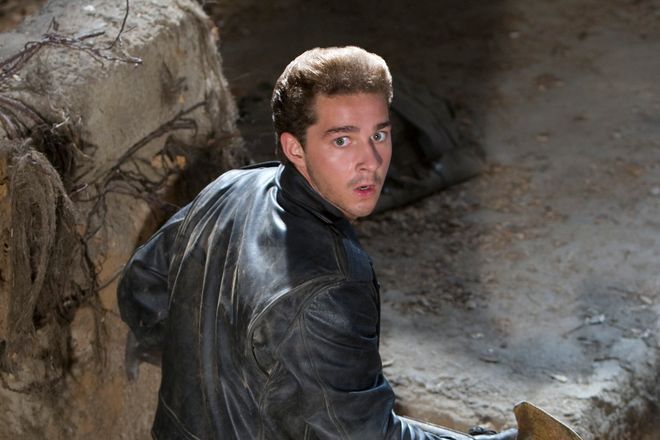
When Indiana Jones and the Kingdom of the Crystal Skull arrived on May 22, 2008, it was supposed to be the triumphant return of the world’s most famous archaeologist. Shia LaBeouf was cast as Mutt Williams, the leather-jacket-wearing son of Indy. While the film was a massive financial success, raking in nearly $790 million, it was heavily criticized by fans for its use of CGI and the infamous “nuking the fridge” scene.
In 2010, LaBeouf made waves at the Cannes Film Festival by admitting that he felt he “dropped the ball” on the legacy of the franchise. He stated that he and the production team failed to deliver what the fans loved about the original trilogy. His honesty didn’t sit well with everyone involved, but it reflected the disappointment many viewers felt. LaBeouf’s career eventually moved away from big studio blockbusters and toward more experimental independent films, as he sought projects that felt more grounded and authentic.
Jessica Alba’s Fantastic Four Experience
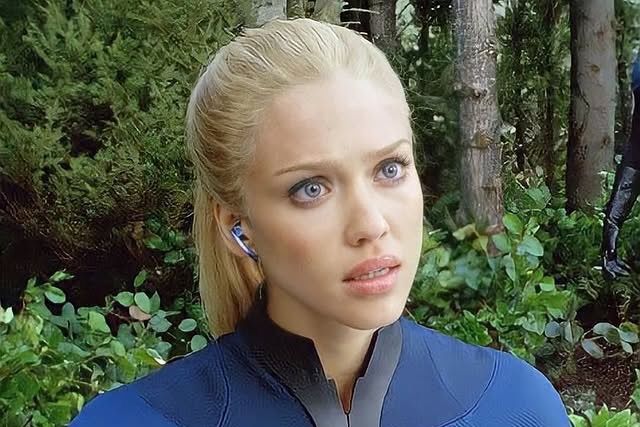
Jessica Alba became a household name when Fantastic Four hit theaters on July 8, 2005. Playing Sue Storm, also known as the Invisible Woman, Alba was one of the few female superheroes on the big screen at the time. The movie was a commercial success, earning over $330 million worldwide and leading to a 2007 sequel, Rise of the Silver Surfer. However, while the films helped her career reach new heights, the actual filming process was a source of deep personal frustration for the actress.
In later interviews, Alba revealed that the experience almost made her quit acting altogether. She recalled a specific moment during the 2007 sequel where the director told her she looked “too real” while crying in an emotional scene. He reportedly asked her to “be prettier” when she wept, suggesting they would just CGI her tears in later. This focus on her appearance over her acting ability left her feeling objectified and discouraged. Since then, Alba has pivoted toward entrepreneurship, launching The Honest Company in 2011, which is now valued at hundreds of millions of dollars.
Michelle Pfeiffer’s Grease 2 Start
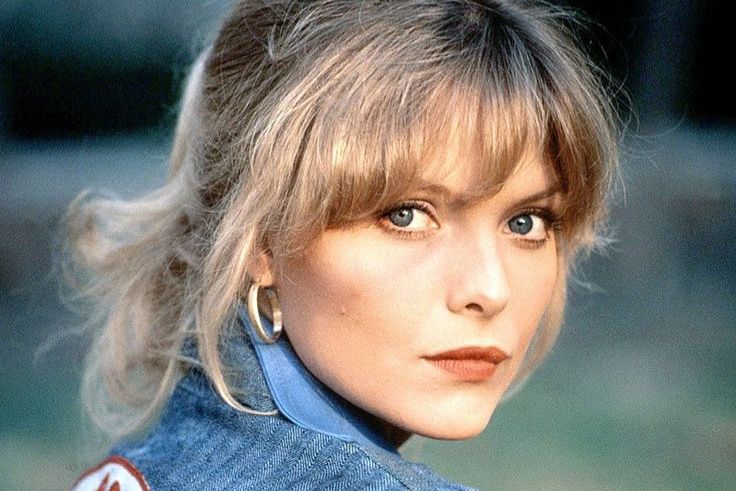
Before she was an icon in Scarface (1983) or Batman Returns (1992), Michelle Pfeiffer landed her first leading role in Grease 2, released on June 11, 1982. Taking over the mantle from the legendary 1978 original, Pfeiffer played Stephanie Zinone, the leader of the Pink Ladies. While she was praised for her singing and dancing, the movie itself was a box-office flop and was panned by critics who felt it was a pale imitation of the first film starring John Travolta and Olivia Newton-John.
Pfeiffer has since looked back on the musical with a mix of humor and slight regret. She admitted in an interview with Sway’s Universe that she “hated” the movie at the time and felt she was too young and inexperienced to know any better when she signed on. She joked that she probably only did it because she didn’t have any other offers. Fortunately, her talent outshined the film’s poor reception, and she quickly moved on to much more prestigious projects that defined her legendary career in the 1980s and 90s.
Paul Newman’s Early Embarrassment
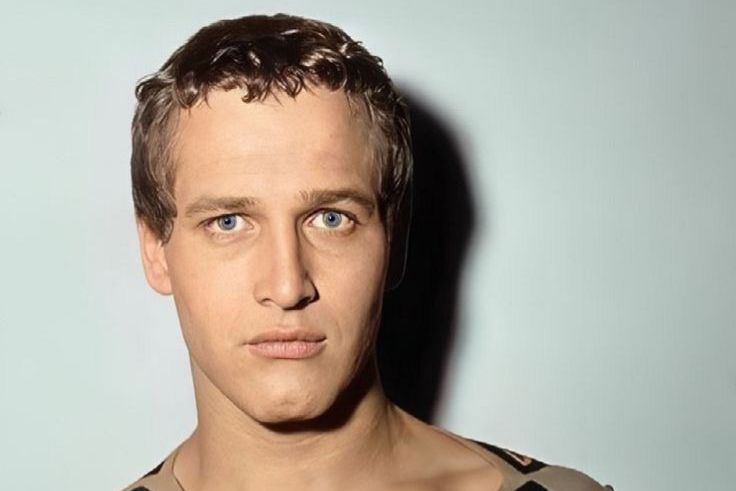
Paul Newman is remembered as one of the greatest actors to ever live, but his career started with a project he absolutely loathed. The Silver Chalice, released on December 20, 1954, was a historical epic set in ancient Rome. Newman played a sculptor tasked with creating a frame for the cup used at the Last Supper. It was his big-screen debut, and while the studio had high hopes for their new star, the film was criticized for its stiff dialogue and bizarre, minimalist sets.
Newman was so mortified by the movie that when it was scheduled to air on television in 1963, he actually took out a $1,200 advertisement in Los Angeles newspapers to apologize. The ad featured a black border, like an obituary, and urged people not to watch the “terrible” film. He later called it the “worst motion picture produced during the 1950s.” Despite this rocky start, he bounced back quickly with hits like Somebody Up There Likes Me in 1956, proving that even a legendary career can survive a bad first impression.
Marlon Brando’s Stanley Discomfort
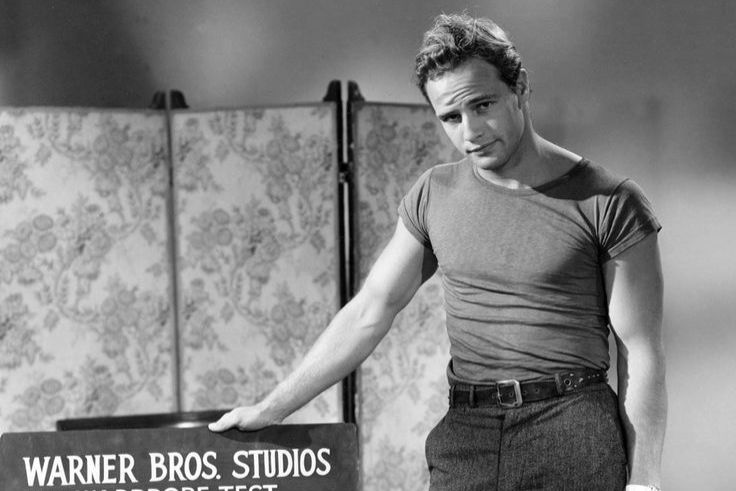
Marlon Brando’s performance in A Streetcar Named Desire, released on September 18, 1951, changed acting forever. His “Method” style brought a raw, animalistic energy to the character of Stanley Kowalski, earning him an Academy Award nomination. The film is now considered a cornerstone of American cinema, and Brando’s white t-shirt and brooding intensity became iconic symbols of 1950s rebellion. However, Brando himself found very little to like about the man he portrayed on screen.
In his 1994 autobiography, Songs My Mother Taught Me, Brando expressed a deep distaste for Stanley, calling him a “brute” and a “sexual predator.” He was bothered by the fact that audiences found the character attractive or heroic, when he viewed him as a cruel and violent man. Brando felt that playing the role was emotionally draining because he had to tap into parts of human nature that he personally found repulsive. This highlights the unique burden actors face when they become famous for playing characters they actually despise.
Emma Stone’s Aloha Apology

Emma Stone is a beloved Oscar winner, but she faced significant backlash for her role in the May 29, 2015, film Aloha. Directed by Cameron Crowe, the movie featured Stone as Allison Ng, a character who was supposed to be of quarter-Chinese and quarter-Hawaiian descent. Because Stone is of Swedish and German heritage, the casting sparked a massive “whitewashing” controversy. Critics argued that the role should have gone to an actress who actually shared the character’s ethnic background.
Stone didn’t shy away from the criticism. During the 2019 Golden Globes, when host Sandra Oh joked about the film’s casting, Stone could be heard shouting “I’m sorry!” from the audience. She has admitted in several interviews that she learned a painful but necessary lesson about the importance of authentic representation in Hollywood. She acknowledged that she was the “butt of many jokes” for the role but used the experience to become more thoughtful about the projects she chooses and the impact of her presence in certain stories.
Mark Wahlberg’s Uncomfortable Roles
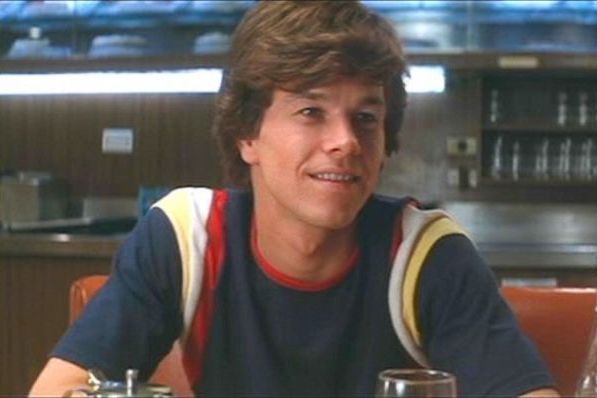
Mark Wahlberg has had a long and varied career, but two specific films stand out as regrets for very different reasons. The first is Boogie Nights, released on October 10, 1997, where he played a star in the adult film industry. While the movie was a massive critical success and launched his career as a serious actor, Wahlberg, who is a devout Catholic, later expressed regret for the graphic nature of the content. He even joked during a 2017 event that he hoped God was a movie fan and would forgive him for the role.
His second big regret is the 2008 thriller The Happening, directed by M. Night Shyamalan. The film, about plants releasing a toxin that causes people to harm themselves, was a critical failure. In a 2010 press conference, Wahlberg candidly called it a “bad movie” and joked about playing a science teacher who spends the whole film running away from the wind. His honesty about these roles shows how he has evolved both as a performer and as a person over his decades in the spotlight.
Sally Field’s Spider-Man Role
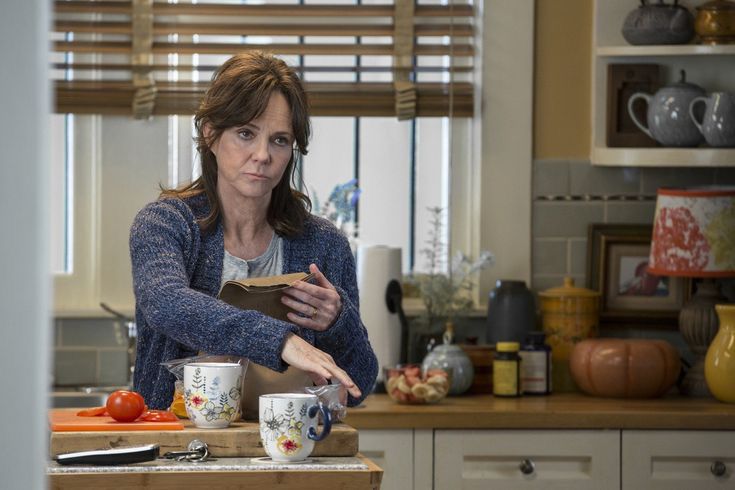
Sally Field is a two-time Oscar winner who brought instant prestige to The Amazing Spider-Man when it premiered on July 3, 2012. Playing Peter Parker’s Aunt May, Field provided the emotional heart for Andrew Garfield’s version of the web-slinger. She returned for the sequel in 2014, but she later admitted that she didn’t find the character very rewarding to play. For an actress used to complex, leading roles like Norma Rae, playing the “concerned relative” in a superhero movie felt a bit thin.
During an interview with Howard Stern in 2016, Field confessed that she didn’t put a huge amount of effort into the role because “you can’t put ten pounds of [junk] into a five-pound bag.” She explained that the script didn’t give her character much depth or a real story arc. She primarily took the job as a favor to her friend Laura Ziskin, the film’s producer, who was battling breast cancer at the time. Field’s honesty serves as a reminder that even in the biggest franchises, legendary actors sometimes feel underutilized.


