
1. From Norma Jeane to a Global Icon
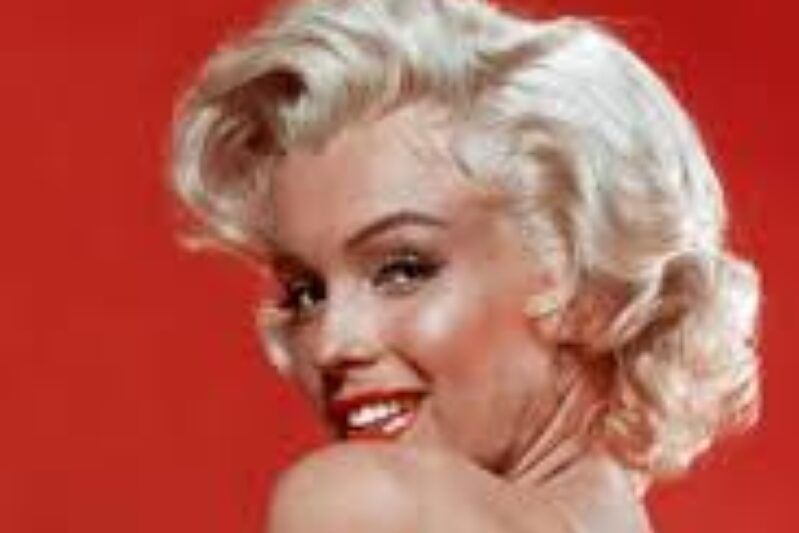
Before the world knew her as Marilyn Monroe, she was a young woman named Norma Jeane Mortenson, later Norma Jeane Baker. The name belonged to a quiet childhood that included foster homes, uncertainty, and ordinary dreams. When she began modeling in the 1940s, studio executives believed the name Norma Jeane did not quite carry the sparkle they wanted for a rising movie star. That was when the transformation began, slowly shaping the persona audiences would later adore.
The studio helped craft the name Marilyn Monroe, combining a glamorous first name with her mother’s maiden name. According to several Hollywood accounts, the goal was to create something elegant, memorable, and distinctly cinematic. Monroe later embraced it fully, and the name quickly became inseparable from her image. The interesting thing is how natural it eventually felt, as if the world had always known her that way. Over time, Marilyn Monroe became more than a stage name. It became one of the most recognizable identities in film history.
2. From Reginald Dwight to Pop Royalty
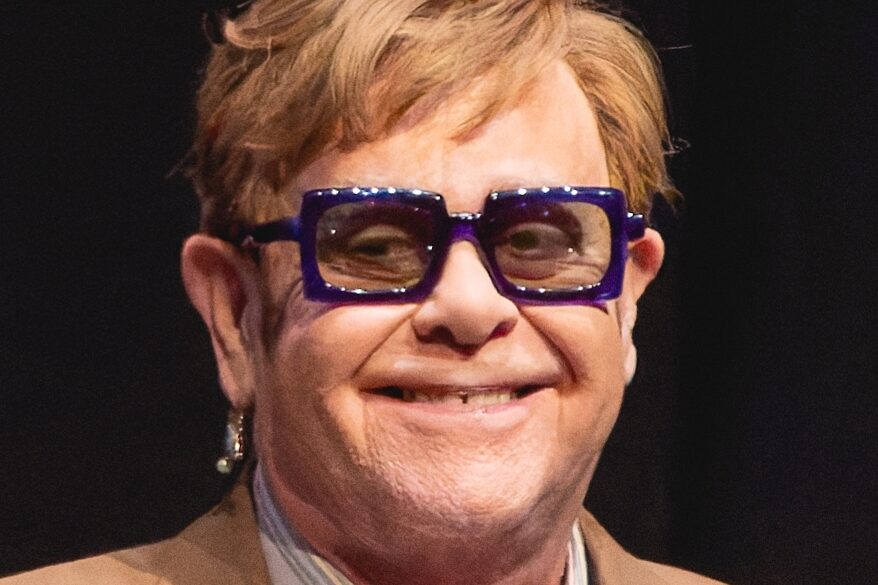
Long before stadium crowds sang along to his songs, Elton John was simply Reginald Kenneth Dwight, a shy piano prodigy from England. In the late 1960s, as he began performing with bands and exploring his musical style, he felt his birth name did not quite capture the bold, colorful performer he was becoming. Music was changing fast, and he wanted a name that could stand comfortably on concert posters and album covers.
He chose Elton John by combining the names of two musicians he admired, Elton Dean and Long John Baldry. The name quickly fit the larger than life performer audiences would soon meet. Over the years, it became synonymous with dazzling stage outfits, unforgettable piano melodies, and decades of chart topping songs. What started as a simple creative decision eventually helped shape one of the most enduring brands in music. Today, it is almost impossible to imagine the legendary performer under any other name.
3. From Caryn Johnson to Comedy Legend
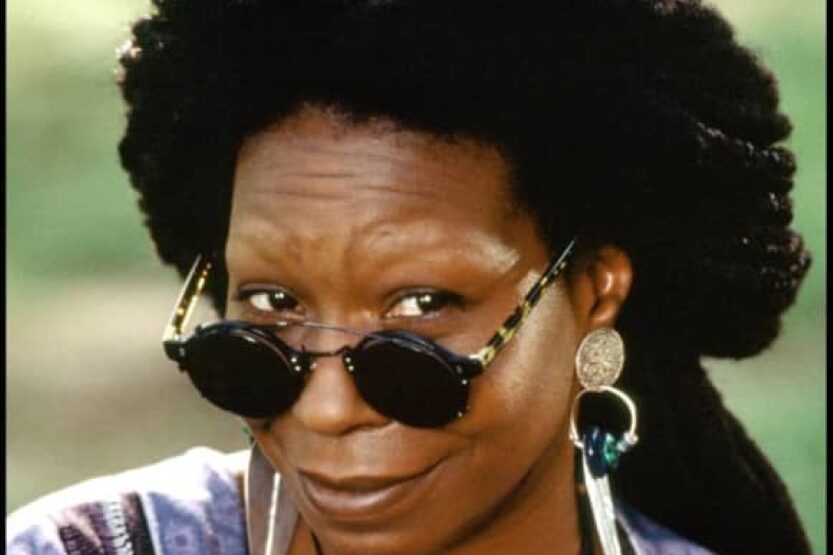
Whoopi Goldberg was born Caryn Elaine Johnson on November 13, 1955, in New York City, United States. She grew up in a tough neighborhood in Manhattan and showed a strong sense of humor from a young age, which later became a central part of her career. She started performing in theater and comedy clubs before breaking into television and film. She adopted the stage name Whoopi Goldberg early in her career. The first name “Whoopi” came from a nickname she earned because of her playful, sometimes flatulent sense of humor. She joked that she could “whoopee cushion” anyone, and Goldberg was added to make her name memorable and stand out in the entertainment industry.
Over the years, Whoopi Goldberg has become one of the few performers to achieve an EGOT, winning an Emmy, Grammy, Oscar, and Tony. She is known for iconic roles like Deloris Van Cartier in Sister Act, her work on The View, and countless appearances in film, television, and on stage. Her career spans comedy, acting, producing, and activism, making her a unique and influential figure in American entertainment.
4. From Eric Bishop to a Stand Up Breakthrough
Before he was Jamie Foxx, the talented actor and musician was born Eric Marlon Bishop in Terrell, Texas, in 1967. Growing up, he discovered a love for performing, starting with comedy and piano at a young age. When he moved into stand-up comedy in Los Angeles during the late 1980s, he noticed an unusual opportunity: female comedians were often called to perform first simply because there were fewer of them. Seeing this, he realized a clever tactic could help him get more stage time.
He decided to adopt a gender-neutral stage name, “Jamie Foxx,” which allowed him to be called early during open mic nights and gain more exposure. The last name “Foxx” added flair and memorability, while “Jamie” gave him that unisex advantage. Over time, that decision became part of his identity, helping him transition seamlessly into acting and music. Today, Jamie Foxx is an Oscar-winning actor, a Grammy-winning musician, and a household name in Hollywood. His story shows how a simple, strategic name choice can shape an entire career, turning a clever idea in comedy clubs into a global brand that audiences remember for decades.
5. From Coppola to His Own Path
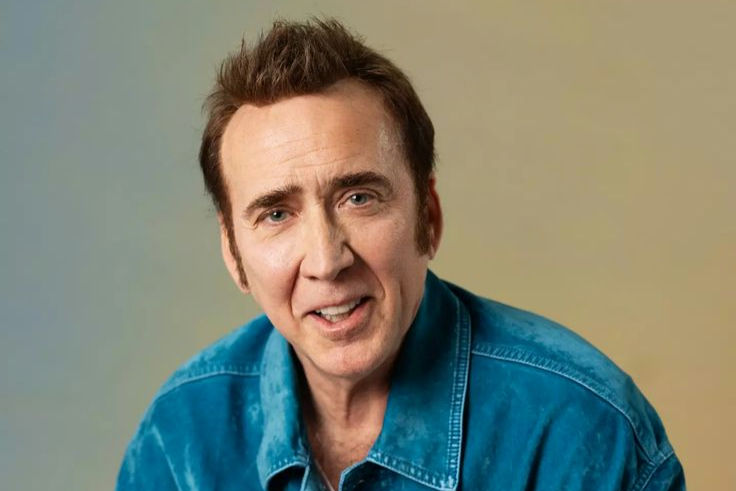
When Nicolas Cage began acting, he faced a unique challenge. His real name was Nicolas Coppola, and that last name carried enormous weight in Hollywood because of his famous uncle, legendary director Francis Ford Coppola. Rather than be seen as someone benefiting from family connections, the young actor decided to create a different identity for himself.
He chose the surname Cage, reportedly inspired by the Marvel comic character Luke Cage. The change allowed him to audition and build his reputation without constant comparisons to his family. Over time, that decision helped shape a career known for bold performances and unconventional roles. What started as a practical step to avoid assumptions eventually became one of the most recognizable names in modern film.
6. From Mark Sinclair to Hollywood’s Tough Guy
Before movie audiences knew him as Vin Diesel, he was Mark Sinclair, a young actor growing up in New York City. His early years were spent exploring theater and trying to find his place in entertainment. Like many actors starting out, he worked different jobs to support himself while chasing auditions. One of those jobs happened to be working as a nightclub bouncer, a role that eventually influenced the name people would come to recognize.
During those nightclub days, he adopted the name Vin Diesel. The first part came from his stepfather’s surname Vincent, while Diesel reflected the high energy personality friends said he carried everywhere. According to entertainment interviews, he once joked that the nickname came from friends who said he was always “running on diesel.” The name stuck, and it sounded strong enough for the kind of action roles he would later become known for. Over time, Vin Diesel became closely tied to fast cars, action franchises, and commanding screen presence. Looking back, the name change helped shape the larger than life identity audiences recognize today, turning Mark Sinclair into a performer whose screen persona feels every bit as powerful as the name itself.
7. From Katheryn Hudson to Chart Topping Pop Star
Long before her colorful pop image filled music charts and stadiums, Katy Perry was known by her birth name, Katheryn Elizabeth Hudson. She actually began her music journey under that name, releasing a Christian gospel album in the early 2000s. At the time, she was still discovering her sound and trying to figure out where she fit in the music industry. While the album received modest attention, it did not immediately launch the career she hoped for.
As she began moving toward mainstream pop music, she decided a different stage name would help define this new chapter. She chose Katy Perry, using her mother’s maiden name to avoid confusion with actress Kate Hudson. The new name soon appeared on songs that introduced her playful and confident musical identity. Perry once reflected on that transition by saying she had to find a way to “create my own lane.” Over time, that decision proved important. Katy Perry became one of the defining pop voices of the late 2000s and 2010s, known for bright visuals, catchy anthems, and memorable performances. The name change quietly marked the moment she stepped into a new version of herself.
8. From Peter Hernandez to Global Pop Performer
Before millions of fans knew him as Bruno Mars, the singer was born Peter Gene Hernandez in Honolulu, Hawaii. Growing up in a musical family, he spent his childhood performing on stage and learning different instruments. Music came naturally to him, but when he moved to Los Angeles to pursue a professional career, he discovered the industry could be complicated. Producers and labels sometimes struggled to categorize his sound or image.
The stage name Bruno Mars slowly took shape during those early years. Bruno was a nickname given to him as a child because relatives thought he resembled wrestler Bruno Sammartino. The surname Mars came later, partly because he wanted something that sounded unique and a little larger than life. In interviews, he once joked that people said he had “out of this world swagger,” which inspired the cosmic sounding last name. The result was a name that matched the confident, smooth performer audiences eventually embraced. Over time, Bruno Mars became known for energetic performances, retro inspired hits, and a musical style that crosses genres with ease. The name helped frame the charismatic artist the world now recognizes.
9. From Laura Reese Witherspoon to Hollywood Favorite
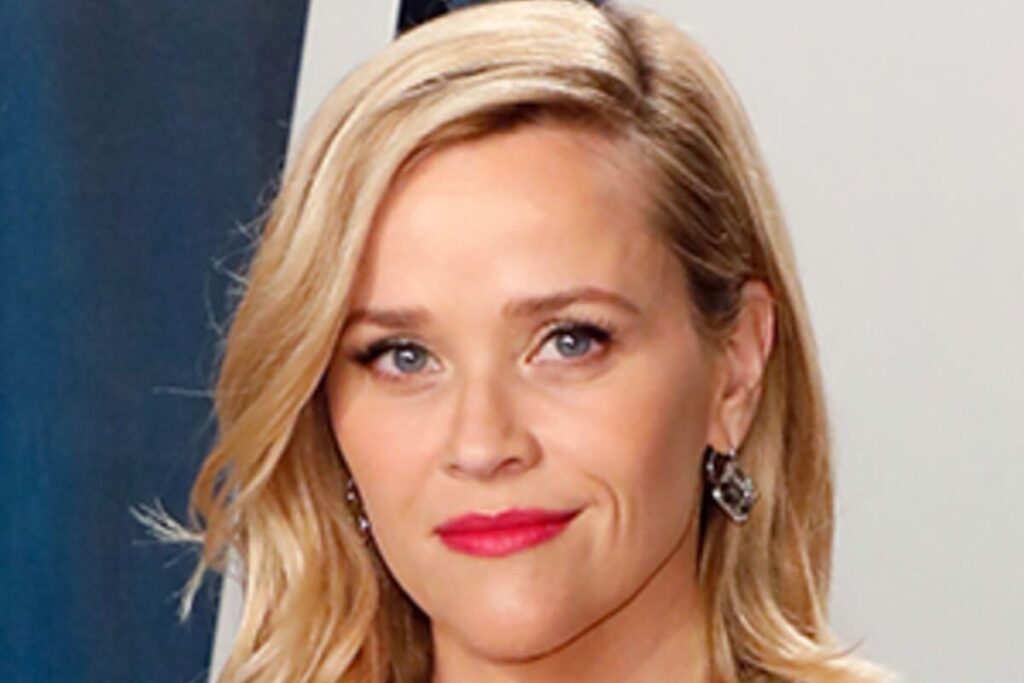
Before she became a familiar face in films and television, Reese Witherspoon was known by her full birth name, Laura Jeanne Reese Witherspoon. Growing up in the American South, she developed an early interest in acting and storytelling. As she began auditioning for roles in her teenage years, she faced the same challenge many young performers encounter. Her full name felt a bit long and formal for movie credits and casting calls.
Instead of completely changing her identity, she chose something simpler. She used her middle name, Reese, which came from her mother’s maiden name. The adjustment allowed her to keep a personal connection to her family while creating a name that sounded distinctive on screen. Over time, that simple change proved surprisingly powerful. Reese Witherspoon soon appeared in memorable films and eventually built a career that included acting, producing, and championing female driven stories. Looking back, the name Reese became closely tied to a certain warmth and intelligence audiences often associate with her roles. It shows that sometimes the most effective stage names are not dramatic reinventions but thoughtful adjustments that still honor where someone comes from.
10. From Stefani Germanotta to a Cultural Phenomenon
Before the world knew the bold performer called Lady Gaga, she was Stefani Joanne Angelina Germanotta, a young singer and songwriter growing up in New York City. She spent years performing in small clubs and experimenting with different musical styles while trying to stand out in a crowded industry. During those early performances, friends and collaborators began calling her Gaga, inspired by the Queen song Radio Ga Ga.
The nickname eventually evolved into Lady Gaga, a stage name that felt theatrical and memorable. Music producer Rob Fusari reportedly began using the nickname after hearing her powerful vocal style, comparing it to the dramatic energy of classic rock performers. The addition of Lady gave the name a sense of personality and performance. Gaga later embraced it fully, building an artistic identity around bold fashion, strong vocals, and creative storytelling. Over time, Lady Gaga became one of the most recognizable names in modern pop culture, associated with chart topping music, acting roles, and advocacy work. The transformation from Stefani Germanotta to Lady Gaga shows how a simple nickname, when paired with talent and vision, can grow into a name recognized all around the world.
11. From John Stephens to a Modern Soul Voice
Before the smooth voice and piano melodies became known worldwide, John Legend was simply John Roger Stephens, a talented musician from Ohio who spent years developing his craft. While studying at the University of Pennsylvania and performing in small venues, he was already earning a reputation among fellow musicians for his rich vocals and classic soul sound. His birth name was perfectly respectable, but those around him began to feel his music carried a timeless quality that needed a name to match.
The stage name slowly emerged from conversations among friends and collaborators. Poet J. Ivy once referred to him as a legend because of how powerful his voice sounded during performances. Music producer Kanye West reportedly supported the idea, believing the name fit the singer’s style. John Stephens eventually embraced the suggestion and began recording as John Legend. Over time, the name came to feel natural, as if it had always belonged to him. Legend later reflected that the title was something he had to grow into through his work. As the years passed, with awards, chart topping songs, and a respected place in modern R and B, the name John Legend became exactly what those early supporters believed it could be.
12. From Olivia Cockburn to a Distinct Hollywood Identity

Before becoming widely recognized on screen, Olivia Wilde was born Olivia Jane Cockburn into a family deeply connected to journalism and writing. Her parents were respected media professionals, and storytelling was always part of her upbringing. When she began pursuing acting, however, she felt her surname might distract audiences or become the focus of unnecessary jokes rather than her work.
Looking for something meaningful but distinctive, she chose the name Wilde, inspired by the famous Irish writer Oscar Wilde. The choice reflected both her admiration for literature and her desire to create a professional identity that stood apart from her family background. In interviews she has mentioned that the name felt bold and memorable without losing its artistic roots. As Olivia Wilde, she soon began appearing in television and film roles that introduced her to a broad audience. Over time, the name became closely tied to her performances as well as her later work as a director. What started as a thoughtful personal decision eventually helped shape the creative identity she carries in the entertainment world today.
13. From Neta Lee Hershlag to an International Star
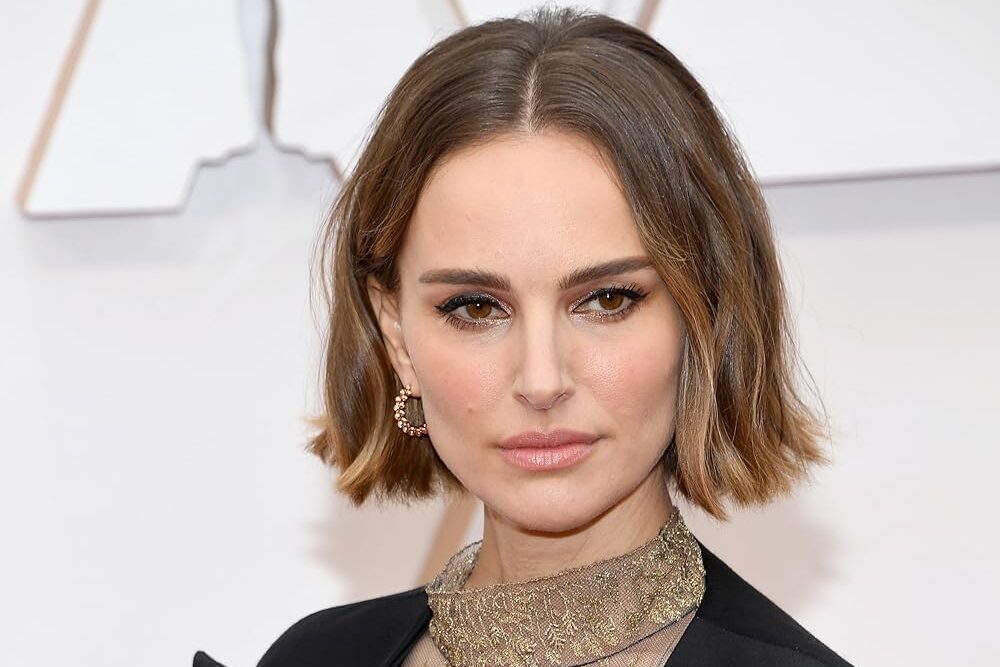
Before audiences met her in films, Natalie Portman was born Neta Lee Hershlag in Jerusalem, Israel. She moved to the United States as a child, growing up in a family that valued education and discipline. When she began acting at a young age, her family was careful about how much personal information would be made public. They wanted to protect her privacy while she explored opportunities in film.
That concern helped shape the name she would eventually use professionally. She chose Natalie Portman, adopting her grandmother’s maiden name as a way to keep a connection to her family while separating her public career from her private life. The decision also made it easier for casting directors and audiences to remember. Portman later explained that the change allowed her to maintain a boundary between the young actress appearing on screen and the person she was at home. Over time, the name Natalie Portman became associated with thoughtful performances and an impressive range of roles. What began as a practical choice during childhood eventually became the name linked to an award winning career and a respected voice in film.
14. From Farrokh Bulsara to Rock Royalty
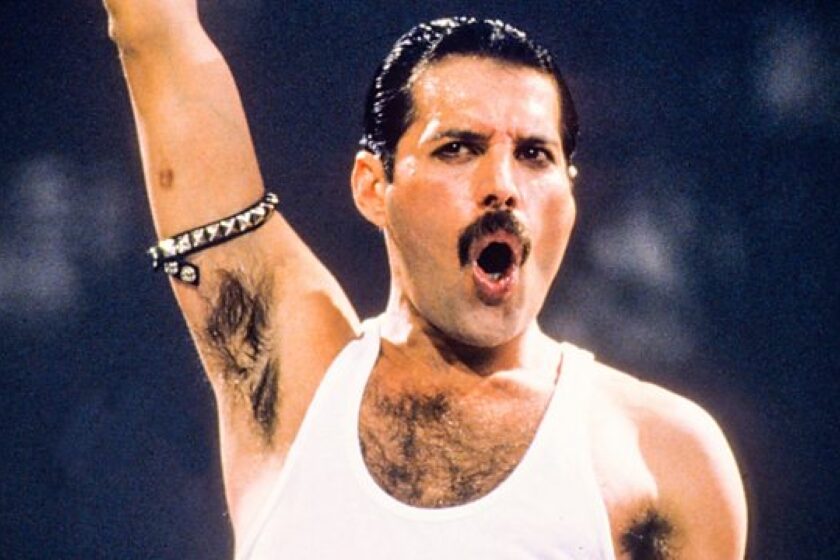
Before his voice filled stadiums and arenas, Freddie Mercury was born Farrokh Bulsara on the island of Zanzibar. He later moved to England with his family, where he developed a deep love for music, art, and performance. During his school years, classmates had already begun calling him Freddie, a nickname that felt natural and easy to say. As his music career slowly took shape, he began thinking about how he wanted to present himself to the world.
The surname Mercury appeared as his band began gaining attention. It carried a sense of movement and energy that matched the theatrical spirit of his performances. Mercury himself seemed to enjoy the symbolism. In later reflections connected to his songwriting, he hinted at the idea of transformation and rebirth. Over time, the name Freddie Mercury became inseparable from the dramatic stage presence and powerful vocals that defined the band’s identity. Looking back, the name change feels almost inevitable. Farrokh Bulsara may have been the young artist discovering his voice, but Freddie Mercury became the unforgettable frontman who helped shape one of rock music’s most enduring legacies.
15. From Paul DelVecchio to Reality TV Personality

Before he became widely recognized on television, Paul DelVecchio Jr. was a young DJ from Rhode Island who spent years building a following at local clubs. Music and nightlife had always been a big part of his life, and he developed a reputation for energetic sets and a strong connection with the crowd. When reality television producers began searching for personalities connected to club culture, he saw an opportunity that might expand his reach.
Instead of using his full birth name professionally, he began performing simply as DJ Pauly D. The shortened name felt easier for audiences to remember and worked naturally within the music scene. When he later joined the cast of the reality series Jersey Shore, that stage name quickly became the identity viewers associated with his upbeat personality and signature style. DelVecchio once explained that the DJ name had already been part of his career before television arrived. Over time, DJ Pauly D became one of the most recognizable figures from the show, continuing his work as a touring DJ long after the cameras first started rolling. The name change helped turn a local performer into a national entertainment personality.
16. From Joaquin Bottom to a Name of Renewal

Before he became known for intense and thoughtful performances, Joaquin Phoenix was born Joaquin Rafael Bottom. He grew up in a close knit family that moved frequently during his childhood, with his parents working various jobs while raising their children around music and performance. In those early years, Joaquin and his siblings sometimes appeared in small television roles, slowly learning the craft of acting together. Their original surname, Bottom, was simply part of their family history.
As the family grew older and began shaping their public identities, they decided to adopt a different last name that symbolized a fresh beginning. The name Phoenix was chosen to reflect renewal and transformation, much like the mythical bird that rises again. Joaquin later returned to acting after stepping away as a teenager, and the name Phoenix stayed with him as his career matured. Over time, Joaquin Phoenix became associated with deeply committed performances and characters that linger in the audience’s mind. Looking back, the name change reflected more than just branding. It marked a turning point for a family that wanted a new chapter, and for an actor who would eventually become one of the most respected performers of his generation in modern cinema.
17. From Demetria Guynes to a Hollywood Fixture
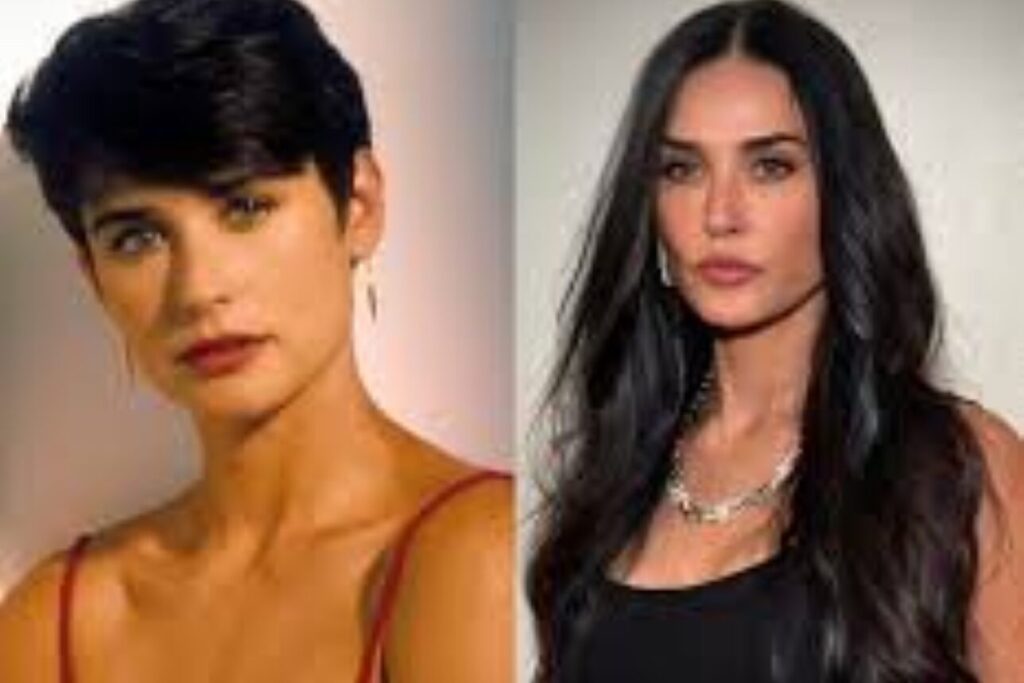
Long before she appeared on movie posters and magazine covers, Demi Moore was born Demetria Gene Guynes. Her early life involved frequent moves and personal challenges, and like many young performers trying to enter Hollywood, she looked for ways to simplify her professional identity. Her birth name carried personal meaning, but it was longer and less familiar to casting agents and producers who were meeting countless aspiring actors every day.
When she began pursuing modeling and acting work as a teenager, she adopted the shorter name Demi Moore. The first name came from a natural abbreviation of Demetria, while Moore came from her first marriage at a young age. The combination felt clear, memorable, and easy to place on film credits. Over time, Demi Moore became widely recognized through films that helped define the late 1980s and 1990s. The name soon carried a reputation for strong screen presence and emotional performances. Looking back, the shift from Demetria Guynes to Demi Moore was not dramatic or flashy. It was simply a practical step that allowed a young actress to step into the spotlight with a name audiences could easily remember.
18. From Destiny Hope to a Pop Culture Name

Before fans around the world knew her voice and personality, Miley Cyrus was born Destiny Hope Cyrus. As a child, she reportedly smiled often, and family members began calling her Smiley as a playful nickname. Over time the nickname shortened naturally to Miley, and it became the name everyone around her used in everyday life. By the time she began appearing on television and recording music, the nickname had already become part of her identity.
Eventually she made the decision to adopt Miley Cyrus professionally, even changing it legally years later. The name fit the upbeat personality audiences first saw during her early television career and continued to follow her as she explored different styles of music and performance. Cyrus once mentioned in interviews that the nickname simply stuck because people had used it for so long. Over time, Miley Cyrus became a name recognized across generations of fans, from television viewers to music listeners. What started as a simple childhood nickname gradually turned into the name printed on albums, concert posters, and award nominations, proving that sometimes the most natural identities grow from the smallest family moments.
19. From Archie Leach to a Classic Hollywood Name
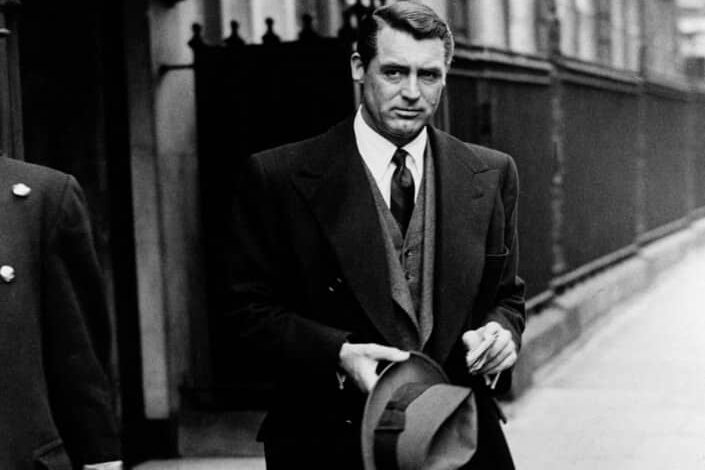
Before he became one of Hollywood’s most admired leading men, Cary Grant was born Archibald Alec Leach in Bristol, England. As a young man he worked in theater and traveled with performance groups before eventually making his way to the United States. When he began appearing in early film roles during the 1930s, studio executives believed his birth name sounded too ordinary for the image they wanted to build around a romantic leading man.
The studio suggested the name Cary Grant, a combination that sounded polished, confident, and easy to remember. At first, he reportedly felt uncertain about leaving his birth name behind, but he eventually embraced the new identity as his career grew. Over time, Cary Grant became associated with charm, wit, and classic Hollywood sophistication. The name appeared in film after film that audiences still revisit decades later. Looking back across the many stories in this list, one thing becomes clear. Sometimes a name change is not about hiding the past but about stepping into the future with confidence. If you enjoy discovering the stories behind famous faces, keep exploring. There are always more surprising journeys behind the names we think we know.


