
When Shelter Becomes The Largest Bill
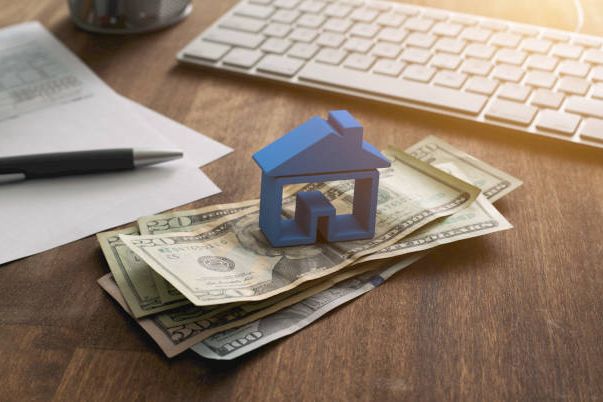
For most families, keeping a roof over their head has always been the primary monthly expense, but recent shifts have turned this necessity into a significant financial burden. In 2026, the combination of high interest rates, a shortage of available homes, and stagnant wage growth has made housing the ultimate pressure point for middle-class budgets. What used to be a predictable monthly bill has evolved into a complex challenge that dictates how people live, work, and plan for their futures. This crisis is not just about the price of a house; it is about the dwindling supply of affordable options that once allowed families to build wealth over time.
Recent data from early 2026 indicates that the gap between housing costs and household earnings is wider than it has been in decades. According to U.S. Census Bureau figures released in late 2024, the median monthly cost for homeowners with mortgages reached approximately $2,035, a trend that has only intensified as we move through the mid-2020s. Today, millions of Americans find themselves “cost-burdened,” meaning they spend well over the recommended 30 percent of their take-home pay on shelter alone. This shift forces difficult trade-offs, as families are frequently required to choose between paying for high-quality healthcare, healthy groceries, or contributing to their long-term retirement savings.
High Debt Ratios

While borrowing money to buy a home is a standard part of the American dream, the sheer amount of debt that modern buyers must take on has reached alarming levels. In the past, lenders strictly enforced the rule that housing costs should not exceed 30 percent of a person’s income, but in 2026, many new homeowners are regularly pushing past the 40 percent mark. This includes not just the base mortgage, but also the rising costs of property taxes and mandatory homeowner’s insurance. When such a massive chunk of a paycheck is spoken for before the month even begins, there is very little “wiggle room” left for the unexpected realities of daily life.
The root of this problem lies in the massive disconnect between how much people earn and how much houses cost. Since the start of the century in 2000, median household incomes in the United States have grown by about 100 percent, which sounds positive until you realize that home prices have surged by over 150 percent in that same timeframe. This creates a precarious “financial tightrope” for middle-income families who may qualify for a loan on paper but struggle to manage the monthly payments in practice. With debt-to-income ratios at historic highs, even a small emergency, like a car repair or a brief illness, can send a household into a spiral of credit card debt or financial instability.
Rising Mortgage Payments
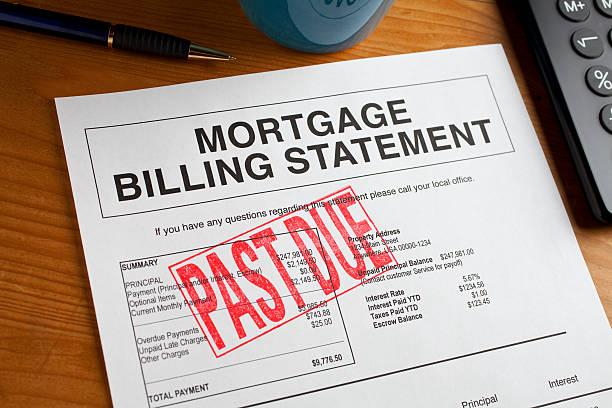
Mortgage payments serve as one of the most obvious signs of the current housing squeeze affecting millions of people. Although the Federal Reserve began to stabilize interest rates throughout 2025 and into early 2026, the rates remain significantly higher than the historic lows seen at the beginning of the decade. For a typical family, even a 1 percent difference in a mortgage rate can mean paying hundreds of dollars more every single month for thirty years. This “interest rate lock-in” effect means that those who bought homes years ago are staying put, while new buyers are forced to pay a massive premium just to enter the market.
By mid-2025, housing analysts reported that the total annual cost of owning a median-priced home consumed roughly 47 percent of the median household income, far exceeding the traditional affordability threshold of 30 percent. This creates a divided society: those who secured low rates before 2022 enjoy relatively stable costs, while younger families and first-time buyers face daunting financial obligations. Many in this younger demographic are now forced to delay homeownership entirely, settle for much smaller properties than they need, or move to remote regions with fewer job opportunities. Consequently, the mortgage payment has become a dominant force that shapes life’s major milestones and career decisions.
Property Taxes Climb
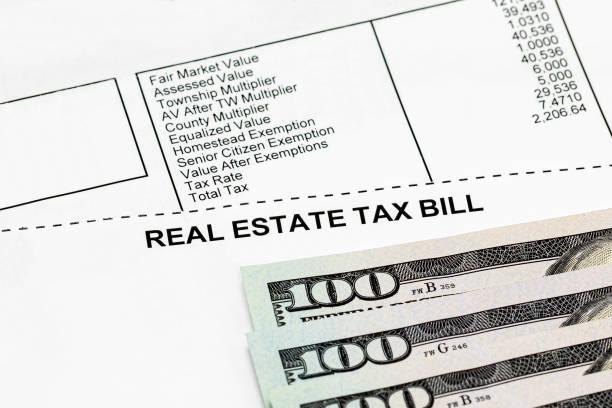
While many homeowners focus on their mortgage interest rates, property taxes are the “silent” expense that continues to drive up the cost of living. Unlike a fixed-rate mortgage payment that stays the same for decades, property taxes are dynamic and generally move upward alongside rising home values. As property assessments were updated following the real estate surge between 2020 and 2024, many homeowners saw their annual tax bills jump by thousands of dollars. This creates an unexpected financial hurdle for people who thought their housing costs were settled, particularly those living on fixed incomes or retired seniors.
In 2026, local governments across the country remain heavily dependent on these taxes to fund essential services like public schools, road repairs, and police departments. While these services are vital for a healthy community, the rapid increase in the tax burden can catch families off guard. Even if a homeowner has completely paid off their mortgage, they are never truly free from housing costs because of these escalating tax obligations. For many residents in high-growth states, the property tax bill has become a significant source of stress, often requiring them to set aside a larger portion of their monthly savings just to cover the year-end payment.
Insurance Premium Surges

A significant and often overlooked factor in the rising cost of shelter is the dramatic spike in homeowners’ insurance premiums. Over the past several years, insurance companies have aggressively hiked their rates to compensate for the rising costs of construction materials and labor. Furthermore, an increase in severe weather events, ranging from wildfires in the West to coastal storms in the East, has forced insurers to rethink their risk models. For many Americans in 2026, finding affordable coverage has become a secondary job, as traditional providers pull out of certain markets or raise prices to levels that were previously unheard of.
Recent financial data shows that by 2025, the average monthly home insurance payment hit approximately $201, marking a steady upward climb of over 70 percent since 2019. While a $15 or $20 monthly increase might seem small in isolation, these hikes occur annually and stack on top of other rising costs like utilities and taxes. In states like Florida, Texas, and California, these premiums can become so expensive that they rival the cost of the mortgage itself. This situation has left many homeowners with no choice but to accept higher deductibles, which leaves them more financially vulnerable if a disaster actually strikes their property.
Costly Home Repairs

The true cost of owning a home goes far beyond the monthly check sent to the bank; it also includes the constant need for upkeep and major repairs. In 2026, the price of maintaining a property has reached a new peak due to a shortage of skilled labor and the lingering effects of inflation on raw materials like lumber and copper. Basic tasks that used to be affordable for the average DIY enthusiast now require professional intervention and expensive parts. This makes the “unplanned” side of homeownership a major source of anxiety for families who are already living paycheck to paycheck.
By the start of 2026, essential projects such as replacing a roof or installing a new HVAC system can easily cost upwards of $15,000 to $20,000. These are not optional upgrades; they are necessary to keep a home safe and habitable. For families who have stretched their budgets to afford a mortgage, there is often very little money left in an emergency fund to cover these high-ticket items. This leads to a dangerous cycle of “deferred maintenance,” where small problems like a leaky pipe or a cracked window are ignored because of the cost, eventually leading to much more expensive structural damage in the future.
Rising Utility Bills
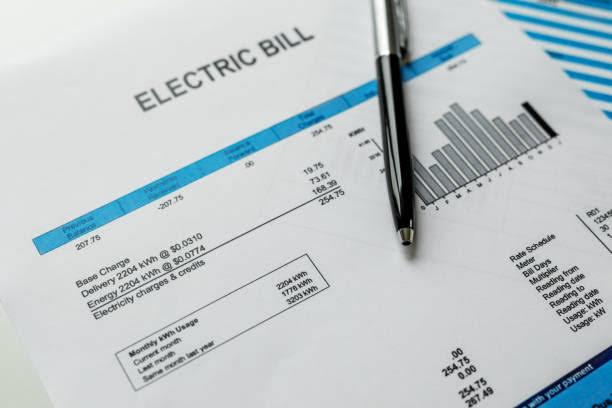
In addition to the physical structure of the home, the cost of keeping it running has seen a steady climb. Monthly utility bills for electricity, natural gas, water, and high-speed internet are now taking up a larger percentage of the average household’s disposable income than in previous decades. As energy infrastructure across the country undergoes modernization and fuel prices fluctuate, consumers are the ones left picking up the tab. In 2026, “energy poverty” has become a real concern, where households must decide between heating their homes in the winter or buying essential supplies.
Weather patterns in 2025 and early 2026 have exacerbated this issue, with extreme temperatures leading to record-breaking energy consumption during both the summer and winter months. For people living in older, less efficient homes, the monthly utility bill can sometimes exceed several hundred dollars, acting as a “second mortgage” during peak seasons. While many families try to invest in energy-efficient windows or smart thermostats to lower these costs, the high upfront price of these upgrades remains a barrier. This ensures that the real-world cost of housing continues to expand, regardless of whether a person’s rent or mortgage stays the same.
Grocery Budgets Shrink

When housing costs consume a massive portion of a family’s paycheck, the kitchen table is often the first place where the financial squeeze becomes visible. Unlike rent or a mortgage, which are fixed amounts that must be paid to avoid losing a home, grocery spending is a “flexible” expense that can be trimmed in an emergency. In 2026, many households are finding that after the landlord is paid, there is significantly less money left for high-quality food. This forces families to make tough choices, often sacrificing nutrition for affordability as they try to stretch every dollar until the next payday.
Recent consumer data from early 2026 shows a marked shift in shopping habits, with a 15% increase in the purchase of processed, shelf-stable goods compared to fresh produce. Many families are moving away from traditional supermarkets and relying more on extreme-discount stores or local food pantries to bridge the gap. By mid-2025, it was estimated that the average family of four was spending roughly $150 less per month on fresh meats and vegetables than they were just three years prior, simply to keep up with rising property taxes and rent hikes. These dietary changes can have long-term effects on health, proving that the housing crisis impacts more than just where we sleep, it dictates what we eat.
Mental Stress Grows
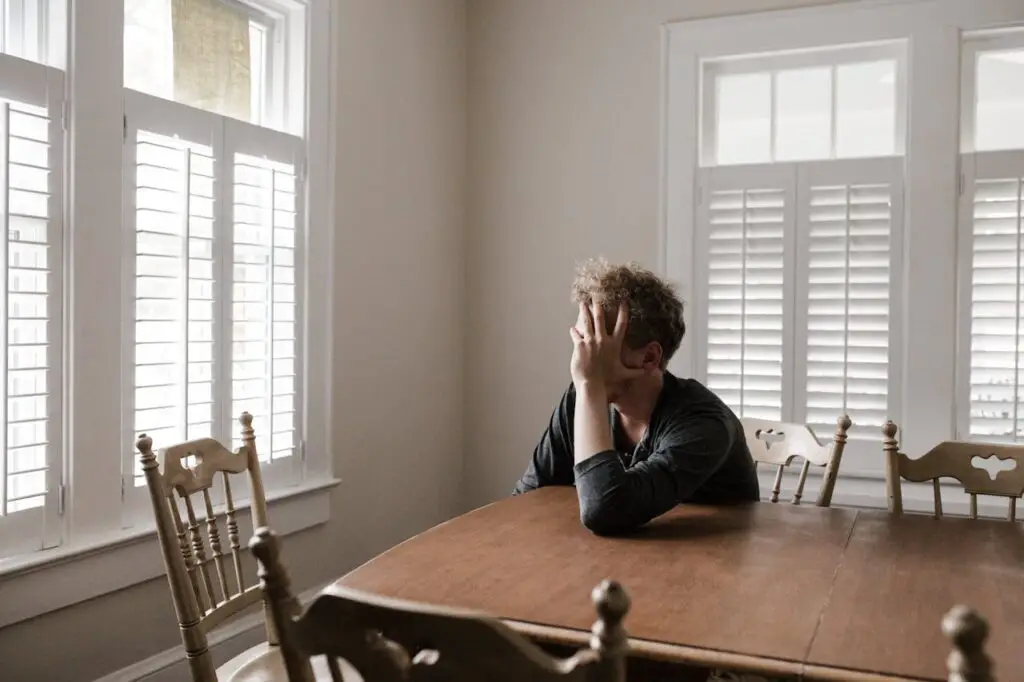
The constant weight of high housing costs takes a heavy toll on a person’s peace of mind and overall mental health. In 2026, housing insecurity has become a leading cause of chronic anxiety, as millions of people live with the fear that a single missed paycheck or a sudden rent increase could lead to eviction. This type of “survival stress” makes it difficult to focus on work, maintain healthy relationships, or get a good night’s sleep. While economists look at housing as a series of numbers on a spreadsheet, the emotional reality for many is a feeling of being trapped in a cycle of financial exhaustion.
Studies conducted throughout 2025 revealed that individuals spending more than 50% of their income on housing are twice as likely to report symptoms of clinical anxiety or depression. The psychological burden is especially high for parents, who often carry the secret weight of financial instability while trying to provide a sense of normalcy for their children. By early 2026, medical professionals have begun viewing housing affordability as a “social determinant of health,” noting that stable, affordable housing is just as important for a person’s well-being as exercise or a good diet. The stress of the housing squeeze isn’t just a budget issue; it’s a silent crisis affecting the mental health of an entire generation.
Childcare Choices Change

For young families in 2026, the combined cost of a home and childcare has become an almost impossible mountain to climb. In many states, the monthly price to feed a child, and for a single child in a quality daycare center is nearly equal to a mortgage payment. When housing costs rise, parents are forced to make radical changes to their professional lives to make the math work. This often means choosing between a career they love and the reality of a bank balance that is constantly near zero. The “housing-childcare trap” is a major reason why many families are moving further away from urban centers or delaying having children altogether.
By the start of 2026, a growing number of parents, mostly women, have opted to leave the workforce entirely because their take-home pay after childcare and housing costs was virtually non-existent. Recent surveys from late 2025 indicated that 1 in 3 families had changed their childcare arrangements specifically because of a rent or mortgage increase. Some have turned to “patchwork” care, relying on aging grandparents or rotating shifts with neighbors to avoid the high costs of professional centers. These decisions don’t just affect the family’s current budget; they also impact long-term career growth and the amount of money parents can save for their own retirement in the future.
Vacations Become Rare

The traditional family vacation, once common in the American middle class, is becoming a rare luxury in 2026 due to the dominance of housing expenses. When a household is “house poor,” there is very little left over for “extras” like travel, hotels, or plane tickets. For many, the idea of taking a week off to explore a new city or relax at a beach has been replaced by the reality of paying for a new water heater or covering a 10% rent hike. Leisure time is often the first thing sacrificed when a budget is stretched to its breaking point, leading to a lifestyle that is all work and no play.
Travel industry reports from 2025 showed that “staycations” and local day trips have increased by 40% as families cut back on long-distance travel. Instead of flying to a theme park or visiting relatives across the country, many households are staying within a 50-mile radius of their homes to save on gas and lodging. While these smaller trips can still be fun, they reflect a narrowing of horizons for families who can no longer afford to see the world. By early 2026, the “vacation gap” has widened, where only the wealthiest earners can afford to travel, while middle-income families spend their time off catching up on chores or working side jobs to pay for their homes.


