
When The Cost of Living Starts Affecting Daily Life
For many families across the United States, interest rates often feel like complicated financial talk reserved for economists or the Federal Reserve. However, these small percentage shifts quietly ripple through our daily lives in very real ways. When the Fed raises rates, as seen in the aggressive hikes between 2022 and 2025 to combat inflation, the cost of borrowing money climbs for everyone. This affects your mortgage, credit cards, car loans, and even small personal lines of credit. What begins as a high-level policy decision eventually reaches the kitchen table, forcing families to rethink their monthly budgets and long-term financial security.
The impact is usually subtle at first, but it gains momentum quickly. You might simply notice that your monthly credit card statement looks a bit more expensive or that your dream of buying a bigger home feels further out of reach. Over time, these higher borrowing costs start to compound. As of early 2025, with benchmark rates remaining elevated, mortgage payments have stayed high and debt takes much longer to pay off. These shifts do more than just change the numbers in a bank account; they quietly reshape how Americans make decisions about spending, saving, and planning for a stable future.
Rising Mortgage Payments
One of the most obvious ways that high interest rates hit home is through monthly mortgage payments. When rates go up, the cost of owning a house increases significantly, even if the actual price of the home stays exactly the same. For instance, moving from a 3% interest rate to a 6.5% rate, a shift many saw between 2021 and 2025, can increase a monthly payment on a standard home by over 30%. For a $400,000 loan, that is an extra $800 every single month. For many hardworking families, this massive difference is enough to push the dream of homeownership completely out of reach.
This financial shift has completely transformed the American housing market over the last few years. After a long period of record-low rates during the pandemic, the Federal Reserve raised rates eleven times starting in March 2022. By 2025, mortgage rates hovering near 7% left many potential buyers stuck on the sidelines, causing home sales to slow down nationwide. Even current homeowners feel the squeeze, particularly those with adjustable-rate mortgages that reset to higher costs. As a result, a larger portion of household income is now swallowed up by housing, leaving much less money for retirement, education, or emergency savings.
Credit Card Debt Trap
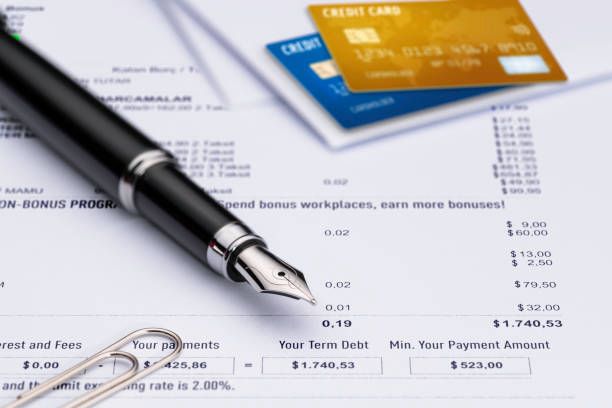
High interest rates are especially painful when they collide with credit card debt. Unlike a fixed-rate mortgage, credit card rates are designed to jump quickly whenever the Federal Reserve raises borrowing costs. Currently, American households are carrying a record-breaking total of over $1.1 trillion in credit card balances. With average interest rates now soaring toward 22%, families who use cards for everyday essentials like groceries or utility bills are finding it harder to catch up. The interest charges alone can quietly pile up month after month, making it feel like you are running in place.
The real danger is how fast this debt grows when rates are high. A balance that might have taken two years to pay off when rates were low can now take much longer as interest charges eat into your payments. Many people end up paying thousands of dollars every year just to cover the interest, without ever actually lowering the original amount they borrowed. Economists warn that this makes credit cards one of the most expensive ways to borrow money. When rates rise across the country, this burden becomes a heavy weight, especially for lower-income families who rely on credit as a safety net.
Car Loans Becoming Costlier
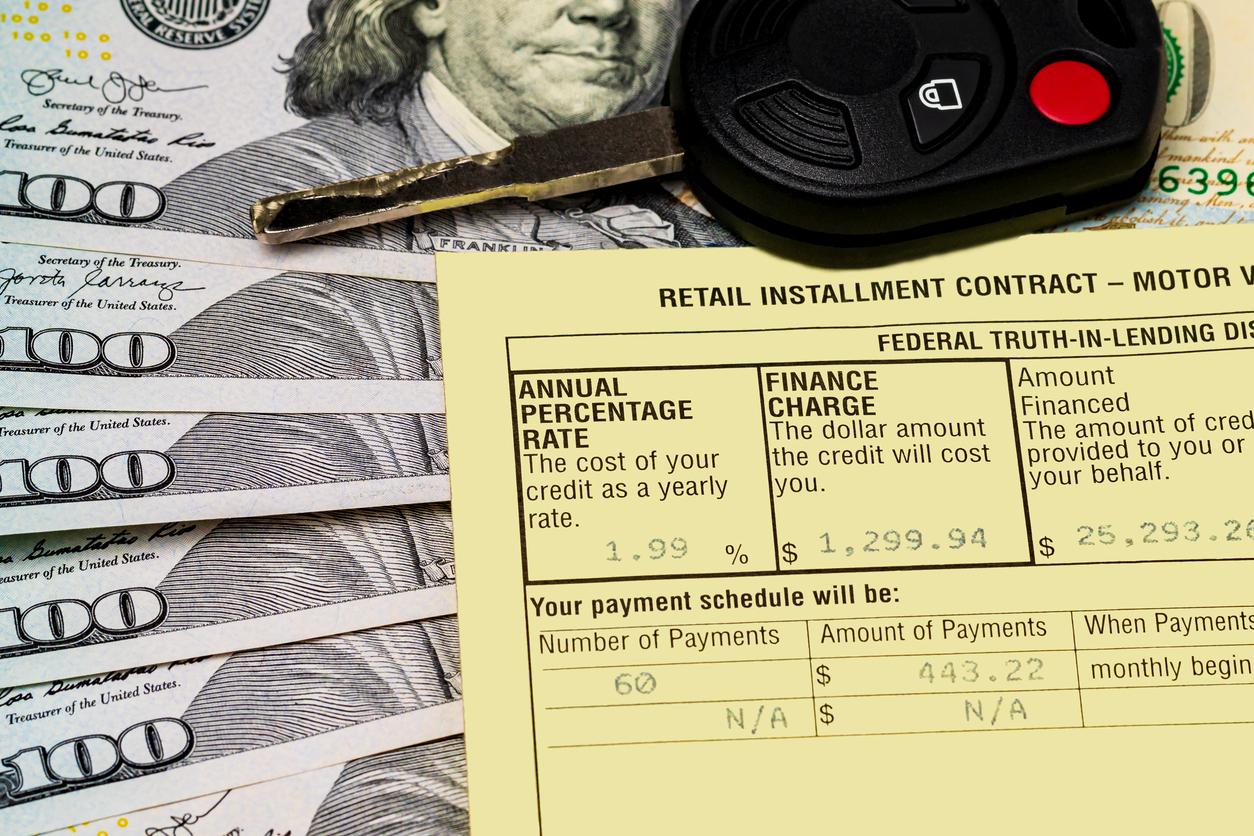
In most parts of America, having a car is a basic necessity for getting to work and taking kids to school. Unfortunately, higher interest rates have made financing a vehicle much more expensive than it used to be. When lenders raise the rates on auto loans, your monthly car payment goes up even if the sticker price of the vehicle stays the same. Over the course of a typical five-year loan, a buyer might end up paying several thousand dollars extra in interest alone. This makes the total cost of owning a vehicle significantly higher than many people originally anticipated.
This trend became very clear starting in early 2023. As the cost of borrowing rose, car buyers faced a “double whammy” of higher loan rates and elevated vehicle prices caused by previous supply chain issues. By 2025, many families have been forced to stretch their loans out over six or seven years just to keep the monthly payments affordable. While this helps in the short term, it means paying interest for a much longer period. Eventually, the car ends up costing far more than its actual value, proving how high interest rates can inflate the cost of living.
First-Time Buyers Locked Out

For young couples and first-time buyers, rising interest rates have created a frustrating wall that blocks them from the housing market. Even a small bump in rates changes what a bank considers “affordable” for a borrower. Since mortgage approvals are based on your income compared to your monthly debt, higher rates mean you qualify for a much smaller loan. In the real world, this means families have to settle for a much smaller, older home or give up on buying entirely. It is a discouraging cycle that has left many feeling stuck.
Experts have noted that the mix of high home prices and 7% mortgage rates has “locked out” millions of potential buyers as of 2025 and 2025. As rates climb, the annual income needed to buy a typical home in the U.S. has jumped to over $100,000 in many regions. Younger people are hit hardest because they haven’t had decades to save up a large down payment. Instead, they are forced to keep renting, often paying more in rent than a mortgage would cost. While renting is flexible, it prevents people from building equity, which is the primary way most Americans create long-term wealth.
Savings Accounts Still Lag
At first glance, you might think higher interest rates are great news for people with savings accounts. In a perfect world, banks should pay you more for keeping your money with them when rates go up. However, the reality of the banking system is much more frustrating. Banks are usually very quick to raise the interest rates they charge you on loans, but they are often very slow to raise the interest they pay you on your savings. This “lag” means that while your debt gets more expensive instantly, your savings growth stays slow.
For most households, this gap creates a real financial disadvantage. While your credit card or personal loan rates might jump the month after a Federal Reserve meeting, the interest on your basic savings account might only nudge up a tiny fraction. This imbalance tends to widen the wealth gap. Families struggling with debt see their expenses go up immediately, while those with large amounts of cash in special high-yield accounts are the only ones seeing a real benefit. Over time, this unfair tilt makes it even harder for the average family to get ahead and stay financially stable.
Delayed Major Purchases

High interest rates change the way families plan for the future. When it becomes more expensive to borrow money, most households naturally start to delay big life decisions, such as bulk essential shopping like tv set, buying a new home, upgrading a car, or starting a major kitchen renovation. This is actually exactly what the government wants to happen; by making borrowing expensive, they encourage people to spend less to help bring down inflation. However, for the average person, this means putting your life goals on hold while you wait for the economy to shift.
These delays can have a big impact on a family’s quality of life. A couple might decide to stay in a tiny apartment longer instead of moving to a house with a yard for their kids. Others might keep driving an old, unreliable car because the interest on a new loan is simply too high. When millions of people stop spending at the same time, it can lead to slower business growth and fewer new jobs. While these high rates are intended to keep the overall economy healthy, the immediate burden falls on regular people who have to be more cautious with their money.
Pressure On Household Budgets

One of the most stressful parts of high interest rates is the quiet pressure they put on the monthly family budget. When the cost of servicing debt goes up, families are forced to find that extra money from somewhere else. A slightly higher mortgage payment or a bigger credit card bill might not seem like a crisis by itself, but when you add them all up, they can take a huge bite out of your take-home pay. This leaves less room for things like groceries, gas, and emergency repairs.
To make ends meet, many families have to cut back on “extra” spending, like going out to dinner, taking a summer vacation, or signing the kids up for sports. While these cuts help keep the lights on, they reduce the overall quality of life and limit opportunities for fun and relaxation. For families who were already living paycheck to paycheck, even a small increase in interest rates can be the tipping point that leads to financial trouble. These individual struggles eventually add up to a slower economy, as people have less money to spend at local businesses.
Tuition Costs Rising
Another quiet consequence of higher interest rates appears in the rising cost of education. Schools, colleges, and universities depend heavily on borrowing to fund campus expansions, build new student housing, and maintain modern facilities. When interest rates climb, these institutions face much higher costs to pay back those loans, which eventually forces them to hike tuition prices and administrative fees. Over the last few years, families have noticed that the cost of a degree is rising even faster than expected. This makes it harder for students to graduate without a massive financial burden.
Parents who use student loans to support their children’s education are also feeling the sting of these higher rates. Federal student loan rates in the U.S. are adjusted every year, and private loans are usually tied directly to market interest rates. When borrowing costs go up, the total amount you have to pay back grows by thousands of dollars. A loan that seemed affordable when the student started school can become much more expensive by the time they graduate in 2025 or 2026. This forces many families to start saving much earlier or choose community colleges to keep costs under control.
Healthcare Getting Pricier

When interest rates climb, the impact quietly reaches the cost of medical care for many American families. Hospitals, clinics, and private practices often rely on large loans to build new wings, buy high-tech equipment, and expand their services. When the cost of borrowing increases, these healthcare providers face much higher operational expenses. Between 2022 and 2025, many medical facilities saw their financing costs jump significantly. Over time, these added expenses filter down to the public through more expensive treatment charges, higher insurance premiums, or increased service fees for basic checkups.
Families also feel a direct strain when they rely on monthly financing to pay off large medical bills. Many hospitals offer internal payment plans or medical credit lines for procedures that insurance does not fully cover, such as dental work or specialized surgery. These arrangements usually include interest, and when national rates rise, the cost of spreading those payments out becomes much higher. Recent data shows that medical debt remains one of the most common financial burdens in the United States. Higher borrowing costs can turn a manageable bill into a long-term debt, adding a heavy layer of stress to household budgets.
Housing Market Slowdown
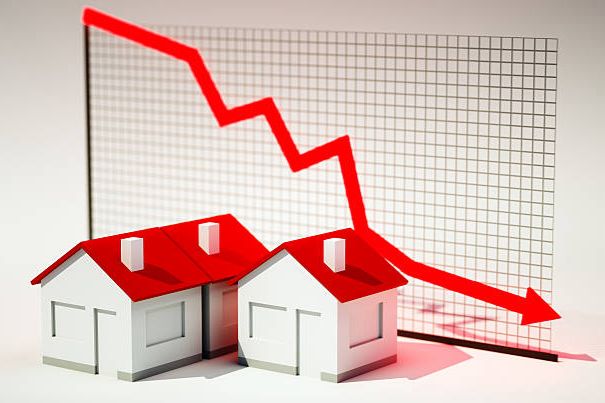
High interest rates don’t just affect the person buying a house; they change the entire real estate market for everyone. When mortgage rates stay high, like the 6% to 7% range we have seen recently, fewer people can afford to buy. This leads to a major slowdown, where houses sit on the market for months and fewer sales happen. In 2025, the U.S. housing market saw a significant drop in activity as buyers waited for rates to drop, creating a “frozen” market where very little movement occurred.
This slowdown creates a frustrating chain reaction for everyone involved. People who want to sell their homes often stay put because they don’t want to trade their current 3% mortgage for a new one at 7%. This means there are fewer houses for sale, which keeps prices high even though demand is lower. For families who need to move for a new job or to be closer to aging parents, this lack of flexibility is a major problem. While the market will eventually find a new balance, these periods of high interest rates leave a lasting mark on the American dream of owning a home.
Vacations Becoming Rare

Family holidays are often among the first things to be cut when interest rates start to climb. As monthly mortgage payments and credit card bills get more expensive, households naturally look for ways to reduce their extra spending. Travel is often seen as a luxury rather than a necessity, so it becomes very easy to postpone the annual summer trip. What was once a regular tradition for many families can quickly become an occasional treat as people prioritize keeping up with their rising debt and essential living costs.
This shift in behavior is actually a goal of economic policy. The Federal Reserve often raises rates to slow down consumer spending and get inflation under control. As borrowing money for a trip or using a credit card for flights becomes more expensive, families prioritize “needs” over “wants.” Over time, this change becomes very visible in the tourism industry, where airlines and hotels see less demand. For the average family, the result is a quieter lifestyle. Many special memories that might have been created through travel are delayed for several years until borrowing costs finally begin to fall.
Grocery Budget Pressure

Even your weekly trip to the grocery store is affected by the ripple effect of rising interest rates. While interest rates don’t directly set the price of a gallon of milk, they change the cost of doing business for everyone in the food chain. Supermarkets, distributors, and farmers all rely on loans to pay for tractors, delivery trucks, and large inventories. When it costs more for these businesses to borrow money, those extra expenses are eventually passed on to the consumer. This makes the price of food on the shelves tick upward.
For many households, this means watching the grocery budget more closely than ever before. Since the jump in food prices in 2021 and 2022, many families have already switched to store brands or started buying in bulk to save money. When high interest rates add more pressure to your other bills, like your car loan or credit card, the grocery budget is often the only place left to make cuts. By 2025, many Americans have found that they have to be much more strategic about what they buy just to keep their total monthly spending balanced.
Mental Health Strain

Financial stress is well-known as a major cause of anxiety, and rising interest rates can quietly make that pressure much worse. When a family is facing higher loan repayments or watching their credit card balance grow, the worry about money can become overwhelming. People often find themselves stressing about how to meet their monthly bills while still trying to save for the future. This constant financial “weight” can lead to significant emotional strain, affecting how people feel every single day as they try to navigate an expensive world.
Research has shown that money concerns are one of the leading causes of mental health struggles in American households today. When rates rise quickly, the uncertainty about whether you can afford your home or your car in the future adds to that stress. Parents often feel a deep pressure to provide security for their children, while younger adults worry they will never be able to afford a house. Over time, these worries can affect sleep, physical health, and personal relationships. It reminds us that while interest rates are discussed as numbers, they have a deeply personal impact on our wellbeing.


