
1. Prices Rarely Go Back Down

You have probably noticed something that feels confusing lately. The news keeps saying inflation is slowing, yet everyday things still feel expensive. That disconnect is exactly what many households are talking about around dinner tables and grocery aisles. The truth is that when inflation slows, prices usually do not drop back to what they used to be. They simply stop rising as fast as before. If groceries jumped significantly over the past few years, those higher prices tend to become the new normal people live with. Businesses adjust to that level and rarely reverse it completely. For shoppers, that can make it feel like relief never really arrived. Instead, the economy just settled into a higher price environment that everyone now has to work around. Many families are still adjusting to that shift in daily life.
A few years ago, certain items in the store felt routine to buy without thinking too much about the total bill. Today many shoppers pause, compare prices, or swap brands more often than they used to. That experience shapes how people feel about the economy. Even if inflation numbers improve, the memory of lower prices still lingers in people’s minds, and that makes the current cost of living feel unusually high in everyday life. Over time people slowly adapt to the new price level, but the adjustment takes longer than many expected. For now the grocery receipt remains one of the clearest reminders that even when inflation slows, the price tags themselves rarely return to where they started.
2. Wage Growth Has Not Fully Caught Up
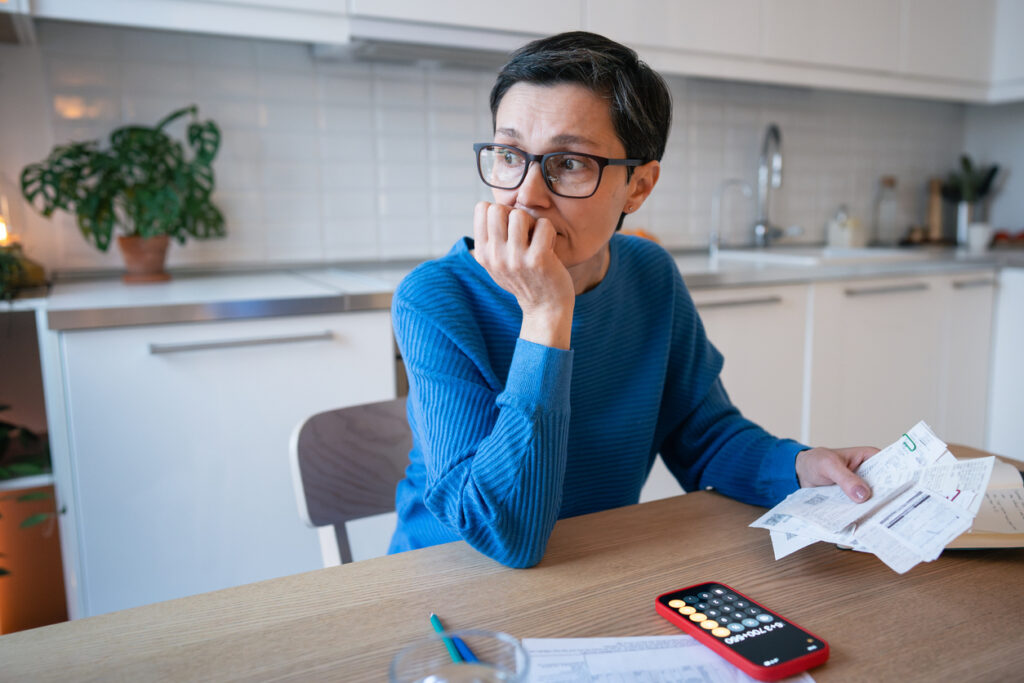
Another reason prices still feel heavy in daily life comes down to the relationship between income and expenses. During the period when inflation rose quickly, many workers did receive raises, but those increases often arrived after living costs had already surged. That timing matters more than it might seem. When rent, groceries, transportation, and utilities all jump within a short period, families feel the pressure immediately. Pay increases that arrive later may help, but they often feel like they are simply catching up to a problem that already happened. In many households the math still feels tight at the end of the month.
The paycheck might be a little bigger than it was a few years ago, yet the spending power of that money has changed. People notice this most clearly when they compare what their salary used to cover with what it covers now. Dining out might happen less often, or extra spending may require more planning than it once did. These small adjustments become part of everyday life. Over time wages may continue to rise and restore some balance, but the adjustment process can take years. Until then many households continue to feel as though prices are moving faster than their financial comfort level, which is why the idea of inflation slowing does not always match how people experience their daily budgets.
3. Housing Costs Continue To Climb
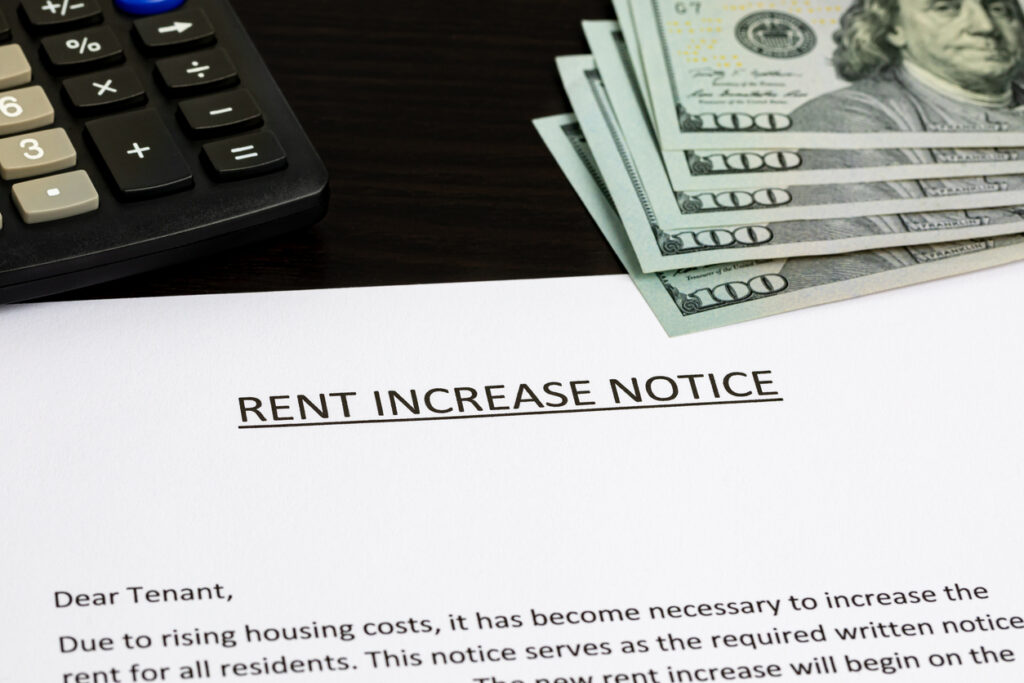
Housing is one of the most powerful reasons everyday life still feels expensive. For most households rent or mortgage payments represent the largest monthly expense. When housing costs rise, the impact is immediate and difficult to avoid. Over the past few years many cities experienced significant increases in rent and home prices. Even when other parts of the economy begin to stabilize, housing often continues moving slowly upward. That slow movement makes the pressure linger longer than people expect. Once a landlord raises rent or a mortgage payment reflects higher property values, that cost usually becomes the new baseline for future budgets.
Families cannot easily substitute housing the way they might switch grocery brands or postpone a purchase. Because of that, higher housing costs affect everything else in a household budget. When more income goes toward rent or mortgage payments, there is less left for savings, travel, or small everyday comforts. People may cut back on other spending simply to keep up with where they live. This shift quietly changes daily routines. Even if inflation numbers improve in other categories, housing alone can make the cost of living feel stubbornly high for a long time, especially in cities where demand for housing continues to outpace the number of available homes.
4. Food Prices Rose Quickly And Stayed High
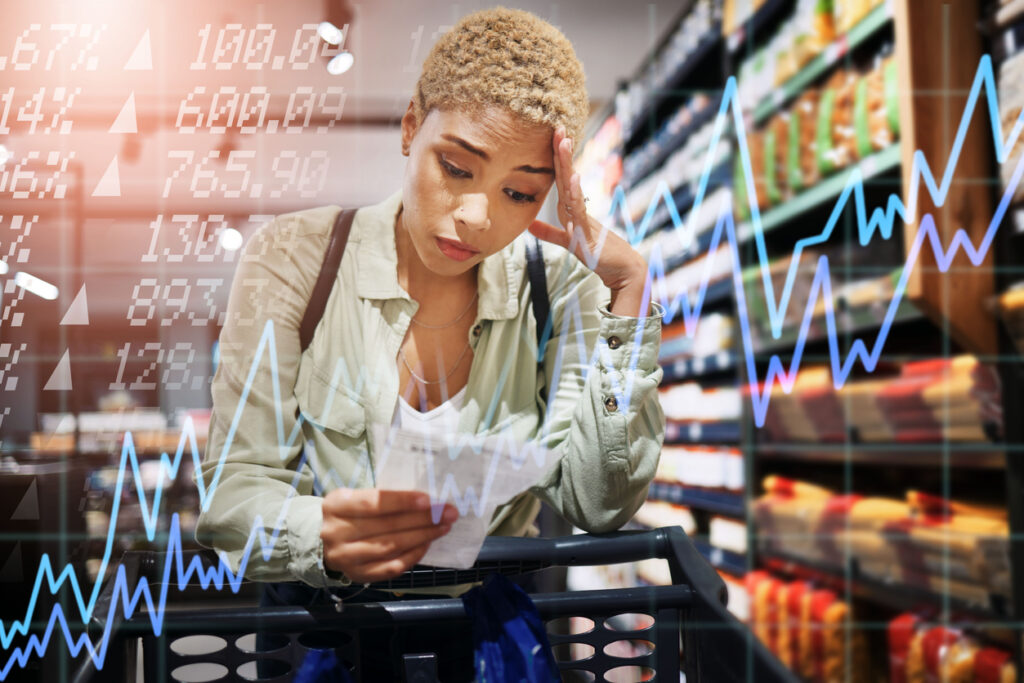
Groceries are one of the most visible ways people experience inflation because food shopping happens so often. Most households visit the store several times a week, and that repeated experience makes price changes easy to notice. When grocery prices rose quickly during recent years, shoppers felt the difference almost immediately. A few extra dollars on several items might not seem dramatic on their own, but together they add up to a much higher total at checkout. What makes food costs especially memorable is that many people buy the same items regularly.
When the price of milk, bread, eggs, or cooking oil changes, the difference stands out clearly because shoppers remember what those items used to cost. Even after supply issues improve or transportation becomes easier, food prices often settle at a higher level rather than dropping sharply. Families then adapt their habits. Some people start comparing prices more closely, buying store brands, or planning meals differently to stretch their grocery budget. These everyday adjustments keep reminding people that prices are still higher than they once were. Because groceries are such a regular expense, they play a huge role in shaping how people judge the economy.
5. Companies Adjusted Prices To Cover Higher Costs

During the surge in inflation many companies faced rising expenses across several areas at the same time. Energy became more expensive, wages increased, and shipping costs climbed as well. Businesses responded by raising prices to keep operations running smoothly. Once those price adjustments were made, many companies chose to maintain them even after some of those pressures began easing. From a business perspective this makes sense because stable prices help companies plan their budgets and recover from earlier cost increases. For customers though, it can feel like prices moved up quickly and then stayed there permanently.
When people visit their favorite restaurant or service provider, they might notice that menu prices or fees are still higher than they remember. Over time customers adjust and continue buying, which encourages businesses to keep prices steady at the new level rather than lowering them. This pattern quietly shapes the everyday economy. Instead of prices returning to what they once were, they simply level off. For consumers the result is a feeling that life has become more expensive across many small areas, even though inflation statistics say the rate of increase has slowed.
6. Supply Chains Are Better But Not Fully Normal
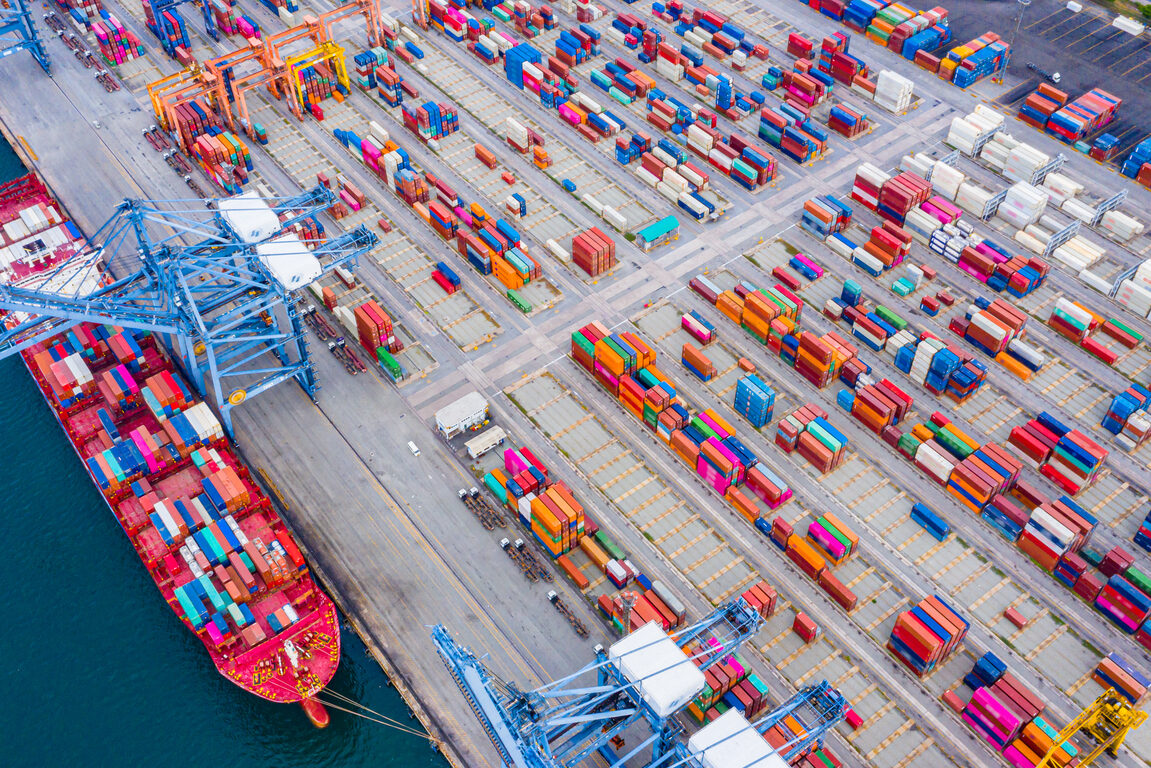
Supply chains have improved compared to the chaotic period during the pandemic disruptions, yet they still carry some of the aftereffects from those disruptions. Factories, shipping networks, and transportation systems take time to fully recover when they experience major interruptions. Even small delays in one part of the system can influence how goods move from manufacturers to store shelves. When businesses face uncertainty in how quickly products will arrive, they often price items more cautiously. That means keeping prices slightly higher rather than lowering them immediately.
Retailers also work through inventory that was purchased earlier at higher costs. Until that inventory clears, the price consumers see in stores may still reflect older conditions in the supply chain. This creates a lag between improvement behind the scenes and the prices people encounter in daily life. Shoppers may hear that shipping costs have eased or production has stabilized, yet the price tag on everyday items has not changed much. Over time these adjustments filter through the system, but the process can be slow. During that transition people continue to feel like prices remain elevated even while economic conditions gradually improve.
7. Services Inflation Is Stubborn

Many people think about inflation mainly in terms of physical products, but a large part of modern spending actually goes toward services. Services include haircuts, childcare, medical visits, home repairs, streaming subscriptions, and restaurant meals. These activities depend heavily on workers rather than raw materials or factories. When wages rise in service industries, businesses often increase prices to keep up with payroll costs. Once those service prices move upward, they rarely fall again. A haircut or repair job that costs more this year usually continues costing that amount next year as well.
Because services are part of everyday life, the increases become very noticeable. Families might still go out to eat or pay for childcare, but the bill reminds them that prices have changed. Even when the price of some goods stabilizes, services continue shaping how people experience the cost of living. This creates a sense that inflation is still active everywhere. In reality some parts of the economy may be stabilizing while service costs remain elevated. The difference between those sectors explains why official inflation numbers can fall while daily expenses still feel stubbornly high.
8. People Notice Price Increases More Than Price Stability
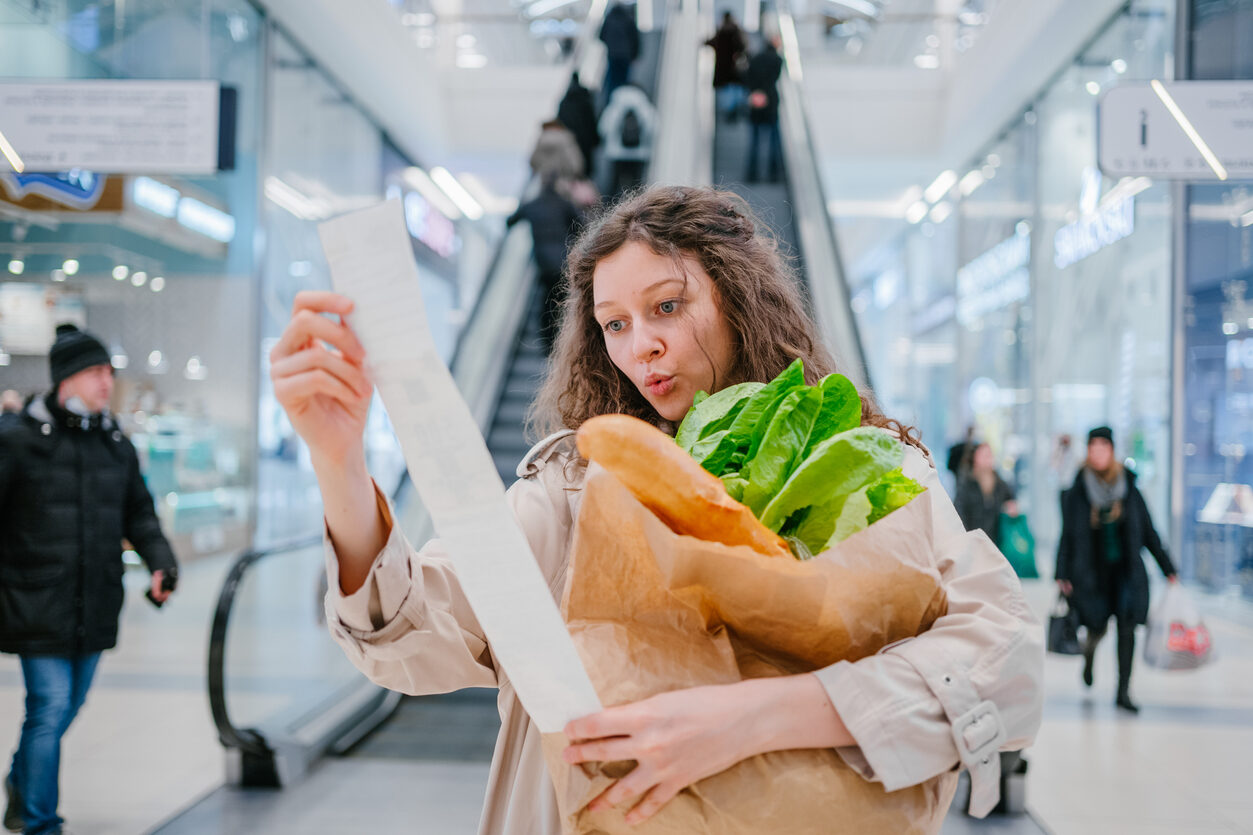
Human psychology plays a surprisingly strong role in how people perceive inflation. Most individuals remember price increases far more vividly than periods when prices stay steady. When a familiar item suddenly costs more, that moment sticks in memory. The next time someone sees that product on the shelf, the earlier price often comes to mind automatically. Stability does not create the same emotional reaction. If a product remains the same price for months afterward, people rarely notice that calm period.
Instead the original jump remains the reference point in their mind. This pattern affects how people talk about the economy with friends, coworkers, and family members. Conversations often revolve around the price changes that shocked them rather than the items that quietly stayed the same. Over time these memories accumulate and shape a broader perception that everything is getting more expensive. Even when inflation slows, the memory of rapid increases lingers in everyday conversation. Because people encounter food, fuel, and basic household goods regularly, those memories are reinforced often.
9. Energy And Fuel Prices Still Swing
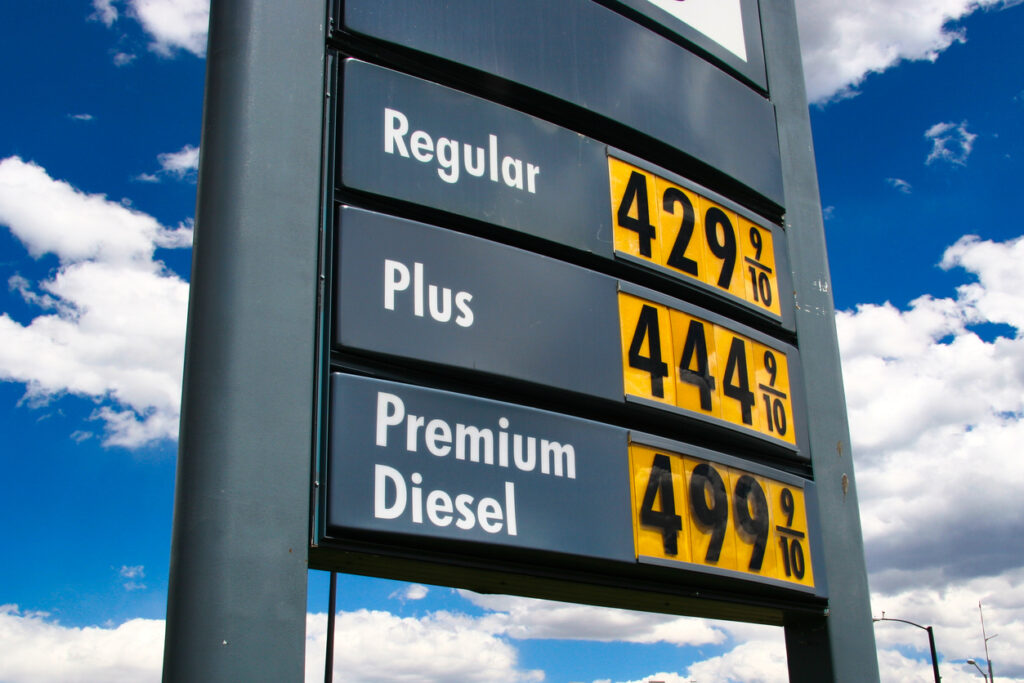
Fuel prices influence how people feel about the economy in a very direct way. Unlike many other products, gasoline prices are displayed openly on large signs along busy roads. Drivers notice the numbers almost every time they pass a station. Because of that visibility, even a small change can shape how people interpret the overall cost of living. When fuel prices rise, it quickly becomes a common topic of conversation. People mention it during commutes, while running errands, or when planning travel.
Fuel also affects many other costs indirectly. Transportation is a key part of delivering groceries, clothing, and household goods. When fuel prices fluctuate, businesses sometimes adjust their own prices to reflect higher delivery expenses. These ripple effects reinforce the sense that the entire economy is becoming more expensive. Even when fuel prices fall again, the earlier spike can leave a strong impression. Many people remember the highest number they saw at the pump rather than the later decrease, and that memory shapes how they judge the economy.
10. Everyday Spending Habits Changed Quietly
Another reason prices feel high is that people have quietly changed how they spend money. Over the past few years many households adjusted their habits to manage rising costs. Some began cooking at home more often, delaying large purchases, or choosing lower priced alternatives at the store. These changes helped families adapt, but they also made people more aware of how much things cost. When someone carefully compares prices or plans purchases more closely, they naturally notice differences that might have gone unnoticed before.
This new awareness can create the feeling that everything has become expensive, even when prices are no longer rising quickly. Daily routines have shifted in subtle ways. Families may plan grocery trips more carefully or think twice before adding an extra item to the cart. These adjustments become part of everyday financial life. Over time people become more mindful consumers, which can be helpful. At the same time that constant attention to prices keeps the idea of inflation present in daily thinking.
11. The Memory Of The Inflation Surge Still Lingers
One thing that often goes unnoticed is how strongly people remember periods of rapid economic change. The recent inflation surge was unusual because prices rose across many everyday categories at the same time. Groceries, fuel, rent, and services all seemed to move upward together. That experience left a strong impression on households. Even after inflation begins slowing, people still carry the memory of how quickly prices once climbed.
When they see a familiar product today, they often compare it with what they remember paying several years earlier. This comparison naturally makes current prices feel high. Memories like these influence conversations about the economy as well. People share stories about how much something used to cost, and those comparisons reinforce the sense that life has become more expensive. Over time new price levels become familiar and the earlier reference fades slightly, but that adjustment happens gradually.
12. It Takes Time For Relief To Feel Real

In the end the difference between economic statistics and everyday experience often comes down to timing. Inflation can slow relatively quickly in official data, yet households need more time to feel that improvement in daily life. Budgets, wages, and spending habits all adjust gradually. Families rebuild savings, renegotiate salaries, and find new routines that fit the current cost of living. That process rarely happens overnight.
Even when prices stabilize, people are still living with the higher levels created during the earlier surge. Over time things usually begin to feel more balanced again. As incomes rise and prices remain steady, the pressure that once felt overwhelming slowly eases. Until that adjustment fully settles in, many households continue navigating the reality of higher everyday costs. If this breakdown helped make sense of today’s confusing price headlines, consider sharing it with someone who has been wondering the same thing.


