
1. Lifestyle Inflation Sneaks In Quietly

Sometimes the conversation about money begins in a very ordinary way. Someone says they earn a good salary now, yet the feeling of financial comfort never quite arrives. Many people today find themselves in that exact situation. A raise comes in, a new opportunity appears, and life begins to improve in small ways. You move to a nicer apartment, upgrade your phone, or start choosing convenience more often because work is busy. None of those decisions feel reckless in the moment. They simply feel like natural rewards after years of effort and patience.
Over time though, these improvements slowly become part of everyday life. The nicer apartment becomes the standard you are used to. The occasional delivery meal becomes a few times each week. The upgraded lifestyle quietly settles in and stops feeling special. This is how spending expands without people realizing it right away. Months pass and the budget stretches further than expected. One day many people look at their expenses and wonder how their comfortable salary started feeling tight again even though nothing about their choices seemed extreme.
2. Social Circles Quietly Raise The Spending Bar

Money habits rarely develop in isolation. They grow within the communities people spend time with every day. Friends, colleagues, and family members all shape how normal spending looks and feels. When someone begins earning more, their social environment often changes naturally. Invitations may include nicer restaurants, weekend trips, weddings in different cities, or group celebrations that carry higher price tags than before. Each invitation feels friendly and casual, so the spending rarely feels like pressure.
However, these shared experiences slowly reset expectations. Saying yes becomes part of maintaining relationships and enjoying time together. A dinner that once felt like a treat becomes a routine plan. Celebrations become bigger and vacations become more frequent. People rarely notice how these habits grow because they are tied to moments of connection and happiness. Over time though, participating in those social rhythms quietly raises everyday spending. A salary that once felt comfortable begins stretching further simply because the lifestyle around it has expanded.
3. Housing Eats A Bigger Slice Of Income

When people review their monthly expenses carefully, housing almost always sits at the center of the picture. A home is more than shelter. It represents comfort, stability, and a place where daily life unfolds. Because of that emotional value, many people are willing to stretch their finances to secure the right living space. Renting in a desirable area or purchasing a home often feels like an investment in personal well being and security.
Yet housing expenses can quietly dominate a budget. Rent or mortgage payments are usually accompanied by utilities, insurance, maintenance, and sometimes property taxes. Each cost may feel reasonable on its own, but together they form a large portion of monthly spending. Even someone earning a solid income can feel pressure once these payments are made. After housing is covered, the remaining money must support transportation, groceries, healthcare, and other daily needs. Many professionals eventually realize their paycheck appears generous at first glance but shrinks quickly once the cost of living is fully accounted for.
4. Subscriptions Multiply Without Notice
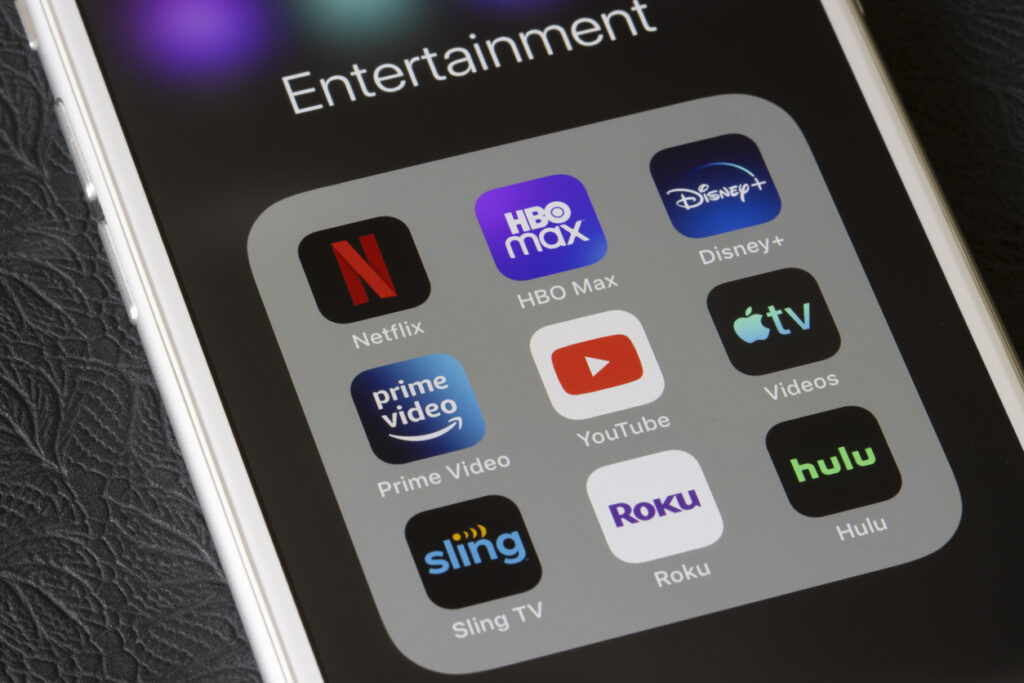
Modern life runs on digital convenience. Entertainment platforms, productivity tools, fitness apps, and cloud services promise to simplify everyday routines. When people first sign up for these services, the monthly price often seems small enough to ignore. Five dollars for a streaming service or ten dollars for a helpful app rarely feels significant in the moment. These purchases usually happen during busy days when convenience feels more valuable than careful budgeting.
Months later those subscriptions can accumulate quietly in the background. A person may carry several entertainment platforms, multiple apps, and a handful of digital memberships that charge automatically every month. Because the payments happen silently through saved payment methods, they often escape attention. Many people are surprised when they review their statements and see how many services they are supporting. Individually the costs remain modest, but together they form a steady stream of spending that quietly reduces the amount of money available for other priorities.
5. Debt Payments Follow People Longer Than Expected

Many adults begin their professional lives with financial commitments already in place. Student loans, car payments, or credit balances often remain part of the financial picture long after someone secures a stable job. These obligations rarely feel overwhelming when viewed individually. A monthly payment might seem manageable compared to the size of a paycheck. The challenge appears when several of those commitments exist at the same time.
Each payment quietly claims a portion of income before other needs are considered. A person earning good money may still see a significant share of their paycheck directed toward obligations created years earlier. Over time that steady flow of payments can shape the entire budget. Even careful planning can feel restrictive when several debts must be paid every month. Many people eventually recognize that their salary looks strong on paper but much of it is already committed to responsibilities that cannot easily disappear.
6. Inflation Changes The Value Of A Paycheck

Sometimes the pressure people feel around money has little to do with their personal decisions. The cost of everyday life can change gradually over time. Groceries, transportation, utilities, and healthcare may all become more expensive from year to year. These shifts often happen slowly enough that people adapt without noticing right away. A slightly higher grocery bill or gas price seems minor when it appears alone.
After several years the difference becomes clearer. Someone may compare their spending today with what life cost in the past and feel surprised by the change. Even if their salary has increased during that period, the rising price of necessities can absorb much of that progress. As a result a person earning more money may still feel like their financial position has not improved very much. The paycheck grows, but the cost of maintaining everyday life grows alongside it.
7. Emergency Savings Are Harder To Build

Financial stability is not only about paying bills each month. Many people feel secure when they have savings set aside for unexpected situations. A medical bill, sudden travel, or car repair can appear without warning. Having money prepared for those moments brings peace of mind that extends beyond numbers in a bank account. Yet building that cushion can be more difficult than people expect.
Monthly expenses often consume most of a paycheck before savings become a priority. Housing, transportation, groceries, and insurance create a steady stream of necessary spending. When only a small portion of income remains afterward, setting aside money requires patience and consistency. Progress can feel slow, especially when unexpected costs interrupt savings efforts. Without a comfortable financial cushion, even people earning respectable salaries may feel uncertain about how they would handle the next surprise expense.
8. Income Growth Does Not Always Bring Financial Clarity

Earning more money does not automatically teach someone how to manage it effectively. Many people grow up without formal education about budgeting, investing, or long term financial planning. They learn through experience while juggling responsibilities that grow more complex over time. When income increases, the same habits people used earlier often continue without much adjustment.
As a result spending naturally expands to match the available income. Without clear systems for tracking expenses, it becomes difficult to see where money is truly going. Someone may feel confident about paying bills on time yet still feel uncertain about their overall financial progress. That uncertainty can create frustration even for individuals who earn comfortable salaries. Over time many people realize that understanding money management can be just as important as earning more income.
9. Convenience Spending Becomes A Daily Habit

In busy modern routines, convenience often feels like a necessity rather than a luxury. Food delivery services, ride apps, and online shopping platforms promise to save time and energy. For professionals balancing work and personal life, these services can make stressful days feel easier to manage. At first they are used occasionally during especially hectic weeks.
Gradually convenience becomes part of everyday life. Ordering dinner may replace cooking several nights each week. Quick rides may replace walking or public transportation. Small online purchases begin appearing regularly because they are only a few clicks away. Each decision seems harmless when viewed individually. Over time though these convenient choices form a pattern of spending that quietly adds up. Many people are surprised when they review their finances and realize how much money convenience has absorbed.
10. Financial Goals Often Remain Vague

Many people work hard to earn more money, believing that a higher income will naturally bring financial peace of mind. Yet something interesting often happens along the way. The paycheck grows, responsibilities increase, and daily life continues moving quickly, but the long term plan for that money remains unclear. Bills get paid, groceries are bought, and the rest quietly flows into everyday living without much direction. A person may feel productive and responsible while still wondering what their income is really building toward.
Without clear financial goals, it becomes difficult to measure progress in any meaningful way. Someone might earn far more than they did a few years ago yet still feel uncertain about whether they are moving forward financially. Saving, investing, or preparing for major life milestones requires intention and structure. When those pieces are missing, money tends to drift toward whatever feels urgent in the moment. Over time many people realize that earning more was only part of the equation. Clarity about purpose and direction is what helps income begin to feel truly empowering.
11. Family Support Often Expands with Income

For many people, earning more money naturally comes with a desire to help others. Family members often look to the person who seems financially stable when challenges arise. Sometimes the support involves helping with school fees, contributing toward medical bills, or assisting during a difficult period. These decisions usually come from a place of care and responsibility. Providing that help can feel deeply meaningful because it reflects love and commitment to the people who matter most.
However, those acts of generosity can quietly shape personal finances over time. Even small contributions given regularly can accumulate into a noticeable portion of monthly spending. Because the support is offered willingly, people rarely pause to consider its long term effect on their own financial plans. The intention is simply to help where possible. Over time though, balancing personal goals and family responsibilities becomes more complicated. A salary that once felt comfortable may begin stretching further as both personal expenses and family needs grow together.
12. Irregular Expenses Catch People Off Guard

Most people organize their finances around predictable monthly costs. Rent, transportation, groceries, and utility bills create a structure that feels manageable because the numbers repeat every month. This routine makes budgeting easier and gives a sense of stability. Yet life includes many expenses that do not follow that predictable schedule. Medical visits, travel plans, school payments, and home repairs appear at irregular moments throughout the year.
Because these costs arrive unexpectedly, they can disrupt the balance someone worked hard to maintain. A large bill may appear during a month that already feels financially tight. Even when income is steady, these irregular expenses can create the impression that money is constantly slipping away. People often recover by adjusting their budget or using savings, but the experience leaves a lingering sense of instability. Many individuals eventually realize that planning for occasional expenses is just as important as managing regular monthly bills.
13. Small Luxuries Become Emotional Rewards

After demanding workdays or stressful weeks, many people look for small ways to treat themselves. A favorite drink from a café, a new piece of clothing, or a relaxing outing with friends can feel like a well deserved reward. These moments of enjoyment help balance the pressures of everyday life. Because each purchase is relatively small, they rarely feel like financial decisions that require serious thought.
Over time though these small rewards can become part of a routine. The occasional coffee becomes a daily habit. A quick shopping trip turns into a regular weekend activity. None of the purchases feel excessive on their own, which is why they rarely attract attention. Yet their frequency slowly increases. When all those little comforts are added together at the end of the month, the total can be surprisingly large. Many people later recognize that these emotional rewards quietly shaped their spending more than they expected.
14. The Cost Of Staying Current Adds Up

In many professional and social environments, staying current feels important. Technology evolves quickly, workplace expectations change, and cultural trends move at a steady pace. People often feel encouraged to keep up by upgrading devices, refreshing wardrobes, or adopting the latest tools that promise efficiency and productivity. These updates rarely feel extravagant because they appear practical and necessary for modern living.
However, maintaining that sense of being current requires ongoing spending. A phone replacement here, a laptop upgrade there, and occasional clothing updates for work or social events gradually form a pattern. Each purchase may seem reasonable in isolation. Over time though these updates create a continuous cycle of spending that many people never fully notice. A portion of income becomes dedicated to maintaining relevance in a fast moving world. Eventually people realize that staying current carries a quiet financial cost that builds year after year.
15. Feeling Broke Is Sometimes About Expectations

As people reflect on their financial experiences, many begin to notice something surprising. The feeling of being broke does not always come from a lack of income. Often it grows from expectations about what life should look like at a certain stage. Society suggests that success should include comfortable living, frequent travel, financial security, and the ability to handle every unexpected challenge with ease.
When reality does not fully match those expectations, people may feel financially behind even if their income is respectable. Recognizing this can bring a sense of perspective. Instead of measuring financial well being only by salary, many individuals begin thinking about balance, priorities, and personal definitions of success. That reflection often becomes the moment where financial habits begin to shift. Understanding how expectations shape spending helps people reconnect their money with the life they genuinely want to build.


