
Doctors Endorsing Cigarettes
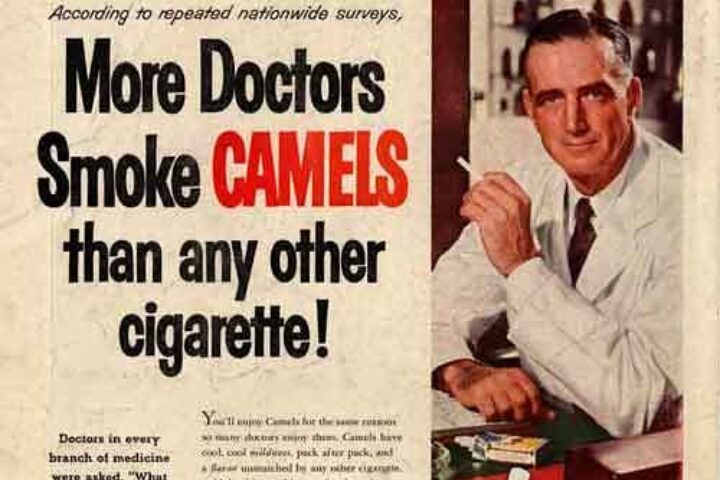
For much of the mid-20th century, tobacco companies aggressively used authority figures to convince the public that smoking was a harmless habit. Although the most infamous campaigns began in the 1940s, this dangerous marketing strategy persisted into the early 1970s. Famous advertisements, such as the Camel campaign claiming “More Doctors Smoke Camels,” suggested that physicians preferred certain brands because they were “gentler” on the throat. These ads often featured actors in white lab coats, projecting a sense of medical expertise and safety to unsuspecting viewers.
The tide began to turn following the landmark 1964 U.S. Surgeon General’s report, which finally linked smoking to lung cancer and heart disease. Public outrage and growing health concerns led to the Public Health Cigarette Smoking Act of 1970. Signed by President Richard Nixon, this law officially banned all cigarette advertisements from American television and radio starting on January 2, 1971. Today, federal regulations strictly prohibit any suggestion that tobacco products offer health benefits, making the image of a “doctor-approved” cigarette a relic of a bygone and unregulated era.
Cigarette Commercials On Television
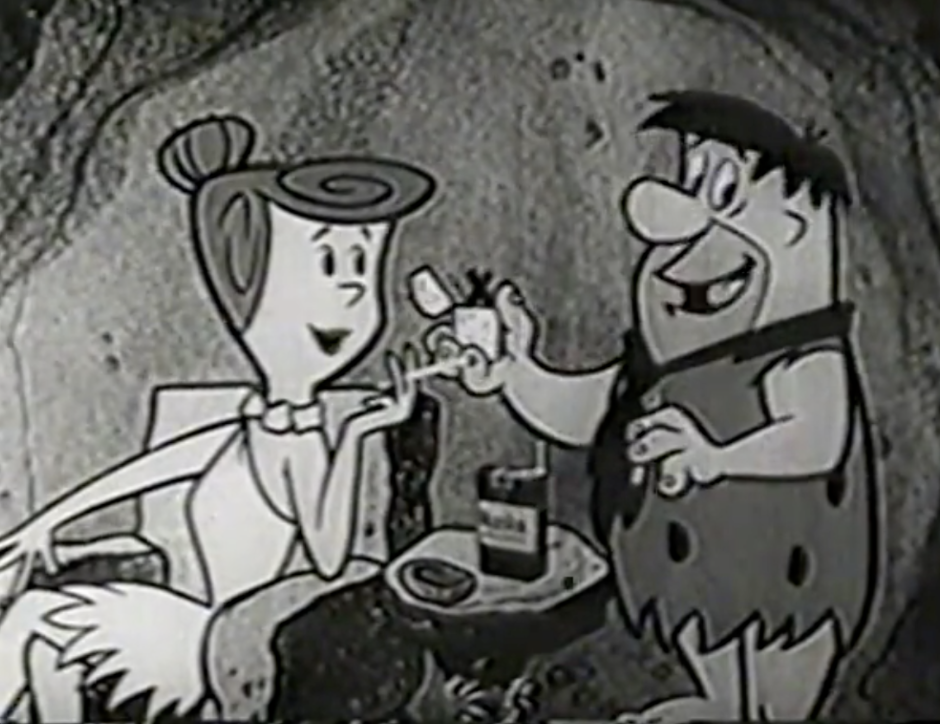
During the 1960s, cigarette commercials were the backbone of television broadcasting, sponsoring everything from nightly news programs to popular sitcoms. Iconic figures like the “Marlboro Man,” a rugged cowboy introduced in 1954, became symbols of American masculinity and independence. Brands like Winston even sponsored The Flintstones, showing animated characters lighting up during commercial breaks. This deep integration into pop culture made smoking seem like a universal social norm, successfully targeting a wide demographic of viewers through high-energy and visually appealing television spots.
The era of broadcast tobacco promotion came to a definitive end at midnight on January 1, 1971. The final cigarette ad ever aired on American television was a 60-second spot for Virginia Slims, broadcast during The Tonight Show Starring Johnny Carson. Following this legal cutoff, tobacco companies were forced to pivot their massive marketing budgets toward billboards, magazines, and sports sponsorships. Modern broadcasting standards are now so strict that tobacco products are almost entirely invisible in mainstream advertising, reflecting a massive shift in how society views public health and corporate responsibility.
Smoking As Stress Relief
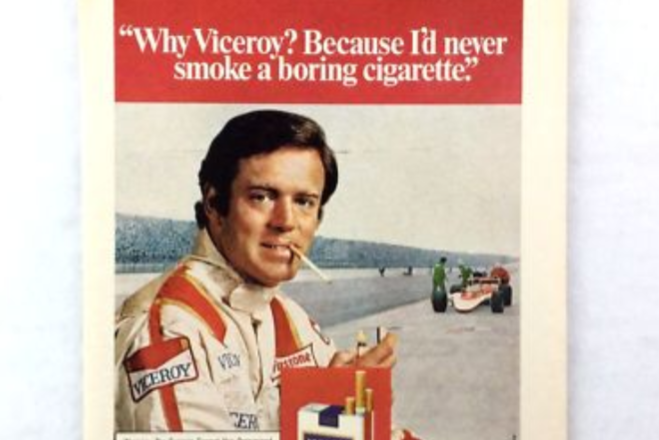
In the 1970s, advertisers frequently marketed cigarettes as a necessary “quick fix” for the stresses of modern life. Commercials often depicted overworked office employees, taxi drivers, or laborers finding instant peace by lighting up during a hectic day. Brands like Kent and Viceroy framed their products as a way to “relax and refresh,” suggesting that nicotine was a helpful tool for emotional regulation. This narrative successfully transformed a chemical addiction into a socially acceptable ritual for coping with the demands of the fast-paced American workforce.
One particularly common 1970s trope featured a stressed executive stepping away from a high-stakes meeting to enjoy a quiet moment with a cigarette. The visual messaging implied that smoking provided the mental clarity needed to succeed in business. However, by the late 1980s, medical research debunked these claims, proving that nicotine actually increases heart rate and blood pressure, often exacerbating long-term anxiety. Today, strict Federal Trade Commission (FTC) guidelines prevent any company from portraying tobacco as a stress-relief aid, as modern science highlights the true physical toll of addiction.
The Scolded Housewife
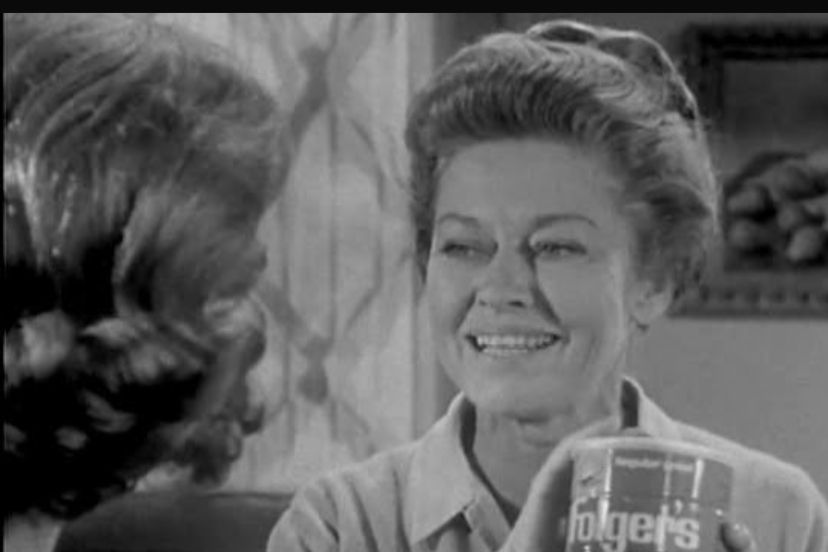
Household product marketing in the 1970s was often defined by gender-based “instructional” narratives that would be considered highly offensive today. A classic example was the long-running Folgers coffee series featuring “Mrs. Olson,” a neighbor who stepped in to save marriages by teaching wives how to brew better coffee. These commercials often showed a husband visibly disappointed or even angry with his wife over a “bitter” cup of coffee. The solution was always a specific brand, implying that a woman’s primary worth was tied to her domestic performance.
These advertisements reflected the rigid cultural expectations of the early 1970s, where women were primarily viewed as homemakers responsible for keeping their husbands satisfied. As the feminist movement gained momentum throughout the decade, these “scolding” narratives began to face significant public pushback. By the 1980s, advertisers shifted toward more balanced portrayals of domestic life, showing men and women as partners rather than critics. Today, a commercial featuring a husband belittling his wife over a household chore would likely lead to an immediate viral boycott and a PR disaster for the brand.
Women As Product Props
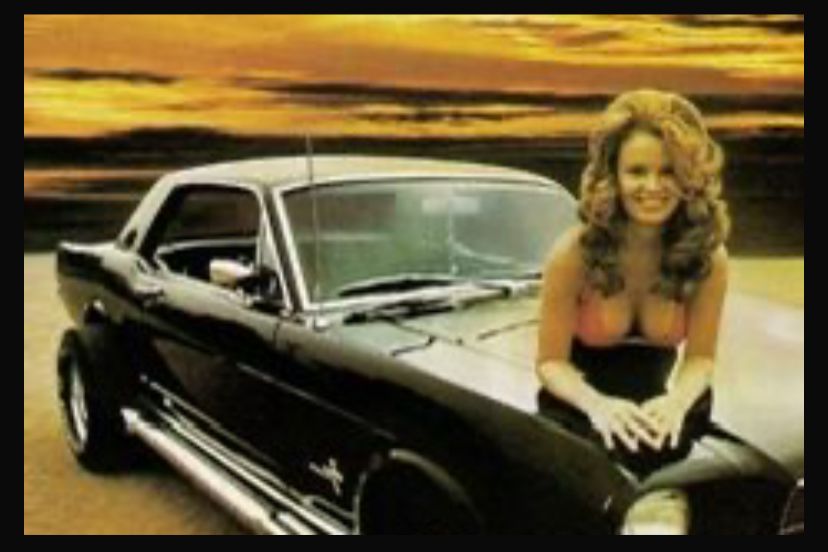
Vintage 1970s advertising frequently utilized women as “decorative props” to sell items that had absolutely no relation to female consumers. Whether it was a new lawnmower, a set of power tools, or a high-performance engine, commercials often featured glamorous models in stylish outfits simply standing next to the product. For instance, Dodge and Pontiac commercials frequently used “car girls” to attract the male gaze, assuming that an attractive woman would make a muscle car seem more desirable to potential buyers in the showroom.
This “sex sells” approach was a staple of the industry for decades, but it eventually drew the ire of critics who argued it reduced women to mere objects. As society progressed toward greater gender equality, the “prop” strategy began to feel increasingly dated and disrespectful. Modern marketing has largely moved away from this tactic, opting instead for lifestyle-based storytelling where women are shown as the actual drivers or owners of the products. Today’s viewers expect authenticity, and using a model as a silent accessory is now seen as a lazy and ineffective marketing relic.
Housework As Female Duty
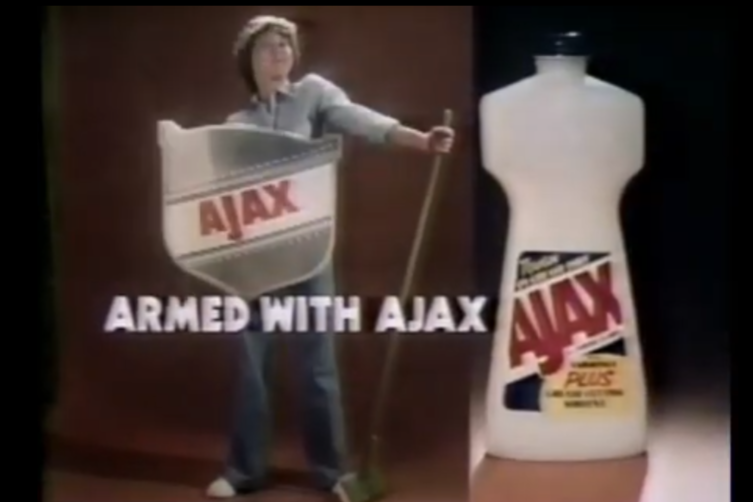
During the 1970s, cleaning product commercials almost exclusively targeted women, reinforcing the idea that maintaining a spotless home was a female obligation. Brands like Mr. Clean and Ajax frequently showed housewives scrubbed and polished, finding deep personal fulfillment in a shiny floor or a germ-free bathroom. The commercials rarely showed men picking up a vacuum or a sponge; instead, husbands typically appeared at the end of the ad to “inspect” the work and offer a nod of approval for a job well done.
This stereotypical portrayal was a direct reflection of the 1970s “nuclear family” ideal, but it ignored the reality of the millions of women entering the workforce. As dual-income households became the American norm in the 1980s and 1990s, the advertising industry was forced to adapt its messaging. Modern cleaning ads are far more inclusive, often showing men sharing the chores or focusing on the time-saving technology of the product itself. A contemporary commercial suggesting that housework is a “woman’s job” would be viewed as a massive step backward in social progress.
Trophy Wife Messaging
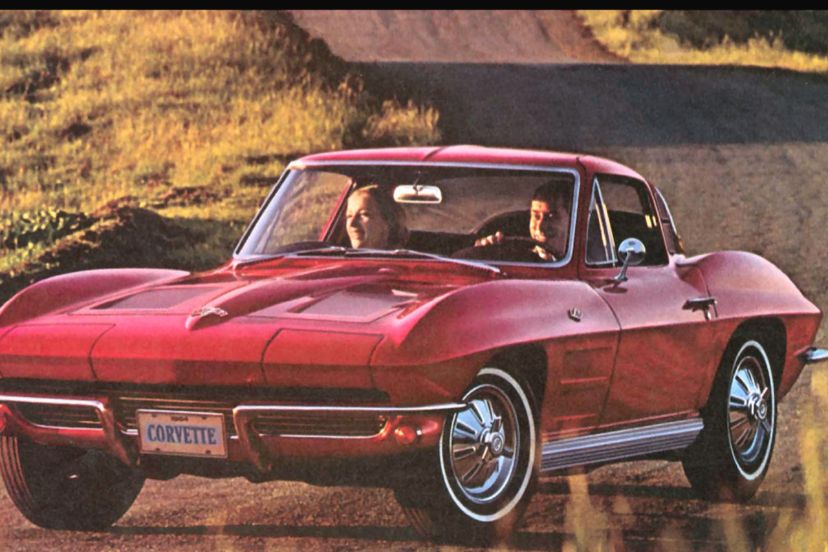
Luxury car marketing in the early 1970s often leaned into the “trophy wife” trope, suggesting that a high-status purchase was the key to romantic success. Commercials for the Chevrolet Corvette or the Ford Mustang frequently featured a man driving a sleek sports car with a beautiful, silent woman in the passenger seat. The subtext was clear: the car was a tool used to attract and keep a high-value companion. These ads sold a dream of social dominance where the woman was essentially presented as a reward for the driver’s financial achievement.
This narrative was particularly prevalent in the “muscle car” era, where horsepower and speed were marketed as extensions of masculinity. However, as the 20th century drew to a close, this style of messaging began to fade in favor of “lifestyle” branding that appealed to both genders. Today, luxury car manufacturers focus on personal experience, safety technology, and individual freedom. The idea of portraying a spouse as a “trophy” earned through a car purchase is now considered outdated and insensitive, reflecting a much-needed shift toward mutual respect in modern media representation.
Reckless Driving Scenes
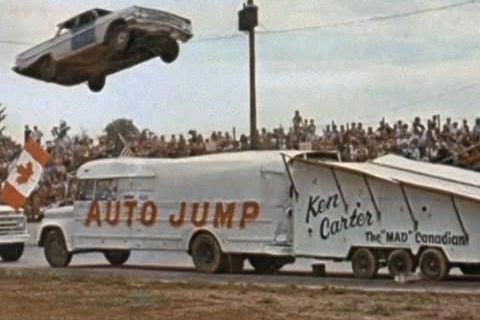
In the 1970s, car commercials were often high-octane mini-movies that celebrated speed and dangerous maneuvers. It was common to see a Dodge Charger or a Pontiac Firebird racing through narrow city streets, sliding around sharp corners, or jumping over hills to demonstrate the vehicle’s suspension. Safety features like seatbelts were rarely mentioned, and the thrill of the chase was used as the primary selling point. These commercials targeted a generation of drivers who valued raw power and performance over safety ratings or fuel efficiency.
Following the rise of consumer advocacy in the late 1970s, led by figures like Ralph Nader, safety regulations became much stricter. The Department of Transportation and various advertising boards began to crack down on ads that promoted “stunt driving” or illegal speeds on public roads. Today, automobile commercials must include prominent “professional driver on a closed course” disclaimers and usually focus on features like lane-assist and automatic braking. The era of the “lawless” car commercial ended as society prioritized road safety over the glorification of reckless, high-speed behavior.
Sugary Breakfast Claims
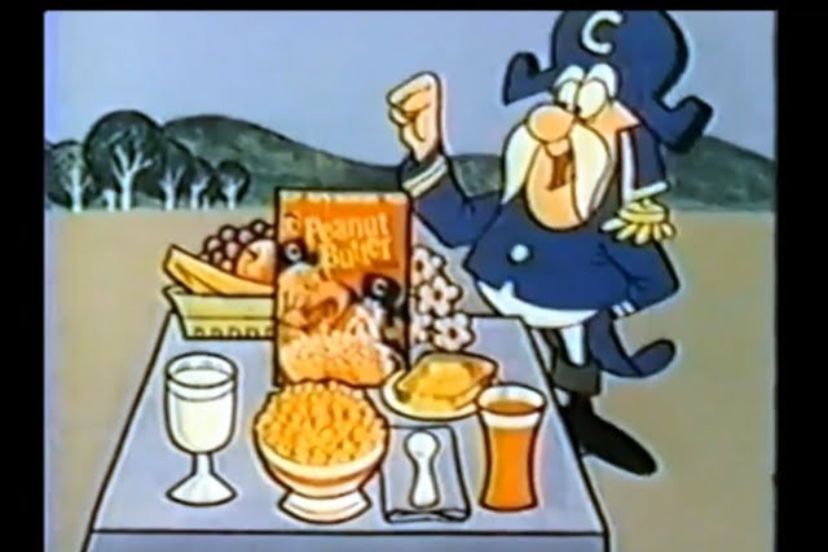
The 1970s was the golden age of sugary cereal marketing, with television stations flooded with colorful ads for Cap’n Crunch, Froot Loops, and Lucky Charms. These commercials used catchy jingles and high-energy animation to convince children that a bowl of sugar-coated puffs was the “best way to start the day.” Advertisers frequently used the phrase “part of a complete breakfast,” while the visual on screen showed the cereal alongside a mountain of toast, eggs, and fruit to mask the product’s high sugar content.
By the early 2000s, rising rates of childhood obesity led to a major reckoning for the cereal industry. The “Children’s Food and Beverage Advertising Initiative” (CFBAI) was established in 2006 to set stricter standards for how food is marketed to minors. Today, cereal companies must be much more transparent about nutritional value and are restricted from making exaggerated health claims. Modern ads often emphasize whole grains and fiber rather than just “energy,” marking a significant departure from the 1970s strategy of selling sugar as a vital morning fuel for growing kids.
Miracle Cure Medicines
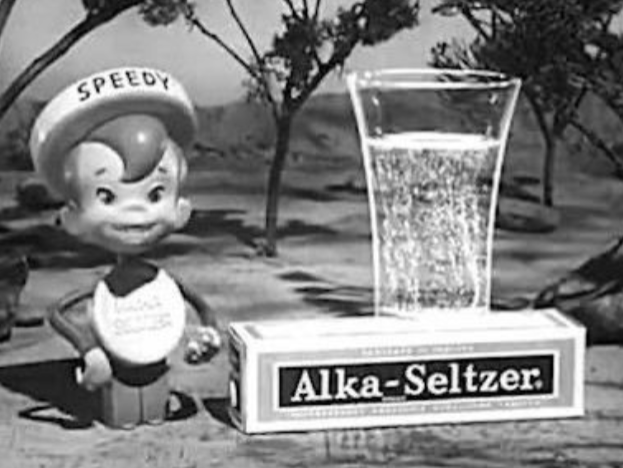
Before the 1970s, pharmaceutical marketing was often a “wild west” of bold claims and instant results. Television spots for over-the-counter remedies like Alka-Seltzer and Anacin frequently portrayed medications as magical solutions for everything from “the blues” to holiday overindulgence. The legendary “Plop, Plop, Fizz, Fizz” campaign, which became a cultural phenomenon in the late 1960s and 1970s, focused entirely on the speed of relief with catchy jingles. Side effects were rarely mentioned, and the ads often used slapstick humor to distract from the serious nature of self-medication and chemical dependency.
The landscape changed significantly as the Food and Drug Administration (FDA) and the Federal Trade Commission (FTC) tightened their grip on medical claims. By the late 20th century, regulations required a “fair balance” in advertising, meaning any mention of a drug’s benefits had to be accompanied by its risks. Modern pharmaceutical commercials are now famous for their long, somber lists of side effects and “consult your doctor” warnings. The 1970s style of selling medicine like candy would never pass today’s rigorous consumer protection standards, which prioritize patient safety over entertaining sales pitches.
Soda As A Meal
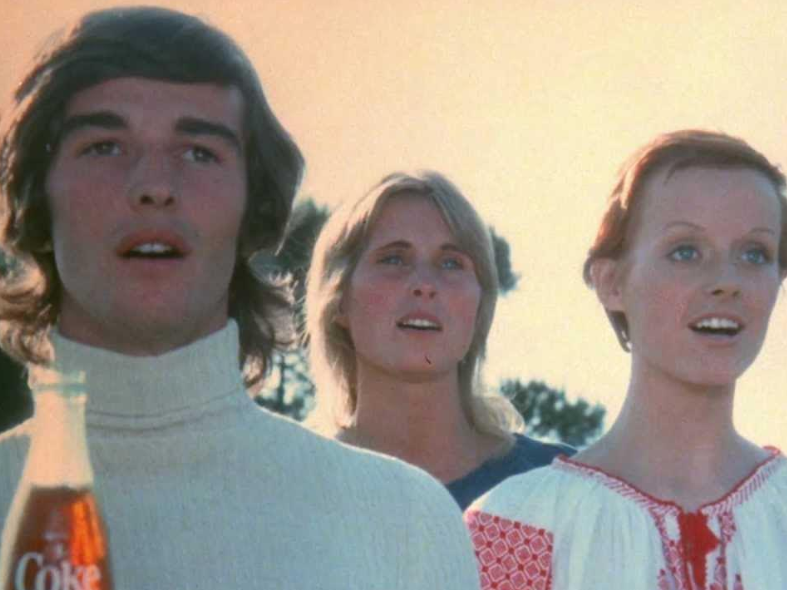
In the 1970s, soft drink giants like Coca-Cola and Pepsi marketed their products as essential sources of “liquid energy” for active young people. One of the most famous examples was the 1971 “Hilltop” commercial, featuring the song “I’d Like to Buy the World a Coke,” which framed soda as a symbol of global unity and vitality. Marketing during this era often showed athletes or teenagers replacing water or nutritious snacks with sugary sodas during a long day of physical activity. There was little to no public discussion about the long-term metabolic effects of high-fructose corn syrup or excessive caffeine.
Today, such marketing would be met with immediate scrutiny from health organizations and government regulators. As the connection between sugary beverage consumption and the obesity epidemic became undeniable in the 1990s and 2000s, many states even implemented “soda taxes” to discourage high intake. Modern advertising for soft drinks has shifted toward “zero sugar” options and portrays these beverages as occasional treats rather than lifestyle fuel. The 1970s notion that a bottle of soda could provide the nourishment needed for a busy day is a concept that has been thoroughly debunked by modern nutritional science.
Mocking Physical Appearance
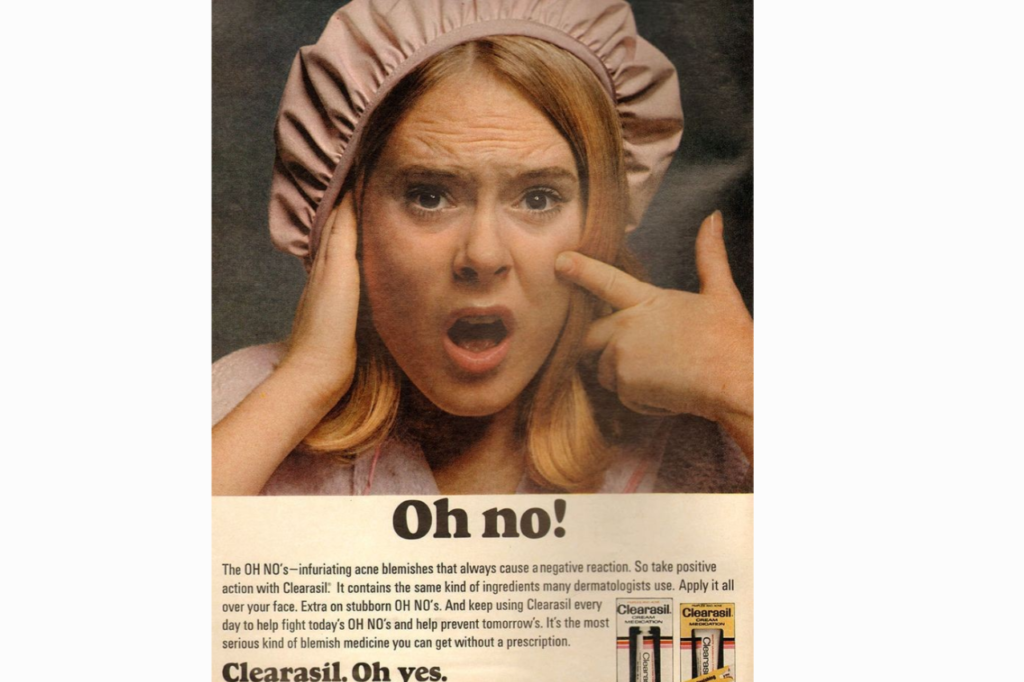
Advertising in the 1970s often leveraged “shame marketing” to sell personal care products, specifically targeting teenagers and young adults. Commercials for acne treatments like Clearasil frequently featured dramatized scenarios where a single blemish caused total social exile. The humor was often built around mocking the character’s appearance until they used the product to “fix” themselves. This strategy relied on the viewer’s insecurities, suggesting that one’s personal worth and social acceptance were entirely dependent on having a flawless complexion or a specific body type.
In the decades since, our understanding of mental health and self-esteem has evolved significantly. Modern advertising standards now discourage “body shaming” or the use of humiliation to move products. Instead, current campaigns by brands like Dove or Neutrogena focus on “skin positivity” and self-care. The 1970s approach of bullying consumers into a purchase is now seen as toxic and counterproductive. Today’s audiences value brands that promote confidence regardless of physical imperfections, making the mocking tone of vintage commercials feel like a relic of a much less empathetic era.
Aggressive Toy and Bicycle Marketing
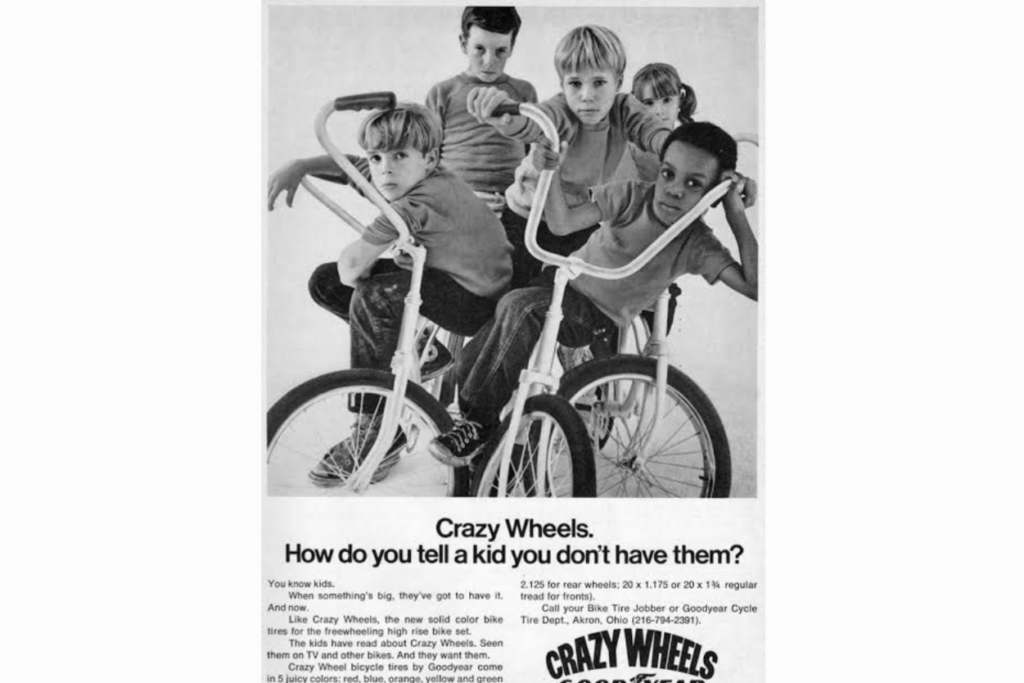
Saturday morning cartoons in the 1970s were a battleground for toy companies using high-pressure tactics to reach children. Advertisements for G.I. Joe, Barbie, Crazy Wheels and Hot Wheels featured cinematic production values, explosions, and fast-paced editing that made the toys seem far more advanced than they actually were. This period saw the rise of the “nag factor,” a marketing strategy designed to make children relentlessly pester their parents for the latest playset. Regulations were loose, allowing companies to essentially bypass parental authority and speak directly to a vulnerable, young audience.
The 1980s and 1990s brought about the Children’s Television Act, which placed strict limits on the amount and type of advertising allowed during kids’ programming. Modern rules prevent “host selling”, where a cartoon character sells a product during their own show, and require clear disclosures that toys are “sold separately.” Today’s toy ads are much more regulated to ensure they aren’t manipulative or deceptive. The aggressive, high-decibel toy commercials of 1975 would be flagged today for exploiting a child’s inability to distinguish between entertainment and a commercial pitch.
All-White Advertising Worlds
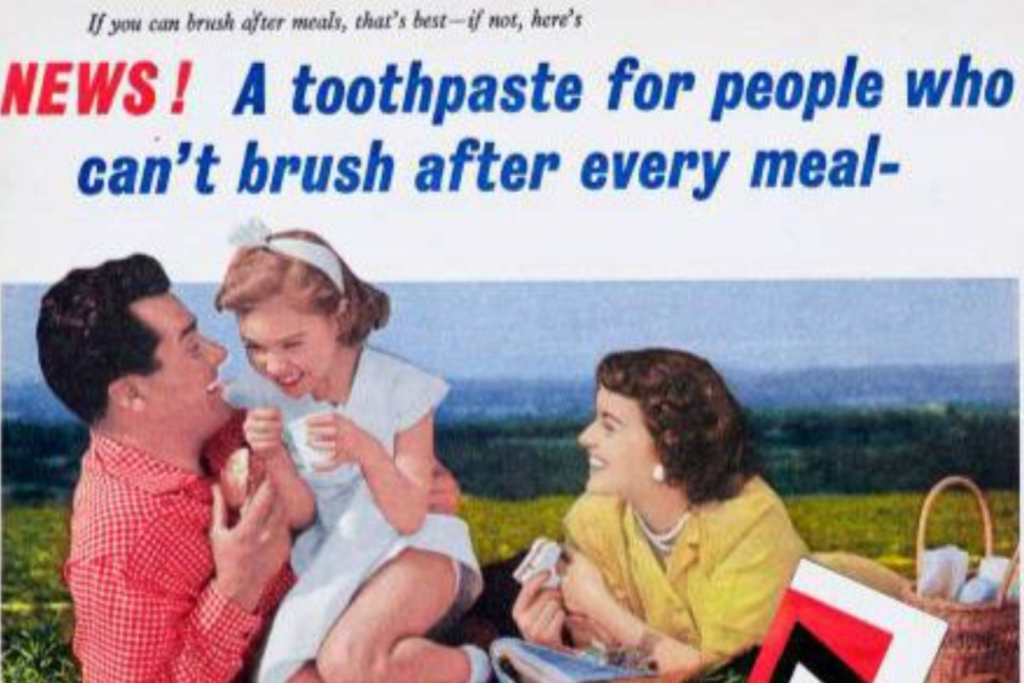
A striking feature of 1970s advertising was the “suburban bubble” often depicted on screen, which almost exclusively featured white, middle-class families. Even in commercials for universal products like laundry detergent or toothpaste, the “ideal” American household was rarely portrayed as multicultural. This was a result of marketing agencies of the era believing that the “mainstream” audience was monolithic. Entire communities were effectively erased from the commercial landscape, creating a skewed version of American life that did not reflect the country’s true diversity or its shifting demographics.
The shift toward diversity began in the late 1970s when pioneering brands like McDonald’s and Coca-Cola recognized the immense buying power of minority communities. They began casting diverse actors not just as background extras, but as the central focus of their stories. Today, “DEI” (Diversity, Equity, and Inclusion) is not just a trend but a business necessity. A commercial in 2026 that ignores the multicultural reality of the world would be seen as out of touch and alienating. Authentic representation is now the standard, moving far beyond the exclusionary marketing practices of fifty years ago.


