
Phil Spector’s Deadly Night

Phil Spector was a monumental figure who redefined pop music in the 1960s with his “Wall of Sound” production style, working with legends like The Beatles and the Righteous Brothers. However, his musical brilliance was permanently eclipsed on February 3, 2003, when actress Lana Clarkson was found dead at his Pyrenees Castle mansion in Alhambra, California. Clarkson, who was 40 years old at the time, had met Spector just hours earlier while working as a hostess at the House of Blues. She was discovered slumped in a chair with a single gunshot wound to her mouth, sparking a legal saga that would transfix the world for the next six years.
The initial trial in 2007 ended in a hung jury, but a 2009 retrial saw Spector convicted of second-degree murder after experts debunked his claims that Clarkson had taken her own life. Prosecutors painted a chilling picture of a man with a long history of threatening women with firearms when they tried to leave his presence. Spector was sentenced to 19 years to life in prison, a term he served until his death from complications of COVID-19 on January 16, 2021. His story serves as a grim reminder of how a decorated career can be dismantled by a single night of senseless violence and the abuse of power.
Varg Vikernes And Black Metal Violence

In the early 1990s, the Norwegian black metal scene became synonymous with church burnings and extreme anti-social behavior, led largely by Varg Vikernes of the musical project Burzum. The tension within this subculture reached a boiling point on August 10, 1993, when Vikernes drove from Bergen to Oslo to confront his former friend and bandmate, Øystein Aarseth, known as Euronymous. The confrontation inside Aarseth’s apartment turned fatal when Vikernes stabbed the guitarist 23 times. Vikernes later claimed he acted in self-defense, alleging that Euronymous had plotted to torture him and film the encounter, though the court found little evidence to support this narrative.
Following his arrest, Vikernes was also linked to the arson of several historic wooden stave churches across Norway, including the Fantoft Stave Church. In May 1994, he received a 21-year sentence, the maximum penalty under Norwegian law at the time. Despite his incarceration, he continued to release music and remained a highly polarizing figure within the metal community. After serving 15 years, he was released on parole in 2009 and moved to France. The murder of Euronymous remains the most infamous event in the history of heavy metal, marking the end of the genre’s “inner circle” and leaving a permanent stain on the movement’s legacy.
Sid Vicious And Nancy Spungen

Sid Vicious, the bassist for the Sex Pistols, became the ultimate poster child for the “live fast, die young” mantra of the 1970s punk movement. His relationship with Nancy Spungen was a volatile, drug-fueled spiral that ended in horror at the Chelsea Hotel in New York City. On the morning of October 12, 1978, the 20-year-old Spungen was found dead on the bathroom floor of Room 100, having bled to death from a single stab wound to her abdomen caused by a hunting knife. Vicious was immediately arrested and charged with second-degree murder, though his memory of the night was almost entirely erased by heavy substance use.
The legal proceedings never reached a conclusion, as the young musician’s life ended before he could stand trial. While out on bail and following a brief stint in the Rikers Island detox unit, Vicious attended a party on February 2, 1979, where he suffered a fatal heroin overdose at the age of 21. Because he died so soon after the incident, many questions regarding Spungen’s death were never officially answered by the justice system. Some theories suggest a third party may have been involved in a robbery gone wrong, but for most, the tragedy remains a definitive symbol of the self-destructive nature of the early punk era.
Chuck Berry’s Legal Scandal
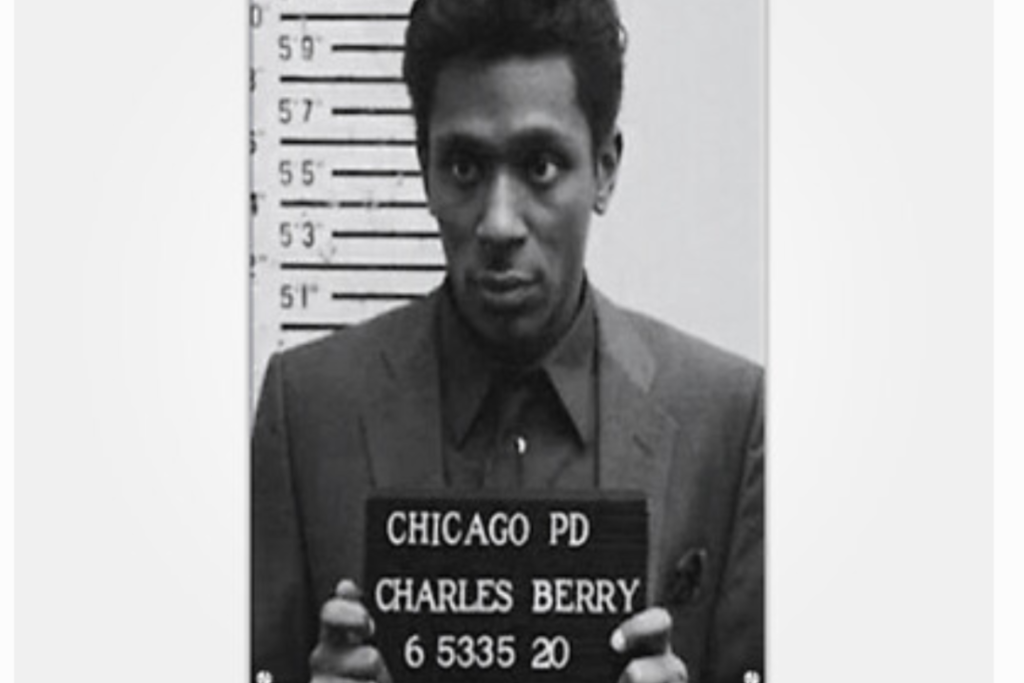
Chuck Berry is widely regarded as a primary architect of rock and roll, but his career hit a major roadblock just as he reached the peak of his influence. In December 1959, Berry was arrested for violating the Mann Act, a federal law that prohibited the transportation of women across state lines for “immoral purposes.” The charges stemmed from his employment of a 14-year-old girl, Janice Escalante, who had traveled with him from Texas to work at his club in Missouri. While Berry argued that he was simply providing her with a job and was unaware of her actual age, the legal system took a much harsher stance.
The ensuing court battle was marred by controversy, including a first trial that was vacated due to the judge’s use of racial slurs. However, a second trial in 1961 resulted in a conviction, and on February 19, 1962, Berry began serving a prison sentence. He spent approximately 20 months in federal custody before his release in 1963. Although he managed to return to the stage and continue his career as a music legend, the conviction cost him valuable years during the height of the British Invasion. It remains a significant and sobering chapter in the biography of a man who otherwise defined the sound of a generation.
Tommy Lee’s Domestic Violence Case

Tommy Lee, the world-famous drummer for Mötley Crüe, found himself at the center of a domestic violence scandal during his high-profile marriage to actress Pamela Anderson. The incident occurred on February 24, 1998, at the couple’s home in Malibu, California. According to reports from the time, an argument broke out while Anderson was holding their seven-month-old son, Dylan. The confrontation turned physical, resulting in Anderson sustaining injuries and Lee being taken into police custody. The case drew massive media attention, highlighting the dark side of celebrity relationships and the serious nature of domestic abuse within the Hollywood spotlight.
Lee eventually pleaded no contest to a charge of felony spousal abuse, which led to a six-month jail sentence in the Los Angeles County Jail. In addition to his time behind bars, he was ordered to perform 200 hours of community service and pay $6,200 to a shelter for battered women. While Lee and Anderson eventually attempted to reconcile multiple times in the years following his release, the 1998 conviction had a lasting impact on his public image. The event serves as a stark reminder that fame provides no immunity from the legal consequences of violent behavior, especially when it involves the safety of family members.
Phil Rudd’s Threatening Charge

Phil Rudd, the legendary drummer who provided the backbone for AC/DC’s most iconic hits, faced a bizarre and serious legal crisis in New Zealand. In November 2014, police raided his home in Tauranga and initially charged him with attempting to procure a murder. While that sensational charge was dropped shortly after due to a lack of evidence, Rudd still faced heavy legal fire for threatening to kill a former employee and for the possession of methamphetamine and cannabis. The fallout was immediate, as his legal troubles prevented him from joining his bandmates on their massive “Rock or Bust” world tour.
In April 2015, Rudd pleaded guilty to the remaining charges, admitting that he had made threatening phone calls following the disappointing sales of his solo album. On July 9, 2015, he was sentenced to eight months of home detention, narrowly avoiding a traditional prison sentence. During his sentencing, the judge warned him that any slip-up would result in immediate incarceration. Rudd eventually focused on his recovery and health, and he was later welcomed back into the AC/DC lineup for their 2020 album Power Up. This episode remains one of the most unusual and widely discussed legal incidents in the history of classic rock.
Tim Lambesis Murder Plot
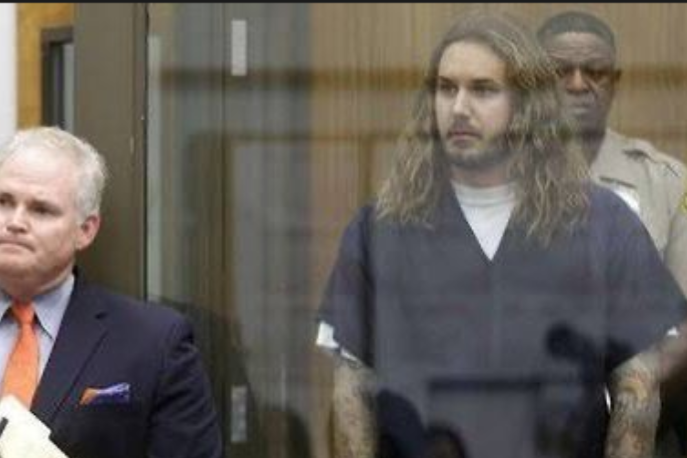
Tim Lambesis, the frontman for the Grammy-nominated metalcore band As I Lay Dying, stunned the music world in 2013 when he was arrested for a cold-blooded murder-for-hire plot. Lambesis had grown increasingly frustrated during a contentious divorce from his wife, Meggan, and sought to have her killed. He unwittingly approached an undercover detective named “Red,” believing the officer was a hitman who could carry out the deed. During their recorded meetings, Lambesis provided $1,000 in cash, his wife’s address, and specific dates when he would have their children to ensure he had an airtight alibi for the crime.
After his arrest in May 2013, Lambesis initially pleaded not guilty but changed his plea to guilty a year later. On May 16, 2014, he was sentenced to six years in prison. His defense team argued that his judgment had been severely impaired by the heavy use of anabolic steroids, which they claimed led to “roid rage” and personality changes. Lambesis was released on parole in December 2016 after serving roughly half of his sentence. While he has since reunited with his band and issued various public apologies, the calculated nature of the plot remains one of the most chilling examples of criminal intent in modern rock.
GG Allin’s Violent Reputation
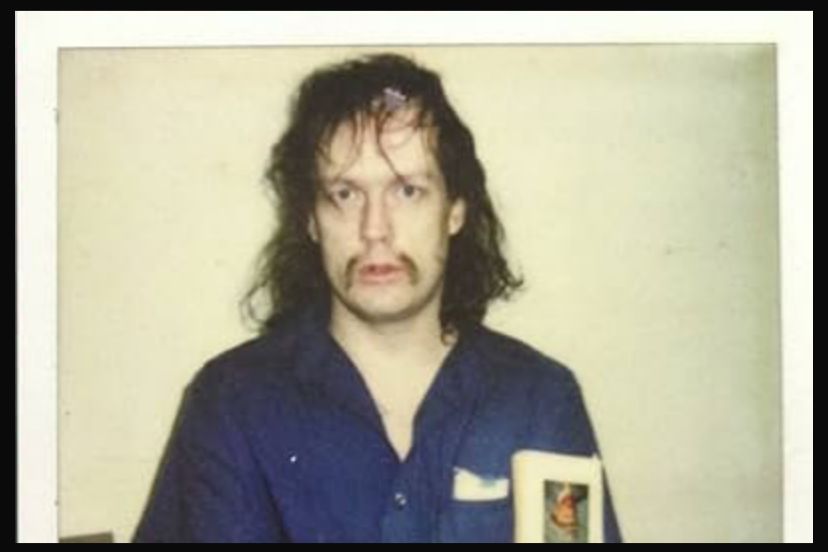
GG Allin was perhaps the most extreme performer in the history of punk rock, known for a stage show that involved self-mutilation and physical assaults on his own audience. While many saw his act as a performance art of the grotesque, his lifestyle frequently crossed the line into serious criminal activity. Throughout the 1980s, Allin was a constant fixture in local jails, facing over 50 arrests for various offenses. However, his most significant legal battle came in 1989 in Ann Arbor, Michigan, where he was charged with the felonious assault and torture of a female acquaintance during a multi-day encounter.
Allin eventually pleaded no contest to a reduced charge of felonious assault and was sentenced to prison, where he served time from December 1989 to March 1991. During his incarceration, he continued to write manifestos and gained an even larger underground following. His life ended shortly after his release following a chaotic final concert in Manhattan on June 28, 1993. He died of a heroin overdose at the age of 36, leaving behind a legacy that is still debated today. For some, he was a pure expression of rock rebellion, while for most, he was a violent criminal whose behavior was enabled by a fringe music scene.
Axl Rose And The Riot
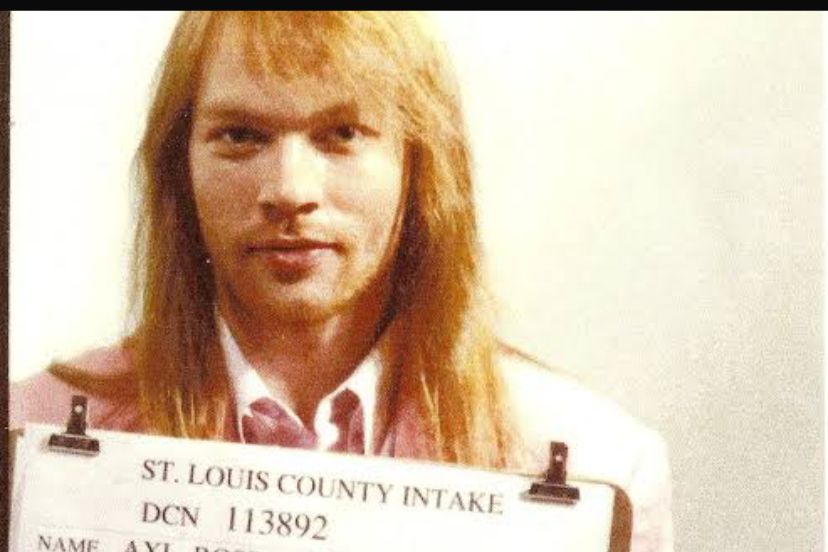
Guns N’ Roses was the most dangerous band in the world in 1991, and frontman Axl Rose lived up to that reputation during a stop in Maryland Heights, Missouri. On July 2, 1991, during the “Use Your Illusion” tour, Rose became incensed when he saw a fan taking unauthorized photos. After security failed to intervene to his satisfaction, Rose took matters into his own hands, diving into the crowd to tackle the fan. After returning to the stage, he insulted the security team, slammed his microphone down, and walked off, prompting the rest of the band to follow him and ending the show prematurely.
The sudden ending sparked the infamous “Riverport Riot,” where thousands of angry fans began destroying equipment, tearing up seats, and clashing with police. The damage was estimated at over $200,000, and dozens of people were injured in the chaos. Axl Rose was eventually charged with four counts of third-degree assault and one count of property damage. After over a year of legal maneuvering, he was arrested at JFK Airport in 1992 and eventually received two years of probation and was ordered to pay $50,000 to local charities. The event solidified Rose’s reputation as a volatile genius whose temper could trigger real-world destruction.
Jim Gordon’s Tragic Crime

Jim Gordon was a legendary session drummer who co-wrote the classic hit “Layla” with Eric Clapton and played on George Harrison’s All Things Must Pass. He was a member of the elite “Wrecking Crew” and one of the most sought-after musicians in the industry. However, by the late 1970s, Gordon began hearing voices and suffering from what would later be diagnosed as acute schizophrenia. His mental health declined rapidly, yet the industry around him largely ignored his erratic behavior as long as he could still keep time on a drum kit.
The tragedy reached its breaking point on June 3, 1983, when Gordon attacked and killed his 72-year-old mother with a hammer and a knife. He claimed the voices in his head, specifically his mother’s voice, had commanded him to do it. Because California had recently tightened its “insanity defense” laws, Gordon was found guilty of second-degree murder and sentenced to 16 years to life. He remained in prison for nearly 40 years, repeatedly being denied parole as he continued to struggle with his illness behind bars. Gordon died in a medical facility at the California Medical Facility in Vacaville on March 13, 2023, marking a sorrowful end to a once-brilliant career.
Randy Blythe’s Stage Incident
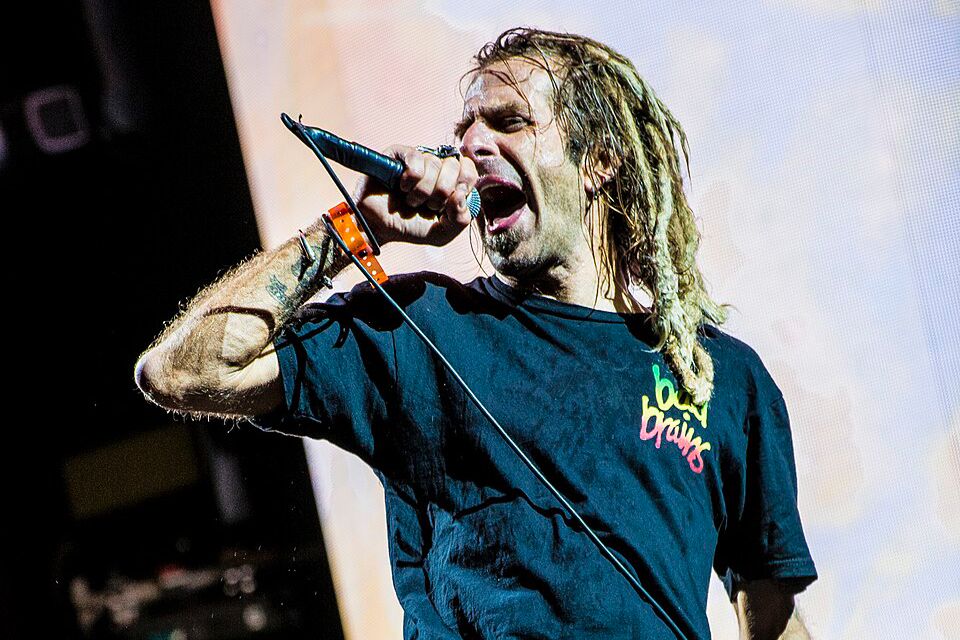
On May 24, 2010, at the Abaton club in Prague, Czech Republic, a tragic incident occurred that would later land Lamb of God vocalist Randy Blythe in a foreign prison. During the high-energy heavy metal performance, a 19-year-old fan named Daniel Nosek climbed onto the stage multiple times. According to witnesses and video footage, Blythe pushed the young man back into the audience to maintain the band’s space. Tragically, Nosek fell backward, striking his head on the concrete floor, which resulted in a brain hemorrhage. He fell into a coma and passed away several weeks later on June 21, 2010.
The band was largely unaware of the fan’s death until they returned to the Czech Republic on June 27, 2012, for another scheduled concert. Blythe was immediately arrested at the airport and charged with manslaughter, spending nearly five weeks in Pankrác Prison. His trial in early 2013 became a landmark case regarding performer liability and concert security. Ultimately, the court acquitted Blythe on March 5, 2013, ruling that while he did push the fan, the primary fault lay with the venue’s inadequate security measures. Blythe later wrote a memoir about the ordeal, emphasizing his deep sympathy for the Nosek family while maintaining his innocence.
Paul Di’Anno’s Benefit Fraud
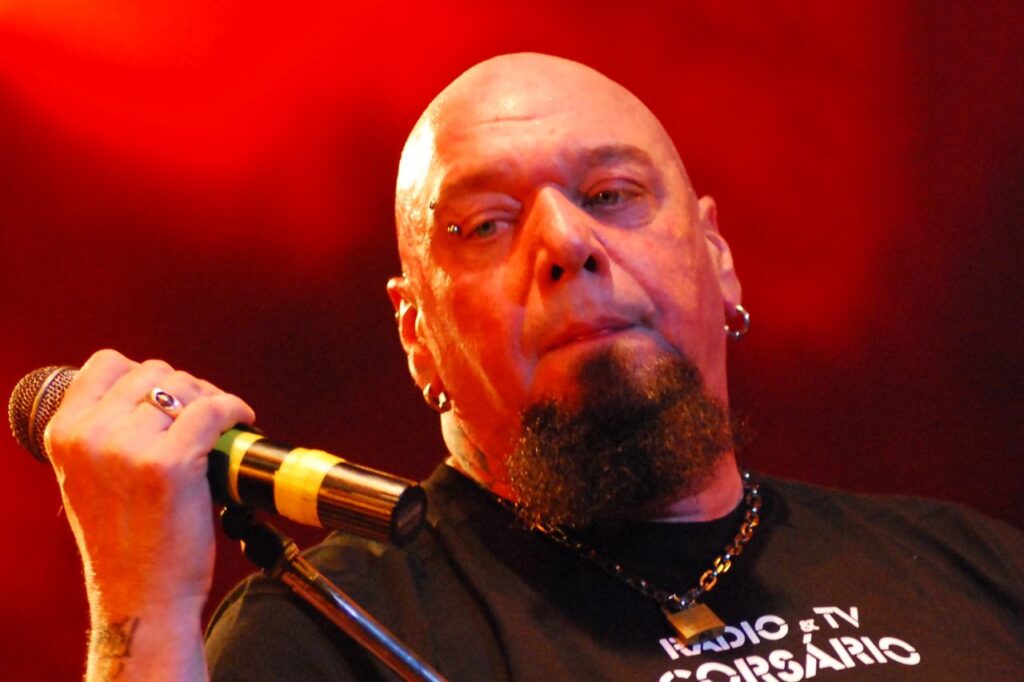
Paul Di’Anno, the powerhouse vocalist who sang on Iron Maiden’s first two legendary albums, found himself in a legal battle that had nothing to do with rock and roll rebellion and everything to do with government bureaucracy. Between 2002 and 2008, Di’Anno claimed he was suffering from a debilitating back injury that left him unable to work, eventually collecting over £45,000 (roughly $70,000 at the time) in British state disability benefits. However, investigators from the Department for Work and Pensions grew suspicious when they discovered video evidence and tour dates showing Di’Anno jumping around on stages across the globe during the same period.
The “Beast” of heavy metal was caught in a classic sting operation where authorities used his own promotional materials and YouTube clips of his energetic live performances as evidence of his physical capability. In March 2011, Di’Anno appeared at Salisbury Crown Court and pleaded guilty to eight counts of benefit fraud. The judge sentenced the 52-year-old singer to nine months in prison, noting that his actions were a calculated theft from the public purse. He served a portion of his sentence before being released, but the incident remained a stain on his reputation until his passing on October 21, 2024.
Wes Scantlin’s Endless Arrests
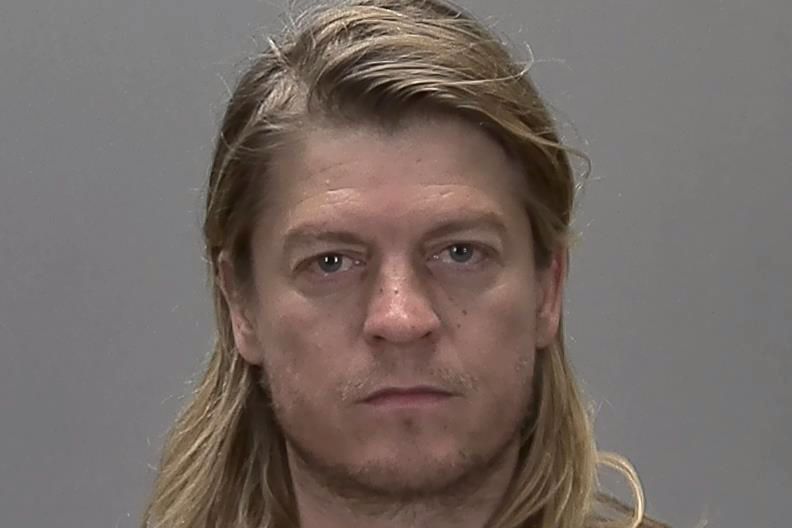
Wes Scantlin, the voice behind Puddle of Mudd’s massive post-grunge hits like “Blurry,” has become more famous for his frequent interactions with law enforcement than for his music in recent decades. His legal troubles escalated significantly in 2012 when he was arrested for cocaine possession in Culver City, California. This marked the beginning of a staggering streak of arrests that included charges of domestic violence, public intoxication, and even a bizarre 2015 incident where he was detained for riding a luggage carousel into a restricted area at Denver International Airport.
The legal chaos peaked again in 2016 and 2017. In one notable case, Scantlin was arrested for allegedly using a sledgehammer to destroy his neighbor’s patio and for later breaking into his own foreclosed home in Hollywood Hills. In September 2017, he faced federal charges after attempting to bring a BB gun through security at Los Angeles International Airport, which led to a standoff with a bomb squad. While Scantlin has avoided lengthy prison sentences by repeatedly entering rehab programs and paying various fines, his record remains one of the most extensive and public downward spirals in modern rock history.
Ian Brown’s Airline Threat
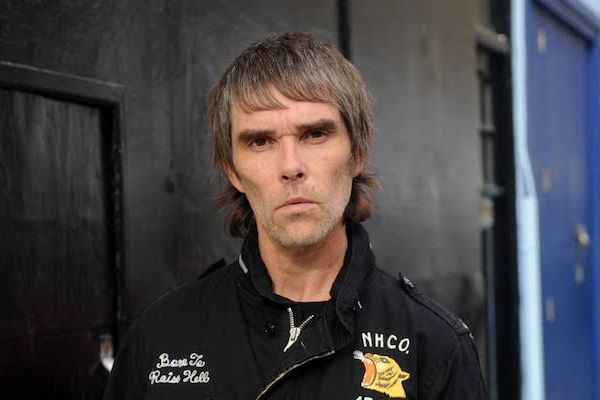
In 1998, Ian Brown was attempting to launch a solo career following the messy breakup of The Stone Roses, but a moment of “air rage” nearly grounded his future. During a flight from Paris to Manchester in October of that year, Brown became involved in a heated altercation with a flight attendant. Witnesses claimed the singer became aggressive and threatening after a misunderstanding regarding duty-free items or service. The situation grew so intense that the captain felt the safety of the flight was compromised, leading to Brown’s arrest as soon as the plane touched down on the tarmac.
The case went to court in late 1998, where Brown was charged with using threatening, abusive, or insulting words and behavior. Despite his defense arguing that his actions were misinterpreted, he was found guilty and sentenced to four months in Strangeways Prison. He ended up serving two months of that sentence before his release in early 1999. Interestingly, Brown later claimed that his time in prison was a period of reflection that actually helped him focus on his music. He went on to have a successful solo run, but the airline incident remains a definitive example of the volatile temperament often associated with the Britpop era.
David Bowie’s Drug Arrest
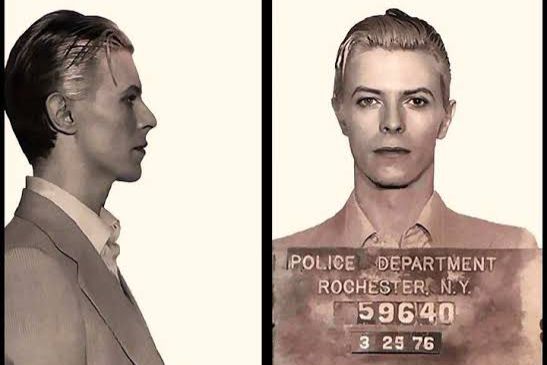
David Bowie is often remembered as a sophisticated artist, but even the “Starman” wasn’t immune to the heavy-handed drug laws of the 1970s. On March 21, 1976, following a performance in Rochester, New York, during his “Isolar” tour, police raided a hotel room and arrested Bowie along with three others, including fellow musician Iggy Pop. The authorities confiscated about half a pound of marijuana, which at the time carried a felony charge. The resulting mugshot, featuring a sharply dressed Bowie looking remarkably calm and stylish, has since become one of the most iconic images in rock history.
Bowie faced a grand jury in April 1976, where the felony charges could have resulted in a significant prison term and potential deportation issues. However, the singer maintained a low profile and his legal team worked behind the scenes to resolve the matter. Ultimately, the grand jury declined to indict him, and the charges were officially dismissed. Shortly after this brush with the law, Bowie fled the excesses of the American lifestyle and moved to West Berlin to get sober and record his famous “Berlin Trilogy.” The arrest served as a wake-up call that helped steer him toward one of the most creatively fertile periods of his life.


