
1. Jimmie Walker and the explosion of “Dy-no-mite!”
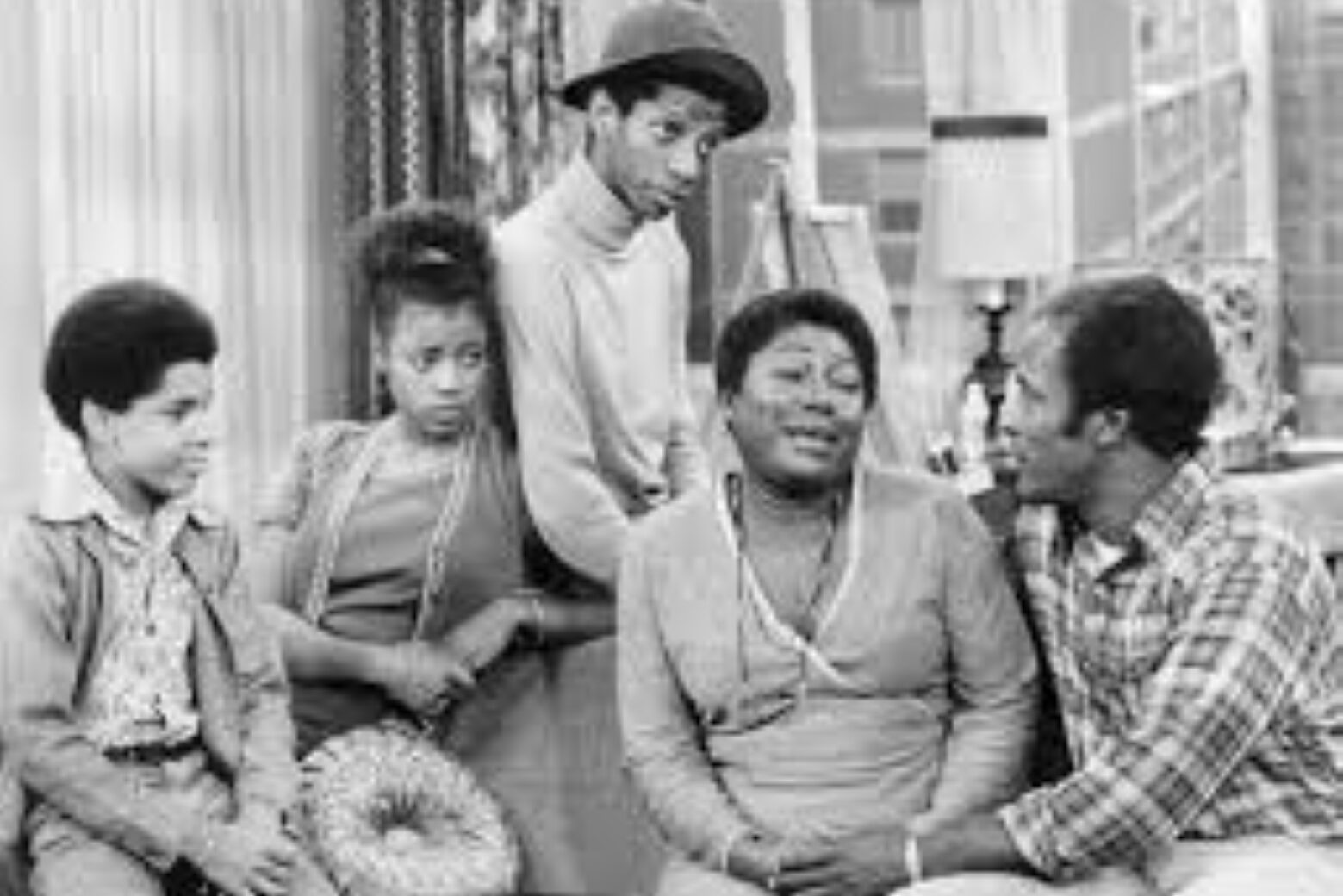
If you watched television in the mid-1970s, chances are you heard “Dy-no-mite!” echo through your home at least once a week. The phrase came from Jimmie Walker’s character J.J. Evans on the sitcom Good Times, and it quickly became one of the most recognizable catchphrases of the decade. Walker’s energetic delivery made the word feel larger than life, and audiences loved it. Interestingly, Walker has said in interviews that the writers leaned heavily into the catchphrase after seeing the crowd reaction. “They saw the audience go crazy,” he once recalled, explaining how the line began appearing more frequently.
After Good Times ended in 1979, Walker continued performing stand-up comedy, the craft that originally brought him into the spotlight. While he appeared in various TV shows and films over the years, he never fully escaped the shadow of that one famous word. Rather than resist it, he gradually learned to accept it as part of his legacy. Even decades later, audiences still call out for “Dy-no-mite!” during his comedy sets. Walker has often said that while the line followed him everywhere, it also opened doors. In many ways, it remains a small but lively reminder of the joy television once brought into American living rooms.
2. Polly Holliday and the sharp wit of “Kiss my grits!”
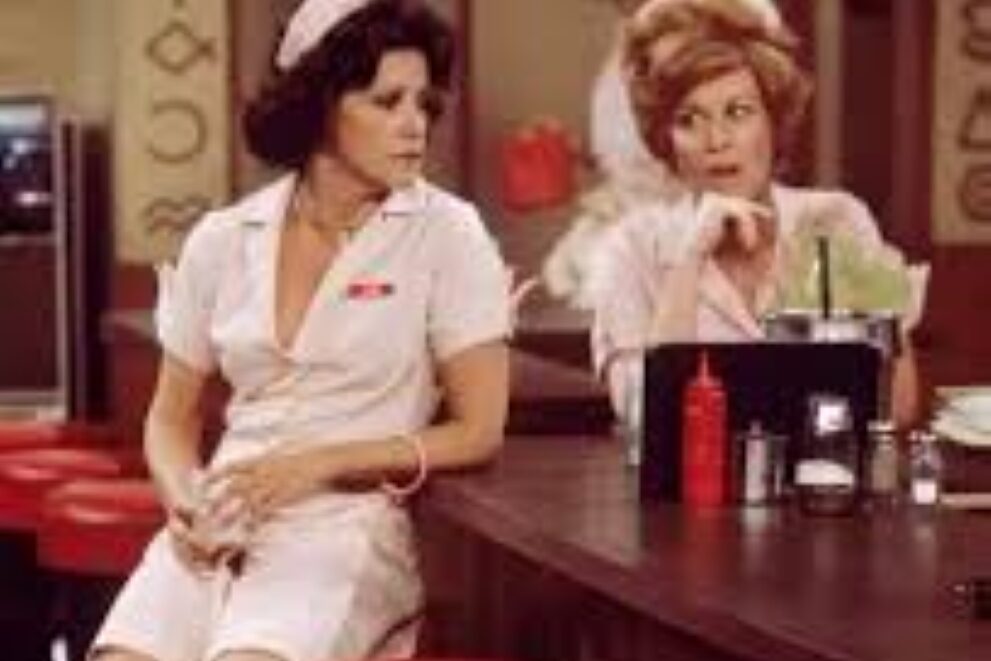
Sometimes a catchphrase sticks not because it’s loud, but because it’s perfectly timed. Polly Holliday’s character Flo on the sitcom Alice proved exactly that. Her signature line, “Kiss my grits!”, became one of the sassiest comebacks on television during the late 1970s. Delivered with a confident smile and just the right Southern attitude, the phrase quickly found its way into everyday conversation. Holliday later reflected on the popularity of the line with amusement, once saying that people repeated it back to her everywhere she went.
The success of the catchphrase helped launch a spin-off series titled Flo, where Holliday continued playing the quick-witted waitress. Although the show lasted only a couple of seasons, it cemented her place in television history. In later years, Holliday shifted her focus toward theater and character acting, appearing in stage productions and occasional film roles. She also stepped back from the spotlight to live a quieter life while continuing to support the arts. Looking back, “Kiss my grits!” still carries the playful defiance that made Flo unforgettable. It captured the spirit of a character who refused to be pushed around, and for many viewers, that confident voice still feels as fresh today as it did in the 1970s.
3. Gabe Kaplan and the classroom comeback “Up your nose with a rubber hose!”
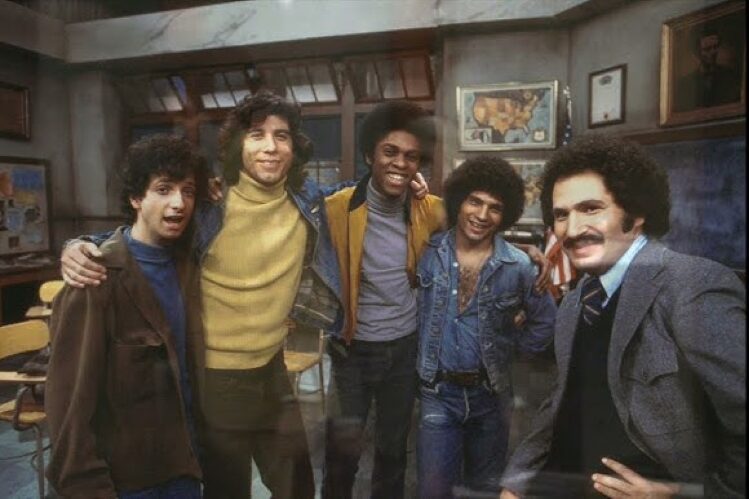
In the sitcom Welcome Back, Kotter, a group of wise-cracking students known as the Sweathogs turned everyday classroom moments into comedy gold. Among their many jokes, one line stood out above the rest. “Up your nose with a rubber hose!” became the ultimate sarcastic comeback, shouted with enthusiasm by the students and quickly repeated by kids across America. Gabe Kaplan, who played teacher Gabe Kotter, helped anchor the show’s humor and often reacted to the phrase with perfect comic timing. Kaplan once joked in an interview that the line became so common that people would yell it at him in public places.
Before television fame, Kaplan had already built a career as a stand-up comedian, drawing heavily from his own experiences growing up in Brooklyn. After Welcome Back, Kotter ended in 1979, he returned to stand-up and later developed an unexpected second career as a professional poker player and commentator. Kaplan even hosted televised poker events, bringing the same calm wit audiences remembered from his sitcom days. While the catchphrase belonged mainly to the Sweathogs, Kaplan remained closely associated with that era of television. Today, the line still feels like a playful time capsule from a moment when sitcom classrooms were full of laughter.
4. Henry Winkler and the cool confidence behind “Sit on it!”
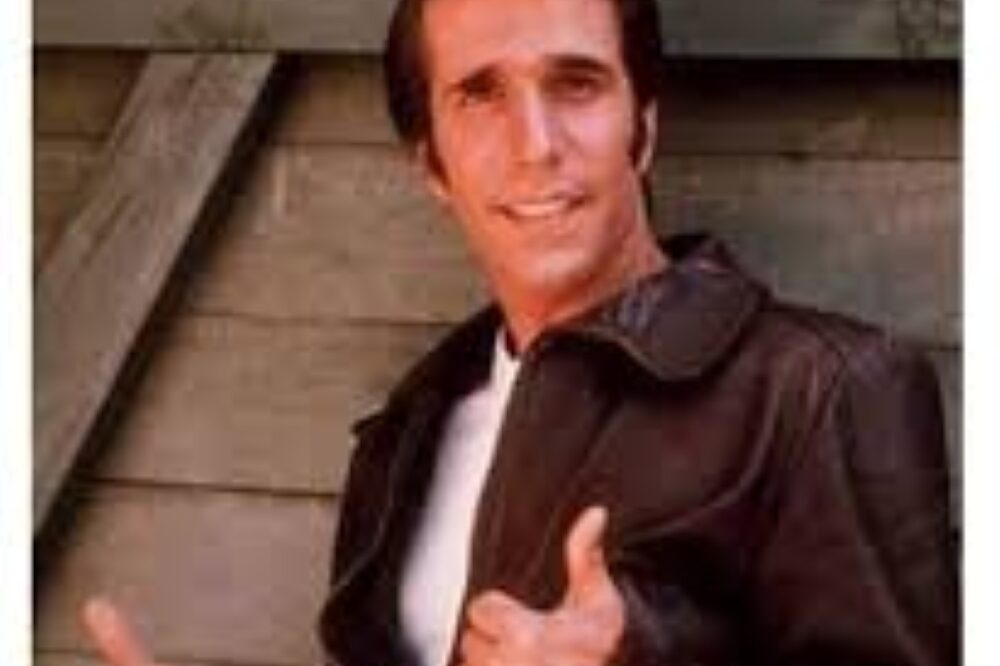
Few television characters captured effortless cool quite like Arthur “Fonzie” Fonzarelli on Happy Days. Played by Henry Winkler, the leather-jacket-wearing greaser rarely needed many words to make a point. When he did, though, one line became particularly memorable: “Sit on it!” Delivered with a relaxed shrug or a confident smirk, it was the Fonzie way of shutting down nonsense without breaking a sweat. Winkler later admitted that the writers gave the character simple phrases because they suited his quiet confidence.
After Happy Days wrapped up in the early 1980s, Winkler took an interesting path in Hollywood. Rather than staying only in front of the camera, he moved into producing and directing television projects. Over the years he also returned to acting, earning praise for both comedic and dramatic roles. In interviews, Winkler has often spoken warmly about his time as the Fonz, once saying he felt grateful that the character “gave people joy.” Today, he is also known as a children’s book author and a respected figure in the industry. “Sit on it!” may have been a small line, but it carried the relaxed swagger that made the Fonz one of television’s most beloved figures.
5. Ralph Waite – “Good Night, John-Boy.”
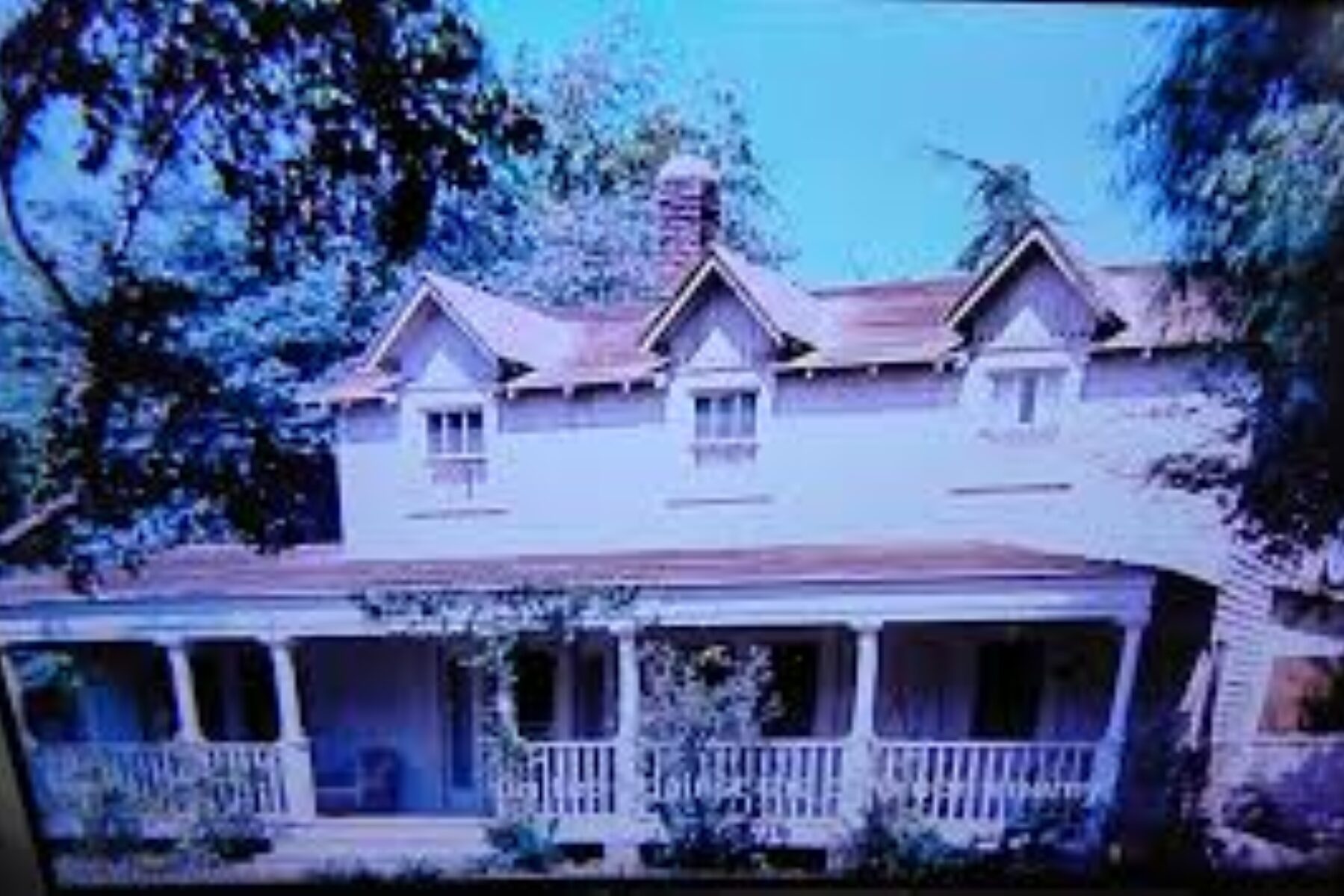
Not all catchphrases were loud or funny. Some were gentle traditions that closed out each week. On the family drama The Waltons, the phrase “Good night, John-Boy” became the show’s nightly ritual. The line usually came from family members calling out goodnight across their farmhouse before the lights went out. Actor Ralph Waite played patriarch John Walton Sr., and his calm presence anchored the series. The quiet goodnight exchange between family members felt real to many viewers who recognized their own homes in those scenes. Over time, the line became one of the most beloved closing moments in television history.
After the series ended, Waite continued acting in television and film, later appearing in shows like NCIS and Bones. Yet for many viewers he remained forever connected to the Walton family’s Virginia farmhouse. The phrase itself lived on in pop culture, referenced in sitcoms and nostalgic retrospectives about classic TV. In a way, that simple goodnight summed up why these catchphrases mattered so much. They weren’t just lines written for a script. They became familiar sounds in people’s homes, small moments that helped television feel like part of everyday life.
6. Freddie Prinze and the laid-back charm of “Looking good!”
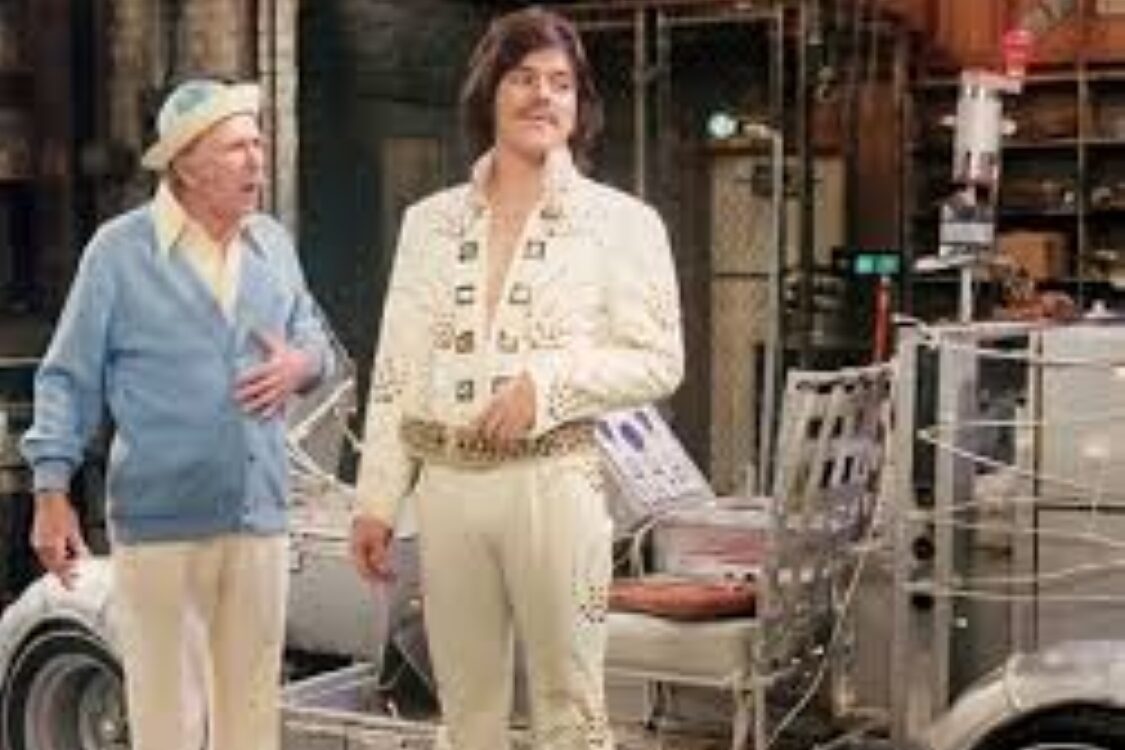
In the mid-1970s, few sitcoms captured the rhythm of city life quite like Chico and the Man. At the center of it was Freddie Prinze, a young comedian whose natural charm made his character Chico instantly relatable. One line in particular stuck with viewers: “Looking good!” Prinze delivered it with an easy smile and a bit of swagger that fit perfectly with the upbeat tone of the show. The phrase was simple, but audiences loved the way it rolled off his tongue. In interviews from the era, Prinze often spoke about how much the role meant to him, once saying he wanted people to see Chico as “a regular guy just trying to get by.”
Prinze’s rise in television was incredibly fast. Before Chico and the Man, he had built his reputation through stand-up comedy, appearing on talk shows and comedy specials where his humor connected with young audiences. The sitcom quickly made him one of television’s brightest stars. Tragically, his career was cut short when he died in 1977 at the age of 22. Even so, the impact he made during those few years left a lasting impression. Today, fans still remember the warmth he brought to the screen, and that cheerful “Looking good!” continues to echo as a small reminder of a talent that arrived quickly and left too soon.
7. Fred Rogers – “Won’t You Be My Neighbor?”
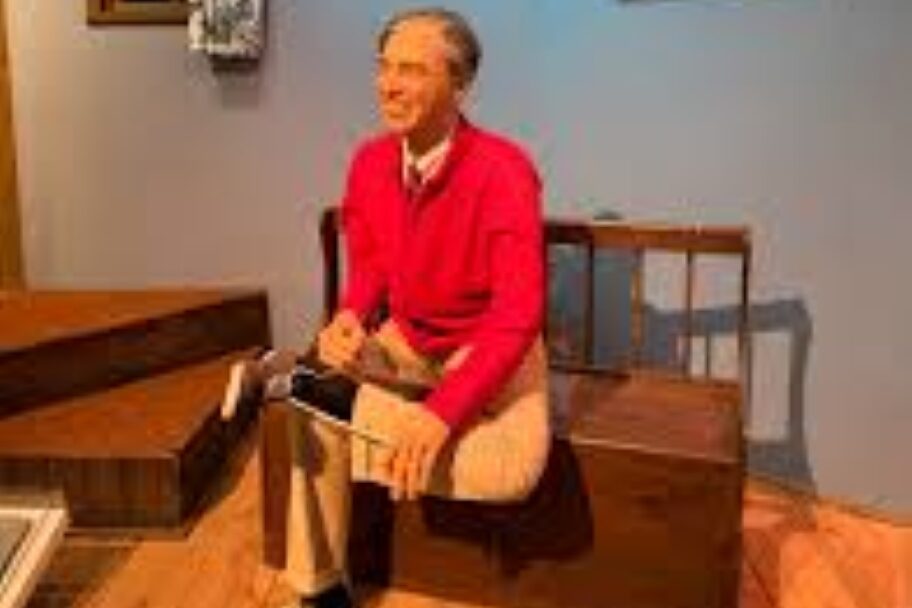
Not every famous catchphrase from the 1970s was meant to be funny. Some were meant to be comforting. On the children’s program Mister Rogers’ Neighborhood, host Fred Rogers opened each episode with warmth and patience, asking viewers a simple question: “Won’t you be my neighbor?” The line wasn’t a joke or a punchline. It was an invitation. Rogers believed children deserved calm, respectful television, and his gentle greeting became one of the most recognizable phrases in educational programming. Media writers have often pointed out that the line reflected the entire philosophy of the show: kindness, empathy, and curiosity about the world.
Rogers remained dedicated to that mission for decades. He hosted the program from the late 1960s through the early 2000s and became a trusted figure for generations of families. Unlike many television personalities, he kept a very quiet personal life and focused on children’s education and emotional development. His legacy grew even stronger after his passing in 2003, with documentaries and films introducing him to younger audiences. When people repeat his famous line today, it still carries the same feeling it always did. It reminds viewers that television once had a way of slowing down and simply inviting people to be kind neighbors to one another.
8. Penny Marshall – “Schlemiel! Schlimazel!”
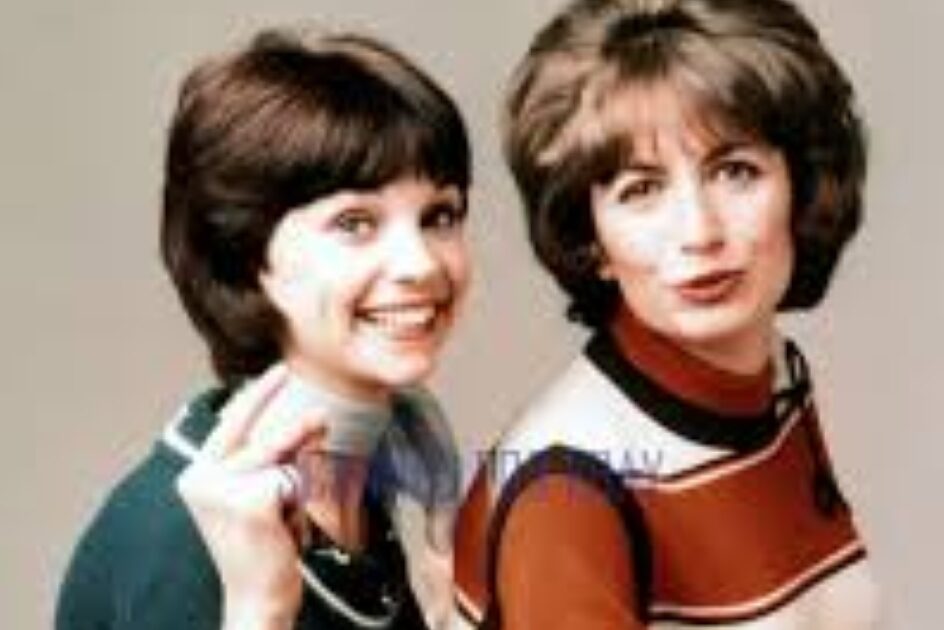
Some catchphrases didn’t come from arguments or jokes but from simple, joyful routines. On the sitcom Laverne & Shirley, the opening theme song included the playful chant “Schlemiel! Schlimazel!” shouted by the show’s two main characters. The chant was performed by Penny Marshall as Laverne and Cindy Williams as Shirley, usually while they skipped down the street together during the opening credits. The words themselves came from Yiddish slang, loosely describing a clumsy person and someone unlucky. But on the show, the chant felt more like a celebration of friendship and shared mischief.
Marshall and Williams brought a natural chemistry that made the show one of the most beloved comedies of the late 1970s. Viewers felt like they were watching two real friends figuring out adulthood together while working at a Milwaukee brewery. After the series ended, Penny Marshall went on to an impressive career behind the camera, directing successful films like Big and A League of Their Own. Still, many fans remember her first as the leather-jacket-wearing Laverne who shouted that cheerful chant. It became one of those television moments that instantly reminds people of a time when sitcom openings were almost as memorable as the episodes themselves.
9. Alan Alda – “This Is Insane”
Television catchphrases did not always come from spoken jokes. Sometimes they arrived through music. When The Partridge Family aired in the early 1970s, one song quickly became inseparable from the show: “I Think I Love You.” Sung by David Cassidy, who played Keith Partridge, the tune became a chart-topping hit and a phrase fans repeated everywhere. Cassidy once reflected on the experience by saying he was surprised at how quickly the song connected with audiences, explaining that it “took on a life of its own.”
Cassidy’s sudden fame turned him into one of the decade’s biggest teen idols. Concert tours sold out across the United States, and magazines regularly featured his photo on their covers. While the attention was overwhelming at times, he continued performing for many years as both a singer and actor. Cassidy later spoke openly about the challenges that came with early fame, but he also expressed gratitude for the fans who supported him throughout his career. The phrase “I think I love you” still brings back memories of a time when families gathered around the television to watch music, comedy, and storytelling blend together in one cheerful half-hour.
10. Carroll O’Connor and the blunt honesty of “Stifle yourself!”
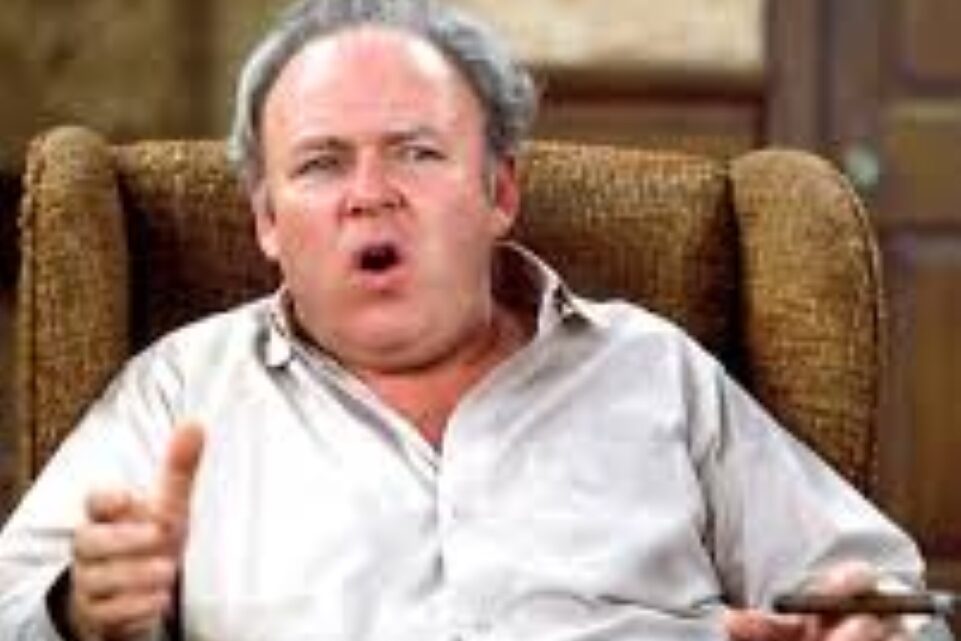
Sometimes the most memorable television lines came from characters who spoke their minds without hesitation. Carroll O’Connor’s portrayal of Archie Bunker on All in the Family was built around exactly that kind of blunt honesty. One phrase audiences quickly recognized was “Stifle yourself!” usually directed at his son-in-law during one of their many arguments. The line captured the frustration and humor that defined the show’s conversations. O’Connor later said that the series worked because it allowed characters to disagree openly while still remaining part of the same family.
After the groundbreaking sitcom ended its original run, O’Connor continued acting and later starred in the crime drama In the Heat of the Night, proving that he could move easily between comedy and drama. Throughout his career he remained proud of All in the Family and the conversations it started in American homes. Looking back at these famous lines from the 1970s, it becomes clear that they were more than just jokes or clever words. They were small pieces of television history that reflected the personalities who spoke them. And in many living rooms across America, those lines are still remembered with a quiet smile.
11. Sherman Hemsley and the proud swagger of “Weezy!”
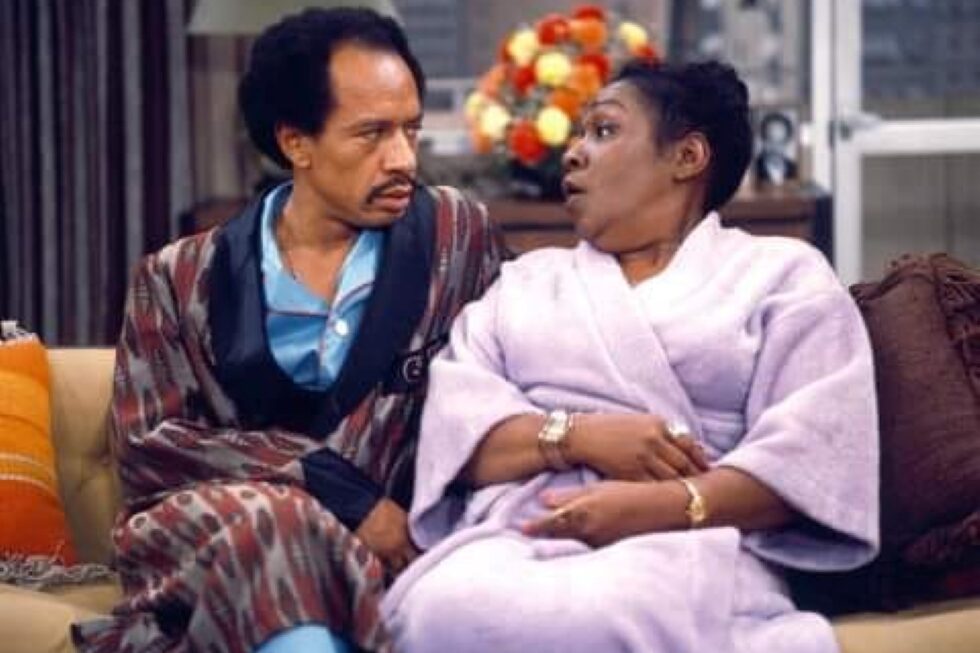
Sometimes a catchphrase was not really a sentence at all, just a name said in a way that made audiences smile. On The Jeffersons, Sherman Hemsley’s character George Jefferson had a habit of calling out to his wife Louise with a drawn-out “Weezy!” The line usually came when George needed reassurance or when he realized Louise was right about something. Hemsley’s delivery gave the word warmth and humor at the same time. In later interviews, he spoke fondly about the role and once explained that George Jefferson worked because he was “loud, proud, and always a little human underneath it all.”
Hemsley had already appeared as George Jefferson on All in the Family before the character moved into his own series in 1975. The Jeffersons quickly became one of the most successful sitcoms of the decade. After the show ended, Hemsley continued acting in television, films, and stage productions. He often appeared at fan conventions where people still greeted him with the familiar call of “George!” Even years later, viewers remembered the character’s bluster and humor. The way he said “Weezy!” captured a husband who might argue loudly but clearly adored his partner. It remains one of those small television moments that quietly defined an entire character.
12. Todd Bridges – “What’chu Talkin’ ’Bout, Willis?”
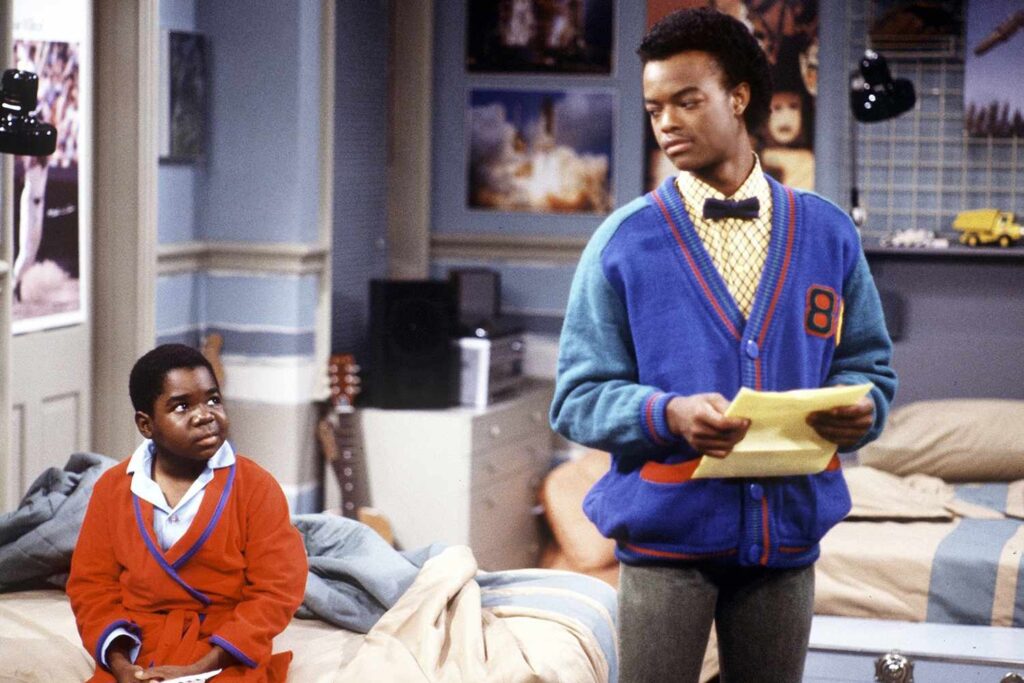
Some television lines become so recognizable that people repeat them even if they have never seen the original episode. That’s exactly what happened with “What’chu talkin’ ’bout, Willis?” from the sitcom Diff’rent Strokes. The line was delivered by Arnold Jackson, played by Gary Coleman, usually when he suspected his older brother Willis was exaggerating or saying something unbelievable. Willis, played by Todd Bridges, often found himself on the receiving end of Arnold’s skeptical stare. The phrase quickly became one of the most quoted catchphrases on television, spreading far beyond the show itself as viewers began repeating it whenever they doubted something they heard.
Behind the scenes, the young cast of the show became some of the most recognizable faces on late-1970s television. Bridges and Coleman were suddenly part of a series that explored serious themes about family and class while still maintaining a lighthearted tone. The catchphrase became so popular that fans would often shout it whenever they saw Coleman in public. Over time it turned into a cultural shorthand for disbelief. Even decades later, people still use the phrase jokingly in conversation. It shows how one simple reaction line, delivered with perfect timing, can stick with audiences long after the original scene fades from memory.
13. Richard Dawson – “Survey Says!”
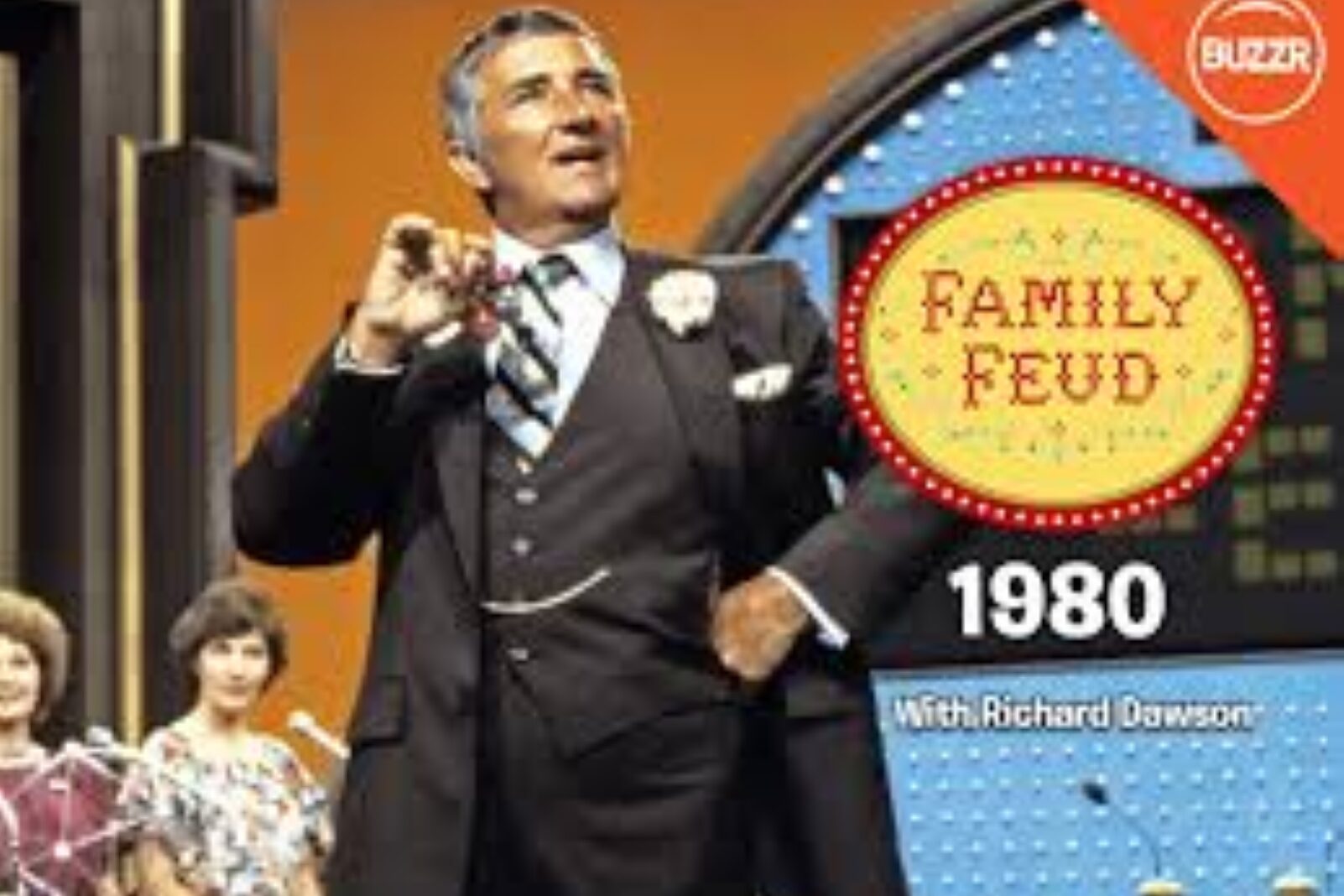
Game shows in the 1970s produced their own share of unforgettable catchphrases, and few were more recognizable than “Survey says!” On the popular game show Family Feud, host Richard Dawson would dramatically turn toward the scoreboard and deliver the line just before revealing whether a contestant’s answer appeared on the survey board. The phrase built suspense every single time. Audiences watching at home often found themselves shouting answers at their televisions, waiting for Dawson’s signature line before the results flashed on the screen. Over time, the phrase became so closely tied to the show that it was repeated in comedy sketches and everyday conversation whenever someone wanted to reveal the “final answer.”
Dawson’s journey to that role was an interesting one. Before hosting the show, he had been a regular panelist on Match Game and an actor on sitcoms like Hogan’s Heroes. His relaxed humor and quick wit made him a natural fit for hosting. Even his habit of greeting contestants with a friendly kiss became part of the show’s identity. Dawson hosted Family Feud through much of the late 1970s and 1980s, and viewers often say his version of the show had a warmth that made the game feel like a family gathering. That simple phrase, delivered with a bit of drama, turned into one of television’s most recognizable game-show moments.
14. Telly Savalas – “Who Loves Ya, Baby?”
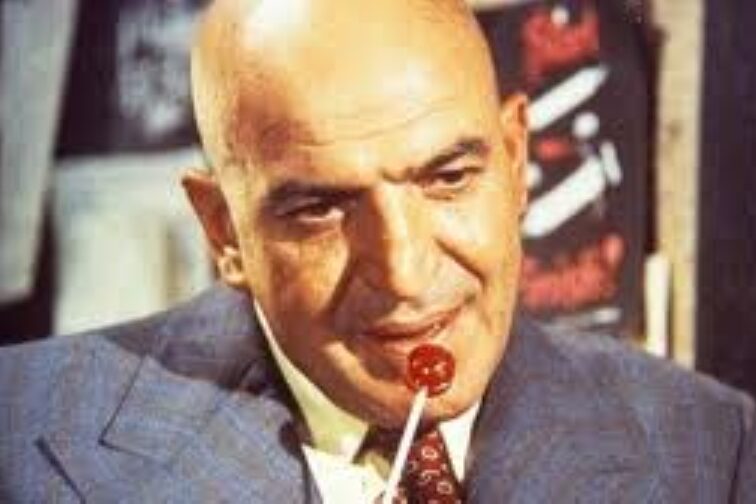
Crime dramas in the 1970s had their share of tough detectives, but few were as distinctive as Lieutenant Theo Kojak from Kojak. Played by Telly Savalas, Kojak often delivered the friendly but confident line “Who loves ya, baby?” while holding his trademark lollipop. The phrase felt casual and disarming, almost like a detective reassuring someone that things were under control. Viewers quickly connected the line with Savalas’s smooth voice and calm authority. It became one of the most quoted phrases in television crime drama during the decade.
Savalas had already built a respectable film career before the show, but Kojak turned him into a television icon. His shaved head, sharp suits, and lollipop became a distinctive look that audiences instantly recognized. The catchphrase itself helped soften the character, making him seem approachable even while solving serious crimes. After the series ended in the late 1970s, Savalas continued acting in films and television specials that revisited the Kojak character. Years later, the line still reminds viewers of a time when television detectives could mix toughness with a little charm and humor.
15. Don Knotts – “Nip It in the Bud”
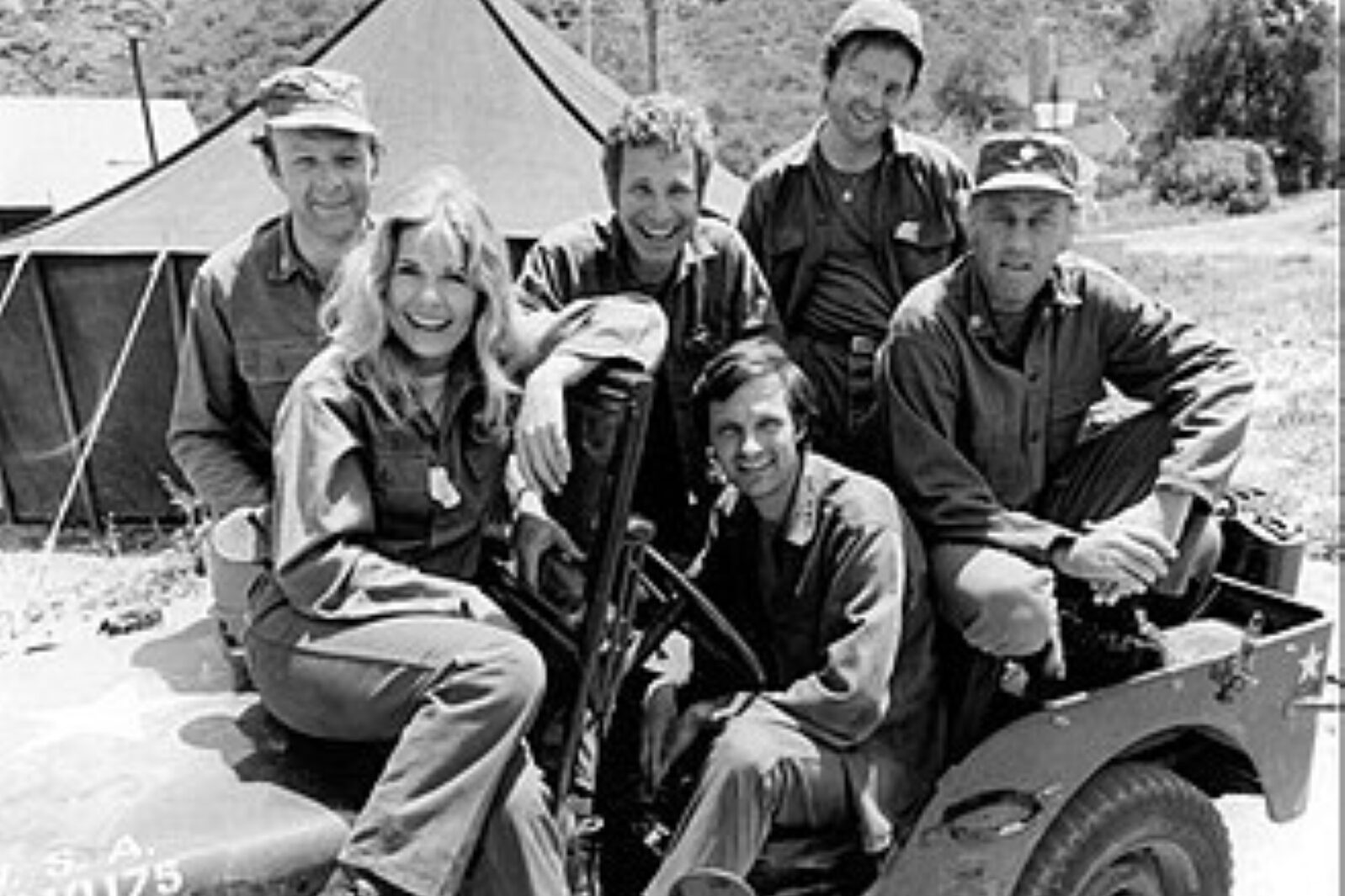
On the television series MASH, Alan Alda played Hawkeye Pierce, a quick-witted army surgeon who used humor to survive the challenges of wartime life. One recurring phrase that fans recognized came over the camp loudspeaker: “Attention, all personnel.” While the line often introduced announcements or jokes, it became part of the rhythm of the show’s storytelling. Alda later said the humor in MASH worked because it balanced comedy with the reality of the situation, explaining that laughter helped the characters “get through the day.”
Alda’s role in MASH turned him into one of television’s most respected actors. Beyond performing, he also wrote and directed many episodes, helping shape the series into something deeper than a typical comedy. After the show concluded in 1983, Alda continued acting in film, theater, and television while also becoming a strong advocate for science communication and education. Looking back at the many phrases that defined television in the 1970s, it is clear they were tied to characters who felt real to viewers. Those lines still echo today, not just as jokes, but as reminders of the actors who made television feel like a shared experience.


