
Paper Road Maps

For much of the twentieth century, a long car journey began with a large folded road map spread across the kitchen table or on a car bonnet/wheel. Motorists studied highways, traced routes with a finger and tried to memorise key turns before setting off. Companies such as Rand McNally built entire businesses around these printed atlases, which were sold at petrol stations and motorway service stops. In the 1970s and 1980s, keeping a map in the glove compartment was considered basic preparation for any road trip.
Today, that ritual feels almost quaint because satellite navigation and smartphone apps have taken over the task. GPS technology first appeared in consumer devices in the 1990s, and by the late 2000s smartphone apps such as Google Maps made turn-by-turn directions available instantly. Drivers now receive live traffic updates, alternate routes and voice guidance without unfolding a single sheet of paper. As a result, the once familiar sight of a driver wrestling with a large map at a petrol station is becoming rare. For many younger travellers, the idea of navigating without a phone simply sounds stressful.
Travel Agent Reliance

Booking a holiday once required a visit to a travel agency office. During the 1970s and 1980s, these agencies served as essential intermediaries between travellers and airlines, hotels or cruise lines. Agents used specialised reservation systems and thick catalogues filled with package deals, and customers relied on their knowledge to plan complicated itineraries. The internet transformed this process almost completely.
In the late 1990s, websites such as Expedia and Booking.com introduced direct online reservations, allowing travellers to compare prices and book flights in minutes. Smartphones later added even more flexibility, letting people arrange accommodation or transport while already on the road. While travel agents still exist for luxury trips or complex international journeys, the everyday reliance on them has faded dramatically. Many younger travellers have never stepped inside a travel agency office because digital platforms now offer the same service instantly.
Writing Paper Cheques

For decades, writing a cheque was the most common way to pay large bills. Rent, utilities and school fees were often settled by filling out a cheque, placing it in an envelope and mailing it to the company involved. This system felt secure because banks carefully verified signatures and maintained detailed paper records of each transaction. However, the rise of digital banking has drastically reduced the need for cheques. Automatic bill payments, online banking and mobile payment apps now allow transactions to be completed within seconds.
In fact, data from the US Federal Reserve shows that cheque usage has fallen by more than 80 percent since the 1990s as electronic payments have become the norm. Younger consumers often prefer digital wallets or bank transfers because they provide instant confirmation and better tracking of spending. For many of them, the process of writing and mailing a cheque feels slow and unnecessarily complicated.
Watching Scheduled Television
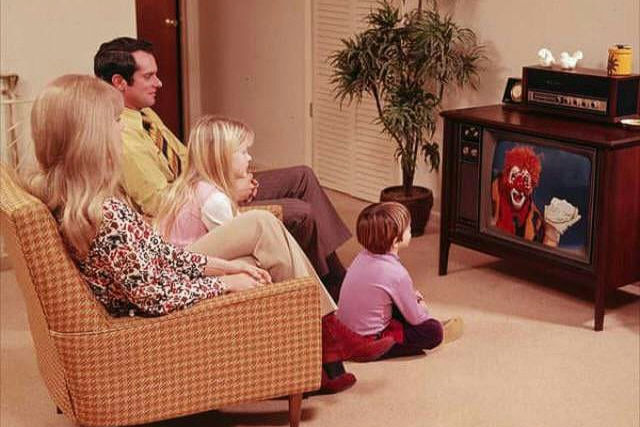
Television once revolved around strict schedules. Families gathered at specific times each evening to watch favourite programmes because missing the broadcast meant waiting for a rerun weeks later. This routine shaped daily life in the 1960s through the 1990s, and many households planned dinner or social activities around popular shows. Streaming services have completely reshaped that pattern.
Platforms such as Netflix and Amazon Prime Video introduced the concept of watching programmes whenever viewers choose. Instead of waiting for a scheduled broadcast, audiences can watch entire seasons in one sitting. This shift has weakened the cultural habit of arranging evenings around television schedules. Younger viewers are often surprised to learn that earlier generations once waited all week for a single episode to air at a fixed time.
Calling For Services
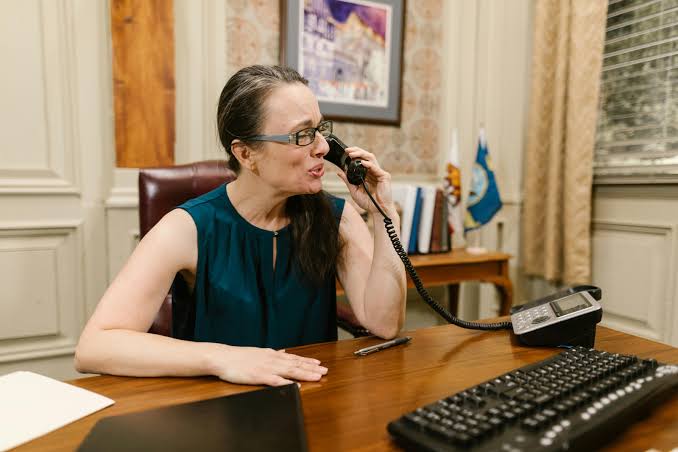
For many years, the telephone was the primary bridge between a customer and a service provider. If you wanted to book a table at a popular bistro or catch a ride to the airport, you had to dial a number and speak to a human being. During the 1980s and 1990s, this verbal interaction was the only way to confirm details, ask questions, or negotiate a repair appointment. Boomers grew up mastering the art of the phone call, often preferring the nuance of a voice conversation to ensure that their needs were being met correctly.
However, the rise of the “App Economy” in the late 2000s completely transformed how we interact with businesses. Platforms like OpenTable for dining and Uber for transportation removed the need for verbal communication entirely, replacing it with a few taps on a glass screen. This shift toward silent booking has become the preferred method for younger generations, who often find unexpected phone calls to be intrusive or inefficient. The convenience of 24/7 automated booking means you can schedule a plumber at midnight without waking anyone up.
Stacks Of Paper Files
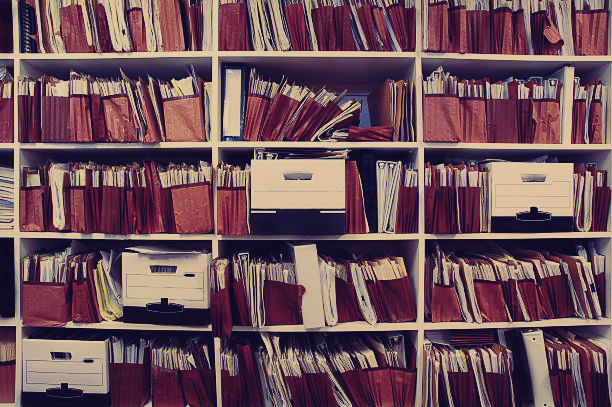
In a traditional Boomer household, the filing cabinet was the ultimate fortress of organization. These metal towers were stuffed with manila folders containing everything from 1985 tax returns to original appliance warranties and birth certificates. For decades, the philosophy was simple: if it’s important, you must have a physical copy. This reliance on paper was a practical necessity before the advent of digital storage, as a lost receipt or a misplaced deed could cause significant legal or financial headaches.
Digital storage has gradually replaced these bulky archives. Cloud services, scanned documents and online account statements now allow people to keep records without physical paperwork. Research on personal record keeping shows that many households increasingly manage bills and documents electronically rather than storing large paper files at home. This shift reduces clutter and makes searching for documents far easier. As younger generations move toward paperless systems, the traditional filing cabinet is slowly disappearing from modern homes.
Using Phone Books
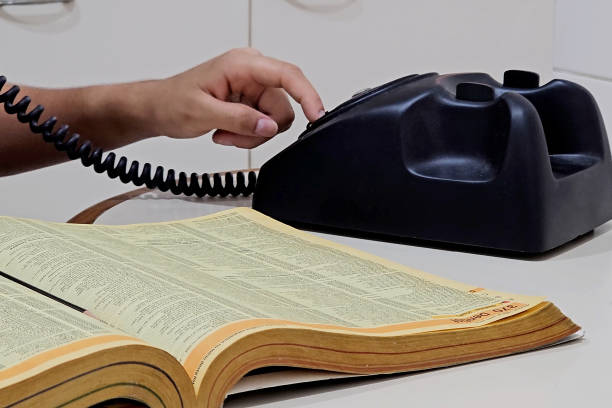
The annual delivery of the Yellow Pages was once a major event in every neighborhood. These massive, yellow-tinted directories were the ultimate search engine of the 20th century, providing a comprehensive list of every business in town. If you needed a locksmith or a pizza delivery in 1982, you let your “fingers do the walking” through the thousands of thin, printed pages. For Baby Boomers, the phone book was a vital household tool that sat prominently in a kitchen drawer or under the telephone stand. It represented a local connection to the community, serving as the primary way for small businesses to reach their customers before the internet existed.
The decline of the printed directory began in earnest during the late 1990s as search engines like Google started to gain traction. By the mid-2010s, the idea of using a heavy paper book to find a phone number seemed remarkably slow and outdated compared to a three-second mobile search. Digital listings offer far more than just a number; they provide instant reviews, photos, and GPS directions that a static book could never match. Many municipalities have now passed laws allowing residents to opt-out of delivery to save on paper waste and recycling costs.
Expecting Strict Office Hours
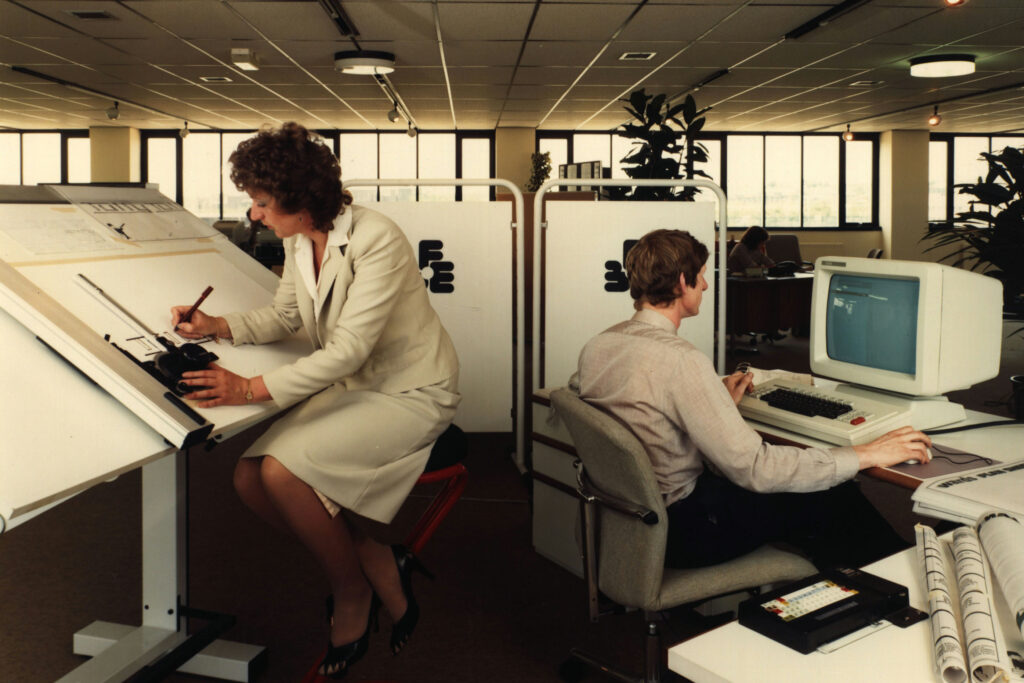
Throughout the mid-to-late 20th century, the “9-to-5” wasn’t just a Dolly Parton song; it was a hard rule for how society functioned. If you needed to talk to your banker, file a government form, or visit a local boutique, you had to do it within a very specific window of time. By 5:00 PM on a Friday, the professional world largely went dark until Monday morning. For Baby Boomers, this structure provided a clear boundary between work and personal life, and people planned their errands and chores around these rigid operational hours
The birth of the 24-hour digital economy in the early 2000s completely upended these expectations. With the rise of online banking and global e-commerce, the “closed” sign has become largely symbolic for many industries. Consumers now expect to be able to move money, buy clothes, or contact support at 3:00 AM if they feel like it. This shift has led to a “right now” culture where younger generations have little patience for waiting until Monday morning to resolve a simple issue. While physical storefronts still maintain schedules, the backend of the modern world never sleeps. The traditional expectation that services only exist during daylight hours is a habit that is quickly disappearing as the world becomes increasingly interconnected and automated.
Living With Landlines
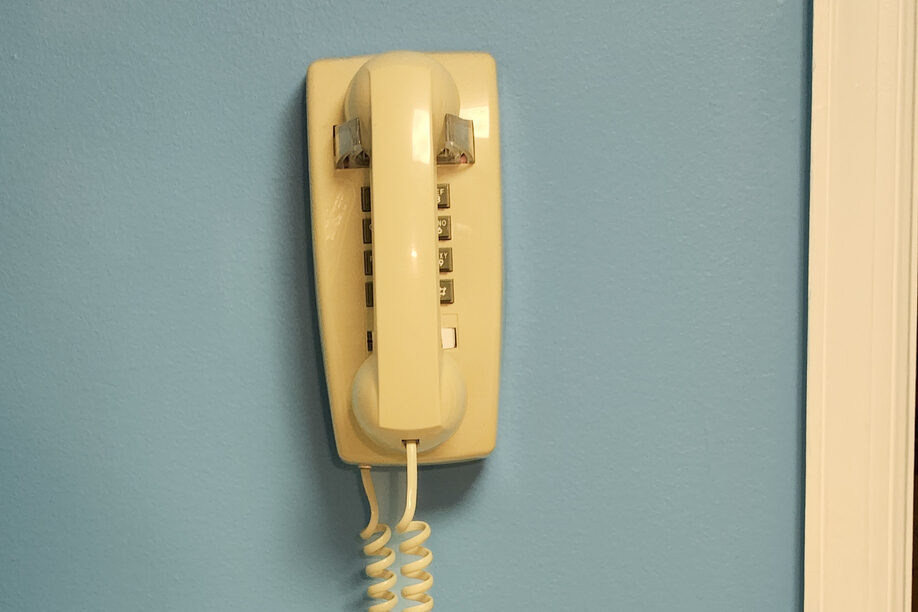
For most of the 20th century, the landline was the central nervous system of the American home. It was usually located in a high-traffic area like the kitchen, with a tangled, coiled cord that dictated how far you could walk while talking. Sharing a single phone line meant that teenagers had to negotiate for “phone time” and parents had to deal with the dreaded busy signal when trying to call home. This fixed point of communication meant that a phone call was an event tied to a location, not a person. For Boomers, the sound of the house phone ringing was a call to action that involved the entire household.
The rapid adoption of mobile phones in the late 1990s and early 2000s began the slow death of the home telephone. As individual cell phone plans became more affordable, the need for a shared domestic line evaporated, leading many households to cut the cord entirely. According to recent surveys, over 70 percent of U.S. adults now live in wireless-only households, a number that continues to climb every year. Messaging apps and video calls have further replaced the need for a dedicated copper-wire connection. To many younger people, a landline is an unnecessary monthly bill for a service they will never use. The image of a family gathered around a wall-mounted phone is now a nostalgic memory of a more stationary era.
Printing Every Email
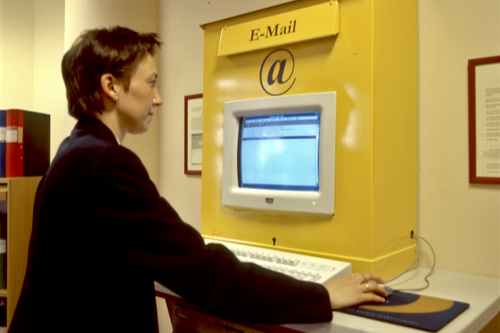
When office email systems first became widespread in the 1990s, many employees didn’t quite trust the “virtual” nature of the messages. It was a very common habit for workers of the Boomer generation to print out every important email and file it away in a physical folder. This practice stemmed from a lifetime of dealing with paper documents as the only reliable form of evidence or record-keeping. In the early days of computing, systems were prone to crashing and storage was limited, so having a hard copy felt like the only way to ensure that a critical conversation wouldn’t vanish into the digital void.
As digital literacy improved and cloud-based archiving became the standard in the late 2010s, the “print everything” mentality began to look increasingly wasteful. Modern email platforms offer sophisticated search functions that make finding a five-year-old message much easier than digging through a box of papers. Furthermore, a strong corporate push toward sustainability and “green” offices has made excessive printing socially frowned upon in many workplaces. Younger professionals, who grew up with tablets and multiple monitors, rarely see the need to hold a physical version of a digital message. While the habit persists in some highly regulated or traditional industries, the era of the overflowing “Email” filing tray is effectively coming to an end as we embrace a truly paperless professional culture.
Daily Newspaper Delivery
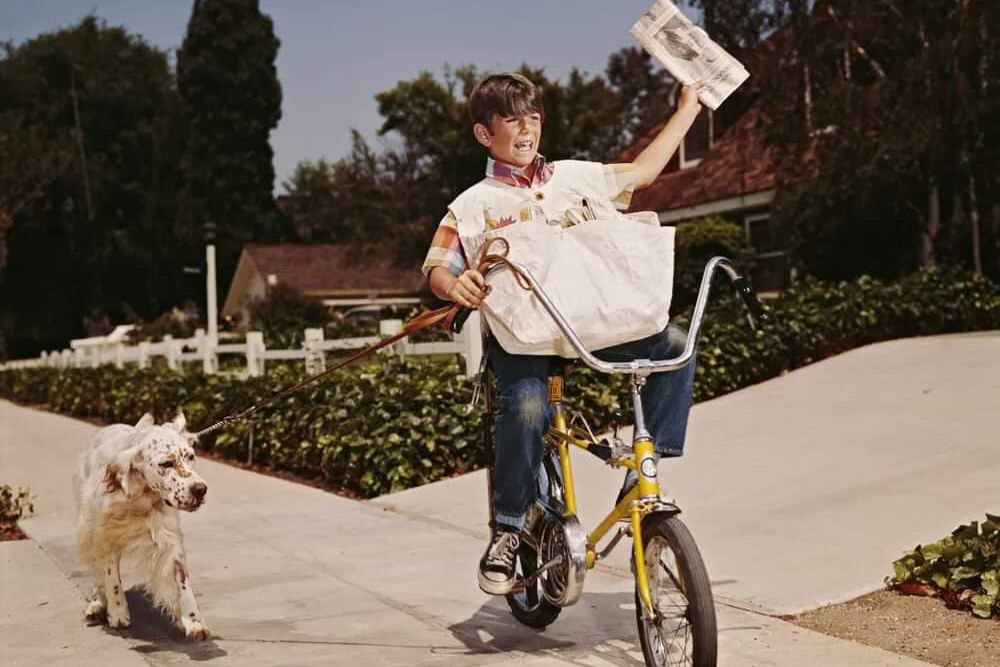
For much of the 20th century, the thud of a newspaper hitting the porch was the official start of the morning. Baby Boomers grew up in an era where the daily print edition was the primary window into world events, local politics, and even the weather forecast. By the 1970s and 1980s, millions of households subscribed to morning or evening deliveries, and reading the “funny pages” or the sports section over breakfast was a universal ritual. It was a time when information moved at a slower, more deliberate pace, and the physical act of turning ink-stained pages was a deeply ingrained habit for an entire generation.
The rise of the internet in the mid-1990s began a slow but steady decline for the traditional print industry. According to the Pew Research Center, weekday newspaper circulation in the U.S. has fallen by over 70% since its peak in the late 1980s as digital news took over. Today, news breaks in real-time on social media and dedicated apps, making a 24-hour-old printed story feel like ancient history to younger readers. While some still enjoy the tactile feel of a Sunday paper, the majority of the population now gets their headlines from a glowing screen. The classic image of the neighborhood paperboy on a bicycle is now almost entirely a thing of the past.
Fax Machines In Offices
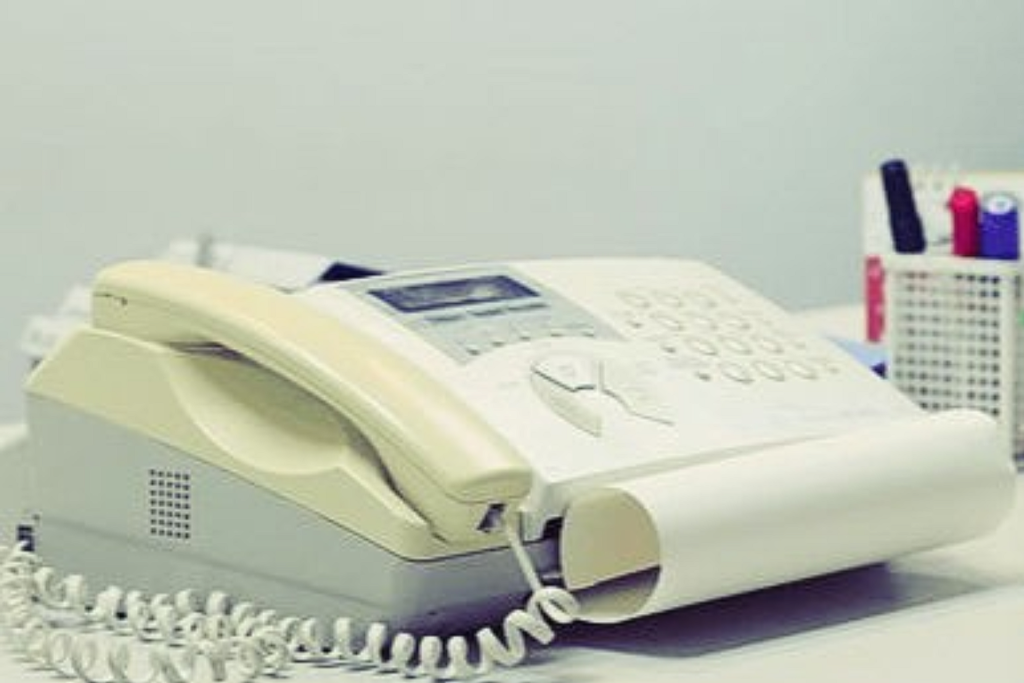
There was a time when the fax machine was the pinnacle of office technology. During the 1980s and 1990s, the ability to send a signed contract or a medical record across the country in minutes felt like pure magic. For many Boomers, the high-pitched screech of the machine and the thermal paper sliding out of the tray symbolized a fast-paced, modern business environment. It was the only way to transmit “hard copies” instantly, and having a dedicated fax number on a business card was a sign that you were a serious professional. It bridged the gap between the slow postal service and the digital future.
However, the widespread adoption of high-speed internet and PDF attachments in the early 2000s made the bulky fax machine redundant. Modern tools like digital signatures and encrypted cloud storage are not only faster but far more secure and environmentally friendly. While some sectors like healthcare and law still use faxing for specific regulatory reasons, most younger professionals view the machine as a confusing relic of a bygone era. For a generation raised on instant file sharing, the idea of printing a document just to scan it through a phone line seems like a bizarre and unnecessary waste of time.
Buying CDs And DVDs
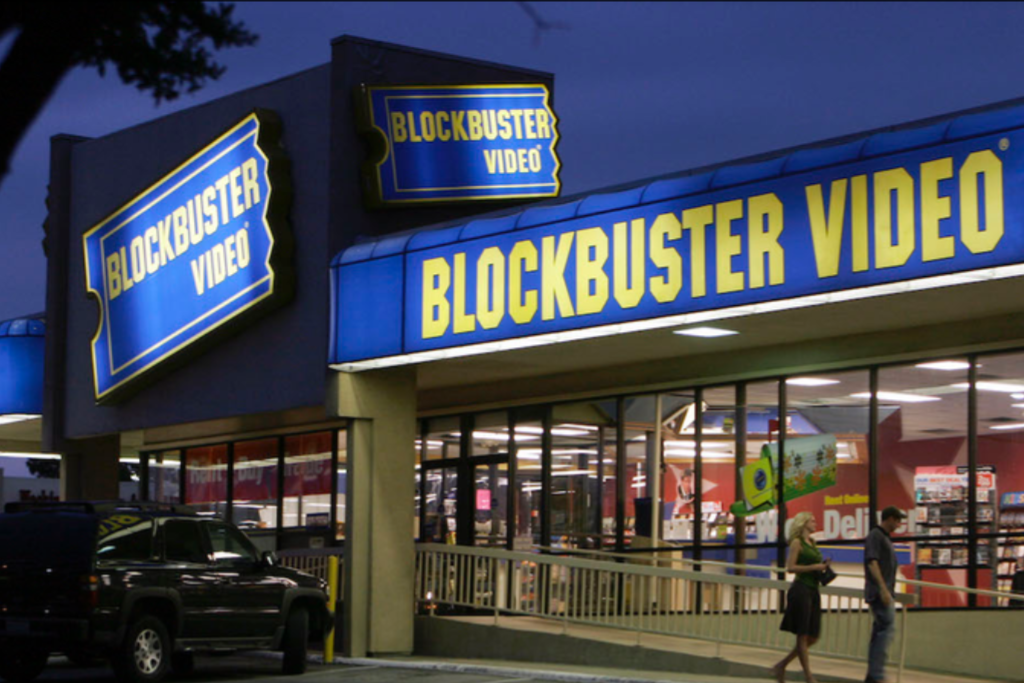
In the 1990s and early 2000s, a person’s identity was often reflected in their physical media collection. Music shops like Tower Records and video rental stores like Blockbuster were the cultural hubs of the weekend. Boomers and Gen Xers spent countless hours browsing aisles, admiring album art, and building impressive towers of CDs and DVD box sets in their living rooms. Owning a physical copy of your favorite film or album was a point of pride and a guarantee that you could enjoy your entertainment whenever you wanted, regardless of your internet connection or a subscription status.
The entertainment world shifted on its axis with the launch of the iTunes Store in 2003, followed by the explosion of streaming giants like Spotify and Netflix. By 2015, digital streaming had officially overtaken physical sales as the primary way people consumed media. Today, most laptops and cars don’t even come equipped with disc drives, making the once-prized CD collection a literal dust-collector. Younger generations prioritize access over ownership, preferring to pay a monthly fee for millions of songs rather than buying a single album. While vinyl has seen a small boutique revival, the era of the mass-market plastic disc is effectively over.
Visiting The Bank
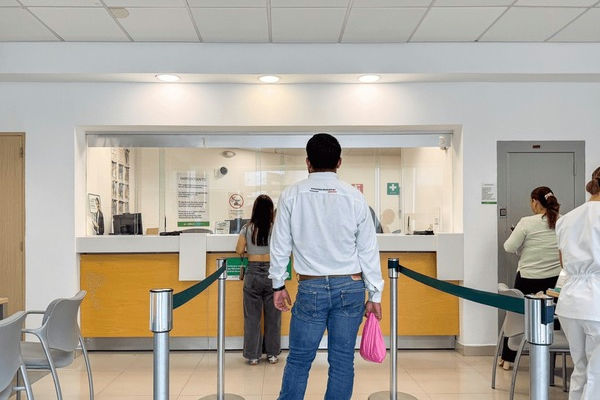
For decades, a trip to the local bank branch was a mandatory part of adult life. Whether you needed to deposit a paycheck, withdraw cash for the weekend, or speak to a loan officer, you had to physically enter the building and wait in a roped-off line. For Baby Boomers, this face-to-face interaction provided a sense of security and trust that was essential for managing their hard-earned money. Many people knew their local tellers by name, and the “bank run” was a common errand that required careful planning around the branch’s limited operational hours and mid-afternoon closing times.
The introduction of mobile banking in the late 2000s turned every smartphone into a personal bank teller. With the ability to deposit checks via a camera and transfer thousands of dollars with a thumbprint, the need to visit a physical branch has plummeted. Data shows that thousands of bank branches have closed across the country over the last decade as customers migrated to digital platforms. Younger consumers may go years without ever stepping inside a bank, finding the idea of standing in line for a simple transaction to be an enormous inconvenience. Banking has evolved from a social, physical destination into a background utility that lives in our pockets.
Encyclopedias On Shelves
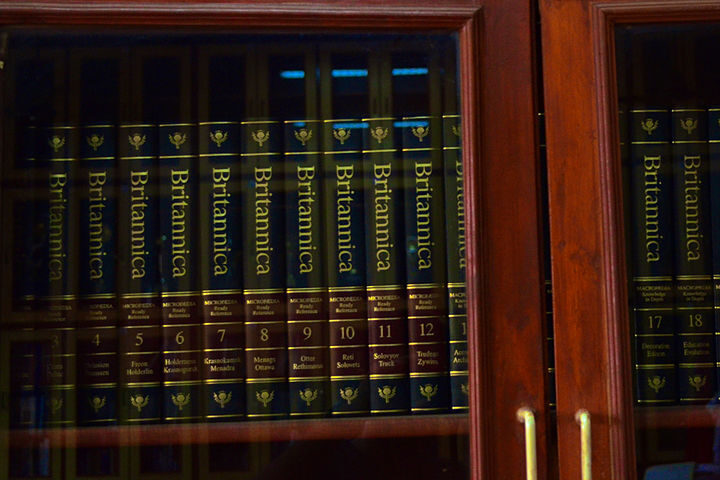
In the pre-internet era, the “Encyclopedia Britannica” was the ultimate status symbol of a learned household. These massive, leather-bound sets often occupied an entire bookshelf and were the primary source of information for students working on school reports. For Boomers, owning a set of encyclopedias meant having the world’s knowledge at your fingertips, even if that knowledge was only updated once a year with a “Yearbook” supplement. These books represented authority and academic rigor, serving as a trusted reference point for families who wanted to ensure their children had the best tools for success in a competitive world.
The digital age brought a swift and unceremonious end to the printed encyclopedia business. When Wikipedia launched in 2001, it offered a free, searchable, and instantly updated alternative that a printed book could never hope to match. By 2012, Britannica announced it would stop printing its iconic volumes after 244 years, focusing instead on its digital presence. Today’s students can research any topic in seconds using a search engine, making the idea of flipping through a heavy, alphabetical volume seem incredibly primitive. While the old books still look handsome on a shelf, their role as a living source of information has been permanently replaced by the cloud.


