
Farrah Fawcett
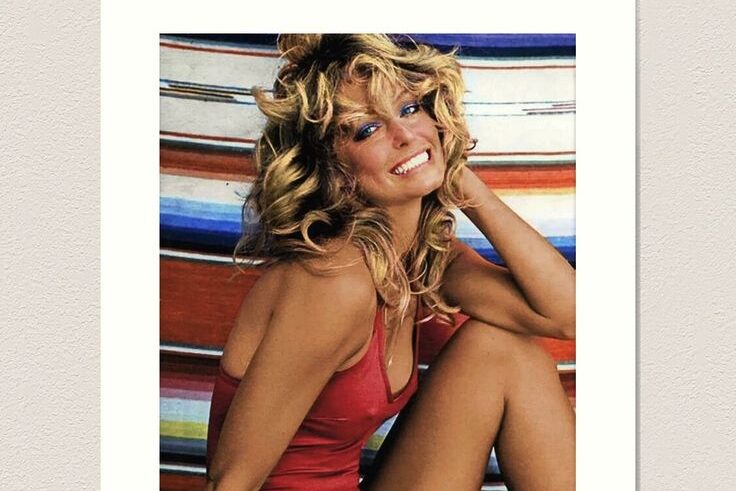
Farrah Fawcett became a global phenomenon almost overnight during the mid-1970s. While she had previously appeared in minor commercials, her massive breakthrough arrived in September 1976 when she debuted as Jill Munroe on the hit TV series Charlie’s Angels. Her feathered blonde hair and radiant smile quickly turned her into the show’s breakout star, capturing the attention of millions of viewers. By the time the first season ended in 1977, she was arguably the most famous woman on American television, dominating magazine covers and fashion trends alike.
Her legendary status was cemented by a 1976 photoshoot featuring her in a simple red one-piece swimsuit. That single image became the best-selling poster in history, moving over 12 million copies and finding a home on the bedroom walls of nearly every teenage boy in the country. Even though she departed the show after only 29 episodes to pursue a career in film, her cultural impact was permanent. The “Farrah Flip” hairstyle became a mandatory look for women across the globe, ensuring her legacy as the ultimate 1970s pin-up girl.
Lynda Carter
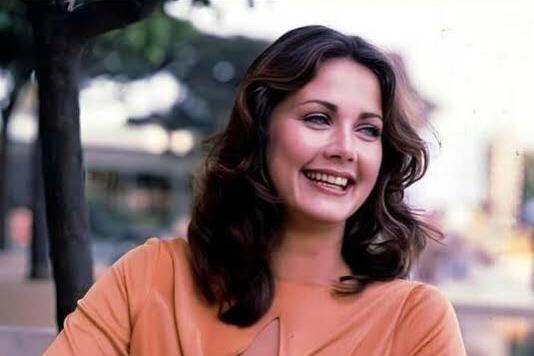
Lynda Carter stepped into the spotlight in 1975 when she won the title role in the Wonder Woman television series. At a time when superhero stories were largely dominated by men, Carter brought a unique blend of physical strength and soft-spoken grace to the screen. Standing 5’9″, she possessed a commanding presence that made the Amazonian princess feel real and relatable. The show, which moved from ABC to CBS during its run, became a staple of Friday night television and turned Carter into a worldwide icon of female empowerment and beauty.
The series aired for three seasons, concluding in 1979, but Carter’s influence stretched far beyond the final episode. Throughout the late 1970s, her image was everywhere, from lunchboxes to life-sized posters that adorned the rooms of admiring fans. She balanced her high-action stunts with a sense of dignity that resonated with both young boys and girls. Decades later, her portrayal of Diana Prince is still considered the definitive version of the character, proving that her charm and athletic talent were truly one of a kind.
Jaclyn Smith
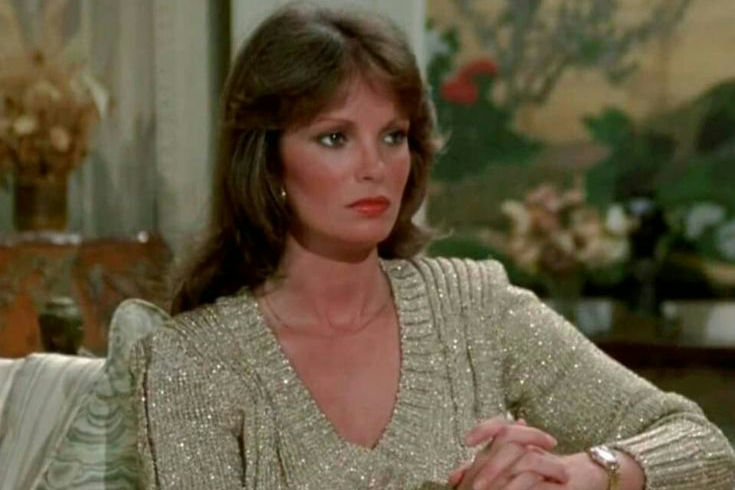
Jaclyn Smith was a cornerstone of the Charlie’s Angels phenomenon, debuting alongside Farrah Fawcett in September 1976. Playing the role of Kelly Garrett, Smith was often viewed as the “brainy” and sophisticated member of the trio. While her co-stars frequently changed throughout the years, Smith provided the steady heartbeat of the show. Her classic beauty and calm demeanor made her a favorite for fans who preferred her understated elegance over the more flamboyant styles of the era.
What truly set Smith apart was her loyalty to the production; she was the only original Angel to stay for the entire five-season run, appearing in all 110 episodes until the series ended in June 1981. This longevity meant she was a constant presence in households for half a decade, appearing on countless covers of TV Guide and teen magazines. After the show, she transitioned into a highly successful business career, but for the generation of the 1970s, she remains the quintessential brunette beauty who defined the golden age of glamorous TV detectives.
Susan Dey
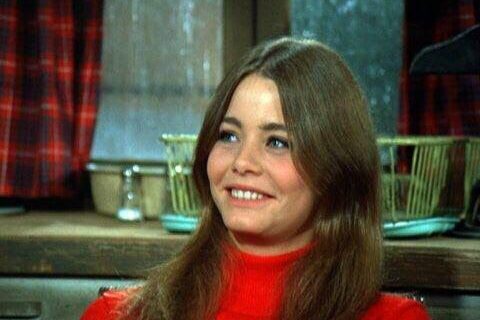
Susan Dey won the hearts of millions as Laurie Partridge on the musical sitcom The Partridge Family, which premiered in September 1970. Only 17 years old when she was cast, Dey had worked as a model but had no professional acting experience. Her transition to the screen was seamless, and she quickly became the relatable “girl next door” for a generation of teenagers. While the show focused on a traveling family band, Dey’s character provided a grounded, sweet presence that balanced the high-energy musical numbers.
The series ran until 1974, and during those four years, Susan was a constant fixture in Tiger Beat and other fan magazines. While her co-star David Cassidy was the primary heartthrob for girls, Dey was the undisputed crush for teenage boys who admired her natural look and gentle personality. She successfully shed her teen-idol image later in the 1980s by starring in L.A. Law, winning a Golden Globe in 1988. However, her early days in the velvet-clad Partridge family remain her most nostalgic contribution to 1970s pop culture.
Maureen McCormick
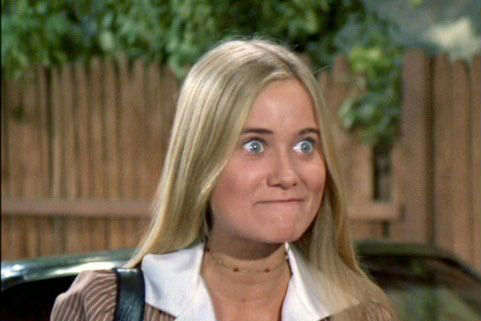
Maureen McCormick became a household name playing Marcia Brady, the eldest daughter on The Brady Bunch. The show originally aired from 1969 to 1974, but it was during the early 70s that “Marcia mania” truly took hold of the youth. Representing the ideal American high school girl, Marcia was beautiful, popular, and occasionally a bit dramatic. McCormick’s portrayal made the character so iconic that the frustrated cry of her TV sister, “Marcia, Marcia, Marcia!”, became one of the most famous catchphrases in television history.
Beyond the scripted episodes, McCormick was a frequent guest on variety shows and a staple of the 1970s teen magazine circuit. Her sunny personality and wholesome image made her the quintessential schoolgirl crush for boys across the country. Even after the original series ended in 1974, the show lived on in perpetual syndication, ensuring that new fans discovered her every year. Despite the personal struggles she documented in her later autobiography, her time as the golden girl of the Brady household remains a cherished memory of 1970s television.
Bo Derek
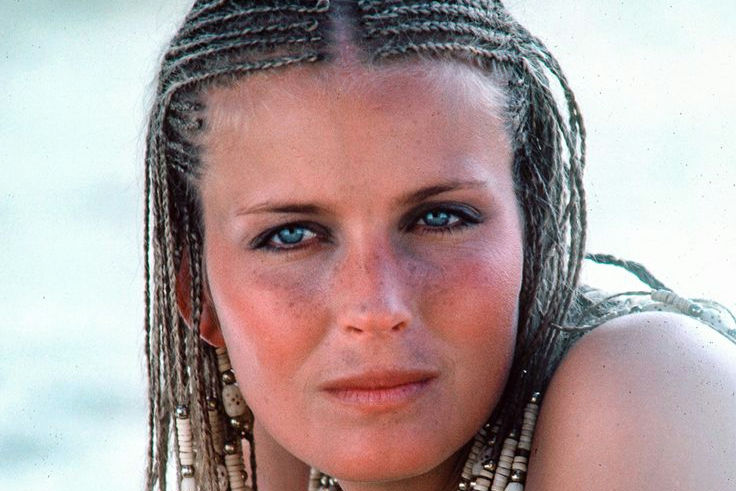
Bo Derek became an instant sensation at the very end of the decade with the release of the movie 10 in October 1979. Directed by Blake Edwards, the film featured Derek as the “perfect” woman, a role that required her to embody an almost impossible standard of beauty. Her appearance in the movie, particularly during the famous beach sequence, turned her into a household name practically overnight. At 22 years old, she represented a new kind of Hollywood glamour that felt both modern and timeless.
The image of Derek running across the sand with her hair in cornrow braids, accompanied by the music of Boléro, became one of the most parodied and celebrated moments in cinema. That single scene launched a massive fashion trend and made her the most requested poster girl of 1979. While her acting career continued into the 1980s with films like Tarzan, the Ape Man, it was her breakout in 10 that defined her as the ultimate dream girl for the departing decade, closing out the 1970s with a bang.
Cheryl Ladd
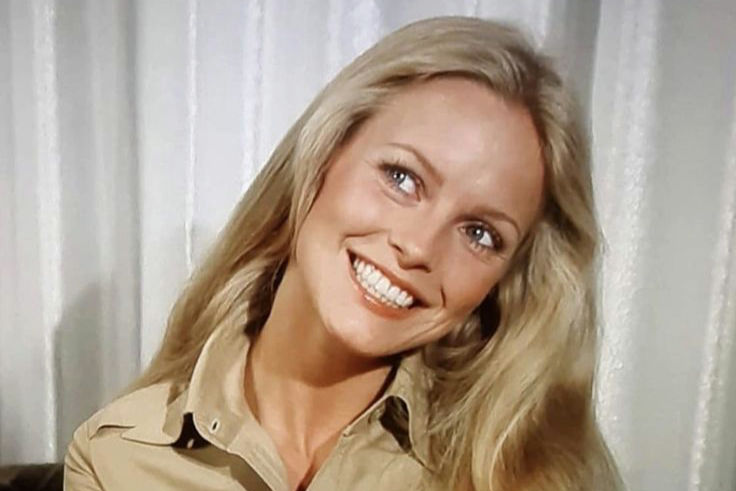
Cheryl Ladd faced the daunting task of replacing Farrah Fawcett on Charlie’s Angels in 1977. Joining the cast in the second season as Kris Munroe, Jill’s younger sister, Ladd managed to do the impossible: she kept the show’s ratings at the top of the charts. Her arrival brought a fresh, bubbly energy to the series that fans immediately embraced. Ladd proved she wasn’t just a replacement but a star in her own right, blending physical action with a warm, witty personality that made her incredibly likable.
Ladd remained with the “Angels” until the series finale in 1981, outlasting many other cast members and becoming a permanent fixture of 1970s celebrity culture. Beyond her acting, she was a talented singer, releasing a self-titled album in 1978 that featured the top 40 hit “Think It Over.” Her multi-talented nature and girl-next-door charm made her a favorite for magazine editors and fans alike. For many teenagers who started watching the show after the initial hype, Cheryl Ladd was the Angel who truly stole their hearts.
Catherine Bach
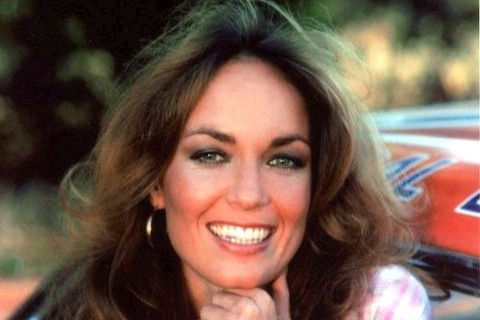
Catherine Bach drove fans wild starting in January 1979 when she debuted as Daisy Duke on The Dukes of Hazzard. Playing the feisty, resourceful cousin to Bo and Luke Duke, Bach brought a mix of Southern charm and tough independence to the screen. She wasn’t just there for decoration; Daisy was often the one outsmarting the bumbling Sheriff Rosco P. Coltrane or driving the getaway car. Her character became a symbol of a fun-loving, adventurous spirit that resonated deeply with audiences in rural and urban areas alike.
Bach’s impact on fashion was so significant that her costume, ultra-short denim cut-offs, became known worldwide as “Daisy Dukes,” a term still used today. At the height of the show’s popularity, a poster of Bach in her signature outfit sold five million copies, rivaling the success of Farrah Fawcett’s iconic swimsuit shot. While the show was famous for its car jumps and lighthearted comedy, Catherine Bach provided the glamour and heart that kept viewers coming back every week, making her a legendary figure of late-70s television.
Valerie Bertinelli
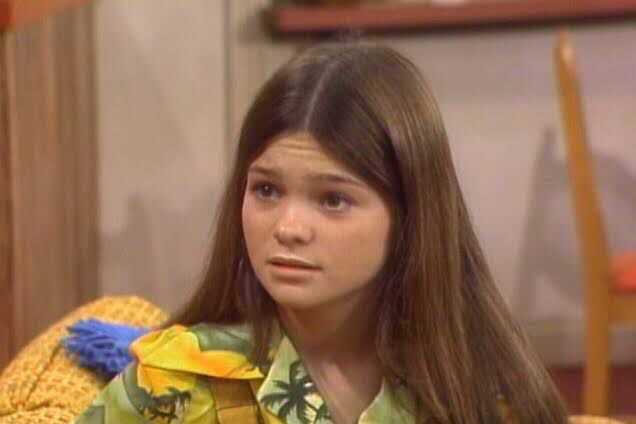
Valerie Bertinelli became a favorite of the sitcom world when she was cast in One Day at a Time, which premiered in December 1975. Playing Barbara Cooper, the younger daughter of a divorced mother, Bertinelli grew up right in front of the American public. Because she was only 15 when the show started, her character’s journey through high school and early adulthood felt incredibly authentic to viewers. Her approachable beauty and infectious laugh made her the ultimate “crush” for boys who felt she was someone they could actually talk to.
Throughout the late 1970s, Bertinelli was a constant presence on the covers of magazines like 16 and Bop. She won two Golden Globe Awards for her work on the show in 1981 and 1982, proving that she had the acting chops to match her immense popularity. Her relatable personality helped the show run for nine successful seasons, making her one of the most recognizable faces of the era. For many who grew up in the mid-to-late 70s, Valerie represented the perfect blend of talent, sweetness, and everyday charm.
Kristy McNichol
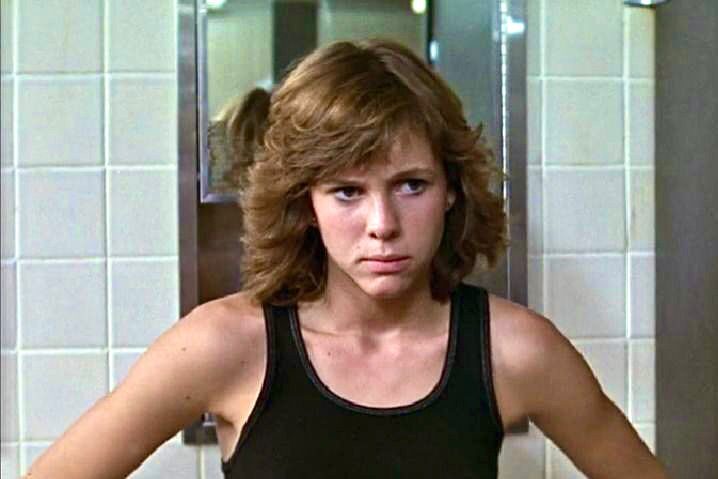
Kristy McNichol was one of the most respected young actresses of the late 1970s, best known for her role as “Buddy” Lawrence on the drama series Family. The show, which debuted in 1976, was a critical darling that dealt with real-world issues, and McNichol’s raw, honest performance earned her two Emmy Awards before she even turned 18. She had a tomboyish charm and a fiery spirit that set her apart from the more traditional “glamour girls” of the decade, making her a unique icon for the era.
In addition to her success on television, she starred in the 1978 film Little Darlings and even dabbled in a music career with her brother, Jimmy. Her face was a permanent fixture in teen magazines, and she was often cited as the most popular young star in the country during the late 70s. McNichol had a way of connecting with the audience that felt deeply personal, and for many teenage boys, her sincerity and talent made her the girl they most admired. Her legacy remains a testament to the power of authentic acting and natural charisma.
Lindsay Wagner
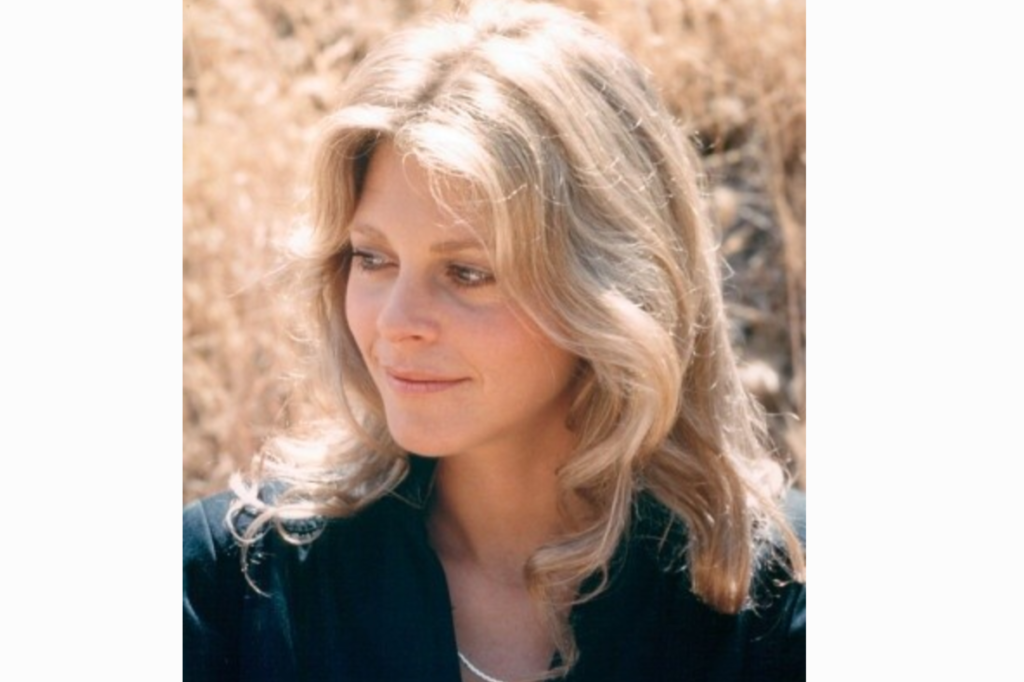
Lindsay Wagner became a massive television star in 1976 when she landed the lead role in The Bionic Woman. Initially appearing as a tragic love interest for the Six Million Dollar Man, her character, Jaime Sommers, was so popular that fans demanded she get her own series. Wagner played a professional tennis player who, after a skydiving accident, is rebuilt with top-secret cybernetic parts. The show was an instant hit, and in 1977, she made history by winning the Primetime Emmy for Outstanding Lead Actress in a Drama Series, a rare feat for a sci-fi show.
For teenage boys in the late 1970s, Wagner offered a different kind of screen crush. She wasn’t just a powerful hero; she brought a deep sense of empathy, intelligence, and a gentle spirit to the role. Her posters, often showing her in action or with her bionic dog, Max, were staples in bedrooms across the country. The series ran until 1978, but Wagner’s influence as a strong, independent female lead paved the way for future action stars. Her combination of athletic ability and a warm, approachable personality made her one of the most respected icons of the decade.
Raquel Welch
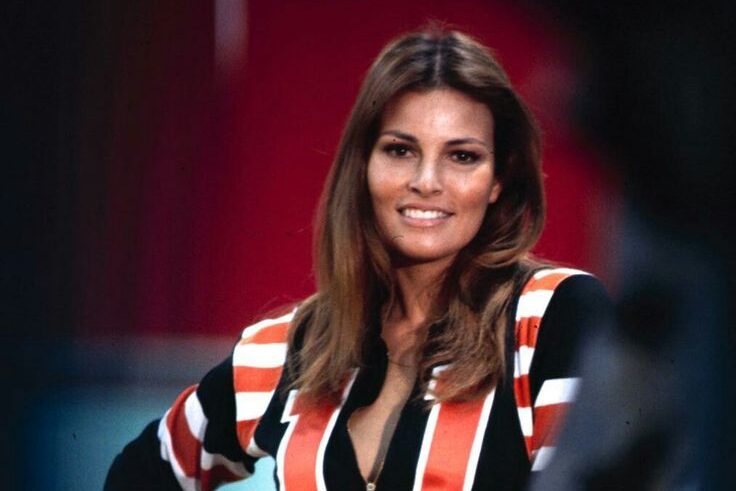
Raquel Welch was already a cinematic legend by the time the 1970s began, but she spent the decade proving she was much more than just a famous face. In 1971, she starred in the gritty Western Hannie Caulder, and in 1973, she showed off her comedic skills in The Three Musketeers. Her performance in the latter was so impressive that she won a Golden Globe for Best Actress in 1974. Welch had a way of commanding the screen with her incredible confidence and physical presence, making her a constant fixture in international cinema and high-fashion magazines.
Throughout the 1970s, Welch was frequently cited as one of the most beautiful women in the world, appearing on the cover of Playboy and starring in high-profile television specials. For teenagers of the era, she represented the ultimate Hollywood fantasy, glamorous, bold, and seemingly untouchable. However, she also challenged the “bombshell” stereotype by taking on demanding, athletic roles that required real grit. By the end of the 1970s, she had transitioned into a successful stage career, but her status as a definitive 1970s pin-up and film icon remains an essential part of pop culture history.
Erin Gray
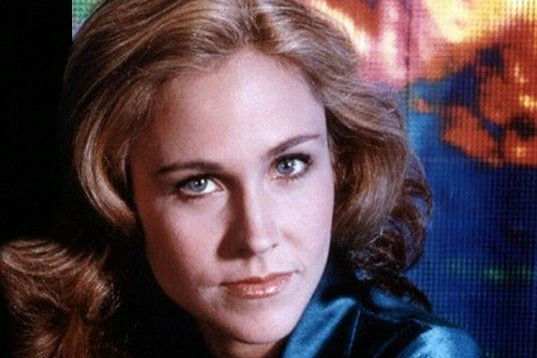
Erin Gray soared into the hearts of sci-fi fans in September 1979 as Colonel Wilma Deering in the series Buck Rogers in the 25th Century. Before her big break in space, Gray was one of the world’s most successful models, reportedly earning over $100,000 a year at the height of her career in the mid-70s. When she transitioned to acting, she brought a sense of sophisticated glamour to the small screen. Playing a high-ranking starfighter pilot, she was a pioneer for women in science fiction, showing that a character could be both a romantic interest and a highly skilled military officer.
Her futuristic, form-fitting uniforms became an iconic visual of the late 70s, making her a massive hit with young viewers. Gray’s character was smart, tough, and more than capable of handling herself in a dogfight, which earned her a dedicated following. The show ran until 1981, and during that time, Gray was a regular on the talk-show circuit and in fan magazines. For many boys growing up at the end of the decade, Colonel Deering was the ultimate “cool” crush, a hero who could fly a spaceship and look incredible while doing it.
Loni Anderson
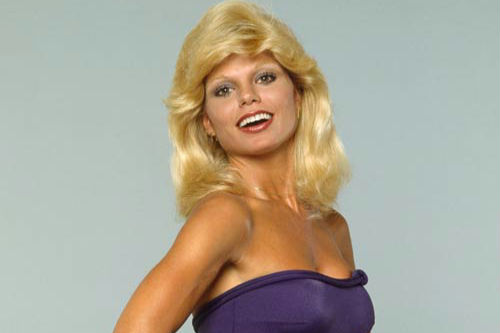
Loni Anderson became a breakout sensation in 1978 when she was cast as Jennifer Marlowe on the workplace comedy WKRP in Cincinnati. While her character was the receptionist at a radio station, the writers quickly made it clear that Jennifer was the smartest person in the building. Anderson’s portrayal of a woman who was both stunningly beautiful and incredibly perceptive turned the “blonde” stereotype on its head. Her comedic timing was impeccable, and she soon became the most popular member of the ensemble cast, earning three Golden Globe nominations for her work.
By 1979, Anderson was one of the most photographed women on television, often compared to classic stars like Marilyn Monroe. Her posters sold in the millions, and she was a frequent guest on variety shows and specials throughout the late 70s. For teenage boys, she was the personification of office glamour and wit. Even though the show continued into the early 80s, it was her late-70s debut that established her as a major celebrity. Anderson’s ability to play a character who was always two steps ahead of everyone else made her a favorite for audiences of all ages.
Bernadette Peters
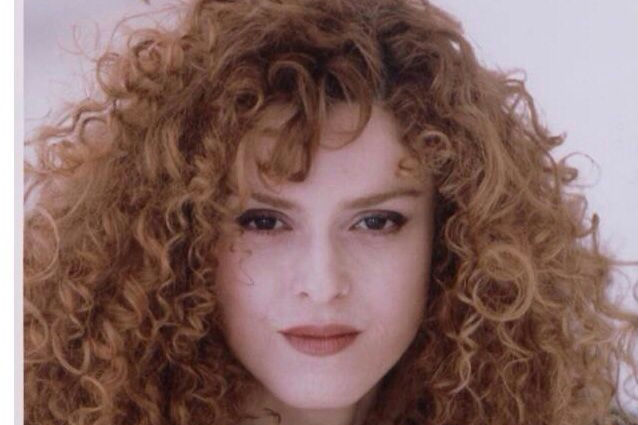
Bernadette Peters brought a unique, multi-talented energy to the 1970s. Known for her distinctive curly hair and “cupid’s bow” lips, she was a star of both the stage and the screen. She gained widespread attention in 1976 for her role in the Mel Brooks film Silent Movie, and her fame grew even further when she starred alongside Steve Martin in the 1979 comedy hit The Jerk. Peters had a playful, almost doll-like charm that made her incredibly endearing to audiences, and she was a frequent guest on The Carol Burnett Show and The Muppet Show.
Beyond her comedic acting, Peters was an accomplished singer with a powerful voice, appearing in numerous musical specials throughout the decade. For teenagers in the 70s, she represented a creative and quirky alternative to the standard Hollywood starlet. She was someone who could be funny, glamorous, and incredibly talented all at once. Her presence in films and on Broadway made her a respected figure in the arts, and her warmth and authenticity ensured that she remained one of the most beloved and admired performers as the decade came to a close.
Olivia Newton-John
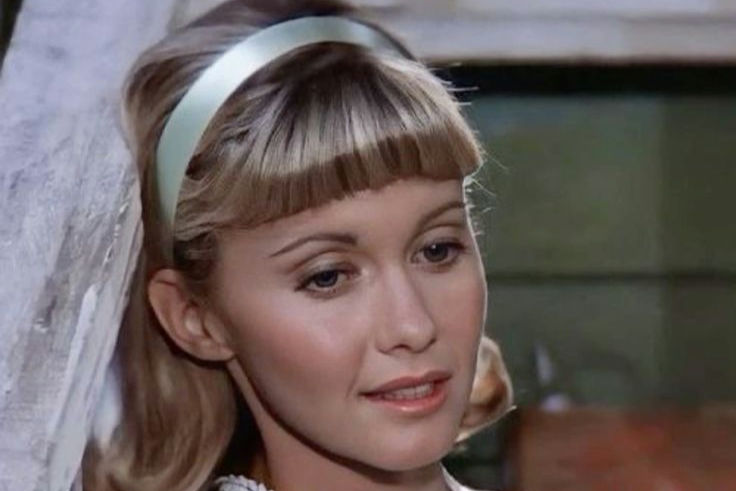
Olivia Newton-John was already a Grammy-winning country-pop singer, but she became a legendary screen crush in June 1978 with the release of Grease. Playing Sandy Olsson, her transformation from a shy, wholesome exchange student to a leather-clad “bad girl” in the film’s finale remains one of the most famous moments in movie history. The film was the highest-grossing movie of 1978, and its soundtrack dominated the charts for months, with hits like “Hopelessly Devoted to You” and “Summer Nights” becoming instant classics.
The “New Sandy” look, black spandex pants and a permanent, became an immediate fashion trend and a favorite image for posters in bedrooms everywhere. For teenage boys in 1978, Olivia represented the perfect mix of sweetness and newfound confidence. Her chemistry with John Travolta was electric, and the success of the film turned her into one of the biggest stars on the planet. Even after the 70s ended, she continued to top the charts with hits like “Physical,” but her time as the innocent Sandy remains her most iconic contribution to the decade’s pop culture landscape.
Tatum O’Neal
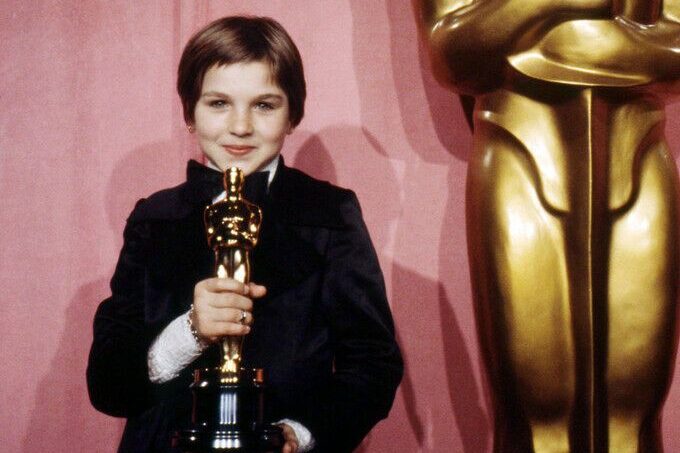
Tatum O’Neal made a historic debut in 1973 when she starred in Paper Moon at just nine years old. In 1974, she became the youngest person ever to win a competitive Academy Award for Best Supporting Actress, a record she still holds today. Growing up in the public eye during the mid-to-late 70s, she became a voice for a younger generation of fans. In 1976, she starred in The Bad News Bears, playing a tough, talented pitcher who took no nonsense from the boys, a role that made her a hero to kids and teens everywhere.
As she entered her teenage years later in the decade, she was a frequent subject for paparazzi and teen magazines, often seen at high-profile events like Studio 54. Her independent spirit and natural acting ability made her stand out among other child stars. For many boys who were close to her age in the 1970s, Tatum was the girl who was just as talented and cool as any adult star. By the end of the decade, she had transitioned into more mature roles, but her early successes defined her as the most talented young actress of her generation.
Morgan Fairchild
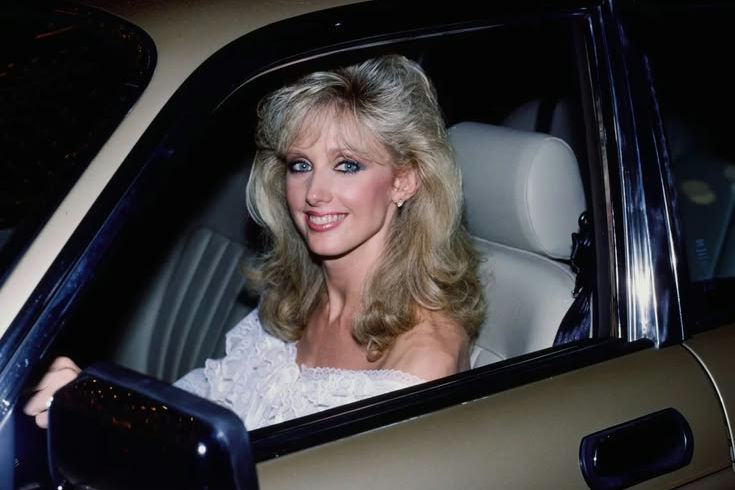
Morgan Fairchild began her rise to fame in the late 1970s, carving out a niche as the ultimate television “vixen.” In 1978, she joined the cast of the massive hit Dallas as the original Jenna Wade, and she also made a splash in the soap opera Search for Tomorrow. Fairchild had a sharp, sophisticated look that fit the high-drama style of late-70s television perfectly. Her bright blonde hair and piercing blue eyes made her an instant favorite for photographers, and she quickly became a staple of fashion spreads and red-carpet events.
By 1979, Fairchild was becoming one of the most talked-about rising stars in Hollywood. While she would go on to even greater fame in the 1980s, her early appearances established her as a glamorous and formidable presence on screen. For teenage boys watching TV at the end of the decade, she represented a more mature and polished kind of screen crush. Her ability to play complex, often calculating characters with a sense of style and poise made her a standout performer, and she remains one of the most recognizable faces of that transition from the 70s to the 80s.
Sally Field
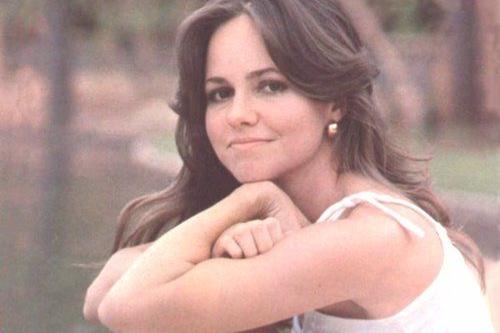
Sally Field is a rare example of a child star who successfully transitioned into a powerhouse dramatic actress during the 1970s. After becoming a household name in the 1960s as the star of Gidget and The Flying Nun, Field spent the early part of the new decade fighting to be taken seriously. She famously joined the Actors Studio to study under Lee Strasberg, determined to shed her “wholesome sitcom” image. Her hard work culminated in a career-defining performance in the 1976 miniseries Sybil, where she played a woman with multiple personalities. The role won her an Emmy in 1977 and proved to the world that she was one of the finest talents of her generation.
By 1979, Field reached the pinnacle of Hollywood success by winning the Academy Award for Best Actress for her role in Norma Rae. For teenage boys growing up in the 70s, Field represented a unique blend of the “girl next door” they had grown up with and the powerful, independent woman she had become. Her expressive brown eyes and infectious energy made her incredibly likable, while her immense talent commanded respect. Whether she was playing a spunky lead in Smokey and the Bandit (1977) alongside Burt Reynolds or a labor union activist, she remained one of the most cherished and relatable stars of the decade.
Kate Jackson
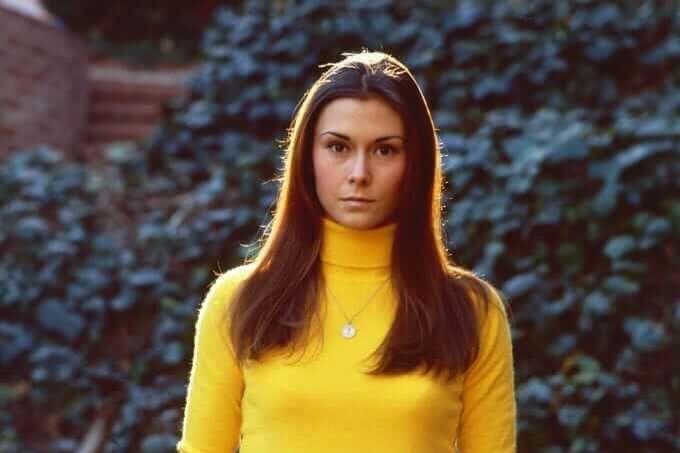
Kate Jackson was often referred to as the “Smart Angel” during her tenure on the massive 1976 hit series Charlie’s Angels. Playing Sabrina Duncan, Jackson brought a level of wit and strategic thinking to the trio that made her a standout favorite for viewers who preferred brains over brawn. Before the “Angels” craze swept the globe, she had already established herself in the cult classic Dark Shadows and the police drama The Rookies. However, it was her role as the leader of the private investigators that turned her into a global fashion icon and a staple of 1970s pop culture.
Jackson was actually the one who helped come up with the title of the show and its concept, proving her intelligence extended behind the scenes as well. During her three seasons on the show from 1976 to 1979, her face was plastered on lunchboxes, trading cards, and magazine covers. For many teenagers, her sophisticated charm and elegant, understated beauty offered a cool alternative to the more flamboyant styles of the time. Even after she left the series to explore other dramatic roles, her legacy as the thoughtful, bob-haired detective remained a defining memory for those who spent their Tuesday nights glued to the television screen.
Jane Fonda
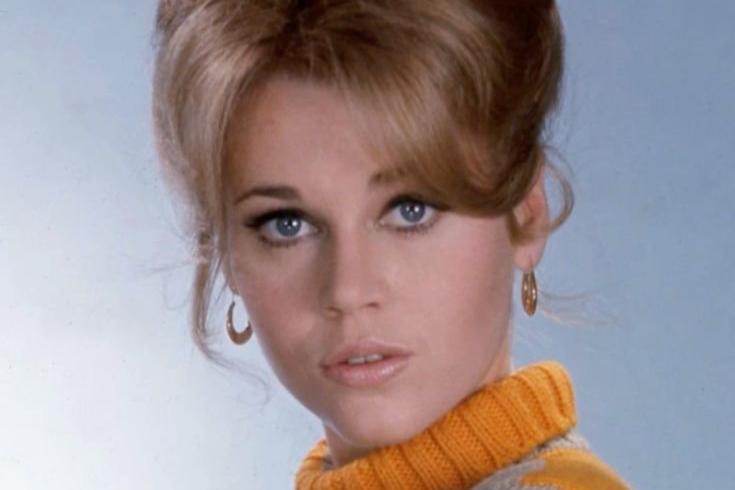
Jane Fonda was a true force of nature throughout the 1970s, a decade that saw her win two Academy Awards and become one of the most talked-about women in the world. She kicked off the decade with a haunting performance in the 1971 thriller Klute, for which she won her first Oscar. Fonda had a remarkable ability to pick roles that mirrored the changing social landscape of America, from the anti-war themes of Coming Home (1978) to the corporate satire of Fun with Dick and Jane (1977). Her presence on screen was always intense, intelligent, and impossible to ignore.
Beyond the cinema, Fonda’s striking looks and signature “shag” haircut made her a frequent cover girl for fashion magazines. While she was often a controversial figure due to her political activism, there was no denying her status as a premier Hollywood icon. For teenage boys in the 70s, she represented a sophisticated and fearless kind of beauty. She wasn’t just a screen star; she was a woman who stood for something, and that combination of conviction and glamour made her one of the most compelling figures of the era. By the end of the 1970s, she had firmly established herself as the leading lady of a new, more serious era of filmmaking.
Karen Valentine
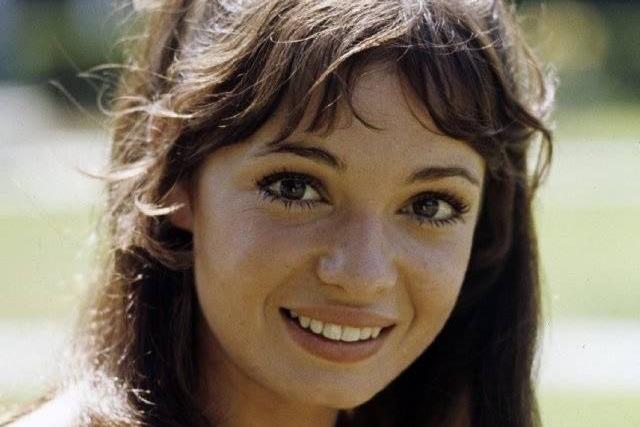
Karen Valentine was the ultimate “sweetheart” of 1970s television, rising to fame as the bubbly student teacher Alice Johnson on the high school drama Room 222. The show, which premiered in 1969 and ran until 1974, was ahead of its time for tackling social issues, and Valentine’s warm, empathetic performance provided the show’s emotional heart. She was so popular with audiences that she won a Primetime Emmy Award in 1970, beating out far more experienced actresses. Her wide smile and girl-next-door charm made her an instant favorite for fans of all ages.
Throughout the mid-70s, Valentine was a constant presence on television, frequently appearing as a guest on variety shows and starring in several made-for-TV movies. In 1975, she even launched her own sitcom, Karen, further cementing her status as a major TV star. For teenage boys in the early 70s, she was the personification of the “perfect teacher” or the friendly neighbor everyone wished they had. Her wholesome image and genuine personality made her a staple in teen magazines like Tiger Beat, ensuring she remained a cherished crush for the generation that grew up watching the halls of Walt Whitman High.
Joey Heatherton
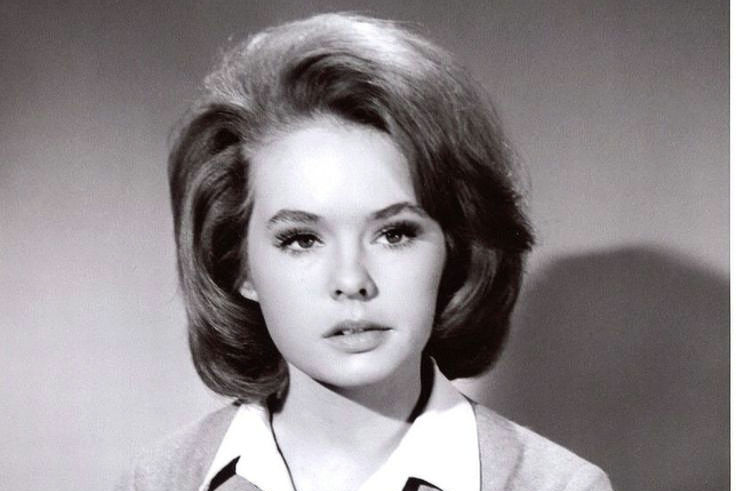
Joey Heatherton was the definition of a “triple threat” in the 1970s, a performer who could sing, dance, and act with equal levels of high-octane energy. She became a household name through her frequent appearances on variety programs like The Dean Martin Show and her legendary performances on Bob Hope’s USO tours. Heatherton’s style was defined by her incredible dancing ability and a glamorous, slightly rebellious stage presence that felt perfectly suited for the era. She was a constant fixture on television specials, bringing a touch of Las Vegas glitz to living rooms across the country.
While she appeared in films like Bluebeard (1972) and The Happy Hooker Goes to Washington (1977), it was her television persona that truly captured the public’s imagination. For teenage boys in the 70s, Heatherton’s high-energy dance routines and striking platinum-blonde look made her an unforgettable figure. She had a way of lighting up the screen that was both playful and sophisticated. Even as variety shows began to fade in popularity toward the end of the decade, the memory of her vibrant performances remained a cornerstone of 1970s entertainment culture.
Pam Grier
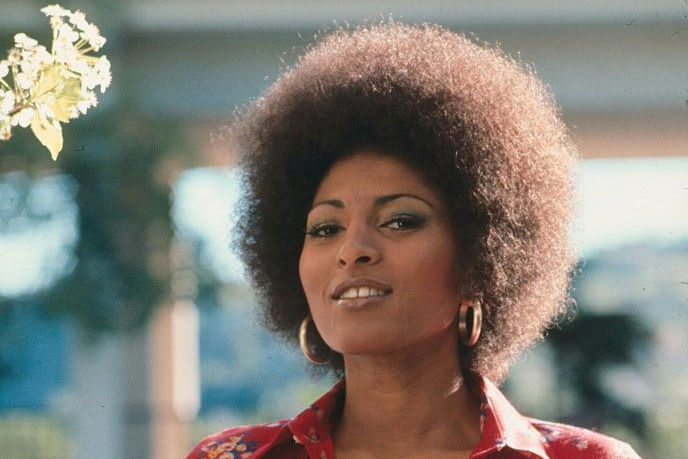
Pam Grier was the undisputed queen of 1970s action cinema, becoming the first woman to ever headline her own successful series of action films. With 1973’s Coffy and 1974’s Foxy Brown, Grier broke every rule in the Hollywood book, playing characters who were tough, independent, and more than capable of taking down villains on their own terms. She brought a powerful screen presence and an undeniable charisma to her roles, which helped her transcend the “Blaxploitation” genre and become a mainstream cultural icon.
Grier’s impact on the 1970s cannot be overstated; she was a symbol of strength and self-reliance at a time when female characters were often relegated to secondary roles. Her posters were everywhere, showcasing her striking beauty and the fearless attitude that made her a hero to millions. For teenagers during this decade, Grier offered a bold and exciting new version of what a movie star could be. She combined glamour with a gritty, realistic edge that resonated deeply with the era’s rebellious spirit. Decades later, she remains a legendary figure in film history, cited as a primary influence by directors like Quentin Tarantino.
Jill St. John
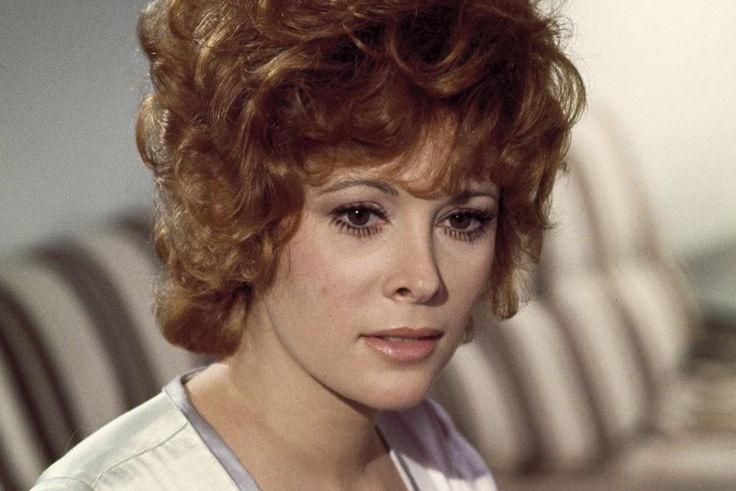
Jill St. John earned her place in pop culture history in 1971 when she became the very first American woman to play a leading “Bond Girl.” Starring as Tiffany Case in Diamonds Are Forever alongside Sean Connery, St. John brought a witty, sharp-tongued energy to the role that set her apart from previous Bond co-stars. Her bright red hair and sophisticated style made her a global sensation, and the film’s massive success ensured that her face was recognized in almost every country. She perfectly embodied the jet-set glamour that defined the early part of the 1970s.
Beyond her 007 fame, St. John was a regular fixture on television throughout the decade, appearing in popular series like The Love Boat and Fantasy Island. She was also well-known in Hollywood social circles, frequently appearing in gossip columns and fashion magazines alongside other A-list celebrities. For teenage boys in the 70s, she was the ultimate symbol of high-end Hollywood elegance. Her mix of intelligence and playfulness made her screen presence incredibly magnetic, ensuring she remained a favorite for fans of adventure and spy cinema throughout the decade.
Goldie Hawn
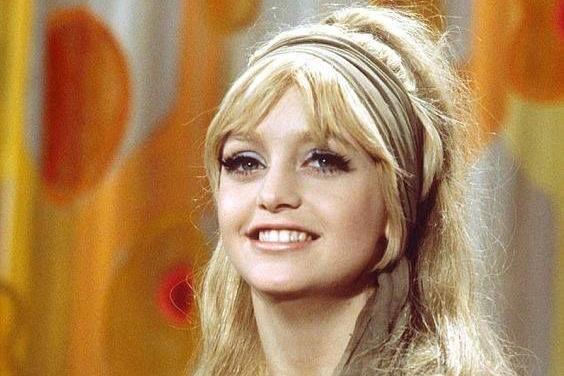
Goldie Hawn began the 1970s as America’s favorite “giggly blonde” on Laugh-In, but she quickly proved she was a powerhouse talent with an Oscar-winning performance in Cactus Flower. Throughout the decade, Hawn specialized in playing characters that were both funny and deeply vulnerable. Hits like Butterflies Are Free (1972) and Shampoo (1975) showcased her range, while her collaboration with Chevy Chase in 1978’s Foul Play cemented her status as the queen of the romantic comedy. Her infectious laugh and huge blue eyes made her one of the most beloved stars of the era.
What made Hawn so appealing to 1970s audiences was her natural, “California cool” vibe. She felt accessible and real, even as she became one of the highest-paid actresses in the world. For teenage boys, she was the ultimate fun-loving crush, someone who was as quick with a joke as she was beautiful. Her face appeared on countless magazine covers, always sporting her signature tousled hair and a radiant smile. Goldie Hawn’s ability to bring joy to evoery role she played made her an enduring symbol of 1970s optimism and charm.
Kate Mulgrew
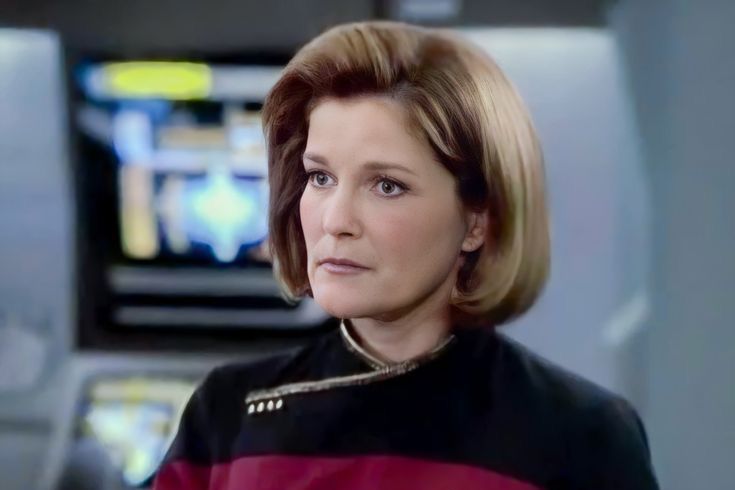
Kate Mulgrew’s journey to stardom began in 1975 when she was cast as Mary Ryan on the popular daytime soap opera Ryan’s Hope. Though she was young, Mulgrew possessed a mature, commanding screen presence and a distinctive voice that made her stand out immediately. Her character was the backbone of the fictional Ryan family, and fans quickly fell in love with her fierce intelligence and loyalty. She became one of the most popular faces on daytime television, earning widespread acclaim for her dramatic range.
By 1979, her popularity was so high that NBC created a primetime series specifically for her titled Mrs. Columbo. Playing the wife of the famous detective, Mulgrew showcased her ability to lead a major production with confidence and wit. While she would later gain worldwide fame as Captain Janeway on Star Trek: Voyager, it was her late-70s roles that first introduced her to a generation of admirers. For young viewers, she represented a sophisticated and strong-willed screen personality, proving that a leading lady could be both glamorous and incredibly authoritative.
Susan Anton
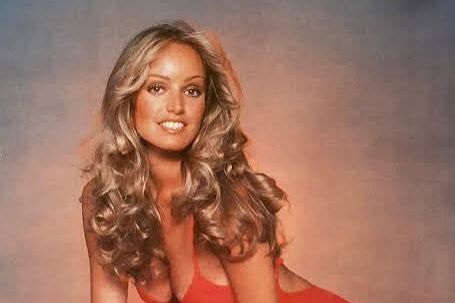
Susan Anton became a massive sensation toward the end of the 1970s, seemingly appearing everywhere at once. Originally gaining fame as the spokesperson for Muriel cigars in a series of seductive television commercials, her 5’11” height and athletic build made her an instant standout. By 1978, she was a regular guest on variety shows and had landed her own summer replacement series, The Susan Anton Show. Her presence was so magnetic that she was often hailed as the next great blonde icon of the decade, following in the footsteps of Farrah Fawcett.
In 1979, she made her big-screen debut in the film Goldengirl, playing an Olympic track star. This role perfectly utilized her natural athleticism and statuesque beauty, turning her into a major pin-up favorite for teenage boys who admired her healthy, active image. Beyond her acting, Anton was a talented singer who performed in major venues across Las Vegas. For many fans, she represented the late-70s transition toward a more fitness-oriented and bold style of glamour. Her blend of musical talent and commanding physical presence ensured she closed out the decade as one of Hollywood’s most promising and admired stars.
Adrienne Barbeau
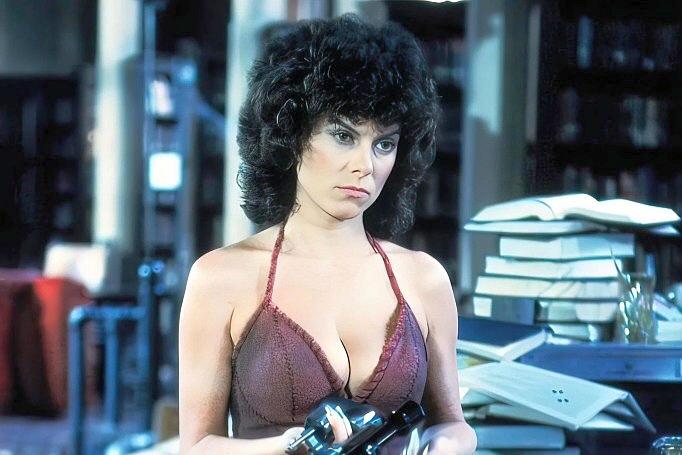
Adrienne Barbeau first caught the public’s attention in 1972 when she was cast as Carol Traynor, the divorced daughter of the title character in the hit sitcom Maude. While the show was a comedy that tackled serious social issues, Barbeau’s intelligence and striking looks made her a breakout favorite for younger viewers. Before her television success, she had already earned a Tony Award nomination for originating the role of Rizzo in the Broadway production of Grease in 1972, proving she had the stage presence and vocal power to back up her screen career.
As the 1970s progressed, Barbeau transitioned from sitcom star to a legendary “scream queen” and action heroine, beginning with the 1978 television film Someone’s Watching Me!, directed by John Carpenter. Her unique mix of a tough, independent attitude and classic Hollywood beauty made her incredibly popular with teenage boys who preferred her more grounded and gritty roles. She possessed a sharp wit and a confident demeanor that set her apart from the typical “damsel in distress” archetypes of the era. By the end of the 1970s, she had become a definitive cult icon, admired for her talent, her voice, and her status as one of the most charismatic women on television.
Victoria Principal
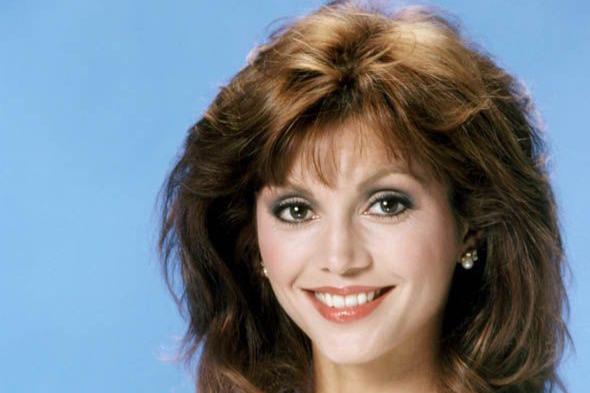
Victoria Principal became a household name almost instantly when she was cast as Pamela Barnes Ewing on the hit drama Dallas, which debuted in April 1978. As the outsider marrying into the wealthy and treacherous Ewing family, Principal provided the show with its moral center and a relatable point of entry for millions of viewers. Her natural beauty and the Romeo-and-Juliet style romance with her on-screen husband, Bobby Ewing, made her a breakout star of the series. By the time the decade came to a close in 1979, she was one of the most recognizable faces in the world, appearing on the cover of nearly every major entertainment magazine.
For teenage boys in the late 1970s, Victoria represented a fresh and radiant kind of Hollywood glamour. Her character was smart, resilient, and famously stylish, often seen in the high-fashion looks that defined the late-70s aesthetic. Beyond her role on the soap opera, she was a frequent guest on variety shows and a staple of the red-carpet circuit. Her transition from a relatively unknown actress to a global icon happened with incredible speed, fueled by the massive success of Dallas. She remained a defining screen crush for the era, blending a gentle personality with the strength needed to navigate the drama of Southfork Ranch.


