
1. Cary Grant and the Life Behind the Screen
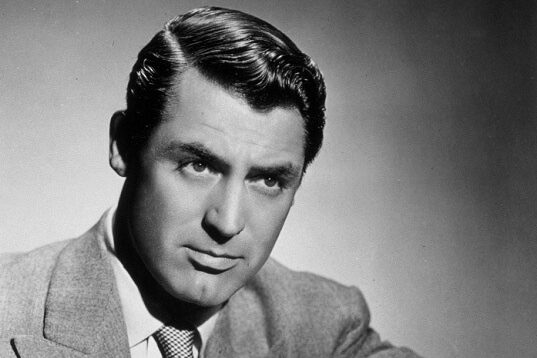
Cary Grant had a kind of effortless charm that made audiences believe every inch of the sophisticated leading man he played. On screen he seemed perfectly composed, the sort of actor who could glide through a scene with humor and grace. Off screen, though, his personal life was more layered than the studio publicity suggested. In the 1930s he shared a home with fellow actor Randolph Scott, and their close friendship quietly sparked curiosity in Hollywood circles. Studios framed it as two bachelors saving money, but many insiders assumed the story carried more depth than that simple explanation.
Grant rarely spoke directly about his private life. He preferred wit and deflection when reporters pushed for personal details. Biographer Richard Torregrossa later wrote that Grant resisted labels and guarded his independence carefully. Those who worked with him often described a thoughtful and disciplined professional who treated colleagues with warmth. Looking back now, Grant’s story reflects how many classic Hollywood stars protected their personal truth while still creating performances that felt timeless.
2. Rock Hudson and the Studio System’s Carefully Guarded Secret

Rock Hudson looked like the ideal movie star for the 1950s. Tall, handsome, and relaxed on screen, he became a natural choice for romantic roles in films like Pillow Talk and Magnificent Obsession. Audiences saw a confident leading man who seemed to embody the era’s dream of Hollywood glamour. Behind the scenes, however, his life required careful management. Within the industry, many insiders already understood that Hudson was gay, but the studio system worked hard to keep that fact out of public discussion.
His powerful agent Henry Willson helped shape the public image that audiences came to know. Studio publicity arranged dates and stories that reinforced Hudson’s romantic persona. Years later, Hudson’s friend Elizabeth Taylor spoke openly about their bond, saying, “He was a wonderful, generous human being.” When Hudson’s illness became public in 1985, it reshaped how many people viewed his life and career. Today his legacy includes both his beloved films and the empathy his story inspired around the world.
3. Tab Hunter and the Teen Idol Image
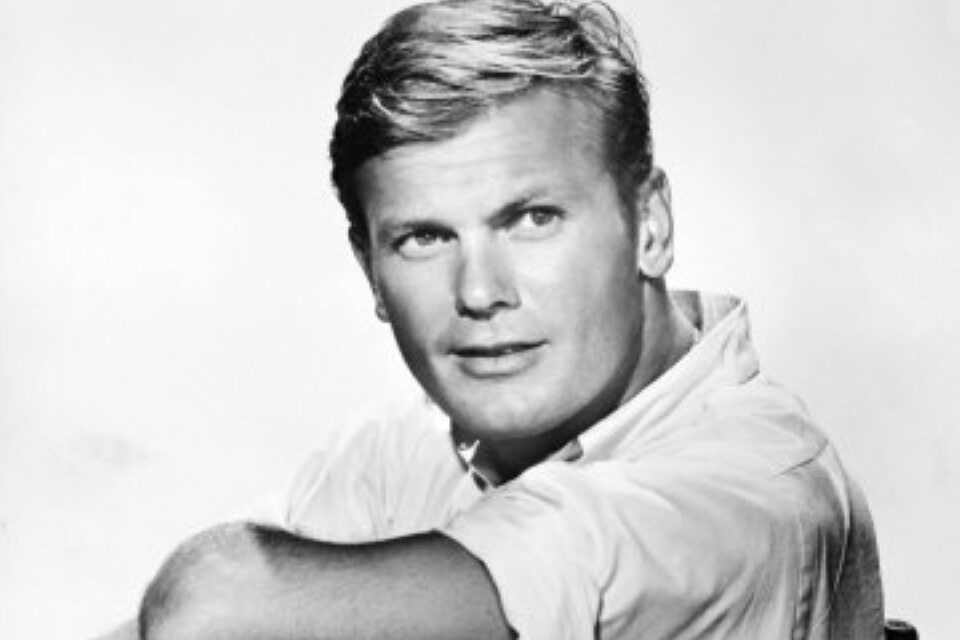
Tab Hunter seemed to arrive in Hollywood with the perfect movie star smile. In the 1950s he appeared on countless magazine covers, starring in films, recording pop songs, and becoming one of the era’s most recognizable young heartthrobs. Fans adored the cheerful image the studios presented. Yet behind the scenes, his private life was carefully protected by publicity departments that understood how fragile a teen idol’s reputation could be in that era.
Hunter later reflected on those years with surprising honesty in his memoir Tab Hunter Confidential. Looking back, he explained that actors were expected to maintain the fantasy the studio created. “You were living inside an image,” he wrote. Within Hollywood social circles, many friends already knew the truth about his relationships, including his romance with actor Anthony Perkins. Decades later, Hunter spoke about that period with calm acceptance, describing it as a time when privacy often meant survival for actors navigating the strict expectations of classic Hollywood.
4. Anthony Perkins and the Quiet Complexity Behind a Famous Role
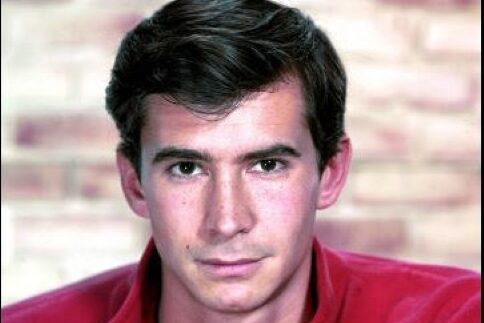
Anthony Perkins became forever linked to his chilling role in Alfred Hitchcock’s Psycho, but the man behind that performance was far more reflective and quietly humorous than audiences might expect. Perkins moved easily within creative circles that included actors, writers, and musicians. Among friends and colleagues, his sexuality was rarely a mystery. Still, public conversations about it remained almost nonexistent during the early years of his career.
Perkins once spoke thoughtfully about the strange pressure actors faced when their fame began shaping their identity. In interviews, he noted that performers were often expected to live the version of themselves that audiences wanted to see. People who worked with him frequently remembered his intelligence and gentle sense of humor between takes. Perkins continued acting for decades across film and theater. Today many fans see his life as a reminder of how complicated it could be for actors to balance their personal truth with the expectations of Hollywood’s golden era.
5. Montgomery Clift and the Fragile Genius
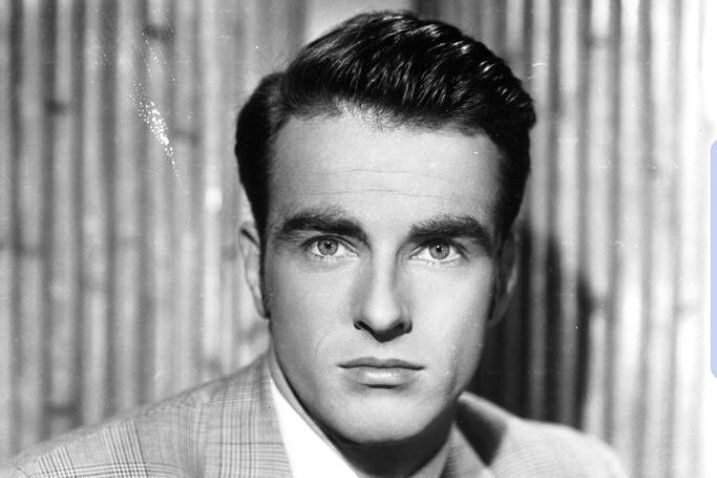
Montgomery Clift brought a rare emotional honesty to the screen that felt very different from the polished acting style common in classic Hollywood. When audiences watched him in films like A Place in the Sun or From Here to Eternity, there was a vulnerability that felt deeply human. Friends and colleagues often spoke about Clift’s sensitivity and artistic dedication. Within his inner circle, many people understood his sexuality even while the broader public never heard about it.
Elizabeth Taylor, one of Clift’s closest friends, remained fiercely loyal to him throughout his life. Biographer Patricia Bosworth later wrote that Clift lived with honesty among those he trusted most. His career combined remarkable performances with personal struggles that were often hidden from the public eye. Yet his influence on acting remains undeniable. Modern performers frequently cite Clift as an inspiration for bringing emotional realism into film, a legacy that continues to resonate decades after his brief but powerful career.
6. Sal Mineo and a Career Cut Short
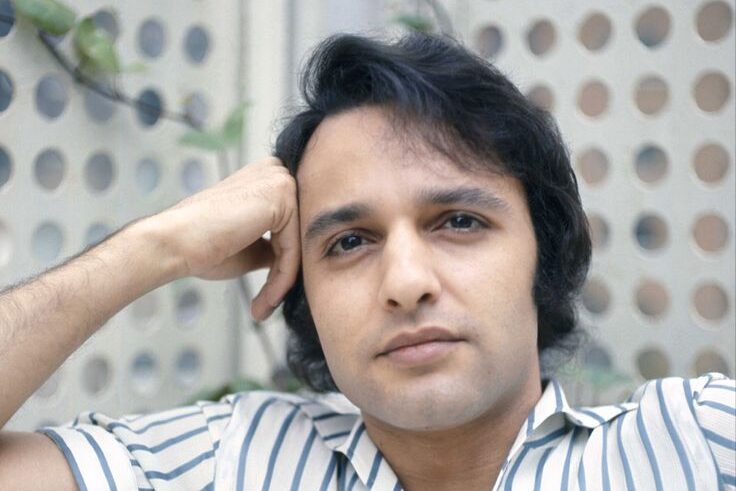
Sal Mineo first captured audiences’ attention in Rebel Without a Cause, where he played the sensitive and lonely Plato. His performance carried a tenderness that stood out in a film already filled with emotional intensity. The role earned him an Academy Award nomination while he was still very young, launching a promising career in Hollywood. Mineo quickly became a familiar face in film and television, known for his sincerity on screen.
As he grew older, Mineo began speaking more openly about his identity, something that was still rare in the entertainment industry at the time. In later interviews he reflected on the personal journey of accepting himself and finding peace with who he was. Friends often described him as warm, energetic, and deeply passionate about acting. Though his life ended tragically in 1976, his performances continue to resonate. Many fans remember him not just for talent, but for the quiet honesty he gradually embraced.
7. Charles Laughton and the Stage and Screen Legend
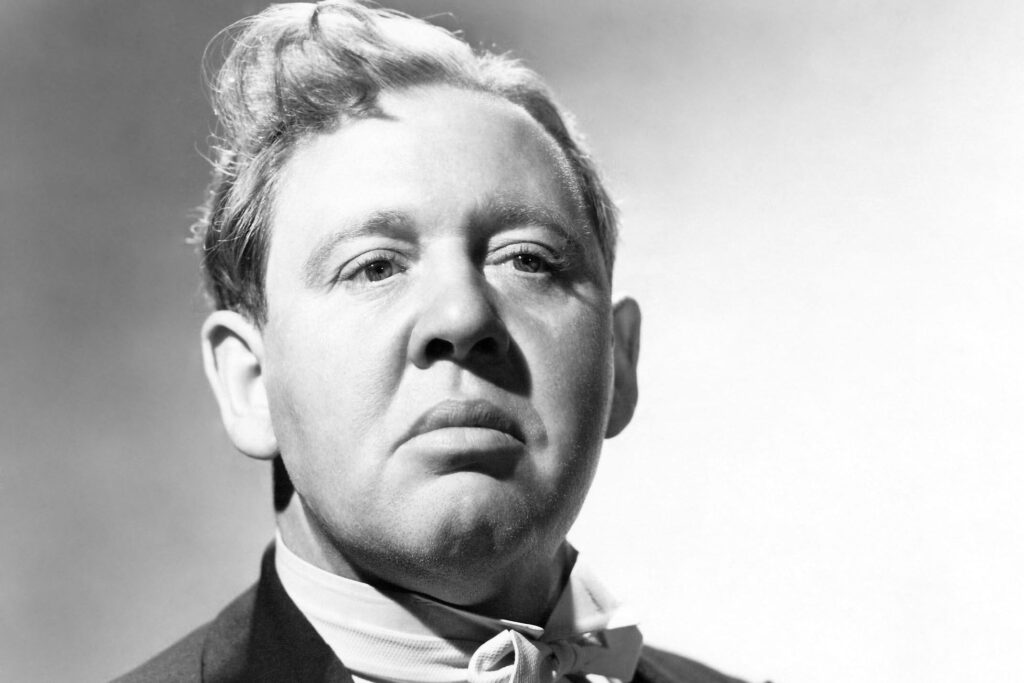
Charles Laughton possessed a voice and presence that could command attention in any room. Whether he was playing Quasimodo in The Hunchback of Notre Dame or Captain Bligh in Mutiny on the Bounty, his performances carried enormous emotional power. Audiences often saw him as larger than life, but off screen he was known for his curiosity, humor, and love of the arts.
Laughton was married to actress Elsa Lanchester, and their partnership lasted many years. Within the theater and film community, his sexuality was widely understood, though rarely discussed publicly. Lanchester later spoke about their marriage as a deep creative companionship built on mutual respect. Laughton also left a lasting mark as a director with the haunting film The Night of the Hunter. Today his life reflects the complexity of relationships in classic Hollywood, where personal truths often existed quietly alongside public success.
8. Clifton Webb and the Sharp-Witted Star
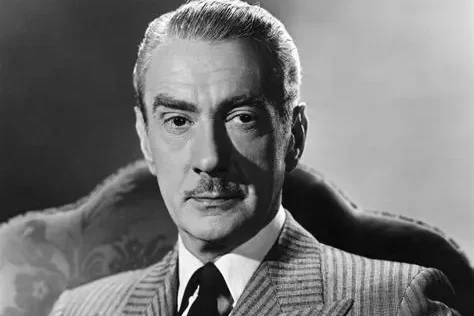
Clifton Webb had a remarkable ability to deliver a line with both elegance and humor. His performances in films like Laura and Sitting Pretty made him one of Hollywood’s most memorable supporting actors. Webb’s characters often carried a refined sharpness that audiences loved. Off screen he lived a life that sparked curiosity among journalists, though much of it remained politely unspoken in public.
Webb lived with his mother for much of his life, a detail often mentioned in Hollywood gossip columns of the time. Within the film community, however, many colleagues simply accepted him as he was. What mattered most was his sharp intelligence and theatrical skill. Webb earned several Academy Award nominations and continued working steadily in Hollywood for decades. Today his story feels less mysterious and more like a glimpse into a period when certain realities were quietly understood rather than openly discussed.
9. Billy Haines and the Actor Who Walked Away
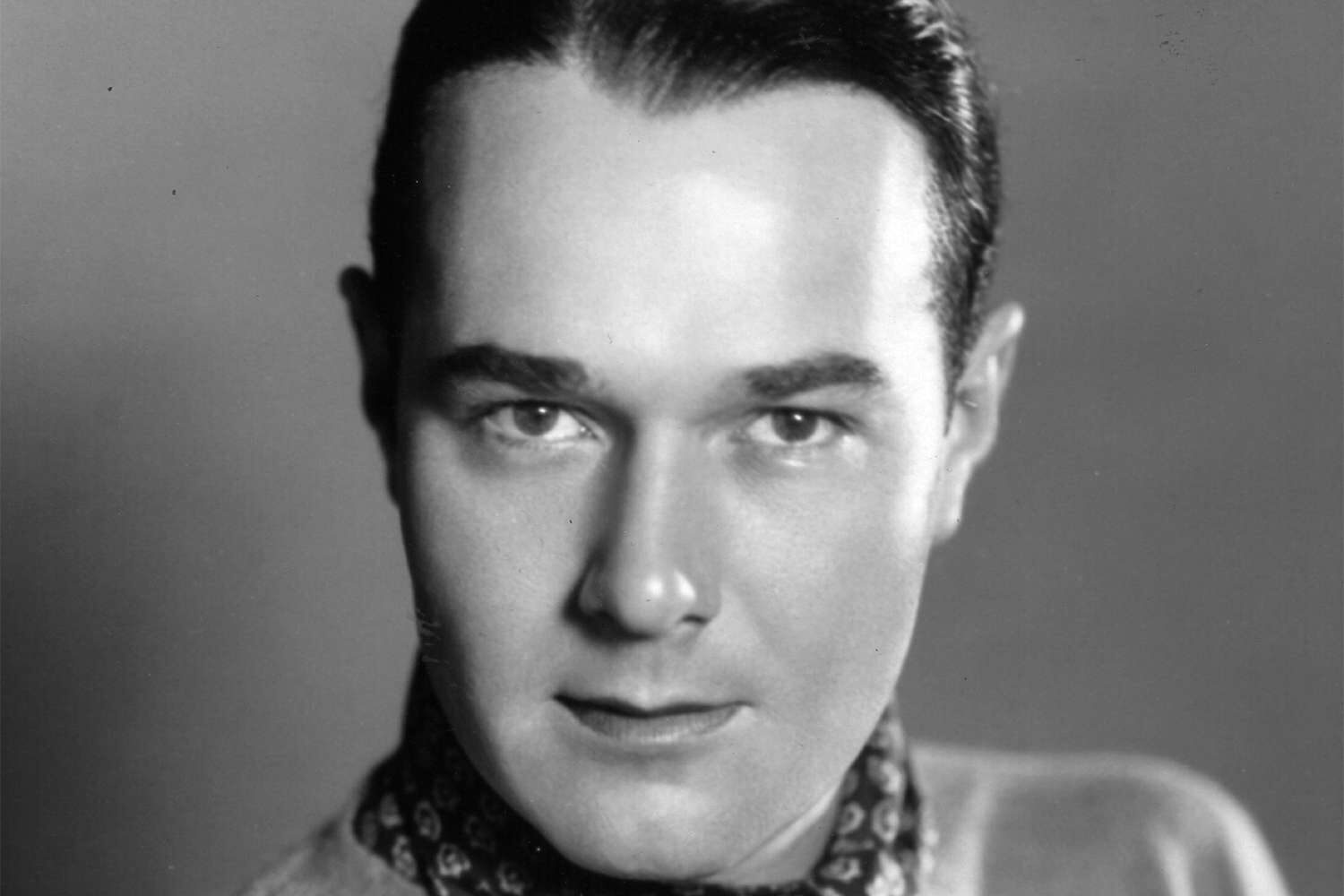
Billy Haines once seemed destined to become one of MGM’s biggest stars. In the late 1920s he appeared in a string of successful comedies and quickly gained popularity with audiences. His charisma and timing made him a natural leading man. But Haines eventually faced a difficult choice that revealed the strict rules governing Hollywood at the time.
Studio executives reportedly asked him to end his relationship with partner Jimmie Shields in order to protect his career. According to film historian William J. Mann, Haines calmly refused and chose to leave acting instead. It was a bold decision in an industry where studios controlled nearly every aspect of an actor’s life. After leaving film, Haines built an impressive career as an interior designer, working with stars such as Joan Crawford. His story remains one of the earliest examples of quiet personal courage in Hollywood history.
10. James Dean and the Mystery That Followed Him
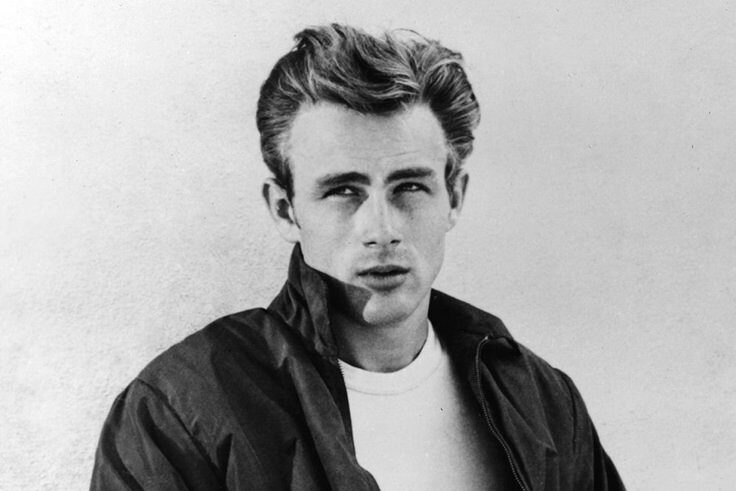
James Dean’s career in Hollywood was brief, yet his presence left an imprint that still feels powerful decades later. With only a few films, including East of Eden and Rebel Without a Cause, he captured a restless energy that audiences immediately recognized. Dean had a natural intensity on screen, the kind that made viewers feel they were watching someone who truly lived inside his characters rather than simply performing them. Friends often described him as curious, thoughtful, and unpredictable, someone who moved through life on his own terms.
Dean’s personal life has always carried a sense of mystery, partly because he rarely explained himself in interviews. People who knew him in Hollywood circles often spoke about his reluctance to accept simple labels. In a well known interview with photographer Margaret Bourke White, Dean once said, “I am not going through life with one hand tied behind my back.” The remark captured his independent spirit more than anything else. Even today, Dean remains a fascinating figure whose short life continues to spark curiosity about the real person behind the legend.
11. Farley Granger and the Hitchcock Protégé
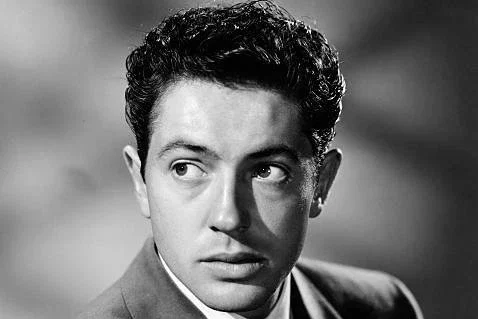
Farley Granger entered Hollywood at a young age and quickly found himself working with director Alfred Hitchcock, which was no small introduction to the film world. Movies like Rope and Strangers on a Train helped establish him as a thoughtful and charismatic actor whose performances felt natural and grounded. Audiences often connected with his calm presence, and his career moved steadily through the late 1940s and 1950s as he worked across film and stage productions.
Within Hollywood’s creative circles, many friends already understood parts of Granger’s personal life long before it became something he discussed publicly. Years later he spoke about those experiences in his memoir Include Me Out, where he wrote about the artistic communities that welcomed him without judgment. What Granger remembered most from those years was the camaraderie among actors, directors, and writers who cared more about the craft than the rumors surrounding it. His reflections now give readers a clearer picture of the quiet realities many performers lived during the studio era.
12. John Gielgud and the Theatre Giant
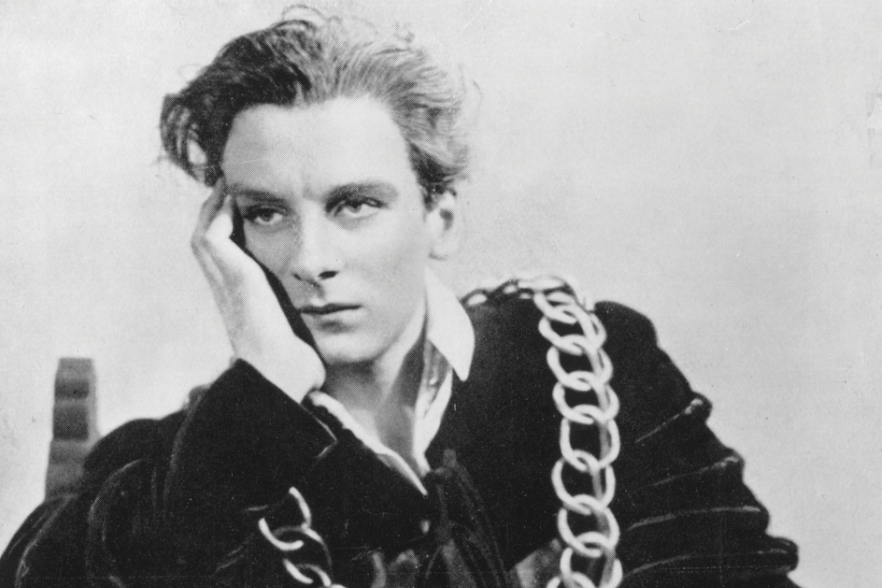
John Gielgud’s reputation as a great actor was already firmly established long before he appeared regularly in films. His work on stage, particularly in Shakespeare productions, made him one of the most respected performers of the twentieth century. Audiences admired his voice, which carried a rhythm and clarity that could fill even the largest theater. When he later appeared in films, he brought that same sense of discipline and grace to the screen.
In the early 1950s, Gielgud faced a public scandal after an arrest connected to his sexuality. The incident received widespread press attention at the time. Yet when he returned to the stage soon afterward, audiences responded with warmth rather than rejection. In his memoir An Actor and His Time, Gielgud reflected on those moments with quiet gratitude. Within the theater community his sexuality had long been understood, but his extraordinary talent remained the defining part of his career. His decades of work ultimately earned him recognition across stage, film, and television.
13. Dirk Bogarde and the Private Leading Man
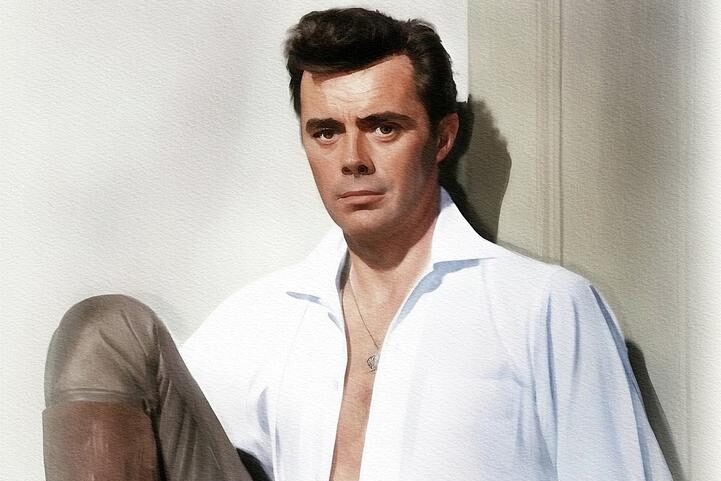
Dirk Bogarde began his career playing traditional leading men in British films, often cast as the charming hero audiences expected. Over time, though, he sought out more challenging roles that explored deeper emotional territory. Films like Victim and The Servant showed a performer willing to move beyond the simple formulas of early studio productions. His acting grew more layered as he chose stories that asked difficult questions about society and identity.
Within the film community, Bogarde’s long relationship with his manager Anthony Forwood was widely known even though it remained largely unspoken in public interviews. Later in life Bogarde reflected on those years in his memoir Snakes and Ladders. He wrote about the careful balance actors often had to maintain between public expectations and private truth. Beyond acting, Bogarde developed a successful career as a writer, publishing novels and autobiographies that revealed a thoughtful and observant voice. His life offers a quiet example of how artists navigated the strict social climate of their time.
14. Raymond Burr and the Man Behind Perry Mason

Raymond Burr became a familiar face in millions of homes through his role as the calm and brilliant lawyer Perry Mason. With his steady voice and thoughtful presence, Burr brought a sense of intelligence and authority to television that audiences trusted. The show’s success turned him into one of the most recognizable actors of his generation, and later roles like Ironside continued to reinforce his reputation as a dependable leading man.
Away from the cameras, Burr lived a private life with his longtime partner Robert Benevides. Many friends and colleagues in the entertainment industry were aware of their relationship even while the public narrative surrounding Burr remained carefully controlled. Benevides later spoke about Burr with warmth, describing him as loyal, generous, and deeply committed to the people he loved. Together they shared business ventures and philanthropic work alongside Burr’s acting career. Today Burr’s legacy rests not only on his iconic television roles but also on the quiet dignity with which he lived his life.
15. George Nader and the Quiet Trailblazer
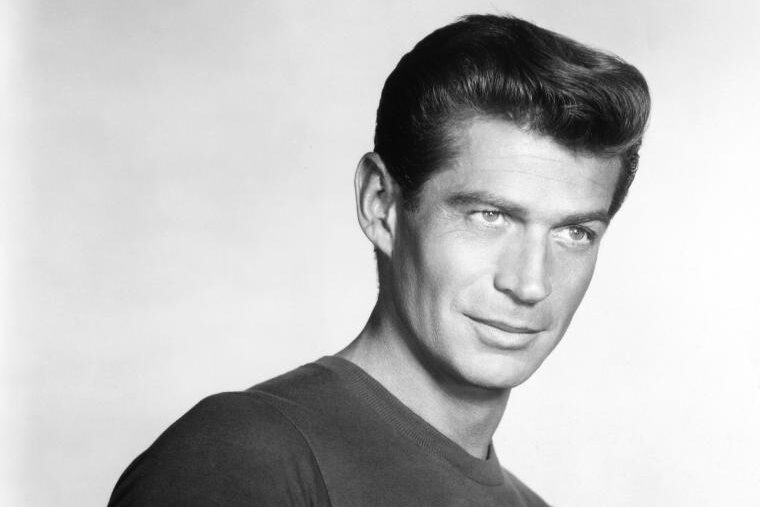
George Nader appeared in many films and television shows throughout the 1950s and 1960s, often playing adventurous or heroic characters. Though he never quite reached the same level of fame as some of his contemporaries, he built a steady and respected career in Hollywood. Within the industry, colleagues understood that Nader shared his life with partner Mark Miller.
Like many actors of the time, Nader eventually stepped away from Hollywood and turned to writing, where he found another creative outlet. Looking back now, his story reflects the quieter lives many performers built beyond the spotlight. Their experiences remind us that classic Hollywood was filled with real people navigating a complicated system while still creating memorable work. As more of these stories surface, the history of film begins to feel richer and more human. If you enjoy rediscovering the lives behind classic movies, there are always more fascinating stories waiting to be explored.


