
Celebrities Who Changed Their Name
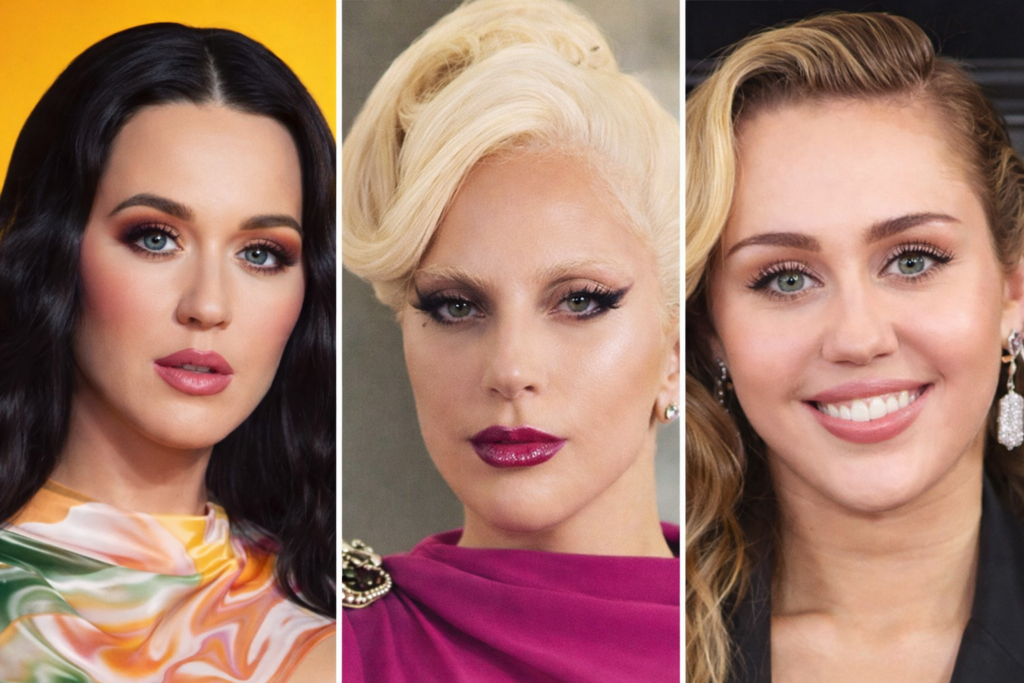
The concept of a “brand” in Hollywood often starts with the very first word on a script: the actor’s name. For nearly a century, the entertainment industry operated under the unspoken rule that a name must be easy to pronounce, melodic, or “Western” enough to fit on a glowing marquee. Agents and publicists frequently acted as architects of identity, stripping away ethnic markers or “clunky” syllables to create a persona that felt accessible to a global audience. This practice wasn’t just about aesthetics; it was a calculated business move designed to ensure a performer felt like a household staple before they even stepped onto a film set or a concert stage.
However, the tide has shifted significantly as the industry moves toward a more authentic and inclusive era. While some stars still choose to adopt stage names to separate their private lives from their public personas, a powerful new wave of performers is standing firm. They view their birth names as non-negotiable links to their ancestry, refusing to “sanitize” their heritage for the sake of marketing convenience. This tension between professional reinvention and cultural preservation offers a fascinating look at how fame is navigated in the modern world. Here are the stories of ten stars who pivoted and ten who stayed the course.
Elton John
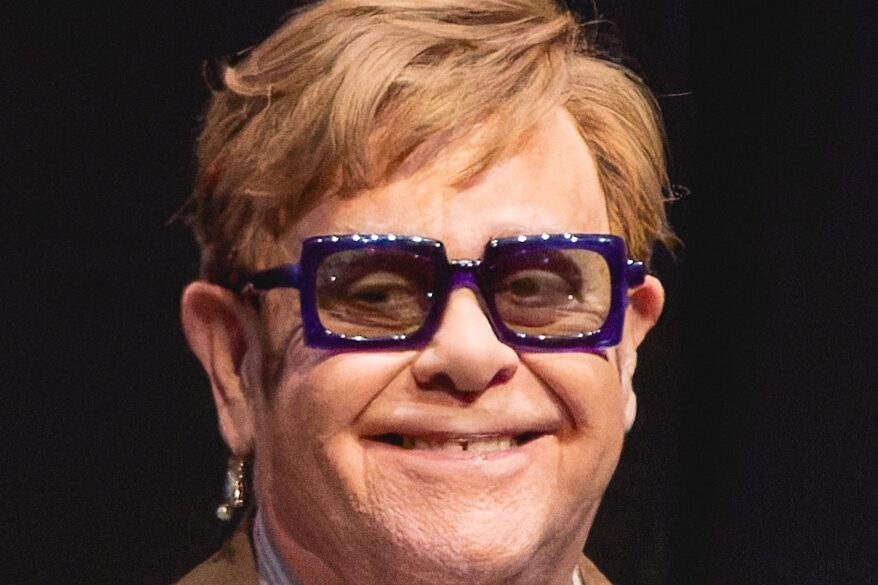
Born Reginald Kenneth Dwight on March 25, 1947, in Pinner, Middlesex, the man who would become a global icon found his birth name a bit too formal for the rock-and-roll revolution. By the mid-1960s, while playing with the band Bluesology, he began to feel that “Reggie Dwight” didn’t capture the flamboyant, soulful energy he wanted to project. Seeking a moniker with more rhythmic punch, he famously combined the first names of his bandmates, saxophonist Elton Dean and vocalist Long John Baldry. This creative fusion marked the birth of a persona that would eventually dominate the charts for over five decades.
The transition became official on January 7, 1972, when he legally changed his name to Elton Hercules John. The middle name was a playful nod to the horse in the British sitcom Steptoe and Son. This period coincided with his meteoric rise, following the 1970 release of his self-titled album. By shedding his old identity, he cleared the path for the sequined costumes and oversized glasses that defined his “Rocket Man” era. Today, with over 300 million records sold and a career spanning since his first 1969 album Empty Sky, the name Elton John stands as a masterclass in successful professional rebranding.
Miley Cyrus
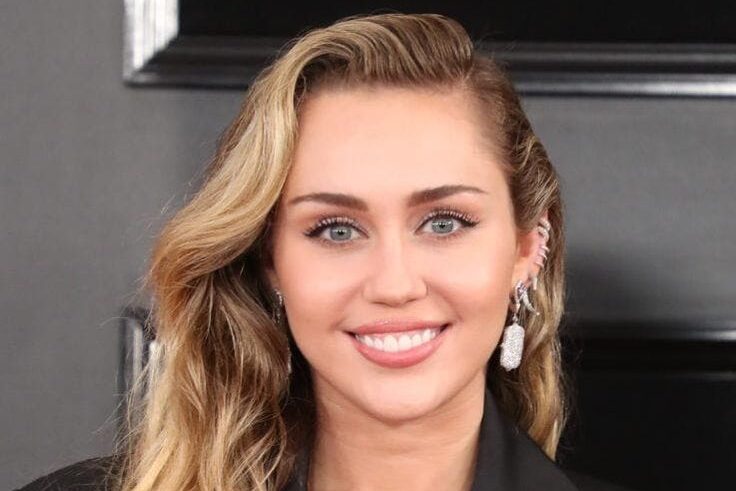
Miley Cyrus entered the world on November 23, 1992, as Destiny Hope Cyrus. Her parents, Tish and Billy Ray Cyrus, chose the name because they had a premonition that she would accomplish great things and bring “hope” to the world. However, as an infant, she was constantly grinning, earning her the family nickname “Smiley.” Over the years, the nickname was shortened to “Miley,” and by the time she was a toddler, her birth name was rarely used by those closest to her. This organic evolution of her identity happened long before she became a global household name.
The shift became a matter of legal record on January 29, 2008, when the then-teenage superstar officially became Miley Ray Cyrus. By this point, she was already the face of the massive Disney Channel franchise Hannah Montana, which premiered in March 2006. Choosing “Ray” as her middle name served as a tribute to her grandfather, Ronald Ray Cyrus. This change allowed her to bridge the gap between her childhood identity and the bold, experimental artist she would become. Whether she is performing country-tinged ballads or provocative pop, the name Miley represents a journey of self-discovery that started in a cradle in Tennessee.
Lady Gaga
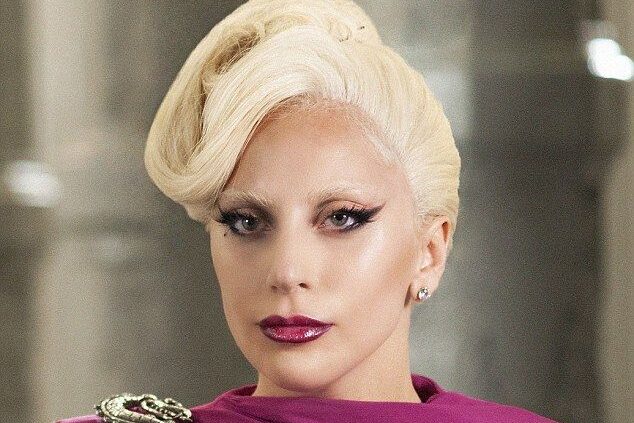
Before she was a global phenomenon, the world knew her as Stefani Joanne Angelina Germanotta, born March 28, 1986, in New York City. A classically trained pianist who attended the Tisch School of the Arts, Germanotta spent her early twenties performing in the gritty club scene of the Lower East Side. She realized early on that her Italian-American birth name, while beautiful, didn’t quite encapsulate the avant-garde, “high-art” pop project she was developing. She needed a title that felt like a character from a surrealist film, something short, punchy, and impossible to forget.
The inspiration struck around 2006, reportedly sparked by the 1984 Queen hit “Radio Ga Ga.” Her producer at the time, Rob Fusari, began using the nickname, and she embraced it as a permanent artistic mantle. When her debut album, The Fame, dropped in August 2008, Lady Gaga became an instant sensation. The name became a vessel for her message of self-acceptance and “Little Monster” fan culture. By 2010, she was the most talked-about woman in music, proving that a theatrical name could provide the necessary armor to push the boundaries of fashion, music, and performance art on a global scale.
Bruno Mars
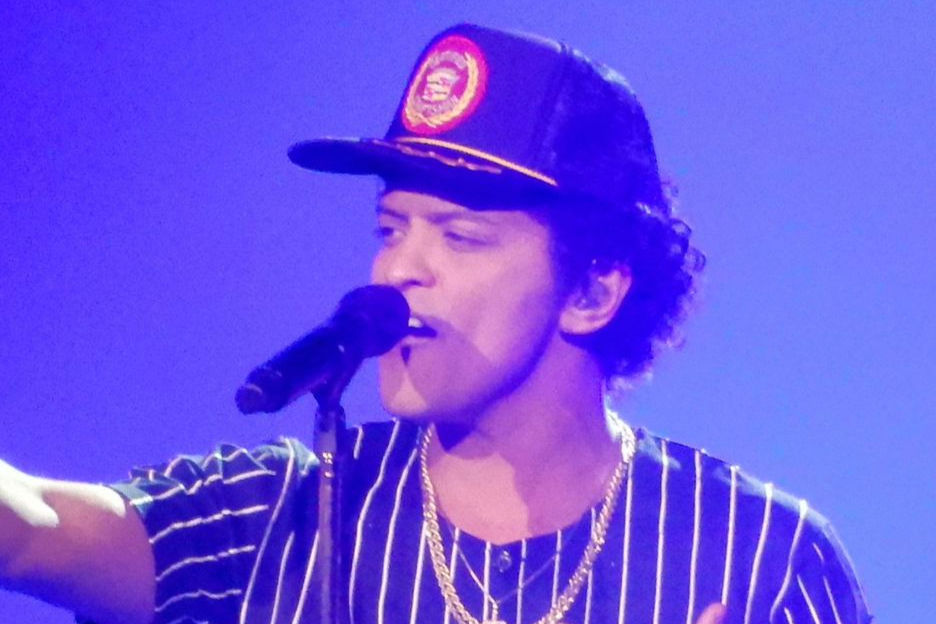
The “Uptown Funk” singer was born Peter Gene Hernandez on October 8, 1985, in Honolulu, Hawaii. He inherited his stage name in two distinct stages. The “Bruno” part came from his father when he was just two years old; the elder Hernandez thought his son looked like the legendary professional wrestler Bruno Sammartino. As a child prodigy who performed as an Elvis impersonator throughout the early 1990s, the nickname stuck. However, as he moved to Los Angeles in 2003 to pursue a professional career, he realized that “Peter Hernandez” often led to him being pigeonholed solely into Latin music genres.
To avoid being stereotyped by the industry and to reflect his “out of this world” talent, he added the surname “Mars.” He jokingly told reporters that many girls said he was “out of this world,” so he figured he must be from Mars. This change was strategic, allowing him the freedom to blend R&B, funk, pop, and reggae without being limited by cultural expectations. Since the 2010 release of his debut album Doo-Wops & Hooligans, Bruno Mars has secured dozens of Grammy nominations. His name change serves as a reminder that sometimes a performer needs a title that matches the sheer scale of their ambition.
Jamie Foxx
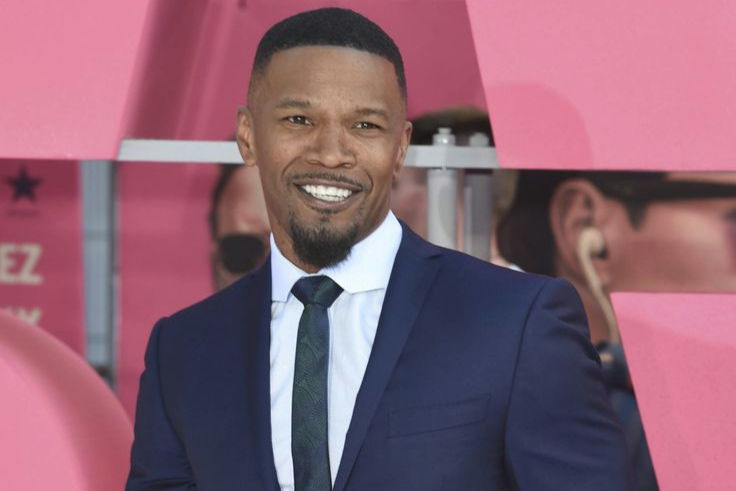
Born Eric Marlon Bishop on December 13, 1967, in Terrell, Texas, the future Oscar winner began his career in the late 1980s as a stand-up comedian. While performing at various comedy clubs, he noticed a frustrating trend: female comics were often called to the stage first because there were fewer of them. In a clever move to bypass the long wait times at open mic nights, he decided to choose a name that sounded gender-neutral. He settled on “Jamie,” a name that could belong to anyone, ensuring his name would be picked more frequently from the sign-up sheets.
The surname “Foxx” was a heartfelt tribute to the legendary comedian Redd Foxx, who starred in the 1970s classic Sanford and Son. The strategy worked perfectly, leading to a spot on the sketch comedy show In Living Color in 1991. From there, Jamie Foxx became a powerhouse in both music and film, eventually winning the Academy Award for Best Actor for his portrayal of Ray Charles in the 2004 biopic Ray. While he will always be Eric Bishop to his family in Texas, the name Jamie Foxx became the vehicle through which he conquered every corner of the American entertainment industry.
Katy Perry
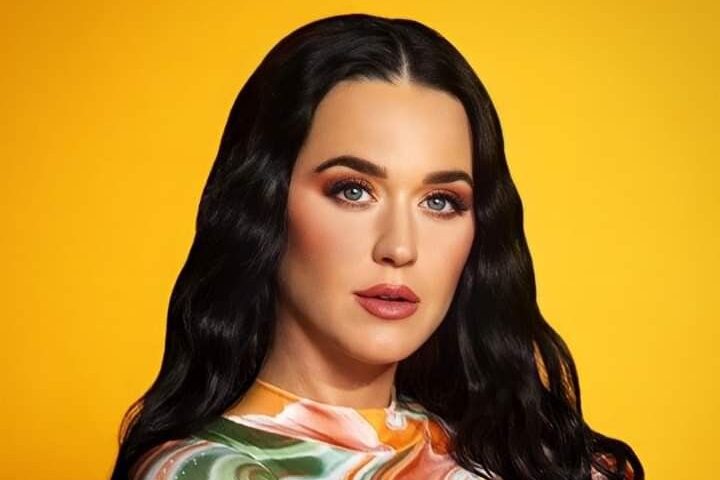
Katheryn Elizabeth Hudson was born on October 25, 1984, in Santa Barbara, California. Long before she was a pop princess, she was a gospel singer who released a self-titled Christian rock album, Katy Hudson, in 2001. However, as she transitioned into the secular music world in the mid-2000s, a major branding issue emerged. The name “Katy Hudson” was remarkably similar to the famous actress Kate Hudson, who was already a major star following her role in the 2000 film Almost Famous. To avoid legal headaches and consumer confusion, a change was mandatory.
She decided to adopt her mother’s maiden name, Perry, and shortened her first name to Katy. This small but vital adjustment allowed her to carve out her own unique space in pop culture. Under this new identity, she signed with Capitol Records and released the provocative 2008 hit “I Kissed a Girl,” which spent seven weeks at the top of the Billboard Hot 100. The name Katy Perry soon became synonymous with candy-colored aesthetics and empowering anthems. By choosing a name that honored her maternal roots, she managed to solve a professional conflict while keeping her new persona close to her family history.
Nicki Minaj
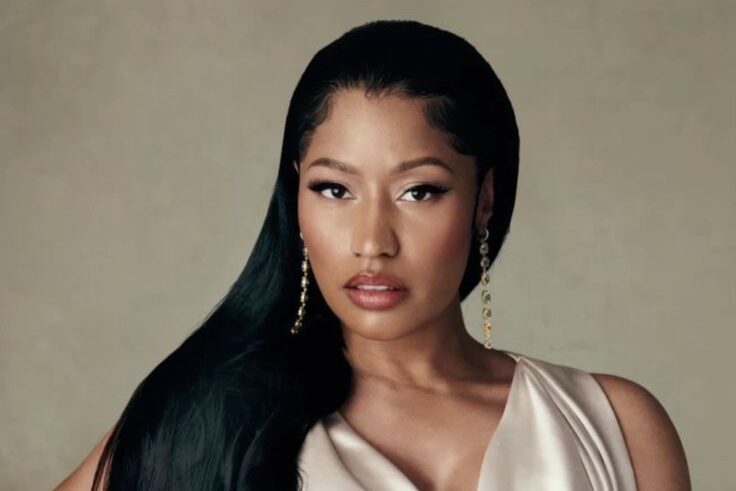
Onika Tanya Maraj was born on December 8, 1982, in Saint James, Trinidad and Tobago, and later moved to Queens, New York. During her early days in the underground rap scene in the mid-2000s, she went through several iterations of her name. While she initially performed under the name “Nicki Maraj,” she eventually transitioned to “Nicki Minaj.” Interestingly, the rapper has admitted in past interviews that she didn’t initially love the change, as it was pushed by one of her early production deals. However, as her career gained momentum, the name became an essential part of her brand.
By the time she released her breakthrough mixtape Beam Me Up Scotty in 2009, the world was ready for the “Minaj” era. The name perfectly complemented her fast-paced, theatrical flow and the various “alter egos” like Roman Zolanski that she would introduce to her fans. Her debut studio album, Pink Friday, released in November 2010, solidified her as the “Queen of Rap.” While she still holds her birth name Onika close to her heart, Nicki Minaj has become a global trademark for female empowerment and lyrical dexterity, proving that even a name you’re initially unsure of can become a legendary moniker.
Vin Diesel
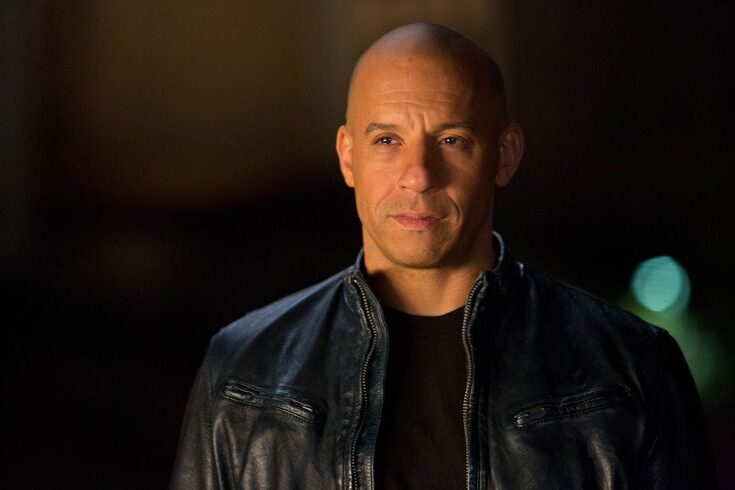
The star of the Fast & Furious franchise was born Mark Sinclair on July 18, 1967, in Alameda County, California. Before he was a multi-millionaire actor, he worked as a bouncer at several famous New York City nightclubs like The Tunnel during the 1980s. In that rugged environment, “Mark Sinclair” didn’t exactly project the “tough guy” image needed to manage rowdy crowds. To establish a more intimidating presence, he shortened “Vincent” (his stepfather’s name) to “Vin” and added “Diesel” because his friends said he was always fueled by a limitless supply of energy.
This persona served him well when he started making his own films, such as the 1995 short Multi-Facial, which caught the eye of director Steven Spielberg. Spielberg was so impressed that he wrote a role specifically for Diesel in the 1998 masterpiece Saving Private Ryan. Since then, the name Vin Diesel has become a global symbol for high-octane action and family-oriented blockbusters. Even though he has voiced diverse characters like Groot in the Marvel Cinematic Universe since 2014, that “Diesel” energy remains the foundation of his career. It’s a classic example of a name born in the streets of New York finding its way to the Hollywood Walk of Fame.
Whoopi Goldberg
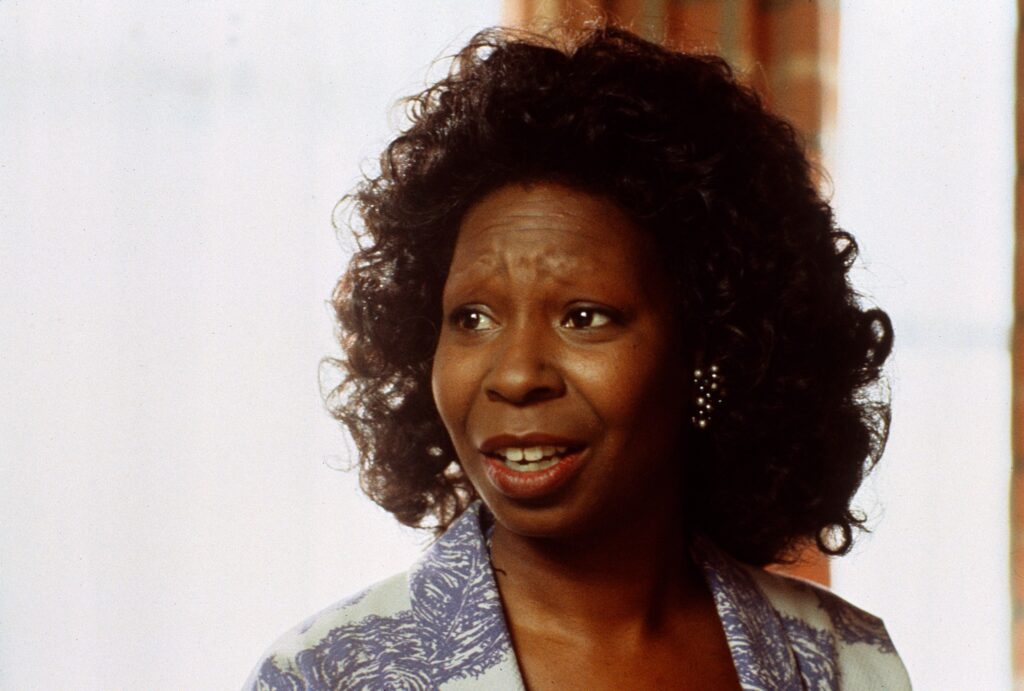
Caryn Elaine Johnson was born on November 13, 1955, in New York City. Her journey to becoming one of the few EGOT (Emmy, Grammy, Oscar, Tony) winners in history began with a very unusual nickname. While working in theater in the 1970s, she earned the name “Whoopi” because her colleagues joked she was like a “whoopee cushion” due to her frequent flatulence. Rather than being embarrassed, she embraced the humor of the name, realizing it made her instantly memorable. She later added “Goldberg” as her surname, reportedly at the suggestion of her mother, who felt a Jewish-sounding name might open more doors in Hollywood.
The combination of the whimsical and the traditional worked wonders. After her 1983 one-woman Broadway show became a massive hit, she was cast by Steven Spielberg in the 1985 film The Color Purple, earning her first Oscar nomination. She later won the Academy Award for Best Supporting Actress for the 1990 film Ghost, making her the first Black woman to win the award in 50 years. For decades, Whoopi Goldberg has been a staple of American television as a co-host of The View. Her name is a testament to her belief that a performer’s identity should be as unique and bold as their talent.
Nicolas Cage
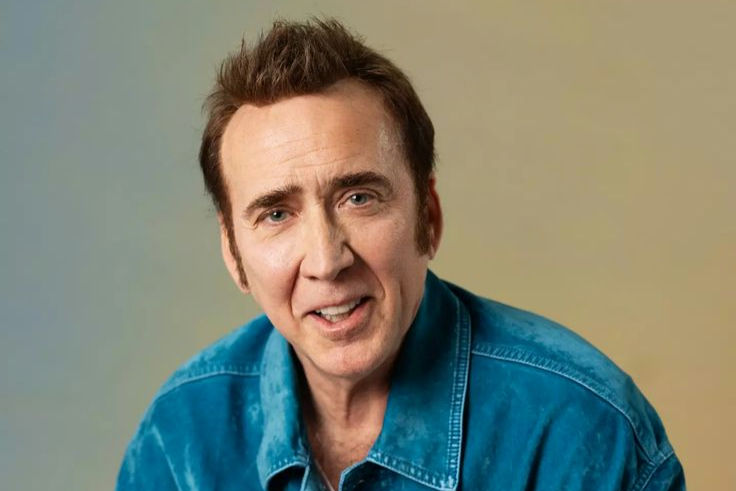
Born Nicolas Kim Coppola on January 7, 1964, in Long Beach, California, this actor faced a unique dilemma: he was part of Hollywood royalty. As the nephew of legendary The Godfather director Francis Ford Coppola, Nicolas worried that every role he landed would be attributed to nepotism rather than his acting ability. During the filming of the 1982 movie Fast Times at Ridgemont High, he noticed other actors making comments about his famous last name. Determined to succeed on his own merits, he decided to ditch the “Coppola” brand before his career truly took off.
He chose the name “Cage” as a tribute to the Marvel Comics character Luke Cage and the avant-garde composer John Cage. This new identity allowed him to audition without the shadow of his uncle loitering in the room. The gamble paid off immensely, as he built a reputation for his “Nouveau Shamanic” acting style in films like Raising Arizona (1987) and Moonstruck (1987). He eventually won the Academy Award for Best Actor for Leaving Las Vegas in 1996. By changing his name, Nicolas Cage proved that he didn’t need a famous family tree to become one of the most respected and eccentric leading men in cinema history.
Celebrities Who Refused To Change Their Names
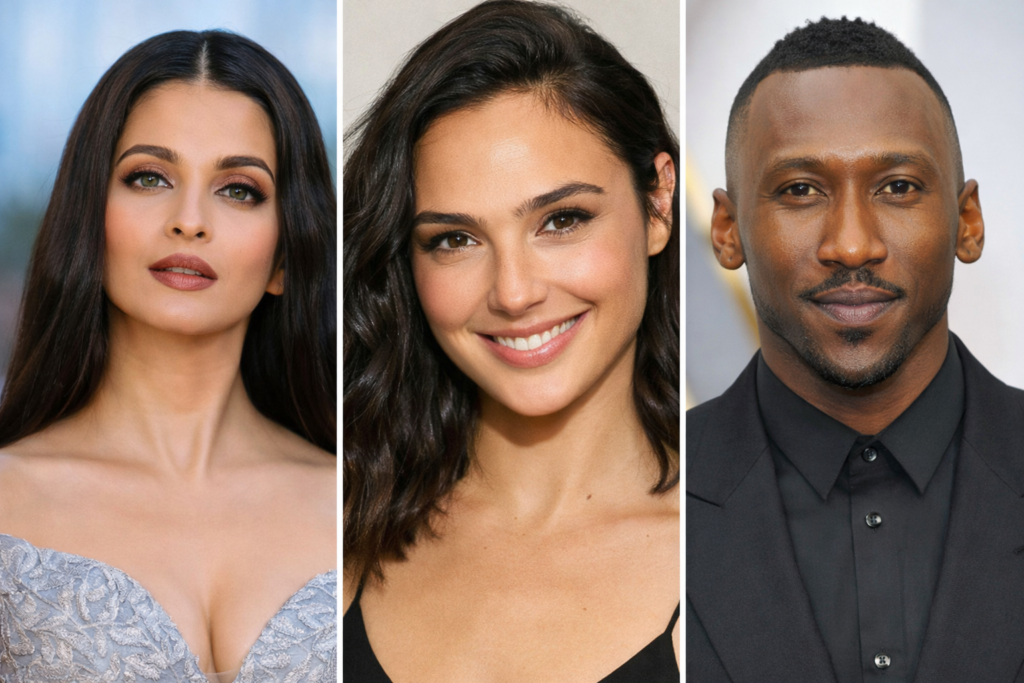
In the high-pressure world of global entertainment, a name is often treated like a piece of clay, something to be molded, shortened, or “Westernized” to suit the tastes of the masses. For decades, the industry standard suggested that if a name was too long, too “ethnic,” or difficult for an English speaker to pronounce on the first try, it had to go. However, a courageous group of stars has challenged this narrative. For them, a name is not a marketing hurdle; it is a sacred link to their ancestors, their language, and their very soul. By refusing to conform, they have forced the world to expand its vocabulary and its understanding of what a “movie star” looks like.
These ten individuals have proven that authenticity is the ultimate brand. From the shores of Ireland to the vibrant film hubs of India and Nigeria, these performers stood their ground when agents whispered about “simpler” alternatives. Their success has paved the way for a more inclusive Hollywood where cultural heritage is celebrated rather than hidden. By keeping their birth names, they haven’t just preserved their personal history, they have helped global audiences realize that talent is universal, regardless of how many vowels or accents a name might carry.
Saoirse Ronan
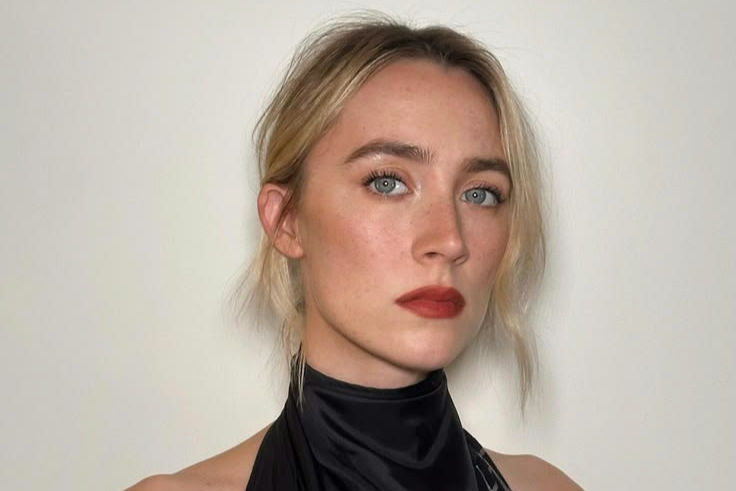
Saoirse Ronan was born on April 12, 1994, in New York City and raised in County Carlow, Ireland. Her first name, which translates to “freedom” in Irish, has famously tripped up presenters and fans alike for years. Early in her career, as she began to gain traction with her 2007 breakout role in Atonement, there were quiet murmurs that she might want to adopt a more “phonetic” name to avoid the constant mispronunciations. After all, “Seer-sha” isn’t exactly how the name looks to those unfamiliar with the Gaelic language.
However, Ronan remained steadfast in her refusal to change it. She embraced the confusion as a teaching moment, frequently appearing on talk shows like The Ellen DeGeneres Show and Saturday Night Live to playfully school the public on the correct pronunciation. Her commitment to her roots hasn’t hindered her success in the slightest; by the age of 25, she had already secured four Academy Award nominations for films like Brooklyn (2015) and Lady Bird (2017). By keeping her name, she has become a proud ambassador for Irish culture, proving that a “difficult” name is no barrier to becoming one of the most respected actresses of her generation.
Quvenzhané Wallis
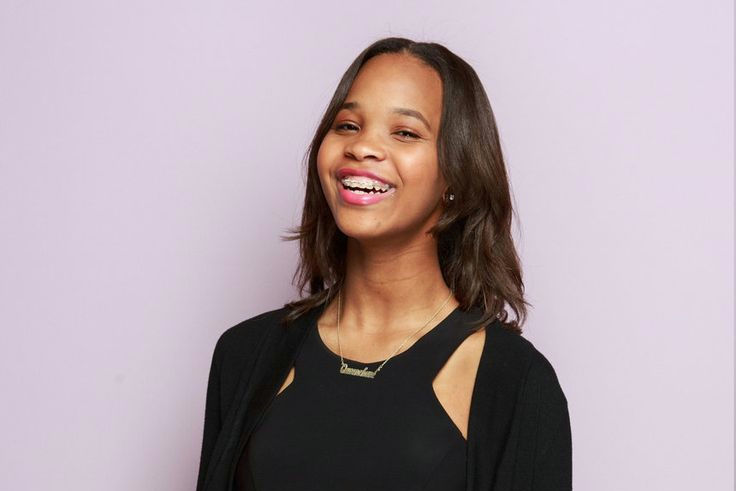
When Quvenzhané Wallis burst onto the scene in 2012 at the age of nine, she didn’t just bring immense talent, she brought a name that many in Hollywood struggled to say. Born on August 28, 2003, in Houma, Louisiana, her name is a beautiful portmanteau: “Quven” combines her parents’ first names (Qulyndreia and Venjie), while “zhané” is Swahili for “fairy.” Following her powerful performance in Beasts of the Southern Wild, she became the youngest Best Actress nominee in Oscar history. Despite her age, she faced suggestions that a “stage name” might make her more marketable.
Wallis and her family never buckled under that pressure. She took great pride in explaining the meaning and origin of her name to every reporter who asked. In a world that often asks young Black girls to shrink themselves to make others comfortable, her refusal to change her name was a radical act of self-love. She went on to star in the 2014 remake of Annie, proving that she could lead a major studio blockbuster without sacrificing her identity. Today, she stands as an inspiration for young performers everywhere, showing that your name is your power and it is the world’s job to learn it.
Huma Qureshi
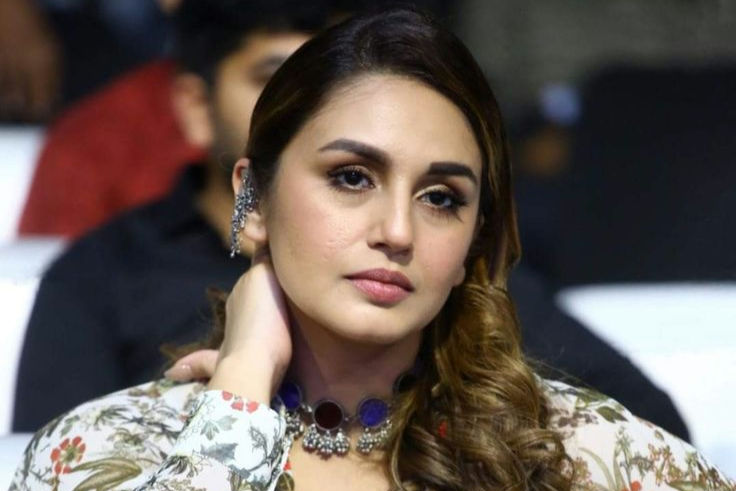
Huma Qureshi, born July 28, 1986, is an acclaimed Indian actress who made a massive impact with her debut in the two-part crime drama Gangs of Wasseypur in 2012. As she moved from the world of television commercials into the competitive landscape of Bollywood and international cinema, she encountered the old-school industry advice that a “screen name” might help her stand out or avoid confusion with other established stars. In the past, many Indian actors changed their names to sound more “glamorous” or to appeal to a broader demographic.
Qureshi flatly rejected these suggestions. She believed that her work should speak for itself and that her birth name was an essential part of her professional integrity. Over the last decade, she has built a diverse filmography including Badlapur (2015) and the international Netflix series Leila (2019). By staying true to “Huma Qureshi,” she has helped shift the culture of the Indian film industry toward a more authentic representation of talent. Her journey shows that in the modern era, audiences value a performer who is comfortable in their own skin, and their own name, more than a manufactured persona.
Thandiwe Newton
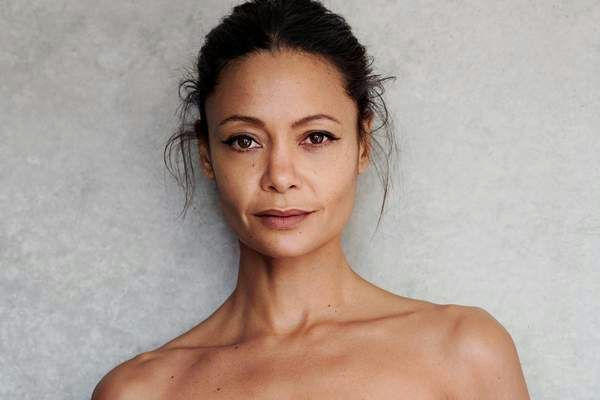
For much of her career, the world knew this talented British actress as “Thandie” Newton. Born Melanie Thandiwe Newton on December 4, 1972, in London, her name means “beloved” in the Shona language. When she landed her first major film role in the 1991 movie Flirting, the credits misspelled her name, dropping the “w.” For the next three decades, that shortened, anglicized version followed her through massive hits like Mission: Impossible II (2000) and her Emmy-winning turn in Westworld. It was a compromise she lived with for years as she navigated the industry.
However, in a powerful 2021 interview with British Vogue, she announced she was reclaiming the original spelling: Thandiwe. She explained that the “w” had been “snatched” from her and that she was taking back what was rightfully hers. This decision was more than just a spelling correction; it was a reclamation of her Zimbabwean heritage and a statement against the industry’s history of “whitewashing” ethnic names for convenience. Now, all her future credits reflect her true name, serving as a reminder that it is never too late to demand the respect that your identity deserves, regardless of how long you’ve been in the spotlight.
Mahershala Ali
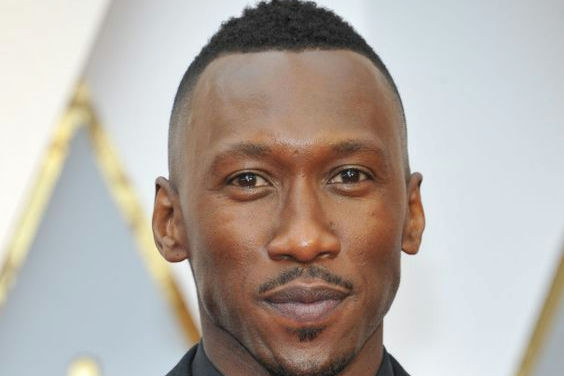
Mahershala Ali was born Mahershalalhashbaz Gilmore on February 16, 1974, in Oakland, California. Named after the longest name in the Bible, he knew from the start that his name was a mouthful for the average person. When he began his acting career in the early 2000s with roles in Crossing Jordan, he was often told that his full name would never fit on a movie poster or a credit crawl. Producers urged him to choose something “snappier.” While he did eventually shorten his first name to Mahershala for professional use, he refused to adopt a generic stage name.
His persistence paid off in historic fashion. In 2017, he became the first Muslim actor to win an Academy Award for his breathtaking performance in Moonlight. He followed this up with a second Oscar for Green Book in 2019. By keeping his unique and meaningful name, Ali proved that the “marketability” of a name is a myth. Today, he is one of the most sought-after actors in the world, soon to lead the Marvel Cinematic Universe’s Blade. His success has opened doors for other actors with non-Western names, proving that excellence is the only thing that truly needs to “fit” on a poster.
Salma Hayek
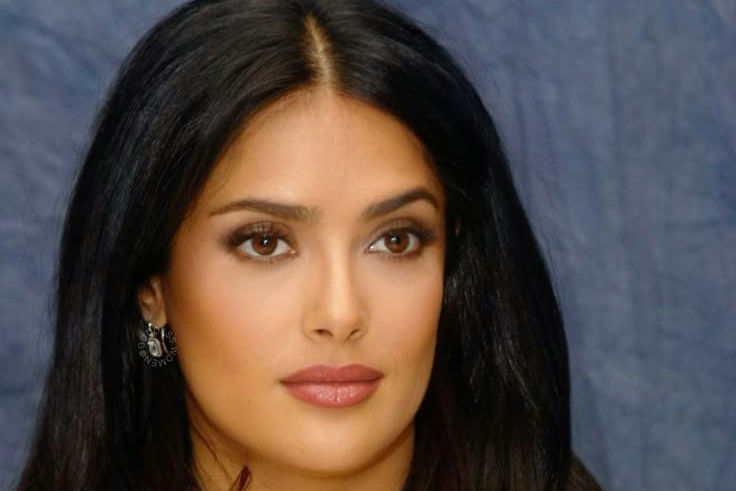
Salma Hayek was born on September 2, 1966, in Coatzacoalcos, Mexico, to a Lebanese father and a Mexican mother. When she arrived in Hollywood in the early 1990s, she was already a massive telenovela star in Mexico, but the American industry treated her like a newcomer. She was frequently told that her “exotic” name and thick accent would limit her to playing maid or mistress roles, and some suggested she adopt a more “Americanized” name to improve her chances of being cast as a leading lady.
Hayek refused to budge, seeing her name as a proud reflection of her dual heritage. She fought through the stereotypes, eventually producing and starring in the 2002 biopic Frida, which earned her an Academy Award nomination. Today, she is a global mogul, actress, and activist who has starred in everything from Desperado (1995) to Marvel’s Eternals (2021). By keeping the name Salma Hayek, she became a pioneer for Latina representation in Hollywood, proving that a name rooted in culture is a source of strength, not a liability, in the pursuit of the American dream.
Dev Patel
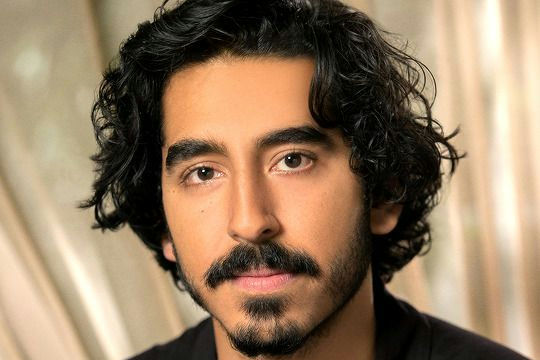
Dev Patel, born April 23, 1990, in London, became an overnight sensation following the global success of Slumdog Millionaire in 2008. As a young actor of Indian descent navigating a Western industry that often struggles with South Asian representation, he occasionally encountered voices suggesting that a “catchier” stage name might help him avoid being typecast. Some believed that “Dev” was too simple or that his surname might lead to him being offered only specific “ethnic” roles.
Patel never entertained the idea of changing who he was. He has spent his career choosing roles that challenge stereotypes, from the math genius in The Man Who Knew Infinity (2015) to his Oscar-nominated performance in Lion (2016) and his lead role in The Green Knight (2021). By keeping his birth name, he has become a symbol of the “new Hollywood,” where South Asian actors are leading men on their own terms. His name is now a mark of quality and versatility, proving that you don’t need to change your identity to change the way the world sees you.
Gal Gadot
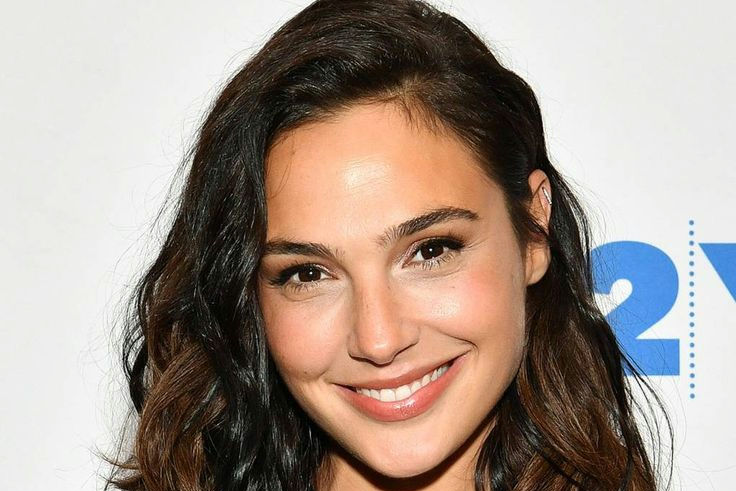
Gal Gadot was born on April 30, 1985, in Petah Tikva, Israel. Her name is deeply rooted in her Hebrew heritage, with “Gal” meaning “wave” and “Gadot” meaning “riverbanks.” When she began her transition from Israeli modeling and acting to the international stage, starting with the Fast & Furious franchise in 2009, there were questions about whether her name would resonate with global audiences. Some thought the two short, punchy Hebrew words might be “too foreign” for the average American moviegoer to embrace.
Gadot never saw her name as an obstacle. She carried it with confidence, and it eventually became synonymous with strength and grace when she was cast as Diana Prince in 2017’s Wonder Woman. The film was a cultural phenomenon, grossing over $800 million worldwide and making “Gal Gadot” a household name. By refusing to change her name, she maintained a strong connection to her Israeli identity while becoming a global icon. Her career serves as a powerful reminder that the world is more than willing to learn a new name when it’s attached to a “super” talent.
Chiwetel Ejiofor
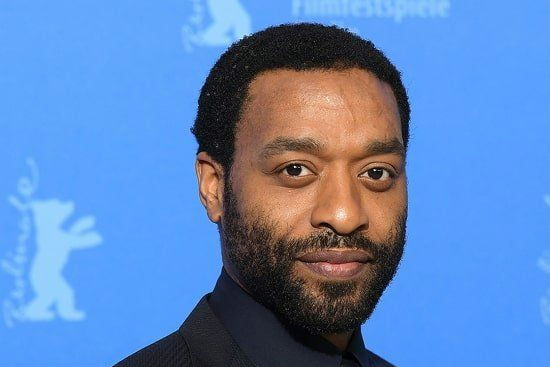
Born on July 10, 1977, in London to Nigerian parents of Igbo descent, Chiwetel Ejiofor’s name means “God brings.” Throughout his early career in the late 1990s, he was frequently met with the suggestion that his name was “too difficult” for audiences to pronounce. Agents often suggested that a shorter, more “English-friendly” name would help him secure leading roles more quickly. In an industry that often prioritizes ease over accuracy, the pressure to conform was significant.
Ejiofor ignored the skeptics and focused on his craft. His dedication led to a legendary stage career and powerful film performances in Dirty Pretty Things (2002) and Children of Men (2006). The world finally mastered the pronunciation of his name in 2013 when he gave a harrowing, Oscar-nominated performance in 12 Years a Slave. Today, he is a CBE (Commander of the Order of the British Empire) and one of the most respected actors in film and theater. His name is a badge of his Nigerian heritage, proving that when you are truly exceptional, the world will make the effort to say your name correctly.
Aishwarya Rai
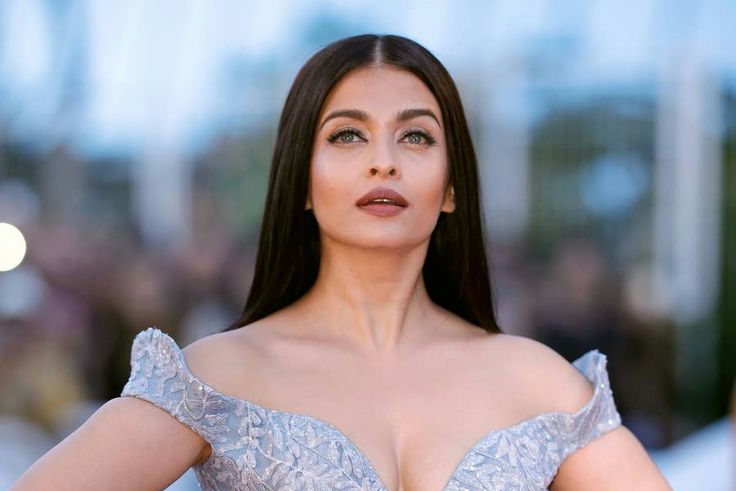
Aishwarya Rai was born on November 1, 1973, in Mangalore, India. After being crowned Miss World in 1994, she became the face of Indian beauty and talent on the global stage. As she began to make inroads into Hollywood with films like Bride and Prejudice (2004) and The Pink Panther 2 (2009), there were inevitable discussions about whether her name was “too long” for Western marquees. Some advisors thought she might benefit from a shorter moniker to help her “blend in” with the Hollywood elite.
Rai remained firm, seeing her name as an inseparable part of her identity and her massive South Asian fan base. She became a regular at the Cannes Film Festival and a global ambassador for brands like L’Oréal, all under her birth name. Her refusal to change it sent a clear message: she was not coming to Hollywood to be transformed, but to be recognized as she was. By maintaining her name, Aishwarya Rai became a bridge between two of the world’s largest film industries, showing that true stardom doesn’t require a name change, it just requires a presence that the world cannot ignore.


