
Charlie Sheen’s Public Meltdown
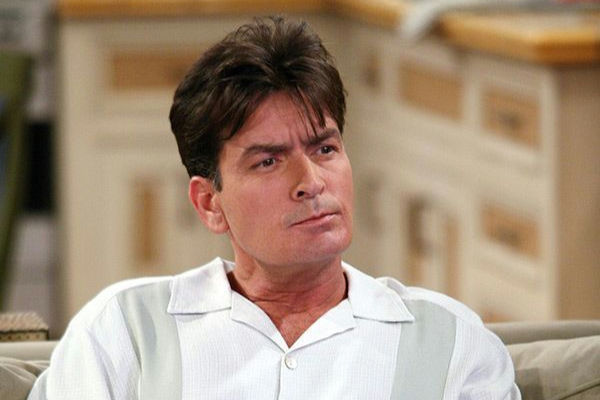
Charlie Sheen was once the undisputed king of network television, earning a record-breaking $1.8 million per episode for his role as Charlie Harper on the CBS sitcom Two and a Half Men. By 2010, the show was a global juggernaut, but Sheen’s personal life was spiraling out of control due to highly publicized battles with substance abuse. After several attempts at rehabilitation in early 2011, production was forced into an indefinite hiatus. Rather than laying low, Sheen embarked on a bizarre media blitz, famously boasting about having “tiger blood” and “winning” while lobbing verbal grenades at the show’s co-creator, Chuck Lorre.
The breaking point arrived on March 7, 2011, when Warner Bros. Television officially terminated Sheen’s contract, citing his erratic behavior and “moral turpitude.” The studio took the drastic step of killing off his character in the Season 9 premiere, replacing him with Ashton Kutcher to keep the profitable series afloat. This firing remains one of the most expensive and explosive departures in Hollywood history, marking a sharp decline for a star who was then at the peak of his earning power. Sheen has since expressed deep regret over the bridge-burning antics that cost him his landmark role.
Suzanne Somers and a Pay Battle
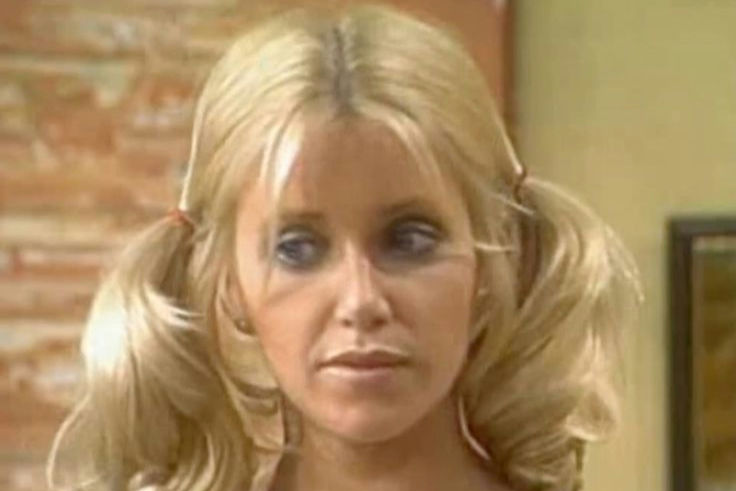
In the late 1970s, Suzanne Somers was a cultural icon thanks to her portrayal of the ditzy but lovable Chrissy Snow on Three’s Company. As the show entered its fifth season in 1980, Somers realized the massive pay gap between herself and her male co-star, John Ritter. While Ritter was taking home $150,000 per episode, Somers was being paid a mere $30,000. Seeking what she felt was fair market value for a top-tier TV star, she demanded a raise to $150,000 plus a 10% cut of the show’s profits, sparking a bitter stalemate with ABC executives.
The network’s reaction was swift and punitive; they refused her demands and effectively sidelined her character. For the remainder of the 1980-1981 season, Somers was relegated to brief, one-minute “phone-in” scenes filmed separately from the rest of the cast. By the end of 1981, she was officially fired and her character was written out entirely. This move sent a chilling message to other actresses of the era regarding salary negotiations. Despite the setback, Somers eventually reinvented herself as a successful lifestyle mogul and author, though she remained estranged from her former castmates for decades.
Shannen Doherty’s On-Set Conflicts

Shannen Doherty became the face of 1990s teen angst as Brenda Walsh on Beverly Hills, 90210. While the show was a massive hit for the FOX network, rumors of Doherty’s “difficult” reputation began to leak almost immediately. Reports of constant lateness and physical confrontations with co-stars, particularly Jennie Garth, created a toxic atmosphere on set. By the end of the fourth season in 1994, producer Aaron Spelling decided he had seen enough. Brenda was written off the show under the guise of moving to London to attend acting school, and Doherty was officially dismissed.
History famously repeated itself just a few years later. In 1998, Spelling gave Doherty a second chance by casting her as Prue Halliwell in the supernatural hit Charmed. However, after only three seasons, she was fired again in 2001 following a widely reported feud with co-star Alyssa Milano. The tension had become so thick that the studio felt the only solution was to kill off her character. These twin dismissals cemented Doherty’s legacy as a talented actress whose off-screen friction frequently overshadowed her on-screen success, making her a cautionary tale for young stars in the industry.
Isaiah Washington’s On-Set Controversy
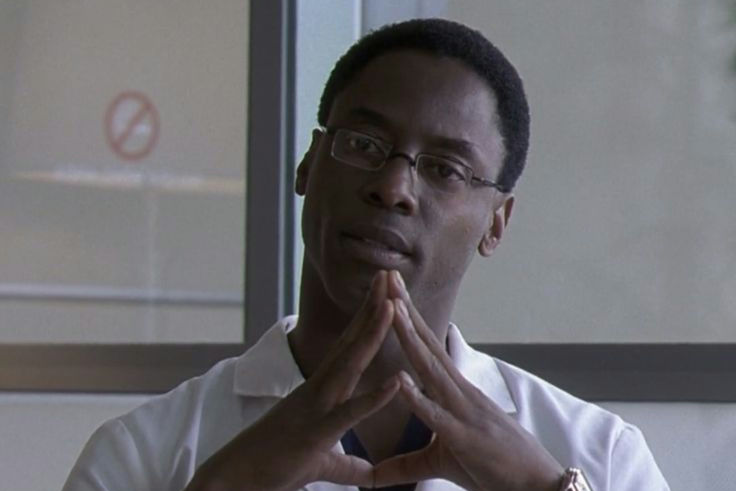
Isaiah Washington played the brilliant and stern Dr. Preston Burke on the medical phenomenon Grey’s Anatomy. He was a cornerstone of the show’s early success, but his tenure came to a crashing halt following a backstage altercation in October 2006. During a heated argument with Patrick Dempsey, Washington reportedly used a homophobic slur in reference to their co-star T.R. Knight. While the incident was initially kept quiet, it exploded into a national scandal after Washington repeated the slur in the press room at the 2007 Golden Globe Awards, causing immediate public outrage.
Despite Washington issuing multiple apologies and filming a public service announcement, the damage to his reputation and the show’s brand was irreversible. In June 2007, ABC announced they would not be renewing his contract for the fourth season. His character was abruptly written out, leaving his fiancée at the altar in the Season 3 finale. The firing served as a landmark moment in television history, highlighting a new era where networks were no longer willing to tolerate discriminatory language or workplace harassment from their lead actors, regardless of their talent or the show’s ratings.
Thomas Gibson’s On-Set Altercation
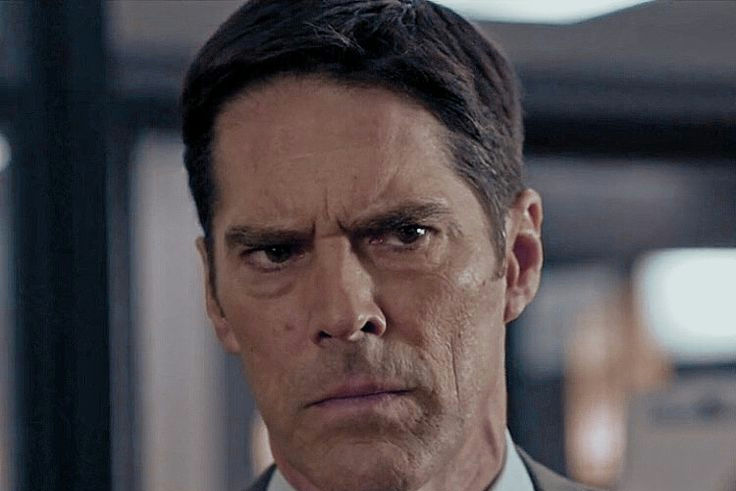
For over eleven years, Thomas Gibson was the steady heart of Criminal Minds as Unit Chief Aaron Hotchner. Having appeared in 255 episodes since the show’s debut in 2005, he was considered an untouchable veteran of the CBS procedural. However, in the summer of 2016, during the filming of the twelfth season, Gibson became involved in a physical altercation with a writer-producer over a creative disagreement. Reports surfaced that Gibson had kicked the staff member during the dispute, leading to an immediate two-week suspension that quickly escalated into a permanent dismissal.
On August 12, 2016, CBS Television Studios and ABC Studios released a joint statement confirming that Gibson had been fired. The show addressed his sudden absence by stating his character had entered the Witness Protection Program to protect his son. Gibson later claimed the “kick” was a defensive tap, but his history of previous on-set outbursts and a mandated anger management course from years prior likely influenced the studio’s harsh decision. His departure left a significant void in the series, proving that even a decade of loyal service cannot protect an actor from the consequences of workplace violence.
Roseanne Barr’s Social Media Fallout
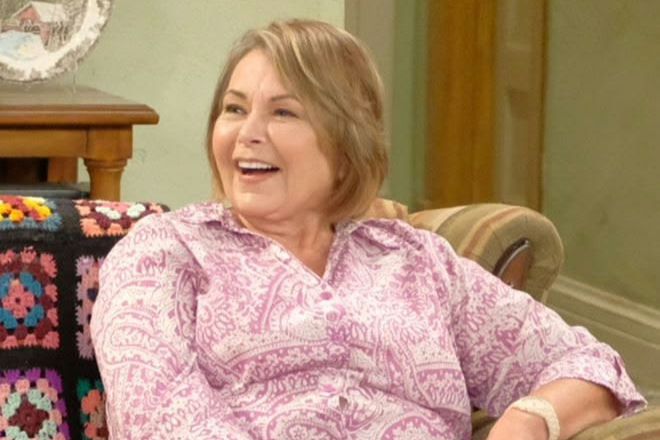
In 2018, Roseanne Barr pulled off the unthinkable by returning to television with a revival of her classic sitcom Roseanne. The premiere was a ratings goldmine, drawing over 18 million viewers and proving there was a massive appetite for her brand of blue-collar humor. However, the comeback lasted only two months. In May 2018, Barr posted a racially offensive tweet targeting Valerie Jarrett, a former senior advisor to President Barack Obama. Despite Barr claiming the post was a joke and blaming it on the sedative Ambien, the backlash from the public and sponsors was instantaneous.
Within hours of the tweet, ABC Entertainment President Channing Dungey called the remark “abhorrent” and “repugnant,” promptly canceling the highest-rated show on the network. In an unprecedented move, the studio fired Barr but kept the rest of the cast, rebranding the series as The Conners. To explain her absence, the writers killed off her character via an accidental opioid overdose. This incident remains a primary example of the “cancel culture” era, demonstrating that in the age of social media, a single offensive post can dismantle a multi-million dollar production and end a legendary career in a matter of hours.
Kevin Spacey’s Sudden Removal
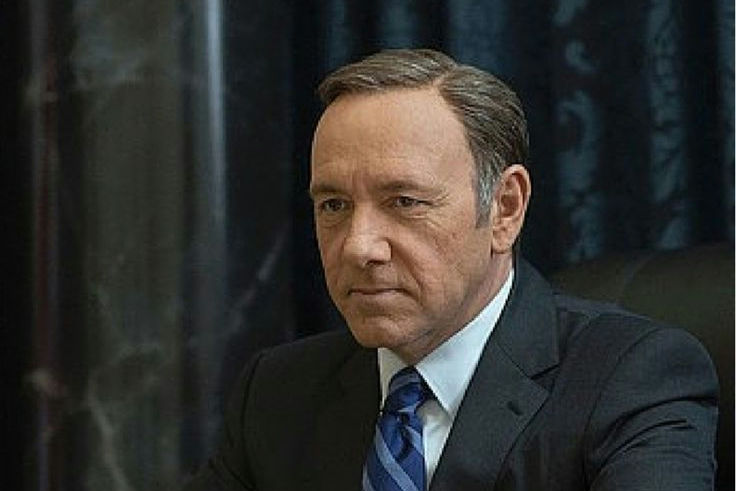
Kevin Spacey’s portrayal of the ruthless Frank Underwood in House of Cards was the foundation upon which Netflix built its original programming empire. The show earned critical acclaim and dozens of Emmy nominations, with Spacey at the center of it all. This all changed in October 2017, when actor Anthony Rapp accused Spacey of making a sexual advance toward him when Rapp was just 14 years old. Following this initial report, several members of the House of Cards production crew also came forward with allegations of sexual harassment and a “toxic” work environment created by the star.
Netflix acted decisively by severing all ties with Spacey on November 3, 2017. Production on the sixth and final season was halted for several months while writers scrambled to overhaul the entire script. Ultimately, Spacey’s character was killed off off-screen, and the final season shifted its focus entirely to his on-screen wife, played by Robin Wright. This firing was a watershed moment for the streaming era, proving that no actor, no matter how many Oscars they hold, is bigger than the values of the studio or the safety of the crew working behind the scenes.
Jussie Smollett and Legal Controversy
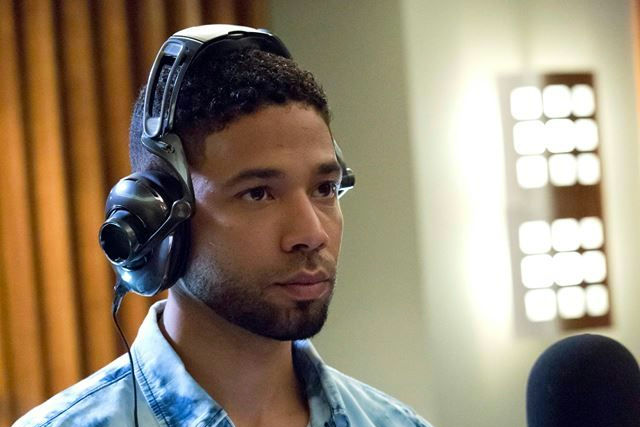
Jussie Smollett was a breakout star on the FOX musical drama Empire, playing the talented Jamal Lyon. His career was on a meteoric rise until January 2019, when he told Chicago police that he had been the victim of a brutal, politically motivated hate crime. The story initially garnered immense support from celebrities and politicians alike. However, as the investigation unfolded, authorities alleged that Smollett had actually paid two brothers to stage the attack in an attempt to boost his public profile and negotiate a higher salary for his role on the show.
The legal drama that followed became a massive distraction for the series. Although Smollett maintained his innocence, he was eventually charged with filing a false police report. In response, the producers of Empire removed him from the final two episodes of Season 5. While there was some hope he might return for the series finale in 2020, the studio ultimately decided against it to avoid further controversy. Smollett was later convicted on several counts of disorderly conduct in 2021. His fall from grace remains one of the most bizarre chapters in television history, where a fabricated real-life drama ended a promising career.
Robert Downey Jr.’s Troubled Exit
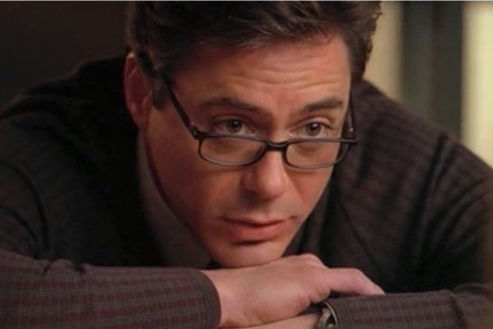
In the year 2000, Robert Downey Jr. was attempting a career comeback by joining the cast of the hit legal dramedy Ally McBeal. His role as Larry Paul, the love interest of the titular character, was an immediate hit with fans and critics, earning him a Golden Globe Award. He was credited with revitalizing the show’s dipping ratings and was slated for a long-term future with the series. However, Downey was privately battling severe drug addiction, and his personal life soon began to bleed into his professional obligations, leading to a series of high-profile legal incidents.
Following an arrest in April 2001 for suspicion of being under the influence of a controlled substance, the show’s producers felt they had no choice but to let him go. The writers had to quickly scrap a planned wedding storyline between Larry and Ally, and Downey was written out of the show before the season ended. While the firing was a low point for the actor, it served as a much-needed wake-up call. After successfully completing court-ordered rehab and staying sober, Downey eventually returned to Hollywood to claim the role of Iron Man, completing one of the greatest redemption arcs in entertainment history.
Janet Hubert and Creative Tensions
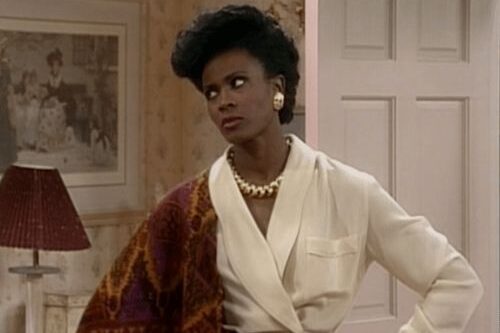
Janet Hubert was the original Aunt Viv on The Fresh Prince of Bel-Air, providing a grounded and sophisticated presence to the Banks household from 1990 to 1993. Despite her popularity with the audience, life on set was reportedly far from harmonious. Hubert and the show’s young star, Will Smith, frequently clashed over the direction of the show and their respective roles. Hubert felt that Smith’s growing influence was overshadowing the rest of the cast, leading to a breakdown in communication that made the working environment increasingly difficult for everyone involved.
Following the conclusion of the third season in 1993, Hubert was offered a contract that significantly reduced her screen time and pay. When she refused the terms, she was dismissed and replaced by Daphne Maxwell Reid for the remainder of the series. The “Two Aunt Vivs” phenomenon became a long-running joke in pop culture, but the real-life feud lasted for nearly 27 years. It wasn’t until a televised reunion special in 2020 that Hubert and Smith finally sat down to reconcile, revealing that much of the conflict stemmed from Hubert’s personal struggles at the time and the pressures of sudden fame on a young Smith.
Taylor Momsen’s Unreliable Reputation

Taylor Momsen was only fourteen years old when she was cast as Jenny Humphrey on the hit CW drama Gossip Girl in 2007. Initially portrayed as a sweet, aspiring fashion designer, her character eventually mirrored Momsen’s real-life transition into a rebellious rock star. As her band, The Pretty Reckless, began to gain traction in 2009 and 2010, Momsen’s commitment to the television set reportedly began to waver. Sources from the production team frequently whispered about her “unreliable” behavior, citing long delays and a lack of interest in the scripted storylines that had made her a household name among teens.
The tension reached a breaking point during the show’s fourth season in 2011. After being put on an “indefinite hiatus,” it was eventually revealed that Momsen would not be returning as a series regular. While the studio avoided using the word “fired” in their official press releases, the move was widely understood as a mutual parting of ways triggered by her on-set conduct. Momsen has since stated that she “quit” acting to pursue music full-time, and her band has gone on to achieve significant success on the rock charts. Her departure remains a primary example of a child star outgrowing the medium that gave them their start.
Danny Masterson and Allegations
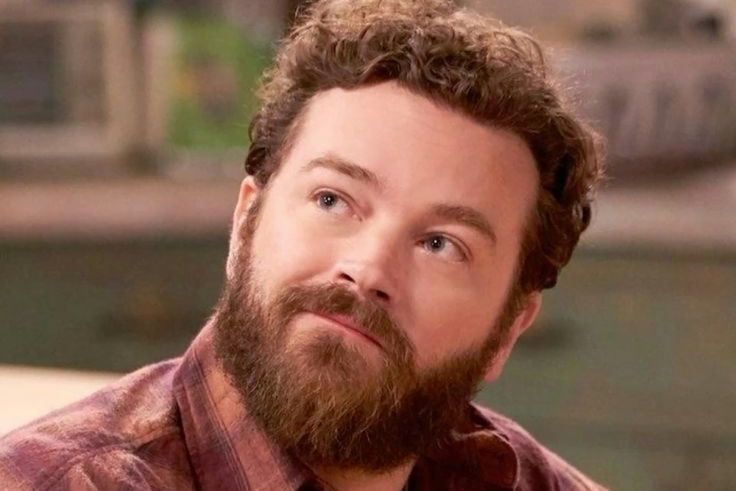
Danny Masterson reunited with his That ’70s Show co-star Ashton Kutcher in 2016 for the Netflix original series The Ranch. Playing the character Rooster Bennett, Masterson provided a gritty, comedic edge to the show’s portrayal of a struggling family of cattle ranchers in Colorado. The series was a quiet hit for the streaming giant, but dark clouds from Masterson’s past began to gather shortly after the show’s debut. In early 2017, reports surfaced that several women had accused the actor of sexual assault during the early 2000s, leading to a high-profile investigation by the LAPD.
As public pressure mounted and the #MeToo movement gained momentum, Netflix faced intense criticism for maintaining its relationship with Masterson. On December 5, 2017, the streaming service announced that he had been written out of the show. His final episodes aired in 2018, where his character was presumed dead following a suspicious motorcycle accident. Masterson’s legal troubles eventually culminated in a 2023 conviction and a sentence of 30 years to life in prison. His firing from The Ranch was one of the first major instances of a streaming platform taking a hardline stance against a lead actor facing serious criminal allegations.
Hartley Sawyer’s Old Tweets
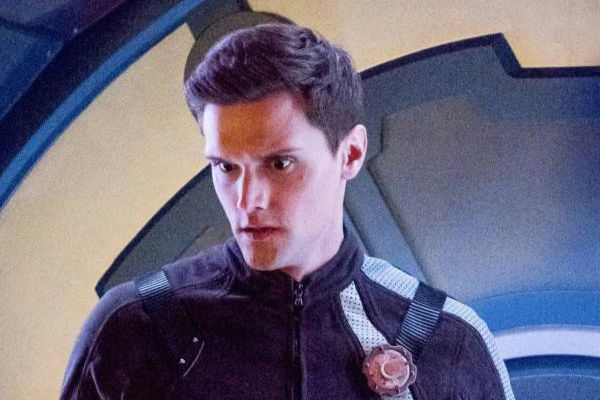
Hartley Sawyer joined the cast of The Flash in 2017, playing the comedic and stretchy superhero Ralph Dibny. His character was intended to provide a lighter touch to the often-heavy superhero drama, and by 2018, he had been promoted to a series regular. Fans largely enjoyed his redemption arc from a disgraced detective to a hero. However, his career came to an abrupt halt in June 2020 during the height of a global conversation about racial justice and accountability. A series of tweets from Sawyer’s past, ranging from 2012 to 2014, were unearthed and widely shared across social media.
The posts contained numerous offensive remarks that were condemned as racist, misogynistic, and transphobic. Warner Bros. TV and the show’s executive producers acted within days, firing Sawyer and stating that his past comments did not reflect the values of the production. Because the show was between seasons, the character of the Elongated Man was written off early in Season 7 using a plot point involving a facial transformation to explain his new appearance and subsequent departure. Sawyer issued a formal apology, expressing deep shame for his past words, but the incident effectively ended his run in the “Arrowverse” and served as a reminder of the permanence of digital footprints.
Columbus Short’s Legal Troubles
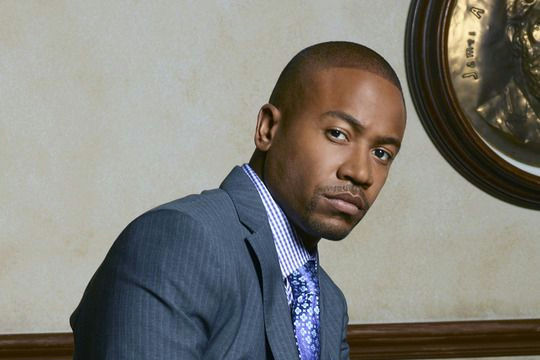
Columbus Short was a key member of the original “Gladiators in Suits” on the massive ABC hit Scandal. As Harrison Wright, he was the smooth-talking, fiercely loyal right-hand man to Kerry Washington’s Olivia Pope. The show was a cultural phenomenon in 2012 and 2013, but Short’s personal life was becoming increasingly chaotic behind the scenes. Throughout 2014, the actor faced a string of legal issues, including an arrest for a physical altercation at a restaurant and a separate domestic violence case involving his then-wife. These incidents became a major PR headache for the Disney-owned network.
By April 2014, it was confirmed that Short would not be returning for the show’s fourth season. Shonda Rhimes, the show’s creator, is known for running a disciplined set, and the controversy surrounding Short’s private life was reportedly too much of a distraction. In the Season 3 finale, his character was held at gunpoint, and the Season 4 premiere confirmed that Harrison had been murdered. Short later opened up about his struggles with substance abuse during that period, admitting that his firing was a direct result of his personal instability. His exit changed the dynamic of the “Gladiator” team forever.
Jeff Garlin and Workplace Complaints
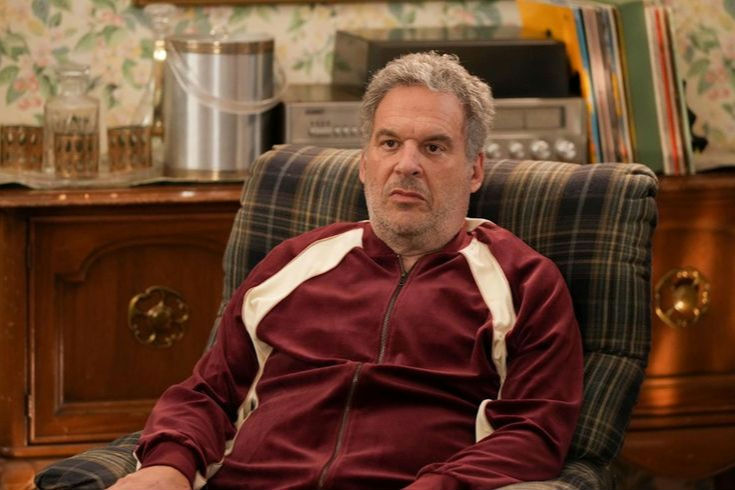
Jeff Garlin was the comedic patriarch of The Goldbergs for nearly a decade, playing the grumpy but lovable Murray Goldberg. The show, which premiered in 2013, relied heavily on Garlin’s chemistry with the rest of the cast to recreate the nostalgic feel of the 1980s. However, in late 2021, an investigation into Garlin’s conduct on set revealed multiple complaints from crew members. These allegations involved “unprofessional” behavior and verbal remarks that created an uncomfortable working environment for some staff members. Garlin defended his actions as his particular brand of humor, but the studio took a different view.
In December 2021, Sony Pictures Television announced that Garlin and the production had reached a mutual agreement for his immediate departure. Since the tenth season was already being filmed, the producers used a combination of body doubles, unused footage, and CGI to complete his character’s arc before eventually killing him off between seasons. Garlin’s exit was a notable example of how the standards for “set etiquette” have shifted significantly in recent years. While he continued his work on other projects like Curb Your Enthusiasm, his long tenure on network television ended on a controversial and somewhat awkward note.
Gina Carano’s Social Media Controversy

Gina Carano’s casting as Cara Dune in The Mandalorian was initially celebrated as a win for female representation in the Star Wars universe. As a former MMA fighter, she brought a legitimate toughness to the role that resonated with fans of the Disney+ series. However, starting in 2020, Carano began sharing a series of social media posts that touched on sensitive political topics, including COVID-19 mask mandates and election integrity. The situation reached a boiling point in February 2021 when she shared a post comparing the modern political climate to Nazi Germany, sparking an immediate #FireGinaCarano campaign on Twitter.
Lucasfilm acted swiftly, releasing a statement that described her posts as “abhorrent and unacceptable.” They confirmed that she was no longer employed by the company and that all plans for a potential spinoff series centered on her character had been scrapped. The firing became a major flashpoint in the “culture wars,” with Carano later filing a lawsuit against Disney for wrongful termination. Despite the legal battle, her character was simply mentioned as having joined Special Forces in later episodes of the show, effectively erasing her from the immediate storyline of the “Mando-verse.”
Sasha Mitchell’s Arrest Scandal
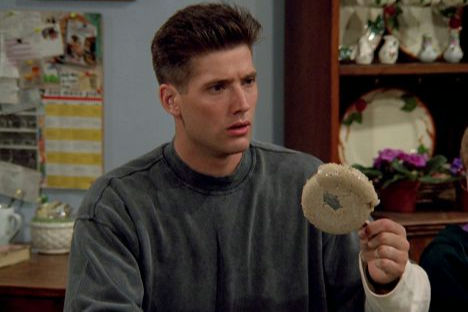
Sasha Mitchell was a fan favorite on the 1990s sitcom Step by Step, playing the “cool cousin” Cody Lambert. His character’s trademark catchphrase “Dude!” and his van-dwelling lifestyle provided much of the show’s comic relief during its peak years on ABC’s TGIF lineup. Mitchell, who had previously appeared on Dallas, was a central part of the show’s marketing. However, in 1995, his public image was shattered when he was arrested and charged with domestic violence. The news was a shock to the family-friendly audience that tuned in every Friday night to see his goofy performance.
Producers felt that Mitchell’s legal situation was incompatible with the wholesome image of the show. He was promptly fired and written out of the series at the end of the fifth season. Though he eventually returned for a guest appearance in the final season after his legal issues were largely resolved, the initial firing derailed his career at its highest point. The incident remains a stark example of how the “family-oriented” television standards of the 1990s were particularly unforgiving toward actors who faced criminal charges or public scandals.
Jay Thomas and a Radio Remark
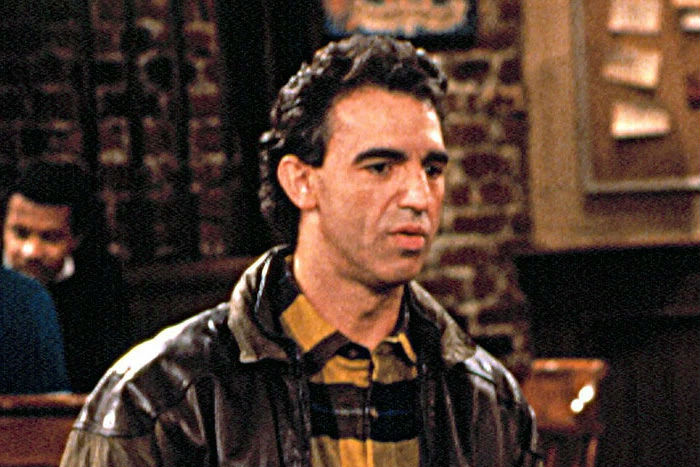
Jay Thomas had a recurring role on Cheers as Eddie LeBec, the superstitious French-Canadian goalie who married the prickly waitress Carla Tortelli. His character was popular enough that writers were considering expanding his role further in the late 1980s. However, Thomas also had a side career as a morning radio host. During a “call-in” segment on his show, a listener asked him what it was like to work on Cheers. Thomas reportedly joked that it was “brutal” and made a disparaging comment about having to kiss his co-star, Rhea Perlman, during their scenes together.
The producers and Perlman herself did not find the joke funny. In a classic example of “writer’s revenge,” the creators decided to kill off Eddie LeBec in one of the most bizarre ways in sitcom history. In 1989, it was revealed that Eddie had died after being run over by a Zamboni ice-resurfacing machine. To add insult to injury, the episode also revealed that Eddie had been a secret polygamist with another family in a different city. Thomas’s career on the show ended instantly due to a single off-hand remark on the radio, proving that insulting your co-workers, even in a different medium, can have lethal consequences for your character.


