
1. The Chicago Tylenol Poisonings

When people think about the 1980s, they often remember the music, the movies, and the sense that everyday life was moving quickly toward something modern and exciting. Yet the decade also began with crimes that quietly changed how people thought about safety. One of the most chilling started in Chicago in 1982, when ordinary routines suddenly turned deadly. Seven people died after taking Extra Strength Tylenol capsules that had been laced with cyanide. The victims did not know each other, and the bottles had been purchased in different locations, which made the mystery even more unsettling for investigators and families across the country.
As the story unfolded, people realized how vulnerable everyday products could be once they reached store shelves. Police launched a large investigation and warned the public not to take the medicine while the search for answers continued. Stores cleared their shelves, and the country watched closely as investigators tried to determine who had tampered with the capsules. Despite years of work, the person responsible was never identified. What did change was how companies package medicine. Tamper resistant seals soon became the new standard, meaning a quiet crime from the early 1980s still affects how people open a bottle today.
2. The Night Stalker Terror

By the middle of the 1980s, residents across Los Angeles had started to feel an uneasy tension in the air. Reports of a mysterious attacker were appearing in newspapers and on television almost every week. Homes were being broken into late at night, and the crimes ranged from burglary to brutal murder. The person responsible would eventually become known as the Night Stalker, but at the time the public only knew that someone dangerous was moving from neighborhood to neighborhood. Families double checked their locks before bed and neighbors kept a closer watch on the streets after dark.
The investigation slowly began to piece together clues that connected the crimes. A fingerprint left at one scene eventually pointed investigators toward a suspect named Richard Ramirez. Once police released his photograph to the public, the situation changed quickly. In 1985 several residents recognized Ramirez and chased him through the streets until police arrived and took him into custody. The arrest brought relief to a city that had spent months living with fear. Ramirez was later convicted of numerous crimes including thirteen murders and was sentenced to death. He remained in prison for decades until his death in 2013.
3. The Central Park Jogger Case
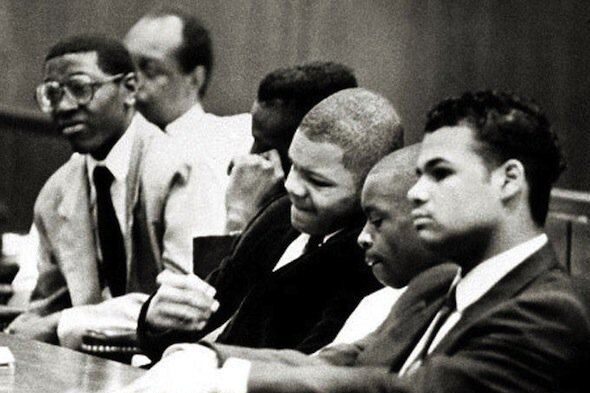
In April 1989, New York City was already used to hearing about crime in its parks and streets, but one case captured national attention in a way few others had. A young investment banker named Trisha Meili went jogging in Central Park one evening and never returned home on time. She was later found severely beaten and barely alive. The attack shocked the city and quickly became front page news across the country. Police moved quickly and arrested five teenage boys who were accused of taking part in the assault.
After long interrogations the teenagers confessed, and their statements seemed to close the case for many people watching from the outside. The five were convicted and served years in prison. Yet the story did not end there. In 2002 another man who was already serving time for other crimes confessed to the attack. DNA evidence supported his claim and the convictions of the five men were eventually vacated. The group later became widely known as the Exonerated Five, and their story sparked serious conversations about wrongful convictions and the importance of reviewing evidence when new information emerges.
4. The Preppy Murder In Central Park
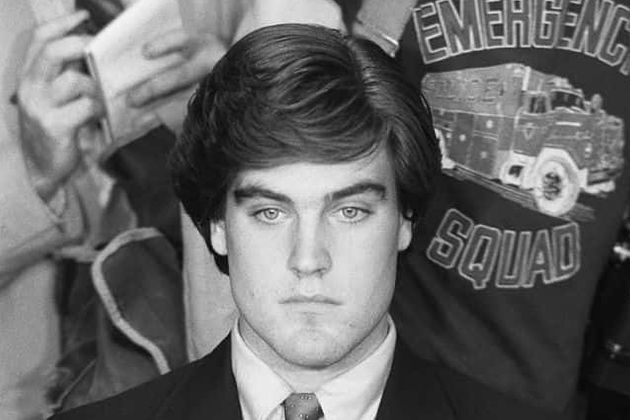
Only a few years before the Central Park jogger case captured headlines, another tragic story had already unfolded in the same park. In 1986 Jennifer Levin, an eighteen year old woman, spent an evening out with friends before meeting Robert Chambers Jr. later that night. The two ended up in Central Park where Levin was later found strangled. Chambers was quickly arrested, and because of his wealthy background the tabloids began referring to him as the Preppy Killer. The nickname turned the case into a media spectacle that filled newspapers and television reports for months.
During the investigation Chambers offered several different explanations about what happened that night. Eventually he claimed Levin had died accidentally during rough intimacy. The courtroom proceedings were closely watched because they highlighted how public opinion can shape a story long before a verdict is reached. After a lengthy legal battle Chambers pleaded guilty to manslaughter and received a prison sentence. Years later he returned to prison again on unrelated drug charges. The case remained part of New York crime history because it reflected the intense media culture of the era.
5. The Shooting Of President Ronald Reagan
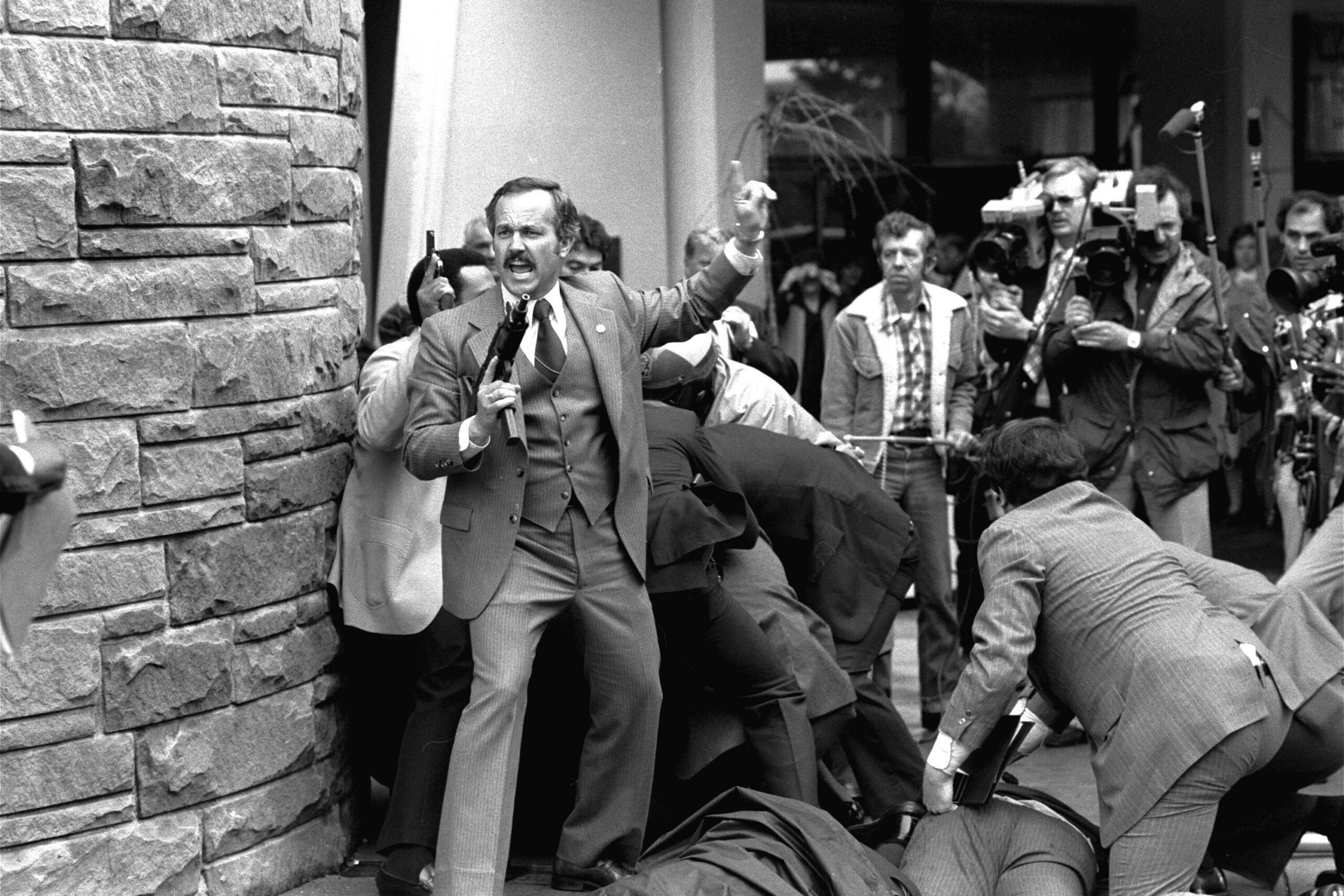
On March 30, 1981, President Ronald Reagan had just finished speaking at a hotel in Washington when a moment that seemed routine suddenly turned into chaos. As he left the building and walked toward his car, gunshots rang out. A man named John Hinckley Jr. had opened fire, striking the president and wounding three other people including a police officer and a press secretary. The country watched in shock as news reports confirmed that the president had been rushed into emergency surgery.
Reagan survived the attack and eventually recovered, but the investigation into the shooter revealed a disturbing motive. Hinckley had developed an unhealthy obsession with actress Jodie Foster and believed the act would gain her attention. When the case went to trial, Hinckley’s defense argued that he had been suffering from severe mental illness at the time of the shooting. The jury agreed and found him not guilty by reason of insanity. Instead of prison he was committed to a psychiatric hospital where he remained for decades under strict supervision.
6. The Yorkshire Ripper Investigation Ends
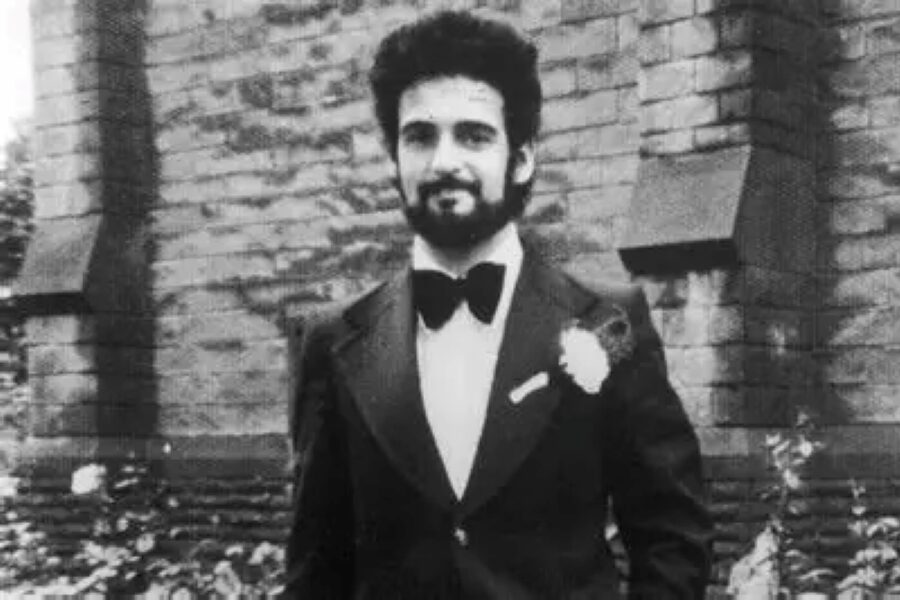
For several years before the early 1980s, women in parts of northern England were living with a quiet but constant fear. A serial attacker had been targeting women in different cities, leaving investigators struggling to connect the crimes and identify the person responsible. The press eventually began calling the killer the Yorkshire Ripper, a nickname that quickly spread through headlines and television reports. Police launched one of the largest investigations in British history, but false leads and misleading evidence slowed progress for years.
In 1981 the investigation finally reached a turning point when a routine police stop led officers to a man named Peter Sutcliffe. Suspicious circumstances during the stop prompted further investigation, and evidence soon connected him to multiple murders and attacks. The arrest ended years of uncertainty for communities that had been living with fear. Sutcliffe was later convicted and sentenced to life in prison. The case also forced police departments to reflect on mistakes made during the investigation.
7. The McMartin Preschool Scare
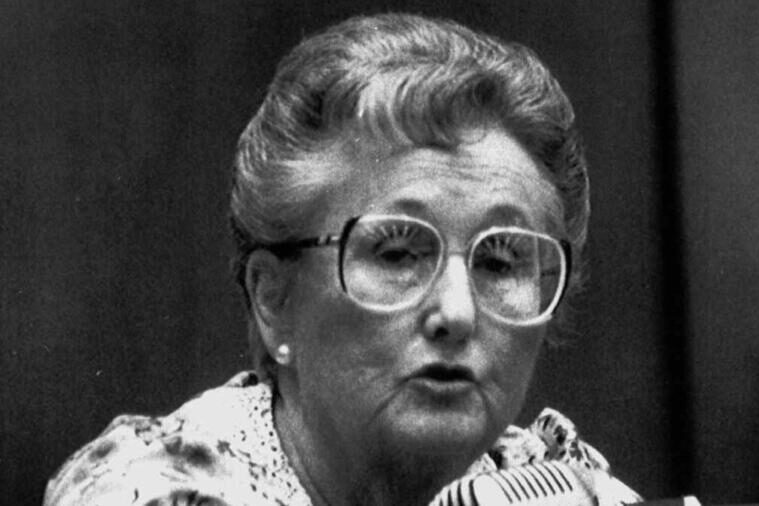
During the early 1980s a preschool in California became the center of a case that would grow into one of the longest criminal trials in American history. The situation began when allegations surfaced that children at the McMartin Preschool had been abused by staff members. Parents reported disturbing claims, and investigators soon began interviewing dozens of children and families connected to the school. As the investigation expanded the accusations became more dramatic and attracted national media attention.
The case developed into a courtroom battle that stretched over several years and involved multiple trials. Despite the enormous attention and effort put into the investigation, prosecutors struggled to present reliable evidence that could support the allegations in court. Eventually the charges were dropped after juries failed to reach convictions. The outcome left the public deeply divided and the case became an example often discussed in legal circles.
8. The Murder Of Adam Walsh

In July 1981 six year old Adam Walsh disappeared from a department store in Florida while shopping with his mother. The search for the young boy quickly became a national story that touched families across the United States. News reports showed Adam’s photograph everywhere as authorities asked the public for help finding him. Tragically his remains were later discovered, and the case became one of the most heartbreaking child murder investigations of the decade.
Adam’s father John Walsh turned his grief into advocacy. He began working to support families of missing children and pushed for stronger investigative systems across the country. Years later he hosted a television program that helped law enforcement track fugitives. Investigators eventually concluded that serial killer Ottis Toole was responsible for Adam’s death. The case led to improved systems for locating missing children and helped shape how authorities respond to similar cases today.
9. The Exxon Valdez Environmental Crime
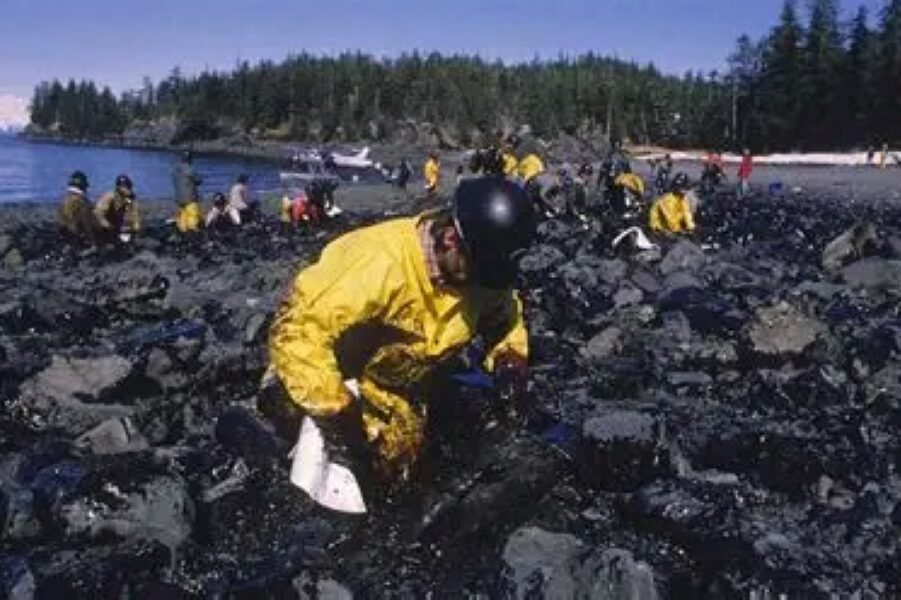
Not every notorious crime connected to the 1980s involved a traditional suspect or courtroom drama. In 1989 the oil tanker Exxon Valdez ran aground in Alaska’s Prince William Sound, releasing millions of gallons of crude oil into the surrounding waters. The environmental damage was immediate and devastating. Coastal wildlife, fishing communities, and fragile ecosystems were suddenly facing one of the worst oil spills in American history.
The accident triggered an enormous cleanup effort involving thousands of workers who spent months trying to remove oil from the shoreline. Investigations later examined the circumstances that led to the disaster, including questions about human error and oversight failures. The legal battles that followed lasted years as courts examined responsibility and damages. Exxon eventually paid billions in cleanup costs and settlements, and the disaster reshaped environmental safety regulations.
10. The Green River Killer Begins

Throughout the 1980s police in Washington State began noticing a troubling pattern involving the disappearance and deaths of several young women. At first the cases appeared separate, but investigators gradually realized they might be connected. The growing list of victims led authorities to suspect that a serial killer was operating in the region. Detectives spent years gathering evidence and interviewing witnesses while the investigation expanded into one of the largest in American criminal history.
During that time the killer remained unidentified and communities struggled with the uncertainty surrounding the case. Years later advances in DNA technology finally helped investigators connect the crimes to Gary Ridgway. In 2003 Ridgway pleaded guilty to dozens of murders and received multiple life sentences. The investigation became one of the most extensive serial murder cases ever handled in the United States.
11. The Brink’s Armored Car Robbery
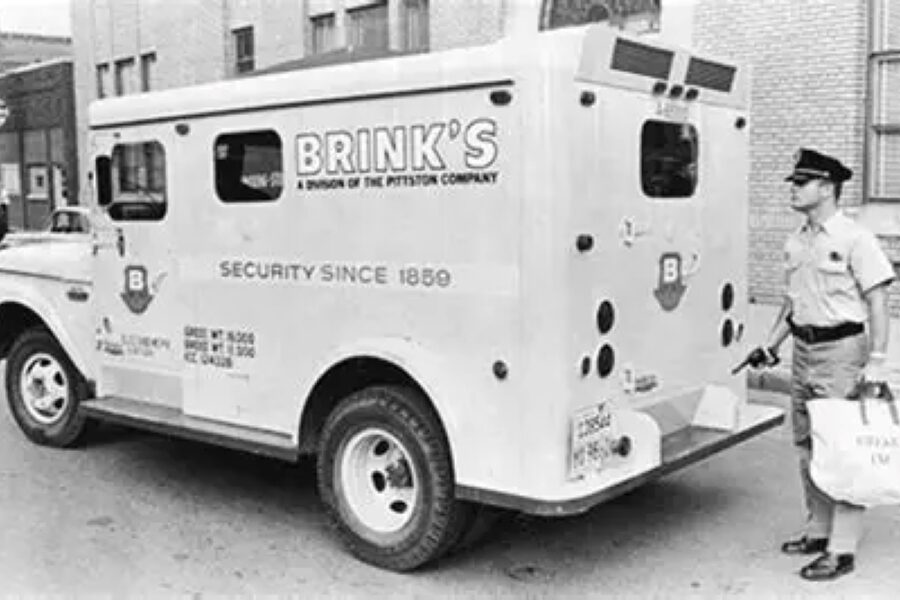
In 1981 a Brink’s armored truck robbery in New York quickly turned violent and shocked the nation. Armed attackers ambushed the vehicle while it was transporting money, killing two police officers and a security guard during the getaway. The robbery was connected to members of a radical political group, which added another layer of attention to the case. Authorities launched a massive manhunt to track down everyone involved.
Investigators eventually arrested several participants connected to the robbery and the broader organization behind it. Trials followed and multiple individuals received long prison sentences. The case became a reminder of how quickly a robbery can escalate into a tragedy that affects families, communities, and law enforcement officers alike.
12. The Murder Of Rebecca Schaeffer
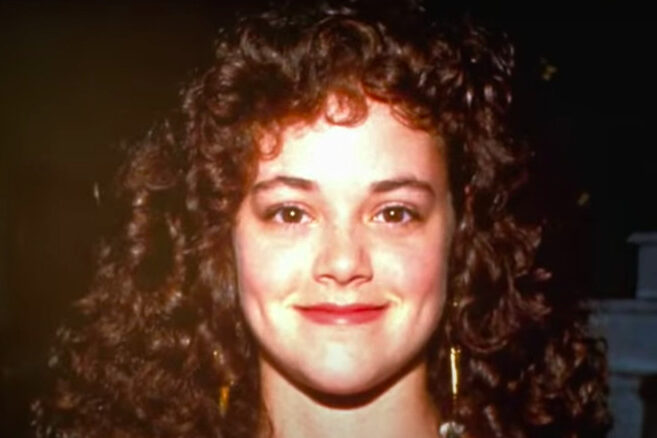
In July 1989 actress Rebecca Schaeffer answered the door of her Los Angeles apartment building expecting a delivery. Instead she was confronted by a man who had been stalking her for months. Moments later he shot her. Schaeffer had been gaining recognition for her role on the television series My Sister Sam, and the crime shocked both fans and the entertainment industry.
Investigators discovered the attacker had obtained her home address through publicly available motor vehicle records. The tragedy sparked outrage and led California lawmakers to pass the first anti stalking law in the United States. Similar laws soon spread to other states, helping protect victims who previously struggled to convince authorities that stalking could become dangerous.
13. The Pizza Bomber Plot
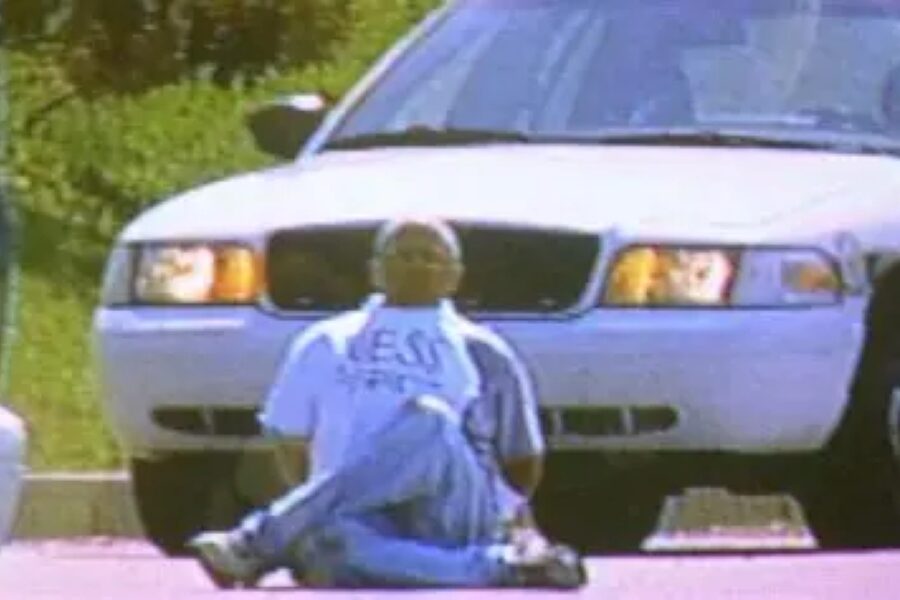
Few criminal cases sound stranger than the story that eventually became known as the pizza bomber plot. The investigation centered on a complicated robbery scheme involving a man forced to wear a locked explosive device around his neck during a bank robbery. The case gained attention because of the bizarre and unsettling details surrounding the plan and the people involved.
As investigators looked deeper, they discovered a tangled conspiracy involving several individuals who believed they could carry out an elaborate robbery. Over time evidence revealed manipulation, betrayal, and greed among the participants. The strange plot ultimately led to criminal convictions for some of those involved and remains one of the most unusual crime investigations connected to the era.
14. The Atlanta Child Murders Investigation
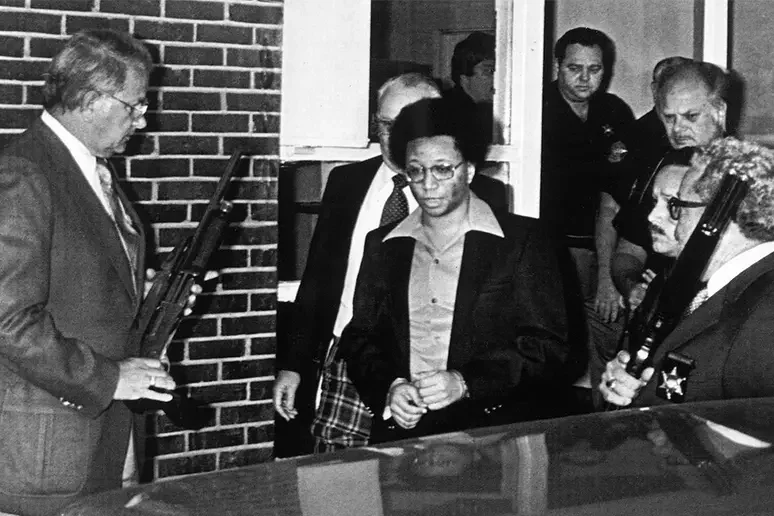
Toward the end of the 1970s and moving into the early 1980s, families in Atlanta began facing a fear that spread quietly from neighborhood to neighborhood. Children and teenagers were disappearing, and in many cases their bodies were later discovered. As the number of victims grew, the city struggled to understand what was happening. Parents kept their children closer than usual, and community leaders demanded answers from investigators who were working under intense pressure. The investigation expanded rapidly as law enforcement followed hundreds of leads and interviewed witnesses across the region.
In 1981 police arrested a man named Wayne Williams after linking him to evidence connected with several victims. Williams was eventually convicted of two adult murders in 1982. Investigators said they believed he was responsible for many of the child killings as well, though debate around the case has continued for years. For many families the investigation left lasting emotional scars. The case also highlighted the challenges police face when large numbers of crimes occur within a short time, and it remains one of the most discussed criminal investigations in American history.
15. The Death Of Nancy Argentino

In 1983 a young woman named Nancy Argentino died in a Pennsylvania hotel room while traveling with professional wrestler Jimmy Snuka. At the time the circumstances surrounding her death were confusing and investigators struggled to determine exactly what had happened. Authorities initially ruled the death accidental after examining the available evidence. However, questions continued to circulate for years, especially among journalists and wrestling fans who wondered whether the investigation had fully explored every possibility.
As time passed, renewed attention brought the case back into the spotlight. Decades later prosecutors reopened the investigation and in 2015 Snuka was charged with third degree murder. The development shocked many people who remembered the case from the 1980s. The legal process moved slowly, and in 2017 the court ruled that Snuka was medically unfit to stand trial because of serious health problems. The charges were dismissed. The long and complicated timeline left many observers reflecting on how difficult it can be to pursue justice when cases stretch across generations.
16. The Miami Cocaine Wars
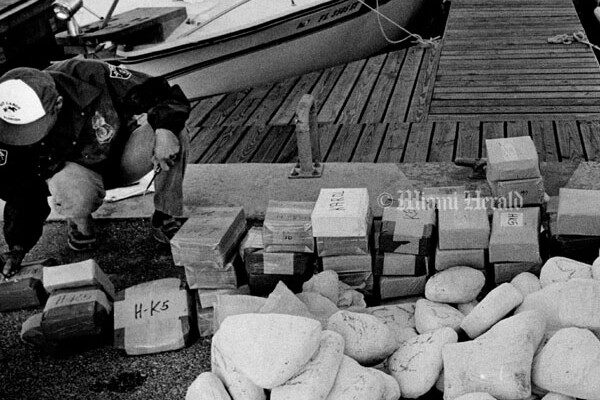
During the early 1980s Miami experienced a wave of violence connected to the rapidly growing cocaine trade. Drug trafficking networks were bringing enormous quantities of narcotics into the United States through South Florida, and rival groups often fought brutally for control of the profits. Shootings in public places, explosive attacks, and organized crime battles became frequent headlines. Residents watched their city change quickly as law enforcement agencies struggled to keep pace with the scale of the trafficking operations.
Federal authorities eventually increased their involvement and launched major investigations aimed at dismantling the criminal organizations responsible for the violence. Large scale arrests and seizures gradually weakened several trafficking networks, and by the end of the decade the level of violence had begun to decline. The period became known as the Miami cocaine wars and remains an important chapter in the history of the American drug trade. It also influenced how law enforcement agencies coordinate efforts when dealing with organized crime that crosses state and national borders.
17. The Murder Of John Lennon’s Assassin
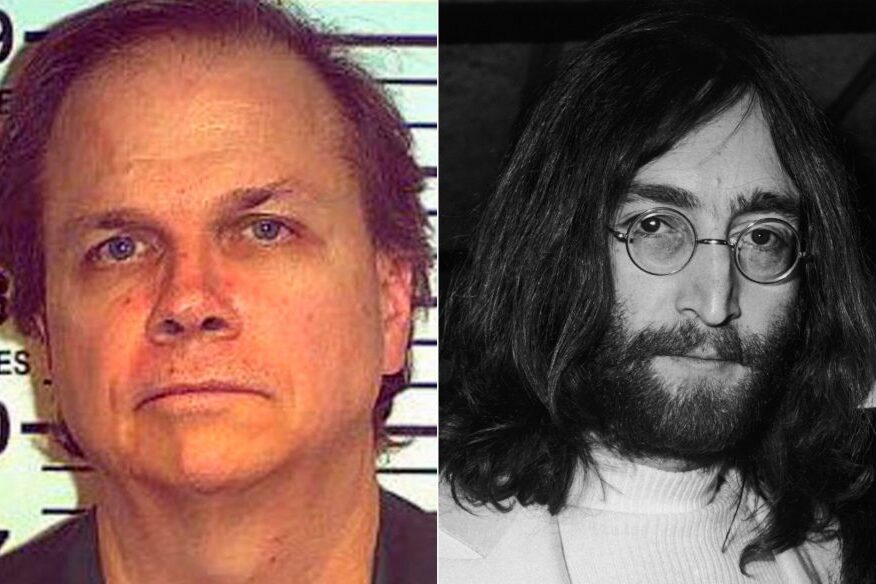
On December 8, 1980 the music world was shaken by news that former Beatles member John Lennon had been shot outside his apartment building in New York City. Fans gathered in disbelief as reports confirmed the beloved musician had died. The man responsible, Mark David Chapman, had been waiting outside the building earlier that evening and fired several shots as Lennon returned home. Police arrested Chapman at the scene, bringing a swift end to the immediate investigation.
During the legal proceedings Chapman chose to plead guilty to second degree murder rather than face a full trial. In 1981 he was sentenced to twenty years to life in prison. Over the decades he has appeared before parole boards numerous times, but his requests for release have consistently been denied. Lennon’s death remains one of the most widely mourned moments in modern music history. The tragedy also raised broader discussions about celebrity safety and how public figures can become targets of unstable admirers.
18. The Hillside Strangler Trial
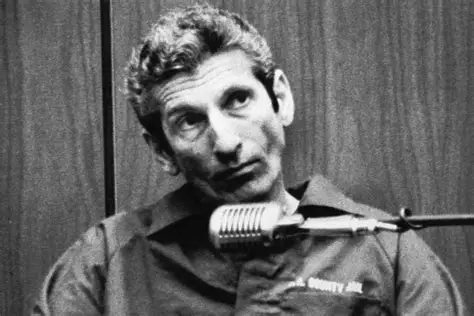
The crimes associated with the Hillside Strangler began in the late 1970s but continued to dominate headlines as the trials unfolded during the early 1980s. Investigators eventually determined that two cousins, Kenneth Bianchi and Angelo Buono, were responsible for a series of murders involving young women in the Los Angeles area. The brutality of the crimes shocked the public and generated enormous attention from both the media and criminal investigators studying the case.
During the legal proceedings Bianchi agreed to cooperate with prosecutors and testify against Buono in exchange for certain considerations. Both men were ultimately convicted and sentenced to life in prison. The case became widely examined by criminologists and psychologists who wanted to understand the motivations and partnership behind the killings. Even decades later the Hillside Strangler case is still referenced when discussing serial crimes carried out by more than one offender working together.
19. The Pizza Hut Hostage Crisis
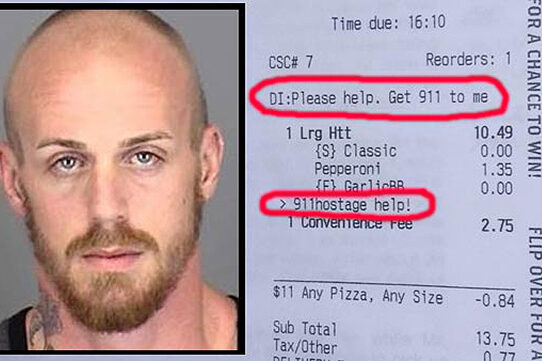
In 1980 what began as a robbery attempt at a Pizza Hut restaurant quickly developed into a tense hostage situation. Customers and employees inside the building suddenly found themselves trapped while police surrounded the area outside. The situation unfolded over several hours as negotiators worked carefully to communicate with the suspect and protect the people inside the restaurant. For those watching the news, the incident was a reminder that even ordinary places like family restaurants could suddenly become scenes of danger.
Law enforcement officers focused on patience and negotiation rather than rushing the situation. Eventually the crisis was resolved and the hostages were released without further loss of life. The suspect was taken into custody and the investigation moved into the courts. Although the event did not receive the same long lasting attention as some other crimes of the decade, it demonstrated how careful negotiation strategies can prevent violent situations from escalating further.
20. The Murder Of Etan Patz
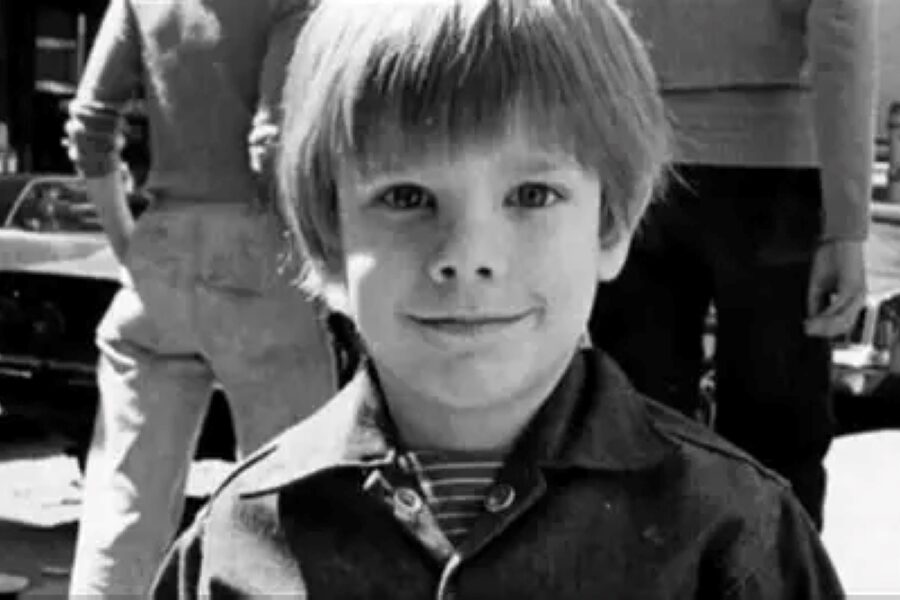
The disappearance of six year old Etan Patz began in 1979 when he walked toward his school bus stop in New York City and never returned home. Throughout the early 1980s the investigation remained one of the most haunting stories in the country. Etan’s photograph appeared widely in newspapers and later on milk cartons as part of a nationwide effort to locate missing children. His case became a symbol of the fear many families felt about children traveling alone in large cities.
For decades investigators continued searching for answers about what happened that morning. In 2017 a man named Pedro Hernandez was convicted of kidnapping and murdering Etan after confessing to the crime years later. The case left a lasting legacy beyond the courtroom. It helped inspire stronger national systems for reporting and investigating missing children and led to the establishment of National Missing Children’s Day in the United States.
21. The Cleveland Torso Murders Revisited
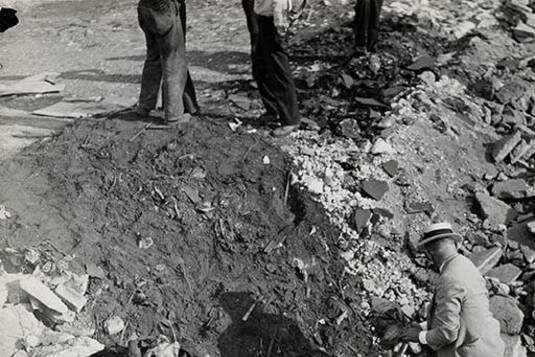
Although the Cleveland Torso Murders originally occurred decades earlier, the case regained attention in the 1980s as investigators and researchers revisited the evidence with fresh curiosity. The crimes had involved victims whose bodies were dismembered, creating one of the most disturbing unsolved mysteries in American criminal history. Writers and detectives returned to the case hoping that new investigative approaches might finally reveal the identity of the killer.
Despite renewed interest and analysis, the mystery remained unsolved. The case continued to fascinate historians and criminologists who studied the evidence and theories surrounding the killings. While no definitive answer has ever been confirmed, the Cleveland Torso Murders remain part of the broader conversation about how certain crimes continue to challenge investigators long after the original investigation has ended.
22. The Reexamination Of The Kitty Genovese Story

The murder of Kitty Genovese occurred in 1964, but the story returned to public attention during the 1980s when researchers began examining the famous case again. Early reports had claimed that dozens of witnesses saw the attack yet failed to intervene. The narrative became widely used in discussions about bystander behavior and social responsibility. Over time, however, journalists and scholars started to question whether the original reports had fully captured what happened that night.
Further investigation suggested the situation had been more complicated than initially reported. Some witnesses had tried to contact authorities or offer help but were not aware of the full circumstances at the time. The renewed examination of the case helped researchers better understand how people react during emergencies. It also reminded the public that early media accounts can sometimes simplify events in ways that later evidence may challenge.


