
1. Henry Winkler Found Life Beyond Fonzie
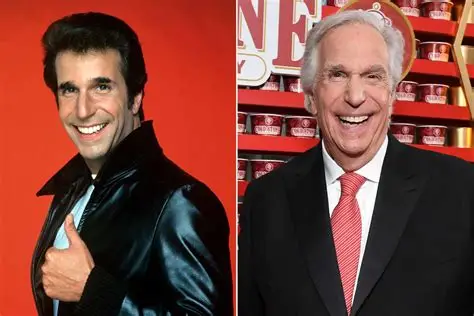
If you grew up watching Happy Days, chances are the first face that pops into your mind is Henry Winkler leaning against a jukebox as Fonzie. The show ended in 1984 after a strong run, and when the lights went down on that familiar Milwaukee world, the cast slowly stepped into new seasons of life. For Winkler, that meant figuring out how to move beyond a character who had become part of pop culture itself. Audiences adored Fonzie so much that many people simply could not imagine him as anyone else. It was flattering but also limiting at first. Winkler stayed patient and slowly began exploring other sides of the entertainment business.
He moved into producing and directing, helping shape television projects behind the camera while continuing to act when the right roles appeared. Years later, he surprised audiences again with roles in shows like Arrested Development and Barry, where viewers saw a completely different side of him. Winkler often speaks warmly about the impact of Happy Days and the affection people still show him decades later. It seems the leather jacket never truly disappeared, but the man who wore it proved he could do much more than anyone expected.
2. Ron Howard Quietly Became One Of Hollywood’s Biggest Directors
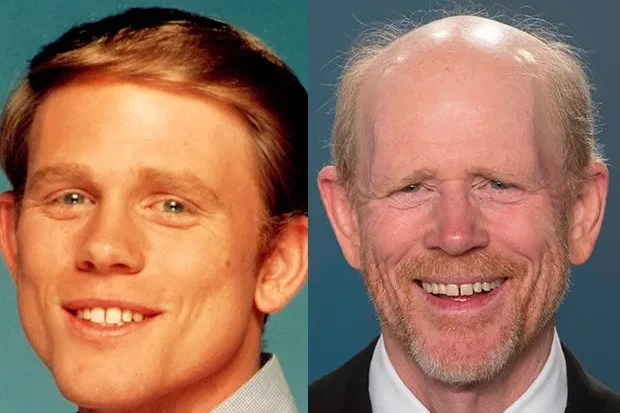
Ron Howard began Happy Days as Richie Cunningham, the polite and thoughtful teenager at the center of the show’s early seasons. Richie represented the everyday kid trying to figure life out while surrounded by friends and family who meant everything to him. During the height of the show’s popularity, Howard was already thinking about another creative path. Acting had been part of his life since childhood, but directing was the dream quietly growing in the background. As the series progressed, he gradually stepped away from his regular role to focus on learning how to tell stories from behind the camera.
That decision turned out to shape the rest of his career. Howard went on to direct films that became major successes, including Apollo 13, A Beautiful Mind, and Frost Nixon. His calm and thoughtful personality translated well into leadership on film sets. Over the years he earned awards, respect from fellow filmmakers, and a reputation as one of Hollywood’s most dependable directors. Looking back now, it is interesting to remember that one of the biggest names in filmmaking once played the shy teenager who simply wanted a good night out at Arnold’s.
3. Marion Ross Became Television’s Favorite Mom Everywhere
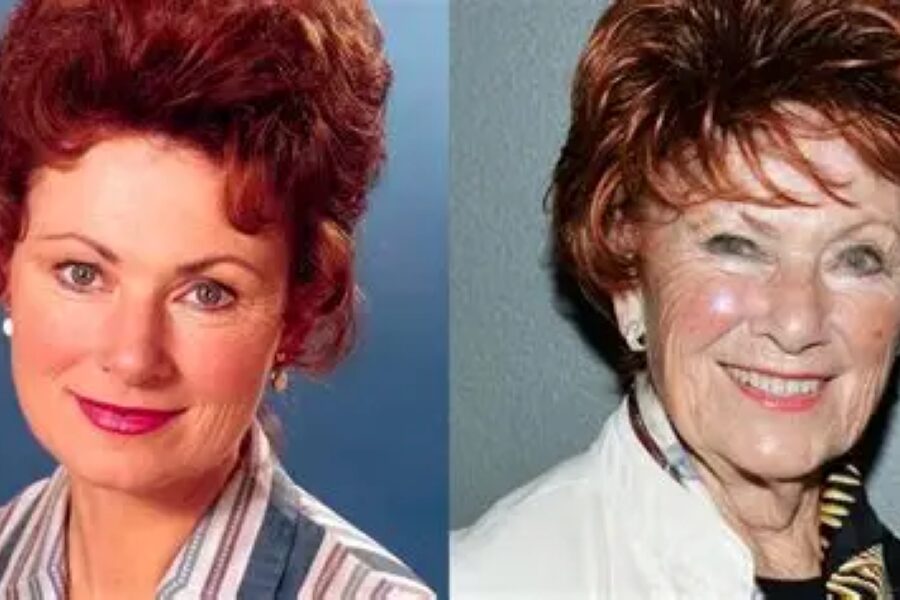
Marion Ross brought a special warmth to Happy Days as Marion Cunningham, the kindhearted mother who quietly held the family together. While many sitcom moms were written as background characters, Ross gave Marion a gentle presence that made her feel real and comforting. Viewers believed in her calm voice and thoughtful advice. After the show ended, Ross did not slow down at all. Acting had already been part of her life for decades before Happy Days came along, so she simply continued doing what she loved.
Over the years she appeared in many television shows, including Brooklyn Bridge, Gilmore Girls, and That ’70s Show. Each role carried a familiar sense of warmth that audiences recognized instantly. Ross often spoke about how grateful she felt to be part of a series that meant so much to viewers. She attended reunions, fan gatherings, and interviews where she reflected fondly on the experience. Even as new generations discovered the show through reruns and streaming, Ross remained one of the most beloved figures connected to it. For many fans, she still represents the comforting heart of that television family.
4. Tom Bosley Stayed Busy Playing Father Figures
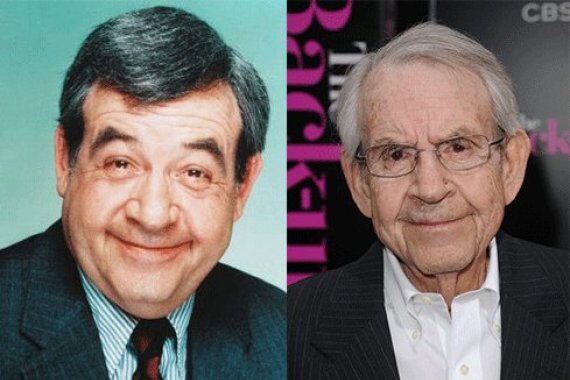
Tom Bosley played Howard Cunningham, the steady father who tried to keep order in a household full of lively personalities. His calm voice and thoughtful expressions made him feel like the kind of parent everyone wished they had. Bosley had already built a strong acting career before Happy Days began, including theater performances and television appearances. That experience helped him bring a natural confidence to the role. When the show ended, he continued acting without missing a step.
One of his most memorable later roles came in Father Dowling Mysteries, where he played a priest who helped solve crimes in his community. The character allowed Bosley to continue portraying thoughtful authority figures that audiences trusted. He also returned to the stage from time to time, reconnecting with the theater work that had shaped his early career. Bosley remained active in the industry for many years, always carrying the same steady charm viewers remembered from the Cunningham living room. When fans think about classic television fathers, his name almost always finds its way into the conversation.
5. Anson Williams Built A Second Career Behind The Camera
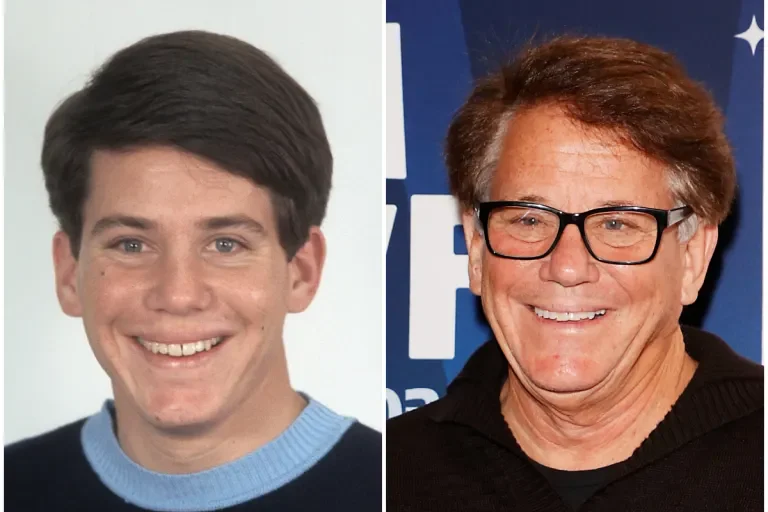
Anson Williams played Potsie Weber, the cheerful friend who often found himself singing at Arnold’s Drive In with the band. Potsie brought an easygoing energy to the group, and his musical moments became part of the show’s charm. After Happy Days wrapped up, Williams made a choice that surprised some fans. Instead of chasing another acting role, he began exploring opportunities behind the camera. The shift opened a completely different chapter in his career.
Williams eventually became a television director, working on several popular series including Beverly Hills 90210, Melrose Place, and Sabrina the Teenage Witch. Directing allowed him to stay deeply involved in storytelling while guiding entire productions. Over time he developed a strong reputation for professionalism and creativity on set. While viewers still remember him as the friendly singer from the show, his work behind the camera became an equally important part of his legacy. Sometimes the quietest members of a cast end up shaping the industry in ways audiences never fully see.
6. Don Most Followed His Love Of Music
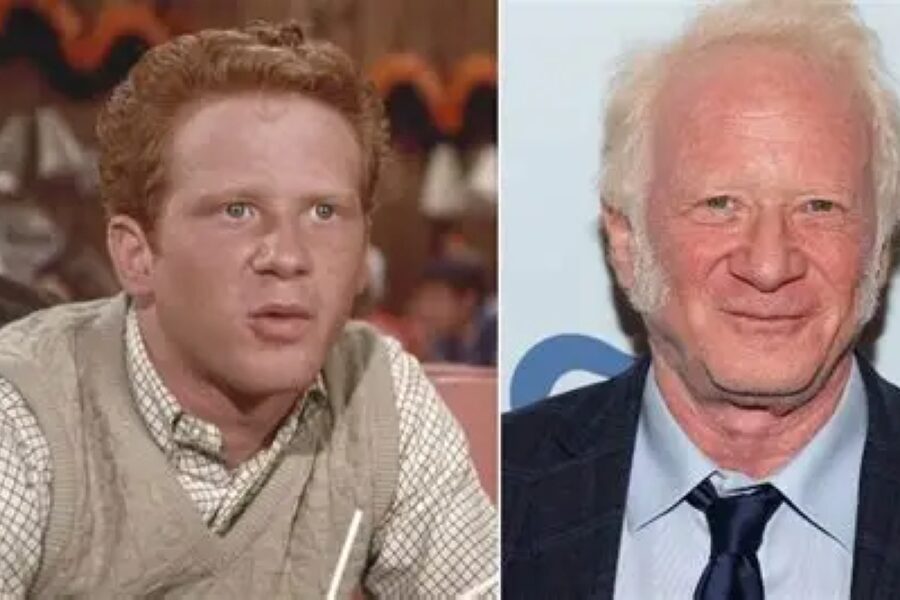
Don Most played Ralph Malph, the quick witted friend who always had a joke ready whenever the group gathered together. Ralph’s humor added a playful spark to many scenes, making him one of the more memorable characters in the show’s circle of friends. After the series ended, Most continued acting for a while but eventually turned more attention toward something he had always loved. Music became a major focus of his life.
Most began performing as a jazz and swing singer, focusing on classic songs from the American songbook. His smooth vocal style matched the nostalgic spirit of the era that Happy Days celebrated. Fans who attend his performances often describe the atmosphere as relaxed and reflective, almost like stepping back into another time. Between songs he sometimes shares stories about filming the series and the friendships formed during those years. Ralph Malph may have been known for punchlines, but Don Most ultimately found a lasting rhythm through music and live performance.
7. Erin Moran Faced A Harder Road After The Spotlight
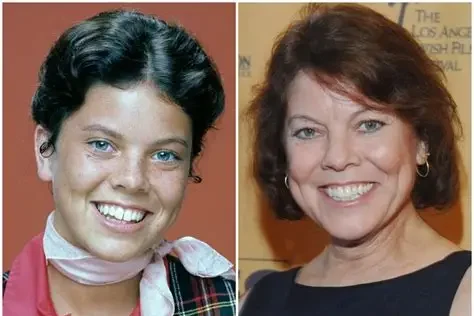
Erin Moran joined Happy Days as Joanie Cunningham, Richie’s younger sister who gradually grew into a central character. Viewers watched Joanie mature over the years, and her relationship with Chachi eventually led to the spin off series Joanie Loves Chachi. For a while Moran seemed positioned for a long career in television. However, life after the series proved more complicated than many expected.
As the television landscape changed, steady acting opportunities became harder to find. Moran spoke openly in later interviews about the challenges of adjusting to life outside the spotlight after growing up on screen. Like many performers who begin their careers as children, she had to navigate adulthood while carrying the memories of early fame. Moran passed away in 2017 at the age of fifty six, leaving behind a legacy tied closely to the cheerful world of Happy Days. For many viewers who grew up with the show, she will always be remembered as Joanie, the younger sister who slowly found her own voice.
8. Scott Baio Stayed In Television For Years
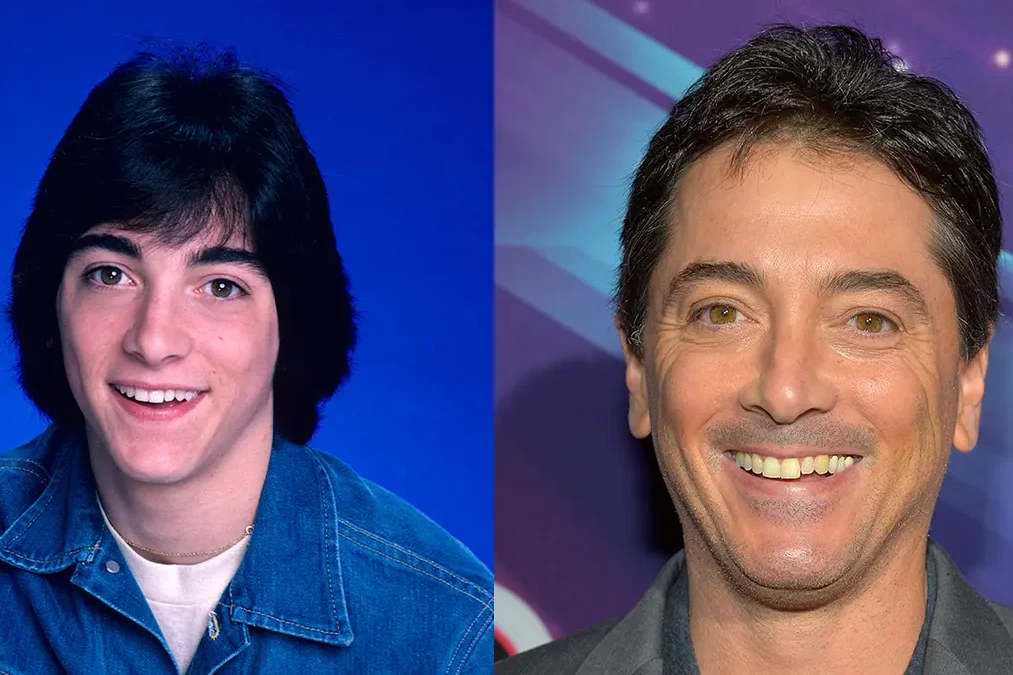
Scott Baio joined Happy Days as Chachi Arcola and quickly became a favorite among viewers. His character brought youthful energy and charm, especially through the storyline that connected him with Joanie Cunningham. The pair became one of television’s most recognizable young couples during the later seasons of the show. After Happy Days came to an end, Baio continued building a career in television.
One of his biggest roles came in the sitcom Charles In Charge, where he played a college student working as a live in babysitter for a family. The show introduced him to another generation of viewers and kept his presence on television strong through the late nineteen eighties. Baio later appeared in various television projects and public appearances, maintaining a steady connection with the industry. His career shows how some actors manage to carry their early popularity into new opportunities while staying familiar to longtime fans.
9. Pat Morita Became A Film Legend In His Own Right
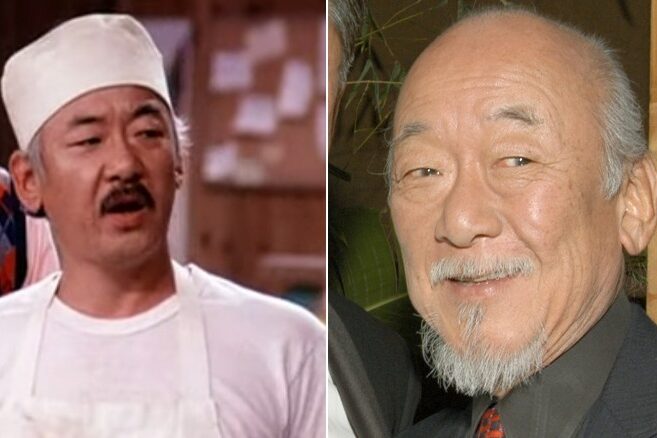
Pat Morita appeared on Happy Days as Arnold, the friendly owner of the drive in where the gang spent much of their time. Though the role was not the largest in the series, Morita’s natural comedic timing made the character memorable. His biggest career moment arrived a few years later when he starred as Mr Miyagi in the film The Karate Kid. The performance surprised many viewers who had only seen him in comedic roles.
Morita brought warmth, patience, and wisdom to the character, turning Mr Miyagi into one of the most beloved mentors in movie history. His performance earned him an Academy Award nomination and introduced him to a worldwide audience. The journey from sitcom regular to respected film actor became one of the most interesting paths connected to the Happy Days cast. For fans who remember him at Arnold’s Drive In, watching his success in film felt like seeing a familiar face reach an entirely new level.
10. Al Molinaro Stayed Linked To The Show’s Nostalgia
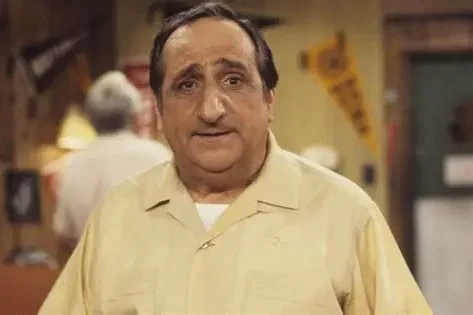
Al Molinaro joined the series as Al Delvecchio, the later owner of Arnold’s Drive In who often reacted to the gang’s antics with humorous frustration. His expressive personality added another layer of charm to the diner scenes that fans loved. After Happy Days ended, Molinaro appeared in a few television projects but gradually stepped away from acting.
Instead of chasing more roles, he seemed comfortable letting the series remain the highlight of his career. Molinaro occasionally participated in reunions and interviews where he shared stories from the show’s production years. Those appearances reminded fans just how much the diner scenes contributed to the series’ relaxed atmosphere. Sometimes a character becomes so closely tied to a beloved show that audiences remember them exactly where they first met them. For Molinaro, that place was behind the counter at Arnold’s.
11. Lynda Goodfriend Built A Quiet Television Career
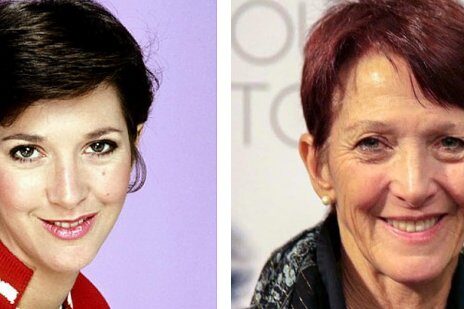
Lynda Goodfriend joined Happy Days as Lori Beth, the thoughtful and gentle character who eventually married Richie Cunningham. Her presence added a softer tone to the later seasons, especially as the series explored the characters’ adult lives. After the show ended, Goodfriend continued acting for several years, appearing in television projects and voice roles.
Eventually she shifted toward teaching and coaching actors, helping younger performers develop their craft. Many actors reach a point where sharing experience becomes just as meaningful as performing. Goodfriend embraced that path and became involved in guiding others through the challenges of acting. Her time on a well known series gave her valuable insight into the industry. While she may not have remained constantly in front of cameras, her connection to the craft of storytelling continued in a quieter but meaningful way.
12. The Cast Stayed Connected Through A Shared Legacy
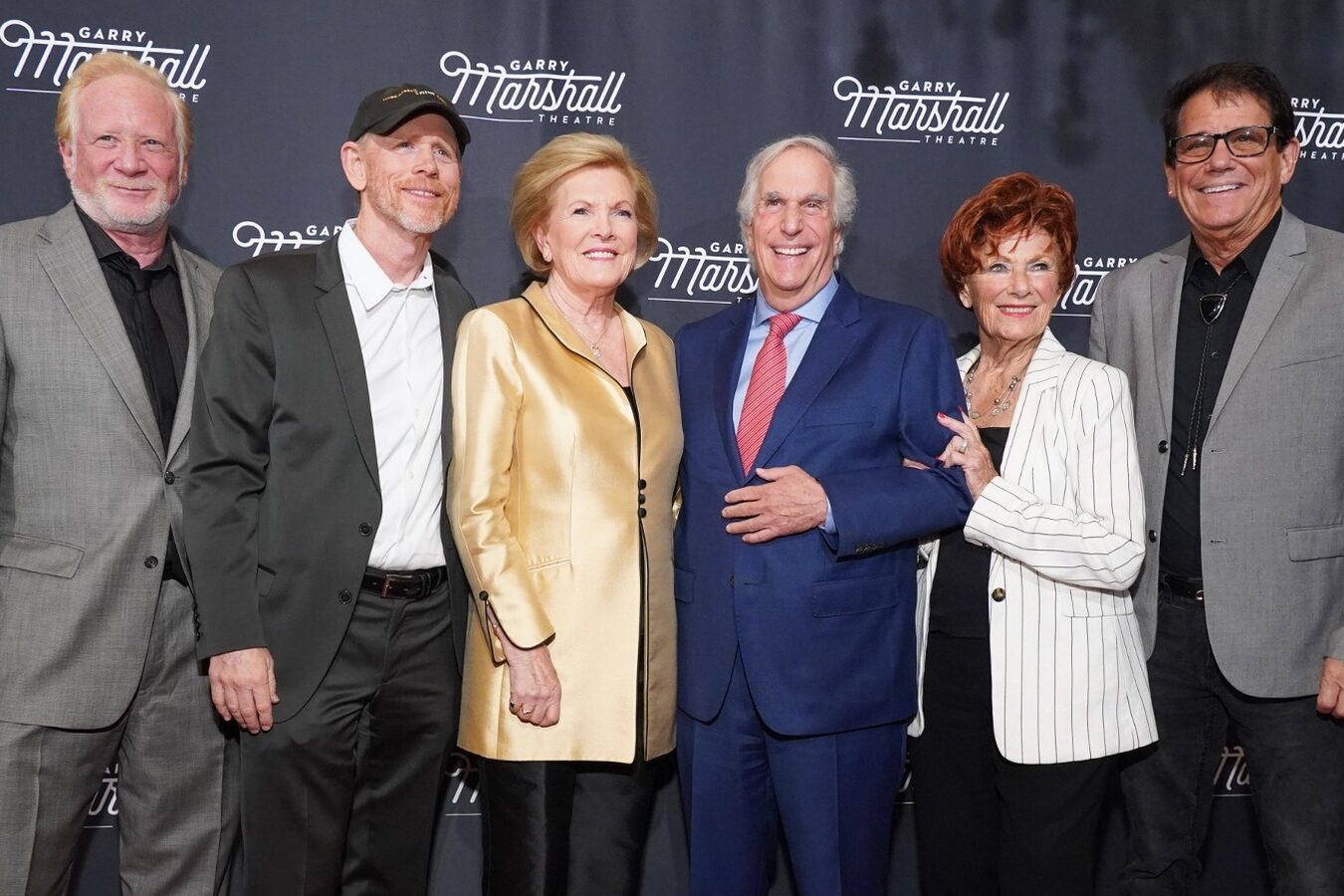
Decades after Happy Days aired its final episode, the cast members still find themselves brought together by the show’s lasting popularity. Reunions, interviews, and fan gatherings often bring familiar faces back into the same room. When Henry Winkler, Ron Howard, Anson Williams, and Don Most share memories, the conversations usually return to those early days filming in front of a live audience.
What stands out most is the genuine affection they still express for one another. Not every television cast stays connected after a series ends, but this group often speaks about the experience as something special. The show continues to reach new viewers through reruns and streaming platforms, introducing younger audiences to that simple Milwaukee world. In many ways the story of the cast reflects the spirit of the show itself. Life moves forward, people grow in different directions, yet the memories remain warmly connected to those happy days.


