
1. The La’s And The Album That Froze In Time
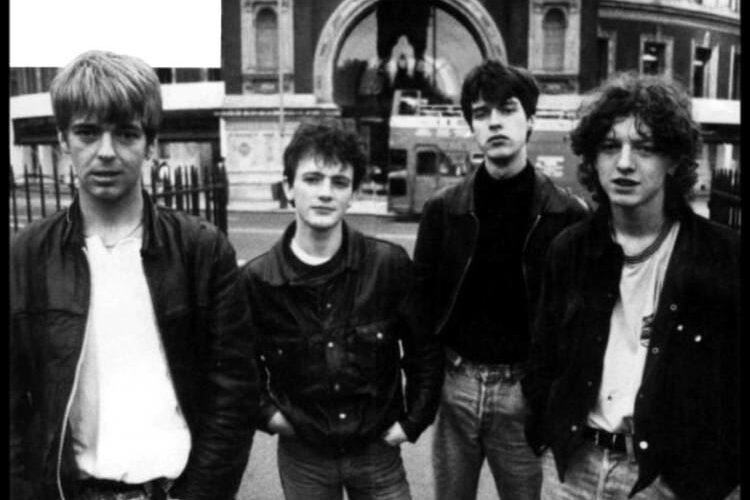
It is important to note that “Not every band in this list was meant to last.” Some were massive for a moment, defined by one album, one sound, or one brief cultural wave. However, every music fan remembers hearing a band for the first time and thinking they were about to be everywhere for years. In the late eighties and early nineties, The La’s felt like one of those bands. Their debut album arrived in 1990 with bright guitars and melodies that sounded effortlessly timeless. The song There She Goes in particular seemed to float everywhere. It was soft, romantic, and simple in a way that made it instantly memorable. People assumed the band was only getting started. For a brief moment it felt like they had stepped into the spotlight at exactly the right time and were ready to build something lasting.
Instead, the story stopped almost as quickly as it began. The band never released a second studio album, partly because frontman Lee Mavers was famously dissatisfied with how the record sounded. He continued chasing the perfect version of the music in his head, but fans were left with the version already out in the world. Over time the album grew even more beloved. New listeners still discover it and wonder why the band never followed it up. In many ways the record feels frozen in that one perfect moment when everything briefly aligned.
2. The Stone Roses And A Debut That Became Legend
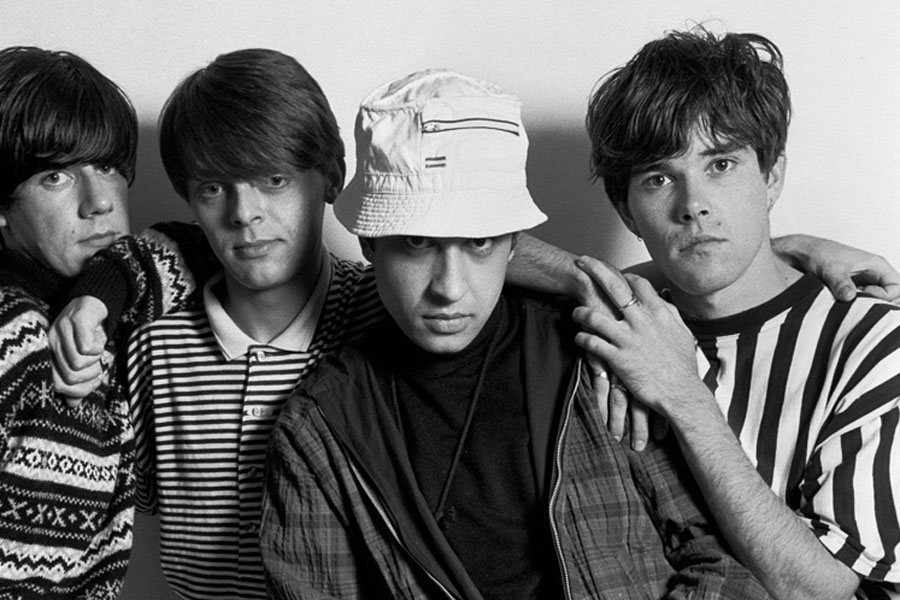
The Stone Roses released their self-titled debut album on May 2, 1989, and it quickly became a cornerstone of the “Madchester” movement. Critics and fans alike praised the record for its seamless blend of 1960s psychedelic pop and modern dance rhythms. While some skeptics argue the band was “too good to follow up,” the reality is that their first album set an impossibly high standard for the British indie scene. Tracks like “I Wanna Be Adored” and “Fools Gold” defined an era, and despite the long five-year wait for their second effort, Second Coming in 1994, the brilliance of their debut remains a marvel from start to finish.
The intense adoration for this debut often overshadows the complex legal battles and internal pressures the band faced during the early 1990s. While some believe the band was “massive” only in a relative sense, the numbers tell a different story; the debut album eventually went 4x Platinum in the UK. Even though their momentum slowed down after the 1990 Spike Island concert, the band’s influence on Britpop and groups like Oasis is undeniable. They weren’t just a product of industry hype or airplay; they were a genuine cultural phenomenon that proved some musical masterpieces are simply difficult to replicate a second time around.
3. Elastica And The Britpop Album That Burned Fast
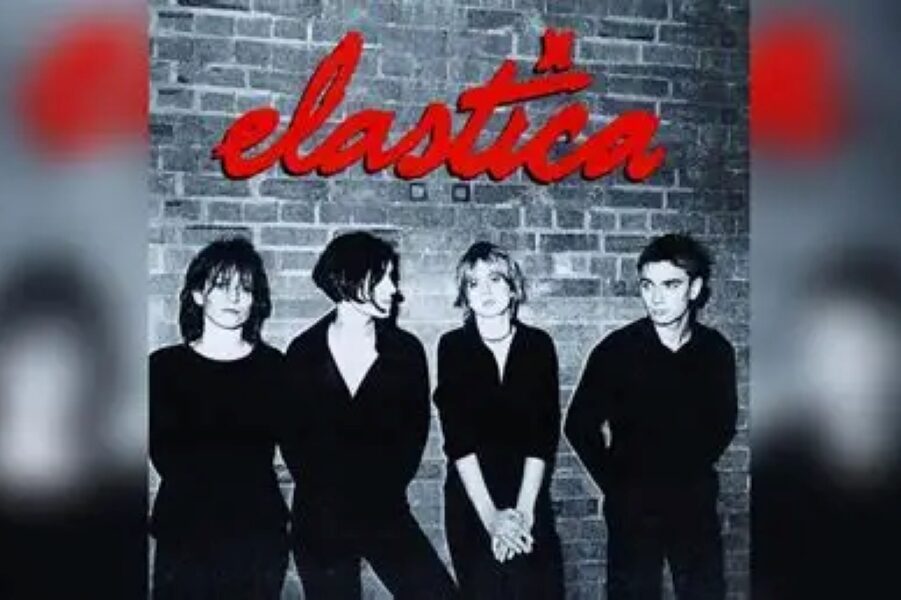
In the middle of the Britpop wave, Elastica arrived with a sound that felt sharp, playful, and fearless. Their 1995 debut album was packed with short songs that moved quickly but stayed in your head long after they ended. The single Connection became one of the most recognizable songs of that era. With its punchy guitar riff and confident delivery, it felt like the band had stepped straight into the cultural conversation of the moment. The album sold rapidly and critics praised its attitude and simplicity. For a while it seemed obvious that Elastica would remain a defining part of the scene.
Success, however, arrived faster than the band was ready for. Legal disputes over similarities between riffs and older songs created unwanted attention. At the same time the sudden fame placed enormous pressure on the group. Recording new material took longer than expected and the momentum slowly faded. By the time another album appeared years later, the cultural moment had shifted. Many fans still return to that first record because it perfectly captures the restless excitement of the mid nineties. It remains a snapshot of a band that burned bright for a short time.
4. The Seahorses And The Britpop Project That Ended Early
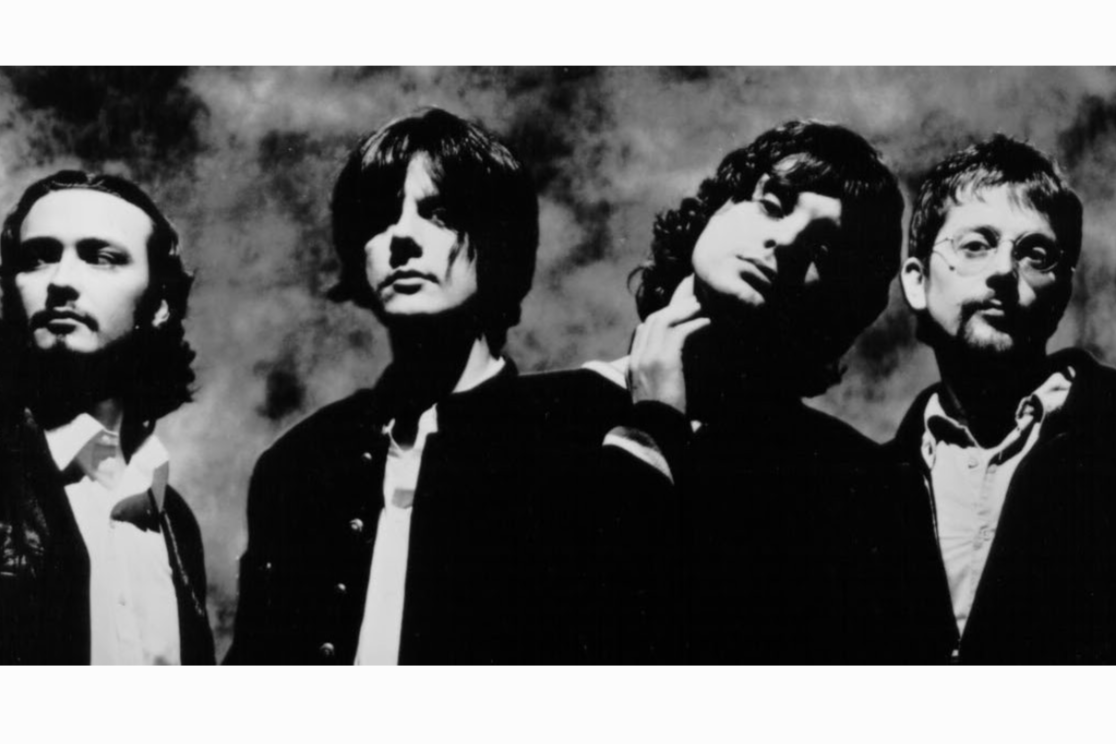
When guitarist John Squire left The Stone Roses, fans wondered what his next move would be. The Seahorses became that next chapter, and their debut album Do It Yourself arrived in 1997 surrounded by curiosity and anticipation. The record featured confident guitar work and songs that sounded ready for festival stages. Tracks like Love Is the Law quickly climbed the charts and helped introduce the band to a wide audience. For many listeners it felt like the beginning of another important British rock group that might continue the spirit of the earlier Britpop years.
Behind the scenes the story was less stable. Personality clashes and creative disagreements slowly pulled the group in different directions. The band began working on new material but the relationships within the group were already weakening. Before a second album could truly take shape, the project quietly dissolved. Looking back, the debut record feels like a brief window into what might have been a longer career. Fans who revisit the album often hear strong songwriting and wonder how the band might have evolved if the chemistry had lasted just a little longer.
5. The Buggles And The Prophecy Of Video Music
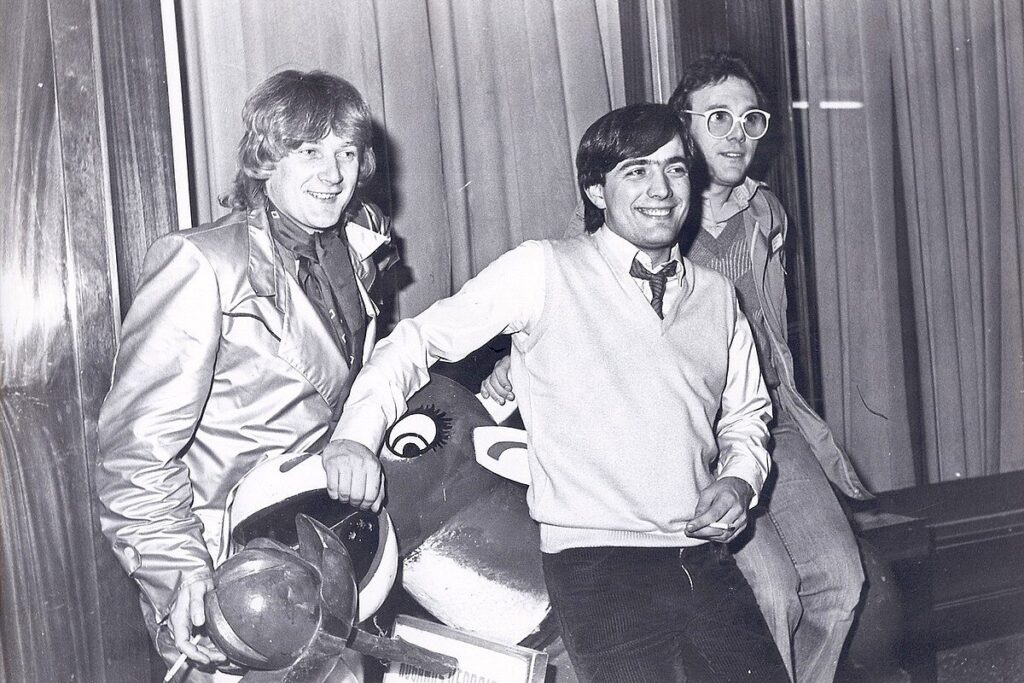
Sometimes a band becomes famous not only for its music but also for the strange timing of its biggest moment. The Buggles released their album The Age of Plastic in 1980 with a polished electronic sound that felt futuristic for the time. The song Video Killed the Radio Star stood out immediately. Its playful lyrics and layered production hinted at a changing music world where visuals would soon become as important as the songs themselves. Listeners enjoyed the track, but few realized how symbolic it would soon become.
A year later the music television channel MTV launched, and that same song became the first music video the network ever played. Suddenly the track felt almost prophetic. Ironically the band itself did not stay together long enough to fully ride that wave. Members Trevor Horn and Geoff Downes moved into other projects and production work soon after. Horn especially became one of the most influential producers of the following decades. Meanwhile the band that predicted the video era faded quietly into music history, remembered mostly through that single iconic moment.
6. The Remains And The Garage Rock Album That Almost Got Lost
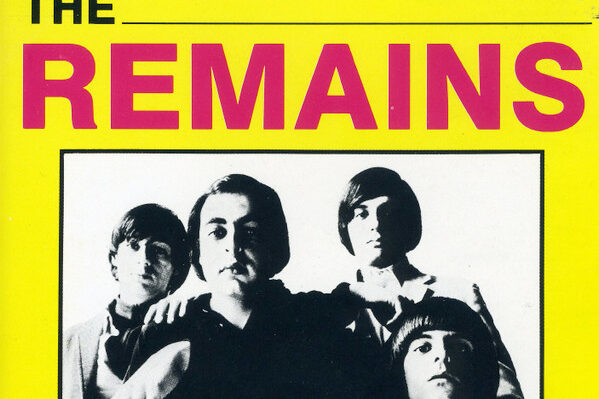
During the mid nineteen sixties, The Remains looked like they were about to step into national fame. They had built a strong following in Boston and their energetic performances caught the attention of television producers. The band appeared on The Ed Sullivan Show and even opened for The Beatles during part of the legendary 1966 American tour. Moments like that usually signal a band on the rise. Their self titled album arrived that same year with raw guitars and energetic songs that captured the garage rock spirit of the time.
Yet the momentum did not last as long as many expected. The group broke up shortly after the album’s release, leaving the record without a chance to grow with a touring band behind it. For years it quietly faded from the mainstream conversation. Later generations of music fans rediscovered it and began appreciating its straightforward energy and songwriting. Today many collectors and critics consider the album an overlooked gem from the sixties rock scene. It remains a reminder that some bands come very close to lasting fame before the story suddenly changes direction.
7. Temple Of The Dog And A Supergroup Moment That Never Repeated
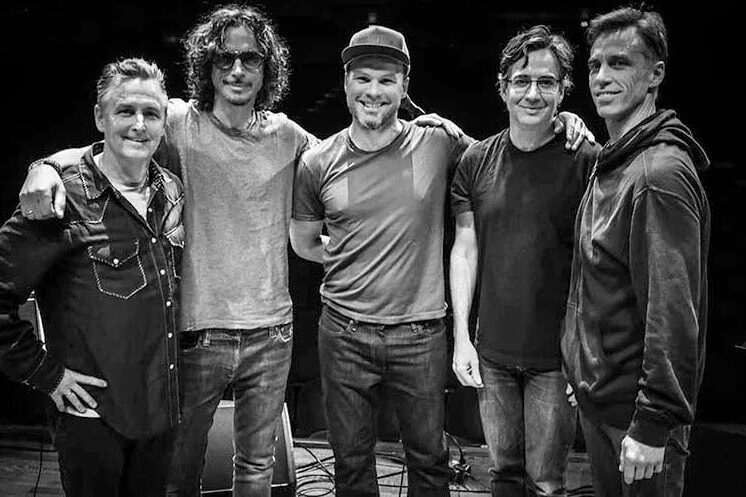
Temple of the Dog was a profound tribute project formed in Seattle in 1990 by Chris Cornell of Soundgarden. The group served as a memorial to his late friend, Andrew Wood, the lead singer of Mother Love Bone. While some critics dismiss 1990s bands as “average” or products of A&R marketing, this specific collective featured future members of Pearl Jam, including Eddie Vedder. Their sole self-titled album was released on April 16, 1991, through A&M Records. It wasn’t an immediate commercial juggernaut, but it gained massive popularity a year later as the “Seattle Sound” began to dominate the global mainstream music charts.
The criticism that these bands only received airplay due to “payola” or industry bigwigs often ignores the organic grassroots movement that fueled the grunge era. Temple of the Dog’s success was driven by the emotional depth of songs like “Hunger Strike” and “Say Hello 2 Heaven,” which resonated deeply with a generation of listeners. Although the band was never intended to be a long-term project, their 1991 release remains one of the most respected albums of the decade. It wasn’t just about finding the “next big thing”; it was about a group of musicians creating art out of grief, resulting in a timeless record that still sells today.
8. Young Marble Giants And Quiet Minimalism
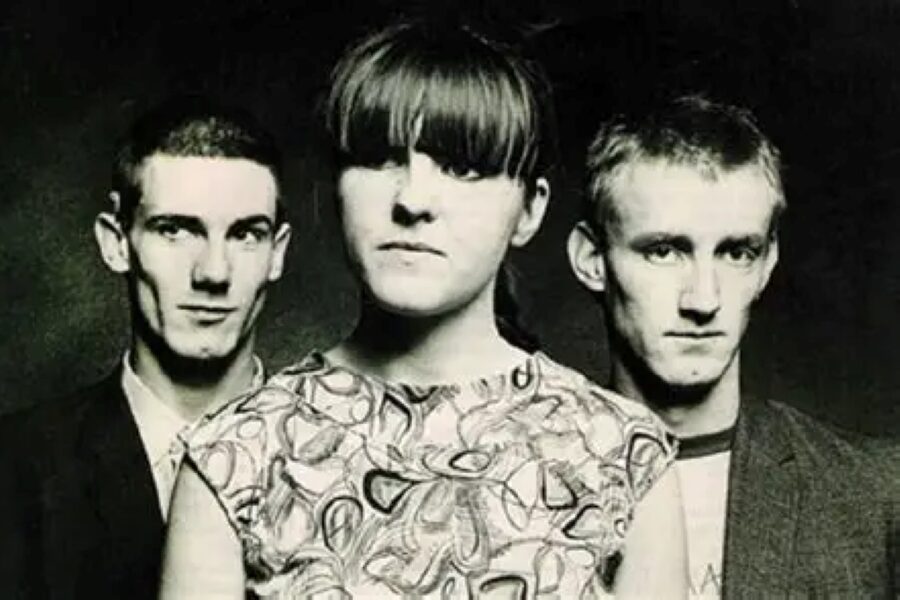
In the late nineteen seventies and early eighties many post punk bands experimented with loud sounds and bold stage presence. Young Marble Giants took a very different path. Their album Colossal Youth, released in 1980, felt calm and restrained. The songs used minimal instrumentation and simple rhythms, allowing the gentle vocals to carry the emotional weight. At first some listeners did not know what to make of such quiet music in a scene known for energy and intensity. Yet others found the simplicity refreshing.
The band did not remain together long enough to build a large catalog of recordings. Even so that single album slowly gained admiration from musicians and listeners who appreciated its honesty. Over the years many indie artists have pointed to it as an example of how powerful understated music can be. Instead of overwhelming the listener, the songs invite quiet reflection. Today Colossal Youth still sounds surprisingly modern. Its gentle approach reminds people that sometimes a whisper can carry farther than a shout in the world of music.
9. The New Radicals And The Pop Album That Appeared Then Disappeared

In the late nineteen nineties a bright, energetic pop rock song suddenly seemed to be everywhere. You Get What You Give by The New Radicals carried a hopeful message wrapped in piano driven pop and confident vocals. The song came from the 1998 album Maybe You’ve Been Brainwashed Too. It quickly climbed charts and introduced listeners to a band that sounded thoughtful but still radio friendly. The album mixed upbeat melodies with lyrics that quietly commented on fame, society, and growing up. Many listeners assumed this was only the beginning for the group and expected another album to follow soon.
Instead the project ended almost immediately after its success. Frontman Gregg Alexander decided he was not comfortable living inside the constant pressure of fame and promotion. Rather than continue touring and recording under the band name, he stepped away and focused on writing and producing music for other artists. The sudden disappearance surprised fans who had just discovered the band. Over time the album became a nostalgic favorite for listeners who remember the late nineties pop landscape. Maybe You’ve Been Brainwashed Too remains the single full album from The New Radicals, a brief moment when one record carried an entire band’s legacy.
10. Neutral Milk Hotel And A Cult Classic That Grew Slowly
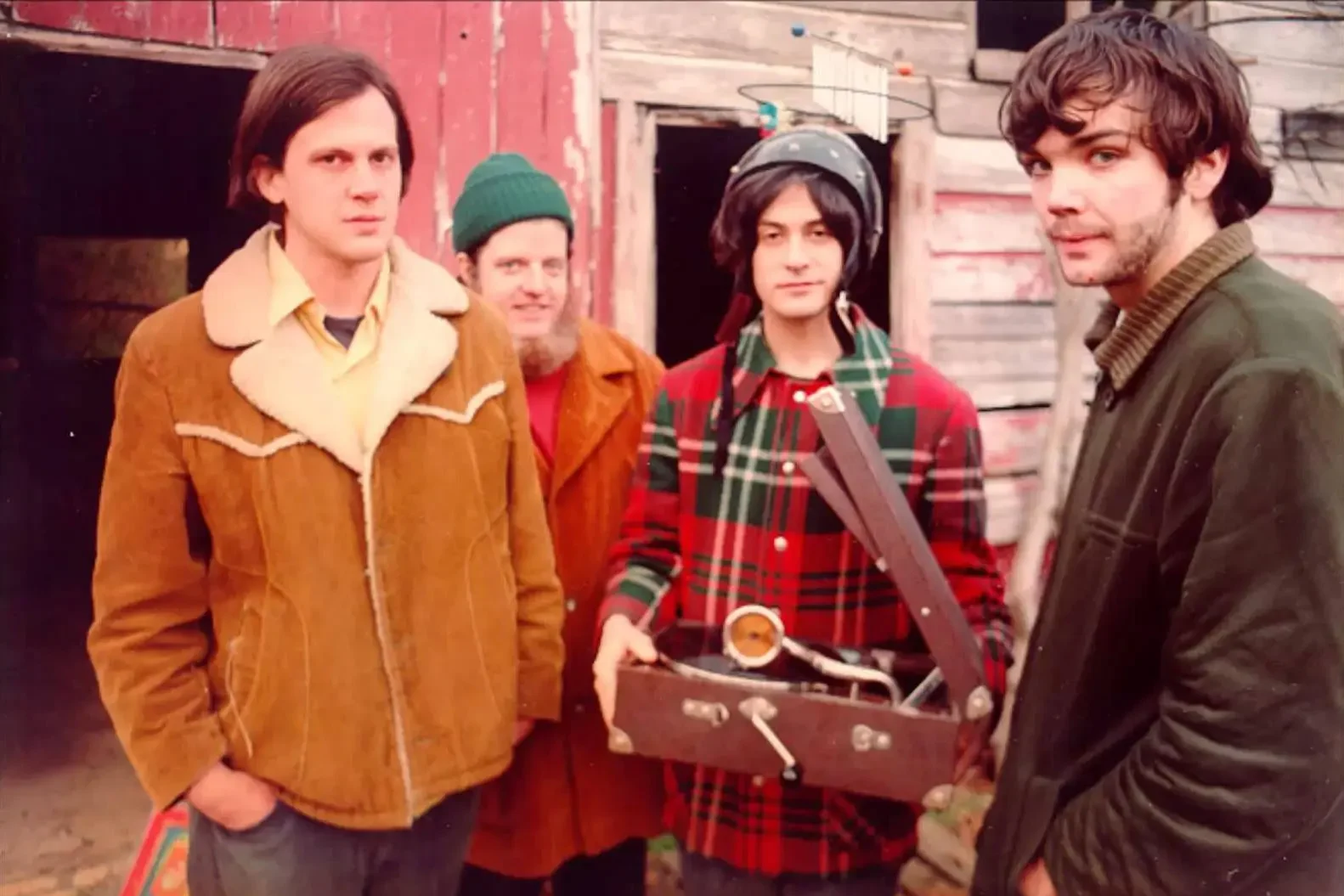
Neutral Milk Hotel released In the Aeroplane Over the Sea in 1998, and at first it did not feel like a mainstream breakthrough. The album contained unusual lyrics, raw vocals, and arrangements that sounded almost handmade. Yet listeners who connected with it often felt deeply moved by its sincerity. Slowly the record began traveling from person to person through recommendations, late night listening sessions, and college radio stations. Instead of rising quickly on charts, it grew steadily through word of mouth.
Shortly after the album’s release, frontman Jeff Mangum stepped away from public life and the band stopped performing regularly. That quiet disappearance only deepened the mystique surrounding the record. Over time it became one of the most beloved cult albums in indie music. New generations of listeners continue to discover it and feel the same strange connection that earlier fans felt. The story of Neutral Milk Hotel shows how an album can quietly build its legacy even when the band itself fades from the spotlight.
11. The Sex Pistols And The Album That Shook Punk
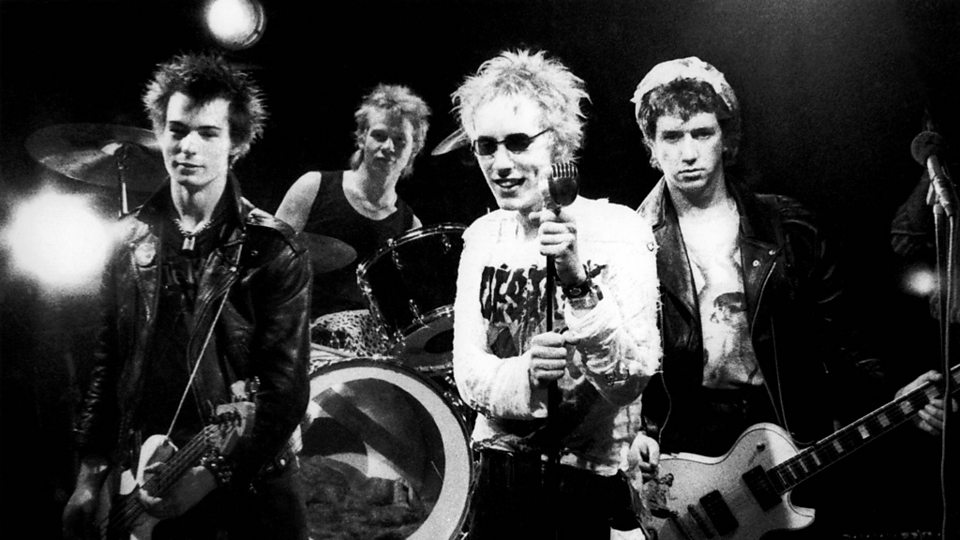
By the mid nineteen seventies, rock music had grown polished and theatrical, and some young listeners were ready for something rougher. The Sex Pistols arrived right at that moment with a sound that felt raw and confrontational. Their 1977 album Never Mind the Bollocks, Here’s the Sex Pistols captured that energy perfectly. Songs like Anarchy in the U.K. and God Save the Queen sounded less like polished radio hits and more like a protest shouted through amplifiers. The band’s attitude stirred controversy everywhere they went, but it also connected with listeners who felt the same frustration and restlessness.
The band itself did not last long. Internal arguments, media pressure, and constant controversy pushed the members apart soon after the88i9 album appeared. Even with such a short lifespan, that one record sparked something much bigger. Punk scenes began appearing across Britain, the United States, and beyond. Young musicians realized they did not need perfect technique or huge budgets to make powerful music. Looking back now, the album still feels like the sound of a door being kicked open.
12. The Knack And The Power Pop Album Everyone Remembered
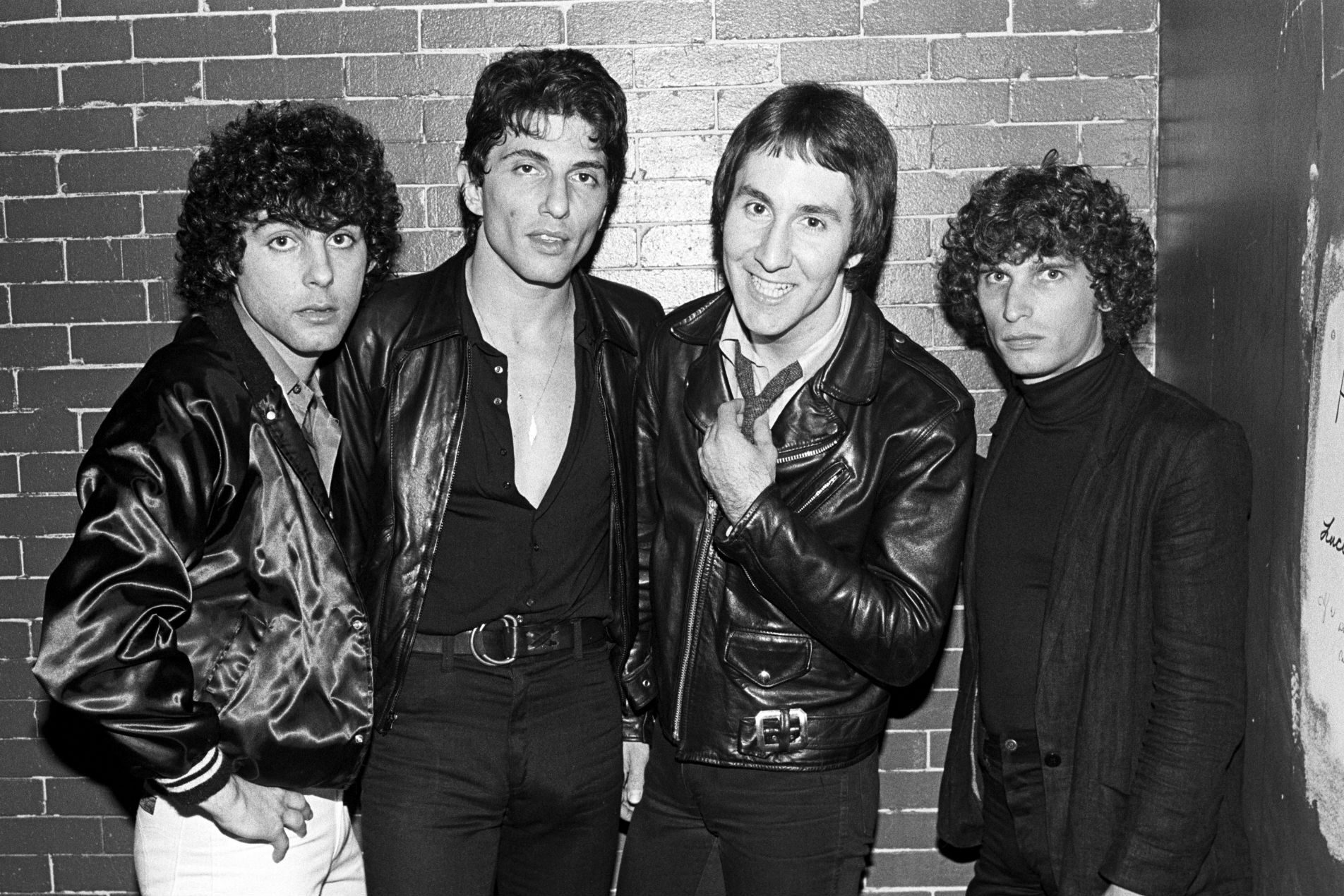
In the summer of 1979 a bright, punchy rock song suddenly seemed to pour out of every radio station. My Sharona by The Knack arrived with a driving beat and a guitar riff that was impossible to ignore. The song came from the band’s debut album Get the Knack, which quickly became one of the fastest selling debut records of its time. The band’s clean power pop sound reminded some listeners of earlier British invasion groups, but it also felt fresh for the late seventies. Fans responded immediately and the album climbed the charts while the band found themselves playing to packed crowds.
Following such explosive success turned out to be far more difficult than reaching it. The band released additional albums, but none captured the same cultural moment that surrounded their debut. Critics and changing trends in rock music slowly pushed the group away from the spotlight they had briefly held. Still, Get the Knack remains a record people return to whenever My Sharona comes on the radio. The album captures the excitement of a band that arrived suddenly and filled the airwaves with one unforgettable sound before the moment quietly passed.
13. The Postal Service And A Project That Surprised Everyone
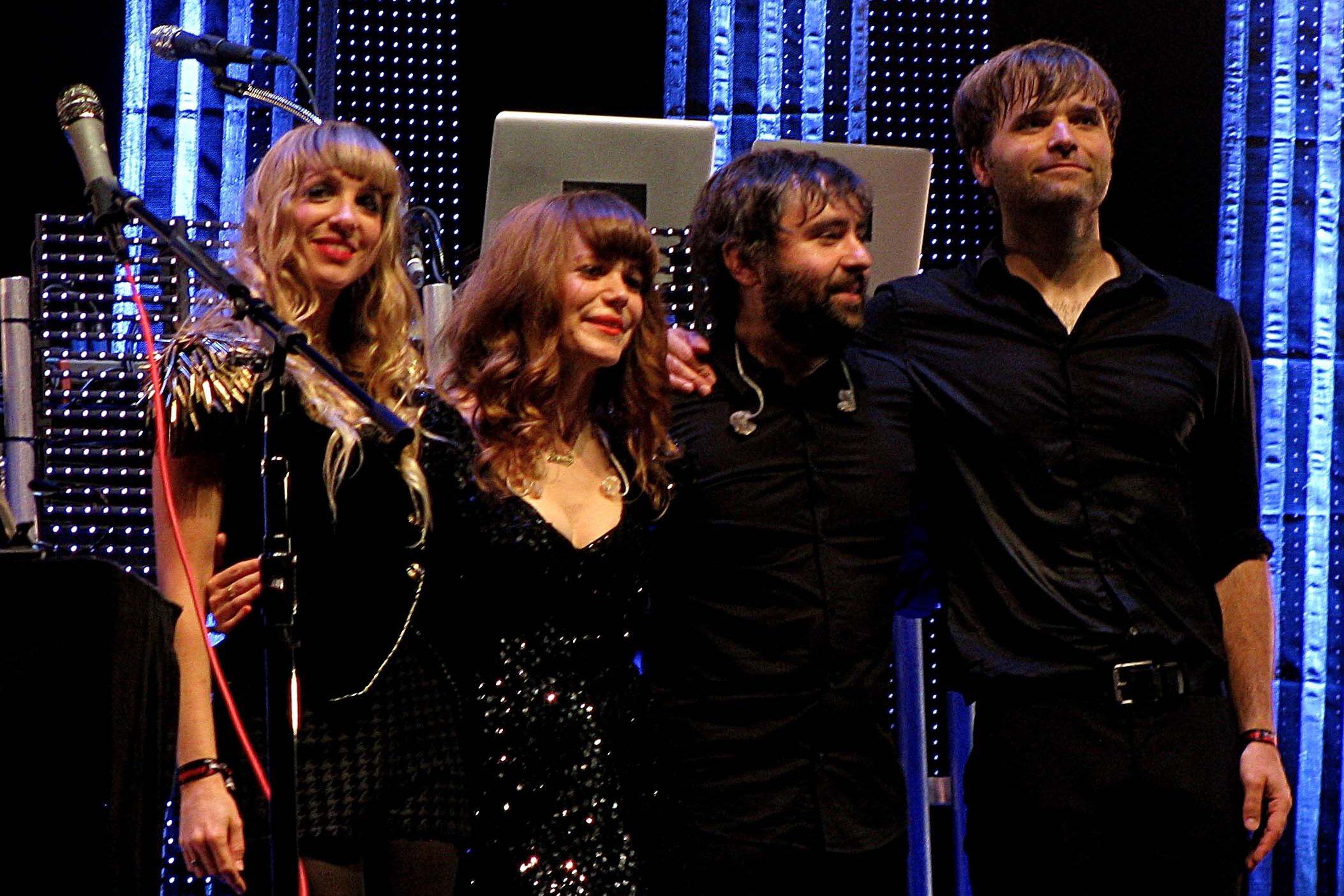
Sometimes great albums come from collaborations that were never meant to become full time bands. The Postal Service started almost casually when Ben Gibbard and producer Jimmy Tamborello began exchanging music files while living in different cities. Because the recordings were mailed back and forth, the project ended up with its unusual name. Their album Give Up arrived in 2003 with soft electronic beats and reflective lyrics that felt intimate and thoughtful.
Songs like Such Great Heights and The District Sleeps Alone Tonight slowly gathered attention. Listeners appreciated the gentle mix of electronic music and emotional storytelling. The album’s success surprised even the musicians who created it. Despite the enthusiasm from fans, the project was never designed to become permanent. Both artists returned to their other musical paths after the album cycle ended. Over time Give Up developed a reputation as one of the defining indie records of the early two thousands, remembered for its quiet sincerity.
14. The Darkness And Glam Rock’s Brief Revival
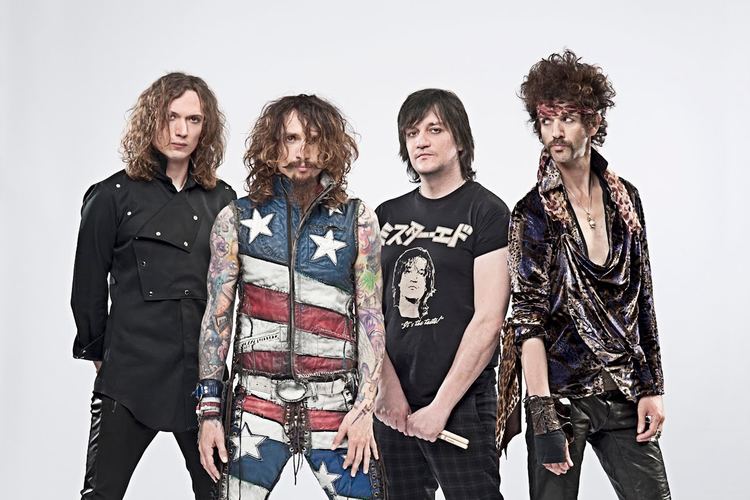
In the early two thousands, rock music was moving in many directions, and suddenly The Darkness arrived with something bold and theatrical. Their debut album Permission to Land appeared in 2003 and immediately felt like a celebration of classic guitar rock. The songs were loud, playful, and packed with dramatic vocals. When I Believe in a Thing Called Love began climbing charts, many listeners found themselves rediscovering the joy of big guitar riffs and soaring choruses.
For a short time the band seemed unstoppable. The album sold millions and their energetic performances made them stand out from many of their peers. Yet the pressure that followed success made things difficult for the group. Personal struggles and industry expectations slowly disrupted the momentum they had built. Although the band continued making music later, that first album remains the moment most fans remember best. Listening to it now still feels like stepping into a brief revival of old school rock excitement.
15. The Verve Pipe And A Song That Overshadowed Everything
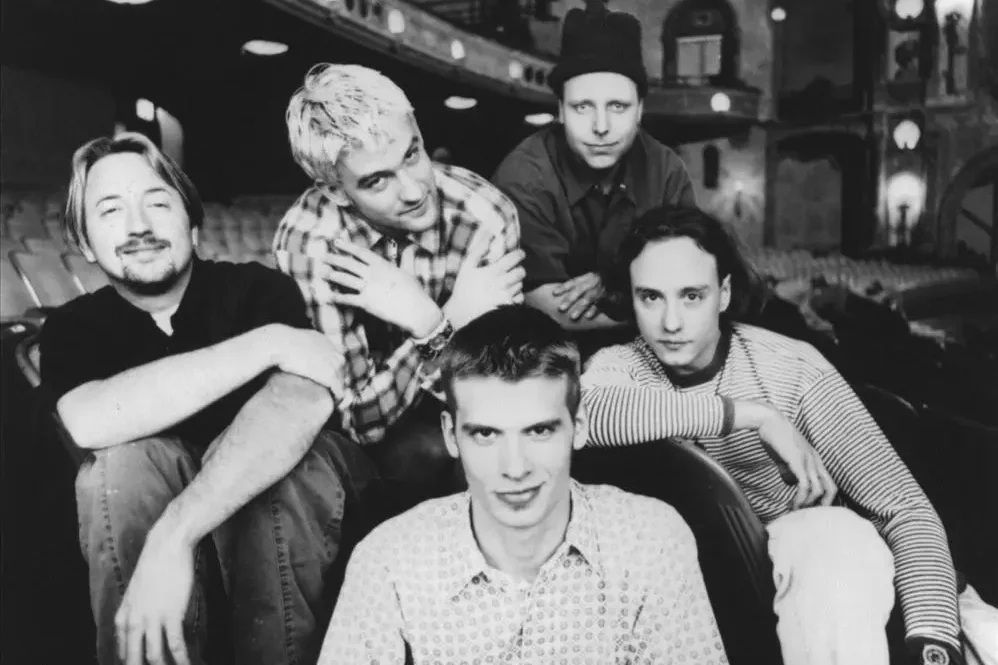
In the mid nineteen nineties alternative rock filled radio stations with emotional and thoughtful songs. The Verve Pipe entered that landscape with their 1996 album Villains. Among its tracks was The Freshmen, a reflective song about regret and growing older. The melody was simple but powerful, and the lyrics struck a chord with listeners who heard something honest in its story. Soon the song was everywhere on radio and television.
The album sold millions and briefly pushed the band into the center of the alternative rock conversation. Yet success built around one unforgettable song can be difficult to follow. Later releases from the band never reached the same level of attention. Even so, Villains remains a record many listeners remember fondly. The Freshmen still appears on nostalgic playlists and radio shows focused on the era. For many fans it captures a particular feeling from the late nineteen nineties when alternative rock balanced emotional storytelling with accessible melodies.
16. Blind Melon And The Album Everyone Remembers
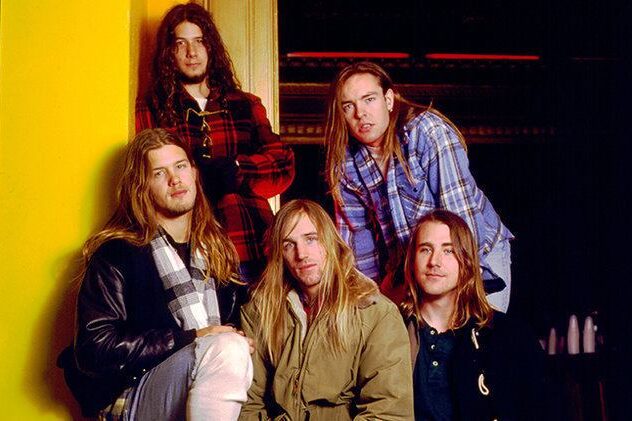
Blind Melon’s debut album arrived in 1992 during a time when alternative rock was dominating music culture. While many bands leaned toward darker sounds, Blind Melon offered something warmer and more relaxed. Their music carried hints of folk and classic rock influences that made it feel refreshing. The song No Rain quickly became the album’s signature track, helped by its memorable video featuring the Bee Girl wandering through the world.
The band continued recording music and building a loyal audience, but tragedy altered their path. In 1995 singer Shannon Hoon died unexpectedly, bringing the group’s early momentum to a halt. Many listeners still associate the band most strongly with that first album and the hopeful tone it carried. When people revisit No Rain today, they often remember the sense of optimism that surrounded the song during the early nineties. The album remains a snapshot of a band that briefly captured a gentle and distinctive sound.
17. Harvey Danger And A Sudden Radio Hit
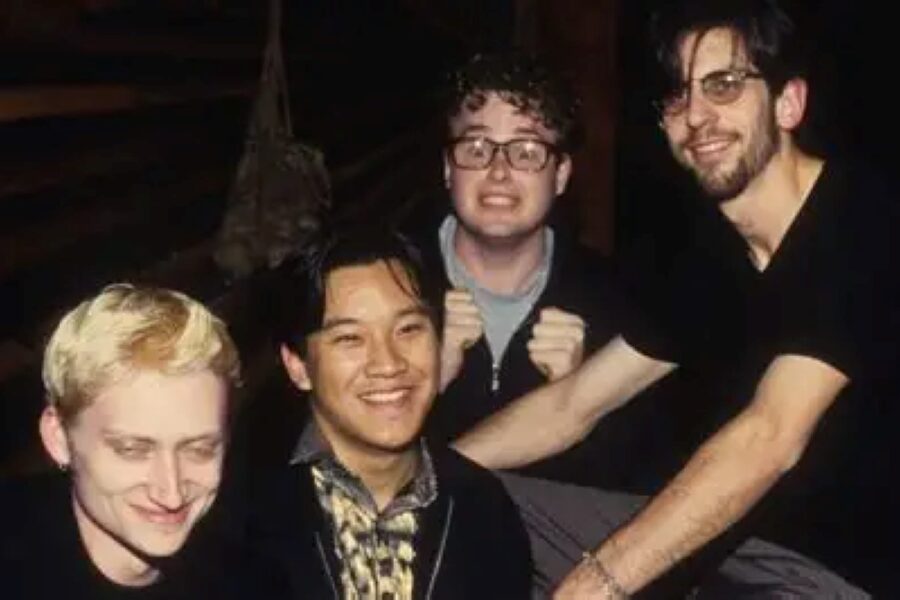
Harvey Danger stepped into the late nineteen nineties alternative rock scene with their debut album Where Have All the Merrymakers Gone. The record included the song Flagpole Sitta, which quickly became one of those tracks people could not avoid hearing. Its sharp lyrics and energetic chorus made it stand out on radio playlists. For a while the band seemed to appear everywhere as the song climbed charts and gained a devoted following.
The group continued creating music and touring after that breakthrough, but the spotlight shifted quickly as new artists emerged. Many casual listeners remembered the band mainly for that one unforgettable track. Over time the album became a nostalgic reminder of the era when alternative rock filled college radio stations and late night music television. Fans who revisit the record often hear more depth in the songwriting than they noticed at first, discovering that the band had more to offer than the hit that introduced them.
18. Semisonic And The Album That Lived Beyond One Closing Song
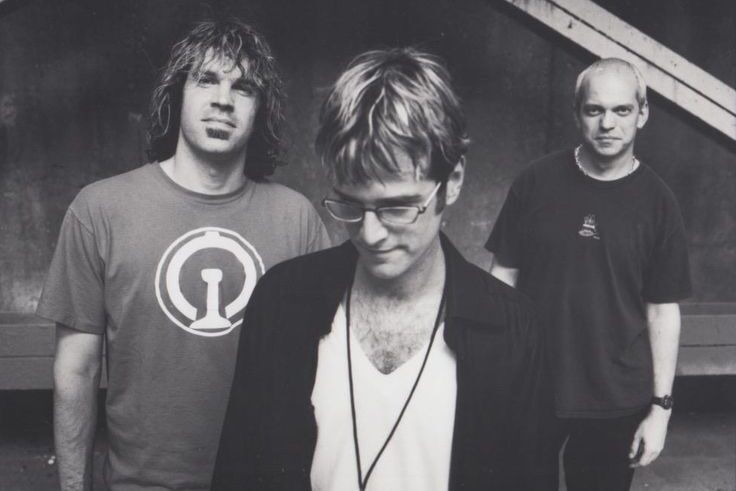
In the late nineteen nineties, Semisonic released their album Feeling Strangely Fine and quietly stepped into the mainstream spotlight. The record carried thoughtful songwriting and warm guitar driven melodies that felt both reflective and hopeful. One song in particular, Closing Time, became impossible to escape. It played on radio stations, in bars, and at the end of countless nights out with friends. The lyrics seemed simple at first, but listeners slowly realized the song carried deeper meaning about change and moving forward. The album itself offered more gentle, well crafted songs that showed the band’s ability to write emotional and relatable music.
Even with that success, the band never fully repeated the cultural moment created by that record. They continued making music and touring, but the spotlight slowly shifted toward newer acts. For many listeners, Feeling Strangely Fine remains the album that defines Semisonic’s place in music history. When Closing Time begins playing today, people often smile and sing along without hesitation. The song still carries the same feeling it did decades ago, reminding listeners of late nights, quiet reflections, and the strange way certain albums stay connected to a particular moment in life.
19. The Connells And The Quiet Global Hit

The Connells had already spent years building their career when something unexpected happened. Their album Ring, released in 1993, included a reflective track titled ’74 ’75. The song carried a gentle melody and lyrics that looked back on youth with quiet nostalgia. At first it did not attract enormous attention, but gradually it began to spread through radio stations and audiences in Europe.
Soon the track became a major hit in several countries, introducing the band to listeners far beyond their original fan base. Even though the group continued making music afterward, they never repeated the same level of international recognition. Still, the album remains a meaningful moment for fans who discovered it during that time. Listening to ’74 ’75 today often brings back memories of long drives, late night radio, and the quiet emotional pull that simple songs can create.
20. Chumbawamba And The Album That Turned A Chorus Into A Global Moment
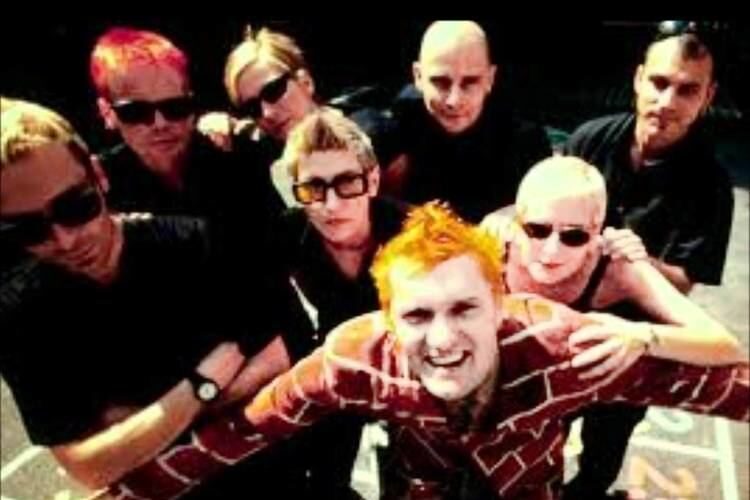
In the late nineteen nineties, a song appeared that seemed to echo from every radio, television, and sports arena at once. Tubthumping by Chumbawamba had a chant that people instantly memorized. I get knocked down, but I get up again became the kind of lyric strangers could shout together in crowded rooms. The song came from the 1997 album Tubthumper, a record that blended pop hooks with the band’s long history of alternative and political music. For many listeners this was their first introduction to the group, and the sudden popularity made it feel like Chumbawamba had arrived as a major new force in mainstream music.
The band continued releasing albums afterward, but none reached the same level of global attention as that breakthrough moment. Chumbawamba had already spent years experimenting with different sounds before Tubthumper, and after the spotlight faded they continued making music on their own terms rather than chasing another hit. For many fans, that album remains the point where everything briefly aligned between underground spirit and mainstream recognition. Tubthumping still appears in stadiums and playlists today, reminding listeners how one energetic record can carry a band’s voice across the world even when the spotlight eventually moves on.
21. The Power Station And The Supergroup That Burned Bright
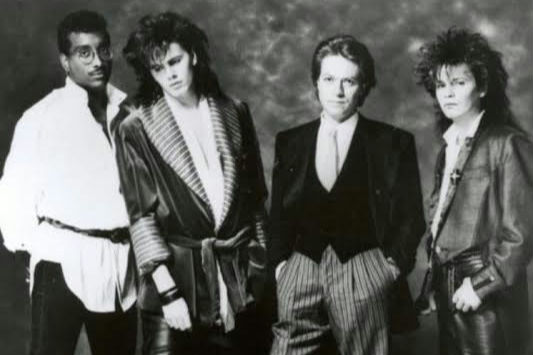
The Power Station was a prominent 1980s supergroup formed in 1984, featuring singer Robert Palmer, John Taylor and Andy Taylor of Duran Duran, and Chic drummer Tony Thompson. Their self-titled debut album, released in March 1985, showcased a unique fusion of heavy rock energy and sophisticated funk. While some listeners question the lasting impact of such ensembles, this group successfully dominated the charts with hit singles like “Some Like It Hot” and a cover of T. Rex’s “Get It On (Bang a Gong).” Their sound was an intentional departure from the synth-pop of the era, leaning into a more muscular, percussive production style.
Critics sometimes argue that these “massive” side projects were more about star power than longevity. However, The Power Station managed to achieve significant commercial success before Robert Palmer left to pursue his solo career, specifically with his 1985 album Riptide. Although the group eventually reunited for a second album, Living in Fear, in 1996, it lacked the cultural explosion of their initial 1985 debut. They stand as a prime example of what happens when top-tier musicians collaborate at the peak of their creative powers, proving that even a single-album run can leave a lasting legacy on the history of rock and roll.
22. Blind Faith And The Supergroup That Could Not Continue
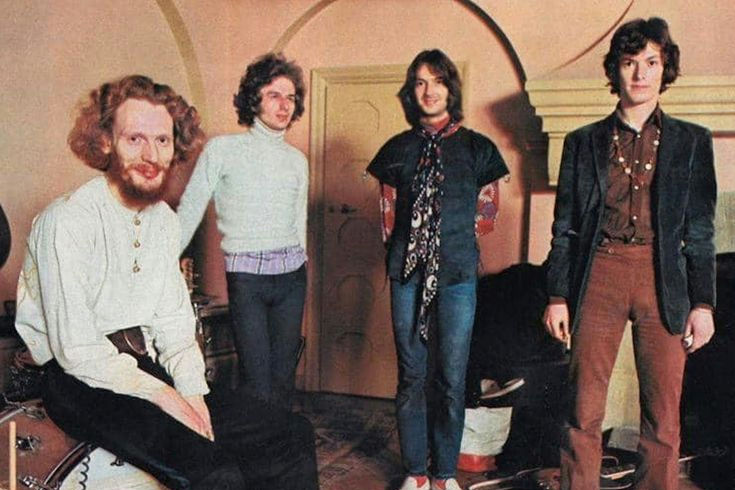
Blind Faith arrived in 1969 as the first true “supergroup” of the rock era, carrying a level of hype that was nearly impossible to live up to. The band consisted of guitar legend Eric Clapton and drummer Ginger Baker, both fresh from the breakup of Cream, alongside Steve Winwood from Traffic and bassist Ric Grech. On June 7, 1969, they played a massive free concert at London’s Hyde Park to over 100,000 fans, even before their music had been widely heard. Their self-titled debut album, released in August 1969, was a masterful blend of blues, rock, and spiritual folk. It featured timeless tracks like “Can’t Find My Way Home” and “Presence of the Lord,” showcasing a more mature and melodic side of the musicians involved compared to their previous high-volume projects.
However, the immense pressure of fame and internal creative differences caused the band to crumble almost as quickly as it had formed. Clapton, in particular, was becoming increasingly uncomfortable with the “guitar hero” status and the chaotic energy brought by Baker, preferring to move toward a more low-key musical style. By the time their only North American tour ended in late 1969, the group had effectively disbanded, lasting less than a single year. Because they never recorded a follow-up, their lone studio album has gained a legendary, almost mythical status in music history.
23. Boston And The Debut That Set A Standard
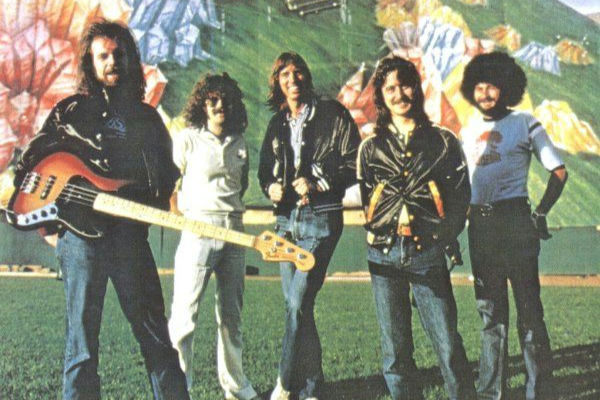
When Boston released their self-titled debut album in August 1976, it didn’t just climb the charts; it completely changed the way rock music was recorded. The project was primarily the brainchild of Tom Scholz, an MIT-trained engineer who spent years meticulously perfecting the songs in his basement studio. The result was a polished, “stadium rock” sound characterized by layered harmony guitars and the soaring, flawless vocals of singer Brad Delp. Tracks like “More Than a Feeling” and “Peace of Mind” were instant hits, helping the record become the best-selling debut album in U.S. history at that time. The production was so advanced for its era that many listeners found it hard to believe a new band could sound so professional and complete.
The success of the first album was so massive that it cast a long shadow over everything the band did afterward. Scholz’s perfectionism meant that fans often had to wait years, or even decades, for new material; their second album, Don’t Look Back, didn’t arrive until 1978, and their third, Third Stage, took until 1986 to reach the public. While those later records were successful and featured number-one hits like “Amanda,” they were constantly compared to the lightning-in-a-bottle perfection of the 1976 debut.
24. Counting Crows And The Album That Felt Personal
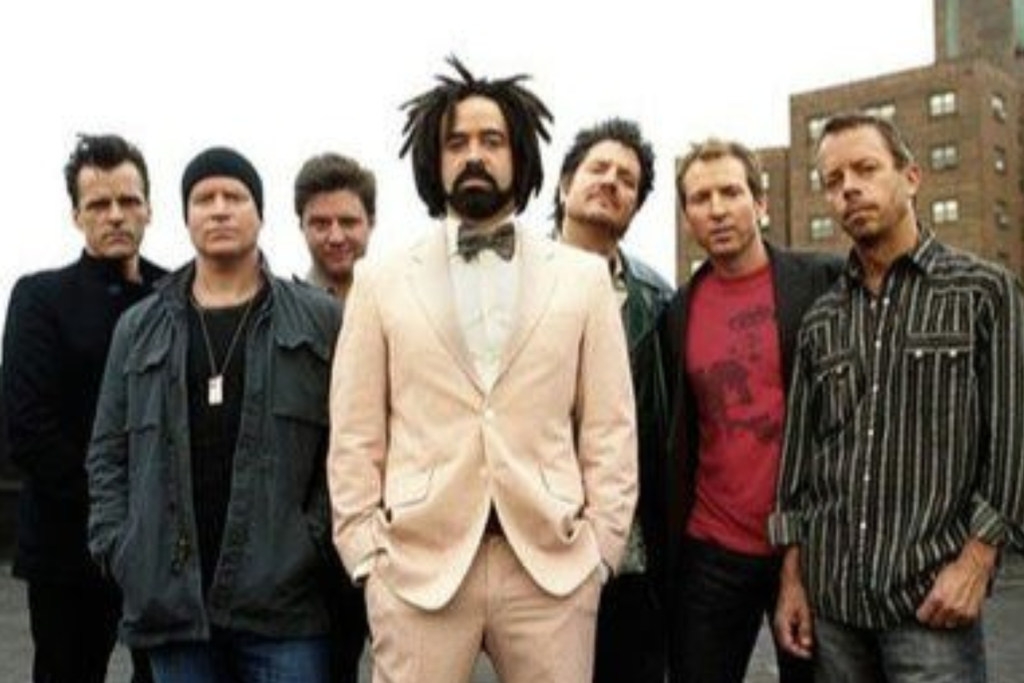
Counting Crows burst onto the alternative rock scene in September 1993 with their debut album, August and Everything After. Led by the soulful and expressive vocals of Adam Duritz, the band offered a grounded, roots-rock alternative to the heavy grunge sound that was dominating the airwaves at the time. The lead single “Mr. Jones” became an unexpected global smash, propelled by its catchy melody and lyrics about the desire for fame. However, the rest of the album was deeply introspective and poetic, featuring songs like “Round Here” and “Anna Begins” that explored themes of loneliness and emotional struggle. This vulnerability created an incredibly strong bond between the band and their audience, making the record a multi-platinum success within its first year.
As the years passed, the band continued to release critically acclaimed music, such as 1996’s Recovering the Satellites, but the cultural impact of their debut remained unmatched. For many fans, August and Everything After isn’t just a collection of songs; it’s a personal soundtrack that captures a specific feeling of melancholy and hope. The band has remained active and respected in the industry for over thirty years, yet the songs from 1993 continue to be the emotional heart of their live performances. It is a rare example of a debut album that feels entirely honest, proving that simple storytelling and raw emotion can resonate across generations. The record stands as a landmark of the nineties, capturing a band finding its voice with startling clarity.
25. The Fugees And The Album That Became A Moment
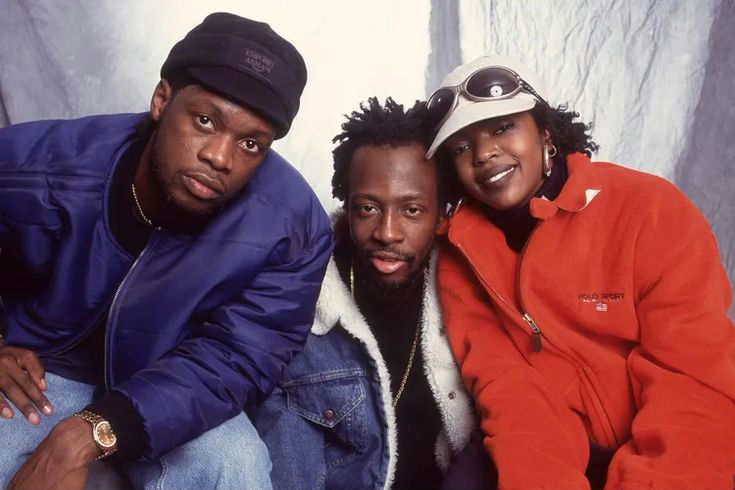
The Fugees achieved worldwide superstardom with the release of their second and final studio album, The Score, on February 13, 1996. The group, comprising Lauryn Hill, Wyclef Jean, and Pras Michel, created a masterpiece that successfully bridged the gap between underground hip-hop and mainstream pop. By blending gritty street poetry with soulful melodies and reggae influences, they produced a sound that was universally appealing. Their soulful cover of “Killing Me Softly” highlighted Lauryn Hill’s incredible vocal range, while tracks like “Ready or Not” and “Fu-Gee-La” showcased their lyrical skill.
The album went on to win two Grammy Awards and remains one of the best-selling hip-hop albums of all time, fundamentally shifting the musical landscape of the mid-nineties.Despite being at the very top of the music world, the group’s internal dynamics were strained by personal relationships and differing creative visions. Following the massive world tour for The Score, the members began focusing on solo projects, most notably Lauryn Hill’s iconic 1998 debut and Wyclef Jean’s successful solo career. Although they occasionally reunited for brief performances in the 2000s and announced a reunion tour in 2021, they never recorded another studio album together. This has left The Score as a singular, monumental achievement in music history.
26. Violent Femmes And The Album That Grew Over Time
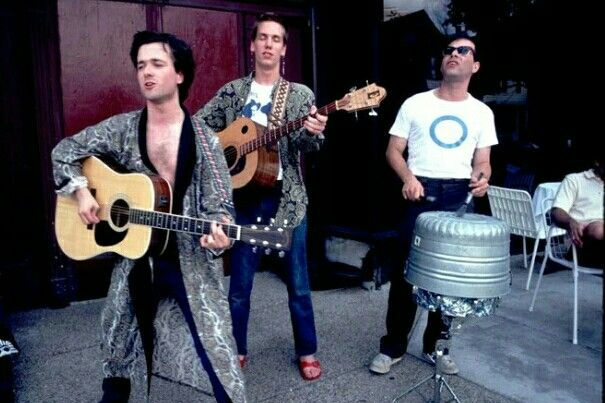
The Violent Femmes released their self-titled debut album in April 1983, but it didn’t follow the typical path to stardom. At a time when the charts were filled with synthesizers and big hair, this trio from Milwaukee offered something completely different: acoustic bass, minimal drumming, and the jittery, teenage angst of singer Gordon Gano. Songs like “Blister in the Sun,” “Add It Up,” and “Gone Daddy Gone” didn’t become immediate radio hits in 1983. Instead, the album became a slow-burn success, spreading through college dorm rooms and word-of-mouth for years. Remarkably, the album did not even chart on the Billboard 200 until four years after its release, eventually earning a platinum certification a full decade after it first hit the shelves.
The enduring power of the record lies in its relatability; its themes of frustration and young love feel timeless, which is why it continues to find new fans with every passing generation. While the Violent Femmes released many more albums over the following decades and experimented with various styles, their 1983 debut remains their definitive statement and a cornerstone of “folk-punk.” It is one of the few albums from the early eighties that hasn’t aged a day, sounding just as raw and rebellious now as it did forty years ago.
27. MGMT And The Breakthrough That Defined A Sound
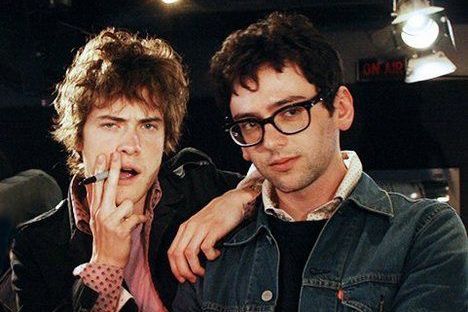
MGMT’s debut studio album, Oracular Spectacular, was released digitally in late 2007 and physically in early 2008, instantly becoming a cultural phenomenon. Created by Andrew VanWyngarden and Ben Goldwasser, the album was a vibrant mix of psychedelic rock and synth-pop that felt both nostalgic and futuristic. It produced three massive singles, “Time to Pretend,” “Electric Feel,” and “Kids”, which became the defining anthems of the late 2000s indie-sleaze era. These tracks were everywhere, from festival stages to movie soundtracks, making MGMT one of the most famous bands in the world almost overnight. The album was praised for its catchy hooks and clever lyrics that poked fun at the very rock-star lifestyle the duo was suddenly experiencing.
Following the massive success of their debut, MGMT made a conscious choice to move away from mainstream pop. Their follow-up albums, such as 2010’s Congratulations, were much more experimental and psychedelic, intentionally challenging the expectations of fans who only wanted more dance hits. While this shift earned them deep respect from critics and a dedicated cult following, they never again reached the same level of global commercial dominance seen during the Oracular Spectacular era. Today, their debut is remembered as a landmark release that defined the sound of an entire decade.
28. Marcy Playground And The Alternative Hit That Charmed The Charts
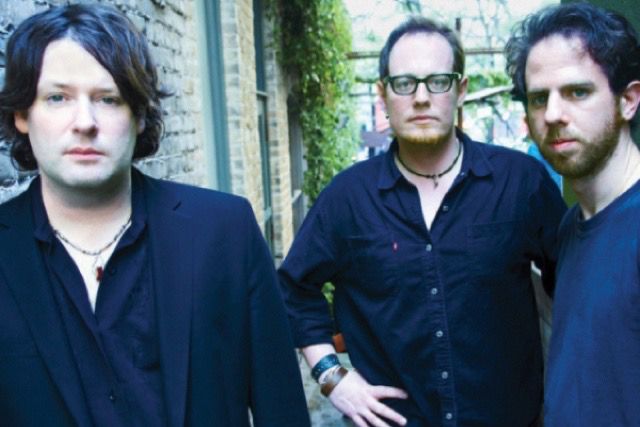
Marcy Playground, a trio led by singer-songwriter John Wozniak, became a household name in 1997 with the release of their self-titled debut album. The standout track, “Sex and Candy,” was released as a single in September 1997 and quickly took over the airwaves. With its slow, hypnotic melody and enigmatic lyrics, the song offered a laid-back alternative to the high-energy rock of the late nineties. It spent a record-breaking 15 weeks at number one on the Billboard Modern Rock Tracks chart and peaked at number eight on the Hot 100. The album eventually went platinum, proving that the band’s unique, slightly psychedelic sound had a massive appeal to a mainstream audience looking for something different.
Despite the massive success of their lead single, the band found it difficult to replicate that same level of cultural impact with their subsequent work. They released their second album, Shapeshifter, in 1999, but it failed to garner the same attention as their debut. While they continued to record and tour for a dedicated fan base, the mainstream spotlight moved on to new trends in the early 2000s. Today, “Sex and Candy” remains a staple of nineties nostalgia playlists and is often cited as one of the most iconic one-hit wonders of the decade. The song’s enduring popularity ensures that Marcy Playground’s contribution to the alternative rock landscape is still remembered and celebrated by fans of the era.
29. The Rembrandts And The Theme Song That Captured A Generation
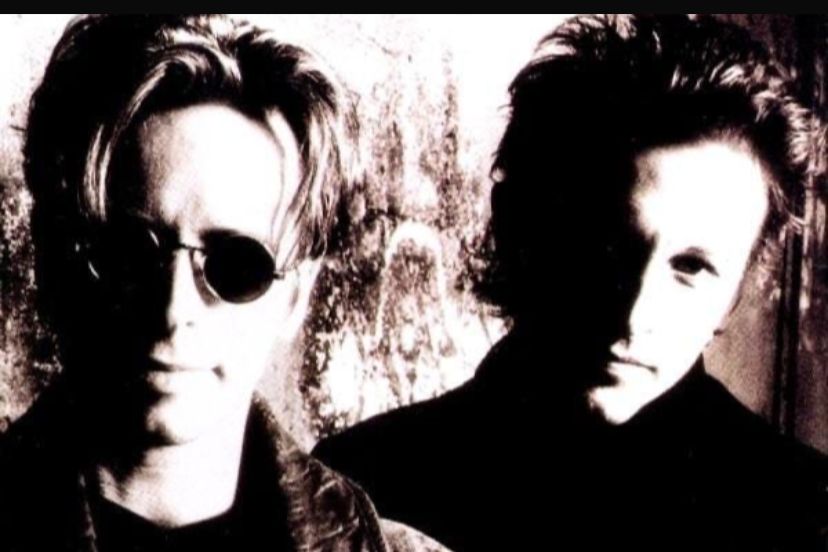
The Rembrandts, a duo consisting of Phil Solem and Danny Wilde, achieved a level of fame most musicians only dream of thanks to a 45-second TV theme. In 1994, they were asked to record “I’ll Be There for You” for a new sitcom called Friends. The song, which was co-written by the show’s producers and the band, was never originally intended to be a full-length single. However, after a Nashville radio station looped the short version into a full song due to high listener demand, the band recorded a complete version for their 1995 album, LP. The track became a global phenomenon, reaching number one on the Billboard Hot 100 Airplay chart and staying there for eight weeks, forever linking the band to one of the most successful TV shows in history.
While the massive success of the Friends theme brought them worldwide recognition, it also somewhat overshadowed the rest of their musical output. The Rembrandts were established power-pop musicians with two successful albums already under their belt before 1994, but they struggled to be seen as more than “the band that did the Friends song.” They briefly disbanded in 1997 before reuniting later to continue making music on their own terms. Even though they had other minor hits like “Just the Way It Is, Baby,” it is their contribution to television history that defines their legacy. Decades later, the song remains one of the most recognizable pieces of music in the world, a testament to its catchy melody and universal message of friendship.
30. Deep Blue Something And The Long Walk To Fame
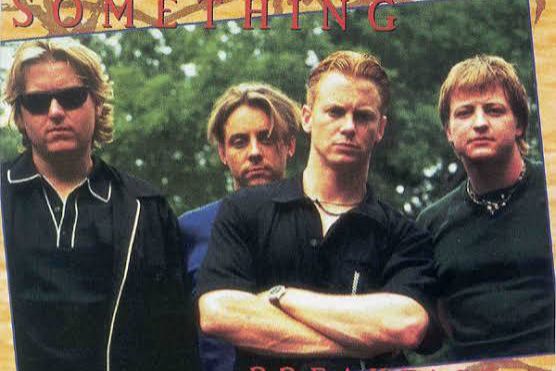
Deep Blue Something is a Texas-based band released “Breakfast at Tiffany’s” in 1995, and it quickly became one of the most inescapable songs of the mid-nineties. Part of their second album, Home, the track was inspired by the Audrey Hepburn film and featured a catchy, melodic hook that appealed to both pop and alternative fans. It reached the top five on the Billboard Hot 100 and helped the album achieve gold status, making the band stars overnight.
However, the group struggled to move past the enormous shadow cast by their debut hit. Their follow-up singles failed to gain the same traction, and the band faced various label challenges that delayed their later work. By the time they released more music, the alternative pop landscape had changed, and they were unable to reclaim their spot on the national charts. Today, Deep Blue Something is primarily remembered for that one infectious song that remains a quintessential part of any nineties throwback playlist. It serves as a reminder of a specific moment in American music when a simple, story-driven pop song could capture the attention of an entire country before the band quietly returned to their roots.


