
1. Nose-Picking Moments You Can’t Ignore

Most of us like to think we’re discreet about our little habits, but nose-picking is surprisingly common. experts say the average person does it 10 to 20 times a day. It’s one of those small, almost invisible routines that sneaks into meetings, commuting, or even while scrolling on your phone. We all know it’s not the most glamorous habit, yet for many, it’s a reflexive action driven by dryness, dust, or just sheer boredom. According to a study in the Journal of Clinical Psychology, almost 91% of people admitted to doing it at least occasionally, which means you’re far from alone.
Despite its social stigma, nose-picking isn’t inherently harmful if done with clean hands and a tissue. The problem arises when it becomes compulsive or is done in public without care. Beyond hygiene, it’s a little window into our human quirks, the things we do without thinking. Understanding why it happens can actually make you more mindful and reduce the habit over time. Next time the urge strikes, consider reaching for a tissue or taking a quick handwash break. If nothing else, it’s a small step toward healthier routines, and let’s face it, cleaner noses make for fewer awkward moments at the office or on the subway.
2. Sneaky Sweaty Sock Shuffle
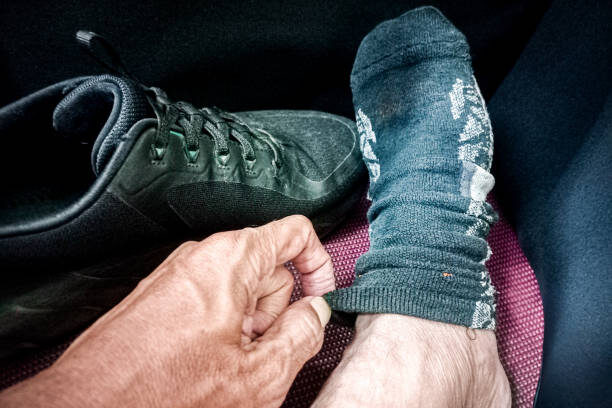
It’s not just our hands or faces that go through unnoticed motions every day; feet get into the mix, too. Many Americans unknowingly slip into the habit of wiggling toes inside socks, shifting weight, or adjusting shoes multiple times throughout the day. This motion, while subtle, can be a breeding ground for odor if socks aren’t changed regularly. WebMD notes that sweat and bacteria trapped in fabric combine to create the kind of smell that lingers long after you’ve taken off your shoes, and it’s something many people overlook in their daily routine.
The good news is that small changes, like swapping socks mid-day or choosing moisture-wicking fabrics, make a world of difference. It’s one of those tiny habits that seem harmless but quietly affects comfort, hygiene, and even confidence, especially in social or professional settings. Observing and adjusting this simple routine can be surprisingly satisfying. For a habit that’s mostly invisible but impactful, paying attention to your socks is a subtle form of self-care that keeps both your feet and the people around you happy. Take a moment today to check your footwear and notice the difference; it’s the small tweaks that truly add up.
3. The Underarm Swipe We All Do

From morning commutes to office work, the quick underarm swipe whether with a sleeve, hand, or even a quick dab is more frequent than many realize. Dermatologists explain that natural perspiration, combined with heat and stress, drives this nearly unconscious motion. It’s estimated that most people check or adjust underarms 10–20 times daily, especially in warmer months or during intense activity. While deodorant or antiperspirant helps, this reflex highlights the human desire to manage odor and stay comfortable throughout the day.
Although it might feel automatic, paying attention to hygiene routines can reduce the need for constant adjustments. Quick fixes like breathable fabrics, refreshing wipes, or natural antiperspirants can help curb both moisture and self-conscious gestures. Beyond the physical comfort, being mindful of this small habit can reduce social awkwardness and boost confidence in casual or professional interactions. In a world where so many routines go unnoticed, noticing the little underarm swipe is a gentle reminder that even minor habits deserve a little care, and simple adjustments make daily life feel a little fresher.
4. Coffee Cup Breath Check

Reaching for that mid-morning coffee is a comforting ritual for millions of Americans, but with it comes a little-known side effect: coffee breath. Many people subconsciously sniff, lick lips, or even cover their mouths multiple times a day to counteract the lingering smell. Research from the Journal of Dental Research points out that acidic beverages like coffee temporarily reduce saliva production, giving odor-causing bacteria a chance to multiply. Without realizing it, these subtle checks happen repeatedly, especially around coworkers or close friends.
While it might seem minor, being aware of this reflex can help you manage oral hygiene more proactively. Chewing sugar-free gum, keeping mints handy, and drinking water after each cup can make a huge difference. Understanding that these little gestures are natural reminders of our body’s response to odor helps normalize the habit without judgment. By noticing them, we can make small adjustments that feel good and reduce self-consciousness, keeping mornings bright and interactions pleasant. Next coffee run, consider a mindful sip and a quick water chaser it’s a small tweak with a noticeable payoff.
5. Sneezing and Tissue Tactics

Sneezing is one of those involuntary acts that can happen anywhere, any time, and it often comes with a little cleanup routine. The average person reaches for a tissue or hand to dab at the nose 10–20 times daily, especially during allergy season or cold weather. According to the American Academy of Allergy, Asthma & Immunology, repetitive nose wiping or sneezing reflexes are common ways the body clears irritants. Even though it might seem like a minor habit, tissues, handkerchiefs, or sleeves become an extension of daily hygiene practices without us realizing it.
The small but consistent act of managing sneezes reflects a broader truth: everyday habits, even when invisible, shape our interactions and personal comfort. By keeping tissues accessible, washing hands afterward, and being mindful of surfaces touched, we reduce germ spread and maintain cleanliness. It’s another reminder that tiny, often unnoticed actions matter more than we think. These simple measures create a subtle ripple effect in social spaces, keeping both ourselves and those around us healthier. Paying attention to these small reflexes helps us become more mindful, organized, and courteous in daily life.
6. The Handshake or Hug Hustle

It may seem polite, even routine, but greetings handshakes, high-fives, or hugs bring with them a little unnoticed habit that stinks, literally and figuratively. Most people instinctively wipe, sniff, or adjust their hands after physical contact, often 10–20 times a day without realizing it. According to Harvard Health, human hands carry countless microbes from daily activities, and even brief touches can leave subtle odors that trigger these reflexes. We don’t consciously think about it, yet it’s a repeated motion embedded in our social rhythm.
The good news is that this is an easy habit to manage with mindfulness. Keeping hand sanitizer handy, washing hands after meals, or simply being aware of what you touch reduces unwanted smells and keeps interactions more comfortable. These micro-moments small, almost invisible habits remind us that hygiene isn’t just about cleanliness; it’s also about confidence and respect for others. By noticing the little ways our bodies respond to everyday contacts, we can make simple adjustments that improve comfort, health, and social ease. It’s proof that even unnoticed daily habits carry more weight than we might assume, and a gentle nudge to approach routine actions with care.
7. The Bathroom Quick Check

Bathrooms are private, but the habit isn’t. Many people consciously or not check themselves multiple times a day for little issues: wiping, washing, or adjusting after a trip to the restroom. Studies suggest that these reflexive movements happen 10–20 times a day across a population, even if most people aren’t talking about it. It’s a combination of hygiene instincts and comfort-seeking behavior that keeps us feeling “presentable” in our everyday routines.
This small habit has a bigger impact than you might think. Being mindful about handwashing, using gentle wipes, or keeping personal hygiene products handy can make those quick checks cleaner and less stressful. It’s about creating a rhythm that works for you protecting both comfort and health without overthinking it. In the same way we tune into our environment, tuning into these small habits reminds us that self-care often lives in the unnoticed details. Paying attention to them can leave a subtle but meaningful mark on your confidence and well-being throughout the day.
8. Pen and Paper Pit Stops

It might sound strange, but for many, handling pens, notebooks, and screens involves little unseen habits that stink in more ways than one. Frequent hand-to-mouth touches, pencil nib bites, or even smudging fingers across paper happen 10–20 times a day as we navigate our work or home routines. Hygiene Today points out that pens and commonly touched items can harbor bacteria that contribute to odors and skin irritation, even if it’s invisible.
Being mindful of these tiny actions can make a surprising difference. Wiping surfaces, sanitizing pens, or simply washing hands more often reduces exposure to germs and odors while keeping daily tasks pleasant. Like a gentle reminder, these small habits teach us that everyday interactions with objects are not trivial they carry subtle implications for comfort, health, and even productivity. The tiny measures we take to keep things clean, unnoticed as they may be, quietly improve the rhythm of our day and keep minor irritations from sneaking up on us.
9. The Phone Swipe Stink

Smartphones are everywhere, and so are our repeated touches to them. Studies show people touch their phones over 2,600 times a day, and many of those touches especially around the face lead to unseen odors. We swipe, scroll, or tap, sometimes unconsciously sniffing fingers, wiping screens, or adjusting grips, roughly 10–20 times in the average day. According to a report by University of Arizona, mobile devices can carry more bacteria than some bathroom surfaces, creating subtle but frequent hygiene cues.
Simple tweaks can transform this habit. Sanitizing screens, washing hands after touching your phone, or keeping it out of high-contact surfaces reduces both germs and odors. While these touches are mostly automatic, a little mindfulness improves personal hygiene and makes phone use feel cleaner and more pleasant. Recognizing these unseen habits reminds us that even routine actions carry small responsibilities and small adjustments make daily life smoother, fresher, and easier for everyone around us.
10. The Lunch Breath Loop

Everyone loves a good lunch break, but the aftermath comes with a subtle, repeated habit: checking breath, covering the mouth, or sniffing fingers after a sandwich or salad. Experts estimate this happens 10–20 times a day for the average person. According to Colgate Oral Health Institute, leftover food particles and natural bacteria create odor that triggers these unconscious checks, especially in social or professional settings. We do it without thinking, a small signal that our body is asking for attention to hygiene.
Being aware of this pattern makes it easier to handle naturally. Drinking water, keeping mints handy, or brushing teeth after meals minimizes these repeated motions and helps maintain comfort and confidence. These small daily habits remind us that even seemingly insignificant gestures like a quick breath check matter more than we realize. Paying attention to them quietly improves personal care, social interactions, and self-awareness. It’s a gentle nudge that everyday routines, no matter how small, shape how we feel and how others experience us.


