
1. The Couple Who Started With a Simple Workshop
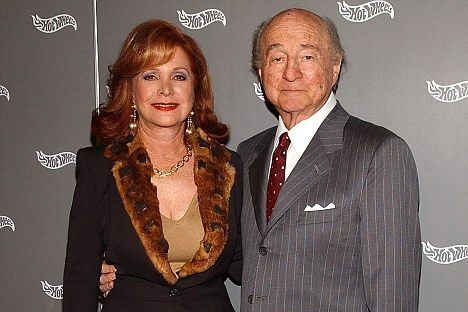
Every big company has a beginning, and for Mattel it started with a small workshop and two people willing to experiment. In the mid-1940s, Ruth and Elliot Handler teamed up with their friend Harold Matson to form what would become Mattel. The company name itself came from combining parts of Matson and Elliot. At first, they were not even focused on toys. Elliot was a designer who loved working with materials, and the early products included picture frames and small furniture pieces.
But something interesting happened along the way. Elliot began using leftover scraps of wood from the frames to make miniature dollhouse furniture. Those tiny pieces quickly caught customers’ attention. Store buyers started ordering more toys than frames. Before long, the team realized that children’s products might be the real opportunity. According to Mattel’s company history, that shift was the moment the business truly found its direction. Ruth handled the business side while Elliot focused on design. It was an early partnership that blended imagination with strategy. That balance became the foundation of Mattel’s growth. What began in a modest workspace slowly started to look like something bigger than anyone expected.
2. Ruth Handler’s Idea That Became Barbie
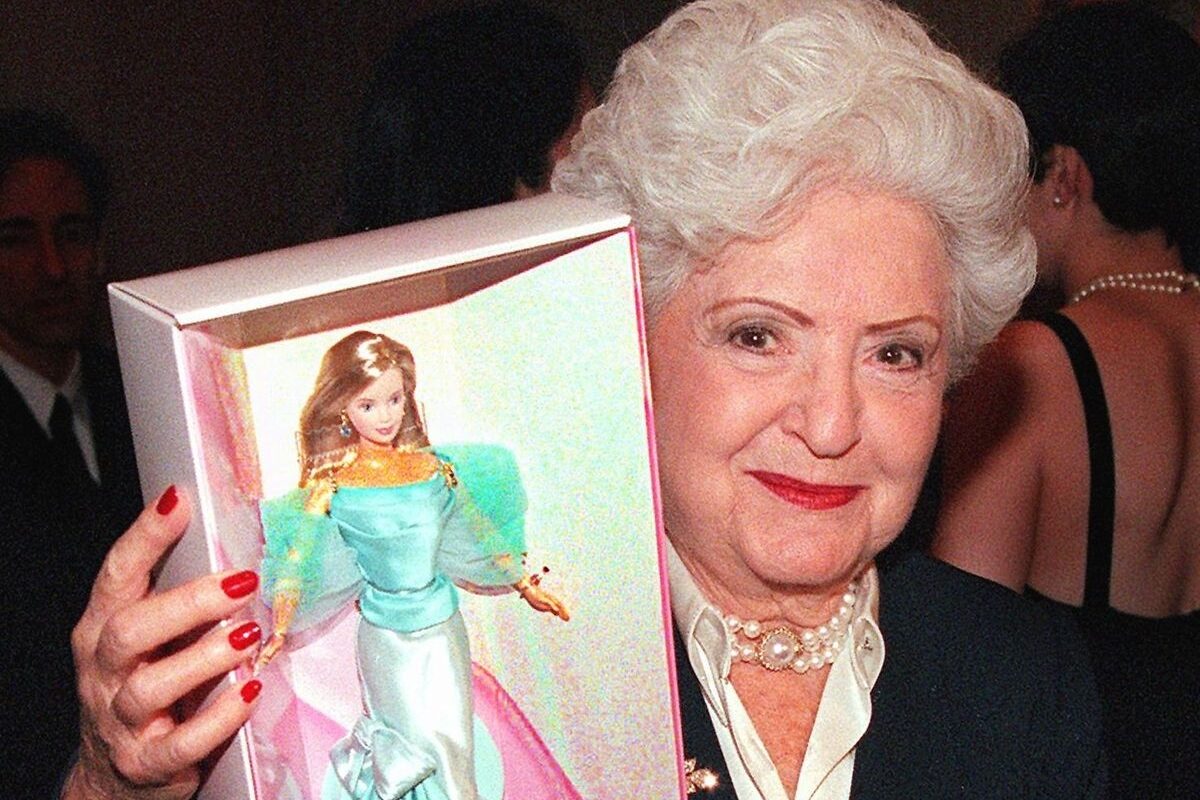
Sometimes the most influential ideas begin with a simple observation. For Ruth Handler, it came from watching her daughter Barbara play with paper dolls. She noticed that the dolls always represented adults, not babies. Yet most toy dolls at the time were designed for girls to pretend they were mothers. Ruth wondered why there wasn’t a doll that let girls imagine who they might become. That thought eventually became Barbie. When Barbie debuted at the American International Toy Fair in 1959, it was unlike anything on store shelves. Barbie was a fashion doll with adult features, career possibilities, and a growing wardrobe. Some retailers were skeptical at first, unsure whether parents would accept it. But children quickly embraced the concept.
Ruth later explained the philosophy behind it in a quote often repeated in interviews. She said, “My whole philosophy of Barbie was that through the doll the little girl could be anything she wanted to be.” That simple vision resonated with families across the United States. Within a few years, Barbie became a cultural icon and Mattel’s most successful product. It also proved that Ruth’s instincts about the toy market were remarkably sharp. What she saw while watching her daughter play turned into one of the most recognizable toys in the world.
3. Elliot Handler’s Love for Design and Innovation
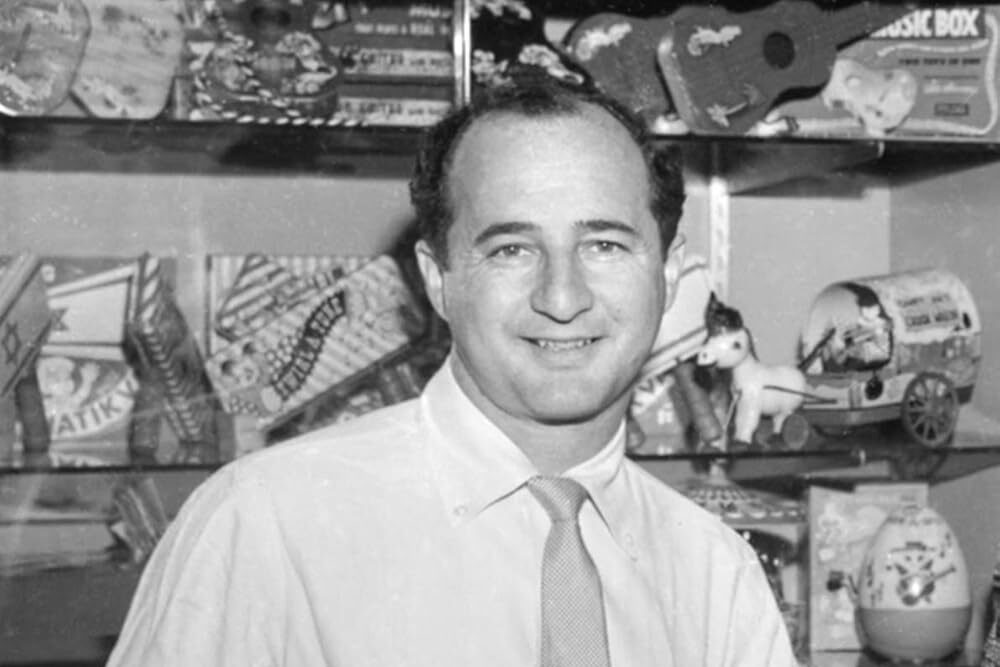
While Ruth was shaping the company’s strategy, Elliot Handler was busy experimenting with how toys could feel more exciting. Elliot had always been a designer at heart. He liked building things, testing materials, and figuring out how a product could stand out on a crowded shelf. His approach to toys was practical but also playful. Elliot once described his philosophy in a way that reflected his curiosity about the business. In an interview quoted by the Toy Association, he said, “I didn’t get into business to make toys. I got into business to make products.” That mindset pushed Mattel to think beyond traditional playthings. The company began investing in new manufacturing techniques, brighter packaging, and creative marketing.
One of Mattel’s biggest breakthroughs during this time was advertising directly to children on television. In the 1950s and 1960s, that approach was still unusual. But the strategy worked. Kids began asking their parents for the toys they saw on TV, and Mattel’s products quickly became household names. Elliot’s focus on design and experimentation helped keep the company moving forward. While Ruth understood the market, Elliot kept pushing the toys themselves to be more imaginative, more detailed, and more fun to play with.
4. The Fast Idea That Became Hot Wheels
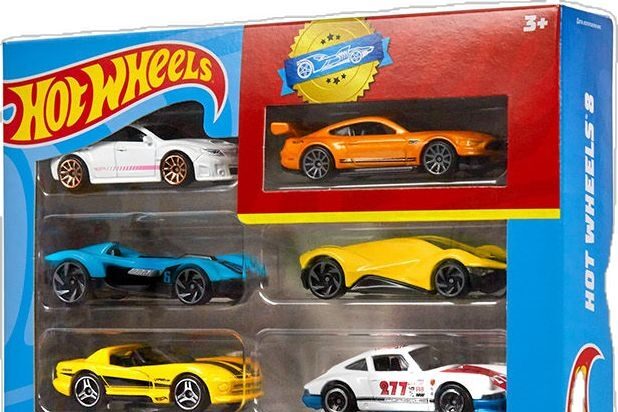
By the late 1960s, Mattel was already successful, but the company still wanted something fresh for boys’ toys. Around that time, Elliot and a small team of designers began exploring the idea of miniature cars that could actually race fast on plastic tracks. They wanted something that looked realistic but moved better than the toy cars already on the market. That project became Hot Wheels, launched in 1968. Mattel brought in automotive designer Harry Bradley, who helped give the cars their distinctive look. The models were sleek and colorful, with low-friction wheels that made them noticeably faster than competing brands.
The launch surprised the toy industry. Kids loved the speed and the bright orange tracks. Collectors later began praising the designs as well. According to Mattel archives, the first batch of sixteen cars sold incredibly well and helped establish a brand that would last for decades. Hot Wheels quickly became more than just another toy line. It turned into a hobby for many fans and a collectible for adults. The idea of tiny cars racing around living rooms and bedrooms felt new and exciting, and it gave Mattel another product that would shape the company’s future.
5. Building the Toy Giant That Still Shapes Childhood
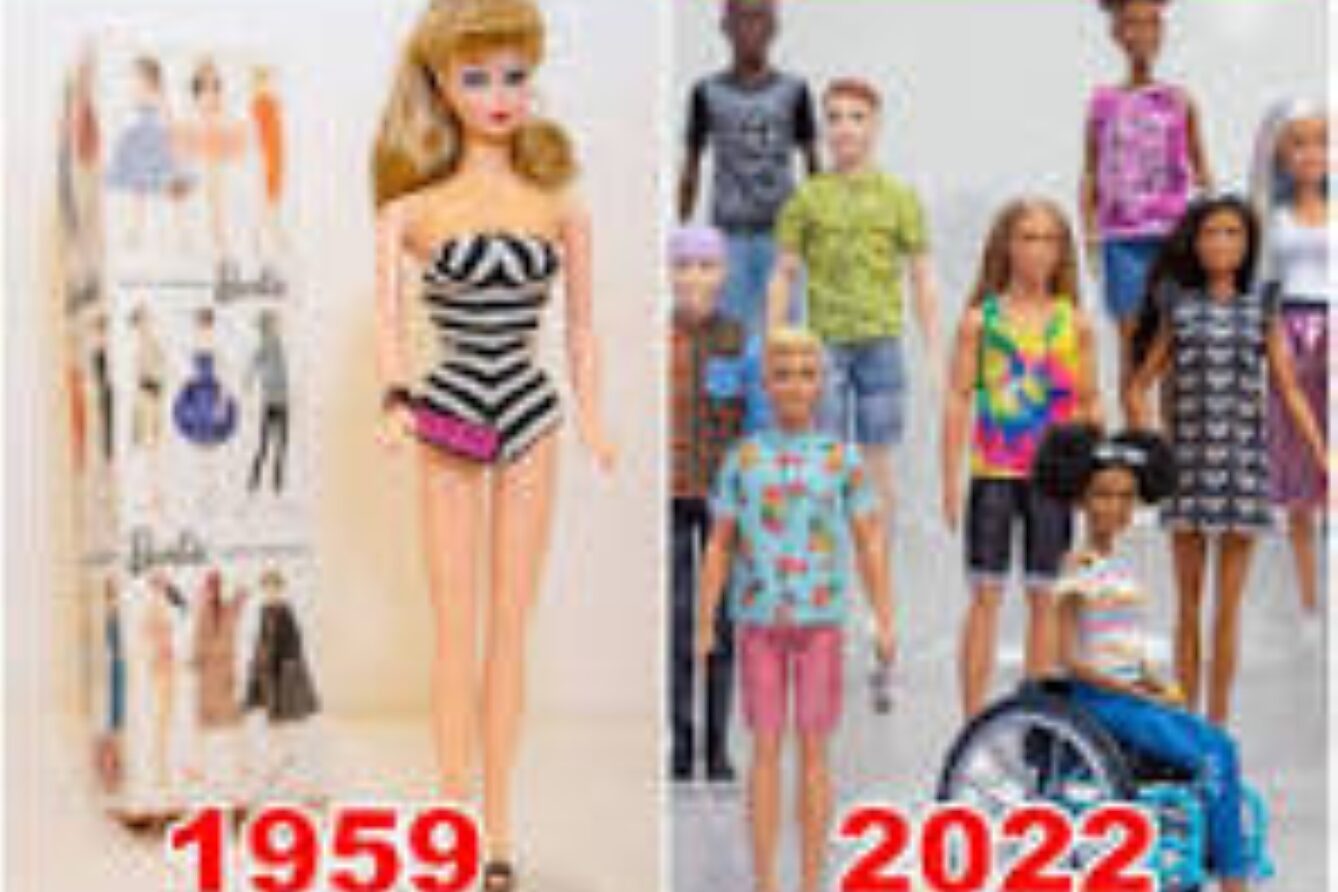
Looking back, the story of Mattel feels less like a single invention and more like a long conversation between ideas. Ruth Handler imagined a doll that could represent possibility. Elliot Handler believed toys should be inventive and engaging. Together, those viewpoints created a company that understood both imagination and design. Over the decades, Mattel expanded far beyond its early workshop days. Barbie continued evolving with new careers and identities, while Hot Wheels kept releasing new models and tracks that appealed to generations of kids. The company also acquired other brands and grew into one of the largest toy makers in the world.
Industry historians often point out that the Handler partnership was unusual. Ruth focused on market insight while Elliot concentrated on product creativity. That combination helped Mattel stay relevant even as the toy industry changed. The toys they created did more than fill shelves. They shaped how children imagined the future and how they played with the present. And in many ways, the toy aisle still carries their fingerprints. The next time a child pushes a tiny car down a track or dresses a doll for a new adventure, a little piece of that original workshop spirit is still there.
6. When Television Turned Toys Into Household Names
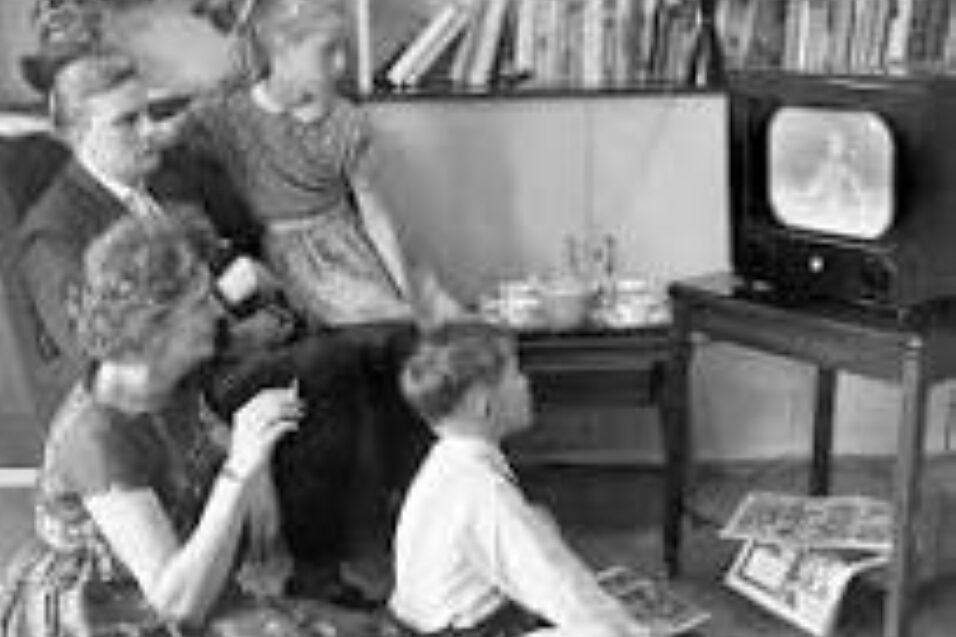
One of the quiet revolutions behind Mattel’s success was its early embrace of television advertising. In the 1950s, most toy companies relied on store displays and seasonal catalogs to reach customers. Mattel tried something different by promoting its toys directly to children through TV programs. The company became a sponsor of The Mickey Mouse Club, which aired on ABC.
That decision changed how toys were marketed in the United States. Suddenly children could see toys in action right in their living rooms. When Barbie commercials began appearing during the show, kids immediately recognized the doll and started asking for it by name. Retailers soon realized the demand was real. As historian Christopher Byrne once explained in a discussion about toy marketing, “Mattel understood earlier than most that television could create desire before a child even entered a store.” The strategy helped Barbie become a national phenomenon within just a few years. It also set a new standard across the toy industry. Other companies quickly followed Mattel’s lead, turning TV advertising into one of the most powerful tools for selling toys. What seemed like a simple marketing experiment ended up reshaping the business of play.
7. The Growing Barbie Universe
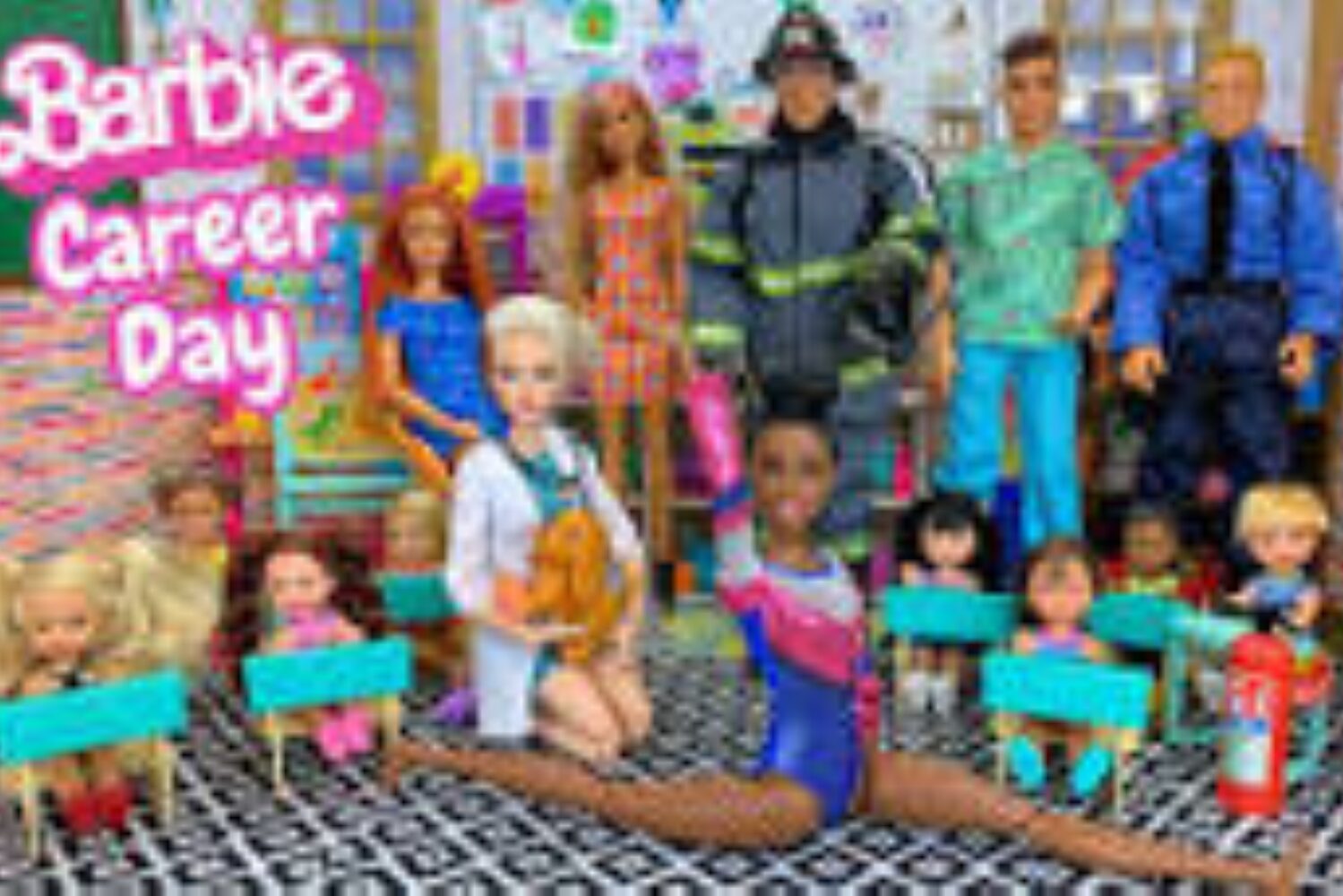
Once Barbie became popular, Mattel realized the doll could represent more than fashion. The company began expanding Barbie’s world, introducing friends, family members, and new careers. In 1961, Barbie got a companion with the debut of Ken Carson, named after the Handlers’ son. From there the Barbie universe continued to grow. New characters, homes, cars, and outfits gave children endless ways to imagine stories. Over time Barbie appeared as an astronaut, a doctor, a teacher, and even a presidential candidate. These changes reflected shifting attitudes in American culture. Many parents saw the doll as a way to encourage ambition and imagination.
Ruth Handler often spoke about that idea when discussing Barbie’s role. In interviews she explained that the doll represented possibility. “Barbie always represented the fact that a woman has choices,” she once said. That message helped keep the brand relevant even as generations changed. By the 1970s and 1980s, Barbie had become more than a toy. She was a cultural figure recognized around the world. And for Mattel, the expanding Barbie universe became one of the company’s most reliable sources of growth and creativity.
8. Hot Wheels Sparks a Collector Culture
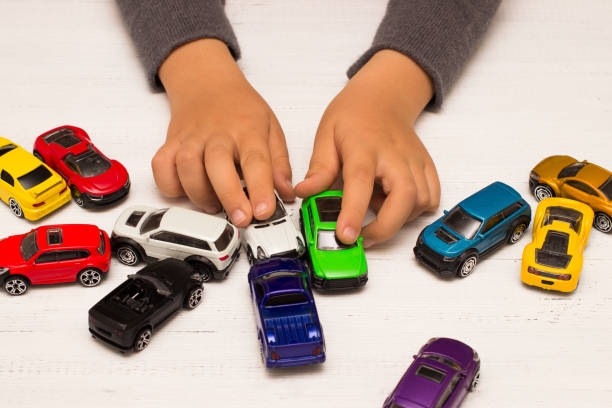
While Barbie was growing into a global icon, Hot Wheels was building a different kind of following. The tiny cars that launched in 1968 quickly caught the attention of kids who loved racing them down bright orange tracks. But something unexpected happened as the years passed. Adults started collecting them too. Early models like the original “Sweet 16” cars became prized items among enthusiasts. Collectors searched flea markets, toy stores, and garage sales hoping to find rare versions. Some early Hot Wheels models eventually sold for hundreds or even thousands of dollars. The brand had quietly become part toy and part hobby.
Design played a big role in that popularity. The cars often reflected real automotive trends, from muscle cars of the late 1960s to futuristic concepts. Automotive designer Larry Wood, who worked on many Hot Wheels models, once explained the appeal simply. He said the goal was to create cars that felt exciting even in miniature form. Today, Hot Wheels continues to release new designs every year. What began as a fast little toy car line has turned into one of the longest-running collectible brands in the toy world.
9. Challenges That Tested the Company

Even successful companies face difficult periods, and Mattel was no exception. During the 1970s the company went through a series of financial and management challenges that threatened its reputation. In 1975, co-founder Ruth Handler stepped down from the company amid investigations related to financial reporting. The moment was difficult for Mattel and for the Handler family personally. Yet the company managed to recover. New leadership reorganized operations and refocused on its strongest brands. Through the late 1970s and 1980s, Mattel slowly rebuilt stability and continued expanding its toy lines.
Despite stepping away from Mattel, Ruth Handler remained a determined entrepreneur. She later developed a product called Nearly Me, a line of breast prostheses designed for women recovering from mastectomies. Reflecting on her career years later, she told interviewers that creativity and resilience had always guided her work. For Mattel, the period served as a reminder that even a beloved brand must navigate setbacks. The company’s ability to recover and move forward helped secure its place as a lasting presence in the toy industry.
10. A Toy Legacy That Still Lives On
Today, decades after those early ideas first took shape, Mattel remains one of the most recognizable names in toys. The company behind Barbie and Hot Wheels has continued expanding through new characters, partnerships, and media projects. Its toys are sold in dozens of countries and remain a familiar part of childhood. What makes the story remarkable is how personal it began. A mother noticing how her daughter played with dolls. A designer experimenting with scraps of wood. Those small moments eventually grew into products that shaped generations of play.
Industry observers often point to the Handler partnership as a unique balance of creativity and insight. Ruth understood how children imagined the future, while Elliot knew how to build something that captured attention. Together they created toys that felt simple but carried big ideas. And that may be why the story still resonates today. Behind every Barbie dream house or Hot Wheels race track is a reminder that imagination can start anywhere. Sometimes it begins at a kitchen table, sometimes in a workshop, and sometimes in the quiet observation of how children play.


