
The Walking Buddy Effect
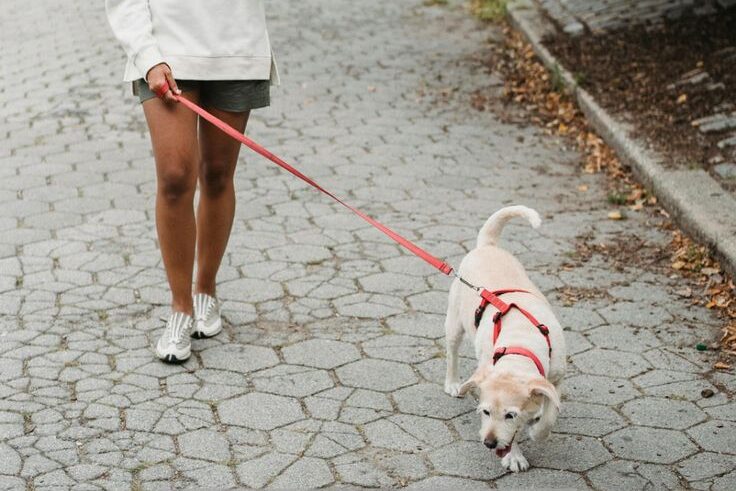
Bringing a dog into the house often changes daily routines in quiet ways. One of the first things many new owners notice is how often they start stepping outside. Dogs need walks, simple as that. Morning, evening, sometimes even a quick stretch in between. What begins as a responsibility slowly becomes part of everyday life. People who once debated whether to exercise suddenly find themselves lacing up shoes without thinking much about it. The dog is already waiting by the door, tail wagging, ready to go.
Over time those short walks add up in ways that feel natural rather than forced. Instead of chasing a strict fitness routine, the movement simply becomes part of caring for a companion. Fresh air, a little sunshine, and steady steps around the neighborhood slowly shape a more active lifestyle. Many dog owners eventually realize that their pet quietly became their most dependable walking partner, showing up every day with the same enthusiasm and never once canceling the plan.
Companionship That Softens Loneliness
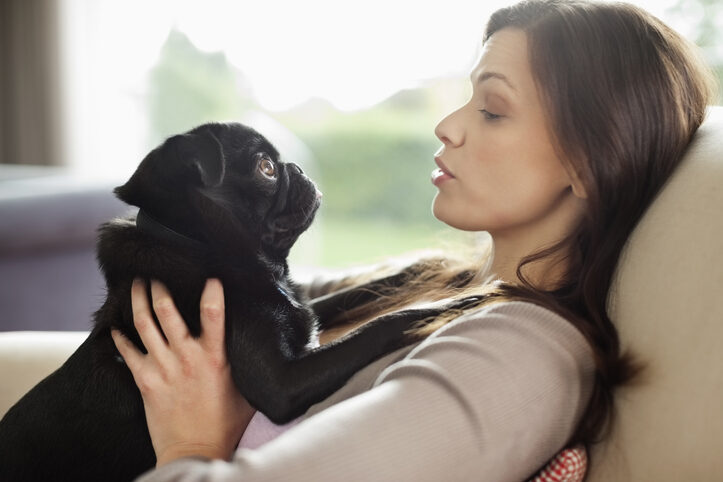
Living with a dog often changes the feeling of a home in subtle ways. The space does not feel as quiet anymore. There is the sound of paws moving across the floor, a curious face appearing around corners, and a loyal companion waiting patiently at the door when the day ends. For people who live alone, that presence can make a surprising difference. A dog may not speak, but their steady companionship fills empty spaces with warmth and routine that gradually becomes part of everyday life.
That kind of companionship often brings emotional comfort during ordinary days as well as difficult ones. Feeding the dog, taking walks together, or simply sitting beside each other in the evening creates moments that break the silence of an otherwise quiet home. These small routines remind people they are not completely alone. Over time the bond grows naturally, and many owners find that the simple act of sharing life with a dog softens feelings of loneliness in ways they never quite expected.
A Small Boost For Heart Health

When people talk about the health benefits of dogs, heart health often comes up in the conversation. While dogs are not medicine, the lifestyle that comes with caring for them can quietly support better physical habits. Daily walks, outdoor activity, and a more consistent routine all play a role. These small patterns help people stay active without turning exercise into a strict obligation, which often makes the habit easier to maintain over time.
There is also the calming effect dogs bring into everyday life. Spending time with a loyal companion can help ease tension after a long or stressful day. Sitting beside a dog, playing together, or heading out for a quiet walk allows the body to relax and slow down. When these calming moments happen regularly, they can support overall well being. Over time, the balance of activity and relaxation that comes with dog ownership may quietly contribute to better heart health.
The Motivation To Stay Active
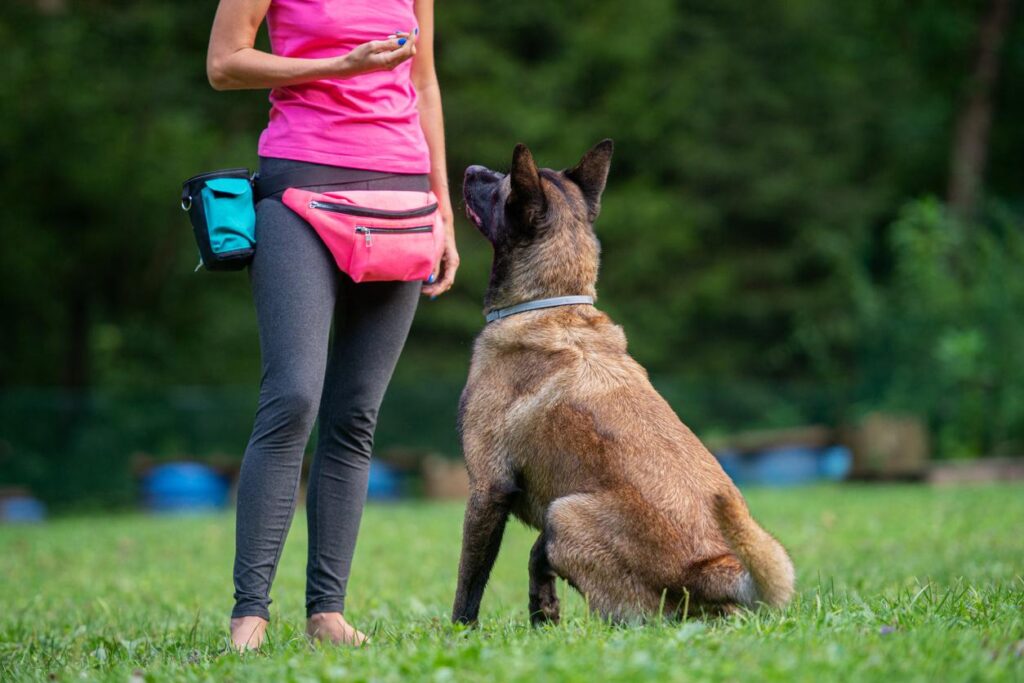
One of the most noticeable changes after adopting a dog is how naturally movement becomes part of daily life. Dogs are curious and energetic, and they rarely pass up an opportunity to explore the outdoors. Even when their owners feel tired or tempted to stay indoors, the dog’s excitement often shifts the mood. Suddenly a short walk around the block feels less like exercise and more like sharing a small adventure with a companion who is always eager to go.
This gentle push toward activity becomes surprisingly consistent. A quick walk in the morning, another after dinner, and occasional playtime throughout the day create a rhythm that keeps people moving. Unlike scheduled workouts that sometimes get skipped, these activities feel tied to caring for the dog. Over time the body adjusts to the routine, and many owners find themselves more active than they ever planned to be, simply because their dog made movement part of everyday life.
Emotional Comfort During Stressful Times
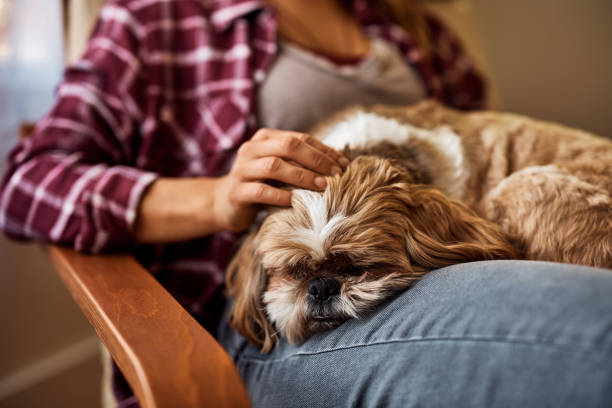
Stress has a way of creeping into daily life through work, responsibilities, and unexpected challenges. During those moments, many dog owners notice how calming their pets can be. Sitting beside a dog and gently petting its fur often brings a sense of quiet comfort. The steady presence of a loyal animal can make stressful situations feel a little less overwhelming, offering a pause that allows people to breathe and settle their thoughts.
Dogs also respond with a kind of affection that feels simple and genuine. They greet their owners with excitement, listen without judgment, and stay close during quiet moments. These small interactions create emotional warmth that helps balance the pressures of everyday life. Over time, many people come to rely on those peaceful moments with their dog as a way to unwind, finding comfort in the steady companionship that their pet naturally provides.
The Social Connector

Walking a dog often leads to unexpected conversations. Two people might pass each other quietly on a sidewalk, but when their dogs stop to sniff or greet each other, a friendly exchange often begins. These brief interactions may seem small, yet they slowly create a sense of familiarity within neighborhoods and parks. Dog owners begin recognizing the same faces during their daily walks, turning ordinary outings into moments of casual connection.
Over time those short conversations can grow into friendly relationships. Neighbors start greeting each other more often, and dog parks become places where people gather naturally. The shared experience of caring for a dog gives people something easy to talk about, making social interaction feel relaxed rather than forced. In this way, dogs quietly help bring people together, creating small communities formed around shared routines and mutual affection for their pets.
Cognitive Benefits In Later Life
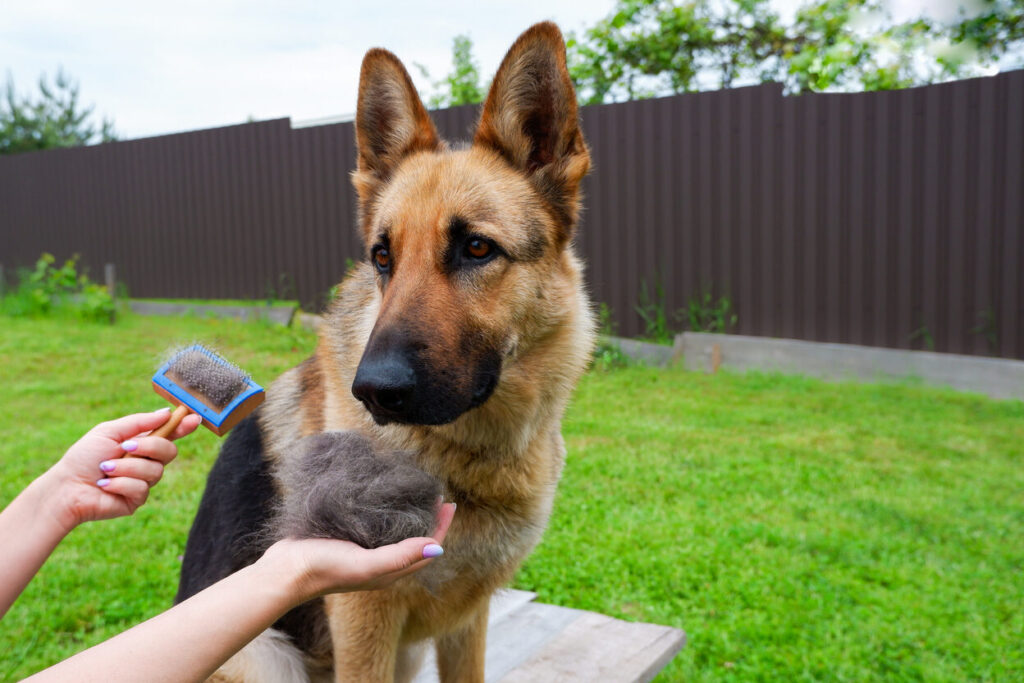
As people grow older, maintaining mental engagement becomes increasingly important. Caring for a dog can help provide that stimulation through daily responsibilities and interaction. Feeding schedules, walks, grooming, and playtime require attention and planning. These activities create a rhythm that keeps both the body and mind involved in everyday tasks that feel purposeful rather than repetitive.
Dogs also encourage curiosity and awareness. Watching their behavior, responding to their needs, and engaging in playful moments keeps the mind active. Conversations with neighbors during walks and small decisions about the dog’s care add further mental engagement. Over time these interactions support an environment where the brain stays involved in daily life. While a dog alone cannot guarantee cognitive health, the routine and companionship they bring often help older adults remain mentally and socially active.
When The Responsibility Becomes A Burden
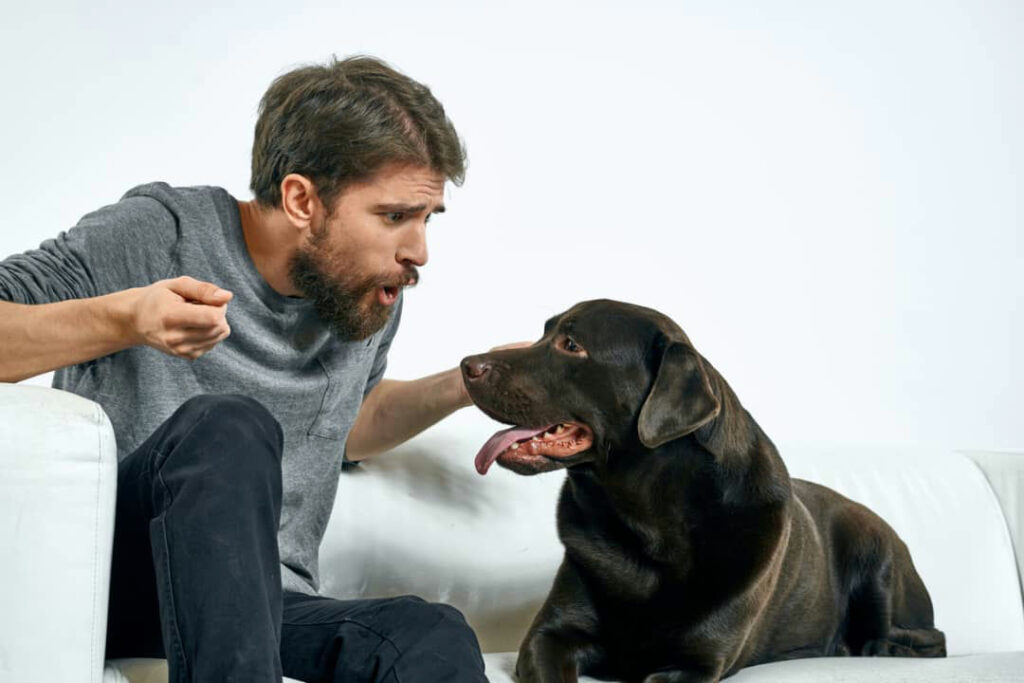
Although dogs bring joy to many homes, caring for them also requires commitment. Feeding, grooming, training, and regular veterinary care are all part of responsible ownership. These responsibilities take time, attention, and financial resources. For someone with a busy schedule or limited flexibility, managing those needs can become difficult. The reality of caring for a dog involves far more than occasional playtime.
When responsibilities begin to feel overwhelming, the experience of owning a dog may become stressful rather than comforting. Instead of providing relaxation, the added duties can create pressure that affects daily life. This does not mean dogs are not wonderful companions, but it highlights the importance of preparing for the long term responsibility they bring. When owners understand what caring for a dog truly requires, they are better able to create a balanced and positive relationship.
Not Every Lifestyle Fits Dog Ownership

Dogs thrive in environments where they receive attention, movement, and companionship throughout the day. People with flexible schedules or access to outdoor spaces often find it easier to meet these needs. However, individuals who travel frequently, work very long hours, or live in housing that restricts pets may find dog ownership more challenging. Without enough time and engagement, a dog may struggle to adjust to its environment.
This is why choosing to adopt a dog requires thoughtful consideration. Matching the dog’s needs with the owner’s lifestyle helps ensure the relationship remains positive for both. When the balance works well, dogs become loyal companions who fit naturally into everyday routines. But when the fit is not quite right, both the dog and the owner may experience frustration. Honest reflection about daily habits often helps people decide whether dog ownership truly suits their lives.
The Real Secret Behind The Dog Longevity Idea
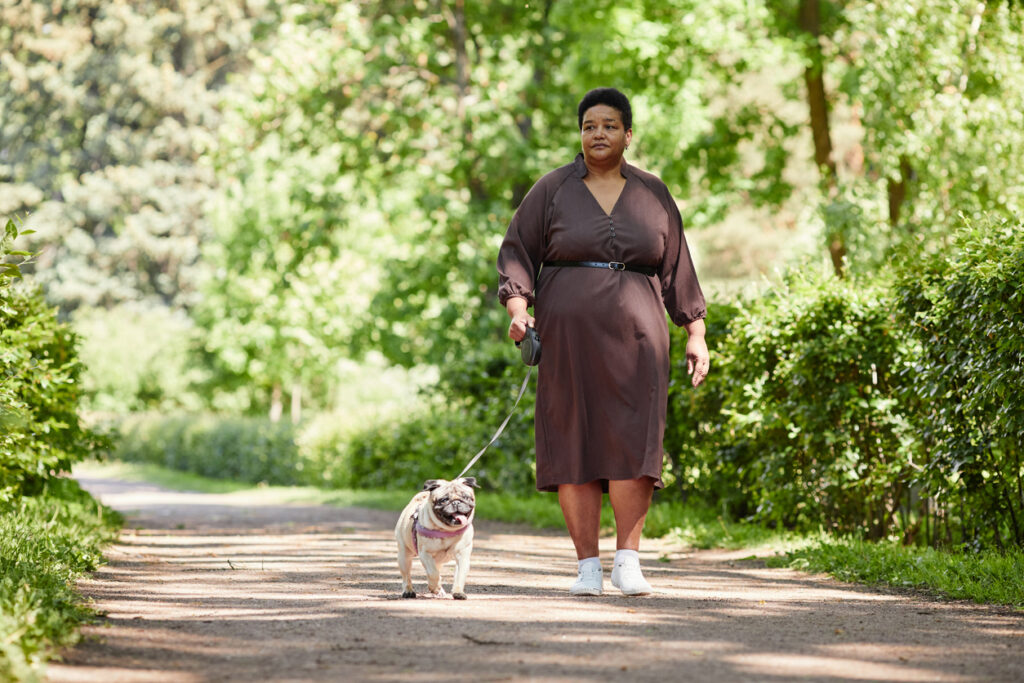
The idea that dogs help people live longer continues to attract attention, partly because many owners genuinely feel healthier and happier with their pets around. Dogs encourage movement, companionship, and daily structure that supports overall well being. These simple habits can shape a lifestyle where people spend more time outdoors, stay physically active, and experience moments of emotional comfort throughout the day.
At the same time, the real value of sharing life with a dog may go beyond statistics about longevity. Dogs bring joy into ordinary moments and turn simple routines into shared experiences. Walks become adventures, quiet evenings feel warmer, and the presence of a loyal companion adds meaning to everyday life. In the end, living with a dog may not guarantee a longer life, but it often makes the years feel fuller and more connected.


