
1. Lassie The Loyal Collie
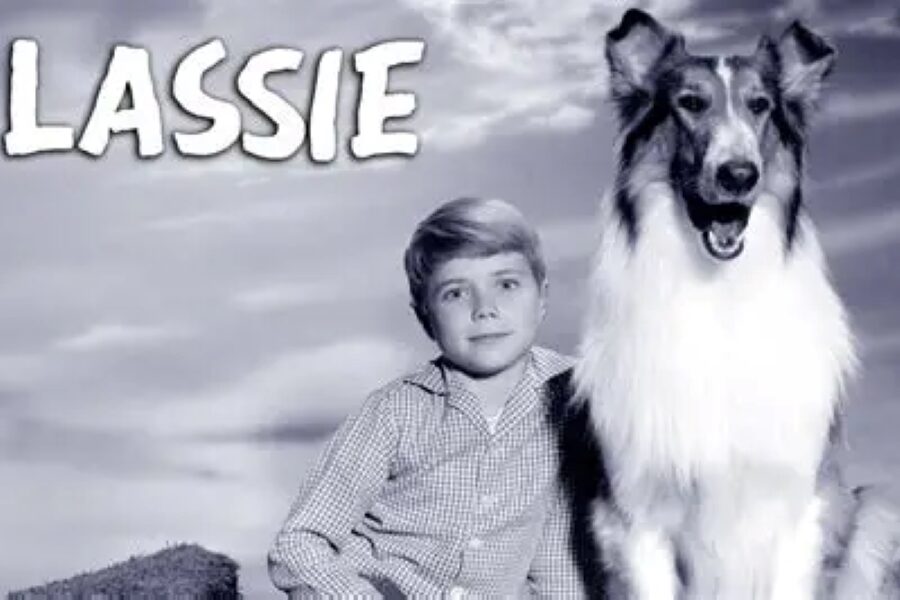
If someone asked you to name a classic television series led by an animal, Lassie would probably come to mind almost instantly. The show first aired in 1954 and quickly became one of the most recognizable family programs on television. At the center of the story was a remarkably intelligent collie who always seemed to sense trouble before anyone else did. Whether someone was lost, injured, or stuck somewhere dangerous, Lassie would run for help, bark until someone followed, and guide people straight to the problem.
Over the years the human families in the series changed, but Lassie remained the steady heart of every story. What made the show work was how believable that loyalty felt. Lassie was not treated like a performing animal but like a true companion who cared deeply about the people around her. Watching her step in whenever someone needed help gave the series a warm, dependable rhythm that audiences loved.
2. Flipper The Heroic Dolphin
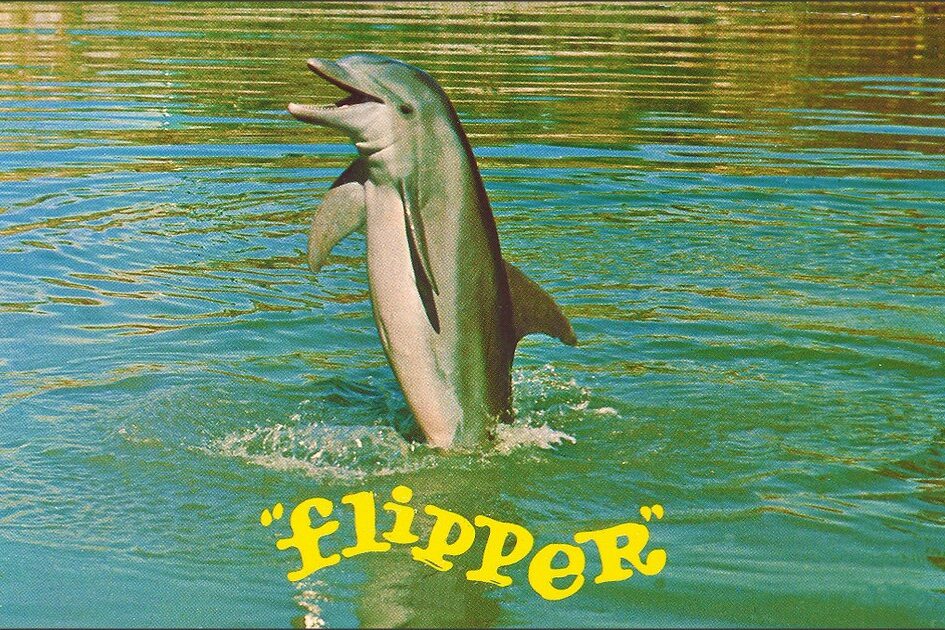
After years of farm animals and horses appearing in family television, Flipper brought something refreshingly different when the series arrived in the 1960s. The story followed a park ranger and his two sons living along the Florida coast near a marine park. Their most trusted companion was Flipper, a bottlenose dolphin who seemed to understand far more than anyone expected. Whenever trouble appeared in the water, Flipper was usually the first to notice. He would splash, whistle, and guide people toward the problem until help arrived.
What made the show memorable was the playful friendship between the boys and the dolphin. Flipper did not just perform tricks for entertainment. The stories often showed him helping swimmers, pushing boats, or alerting people when someone was in danger at sea. For many viewers, the series offered an early look at how intelligent dolphins could be. Watching Flipper leap through the waves while working alongside his human friends made the ocean feel less mysterious and more like a place where unexpected friendships could exist.
3. Mister Ed The Talking Horse
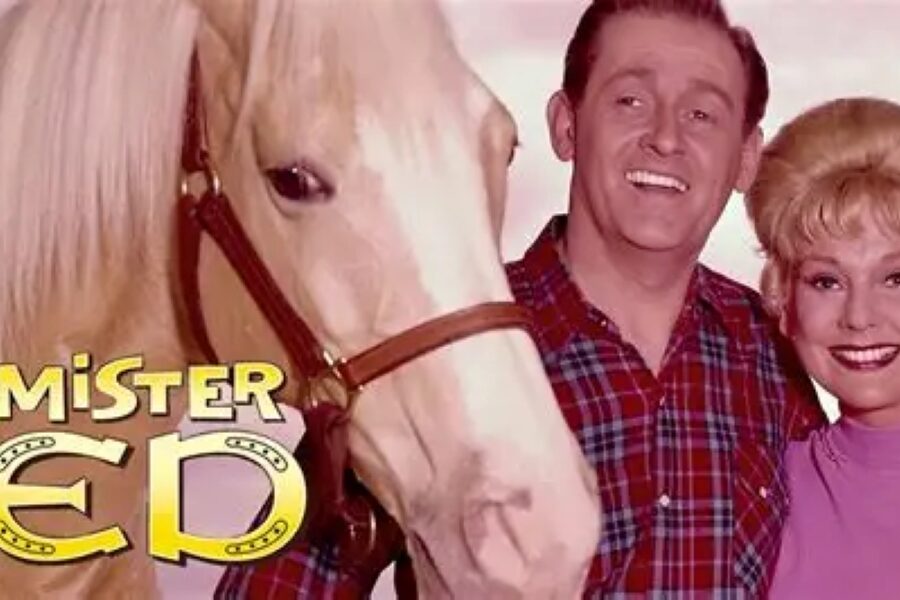
Sometimes the strangest television ideas turn into the most memorable ones, and Mister Ed proved exactly that. The sitcom followed a mild mannered architect named Wilbur Post who owned a horse with a very unusual ability. His horse Ed could talk, but only when Wilbur was around to hear it. To everyone else the stable remained completely silent. This strange situation often left Wilbur looking confused as he tried to explain things that no one else believed. Ed, meanwhile, had a witty and sometimes stubborn personality.
Much of the humor came from Ed asking questions about human behavior or causing small problems that Wilbur had to sort out. The horse behaved less like a magical creature and more like a mischievous friend who enjoyed teasing his owner. Watching Wilbur try to keep Ed’s secret while managing everyday life created the rhythm of the show. Over time the talking horse became one of television’s most recognizable characters, proving that a simple and unusual idea could still win over audiences.
4. Gentle Ben The Giant Bear
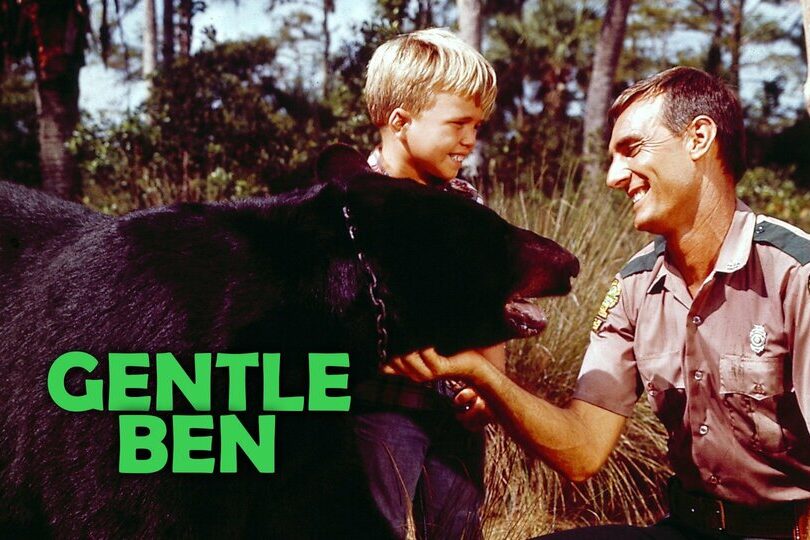
Gentle Ben introduced viewers to a friendship that seemed almost impossible at first glance. The series followed a boy named Mark who lived with his father in the Florida Everglades. His closest companion was a massive black bear named Ben. Instead of presenting the bear as dangerous, the show portrayed him as calm, curious, and deeply protective of the boy who cared for him. Many stories centered on the family dealing with challenges in the wild landscape surrounding their home.
Ben often appeared at the right moment when Mark needed help or reassurance. Watching a young boy walk beside such a powerful animal created a sense of wonder that audiences found fascinating. The series also highlighted the beauty of the Everglades and the importance of respecting wildlife. While the situations sometimes involved danger, the bond between Mark and Ben always remained gentle and sincere. That unusual friendship became the reason viewers kept returning to the show each week.
5. The Adventures Of Rin Tin Tin
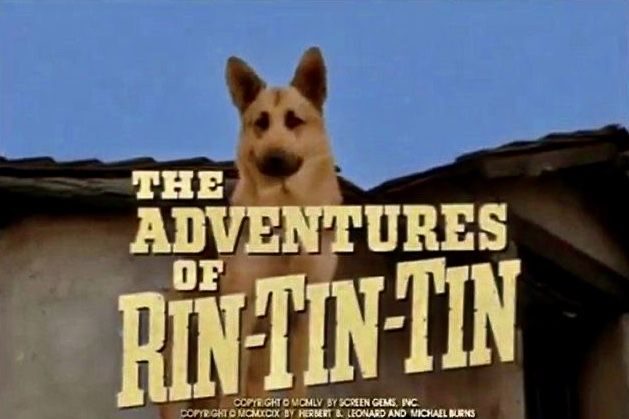
Long before many animal stars appeared on television, Rin Tin Tin had already become famous through early films. When the story moved to television in the 1950s, the loyal German Shepherd stepped into a new role on the American frontier. The series followed a boy named Rusty who lived at a cavalry fort after losing his family. By his side was Rin Tin Tin, the dog who helped him adjust to life among soldiers and settlers. Together they faced the everyday challenges of life in the Old West.
Rin Tin Tin often sensed danger before anyone else at the fort. Sometimes he helped track outlaws through the wilderness. Other times he warned the soldiers when trouble approached. The partnership between Rusty and his dog became the heart of the show. Watching them rely on each other gave the stories a feeling of trust and loyalty. That strong bond helped make Rin Tin Tin one of the earliest animal heroes many television viewers ever remembered.
6. Fury The Wild Stallion
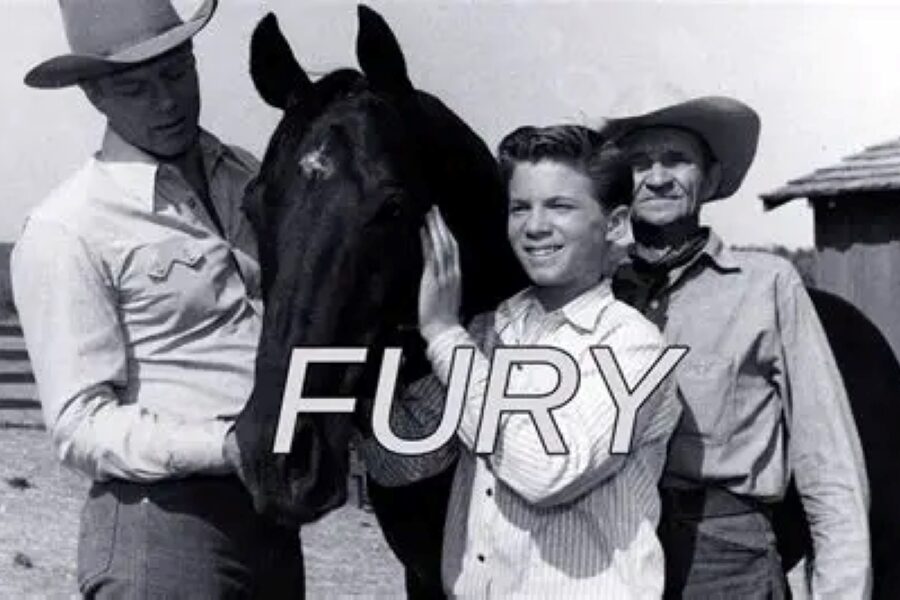
During the 1950s many television stories took place on ranches and wide open landscapes, and Fury fit perfectly into that world. The show followed a powerful black stallion who had once lived wild before being rescued and trained. Fury eventually formed a close connection with a young orphan named Joey who lived on a working ranch. The two quickly became inseparable. Whenever Joey found himself in trouble, Fury often reacted before anyone else noticed.
The horse’s loyalty created many of the show’s most memorable moments. Fury might race across fields to alert adults when Joey needed help or step in to protect him during dangerous situations. Their relationship captured the imagination of young viewers who dreamed of having such a dependable horse. The ranch setting also gave the show a warm sense of community where neighbors supported one another. In that environment Fury felt less like an animal and more like a trusted partner in every adventure.
7. Skippy The Bush Kangaroo
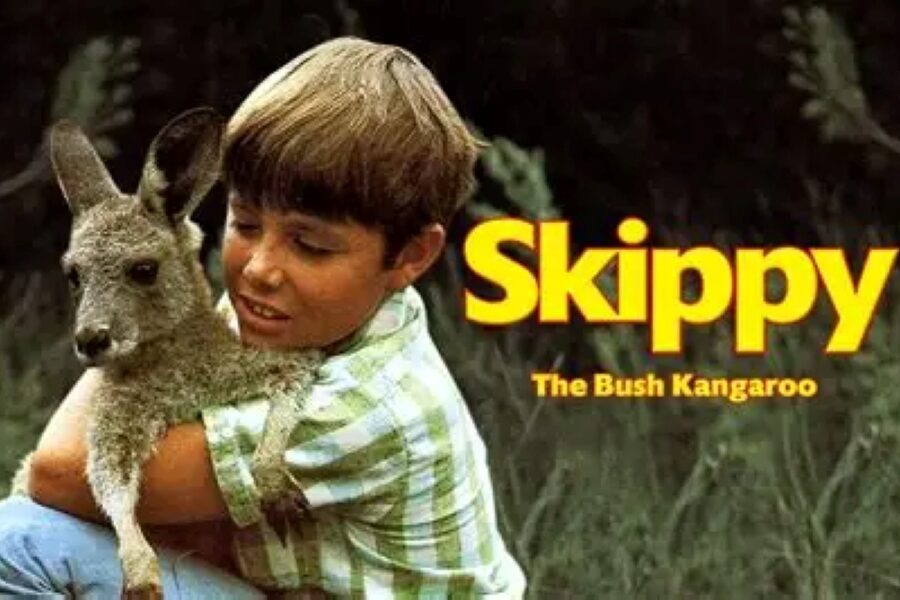
Skippy The Bush Kangaroo brought television audiences into the landscapes of Australia and introduced them to one very clever animal. The story followed a park ranger named Matt Hammond and his son Sonny who worked in a wildlife reserve. Their energetic kangaroo companion Skippy often noticed trouble around the reserve before anyone else did. If hikers were lost or an animal needed help, Skippy would bounce in quickly to alert the humans nearby.
The show mixed small adventures with an appreciation for wildlife and the natural environment. Skippy rarely needed complicated tricks to communicate what was happening. A quick hop, a thump on the ground, or a curious gesture was usually enough to guide Sonny and his father toward the situation. The playful friendship between the boy and the kangaroo gave the series its warmth. Watching Skippy move through the bush with confidence made the Australian setting feel lively and full of discovery.
8. The Adventures Of Champion The Wonder Horse
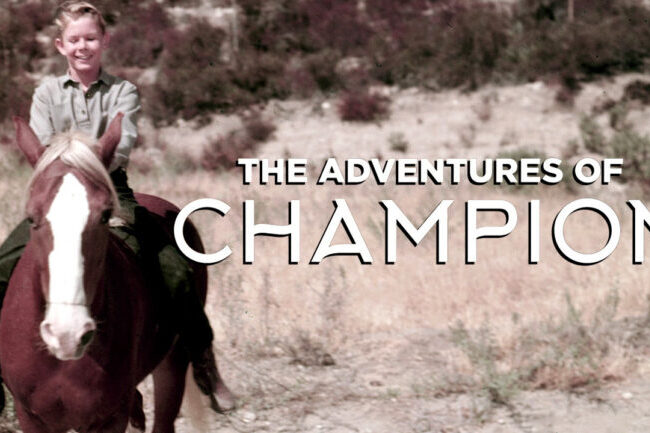
The Adventures Of Champion The Wonder Horse arrived during a time when western themed television shows filled family living rooms. The story followed a boy named Ricky North and his remarkable horse Champion. Together they lived on a ranch and often helped people across the surrounding frontier. Champion seemed to sense danger before it became obvious to anyone else. That instinct allowed Ricky to step in when someone nearby needed help.
Many episodes involved small mysteries or conflicts around the ranch. Sometimes travelers needed assistance after getting lost. Other times troublemakers threatened the peace of the community. Champion often played the key role in solving those problems. Watching Ricky rely on his horse created a sense of trust that carried through every story. For young viewers especially, Champion represented the dream of having a loyal horse who understood every signal and never failed when the moment mattered.
9. My Friend Flicka The Gentle Horse
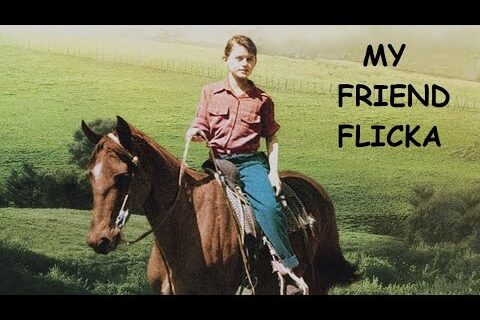
My Friend Flicka told a quieter story than many horse centered shows of its time. The series followed a ranch boy named Ken growing up in Wyoming with his spirited horse Flicka. At the beginning their relationship was not easy. Flicka had a strong will, and Ken had to learn patience while caring for her. Instead of forcing the horse to obey him, he slowly discovered how trust could grow through kindness and understanding.
That gradual bond became the center of the show. Each episode revealed something about responsibility and growing up. Ken learned that working with animals required patience rather than control. Flicka responded by becoming a loyal companion who stood beside him through everyday challenges on the ranch. The wide landscapes and calm rhythm of ranch life added to the feeling of authenticity. Watching their friendship develop reminded viewers that strong connections with animals often take time and care.
10. Daktari And Clarence The Cross Eyed Lion
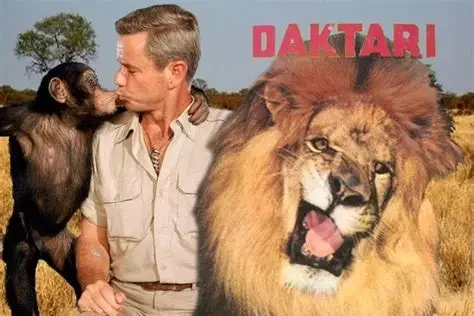
Daktari transported viewers to a wildlife research center in East Africa where scientists and veterinarians cared for animals living in the surrounding region. While the human characters guided the work of the center, the animals themselves often captured the most attention. One of the most memorable was Clarence, a calm lion known for his slightly crossed eyes and relaxed personality. His gentle presence made him stand out among the wildlife around the research station.
Clarence often appeared wandering peacefully near the people who cared for him, creating moments that felt both impressive and comforting. Alongside him was Judy, a mischievous chimpanzee who added humor to many scenes. The show balanced adventure with a growing awareness of wildlife conservation. By showing animals as intelligent creatures worthy of care and respect, the series encouraged viewers to think differently about the natural world. Clarence quietly became a symbol of that message throughout the show.
11. Here’s Boomer The Traveling Dog

Some television shows move from one location to another each week, and Here’s Boomer followed that path through the story of a wandering dog. The series centered on a friendly stray who traveled quietly from town to town. Wherever he arrived, someone usually needed help. Sometimes it was a child facing a difficult situation, other times it was an adult struggling with a problem that seemed too heavy to handle alone. Boomer rarely stayed long in one place, but his presence often nudged people toward the right solution.
What made the show feel special was its gentle tone. Boomer did not speak or perform dramatic tricks. Instead he simply appeared when someone needed support and stayed long enough to help things move in a better direction. Each episode introduced new characters whose lives changed slightly after Boomer passed through. Watching him continue down the road at the end of each story created a quiet sense of hope. The idea that a small act of kindness could shift someone’s day made the show feel warm and thoughtful.
12. Wishbone The Storytelling Jack Russell
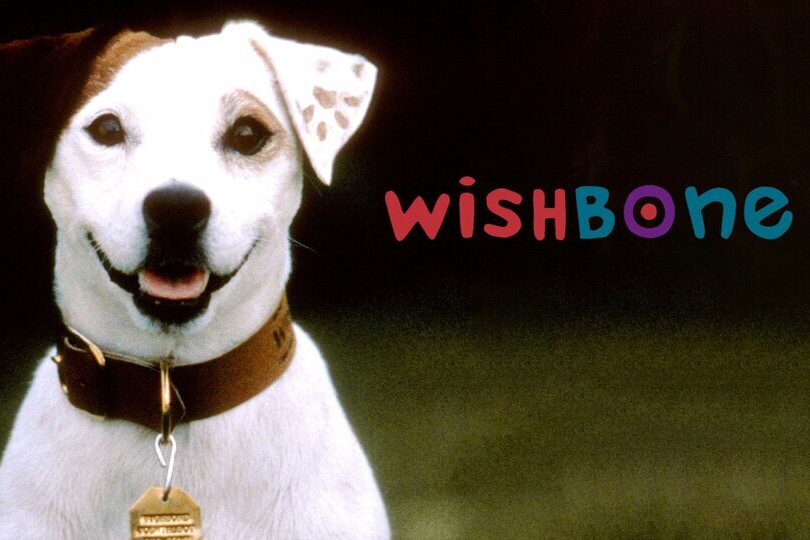
Wishbone proved that even a small dog could carry a big idea on television. The series followed a lively Jack Russell Terrier who lived in a quiet neighborhood but imagined himself inside famous works of literature. In one episode he might picture himself as Sherlock Holmes solving a mystery. In another he might become Robin Hood or a character from a classic novel. These imaginative scenes blended with his everyday life as he observed the people around him.
The clever part of the show was how it connected the stories from literature with situations happening in the real world. Wishbone’s adventures helped young viewers see how lessons from classic books could relate to everyday experiences. The dog’s expressive face and energetic personality made every story feel playful rather than serious. Watching him dash through historical settings or dramatic moments with confidence made the learning feel natural. By the end of each episode the connection between imagination and real life quietly came together in a way that felt satisfying.
13. Lancelot Link Secret Chimp

Television sometimes experiments with unusual ideas, and Lancelot Link Secret Chimp is one of the most memorable examples. The show presented a world where chimpanzees worked as secret agents battling villainous groups of other chimps. The title character, Lancelot Link, operated as a confident spy who faced all sorts of exaggerated missions. The animals wore costumes, used spy gadgets, and appeared in situations that mirrored the popular spy films of that era.
The humor came from watching serious spy action played out by chimpanzees who moved in unpredictable ways. Conversations were added through voice dubbing, which created the illusion that the animals were discussing secret plans. The result felt playful and slightly absurd, yet it was entertaining for younger audiences. The show embraced its strange concept rather than trying to explain it too much. That willingness to lean into the silliness made Lancelot Link stand out among television programs from the same period.
14. The Littlest Hobo The Wandering Helper
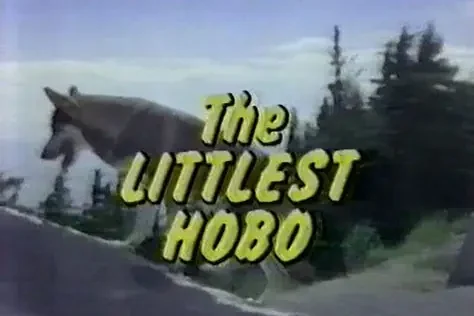
The Littlest Hobo followed another traveling dog whose quiet presence changed lives along the way. The series told the story of a German Shepherd who wandered from place to place across different communities. Whenever the dog arrived somewhere new, he soon discovered someone facing a challenge. Sometimes it involved a family disagreement, a misunderstanding, or a small mystery that needed solving. Without drawing attention to himself, the dog often guided people toward the answers they needed.
What made the show memorable was its calm storytelling style. The dog never spoke and rarely stayed long enough to receive praise. Instead he helped someone find their footing and then moved on to the next town. That pattern gave the series a reflective feeling. Viewers watched different lives unfold each week while the same quiet companion passed through them. The idea that kindness could arrive unexpectedly and leave without recognition gave the show a gentle emotional pull.
15. Black Beauty The Noble Horse
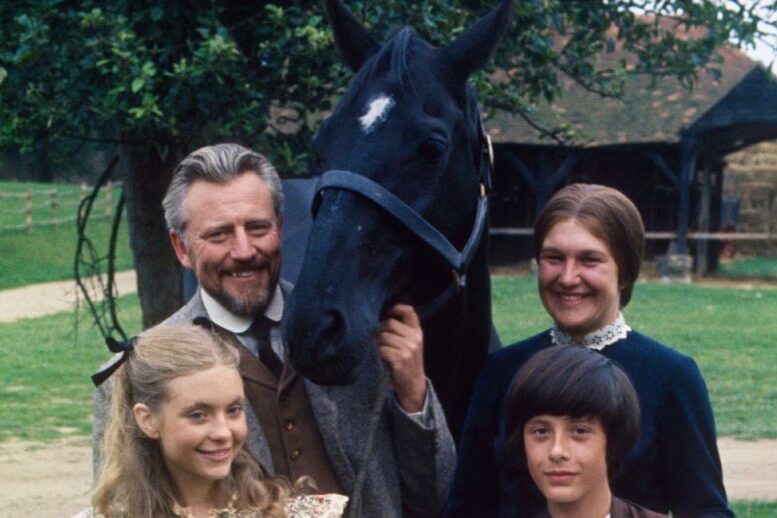
Black Beauty brought a familiar literary character to television screens through stories set in the English countryside. The series followed the life of a beautiful black horse and the families who cared for him. Instead of focusing only on action, the show explored the way people treated animals and how those relationships shaped their character. Black Beauty moved through different homes and situations, observing the kindness or carelessness of the humans around him.
The calm pacing of the series reflected the thoughtful tone of the original story. Scenes often focused on everyday moments such as riding through open fields or caring for horses in the stable. Through these experiences the show quietly reminded viewers that compassion toward animals matters. Black Beauty became more than a horse within the narrative. He represented dignity and patience in a world where people sometimes forgot those values. Watching his journey unfold created a peaceful viewing experience.
16. Kommissar Rex The Crime Solving Dog
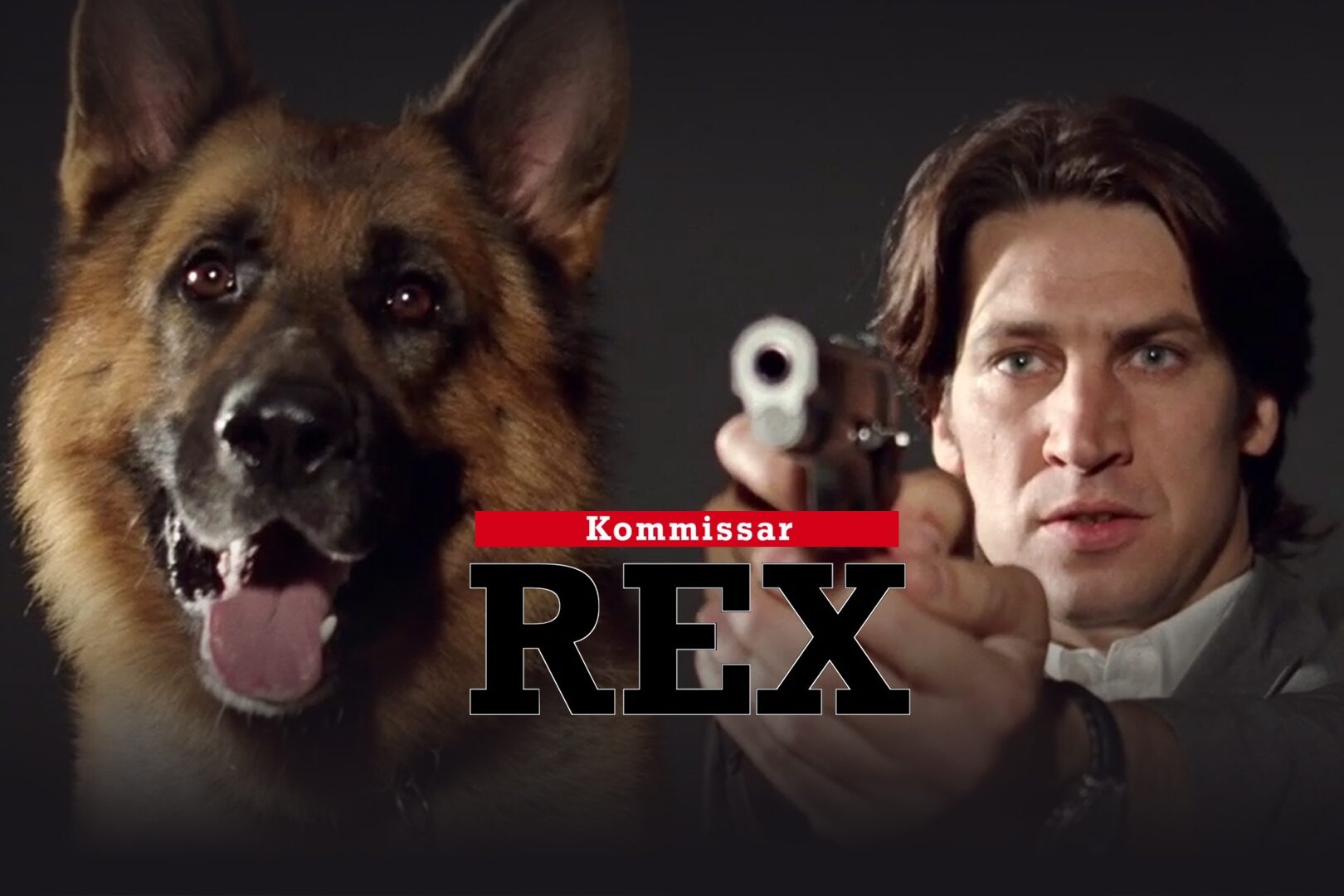
Kommissar Rex introduced a German Shepherd who worked alongside detectives in Vienna. The series blended crime investigation with moments of light humor, largely thanks to the dog’s personality. Rex helped officers track suspects, locate hidden evidence, and occasionally notice details that the humans had overlooked. His instincts often guided the detectives toward breakthroughs in complicated cases.
Despite the serious setting of police work, Rex brought warmth to the story. The dog formed close bonds with the officers who worked beside him and often behaved like a loyal colleague rather than just a trained animal. Viewers also enjoyed the small moments where Rex showed his playful side, especially when food was involved. Watching him move confidently through crime scenes while still maintaining that friendly nature created a balance between drama and charm that kept the show engaging.
17. Due South And The Loyal Diefenbaker
Due South followed a Canadian Mountie who traveled to Chicago while continuing to uphold his strong sense of duty. Alongside him was a quiet companion named Diefenbaker, a white wolf who stayed close through every investigation. Unlike many animal characters, Diefenbaker rarely performed dramatic actions. Instead he watched carefully and reacted subtly to the situations unfolding around him. His calm presence gave the series an unusual atmosphere.
The partnership between the Mountie and the wolf felt understated yet meaningful. Diefenbaker often sensed danger before anyone else and responded in small ways that helped guide the story forward. The contrast between the polite Mountie and the silent wolf created moments that felt both thoughtful and slightly humorous. Their companionship suggested a bond built on trust rather than commands. That quiet loyalty made Diefenbaker one of the most memorable animal partners in television drama.
18. ALF The Mischievous Alien Pet
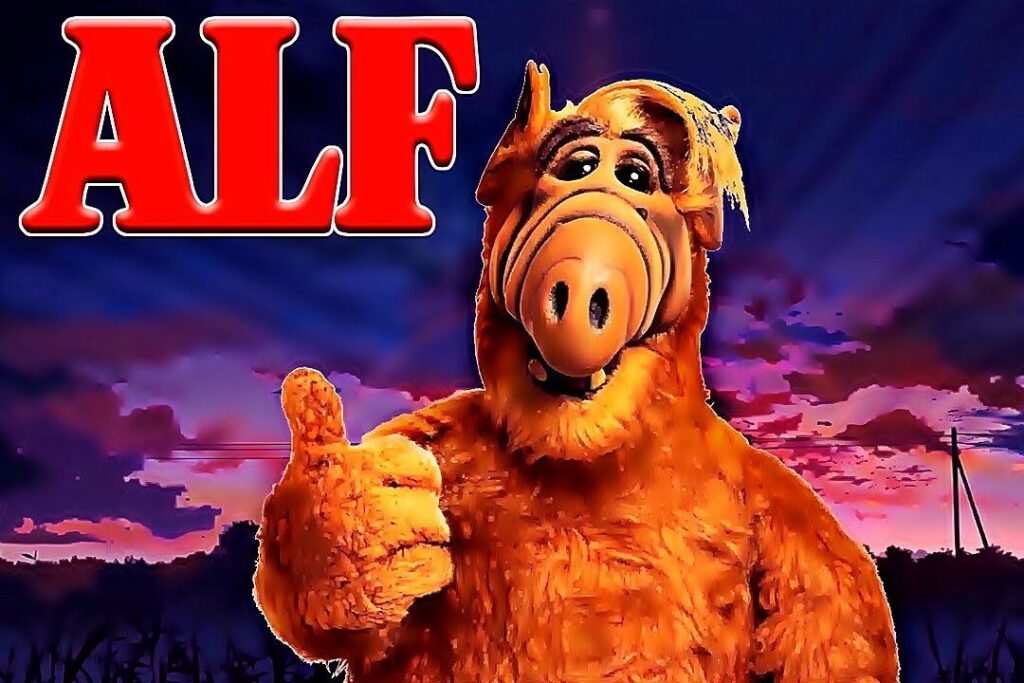
ALF introduced audiences to a character who technically was not an animal from Earth but behaved very much like an unusual household pet. After crash landing into the garage of the Tanner family, ALF secretly moved into their home while hiding from the outside world. The furry alien quickly developed strong opinions about human habits, television programs, and food. His sarcastic comments often caused chaos within the household.
Despite the constant trouble he created, ALF gradually became part of the family. Beneath the jokes and complaints he genuinely cared about the people who protected him. Many stories explored how the family balanced their normal lives while keeping their unusual guest hidden from neighbors. The contrast between ordinary suburban life and ALF’s unpredictable behavior gave the show its energy. Watching the family slowly accept him as one of their own added a warm layer beneath the comedy.
19. Wilfred The Oddly Philosophical Dog
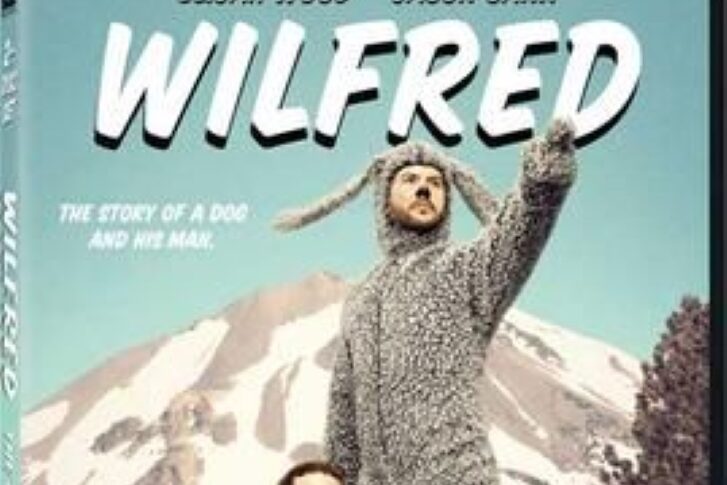
Wilfred approached the idea of an animal character from a completely different direction. In the story a man named Ryan sees his neighbor’s dog not as a regular pet but as a man wearing a dog suit who speaks directly to him. Everyone else sees an ordinary dog, which leaves Ryan questioning his own perceptions. Wilfred often behaves in ways that are mischievous, blunt, and strangely insightful.
Their conversations move between humor and reflection as Wilfred pushes Ryan to confront parts of his life he would rather ignore. The dog does not act like a traditional heroic animal helping people out of danger. Instead he challenges Ryan with unexpected questions and strange advice. That unusual relationship gives the show a thoughtful tone beneath its comedy. Watching Ryan struggle to understand whether Wilfred is a problem or a guide becomes the heart of the series.
20. The Adventures Of Ozzie And Harriet’s Beaver The Dog
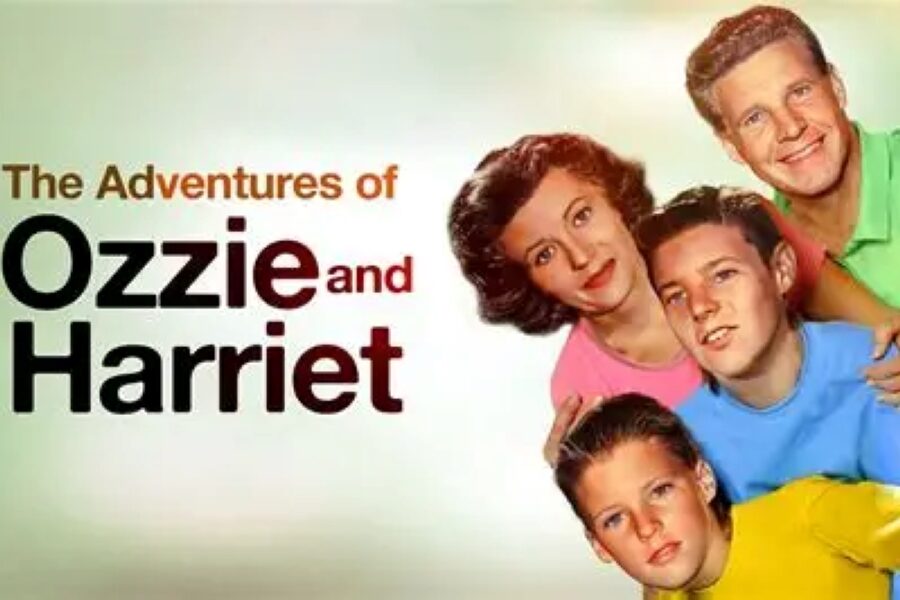
Sometimes the animal stars of television were not the main characters on paper, yet they still managed to leave a strong impression on viewers. In the long running family sitcom The Adventures Of Ozzie And Harriet, the Nelson family occasionally shared the screen with their lovable dog Beaver. While the series mainly focused on everyday family life, Beaver often added warmth and humor to small moments around the household. The dog wandered through scenes, reacted to the family’s conversations, and quietly became part of the home’s familiar rhythm.
Even though Beaver was not the center of every storyline, the dog helped ground the show in the simple reality of family living. Scenes that included Beaver often felt relaxed and natural, much like what many viewers experienced in their own homes with their pets. The presence of a family dog added a sense of comfort that fit perfectly with the show’s gentle storytelling style. Watching Beaver rest beside the Nelson family or follow them through their daily routines reminded audiences how animals often become quiet but meaningful members of a household.


