
1. Medellín, Colombia – From Fear to Flourish

There was a time when the name Medellín carried a heavy reputation. In the 1980s and early 1990s, the city was widely associated with cartel violence and staggering homicide rates that drew global attention. At one point it was even described as one of the most dangerous cities in the world. For residents, daily life could feel tense and uncertain. Yet behind those difficult years, something quieter was beginning to take shape. Local leaders, educators, and community groups slowly started reimagining what the city could become, focusing on long-term change rather than quick fixes.
Over the past two decades, Medellín has steadily reshaped its identity. Investments in public transportation, hillside escalators connecting isolated neighborhoods, parks, and striking public libraries helped bring communities together in ways that hadn’t existed before. Visitors today often speak about the warmth of its neighborhoods, the creativity of its street art, and the sense that the city is constantly reinventing itself. The transformation didn’t happen overnight, but step by step Medellín turned its story toward resilience, becoming a place many now see as a model of urban renewal rather than a cautionary tale.
2. Camden, New Jersey – Reinventing Comfort in Community
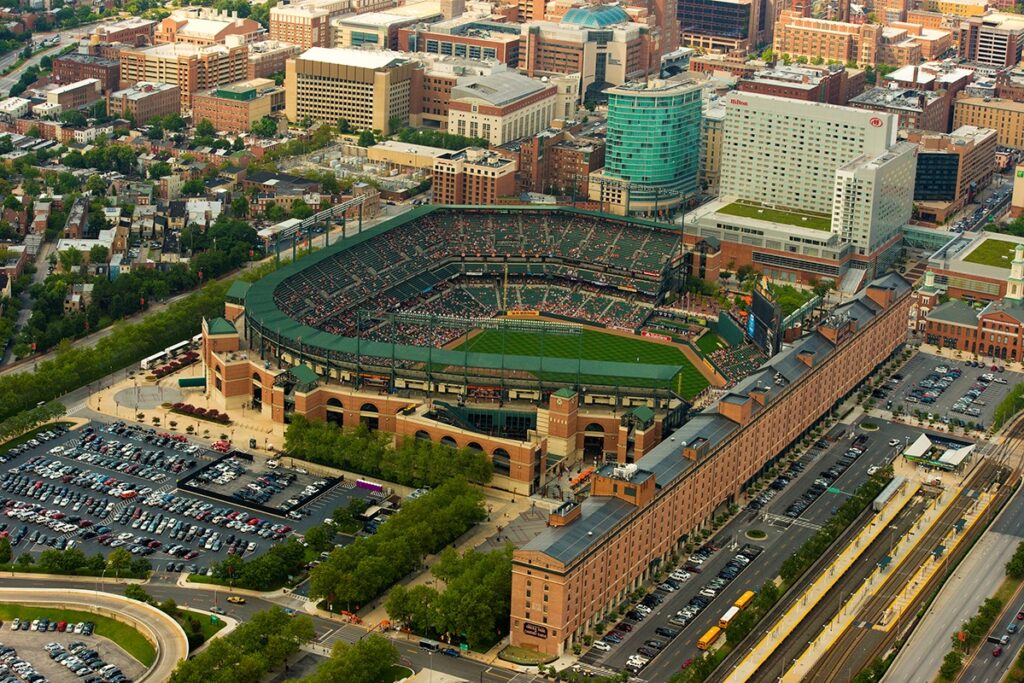
Camden, just across the river from Philadelphia, spent years carrying a reputation that many residents wished would change. For a long time, the city appeared regularly in national conversations about crime, particularly in the early 2000s when violence rates reached worrying levels. People outside the city often formed opinions based solely on headlines. But within Camden, community leaders and local officials were working steadily toward a different future, one that focused on rebuilding trust between neighborhoods and those responsible for public safety.
A turning point came when the city reorganized its police system and leaned heavily into community policing. Officers began walking neighborhoods more often, getting to know residents rather than simply responding to calls. Over time, crime rates began to fall and residents slowly regained confidence in their streets. Today, Camden still faces challenges, but many people who live there talk about feeling a growing sense of stability. Small businesses have returned, parks feel livelier, and neighbors once again gather outside in the evenings, sharing conversations that feel comfortably ordinary.
3. Boston, Massachusetts – Turning the Tide Together
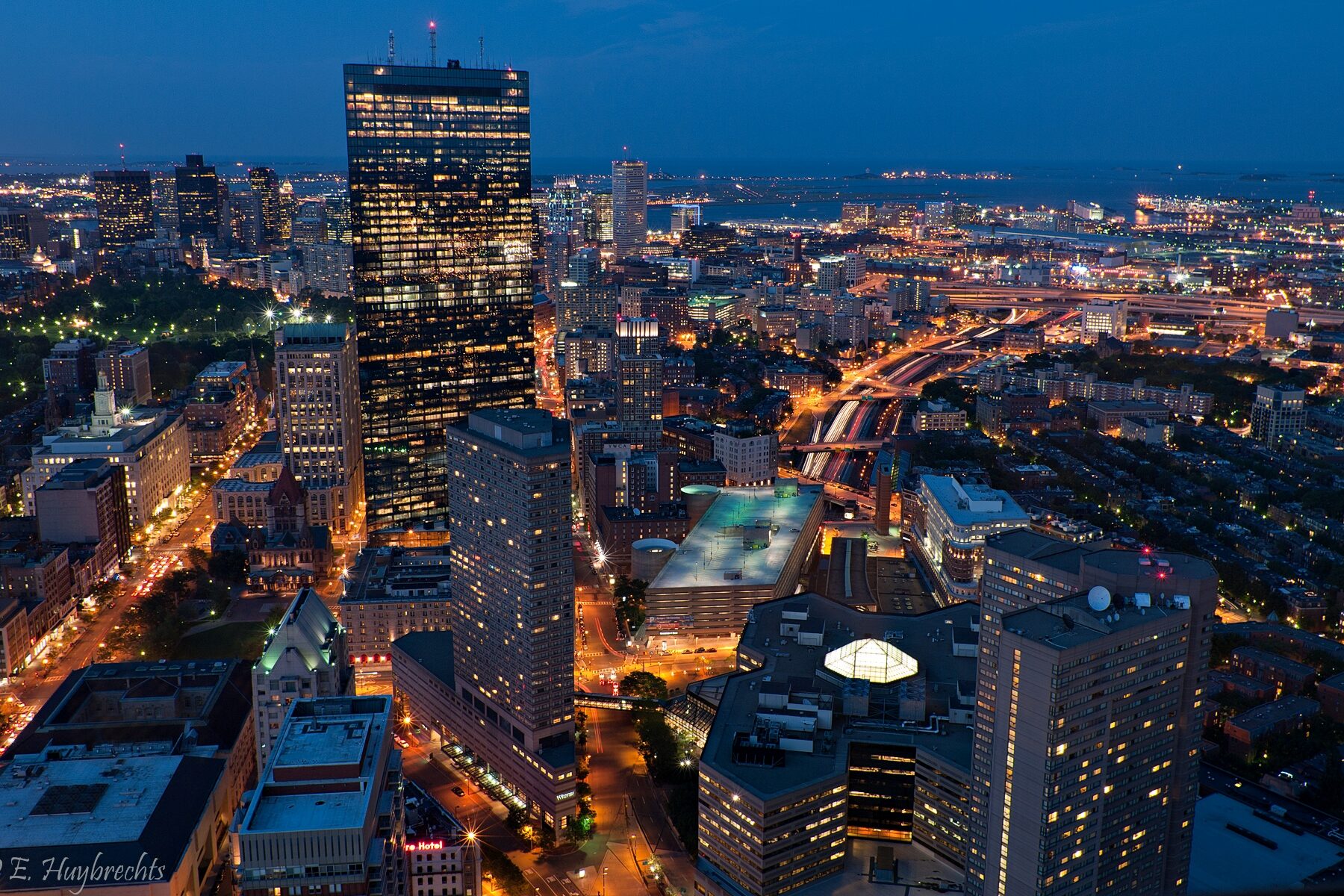
Boston is known for its historic charm and lively neighborhoods, but there was a period when the city faced serious concerns about violent crime, particularly during the late 1980s and early 1990s. Some communities were struggling with gang activity, and the rising tension worried both families and city officials. Rather than approaching the problem from a single direction, Boston tried something different. Community groups, churches, police officers, and city leaders began working together in a coordinated effort that came to be widely known as the Boston Miracle.
The approach focused heavily on outreach to young people and building stronger relationships within neighborhoods. Programs that offered mentorship, education support, and community engagement slowly helped steer many at-risk youth away from violence. Over time, crime rates declined and residents began to feel a renewed sense of confidence in their communities. Today, Boston’s lively streets, busy parks, and late-night cafés reflect that shift. The change wasn’t sudden or dramatic, but it showed how cooperation and patience can gradually reshape the safety and spirit of a city.
4. El Paso, Texas – Quiet Strength on the Border
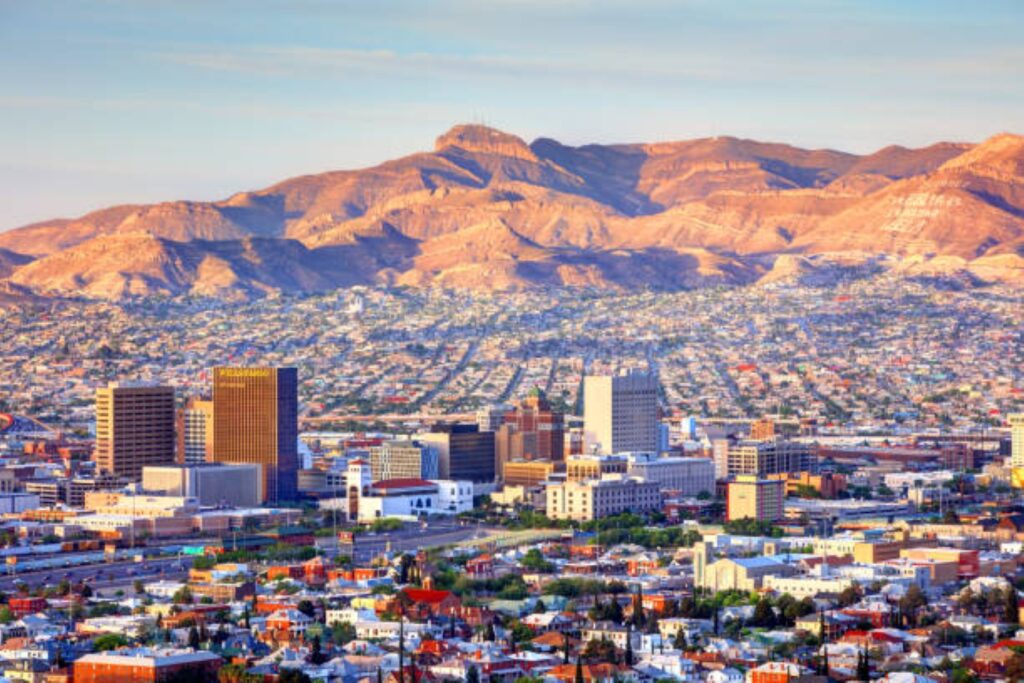
El Paso sits along the U.S.–Mexico border, a location that has often placed it in the spotlight during conversations about safety. Years ago, when violence escalated in neighboring Ciudad Juárez, many people assumed the same turmoil would spill across the border. Yet the experience of El Paso turned out quite differently. While the surrounding region faced challenges, the city itself steadily maintained relatively low crime rates for a large American city, surprising many observers who had expected the opposite.
Residents often credit the strong sense of community that runs through the city. Families tend to stay connected, neighbors know each other well, and local institutions work closely with the people they serve. The result is a city where everyday life often feels calm and welcoming despite its busy border setting. Walk through El Paso today and you’ll find families gathering in parks, people chatting in local cafés, and neighborhoods that feel comfortably lived in. It’s the kind of quiet stability that doesn’t always make headlines but speaks volumes to those who call the city home.
5. Washington Heights, Manhattan – A Neighborhood’s Long Turnaround

Washington Heights, perched at the northern end of Manhattan, is now known for its vibrant culture, music, and tight-knit community. But several decades ago, the neighborhood experienced some difficult years, particularly during the 1980s and early 1990s when New York City as a whole faced high crime rates. At that time, some streets felt uneasy after dark, and residents worried about the direction their neighborhood was heading.
As New York City began implementing broader crime reduction strategies and investing in neighborhood resources, Washington Heights slowly started to change as well. Community involvement grew stronger, local businesses returned, and families began reclaiming public spaces. Today the area feels lively and welcoming, with tree-lined streets, small restaurants, and people gathering in parks overlooking the Hudson River. For longtime residents, the difference is often felt in the simplest moments, like children playing outside or neighbors greeting each other on a morning walk, reminders that the neighborhood’s story has taken a hopeful turn.
6. Baltimore, Maryland – Streets Slowly Breathing Easier
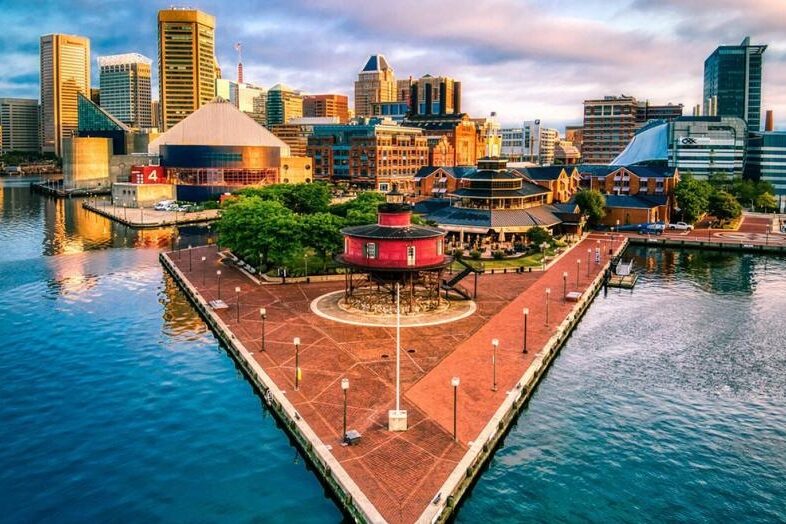
Baltimore has long been painted with the harsh brush of crime statistics, especially in the late 20th century when headlines seemed to echo violence more than community. But over the past decade, local programs, neighborhood coalitions, and city policing strategies have steadily changed that picture. Community outreach, youth mentoring programs, and increased engagement between residents and law enforcement have helped reduce homicides and assaults in areas that once felt perilous. Walking through revitalized neighborhoods like Hampden or Federal Hill today, the signs of cautious optimism are everywhere: families enjoying local markets, street murals celebrating culture, and small cafés brimming with life. The sense of being able to move through the city without constant worry is not just a statistic; it’s the subtle relief residents feel when stepping out into familiar streets.
The change isn’t total, nor is it perfect, but it’s real enough to notice. Baltimore’s journey reminds us that safety can grow incrementally, rooted in both policy and personal investment. When a city invests in its people, in opportunity, and in connection, even places with challenging pasts can feel alive with possibility. Residents often describe a quiet pride in how their city is slowly reclaiming its identity, a story that speaks to patience, community, and hope.
7. Detroit, Michigan – Rising From the Ashes
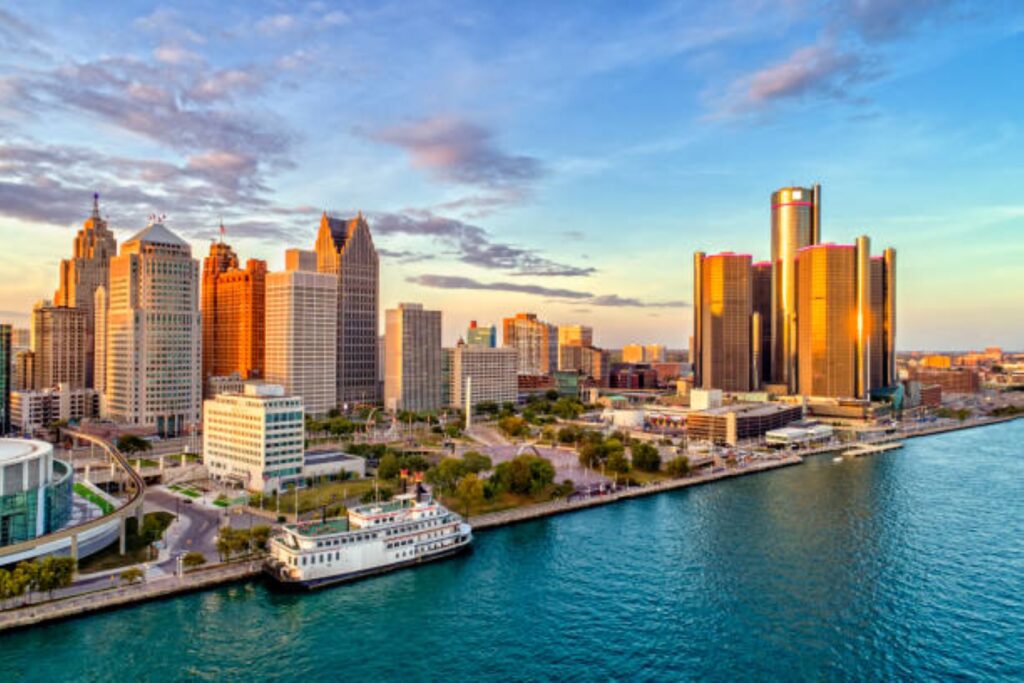
Detroit was once synonymous with economic decline and crime, a city whose challenges seemed too vast to imagine solving. In the early 2000s, headlines spoke of high violent crime rates and abandoned neighborhoods. Yet, beneath the media’s attention to trouble, communities worked quietly to rebuild trust, attract investment, and revive public spaces. Programs to engage youth, increase employment, and renovate vacant buildings gradually made streets feel safer. Even small victories like better lighting in neighborhoods, local community patrols, or revitalized parks helped residents reclaim a sense of everyday security that had long been absent. Today, Detroit shows how even deep scars can slowly heal through committed civic effort and grassroots action.
Walking downtown now, you’ll notice a mixture of old industrial charm and new creative energy. Cafés, galleries, and local markets hint at a city that is finding its rhythm again. Crime has not disappeared, but daily life feels remarkably different than a few decades ago. People talk about being able to stroll the streets, meet neighbors, and enjoy local festivals without fear dominating the moment. Detroit’s story reminds us that transformation often starts quietly, with small but persistent steps, and that a city’s soul can thrive even when the path forward was once uncertain.
8. St. Louis, Missouri – Neighborhoods Finding Peace
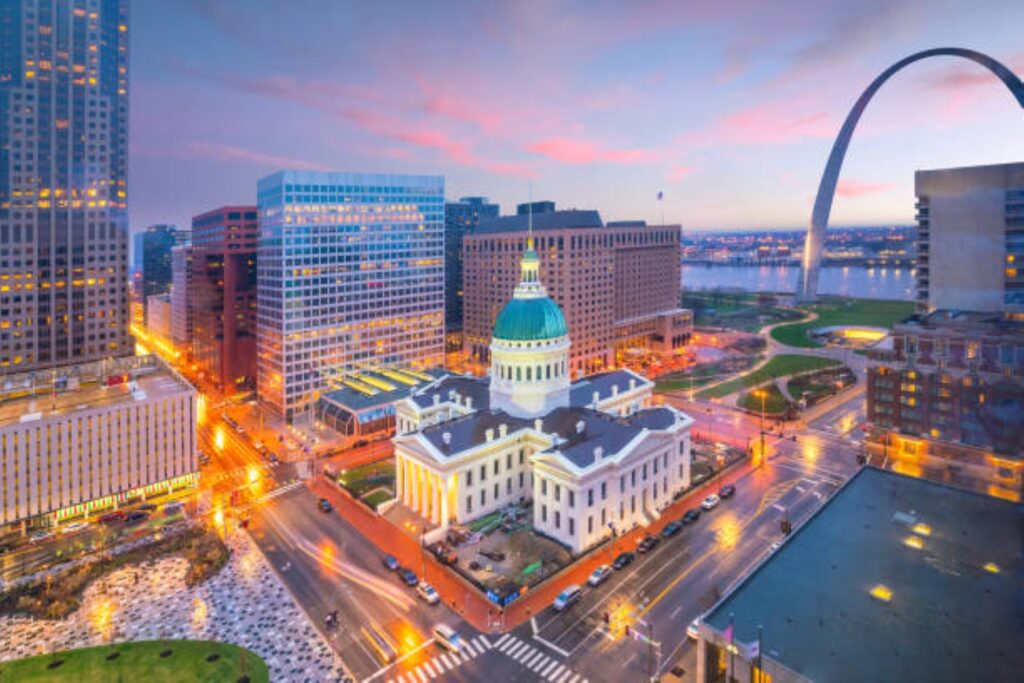
St. Louis often appears in national crime reports, a reminder of past decades when violence dominated conversation more than daily life. Yet many neighborhoods, like the Central West End and Tower Grove, have experienced noticeable declines in crime thanks to sustained community efforts, redevelopment projects, and neighborhood watches that foster connection and vigilance. Residents who remember the city’s turbulent periods often speak of subtle shifts in the comfort of walking after dark, kids playing outside, and neighbors greeting each other on sidewalks that hint at safety without needing to shout about it. The city’s story is as much about these small victories as the statistics themselves.
The ongoing work is collaborative, blending policy, community engagement, and cultural investment. Local programs that focus on youth outreach, education, and recreational spaces have reinforced trust and offered alternatives to crime. St. Louis exemplifies how layered, consistent efforts can create a palpable sense of security over time. It’s a reminder that even cities with difficult histories can find pockets of calm, and that the strength of a community often shows in the everyday choices people make to watch out for one another and nurture their streets.
9. Oakland, California – Reinvention in the Bay

Oakland was once synonymous with headlines of gang violence, economic hardship, and unsafe streets. But over the past twenty years, the city has undergone subtle yet impactful shifts. Community programs, innovative policing strategies, and neighborhood initiatives have brought crime down in many areas while revitalizing cultural and economic spaces. Music, art, and entrepreneurship now thrive alongside efforts to improve public safety. Residents who experienced the city’s rough periods often describe a sense of cautious relief in everyday life: walking to a café, attending a local farmers market, or watching children play in community parks feels more like the life Oakland has always hoped to offer.
The transformation is ongoing, but the city’s story reminds us that reinvention takes time, effort, and collaboration. Safety isn’t just a statistic; it’s the feeling of being comfortable and connected in your own city. Oakland shows that even places with tough reputations can foster environments of trust, creativity, and opportunity when communities work together and persist despite setbacks.
10. New Orleans, Louisiana – Beyond the Headlines
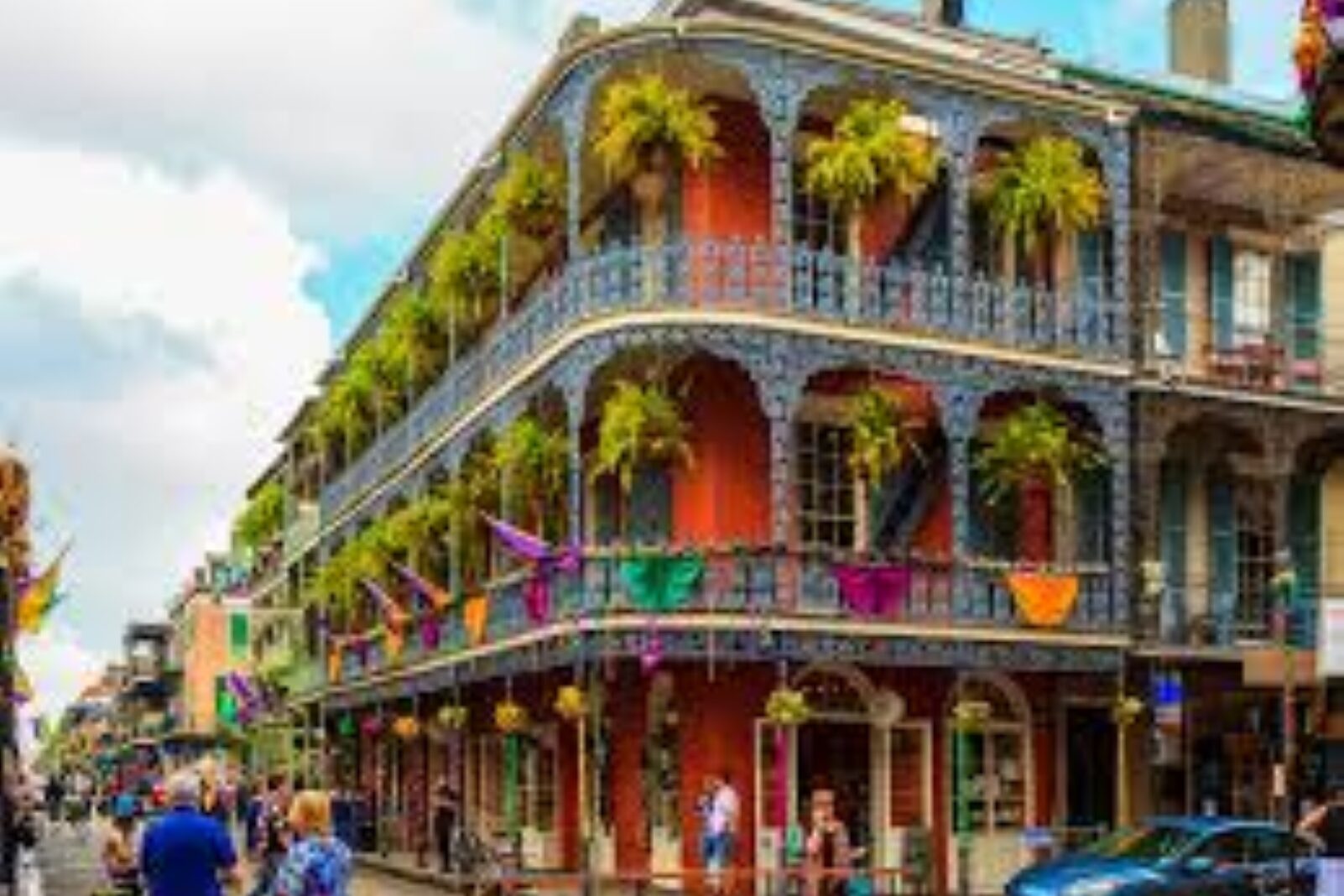
New Orleans is famous for its music, food, and vibrant culture, but decades ago, it also carried a reputation for high crime, especially in the 1980s and ’90s. Many neighborhoods that once felt risky have since seen meaningful improvements through community policing, social programs, and local investment in education and recreation. Residents now report feeling safer in areas that were once avoided, and festivals, markets, and local businesses thrive in an environment that is steadily reclaiming its sense of security. The city has learned that rebuilding trust and public confidence is as important as reducing crime numbers.
The energy on the streets today reflects resilience and creativity. Walking through the French Quarter or the Garden District, visitors and locals alike notice that the rhythm of life is not dictated by fear. New Orleans reminds us that safety can coexist with vibrancy, and that even cities with turbulent pasts can cultivate spaces where people feel alive, free to explore and connect. It’s a story of revival shaped by both policy and the everyday choices of residents invested in each other’s well-being.
11. Philadelphia, Pennsylvania – A City Reclaiming Its Streets

Philadelphia has a long history as a vibrant, historic city, but decades ago many neighborhoods faced significant crime and public safety challenges. In the 1980s and 1990s, violent crime was often in the headlines, and certain areas were avoided after dark. Over time, however, coordinated efforts between the police, local organizations, and neighborhood associations gradually changed the environment. Investments in youth programs, community centers, and public infrastructure gave residents alternatives to crime and strengthened community bonds. Streets that once felt tense now host lively farmers’ markets, local festivals, and everyday activities where people feel secure to walk, chat, and shop.
The story of Philadelphia is not just about numbers; it’s about lived experience. Residents often note that safety improvements have allowed families to reconnect with public spaces and participate in city life without fear dominating their day. The city’s evolution shows how persistent, community-driven action can reshape perceptions and reality alike. From the corner cafés of Center City to the historic charm of Old City, Philadelphia offers an example of urban transformation that is ongoing yet visible, a city slowly finding balance between its historic richness and modern livability.
12. Cleveland, Ohio – Streets Finding Their Rhythm
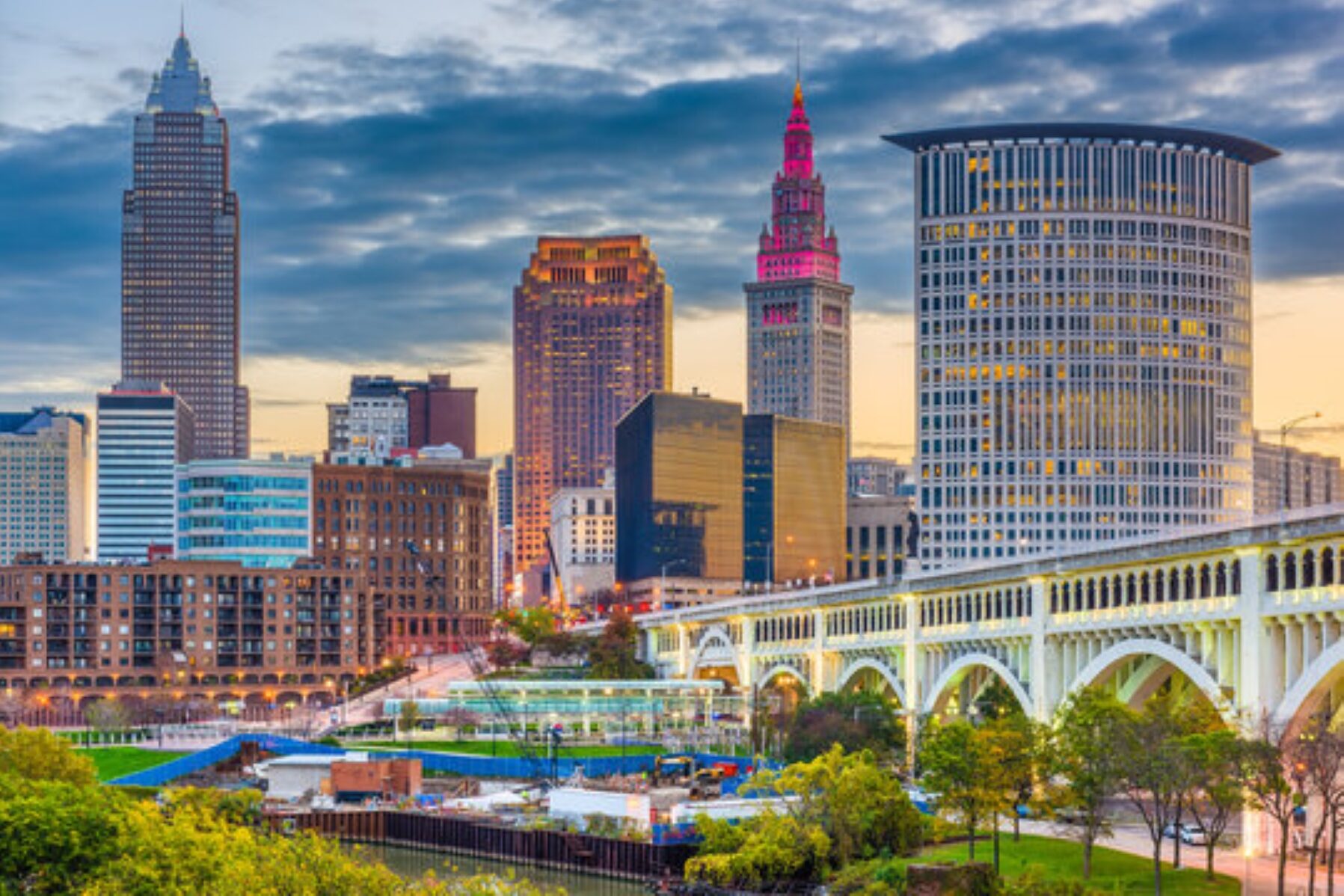
Cleveland was once listed among America’s toughest cities, grappling with economic decline, high unemployment, and crime that made national headlines. In recent decades, however, the city has worked quietly to rebuild its neighborhoods, focusing on both prevention and opportunity. Community engagement, investment in education and parks, and focused policing have brought measurable decreases in violent crime and theft. Residents now report feeling safer walking downtown or exploring local markets, and the city has nurtured small business growth that contributes to a sense of vibrancy and normalcy.
It’s not just about statistics; it’s about everyday life returning to ordinary rhythms. People can stroll Lake Erie’s waterfront, enjoy the local arts scene, or simply greet neighbors without the weight of past fears. Cleveland’s story reminds us that change is a process of patience and persistent effort, built block by block, relationship by relationship. The city demonstrates that even places with difficult reputations can cultivate trust, optimism, and safe spaces for families and entrepreneurs alike.
13. Oak Ridge, Tennessee – A Quiet Transformation
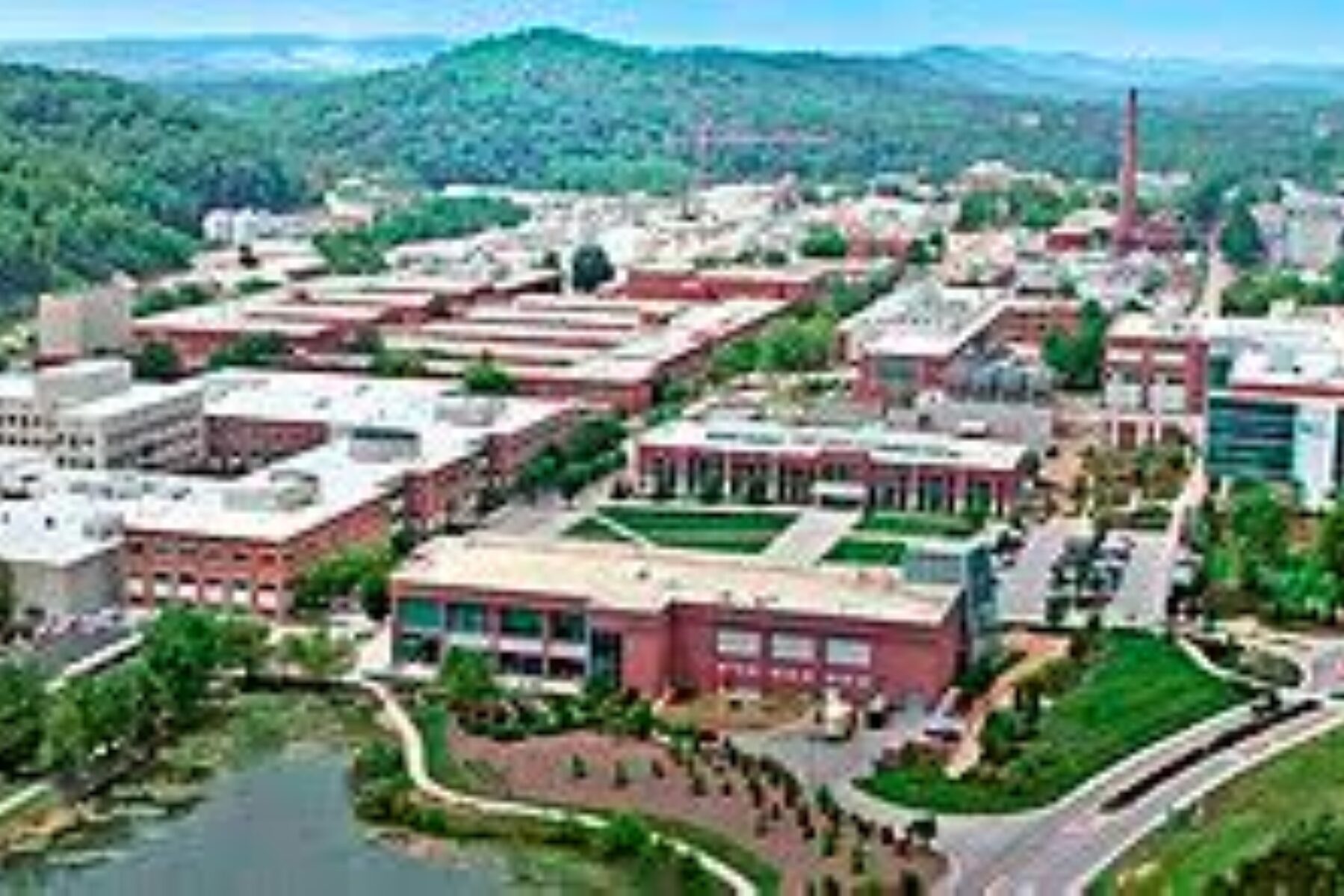
Oak Ridge might not dominate headlines, but it once faced challenges common to post-industrial cities: crime, population shifts, and uncertainty. Over the years, the community has taken proactive steps to reduce crime and foster cohesion. Local councils, law enforcement, and civic organizations have collaborated to create safe public spaces, youth programs, and neighborhood initiatives. Today, once tense streets feel calm, and residents highlight the everyday moments, such as children playing in parks, neighbors chatting over fences, and families walking to schools, as indicators of safety restored.
The city’s experience underscores how small, sustained investments in community can yield significant outcomes. It’s not flashy or sudden, but it is real. Oak Ridge shows that safety is not just the absence of crime, but the presence of trust, connectedness, and everyday comfort in one’s surroundings. It’s a reminder that even quieter cities can evolve meaningfully, proving that transformation doesn’t always need fanfare, it just needs persistent care and attention.
14. Pittsburgh, Pennsylvania – Steel City Reimagined
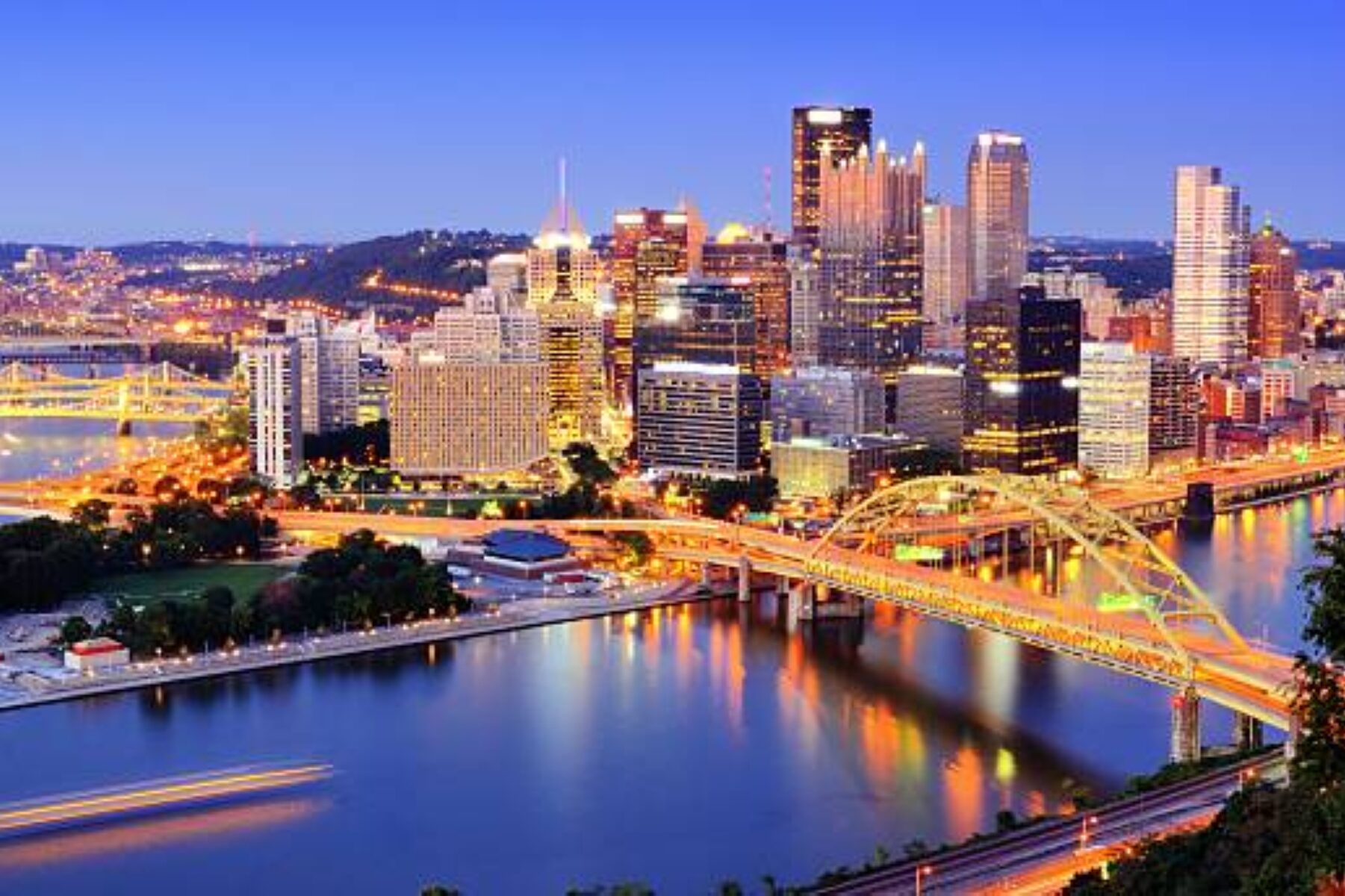
Pittsburgh, long known as the Steel City, had periods when crime and industrial decline left neighborhoods feeling tense and uncertain. In the 1980s, violent crime rates and economic challenges were pressing concerns. Through community investment, redevelopment of neighborhoods, and active public safety programs, Pittsburgh has changed its narrative. Formerly risky streets now host arts districts, parks, and local businesses where residents feel comfortable moving about. Programs focusing on youth, arts, and civic engagement have helped cultivate trust and reduced opportunities for crime to take root.
Walking through the city today, you notice not just fewer reports of crime, but a stronger sense of connectedness among residents. Families stroll the North Shore, artists open galleries in converted warehouses, and coffee shops buzz with conversations. Pittsburgh’s transformation illustrates how a combination of urban planning, social programs, and persistent community effort can shift both perception and reality, giving a city a new rhythm that blends its past with hope for the future.
15. Chicago, Illinois – Neighborhoods Healing Slowly
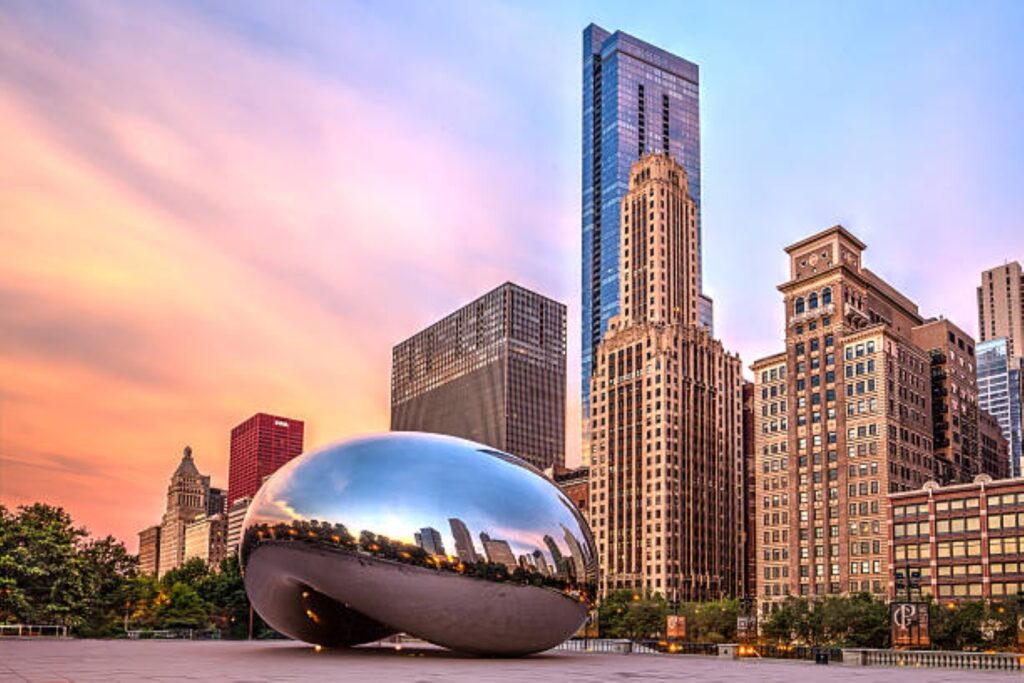
Chicago’s reputation for crime has long been embedded in the national consciousness, though it’s often more nuanced than headlines suggest. Certain neighborhoods were once considered extremely unsafe, particularly during the height of gang activity in the 1980s and 1990s. Since then, community-led initiatives, targeted policing, and youth engagement programs have helped reduce crime in many areas. Local leaders and nonprofits have focused on providing safe spaces, mentorship, and economic opportunity, slowly reshaping streets that were once feared. Today, many communities in Chicago report improvements, from safer school zones to revitalized business districts.
Beyond numbers, the difference is felt in the small daily interactions: neighbors looking out for one another, children walking safely to local parks, and streets where community events bring people together. Chicago’s story is a reminder that transformation can take decades, and that change often occurs in quiet, incremental ways that restore confidence and a sense of belonging. The city continues to grapple with challenges, but it also offers hope that even long-standing reputations can evolve through concerted effort and community engagement.
16. Houston, Texas – Growth with Safety in Mind
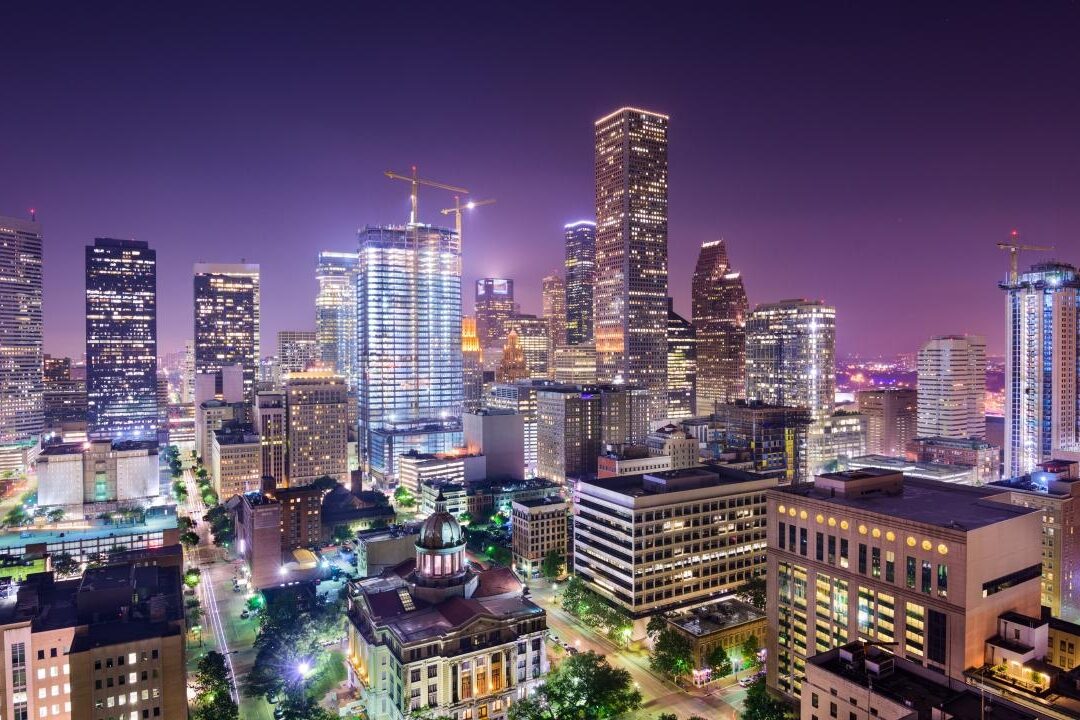
Houston’s rapid growth in the late 20th century coincided with concerns about crime in certain neighborhoods. Yet city officials and community organizations worked to improve public safety through neighborhood programs, police-community engagement, and investments in recreational spaces. Over time, these efforts led to reductions in violent crime and increased public confidence. Residents now feel comfortable enjoying parks, attending local events, and exploring new neighborhoods without the weight of fear that once defined the city’s image.
The city’s experience highlights how urban expansion and safety can coexist when backed by consistent community work. Houston’s transformation is not sudden, but it is visible in daily life: families walking their children to school, local shops thriving, and streets where neighbors know one another. It reflects a broader lesson that cities can grow, evolve, and offer both opportunity and security when residents and leadership collaborate with care and intention.
17. San Diego, California – Coastal Calm Restored
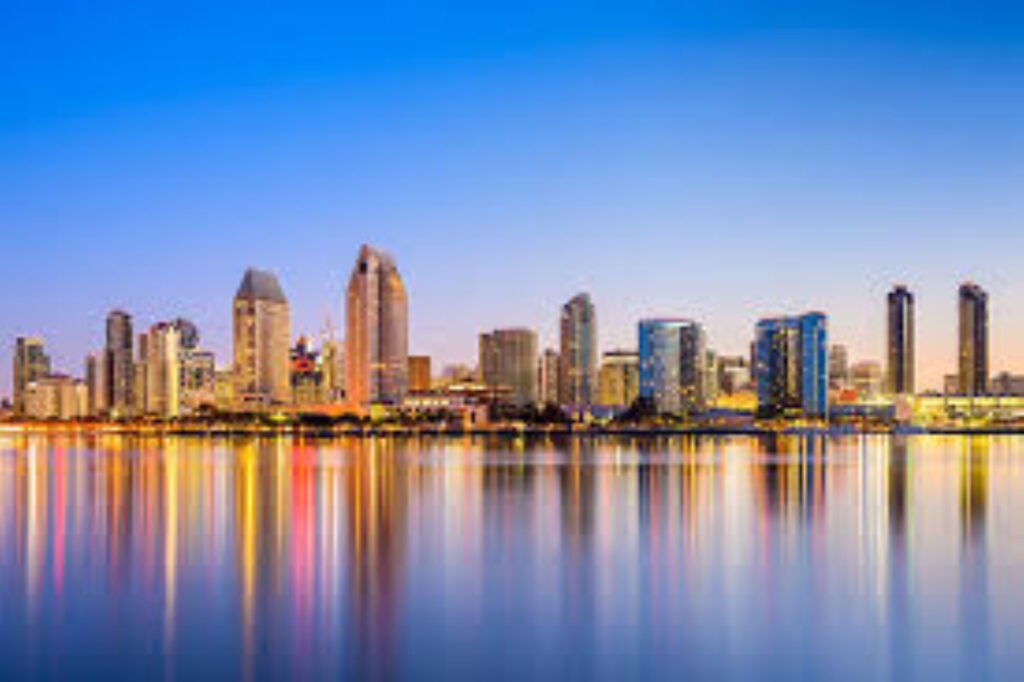
San Diego has long been admired for its beaches and mild climate, but past decades included periods when certain neighborhoods struggled with crime. Through combined efforts of community engagement, policing reforms, and economic development, public safety has improved significantly. Today, families enjoy the coast, residents stroll local markets, and neighborhoods host community events that bring people together safely. The city demonstrates that sustained, collaborative effort between residents and local authorities can foster real improvement over time.
San Diego’s story reminds us that the measure of a city’s safety is not only statistics, but the daily experiences of its people: going to school, working, and enjoying public spaces without anxiety. It’s a testament to the value of long-term vision, investment in communities, and attentive leadership. Even cities with challenges can reclaim calm and vibrancy, blending their natural beauty with human resilience and care.
18. Seattle, Washington – From Tension to Trust
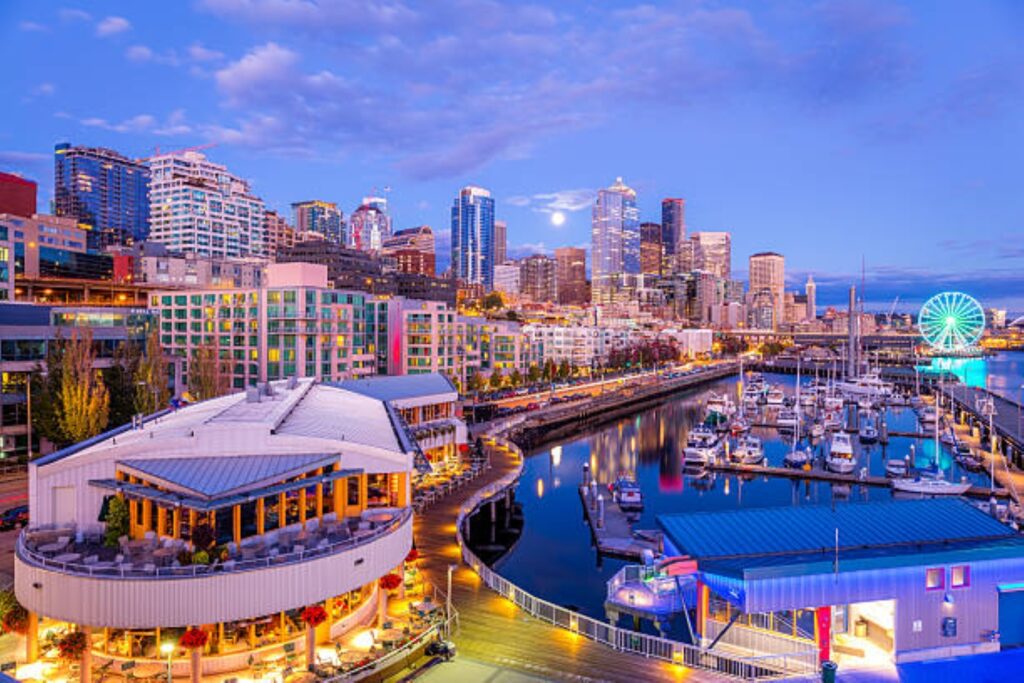
Seattle in the 1980s and 1990s faced challenges with crime and public perception, though it was often overshadowed by other national headlines. Community programs, youth initiatives, and cooperative policing gradually improved conditions, reducing violent crime and fostering a sense of security in neighborhoods that once felt tense. Residents now enjoy city parks, local markets, and safe streets in a way that reflects decades of persistent community engagement and policy improvement.
Seattle’s journey highlights that safety isn’t simply the absence of crime, but the presence of trust, connection, and everyday comfort. Walking through the neighborhoods today, one sees a city blending innovation, nature, and vibrant community life. Its transformation shows that even cities once labeled dangerous can rewrite their story with patience, collaboration, and steady care. The lesson resonates: change is possible, communities are powerful, and the streets we walk today can carry hope for tomorrow.


