
1. Home Economics: Where Life Skills Were Part of the Lesson

There was a time when walking into a Home Economics classroom felt a little like stepping into a real home. The room might have small kitchen stations along one wall, sewing machines along another, and a chalkboard filled with notes about nutrition or budgeting. Students learned practical things that quietly prepared them for adulthood. They measured flour for cookies, practiced stitching fabric together, and talked about how to plan meals that were both healthy and affordable. For many teenagers, it was the first time school felt directly connected to everyday life.
Over the years, though, Home Economics slowly faded from many school schedules. As curriculums shifted toward standardized testing and academic benchmarks, classes focused on practical living were often the first to go. Some schools renamed the subject Family and Consumer Sciences, while others removed it entirely. Yet the lessons from those classrooms never really disappeared. People who took Home Economics often say they still rely on what they learned there, whether it’s cooking a balanced meal, fixing a loose button, or understanding the basics of managing a household. It was a class that quietly taught independence, and that is something many people still wish students had the chance to learn today.
2. Shop Class: Learning by Building Something Real

For many students, Shop Class was the place where school suddenly felt hands-on and exciting. Instead of sitting at desks, students worked with wood, metal, and tools, learning how to measure, cut, sand, and assemble things from scratch. The smell of sawdust often filled the room while students carefully shaped projects like birdhouses, small tables, or toolboxes. It was a space where creativity met practicality, and where mistakes became part of the learning process. Finishing a project brought a sense of pride because students could actually hold the result of their work in their hands.
Over time, though, many schools began to phase out traditional shop programs. Safety concerns, equipment costs, and the shift toward technology-based learning all played a role. As more attention went to computers and academic testing, fewer students had the chance to learn practical building skills in school. Today, shop classes still exist in some vocational or technical programs, but they are far less common than they once were. For those who experienced them, the memories often linger. It was not just about building objects, but about learning patience, precision, and the quiet satisfaction of creating something useful from a simple set of materials.
3. Penmanship: When Handwriting Was an Art

There was a time when students spent real classroom hours learning how to shape letters carefully and beautifully. Penmanship lessons focused on posture, pencil grip, spacing, and the graceful curves of cursive writing. Teachers often placed worksheets on desks filled with rows of looping letters for students to trace and repeat. It was slow, careful work that encouraged focus and patience. The goal was not just to write words, but to write them neatly and with confidence.
As computers and digital communication became more common, the emphasis on handwriting gradually faded. Many schools shortened penmanship lessons or removed them from the curriculum entirely, assuming that keyboards would soon replace most handwritten work. While students still learn basic writing, the art of carefully formed script is no longer a major focus. Some educators and parents have expressed concern about this shift, noting that handwriting can help improve memory, concentration, and fine motor skills. For many adults, looking back on penmanship class brings a quiet sense of nostalgia. It was a simple skill, practiced day after day, that helped students develop both discipline and a personal style on the page.
4. Typing Class: The Sound of Typewriters and Focus

Typing class once echoed with the steady rhythm of mechanical keys striking paper. Students sat in rows behind sturdy typewriters, learning the correct placement of their fingers and practicing drills that built both speed and accuracy. Sheets of paper were rolled into the machines while teachers called out exercises designed to strengthen muscle memory. At first it felt slow and awkward, but with practice the movement of fingers across the keys became smoother and faster.
As computers entered classrooms, the traditional typing course began to change. Many schools folded it into general computer classes, and the distinct subject slowly disappeared from schedules. Students today still type constantly, but they often learn through everyday use rather than structured lessons. Those who experienced the older typing classes often remember the discipline it required. Learning to type correctly meant paying attention, practicing regularly, and building a skill that could last for years. The clatter of those typewriters may be gone, but the habits of accuracy and concentration they encouraged still feel surprisingly relevant.
5. Rhetoric: The Study of Persuasion and Clear Thinking

Rhetoric used to hold an important place in education because it focused on the power of words and ideas. Students learned how to construct arguments, analyze speeches, and understand the techniques that make communication effective. Lessons often involved reading famous speeches, practicing debates, and learning how language could influence opinions. It was not simply about speaking well; it was about thinking carefully and presenting ideas with clarity and confidence.
Over time, rhetoric as a separate subject began to fade, gradually absorbed into broader English or communication classes. While students still learn writing and public speaking, the deeper study of persuasion and argument is often less emphasized than it once was. Some educators believe this shift leaves a gap in how students learn to evaluate information and express their viewpoints thoughtfully. Looking back, rhetoric classes offered something valuable: a space where students practiced the art of reasoning aloud and listening carefully to opposing views. In a world filled with constant information and competing voices, the lessons from rhetoric feel quietly relevant, reminding us that clear thinking and respectful debate remain essential skills.
6. Latin: The Classic Language of Deep Thinking

There was a time when Latin wasn’t just a subject, it was the heartbeat of language study, a gateway into understanding English vocabulary, grammar, and even the roots of science and law. Taking Latin meant you weren’t just memorizing words; you were stepping into a tradition that spanned centuries, connecting with thinkers long gone and sharpening your mind in a way that felt both rigorous and poetic. Many adults remember how unraveling Latin taught them to think about language on a deeper level, teasing apart endings and meanings in a way that made English feel richer and more layered.
Over time, as schools shifted toward modern languages and STEM subjects, Latin quietly slipped out of core offerings, surviving mostly in classics departments or private schools rather than as a widely offered course. Some educators lament that this loss makes it harder for students to appreciate where so many English words come from and how logic and language intertwine. Latin might not be as common today, but the echo of its influence remains in literature, law, science, and even everyday phrases we use without thinking, reminding us that what we learn in school can ripple far beyond the classroom.
7. Agriculture: Growing More Than Just Plants

Once upon a time, Agriculture classes were where students got their hands dirty in the best possible way, planting seeds, tending to livestock, understanding soil science, and learning how food actually grows before it reaches our tables. For many rural schools, Agriculture was more than an elective; it was a practical foundation that connected students to their communities and to the cycles of nature. There was pride in watching crops sprout, in knowing how to fix a fence, and in understanding seasons and sustainability firsthand. As America transitioned toward urban living and many school districts faced budget constraints, Agriculture courses became less common outside specialized programs. Yet those who took them often speak of learning patience, responsibility, and respect for the land in ways no textbook alone could teach.
Though fewer students walk through Agriculture doors today, the essence of what those classes offered curiosity about how life grows and the satisfaction of direct involvement still finds its way into community gardens and future farmers’ hearts. If you think back to that time tending a garden plot or caring for a coop, there’s a kind of calm and connection that sticks with you, an echo of learning by doing that resonates long after graduation.
8. Natural History: Exploring Life Around Us

Natural History used to be a staple in many schools, teaching students to observe, classify, and understand plants, animals, and ecosystems. Lessons often included field trips to local parks, examining rocks and insects, and keeping detailed nature journals. Students learned not just facts, but careful observation, patience, and an appreciation for the world around them. Over time, Natural History was absorbed into general science classes or replaced by technology-driven subjects, leaving fewer opportunities for hands-on exploration. Many adults remember the joy of cataloging leaves or watching tadpoles grow, experiences that sparked lifelong curiosity about the natural world.
Even though Natural History classes are rare today, their lessons remain valuable. The act of noticing the details in nature, recording observations, and connecting with ecosystems is a skill that transcends textbooks. For those who once participated, it left a subtle but lasting imprint: an awareness of life’s variety and interconnectedness, a reminder that learning is often richest when experienced directly.
9. Bookkeeping: Balancing More Than Numbers
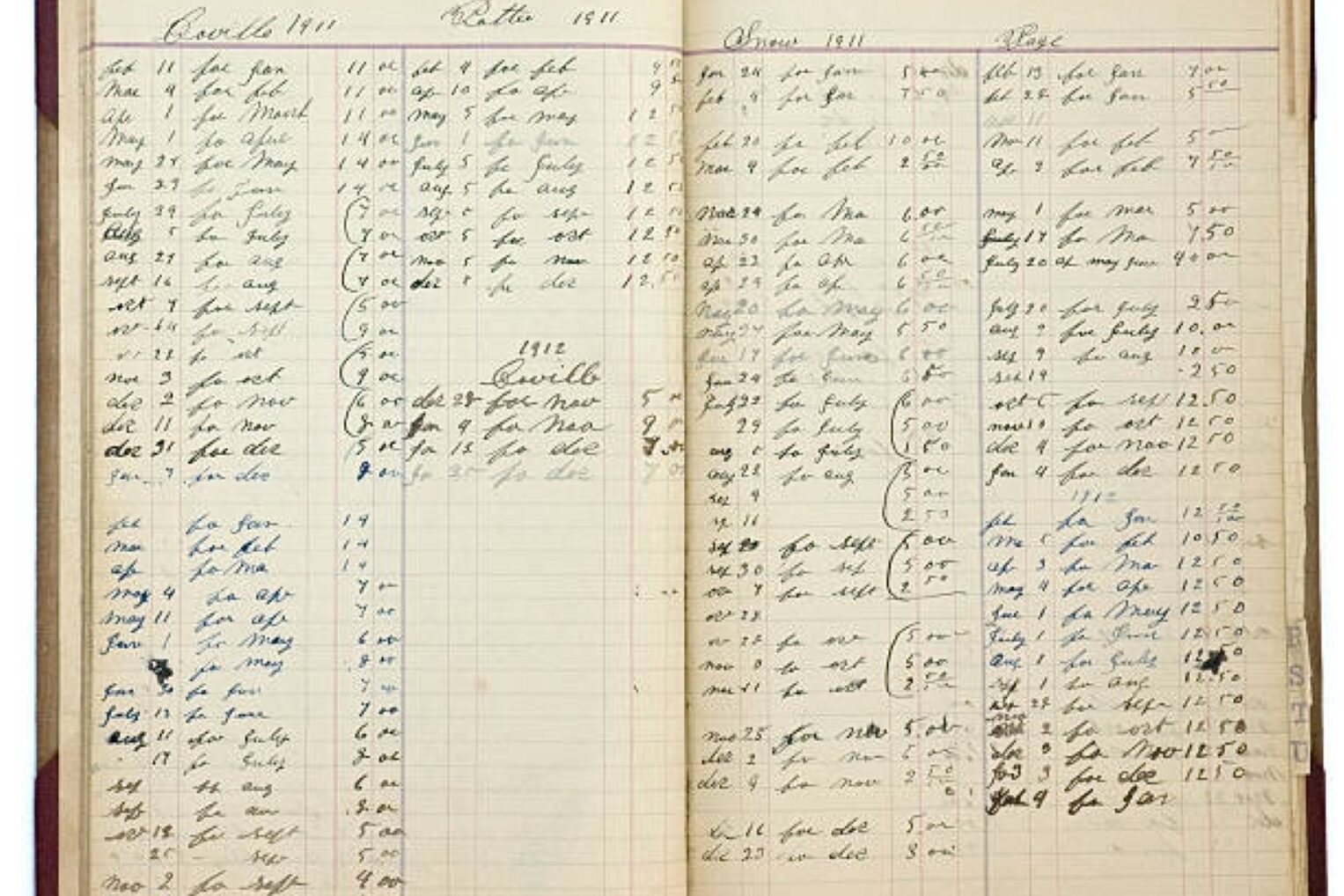
Bookkeeping used to be the go‑to class for students curious about dollars and cents, teaching them how to read ledgers, manage accounts, and understand the financial pulse of everyday life. In an era before financial literacy became a buzzword, this subject quietly prepared students for real‑world tasks like budgeting a small business or simply managing personal finances with confidence. Many adults look back and credit Bookkeeping with giving them clarity about how money flows, how debits and credits balance, and why attention to detail matters in both business and life. Over time, though, this course was often
absorbed into broader business curriculum or set aside as schools prioritized tech‑focused subjects. Yet the ideas it taught accountability, precision, and financial awareness resonate in every paycheck and bank statement a former student encounters. Even if modern curricula approach money matters differently now, the spirit of Bookkeeping remains a useful echo: knowing how numbers tell stories and impact decisions, and how a well‑kept ledger reflects more than sums, but care and insight.
10. Civics: Learning How to Participate

Civics was a staple in classrooms that wanted students to understand the workings of government, the rights of citizens, and the responsibilities of participating in a democracy. Lessons often involved debates, mock elections, and discussions about current events, helping young people connect abstract ideas to real life. Many remember feeling a sense of empowerment from understanding how a bill becomes a law or what voting really meant, lessons that shaped their civic identity. Over the years, Civics slowly disappeared as standardized testing focused more on math and reading, and political literacy became something students were expected to pick up on their own. Yet educators and parents often lament this loss, believing a solid foundation in Civics fosters engaged, informed citizens.
Even without formal classes today, the spirit of Civics lingers in debate clubs, community service projects, and discussions in classrooms that still emphasize critical thinking. The lessons learned from Civics may quietly influence how students vote, volunteer, or advocate for change, showing that even subjects that fade from curricula can leave a lasting imprint on character and responsibility.
11. Greek Mythology: Stories That Shaped Imagination
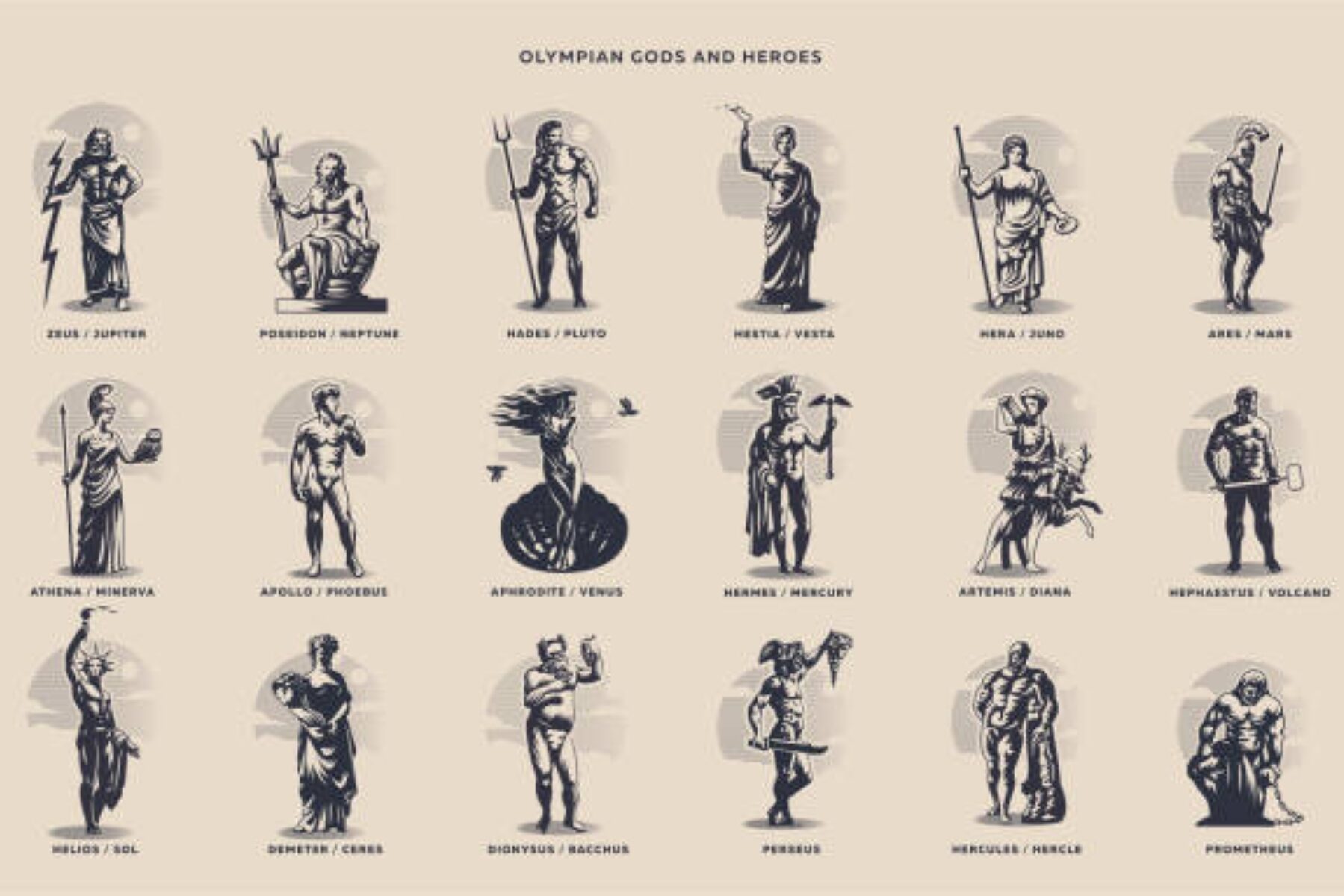
Greek Mythology wasn’t just about gods, monsters, or epic tales; it was a gateway to understanding literature, symbolism, and culture. Students explored heroes, moral dilemmas, and the power of storytelling, often discovering parallels in modern books, films, and even personal experiences. The subject nurtured curiosity, imagination, and critical thinking as kids learned to analyze narratives, identify themes, and debate character motives. Over time, it was folded into general English or history classes, losing its dedicated space in the school schedule.
The disappearance of Greek Mythology as a standalone subject left a gap for those who thrived on stories that combined adventure, ethics, and life lessons. Still, echoes of it appear in novels, movies, and pop culture references, reminding students and adults alike that the past has a way of shaping imagination in subtle ways. Revisiting myths today can reignite that curiosity and remind us of the timeless value of stories.
12. Domestic Science: More Than Cooking

Domestic Science, sometimes overlapping with Home Economics, taught students how to manage a household efficiently, from meal planning and nutrition to budgeting and home management. Beyond practical skills, it emphasized independence, organization, and a sense of responsibility. Students who took the course often left with confidence in running their own households, which was particularly valuable at a time when not everyone had the opportunity to learn these skills at home. As societal roles evolved and schools shifted focus, Domestic Science largely disappeared from mainstream education, often replaced by broader electives or Life Skills programs.
While modern students may no longer get formal lessons in managing a household, the spirit of Domestic Science persists in after-school programs, online tutorials, and community workshops. It remains a reminder that education isn’t only about academics; it can also prepare young people for practical, everyday challenges in life, offering a subtle but enduring benefit.
13. Shorthand: Speed Writing for a Fast World
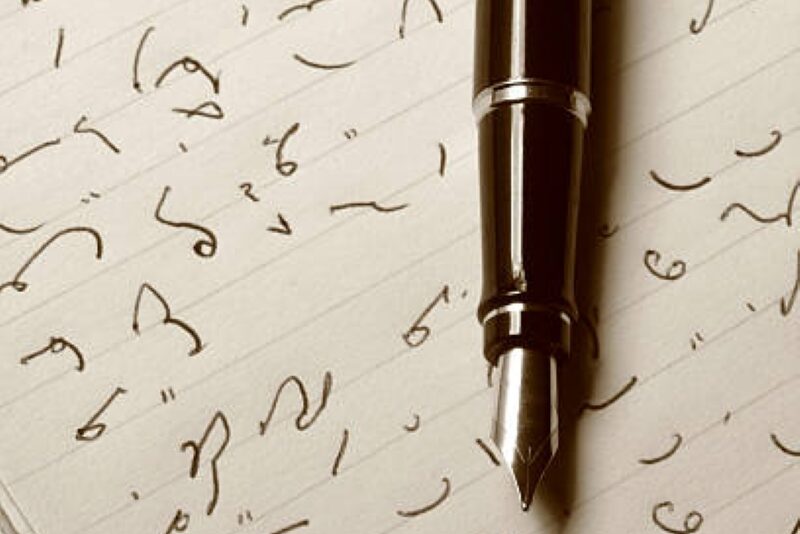
Shorthand was an art that allowed students to write as quickly as people spoke, turning syllables into symbols and teaching efficiency, concentration, and focus. It prepared students for office roles, secretarial positions, and reporting, providing a skill that saved time and increased productivity. Classrooms were filled with rapid scribbles and rhythmic practice, and mastering shorthand felt like unlocking a secret code. As voice recorders and computers became ubiquitous, shorthand faded from school schedules, leaving only the occasional elective or specialized program for students interested in business or journalism.
The disappearance of shorthand shows how technology can replace traditional skills, yet the focus, discipline, and attention to detail it taught remain valuable lessons. For those who experienced it, shorthand was more than writing; it was a mental exercise that honed listening, memory, and clarity skills that still resonate in many careers today.
14. Mechanical Drawing: Designing the Future

Mechanical Drawing taught students how to represent objects precisely on paper, blending artistic skill with technical knowledge. It offered a hands-on approach to learning geometry, perspective, and design principles, preparing students for engineering, architecture, or drafting careers. With rulers, compasses, and drawing boards, students developed spatial awareness and attention to detail, learning the patience required to create accurate technical plans. As computers and CAD software emerged, traditional Mechanical Drawing classes diminished, leaving fewer students with the tactile experience of translating ideas into detailed drawings by hand.
Even though schools have mostly replaced hand-drawing with digital tools, the fundamental lessons of observation, precision, and planning continue to influence design education. Reflecting on these classes reminds us that hands-on skills, patience, and seeing a concept come alive on paper once shaped how students understood the world around them.
15. Astronomy: Reaching for the Stars

Astronomy used to spark wonder in students by helping them understand the universe beyond our planet. Lessons often included observing constellations, learning about planets and moons, and grasping the fundamentals of space science. It was a subject that encouraged curiosity, big-picture thinking, and even a sense of humility looking up at the night sky and realizing our place in it. Over time, Astronomy was often absorbed into general science classes or removed entirely due to budget cuts and the growing emphasis on testable subjects like biology, chemistry, and physics. Many adults who took these classes recall the magic of peering through a telescope, charting the moon, or tracking planets, experiences that textbooks alone can’t replicate.
Even though dedicated Astronomy classes are rare today, the lessons they offered curiosity, observation, and wonder still resonate. Students may explore space through planetarium trips, science clubs, or online simulations, but the feeling of charting the heavens in a classroom has a nostalgic charm. It reminds us that sometimes learning is not just about facts, but about inspiration, imagination, and dreaming beyond the everyday.
16. Calligraphy: Writing as an Art Form

Calligraphy was once offered as a way to teach students that handwriting could be expressive and beautiful, blending creativity with focus and precision. Lessons focused on strokes, lettering styles, and the rhythm of pen on paper, creating an almost meditative practice. Students often remember the quiet concentration of shaping letters, the pride in completing a perfectly executed piece, and the subtle artistry involved. As schools shifted priorities toward typing, computer skills, and standardized testing, calligraphy became rare, mostly relegated to art electives or private workshops. Yet the lessons of patience, aesthetics, and personal expression it offered remain meaningful.
Though few classrooms still offer calligraphy, its influence lingers in graphic design, invitations, digital fonts, and even bullet journals. Looking back, these classes remind us that education isn’t only about practical skills or exams; it can nurture creativity, mindfulness, and personal style. Reconnecting with such subjects today can reignite curiosity and a sense of joy in learning. If any of these vanished classes spark your interest, consider exploring them yourself. You might discover that some of the most rewarding lessons are the ones that quietly endure.


