
1. The Axolotl That Can Rebuild Itself
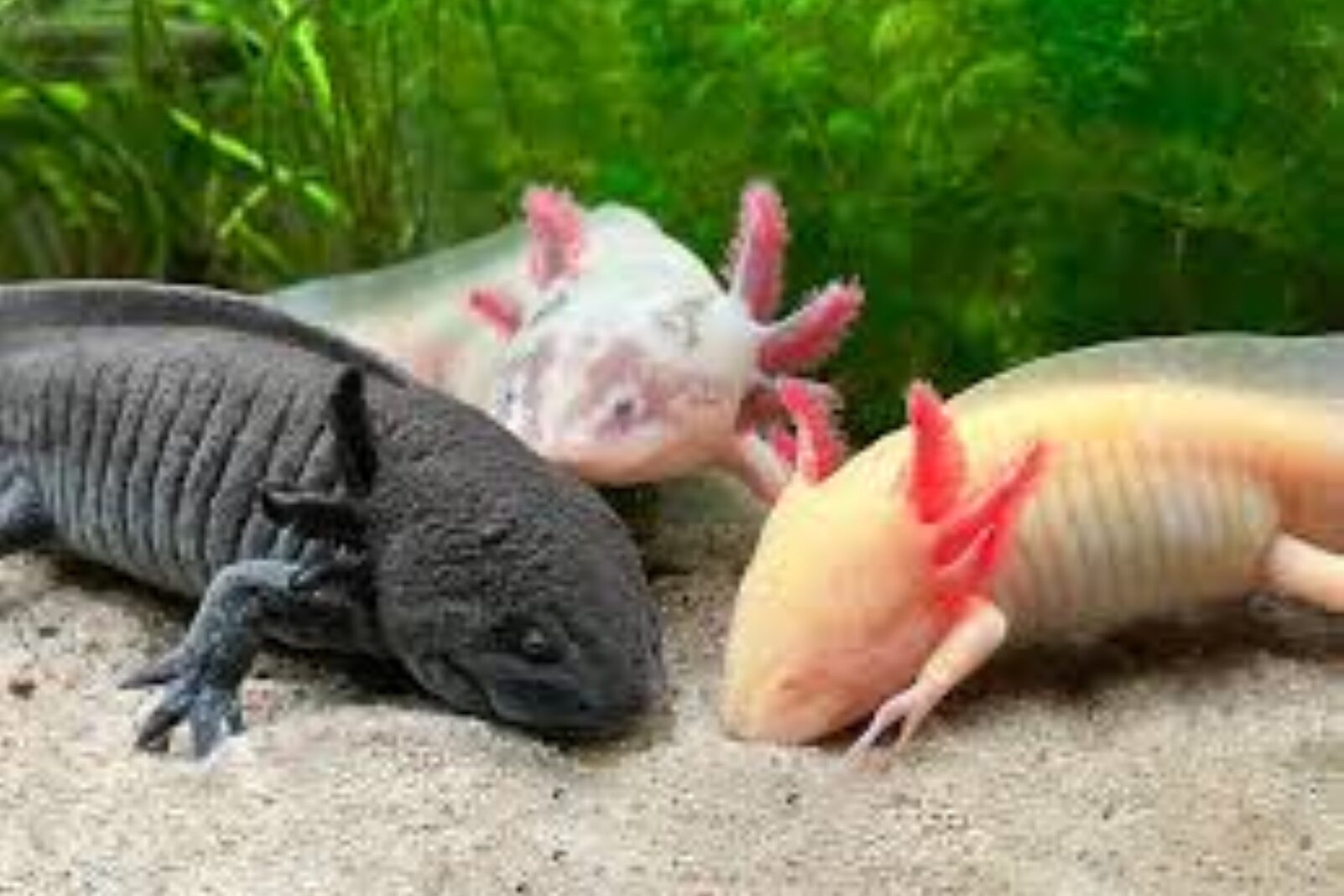
It is hard not to be amazed by the axolotl, a small aquatic salamander from Mexico that treats injury almost like a temporary inconvenience. Unlike most animals that heal wounds by forming scar tissue, the axolotl can actually regrow entire body parts. Lose a leg, and a new one slowly forms. Damage part of its spinal cord or heart tissue, and it can repair itself in ways that still puzzle scientists. Watching it glide quietly in the water, you wouldn’t guess that such a modest creature carries one of nature’s most remarkable abilities.
Researchers have studied the axolotl for decades because its regenerative powers could inspire medical advances. According to the University of Kentucky, “Axolotls can regenerate limbs, spinal cord, heart tissue, and even portions of the brain.” Instead of leaving scars, their cells reorganize and rebuild structures as if following a blueprint. The quiet, feathery-gilled salamander demonstrates that nature sometimes holds answers to problems humans are only beginning to explore. Seeing an axolotl in action reminds us that even the smallest animals can harbor extraordinary secrets, quietly redefining our understanding of biology.
2. The Mantis Shrimp With Super Vision
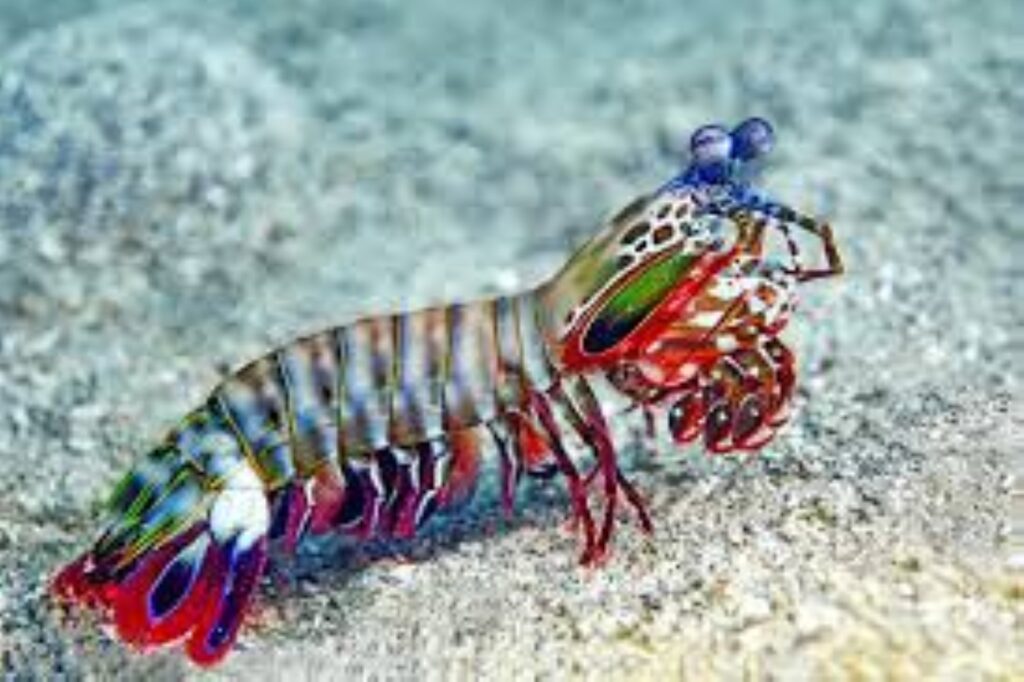
If you ever imagined seeing the world in colors beyond your imagination, the mantis shrimp already does it every day. Found in warm ocean waters, this small marine crustacean possesses one of the most complex visual systems in the animal kingdom. While humans rely on three color receptors, mantis shrimp have up to sixteen. They can detect ultraviolet light and polarized light spectrums invisible to us, which allows them to navigate the vibrant chaos of coral reefs in ways we can’t even comprehend.
Their eyes also move independently, scanning the environment like tiny periscopes, giving them a multi-angle view that helps in hunting and avoiding predators. The Australian Academy of Science notes, “Mantis shrimp have some of the most sophisticated eyes in the natural world, capable of detecting wavelengths far beyond human vision.” Watching them might seem unremarkable at first, but understanding their perception reminds us that our view of reality is only one version of what the world can be. Nature quietly experiments with vision far beyond human limits.
3. The Electric Eel That Generates Living Power

Some animals bite or sting, but the electric eel generates electricity that feels almost futuristic. Found in South American rivers, this long fish can produce powerful shocks strong enough to stun prey or discourage predators. Special cells called electrocytes line its body, releasing electricity when activated. The Smithsonian notes that “an electric eel can generate shocks up to about 600 volts,” enough to disrupt a nearby fish’s nervous system.
Electricity isn’t just for hunting; eels also use weaker pulses to navigate murky water, sending signals that bounce off obstacles like natural sonar. Gliding quietly through dark rivers, they sense their surroundings in a way that seems almost science fiction. By turning energy into perception, electric eels show us that evolution can create tools and technologies far more advanced than we might assume in creatures that look simple at first glance.
4. The Tardigrade That Survives Almost Anything
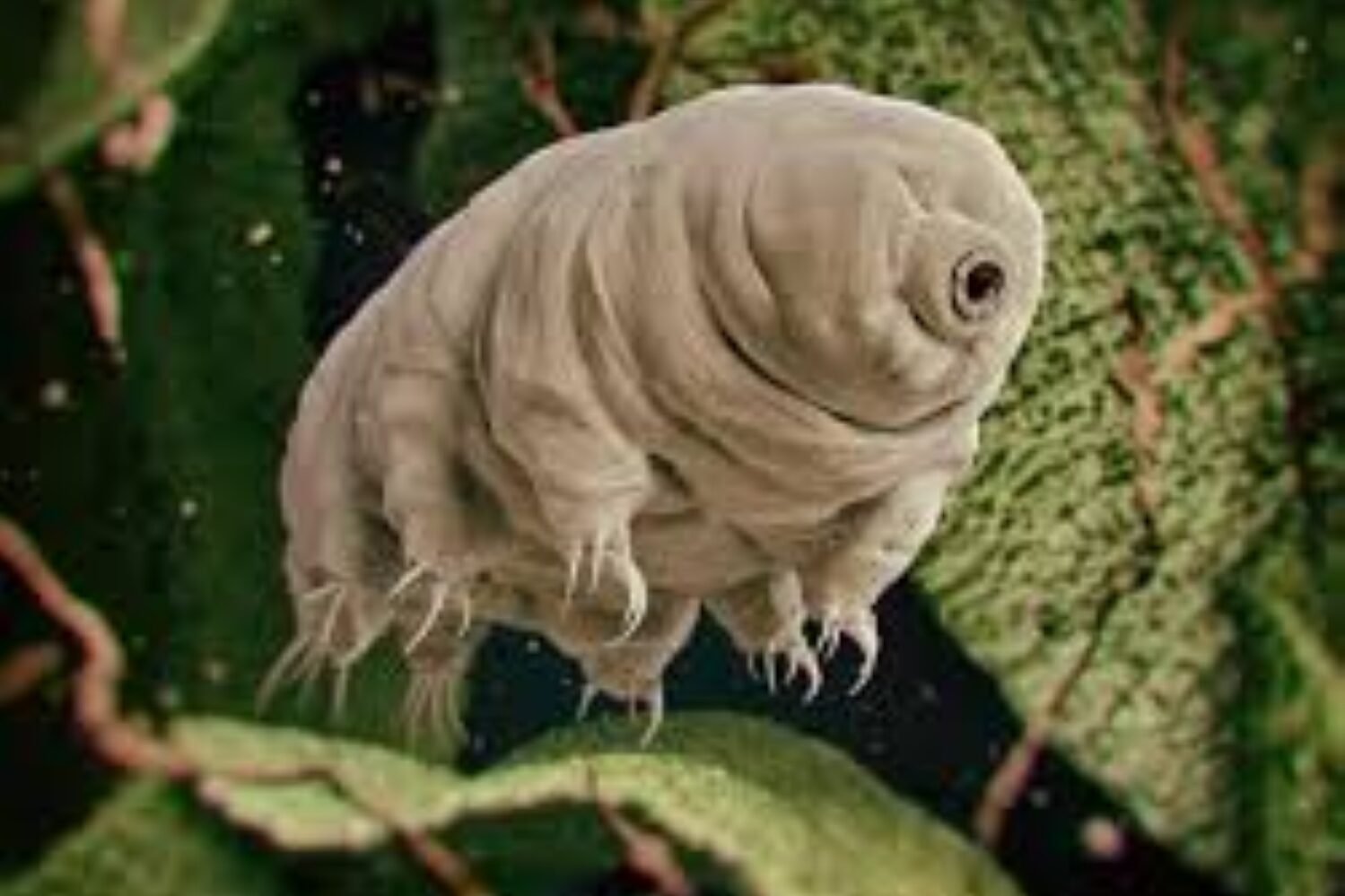
Tiny, nearly invisible, and unassuming, the tardigrade earns its nickname “water bear” through its remarkable resilience. These microscopic creatures can endure extreme heat, freezing, radiation, and even the vacuum of space. When conditions turn dangerous, they enter a survival state called cryptobiosis, curling into a protective form where metabolism nearly stops. In this state, they can remain dormant for years, waiting for water and favorable conditions to revive them.
NASA researchers have marveled at their abilities, explaining that tardigrades “can survive conditions that would be fatal to almost every other known organism.” Despite their small size, they challenge the limits of what life can endure. Living in moss, soil, and droplets of water, tardigrades quietly remind us that survival and resilience sometimes come in the tiniest forms, and that the natural world often defies human expectations with hidden wonders waiting to be discovered.
5. The Octopus That Masters Disguise
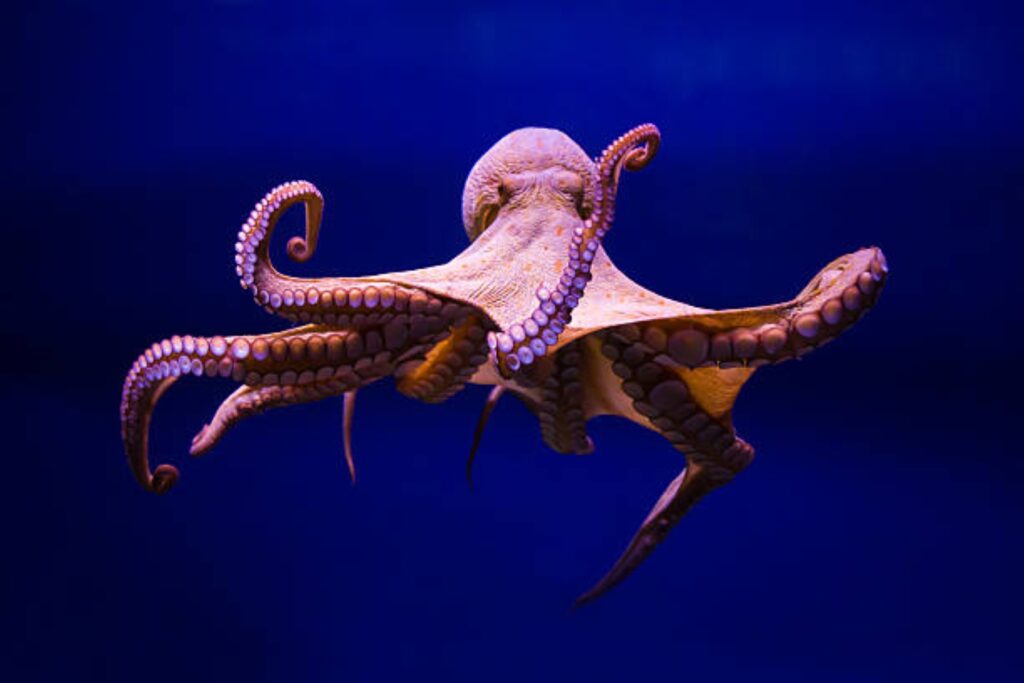
Octopuses are quiet masters of disguise, blending seamlessly into their surroundings in ways that seem almost magical. Using specialized skin cells called chromatophores, they can instantly change color, pattern, and even texture, matching rocks, sand, or coral. The Marine Biological Laboratory notes that “octopuses control thousands of pigment cells with remarkable precision, allowing rapid color and pattern changes.” Some species can even mimic sea plants or rough textures, turning themselves into living illusions.
Beyond camouflage, these changes can signal mood, warn rivals, or attract mates. Watching an octopus glide across the ocean floor, disappearing into its surroundings, it feels like witnessing nature’s secret theater. Every ripple of color and pattern is both functional and elegant, showing that survival often goes hand in hand with astonishing creativity. For divers and scientists alike, the octopus is a reminder that the underwater world hides some of the most extraordinary adaptations imaginable.
6. The Archerfish That Shoots With Precision
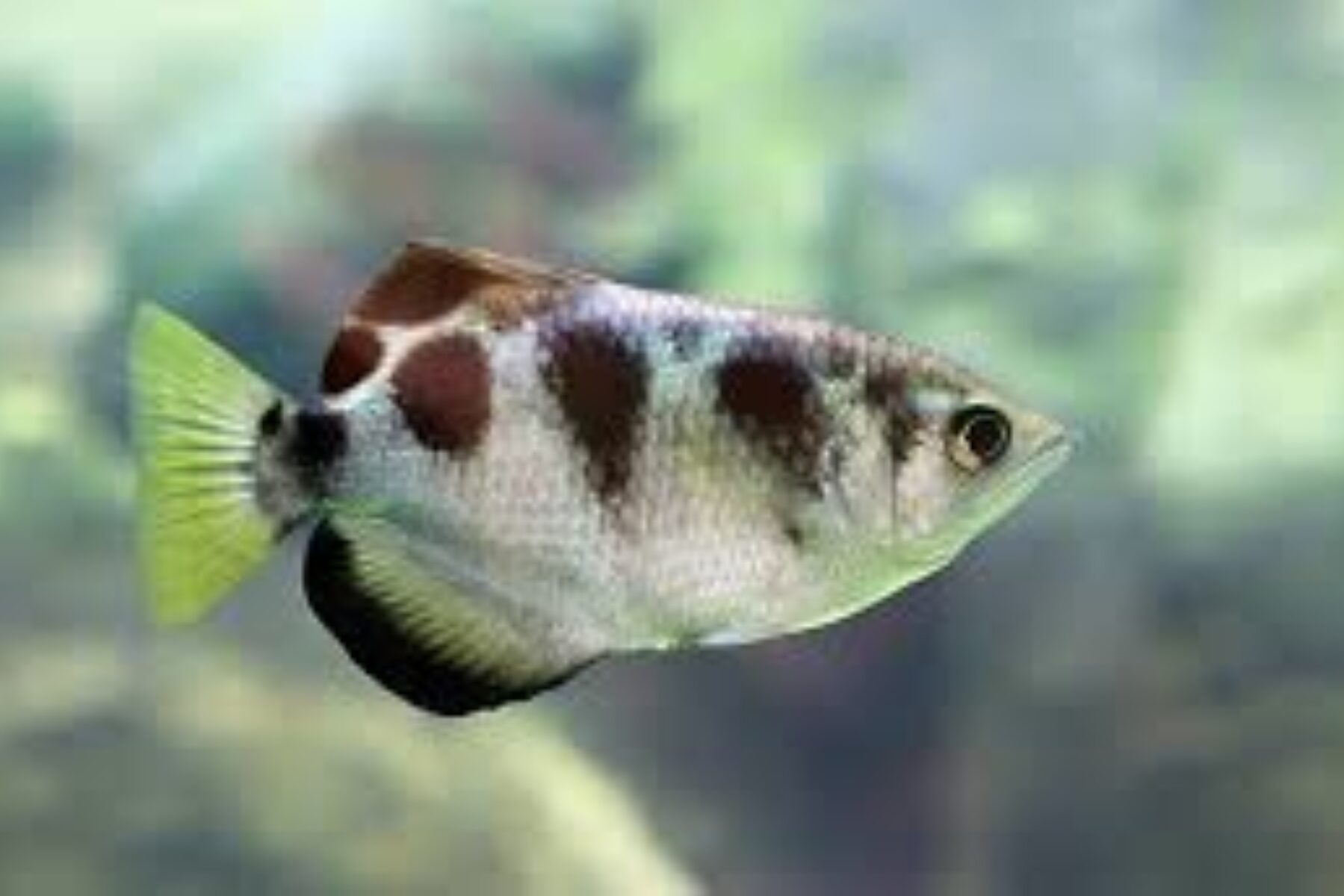
The archerfish might be small, but it has a hunting skill that feels almost like magic. Instead of jumping for insects above the water, it spits a narrow jet of water that knocks them down. Living in mangroves and slow rivers in Southeast Asia and Australia, the fish carefully studies its target before firing, adjusting for the way light bends from air into water, a subtle trick that even humans need physics to understand.
Researchers at the University of Queensland note that “archerfish compensate for optical distortion caused by refraction when aiming at prey above the water.” Once the insect falls, the fish quickly claims its meal, often with astonishing accuracy. Watching an archerfish in action, you see a small, quiet hunter turning precision and observation into survival, proving that intelligence can come in even the tiniest packages in nature.
7. The Bat That Sees With Sound

Walking through a dark room without bumping into anything is difficult for most people, but bats manage it every night while flying at high speeds. Their secret is echolocation, a system that allows them to “see” using sound instead of light. Bats emit high-pitched calls that bounce off nearby objects and return as echoes. By listening to these echoes, the bat can map out its surroundings, detect obstacles, and even locate insects in midair. According to the National Park Service, “echolocation allows bats to detect objects as thin as a human hair in complete darkness.”
The process happens incredibly fast. A bat can send out dozens of calls every second, constantly updating its mental map while it flies. Insects that think the darkness will hide them often discover too late that a bat has already pinpointed their location. Watching bats at dusk can feel peaceful, yet what is happening in the air is a remarkable sensory experience we cannot hear or perceive. While people rely mostly on sight, bats remind us that sound can become an entirely different kind of vision when evolution finds the right path.
8. The Pistol Shrimp With a Sonic Blast
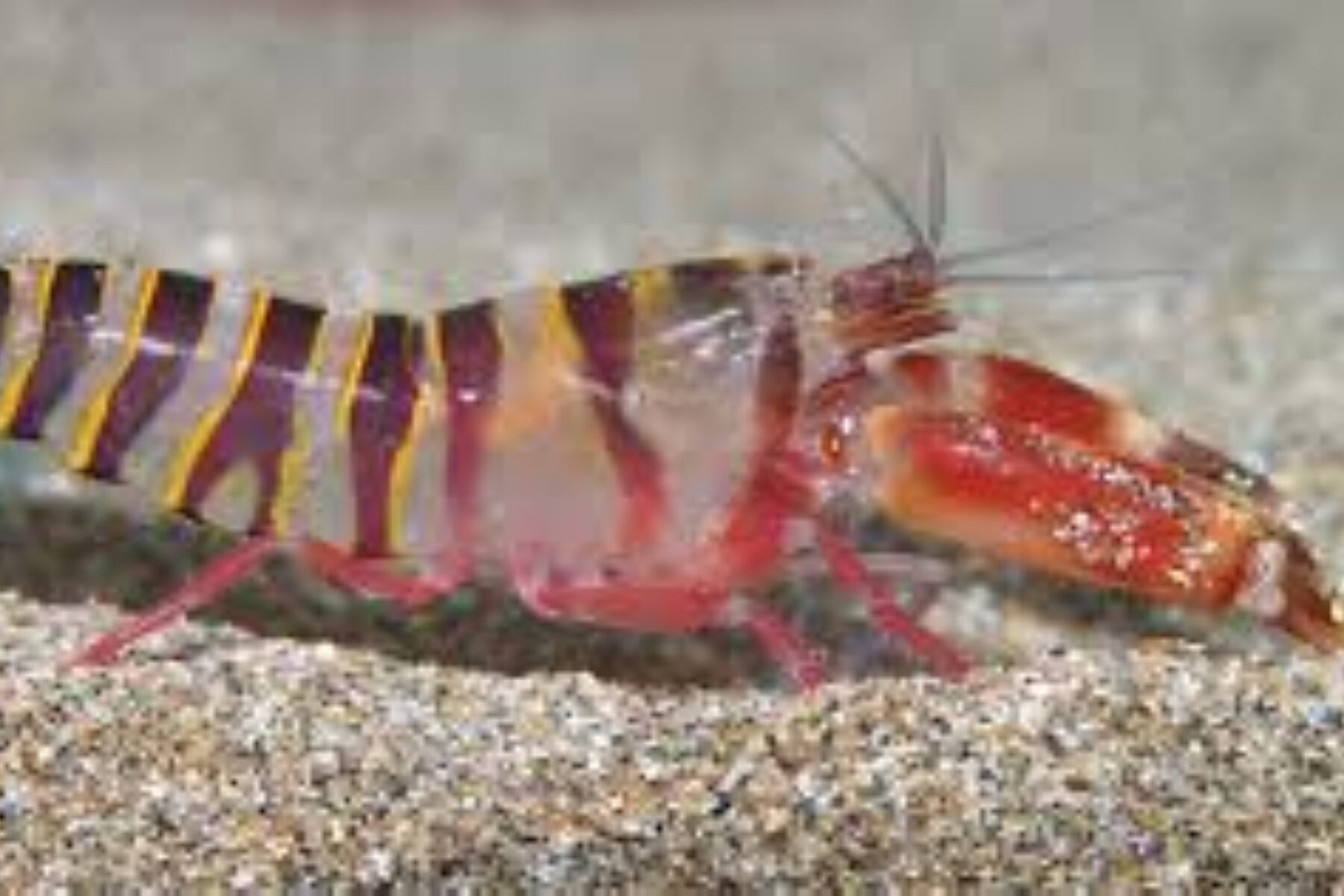
The pistol shrimp is tiny, often only a few inches long, but it carries one of the loudest and most surprising weapons in the ocean. Instead of relying on teeth or claws to catch prey, it snaps one oversized claw so quickly that it creates a powerful shockwave. When the claw closes, it produces a bubble that collapses with incredible force, generating a brief flash of heat and sound. Marine scientists have recorded the noise as loud enough to disrupt nearby fish. According to researchers at the University of Twente, “the collapsing bubble briefly reaches temperatures comparable to the surface of the sun.”
The effect stuns or even kills small prey instantly. The shrimp then calmly gathers its meal from the surrounding water. Despite this dramatic ability, pistol shrimp often live quietly alongside partner fish in shared burrows, forming small underwater partnerships that help both species survive. For such a small creature, the pistol shrimp shows how powerful simple physics can be when shaped by evolution. A quick snap of a claw becomes a natural tool that sounds almost impossible until you see the science behind it.
9. The Geckos That Walk on Walls
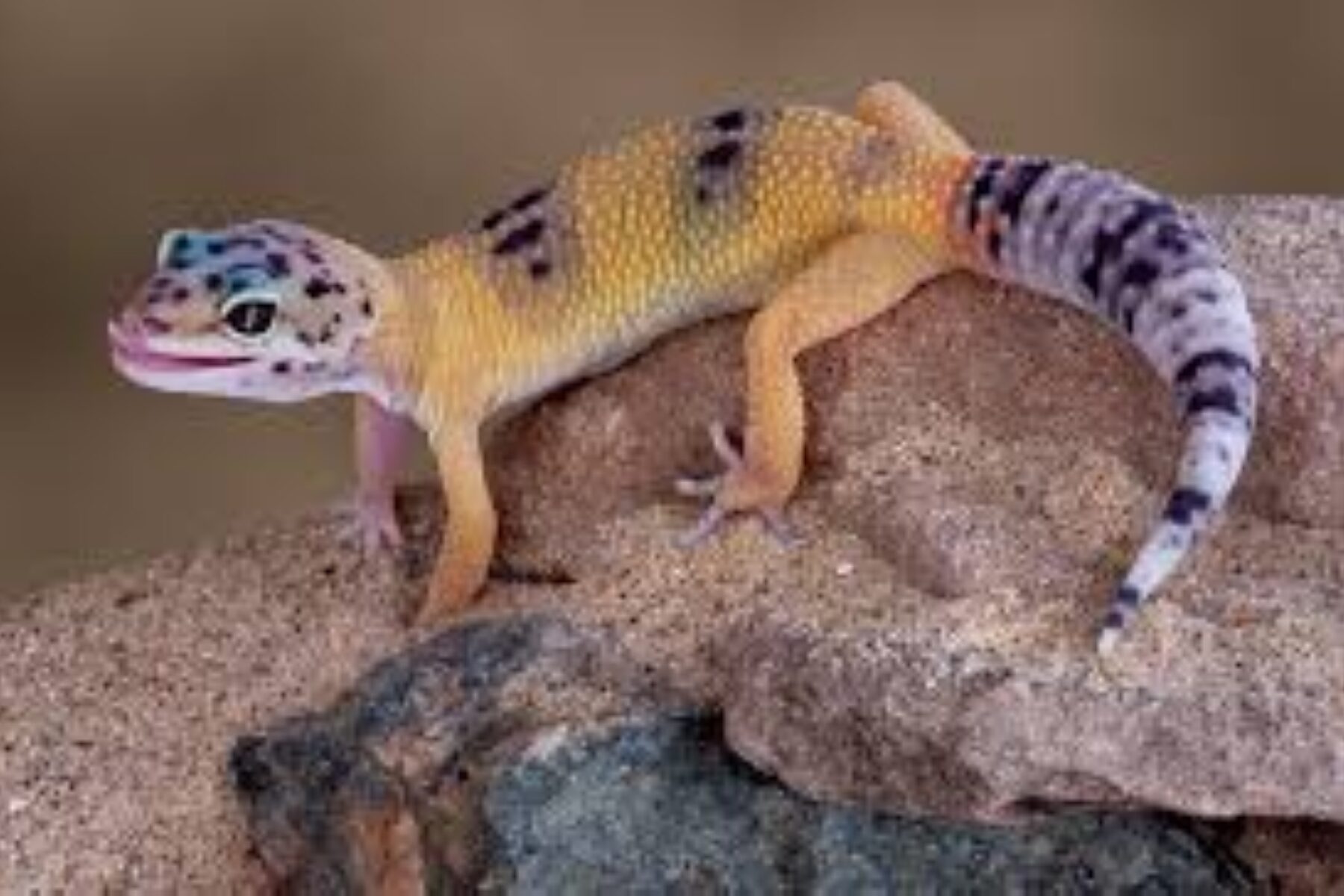
Most people pause when they see a gecko calmly walking across a wall or even upside down on a ceiling. It feels like a small defiance of gravity, yet the secret lies in the tiny structures on its feet. Gecko toes are covered with millions of microscopic hair-like structures called setae, which interact with surfaces using weak molecular forces known as van der Waals forces. While each contact point is minuscule, together they create enough grip to support the gecko’s entire body, allowing it to move across glass, painted walls, or other surfaces that would seem impossible to most animals.
Researchers at Stanford University describe this ability simply: “A single gecko foot contains millions of microscopic hairs that allow it to adhere to surfaces without glue or suction.” This natural innovation has even inspired engineers developing new adhesives and climbing technology. Watching a gecko walk often looks effortless, as if it barely notices the terrain, but behind each step is a delicate system working in perfect balance, quietly transforming a small lizard into one of nature’s most skilled climbers.
10. The Hammerhead Shark That Detects Electricity
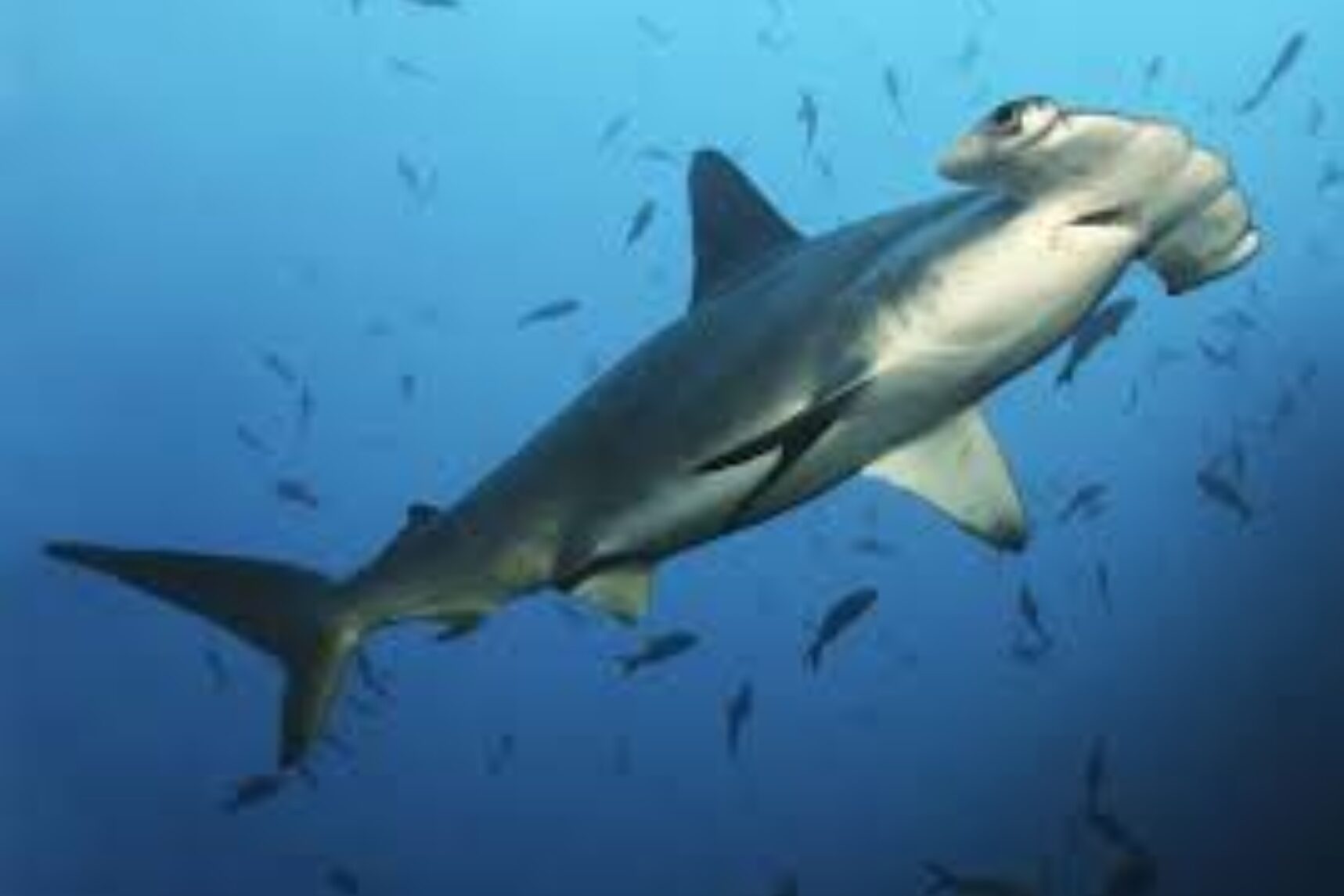
In the ocean, vision alone is not always enough. Water can be dark, cloudy, or crowded with movement. The hammerhead shark has developed an unusual head shape that helps it sense something most animals cannot detect at all: electricity. Embedded across the shark’s broad hammer-shaped head are tiny sensory organs called ampullae of Lorenzini. These structures allow the shark to detect faint electrical signals produced by the muscles and nerves of other animals. Even a fish buried beneath sand can give off a signal strong enough for a hammerhead to notice.
Marine biologists often describe this ability as a kind of sixth sense. The Florida Museum of Natural History explains that sharks can “detect minute electrical fields generated by living organisms.” This makes it easier for hammerheads to locate hidden prey in environments where sight might fail. As the shark glides through the water, its wide head sweeps from side to side, scanning the ocean floor. It is a quiet example of how nature builds solutions that feel almost technological, turning invisible signals into useful information for survival.
11. The Mimic Octopus That Pretends to Be Other Animals
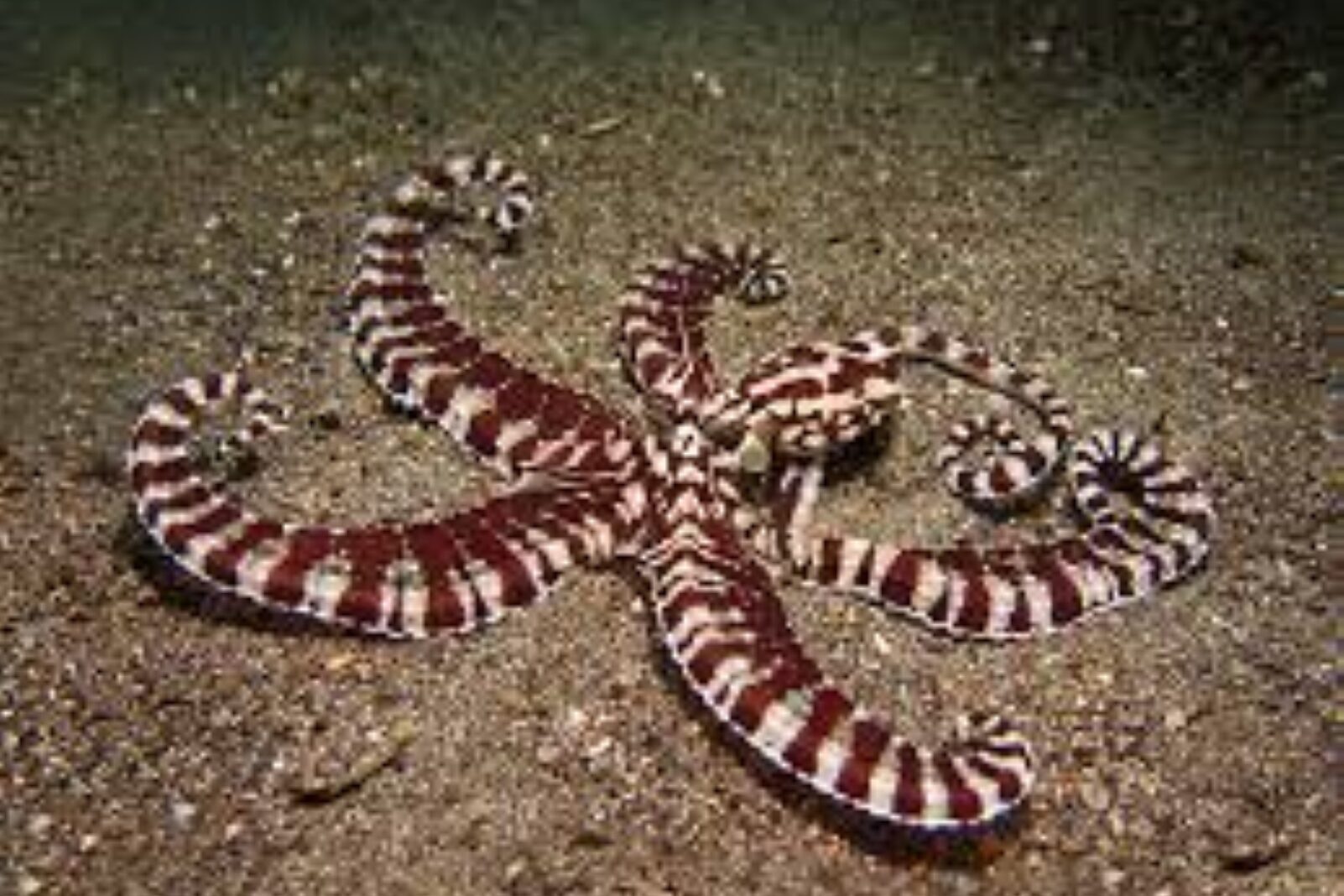
The mimic octopus of Indonesia is a true master of disguise, capable of transforming its body to resemble other sea creatures. When threatened, it can stretch its arms, flatten its body, or move in ways that imitate venomous lionfish, flatfish, or even sea snakes. Unlike many animals that simply hide, this octopus actively performs a living impersonation, choosing the disguise based on the predator nearby.
Marine biologist Mark Norman notes that “the mimic octopus can impersonate a number of animals including lionfish, flatfish, and sea snakes.” Its transformations are convincing enough to fool both predators and observers, a silent theater of survival. Watching this creature glide across the seafloor and shift its shape mid-movement is a quiet reminder of how evolution equips animals with creative solutions for staying alive, blending intelligence, strategy, and natural artistry in one small body.
12. The Bombardier Beetle With a Chemical Defense
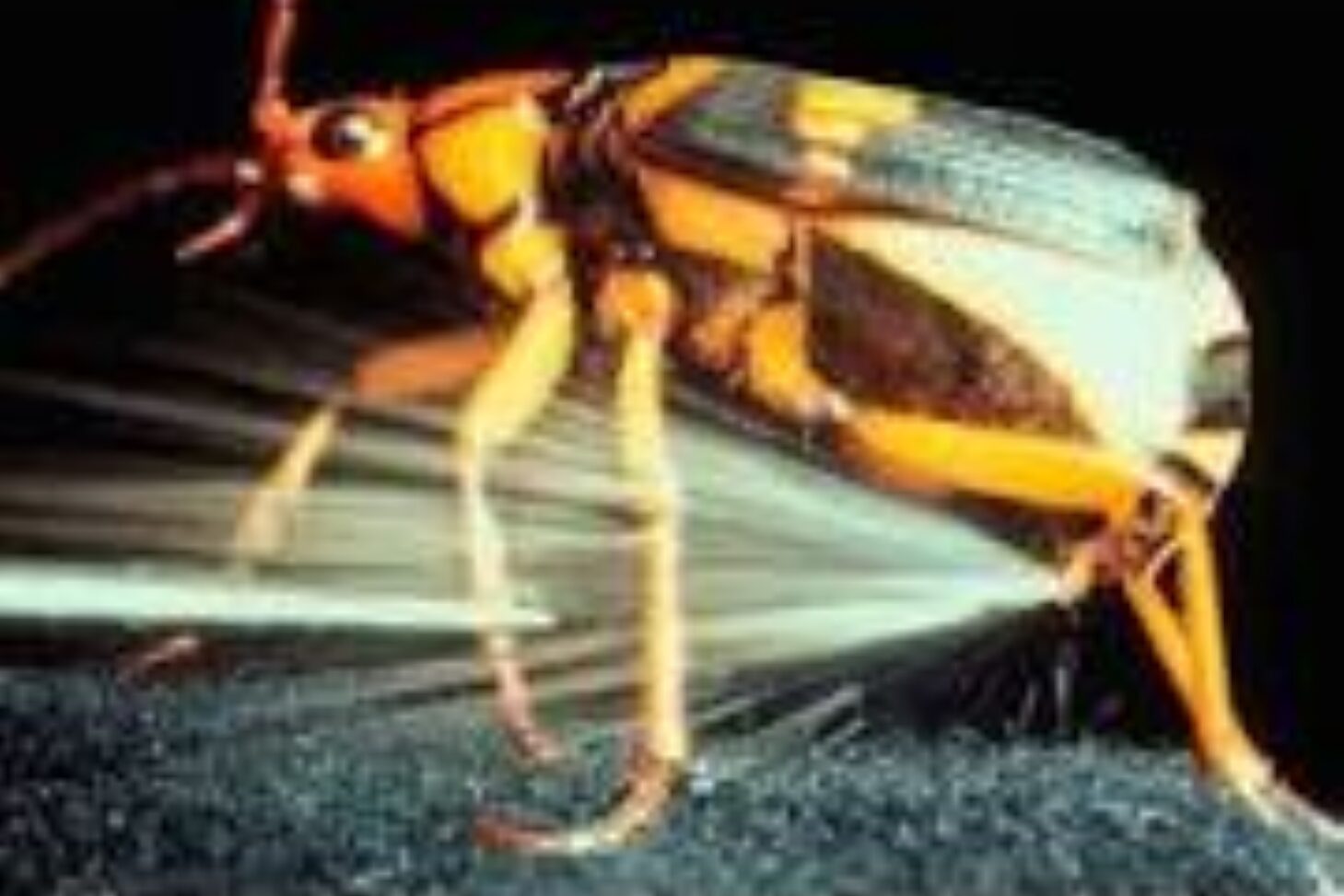
At first glance, the bombardier beetle seems ordinary, but it carries a chemical defense system that is truly explosive. When threatened, it mixes chemicals inside its abdomen to create a hot, pulsating spray aimed at predators. The reaction produces temperatures near boiling and can be directed with surprising accuracy, deterring spiders, ants, and other attackers.
According to the Smithsonian Institution, “the reaction creates a hot, pulsating spray that can deter spiders, ants, and other predators.” Despite its tiny size, this beetle uses chemistry as a survival tool, managing to turn natural reactions into a defensive weapon. Walking through leaf litter, you might overlook this insect, but beneath its quiet exterior is a sophisticated system that allows it to defend itself in ways that seem almost like science fiction.
13. The Lyrebird That Copies Almost Any Sound
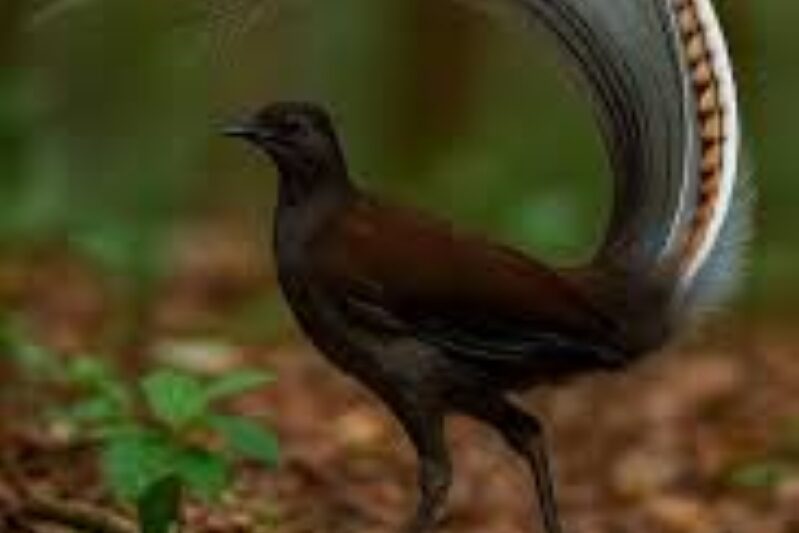
Walk through certain Australian forests, and you might hear the sounds of barking dogs, chainsaws, or camera shutters echoing through the trees. Surprisingly, these noises could all come from a lyrebird, a remarkable singer capable of mimicking nearly any sound it hears. While other birds copy species calls, the lyrebird takes mimicry to a whole new level, weaving natural and artificial sounds into its own song.
The Australian Museum notes that “the superb lyrebird is capable of mimicking natural and artificial sounds with remarkable accuracy.” Male lyrebirds often use these performances during courtship, creating intricate symphonies that tell both rivals and mates about their skill. Hearing a lyrebird imitate the world around it is both amusing and surreal, a gentle reminder that nature’s creativity often goes beyond what we imagine, turning everyday sounds into something extraordinary.
14. The Star-Nosed Mole With an Ultra-Sensitive Nose
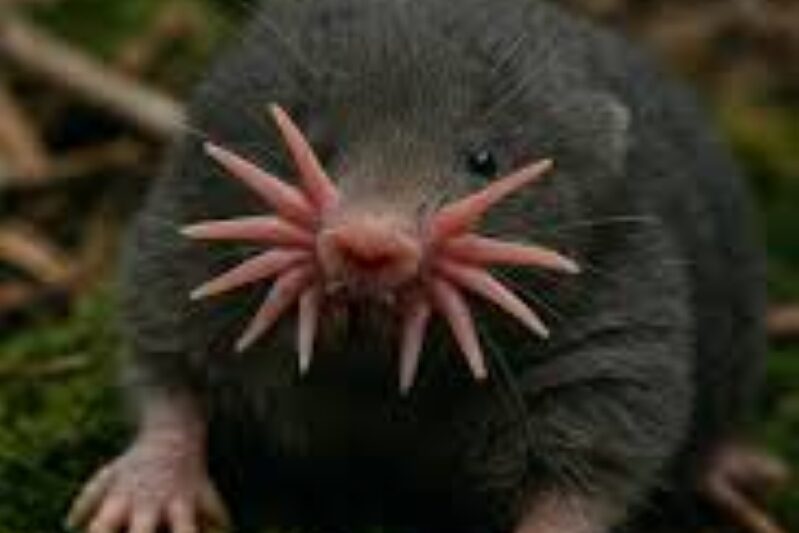
The star-nosed mole lives mostly underground, in North American wetlands, and its most unusual feature is its nose, shaped like a tiny pink star. This star is covered with thousands of sensory receptors that allow the mole to feel and identify prey in complete darkness, a tool far more useful than sight in its muddy, tunnel-filled habitat.
Research from Vanderbilt University shows that the mole can detect and consume prey in just a fraction of a second, making it “the fastest known foraging mammal.” Each tap of its star-shaped nose creates a detailed map of its immediate surroundings, allowing the mole to hunt efficiently. What seems like a bizarre appearance is actually a finely tuned sensory system, proving that evolution often prioritizes function in the most unexpected forms.
15. The Wood Frog That Freezes and Comes Back
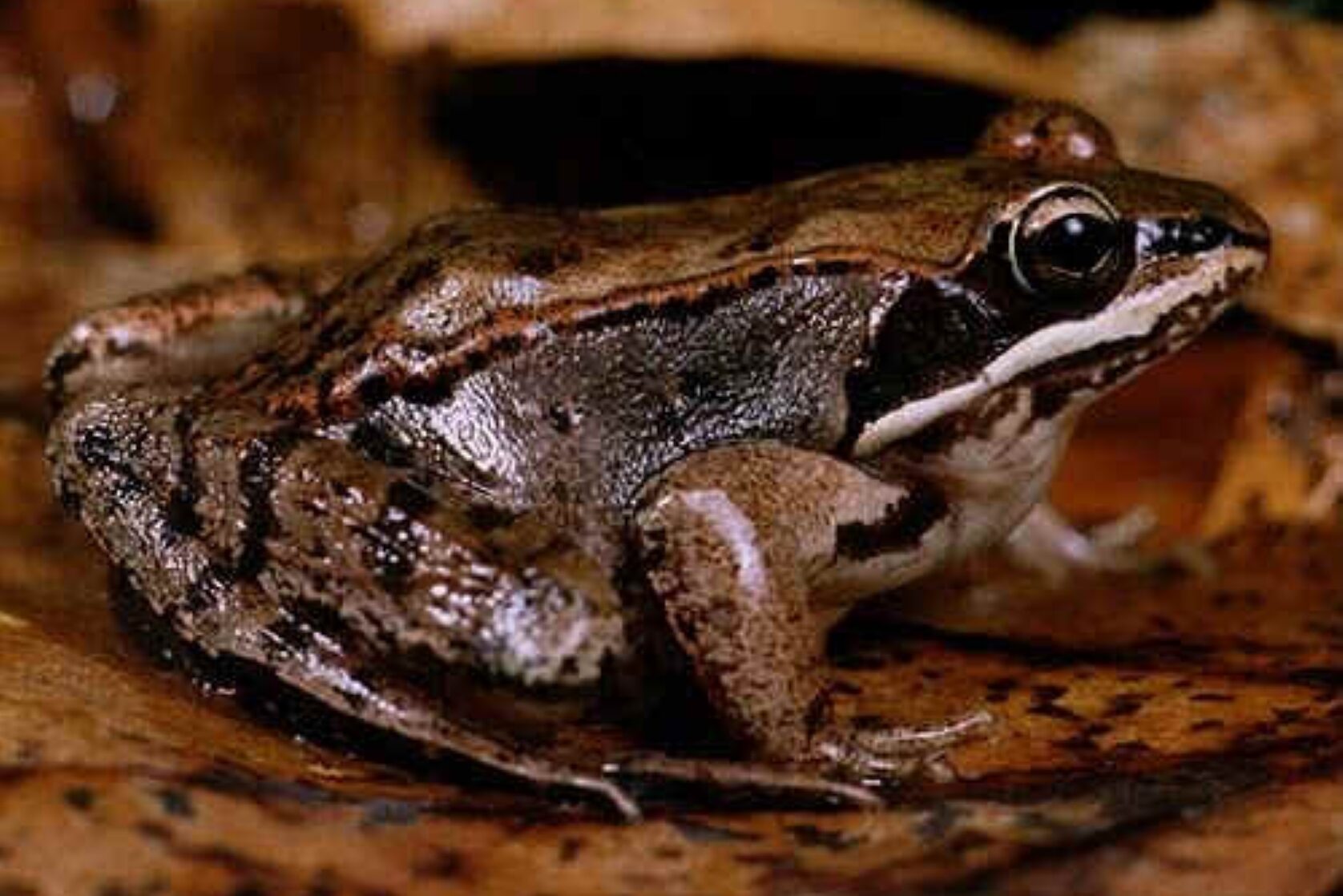
When winter arrives, the wood frog in North American forests does something that feels almost magical: it freezes. Ice forms in its body, its heart stops, and breathing halts. The frog remains frozen for months under leaves or soil, yet when spring comes, it thaws and resumes life as if nothing happened, an extraordinary natural survival strategy.
Biologists explain that wood frogs produce chemicals that act as natural antifreeze, protecting cells from damage during freezing. The Alaska Department of Fish and Game highlights this unique adaptation as one of nature’s most astonishing survival tricks. By pausing life itself until conditions improve, the wood frog demonstrates how evolution can equip even small creatures with abilities that feel like science fiction, quietly thriving through the harshest winters.
16. The Immortal Jellyfish That Can Turn Back Time
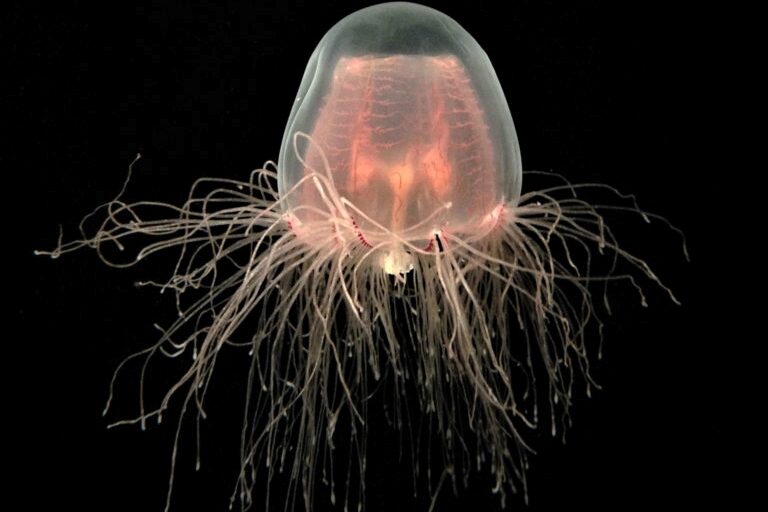
The tiny Turritopsis dohrnii, often called the immortal jellyfish, drifts quietly in oceans worldwide, yet it holds one of the most unusual abilities in nature. Instead of simply aging and dying, this jellyfish can reverse its life cycle. When stressed or injured, it transforms its cells and returns to an earlier stage of life, essentially starting over as a young polyp.
Researchers in Nature Reviews Genetics describe this process as “transdifferentiation, in which one cell type transforms into another.” While predators or disease can still end its life, the jellyfish’s ability to reset itself makes it a rare example of biological regeneration. Floating almost unnoticed in the water, it quietly reminds scientists and observers alike that life on Earth often operates in ways that seem to defy ordinary rules.
17. The Platypus That Uses Electroreception

The platypus already looks unusual enough with its duck-like bill, beaver-like tail, and webbed feet, but its abilities are just as surprising as its appearance. Native to Australia, this semi-aquatic mammal hunts in rivers and streams where muddy water often makes vision nearly useless. To solve that problem, the platypus uses electroreception. Tiny sensors inside its bill detect the weak electrical signals produced by the muscle movements of insects, worms, and small crustaceans hiding in the water. When the platypus dives, it actually closes its eyes, ears, and nostrils and relies entirely on these electrical signals to find food.
Research highlighted by the Australian National University explains that the platypus bill contains “thousands of electroreceptors capable of detecting faint electrical fields produced by prey.” This ability allows it to locate meals buried in mud or hidden beneath rocks. Watching a platypus glide quietly beneath the surface, it looks calm and unhurried. Yet beneath that calm is a remarkable sensory system turning invisible electrical signals into a map of the underwater world.
18. The Peregrine Falcon That Becomes the Fastest Animal on Earth
Speed shows up in many animals, but the peregrine falcon takes it to a level that feels almost unreal. Found on nearly every continent, this bird of prey spends much of its time soaring high above open landscapes or city skylines. From that height, it watches carefully for birds flying below. When the moment comes, the falcon folds its wings and dives in a hunting maneuver called a stoop. During this dive, it can reach speeds that have been recorded at more than 200 miles per hour. The Cornell Lab of Ornithology describes the peregrine falcon as “the fastest animal on the planet when in its hunting dive.”
Its body is built for the task. Streamlined feathers, powerful muscles, and specialized nostrils help it control airflow during these extreme speeds. The falcon strikes its prey with incredible precision before pulling out of the dive. For people watching from the ground, the moment passes quickly, often just a blur across the sky. Yet it shows how evolution sometimes pushes physical abilities to astonishing limits, turning an ordinary-looking bird into a master of speed.
19. The Cuttlefish That Changes Skin Like a Living Screen

In the quiet world beneath the waves, the cuttlefish moves with a calm confidence that hides one of the most impressive visual tricks in nature. Closely related to octopuses and squid, this soft-bodied animal can change its color and patterns almost instantly. What makes the cuttlefish especially remarkable is the complexity of its skin. Layers of pigment cells, reflective cells, and light-diffusing structures work together to create shifting patterns. Marine scientists studying the animal have noted how quickly this happens. Research published by the Marine Biological Laboratory explains that cuttlefish can “alter their body patterns in fractions of a second to match surroundings or communicate.”
Sometimes the patterns help them disappear against rocks or coral. Other times they use moving waves of color to signal rivals or attract mates. In many ways, their skin works like a living display screen responding to the environment. Watching a cuttlefish glide across the seafloor while its colors ripple and change can feel strangely modern, almost like watching digital graphics in motion. Yet it is simply another example of how nature solves problems with quiet elegance.
20. The Honeybee That Navigates With a Living Map
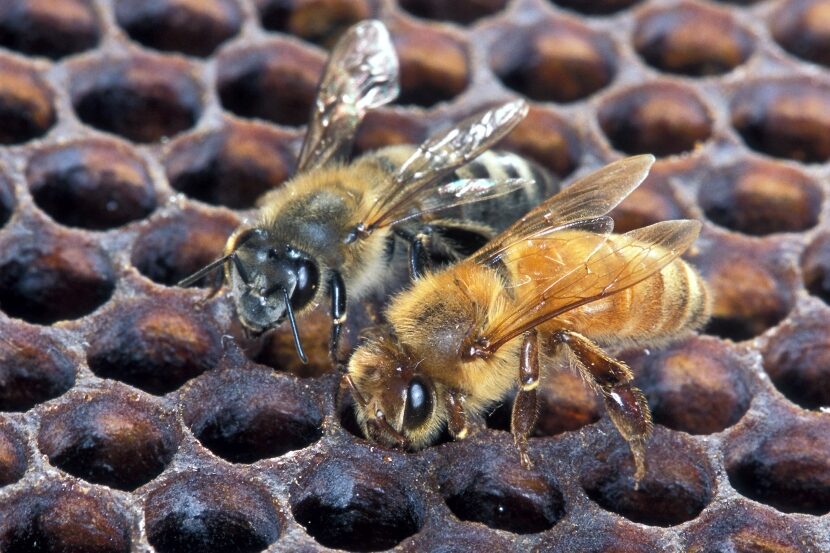
Among all the unusual abilities in the animal kingdom, the honeybee’s talent for navigation and communication stands out for its quiet intelligence. These small insects travel miles from their hive searching for flowers, yet they rarely lose their way. When a bee returns with good news about nectar or pollen, it performs a behavior known as the waggle dance. By moving in a specific pattern, the bee communicates the direction and distance of the food source to other members of the hive. Researchers studying bee behavior have long admired the precision of this system. The famous biologist Karl von Frisch once described the dance as “a symbolic language that tells other bees where to fly to find food.”
Other bees watch closely, then head out following the instructions embedded in the dance. In this way, the hive shares information and works together almost like a small community mapping its surroundings. Looking across all these animals, from tiny insects to ocean dwellers and soaring birds, one quiet truth appears again and again. Nature has been experimenting for millions of years, shaping abilities that sometimes sound like science fiction but are simply part of life on Earth. And the more we notice them, the more the ordinary world starts to feel a little more extraordinary.


