
1. Hi-C and the Sweet, Fruity Start
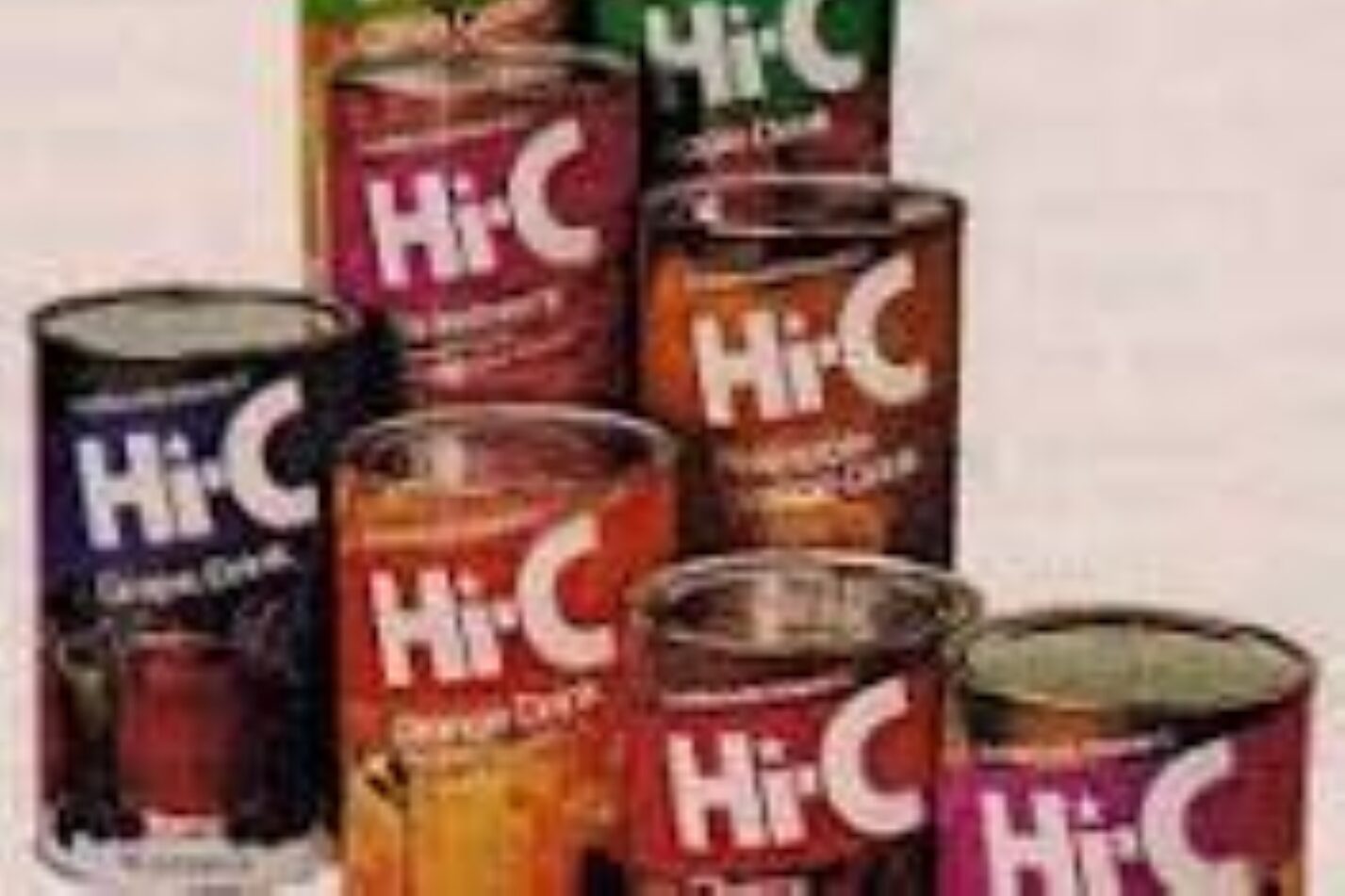
Hi-C was never just a drink; it was a bright splash of color and flavor that promised a cheerful start to the morning. Originally marketed as a fruit-flavored beverage packed with vitamin C, it aimed to make breakfast or snack time more fun while still carrying a hint of nutritional benefit. The brand described it as “a fruit-flavored drink fortified with vitamins to provide a tasty, refreshing start to your day,” making it sound both playful and responsible at the same time.
Hi-C became especially popular in American households because it balanced sweetness with the idea of fortification. Kids loved its bold, tangy flavors and vibrant orange or grape colors, which made it feel exciting compared to plain juice. Parents appreciated that it included added vitamins, giving the sense that their children were getting a little nutritional support even on rushed mornings. While it wasn’t a powerhouse of protein or a full meal replacement, Hi-C captured the idea that breakfast drinks could be convenient, flavorful, and a small source of nutrients, helping mornings start on a brighter note.
2. Gatorade and the Morning Athlete Mindset
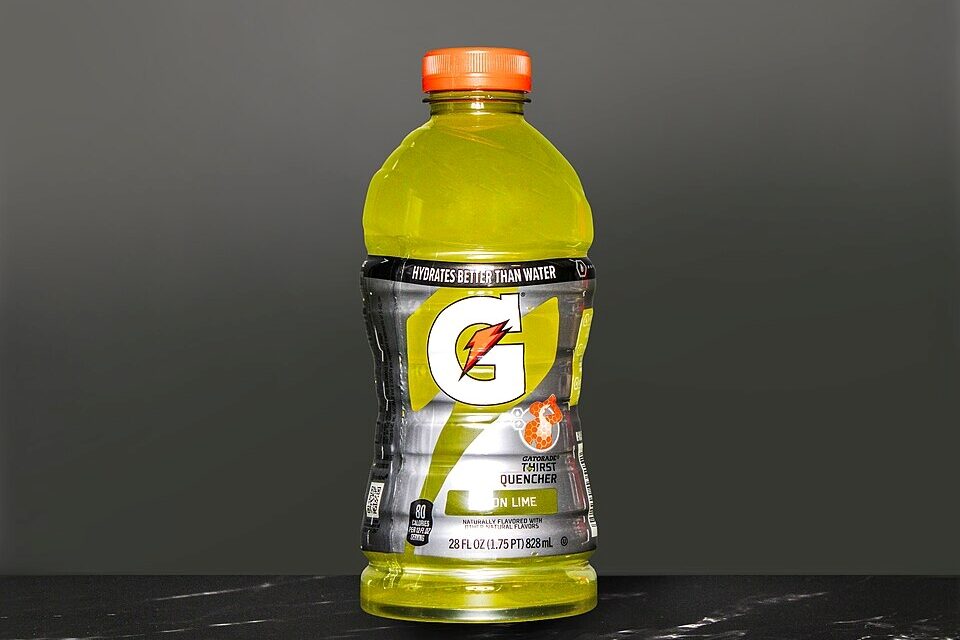
If you grew up around sports, there is a good chance a bottle of Gatorade showed up somewhere near breakfast, especially on game days. Originally developed at the University of Florida for athletes, the drink quickly gained a reputation for helping people stay hydrated and energized during physical activity. Over time, that image spilled into everyday routines. The brand often described the drink as “a sports beverage designed to help replace fluids, electrolytes, and carbohydrates lost during exercise.”
Gatorade was never really designed as a breakfast drink, yet many young athletes treated it that way. Before early practices or weekend tournaments, grabbing a chilled bottle from the fridge felt like part of the preparation ritual. The bright colors and refreshing taste made it appealing, and the association with professional sports added to the sense that it could boost performance. In reality, most nutrition experts point out that sports drinks are mainly helpful during intense physical activity. Still, for generations of students heading out the door with gym bags or cleats in hand, that familiar bottle felt like a quick way to start the day with a little extra confidence.
3. Sunny Delight and the Bright Start Illusion
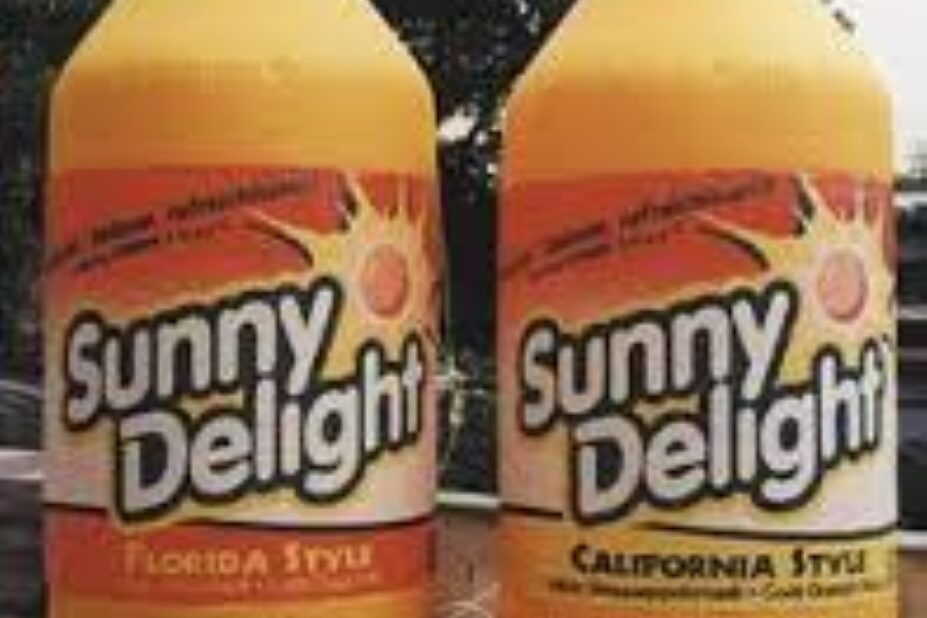
For many American kids in the 1990s, opening the refrigerator and seeing a big plastic bottle of Sunny Delight felt like a small victory. The drink looked like orange juice, and the commercials often showed it being poured at breakfast alongside cereal and toast. The brand positioned itself as a fun citrus drink that could brighten the start of the day. Product descriptions often referred to it simply as “a citrus flavored beverage made with fruit juice and added vitamins.”
Sunny Delight became a staple in many homes because it felt cheerful and easy. The sweet taste made it popular with children, while the orange color and vitamin claims helped it appear similar to traditional breakfast juices. For busy mornings, pouring a glass took almost no effort. Later discussions about sugar content changed how some families viewed the drink, but during its peak years it was firmly planted in breakfast culture. Many people still remember that moment of scanning the fridge for something good to drink before school and spotting that bright orange bottle waiting on the shelf.
4. Chocolate Soldier and the Sweet Breakfast Treat
Long before many modern breakfast drinks appeared, there was Chocolate Soldier. Sold in glass bottles and cartons, it was a chocolate milk drink that felt both nostalgic and playful. Its branding featured a cartoon soldier mascot and leaned heavily into the fun side of breakfast. The drink itself was simple, essentially a sweet chocolate milk beverage that kids could grab quickly in the morning.
Chocolate Soldier became popular in the mid-20th century when flavored milk drinks were gaining traction in American households. Parents often viewed it as a small treat that could still provide calcium and some energy before school. Kids, of course, mostly cared about the chocolate flavor. Looking back, drinks like this remind us how breakfast products often blended nutrition claims with comfort and taste. Some promised athletic power, others promised growth, and some simply made mornings a little sweeter. In the end, they all tell the same story about how people have always looked for simple ways to start the day feeling ready.
5. Boost and the Quick Bottle of Morning Energy
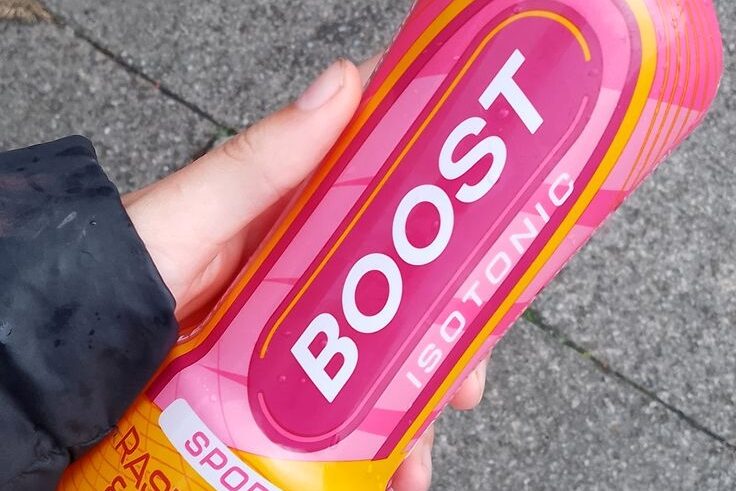
As lifestyles became busier, breakfast drinks started moving from powders to ready-to-drink bottles. That shift helped products like Boost gain attention. Instead of mixing anything, you could simply grab a bottle from the fridge and head out the door. The brand focused heavily on the idea of sustained energy and balanced nutrition. According to product descriptions, Boost was created as “a nutritional drink that provides protein, vitamins, and minerals to help support energy and daily nutrition.”
Boost found a wide audience because it worked for more than just kids. Students, office workers, and older adults all began using it as a quick breakfast option. The smooth texture and dessert-like flavors made it easy to drink even when mornings felt rushed. While it never truly replaced a full breakfast, it gave people the feeling that they were still doing something responsible for their health. And sometimes that reassurance was exactly what a hectic morning needed.
6. Five Alive and the Vitamin-Packed Citrus Blend
Five Alive was designed for families who wanted more than just ordinary juice in the morning. Introduced in the 1970s, this fruit juice blend combined five different fruits—often oranges, apples, grapefruits, lemons, and tangerines—into a single bottle, fortified with added vitamins like C and B-complex. The brand described it as “a refreshing blend of five fruit juices with added vitamins to help start your day on a bright note,” emphasizing both flavor and nutritional support.
Five Alive quickly became popular because it offered variety in a single glass. Parents appreciated the vitamin boost, and kids enjoyed the sweet-tart combination of flavors that felt fresher than plain orange juice. Pouring Five Alive at breakfast became an easy way to get a fruity start without fussing over multiple types of juice. Its colorful branding and recognizable taste helped it stand out on shelves, making mornings feel a little more fun and a little more wholesome at the same time.
7. Yoo-hoo and the Chocolate Morning Shortcut
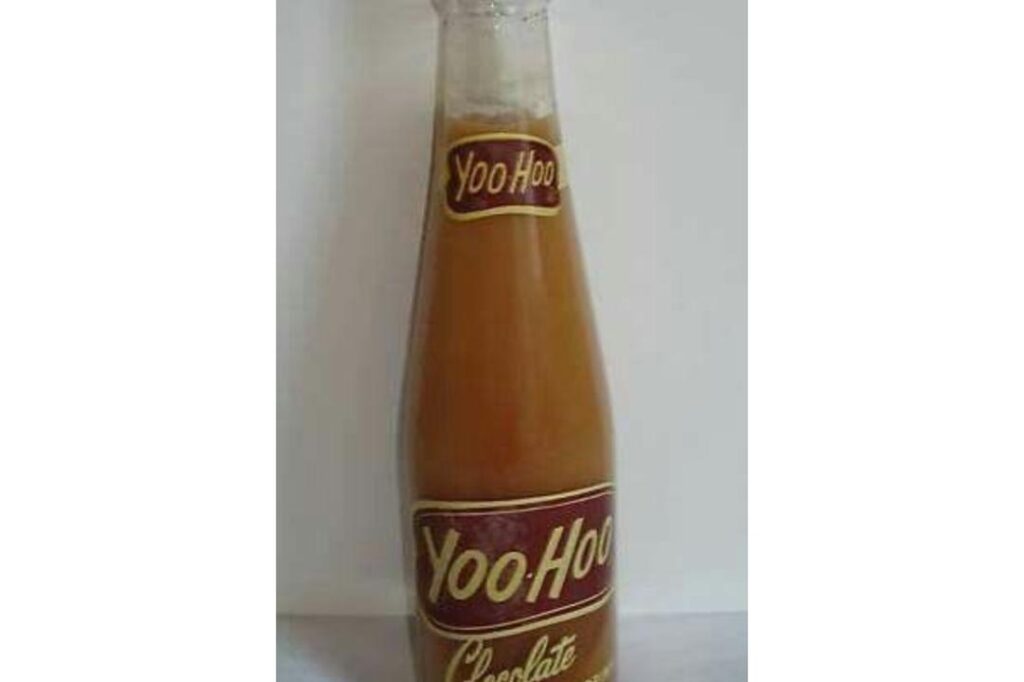
Not every breakfast drink tried to look like a health supplement. Some simply leaned into taste and convenience, and Yoo-hoo is a good example of that approach. The chocolate drink appeared in lunchboxes, convenience stores, and sometimes even the breakfast table when mornings were rushed. Its smooth texture and familiar chocolate flavor made it easy to grab on the way out the door. The brand itself once described the drink plainly as “a chocolate beverage made with water, whey, and cocoa,” a reminder that it was more about flavor than nutrition.
Yoo-hoo became popular because it felt simple and comforting. Kids liked the sweetness, and adults often remembered it from their own childhoods. Even if it did not truly deliver the kind of energy boost advertised by more serious breakfast drinks, it still played a role in morning routines. Sometimes a quick bottle of chocolate drink was just enough to take the edge off an empty stomach before school or work. In that sense, its promise was less about power and more about familiarity.
8. SlimFast and the Drinkable Diet Breakfast
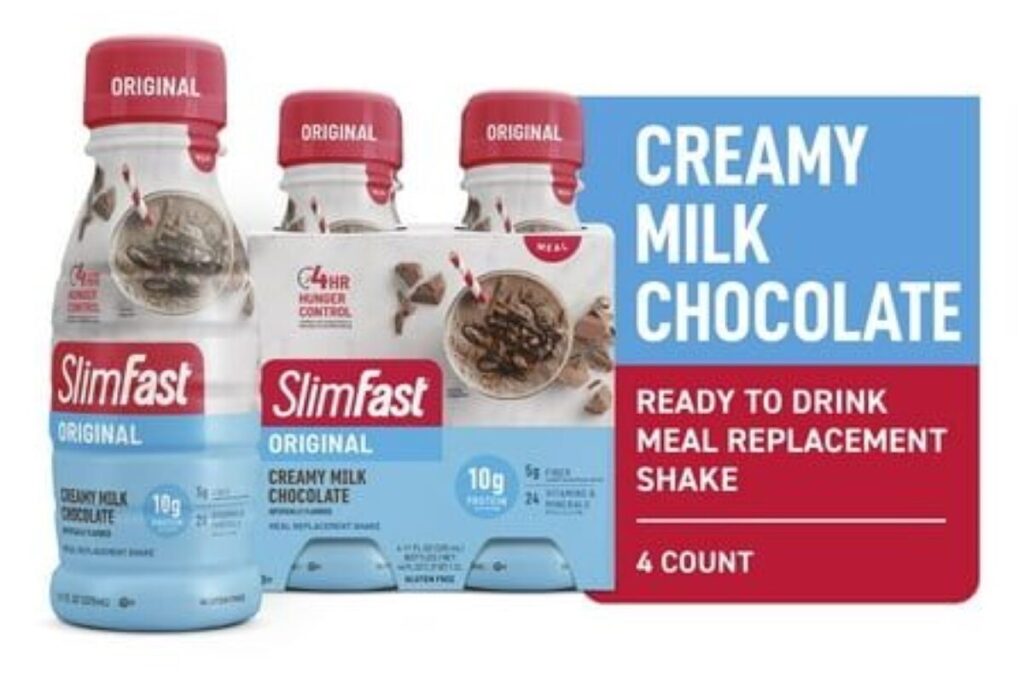
By the 1990s, breakfast drinks began to take on a different promise. Instead of helping kids grow or athletes perform better, some drinks focused on weight control. SlimFast became one of the most recognizable names in that category. The plan was straightforward and widely advertised: replace two meals a day with a shake and eat a sensible dinner. As the company explained in its messaging, SlimFast shakes were designed as “meal replacement products formulated with protein, vitamins, and minerals.”
SlimFast turned breakfast into something measured and carefully controlled. For many people trying to manage their weight, the idea of drinking breakfast instead of preparing it felt practical. The shakes came in dessert-like flavors such as chocolate and vanilla, which helped them feel less like a strict diet product. While nutrition experts often reminded people that whole foods still mattered, SlimFast became part of the culture of quick-fix morning routines. It showed how the idea of a drinkable breakfast could shift from childhood growth to adult lifestyle goals.
9. Nutrament and the Protein-Packed Morning Boost

In the 1960s and 1970s, Nutrament became a go-to for families looking for a quick, nutrient-dense breakfast drink. Marketed as a complete nutritional beverage, it promised protein, vitamins, and minerals in a single, easy-to-drink bottle. The company described it as “a fortified, ready-to-drink supplement designed to provide energy and essential nutrients,” positioning it as a practical solution for busy mornings or for children who needed extra support to start the day.
Nutrament stood out because it was more than a flavored milk; it was a functional drink meant to deliver real nutrition when time or appetite was short. Parents appreciated the reassurance that their children were getting protein and vitamins even if breakfast was rushed, and kids often enjoyed the slightly sweet, creamy taste that made drinking it feel like a treat rather than a chore. Nutrament captured a moment in American food culture when fortified beverages were gaining popularity as both a convenience and a health-conscious choice. Today, it remains a nostalgic reminder that sometimes a simple bottle can carry the promise of energy, growth, and a small boost to start the day.
10. Nesquik and the Chocolate Milk Morning
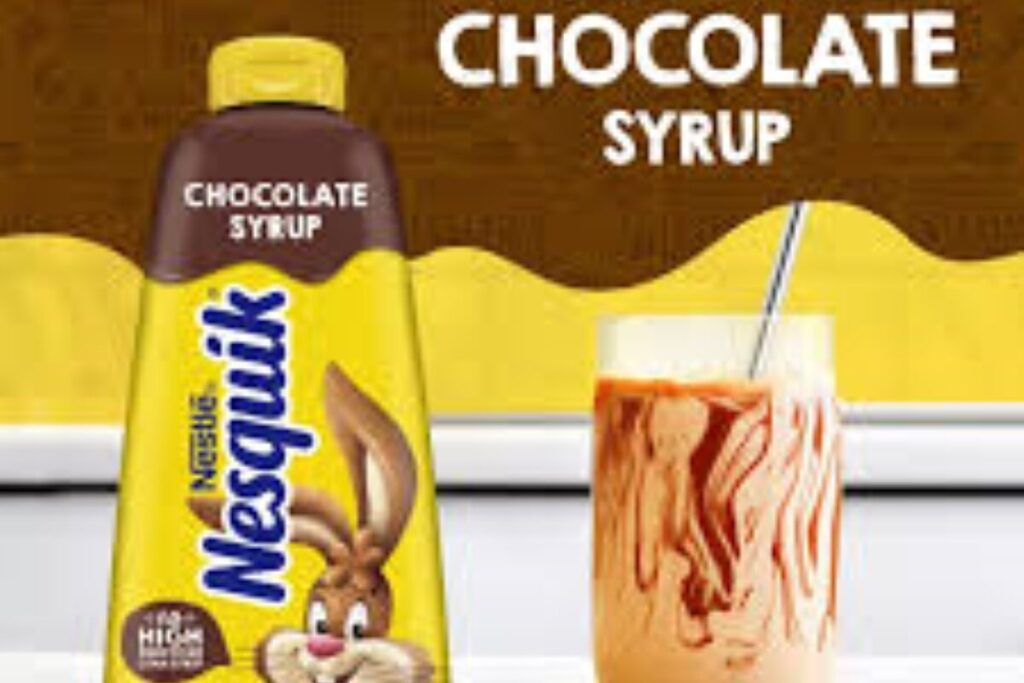
There was always something cheerful about the way Nesquik appeared on breakfast tables. A spoonful of powder stirred into milk instantly turned a plain drink into chocolate milk, and that alone was enough to win over most kids. The brand leaned into fun, often featuring its animated mascot and bright packaging. At the same time, the company reminded parents that the mix contained added vitamins and minerals. As the brand has explained, Nesquik powder is “fortified with vitamins and minerals that complement the nutrients already found in milk.”
Nesquik succeeded because it balanced enjoyment with a small nod to nutrition. Kids felt like they were getting a treat, while parents felt slightly better knowing the drink added something extra to milk. It might not have been the most powerful breakfast option, but it made mornings easier. Sometimes that little moment of sweetness helped start the day on a lighter note.
11. Welch’s Breakfast Juice Blends – The Fruity Morning Mix
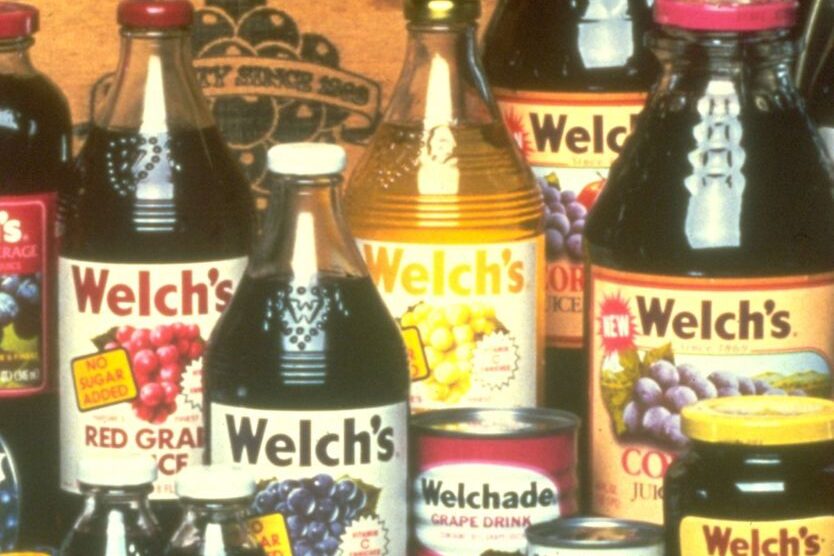
For families who wanted a quick, fruity start without giving up the feeling of a proper breakfast, Welch’s Breakfast Juice Blends became a familiar sight on the kitchen table. Introduced as a mix of fruit juices fortified with vitamins, it promised a convenient way to get nutrients while enjoying a refreshing taste. The brand described the product as “a blend of fruit juices with added vitamins and minerals, designed to provide a tasty, energizing start to your day,” emphasizing both flavor and nutrition.
Welch’s Breakfast Juice Blends became popular in households across the United States because it balanced practicality with the comfort of fruit. Parents liked that the drinks offered vitamin C and other nutrients without the fuss of squeezing fresh oranges every morning, while kids appreciated the sweet, familiar taste that felt like a treat. It fit neatly into busy routines: pour a glass alongside cereal, toast, or a breakfast bar, and the morning was set. While it didn’t promise superhero strength or astronaut-level energy, Welch’s Breakfast Juice Blends captured the idea that breakfast could be bright, flavorful, and nourishing all at once. Over time, these juice blends became part of the collective memory of American mornings proof that sometimes convenience, flavor, and a little added nutrition can make the start of the day feel just right.
12. Tang and the Drink That Rode the Space Race
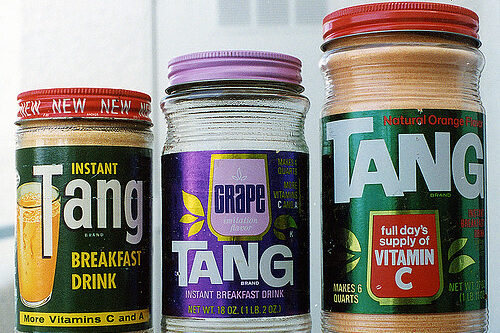
Few breakfast drinks ever had a story quite like Tang. When the space race captured the imagination of the world, this bright orange powder found itself linked with astronauts and space missions. Suddenly, a simple drink mix felt futuristic. The excitement grew when the brand became associated with early programs from NASA, and advertisements leaned into that connection. The drink was often described as a powdered orange beverage fortified with vitamin C, but the space connection made it feel far more impressive.
Tang quickly became a symbol of that optimistic era. Kids imagined astronauts floating in space while sipping the same drink they had at the breakfast table. In reality, it was simply a convenient way to make an orange-flavored beverage, but the story around it made mornings more exciting. For a generation growing up in the 1960s and 1970s, pouring a glass of Tang felt a little like participating in the future, even if the day ahead was just another ordinary school morning.
13. Squeezit Drinks – The Playful Morning Treat
In the late 1980s and 1990s, Squeezit carved out a special place on American breakfast tables and lunchboxes. The small, squeezable bottles were filled with brightly colored fruit-flavored drinks, often fortified with vitamins like C and B-complex. The brand positioned itself as “a fun, convenient beverage with added vitamins to give kids a quick, flavorful start to their day,” combining nutrition with playful design that appealed directly to children.
Squeezit became iconic for its portable size and the novelty of squeezing the juice straight into your mouth or glass. Kids loved the interactive experience, the bold flavors, and the collectible bottle designs, while parents felt a little reassured knowing there were some added nutrients. Though it wasn’t a full breakfast and is no longer currently available in the market, Squeezit exemplified the trend of making morning drinks fun, convenient, and vitamin-fortified. For many children of the era, it represented a colorful, cheerful way to start the day when time was short, blending practicality with a small sense of adventure.
14. Kool-Kid and the Sweet, Wholesome Start
Kool-Kid was a fruit-flavored powdered drink mix designed with children in mind. Marketed in the 1980s and 1990s, it promised to be a fun, vitamin-enriched way to start the day, with flavors like cherry, grape, and orange. The brand described it as “a quick, easy-to-mix beverage fortified with essential vitamins to give children energy and nutrition in the morning,” focusing on convenience for busy households.
Kool-Kid earned a following because it was simple, sweet, and portable. Kids could pour it into a glass, mix, and drink without waiting, and parents could feel a little reassurance that vitamins were included. Though it wasn’t a full meal, Kool-Kid captured the idea that breakfast drinks could be both enjoyable and slightly nourishing. Its playful branding and bright colors made it appealing, and for many households, it became a small but memorable part of morning routines.
15. Jolt Cola and the “Morning Kick in a Bottle”
While not a traditional breakfast drink, Jolt Cola earned its place in American mornings for those who needed a jolt literally. Introduced in the 1980s, it was marketed as a high-caffeine soda with the slogan “Twice the Caffeine!” targeting students, gamers, and anyone looking to power through an early start. The brand described it as “a carbonated cola beverage formulated with extra caffeine to provide an energizing boost,” appealing to those who wanted a wake-up drink beyond coffee or tea.
Jolt Cola became a cultural phenomenon because of its bold promise: energy, alertness, and a fast start to the day, all in one can. Though parents might have raised eyebrows at caffeine for breakfast, many college students and young adults embraced it as a convenient alternative when mornings were rushed or study sessions awaited. Its distinctive marketing, neon branding, and “extra caffeine” appeal made Jolt Cola more than just a soda; it was an emblem of a generation that equated energy drinks with productivity and adventure. Even now, it stands as a reminder of how breakfast beverages sometimes push boundaries while promising a little more kick to get the day moving.
16. Ovaltine and the Warm Cup of “Strength.”
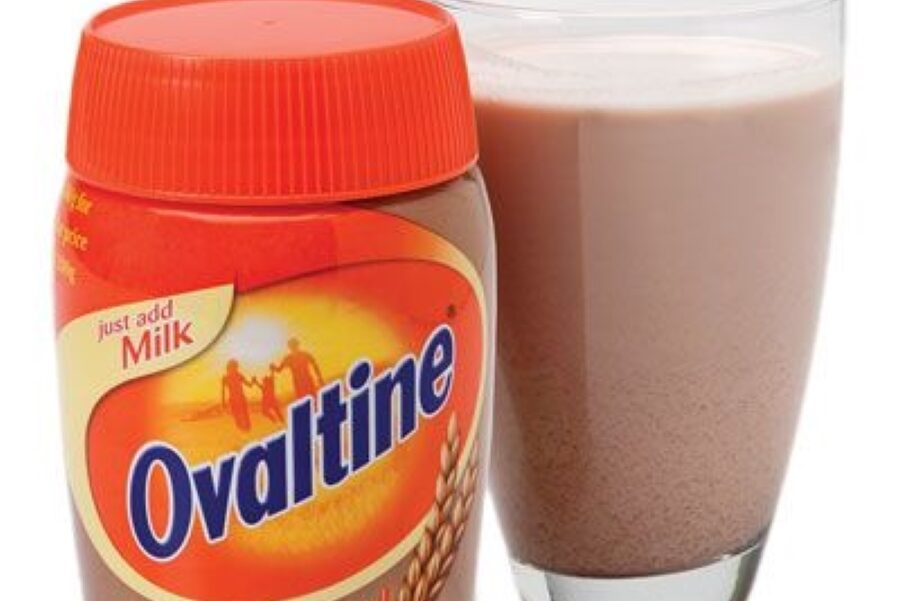
If you ask someone who grew up in the mid-20th century about breakfast drinks, there is a good chance they will remember Ovaltine. Mixed into warm milk, it created a chocolatey, malted drink that parents believed was doing something good for their kids. Advertisements leaned heavily into that idea. The brand once described itself as “a delicious way to provide essential vitamins and minerals,” a message that made it sound almost like a morning health ritual rather than just a flavored drink. In many households, that warm mug became a comforting start to the day.
Ovaltine was especially good at presenting itself as wholesome. The malted ingredients gave it a slightly earthy flavor that felt more serious than plain chocolate syrup, and that alone helped it seem nutritious. Parents liked the idea that something sweet could still carry vitamins, and kids were happy to drink something that tasted like a treat. Looking back, the promise of strength might have been a little exaggerated, but the comfort it brought to busy mornings was real.
17. Hawaiian Punch and the Tropical Breakfast Treat
Hawaiian Punch was more than just a flavor—it was an experience in a bottle. Originally a sweet fruit punch beverage, it gained popularity as a breakfast or snack drink in the 1970s and 1980s, often served alongside cereal or toast. The brand described it as “a fruit-flavored beverage with added vitamins to provide a refreshing, energizing start to your day,” blending indulgence with a small nutritional promise.
Hawaiian Punch became a favorite because of its bold, tropical taste and bright, inviting colors. Kids loved the punchy sweetness, and parents appreciated that it contained vitamin C and other added nutrients, making it feel slightly more responsible than soda. While it was never a full breakfast replacement, Hawaiian Punch offered a cheerful, convenient option for busy mornings or school lunches. Its playful character and flavor made it memorable, reminding generations that breakfast could be fun, flavorful, and just a little indulgent without feeling guilty.
18. Carnation Instant Breakfast and the Busy Morning Fix
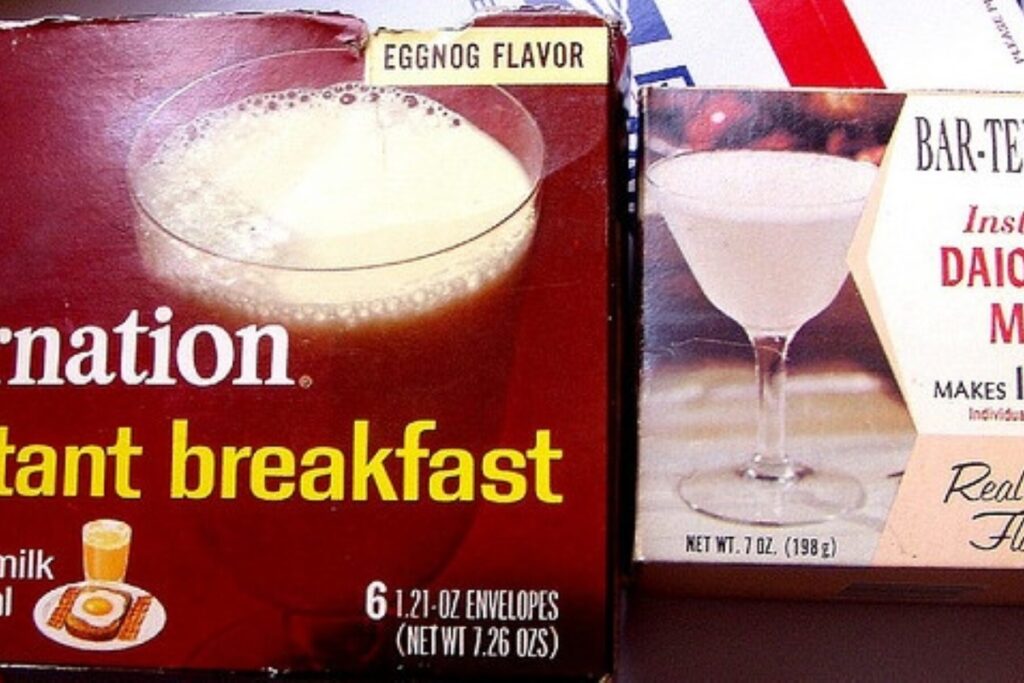
Some mornings are calm, but many are a rush of backpacks, car keys, and half-finished to-do lists. That is the moment when powdered breakfast drinks began to feel like lifesavers. Carnation Instant Breakfast entered the picture with a promise that sounded almost too convenient. Just mix a packet with milk and suddenly breakfast was handled. The brand explained it simply in its messaging, saying it was “a nutritional drink mix designed to help provide the nutrients of a balanced breakfast.”
Carnation Instant Breakfast quietly became a staple in many American kitchens because it solved a real problem. Families wanted something quick but did not want to skip breakfast altogether. The chocolate and vanilla flavors helped it feel familiar, and the added vitamins reassured parents that kids were not starting the day empty. It might not have replaced a full plate of eggs and toast, but on hurried mornings it filled the gap. For many people, that quick shake before the school bus felt like a practical compromise between speed and nutrition.


