
1. Afternoon Delight (1976)

Some songs feel like they drift out of another time, the kind you hear somewhere unexpected and suddenly remember every word. That happens a lot with Afternoon Delight. Released by Starland Vocal Band in 1976, the song had a soft, breezy sound that fit perfectly with the mellow pop radio of the era. It climbed all the way to number one on the Billboard Hot 100 and even won the Grammy Award for Best New Artist. The gentle harmonies made the track instantly recognizable, and the chorus was the kind people could not help singing along to. Even listeners who were not around when it first played on the radio often recognize it today.
Starland Vocal Band never quite found another hit on the same scale, but that one moment was enough to keep the song alive. It has popped up over the years in films, television shows, and nostalgic playlists that revisit the lighter side of seventies pop music. What makes the song memorable is not just the melody but the relaxed mood it carries. It feels like sunshine in musical form. For many listeners, hearing it again is like opening a small window back to a different era of radio.
2. Brandy (You’re A Fine Girl) (1972)
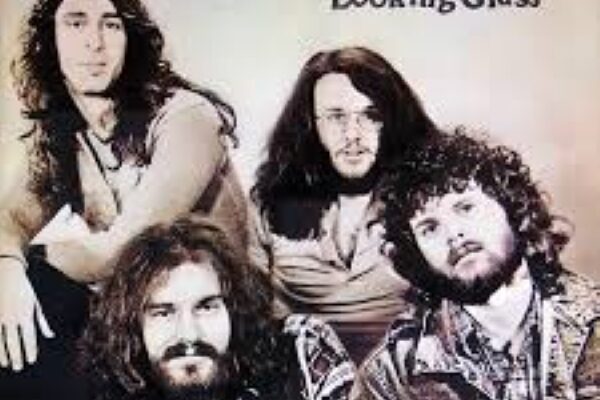
There is something timeless about a song that tells a story, and Brandy (You’re A Fine Girl) has that quality from the very first verse. Looking Glass released the track in 1972, and the gentle rock arrangement carried a tale about a harbor waitress loved by sailors passing through town. The song quickly climbed to number one on the Billboard Hot 100 and became one of the most recognizable soft rock hits of the decade. Its melody feels warm and easy, while the lyrics create vivid images of ships, docks, and a woman who waits faithfully as the sea keeps calling people away.
Although Looking Glass recorded other music, nothing else matched the reach of Brandy. Still, the song itself never faded from memory. It continues to appear on classic rock stations and nostalgic playlists where listeners rediscover it again and again. What makes it endure is the simple storytelling. Anyone can picture the scene as the lyrics unfold. When the chorus arrives, many people find themselves singing along without even realizing they remember the words.
3. Spirit In The Sky (1970)
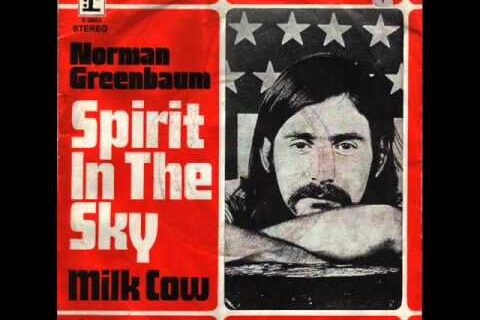
The opening guitar riff of Spirit In The Sky has a way of catching people instantly. Norman Greenbaum released the song in 1970, blending fuzzy rock guitar with lyrics that touched on spiritual themes in a way that felt both unusual and catchy. The single climbed to number three on the Billboard Hot 100 and quickly became one of the most recognizable songs of the early seventies. The mix of gospel inspired ideas and straightforward rock music gave it a sound that stood apart from many other songs playing on the radio at the time.
Greenbaum never had another hit of the same scale, yet the song itself kept traveling through the decades. It has appeared in movies, television programs, and commercials where its opening riff immediately grabs attention. That combination of steady rhythm and singalong chorus still feels fresh today. Even people who might not recognize the artist’s name usually know the song within seconds. Some recordings simply carry a spark that continues lighting up new audiences long after the original release.
4. Play That Funky Music (1976)
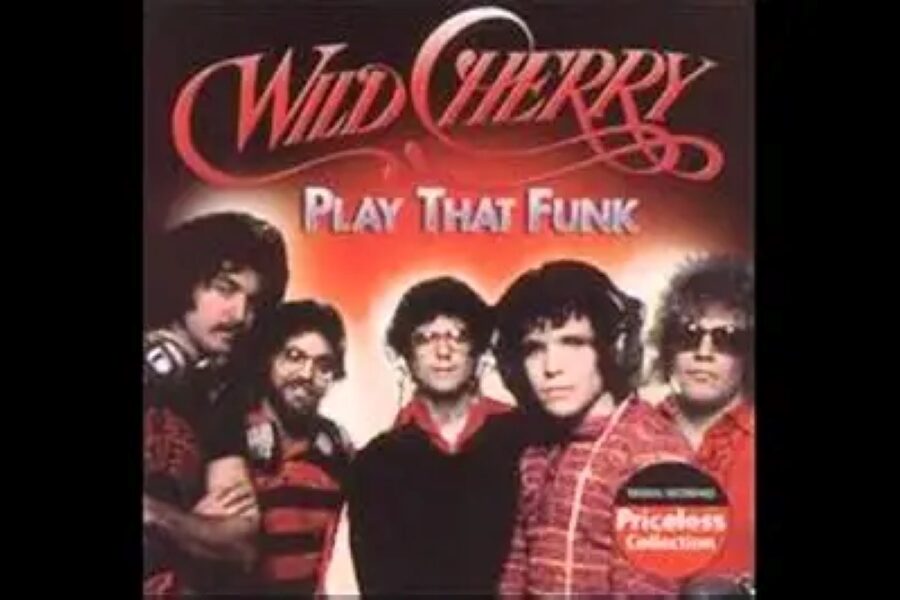
Play That Funky Music is one of those songs that seems built for celebration. When Wild Cherry released it in 1976, the mix of rock guitar and dance floor rhythm caught listeners immediately. The track climbed to number one on the Billboard Hot 100 and quickly became a party favorite across the country. The groove is simple but irresistible, and the chorus feels designed for crowds to shout along together. At a time when funk and rock were beginning to overlap more often, the song captured that crossover in a way that felt both natural and exciting.
Wild Cherry never repeated that same level of chart success, but the song itself never left the public ear. It still appears regularly in movies, sports arenas, and throwback playlists where the rhythm immediately gets people moving. Even listeners who cannot recall the band’s name often recognize the opening groove the moment it starts. That kind of familiarity shows how powerful one well timed hit can be. Sometimes a single song carries enough energy to keep a band’s name alive for generations.
5. Kung Fu Fighting (1974)
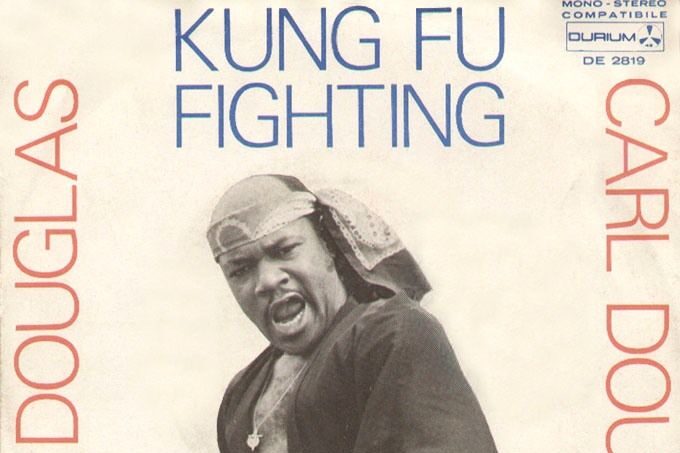
In the middle of the seventies, martial arts films had captured the imagination of audiences around the world. Carl Douglas stepped right into that moment with Kung Fu Fighting in 1974. The playful disco track climbed to number one on the Billboard Hot 100 and quickly spread across international charts as well. Its rhythm was bright and lively, and the lyrics leaned into the pop culture fascination with martial arts that was everywhere at the time. The result was a song that felt both humorous and surprisingly catchy.
Douglas never produced another hit quite like it, but the song itself remained part of pop culture. It often appears in movies, television scenes, and nostalgic playlists where its cheerful rhythm still feels familiar. What helps it endure is the sense that the song never took itself too seriously. It was meant to entertain, and it still does. Even listeners who were born long after the seventies often recognize the tune within seconds once the beat begins.
6. Video Killed The Radio Star (1979)
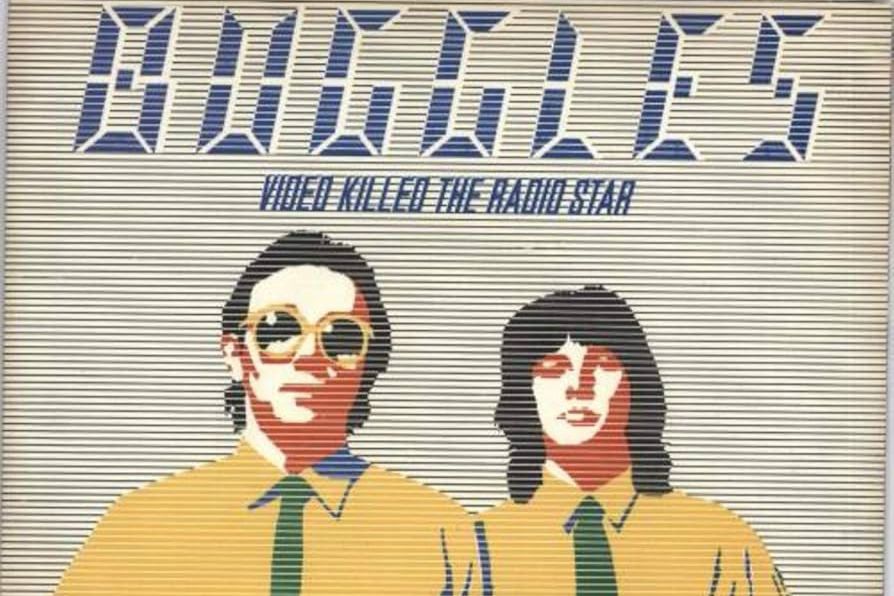
By the end of the seventies, music was already beginning to change alongside new technology. Video Killed The Radio Star captured that shift in a surprisingly thoughtful way. The Buggles released the song in 1979, building it around bright synthesizers and lyrics that imagined how visual media might reshape the music industry. The track gained even more attention two years later when MTV launched in 1981 and chose it as the very first video the network aired. That moment quietly turned the song into a piece of television history.
The Buggles never reached the same chart success again, but the track itself became unforgettable. Its shimmering sound and reflective lyrics still feel connected to that turning point when music television started influencing popular culture. Many listeners recognize the melody almost immediately when it begins. Even decades later the song continues to appear in documentaries, radio retrospectives, and nostalgic playlists. It reminds people of a moment when the way we experienced music was beginning to change in ways few could have predicted.
7. My Sharona (1979)
Late in the decade, rock radio received a jolt of fresh energy with My Sharona. The Knack released the song in 1979, and its sharp guitar riff quickly grabbed listeners. The single climbed to number one on the Billboard Hot 100 and stayed there for six weeks. The driving rhythm and straightforward lyrics made it one of the most talked about rock songs of that year. It had a youthful excitement that felt slightly rebellious but still catchy enough for constant radio play.
Although The Knack recorded more music afterward, none of it matched the success of that first breakout hit. Yet the song itself kept its place in pop culture. It still appears in movies, commercials, and sports arenas where that famous riff brings immediate recognition. Even people who first hear it decades later often feel like they have known it for years. Some songs simply arrive with the right combination of energy and timing, and My Sharona proved to be one of them.
8. Stuck In The Middle With You (1972)
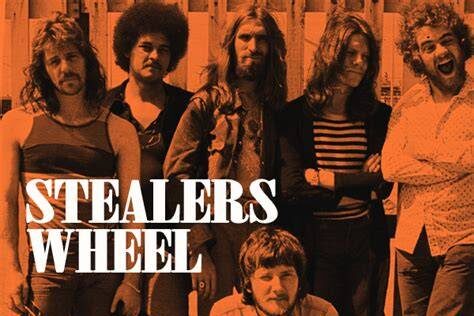
Stuck In The Middle With You arrived quietly in 1972 but quickly found a place on the charts. Stealers Wheel recorded the track with a relaxed folk rock sound that felt both playful and slightly sarcastic. The song climbed into the Top Ten on the Billboard Hot 100 and became the group’s most recognizable recording. The whistling intro and steady rhythm gave it a charm that made it easy for listeners to remember.
Years later the song gained renewed attention when it appeared in the film Reservoir Dogs. That moment introduced it to a new generation of listeners who suddenly discovered a song from decades earlier. Since then it has continued appearing in soundtracks and nostalgic playlists. The tune carries a relaxed confidence that still feels appealing today. Even people who are unsure about the artist’s name often recognize the melody right away once the whistling begins.
9. Hooked On A Feeling (1974)
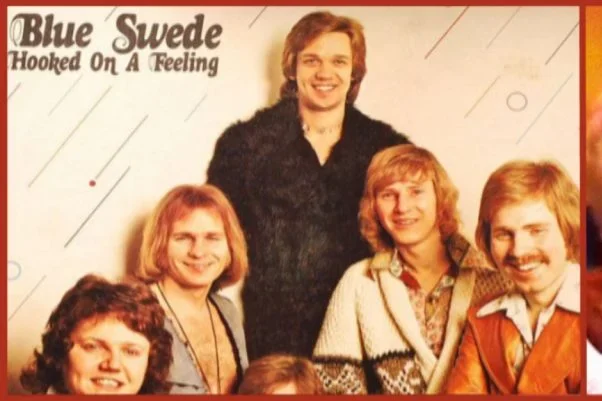
Hooked On A Feeling is one of those songs where the opening seconds are impossible to mistake. Blue Swede released their version in 1974, and the famous vocal chant at the beginning instantly caught listeners’ attention. The track climbed to number one on the Billboard Hot 100 and quickly became the group’s signature hit. Although the song had originally been recorded years earlier by B.J. Thomas, Blue Swede’s arrangement gave it a playful twist that helped it stand out.
The band never reached the charts again with the same impact, yet the song itself continued to travel through pop culture. It appeared in commercials, radio playlists, and eventually film soundtracks that introduced it to younger audiences. The cheerful rhythm and unforgettable intro make it one of those tunes people recognize almost immediately. Even if someone cannot name the band, they usually know exactly which song is playing within the first few seconds.
10. In The Summertime (1970)
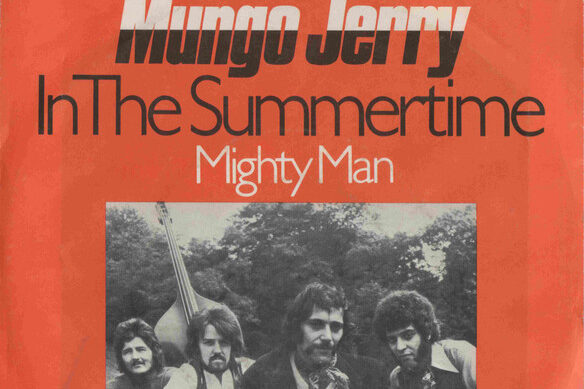
By the time the early seventies arrived, radio listeners were already enjoying songs that felt relaxed and easygoing, and In The Summertime fit that feeling perfectly. Mungo Jerry released the track in 1970, and it quickly became one of the biggest international hits of the decade. The song carried a loose rhythm, simple lyrics, and a cheerful mood that made it sound like warm weather in musical form. It climbed charts across several countries and turned the band into a familiar name almost overnight. The tune had a casual charm that made people want to roll down the car windows and sing along.
Even though Mungo Jerry continued making music, none of their later releases matched the enormous reach of this one song. Still, In The Summertime never disappeared. It returns every year when summer playlists start circulating again, often playing at barbecues, road trips, or outdoor gatherings. The rhythm remains light and welcoming, and the melody still feels instantly recognizable. Many listeners do not even need to hear the full intro before remembering the entire chorus. It remains one of those songs that carries the carefree spirit of its era wherever it is played.
11. Driver’s Seat (1978)
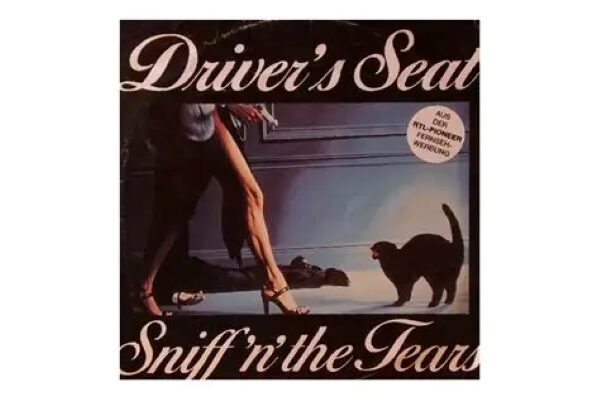
Driver’s Seat arrived near the end of the decade and carried a slightly different tone than many other hits of the time. Sniff ’n’ The Tears released the song in 1978, building it around a steady rhythm and a smooth keyboard melody that slowly pulls listeners in. The track climbed into the Top Twenty on the Billboard Hot 100 and became the band’s most recognizable song. It did not rely on flashy production or dramatic lyrics. Instead, it created a calm atmosphere that made people want to keep listening as the song unfolded.
Although the band continued recording music afterward, Driver’s Seat remained their defining moment. Over the years the track has appeared in films, television scenes, and commercials that introduced it to new listeners. Its relaxed groove still feels surprisingly modern, which may explain why it keeps resurfacing. When the melody begins, many people recognize it even if they cannot place the title right away. The song carries a quiet confidence that helped it stand apart from louder rock hits of the period.
12. Love Grows (Where My Rosemary Goes) (1970)
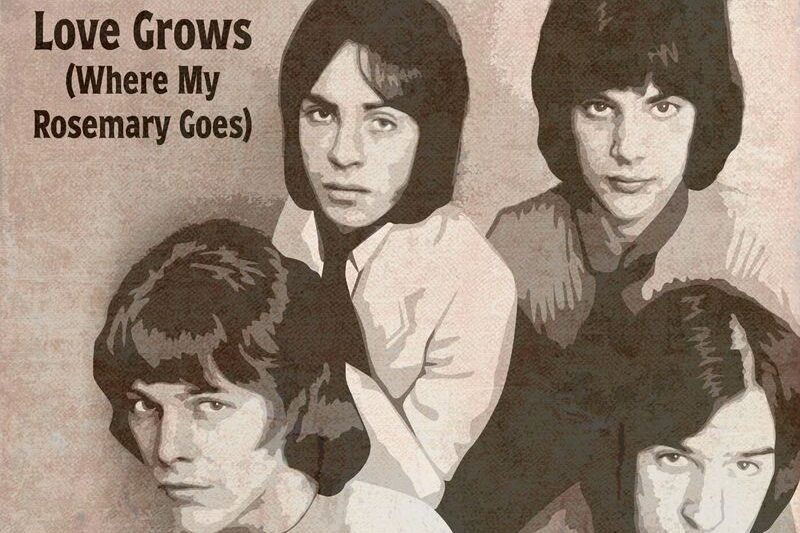
At the beginning of the seventies, pop music often leaned toward bright melodies and cheerful lyrics that felt easy to enjoy. Love Grows (Where My Rosemary Goes) by Edison Lighthouse arrived in 1970 with exactly that spirit. The song climbed into the Top Five on the Billboard Hot 100 and quickly became a radio favorite. Its upbeat rhythm and playful chorus made it feel lighthearted from the very first verse. The lyrics told a simple romantic story that listeners could follow easily, which helped the tune stick in people’s minds.
Although Edison Lighthouse released other songs afterward, none matched the popularity of this single. Still, the track continued to appear on oldies stations and nostalgic playlists where its cheerful tone still feels welcome. The melody carries a gentle warmth that reminds many listeners of the early days of seventies pop radio. Even decades later, hearing the song again often feels like rediscovering a familiar melody that never quite left memory.
13. Black Betty (1977)
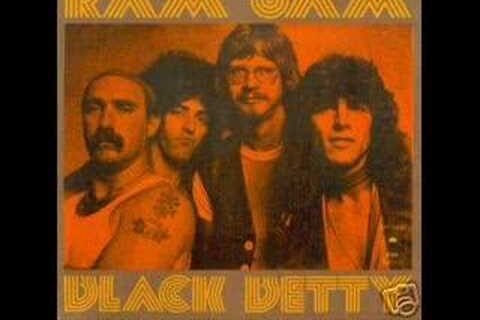
Black Betty stands out among one hit wonders because its roots reach much further back than the seventies. The song itself came from an old American folk tradition, but Ram Jam gave it a new life in 1977 with a loud rock arrangement. Their version climbed into the Top Twenty on the Billboard Hot 100 and quickly caught attention with its sharp guitar sound and energetic rhythm. The performance felt raw and powerful, which helped the song stand apart from many polished radio singles of the era.
Ram Jam never repeated the same chart success again, yet their version of Black Betty continued traveling through pop culture. It appears frequently in movies, sports arenas, and rock playlists where the opening guitar instantly grabs attention. The rhythm feels bold and straightforward, which may explain why the track still sounds strong decades later. Even listeners who do not recognize the band often know the song the moment the music begins. That lasting familiarity shows how one electrifying performance can keep a song alive long after its original release.
14. The Night Chicago Died (1974)
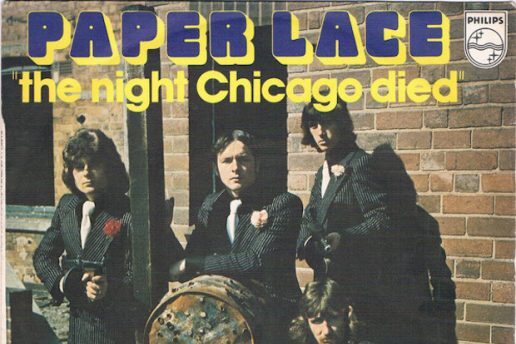
Some songs catch attention because they tell a dramatic story, and The Night Chicago Died is a perfect example. Paper Lace released the track in 1974, and the narrative lyrics describe a violent gang battle during the Prohibition era. The song climbed to number one on the Billboard Hot 100 and became the band’s biggest success. The sweeping chorus and emotional delivery gave it a sense of suspense that made listeners want to hear the entire story from beginning to end.
Although the song described events that were not historically accurate, that did not stop it from capturing people’s imaginations. Paper Lace never achieved another hit of the same scale, but the track remained memorable. It still appears on classic radio stations and nostalgic playlists where its dramatic storytelling feels different from most pop songs. Hearing it today can feel like listening to a short crime drama told through music, which helps explain why the song continues to stand out even years later.
15. American Pie (1971)
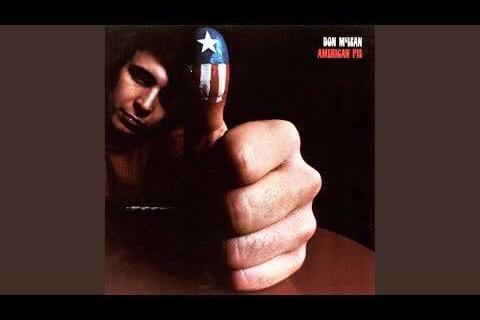
American Pie is one of those rare songs that feels almost like a cultural moment rather than just a recording. Don McLean released it in 1971, and the long narrative track quickly climbed to number one on the Billboard Hot 100. The lyrics reflect on major moments in rock and roll history, especially the tragic plane crash that killed Buddy Holly, Ritchie Valens, and The Big Bopper in 1959. With its reflective tone and detailed storytelling, the song invited listeners to think about how music and society were changing.
Although McLean recorded many other songs during his career, American Pie became the one that people remembered most strongly. The melody and chorus remain deeply familiar to generations of listeners. Whenever the opening line begins, many people instinctively settle in because they know the entire story will follow. The track continues to appear in documentaries, radio retrospectives, and nostalgic playlists where it still sparks conversation about its meaning.
16. Baby Come Back (1977)
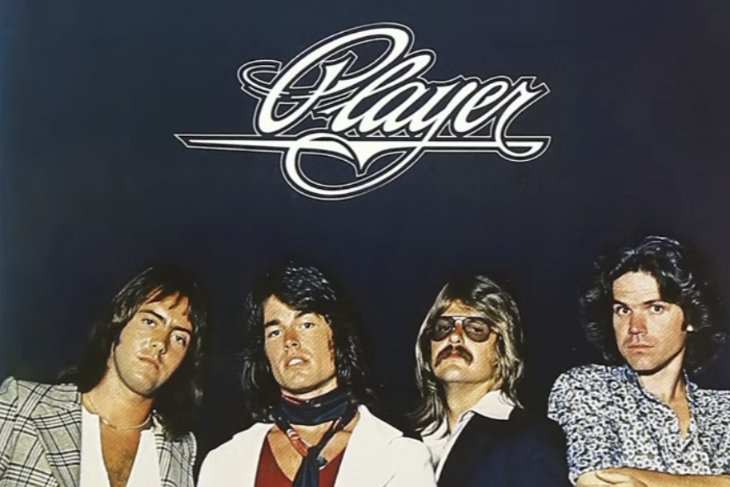
By the late seventies, soft rock had become a comfortable presence on radio stations, and Baby Come Back fit that sound perfectly. Player released the song in 1977, and its smooth melody helped it climb to number one on the Billboard Hot 100. The lyrics tell a simple story about regret and longing, delivered through warm harmonies that made the track easy to enjoy. The song felt gentle and reflective without losing its catchy rhythm.
Although Player continued releasing music, none of their later songs matched the popularity of Baby Come Back. Even so, the track remained part of the soft rock sound that many listeners associate with the era. It still appears on classic radio stations and nostalgic playlists where its relaxed tone fits naturally. Hearing the chorus again often brings an immediate sense of familiarity. The melody feels calm and sincere, which may be why it continues to resonate with listeners years later.
17. Disco Duck (1976)
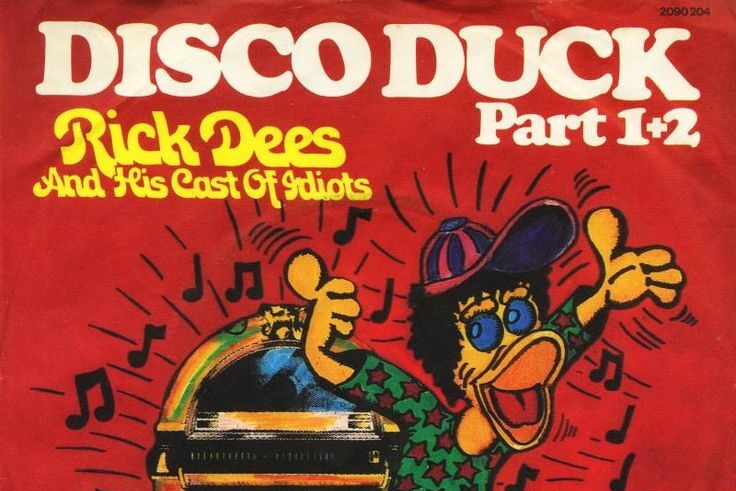
Disco Duck may be one of the most unusual songs ever to reach the top of the charts. Radio personality Rick Dees released the playful novelty track in 1976 during the height of the disco craze. The song combined a dance rhythm with a humorous cartoon duck voice, and somehow the idea caught on with listeners across the country. It climbed all the way to number one on the Billboard Hot 100 and quickly became a conversation piece on radio shows.
Dees never repeated the same musical success, though he remained widely known for his work as a radio host. The song itself stayed in the public memory because of its unusual charm. It often appears in discussions about memorable novelty hits from the disco era. Hearing it again still surprises many people who remember how unexpected its popularity once felt. The track stands as a reminder that sometimes the most playful ideas can create the most unforgettable moments on the charts.
18. Seasons In The Sun (1974)
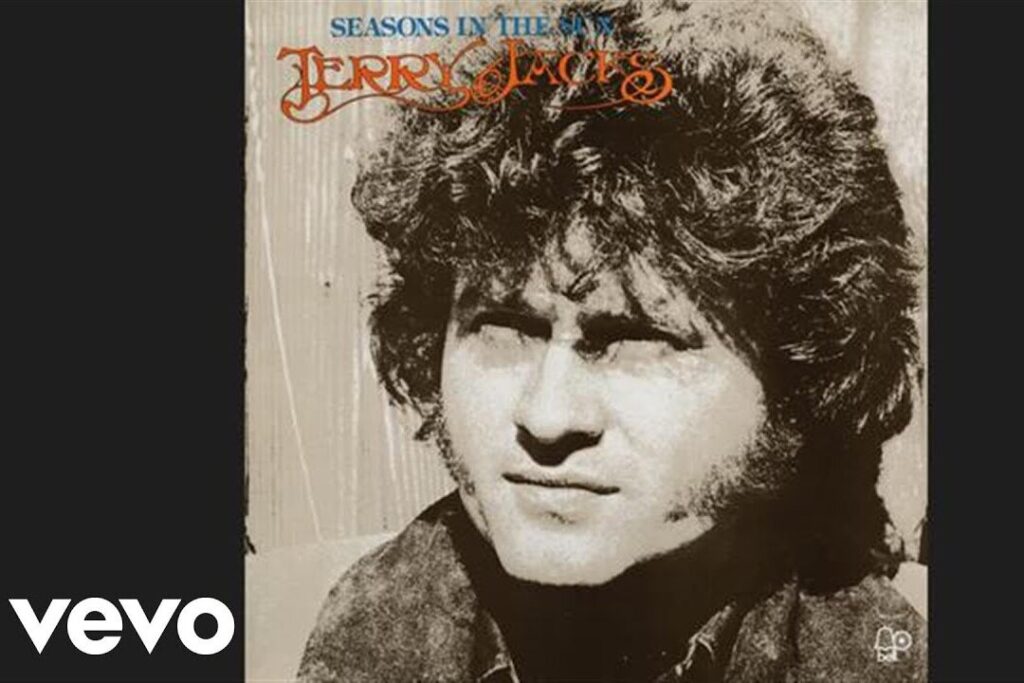
Seasons In The Sun closes this list with a quieter, more reflective tone. Terry Jacks released the song in 1974, adapting it from a French composition and reshaping it into a gentle pop ballad. The track climbed to number one on the Billboard Hot 100 and quickly connected with listeners through its heartfelt lyrics about saying goodbye. Its melody is soft and emotional, which helped it stand apart from louder hits playing on radio at the time.
Although Jacks continued recording music afterward, this song remained his defining moment. It still appears on nostalgic playlists where its reflective mood reminds listeners of a different era of pop music. When people hear it again, many remember exactly where they first encountered the song. In many ways it captures what one hit wonders often do best. They leave behind one recording that stays with listeners long after the charts move on.


