
The Wobbly Jell-O Salad

You probably remember seeing something like this at a church potluck or family gathering, quietly wobbling in a glass dish at the center of the table. The wobbly Jell O salad once felt completely normal in American kitchens during the 1950s and 1960s. Home cooks mixed flavored gelatin with canned fruit, cottage cheese, nuts, or even shredded carrots. The bright colors and molded shapes made it look cheerful and festive. It was simple to prepare and easy to bring to gatherings, which made it popular with busy families.
Convenience foods were becoming trendy, and gelatin desserts fit right into that new way of cooking. Today the idea of vegetables inside sweet gelatin feels unusual to many people. The texture alone can surprise someone tasting it for the first time. What once seemed creative now feels puzzling. Still, dishes like this reflect a time when presentation and convenience shaped everyday meals in many homes.
The Candle Salad Surprise
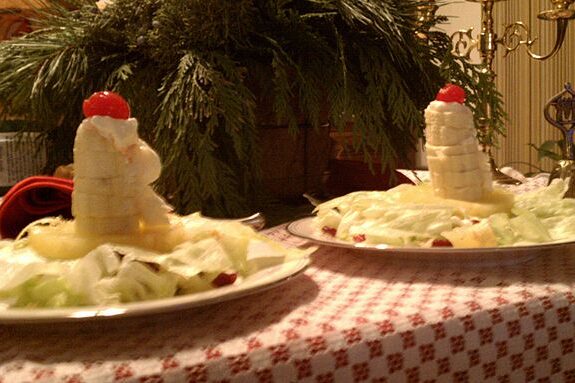
Some recipes from the past almost feel like they were designed to make people smile before they even took a bite. Candle salad was one of those playful creations that showed up at parties and holiday tables many years ago. The dish usually featured a banana standing upright in the middle of a pineapple ring, topped with a bright cherry to resemble a tiny candle flame. Around it sat whipped cream or sometimes mayonnaise. It looked cheerful and a little whimsical, especially for children’s gatherings where presentation mattered.
At the time, families enjoyed the creativity behind simple ingredients arranged in fun ways. Today, though, the combination can feel a bit puzzling to modern diners. Banana, pineapple, and mayonnaise do not always sound like a natural match. What once looked charming now feels more like a curious kitchen memory. Still, it reflects a time when home cooks liked to add a playful touch to the table with whatever ingredients they had.
Liver And Onions Night
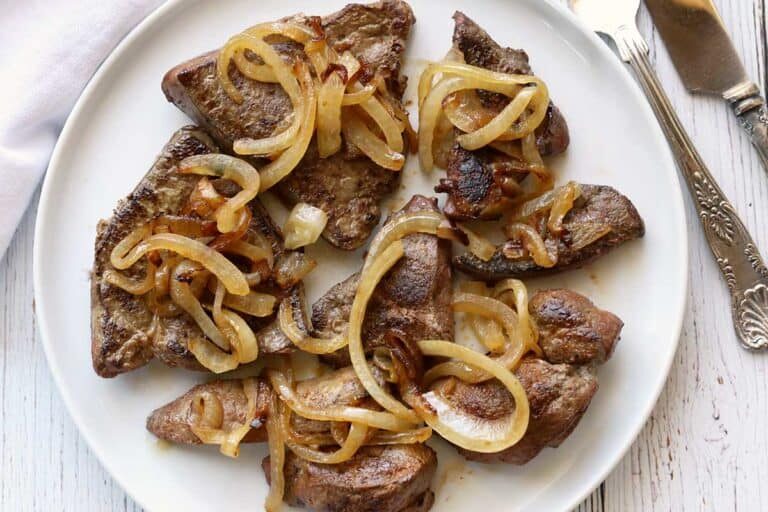
Many families once had a regular evening when liver and onions appeared on the dinner table. Parents believed strongly in its health benefits because liver is rich in iron and vitamins. For households trying to cook nourishing meals on a budget, it was a practical choice. The dish itself was simple. Slices of liver were pan fried and served with soft, caramelized onions that added a little sweetness to balance the strong flavor.
Children often had mixed feelings about it, but for adults it was seen as a dependable and wholesome meal. Over time, though, fewer people continued cooking organ meats at home. As grocery stores offered more options, tastes began to change. Today liver and onions still appear in some diners and traditional kitchens, but it is far less common on everyday dinner tables than it once was.
Creamed Chipped Beef On Toast
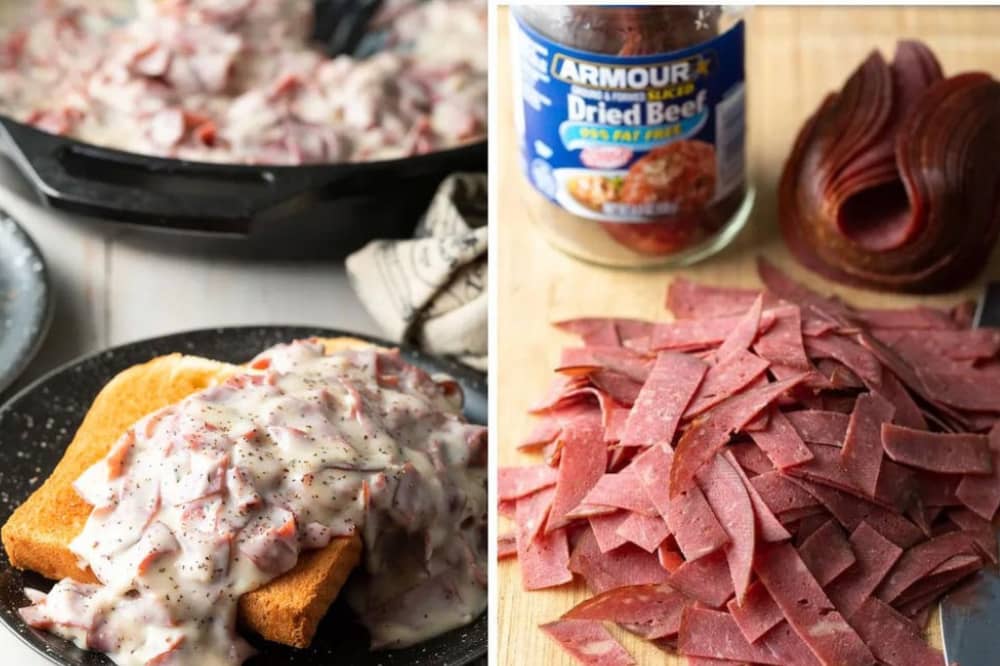
Creamed chipped beef on toast once solved a simple problem in many kitchens. How do you make a filling meal quickly using ingredients that last in the pantry. The answer was dried beef mixed into a thick, creamy white sauce and poured over toasted bread. The dish became especially familiar during the World War Two era because dried beef stored well and could feed many people without much expense.
Soldiers ate it frequently in military mess halls, and many brought the recipe home after the war. Families appreciated how easy it was to prepare and how satisfying it felt on a cold evening. Today, though, the heavy gravy and salty beef can feel overwhelming compared to lighter meals people prefer now. What once felt comforting and practical now often reminds people of old cafeteria trays and wartime cooking.
Spam Everything Plates
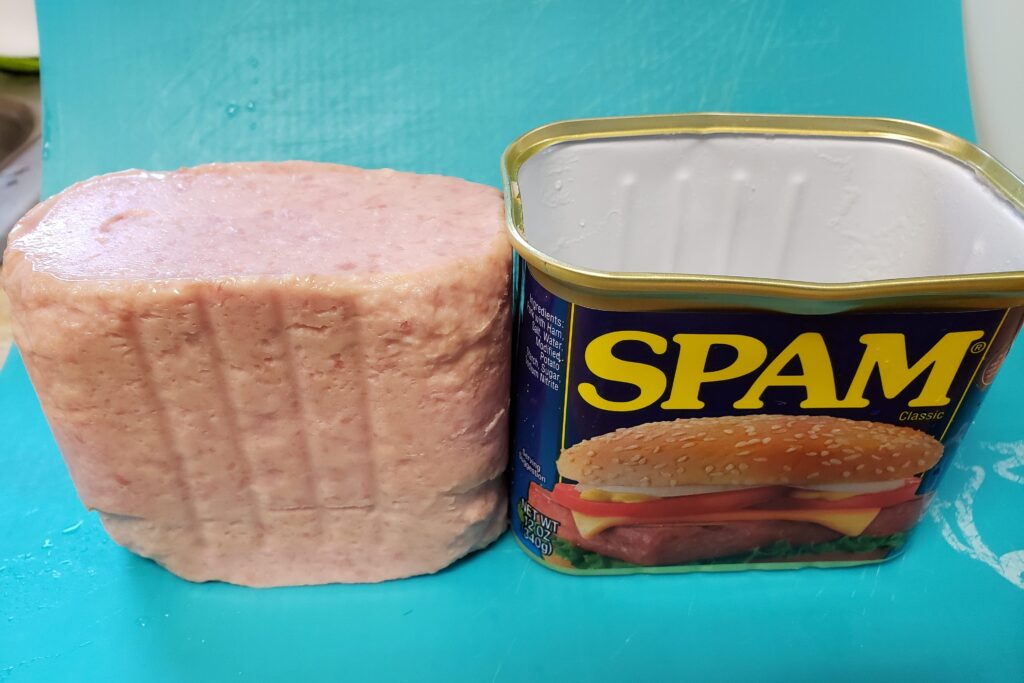
Spam found its way into countless American kitchens during the years when fresh meat was not always easy to find. The canned pork product became popular because it lasted a long time on the shelf and could be cooked quickly. Families fried slices for breakfast, tucked it into sandwiches, or added it to casseroles and rice dishes. For many households it was simply another everyday ingredient that helped stretch the grocery budget.
Over time, however, people began paying closer attention to processed foods and salt content. That shift changed how many diners viewed canned meats. While Spam still has loyal fans and remains popular in several cuisines around the world, many Americans now see it more as a reminder of another era. It once solved a practical kitchen problem, but it is no longer the go to protein it used to be.
Tuna Noodle Casserole Evenings
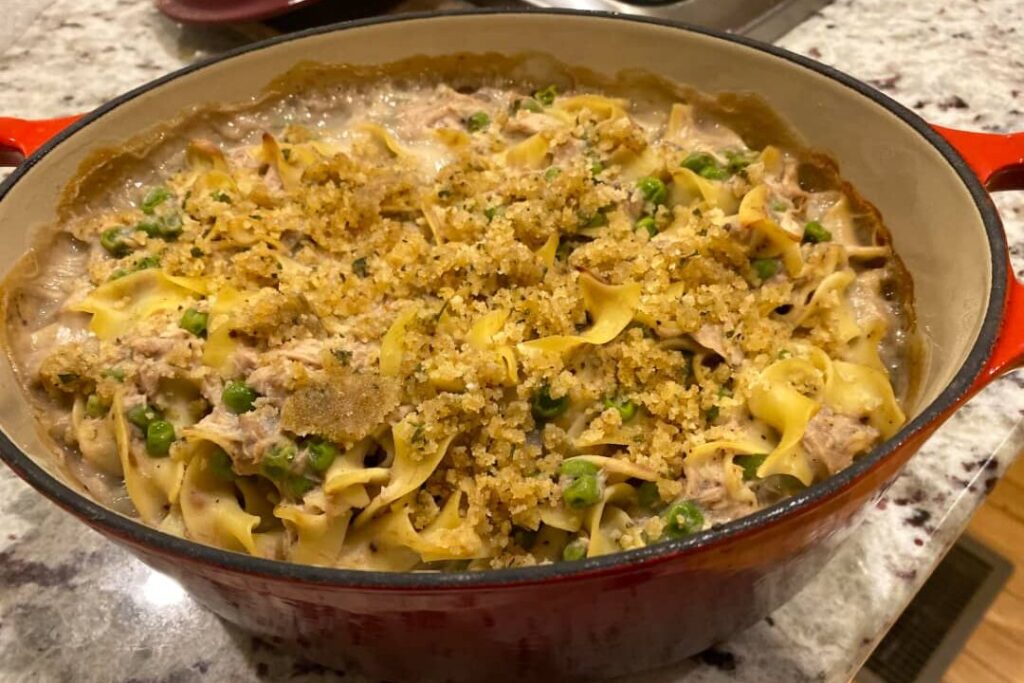
Tuna noodle casserole once answered the nightly question many families faced. What can we cook quickly that will feed everyone. The dish usually combined egg noodles, canned tuna, condensed soup, and sometimes peas or crunchy toppings. Everything went into one baking dish and came out hot, creamy, and ready to serve. For busy households, the convenience made it a dependable weeknight dinner.
Recipes like this became popular when pantry cooking was widely encouraged. Many homes kept canned soup and tuna on hand, so the meal rarely required a special grocery trip. Today the casserole still brings back memories for many people, though not everyone is eager to recreate it. Modern cooks sometimes lighten the recipe or replace the canned ingredients, but the classic version remains closely tied to mid century home cooking.
The Classic TV Dinner Tray
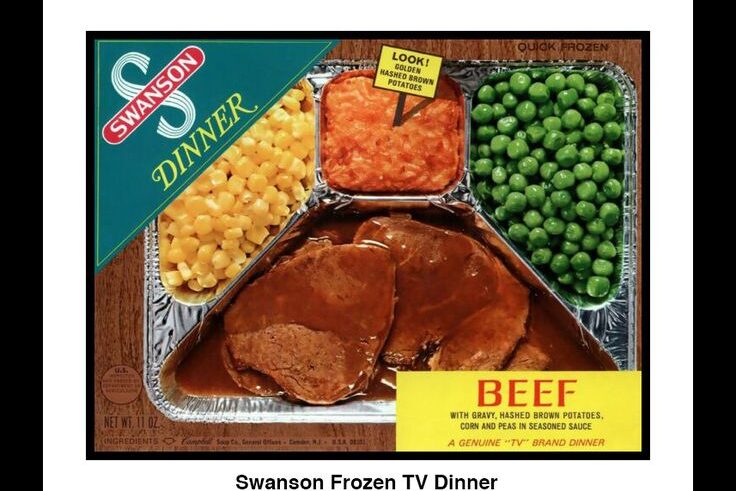
When frozen TV dinners appeared in the 1950s, they felt like a small glimpse into the future of home cooking. Families could slide a tray into the oven and soon have a full meal without chopping vegetables or washing several pots. Each section of the tray held something different such as meat, vegetables, and a small dessert. It fit perfectly with the growing habit of watching television during the evening.
For many households the convenience was exciting and modern. Dinner could cook while the family relaxed in the living room. Over time, though, people began noticing the drawbacks. The vegetables often turned soft and the flavors were not always very exciting. Frozen meals still exist today, but the original aluminum tray dinner now feels more like a nostalgic reminder of early convenience culture.
Boiled Dinner Plates
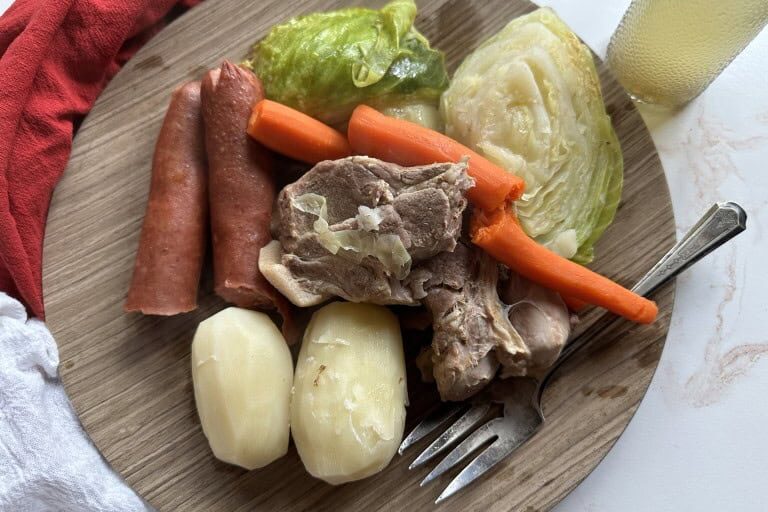
A traditional boiled dinner once filled many kitchens with the steady aroma of simmering meat and vegetables. A large pot usually held corned beef, cabbage, potatoes, and carrots, all cooking together slowly. The meal required little attention once everything was in the pot, which made it appealing for busy families. It was hearty, filling, and easy to serve to several people gathered around the table.
Over time cooking styles shifted toward roasting, grilling, and fresher flavors. The long simmering process that made boiled dinners so simple also left vegetables quite soft. For many modern diners that texture feels a little heavy. Today the dish still appears during traditional celebrations, but it is not as common as it once was. It remains a reminder of practical home cooking from another generation.
Ham And Pineapple Bake
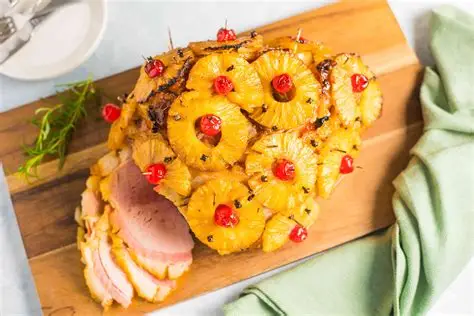
Ham and pineapple bake once brought a bright, cheerful look to many family dinners. The dish was simple to prepare but always managed to stand out on the table. Thick slices of ham were placed in a baking dish and topped with pineapple rings, sometimes finished with a sprinkle of brown sugar or a cherry in the center. As it baked, the sweetness from the fruit mixed with the savory flavor of the ham. Families liked how colorful and festive it looked, especially during holidays or Sunday meals when relatives came to visit.
Back then, using canned fruit in cooking felt modern and convenient. Pineapple was easy to keep in the pantry, and it added a sweet twist that many people enjoyed. Today, though, the flavor combination can feel overly sugary for some diners. Cooking trends now lean toward fresher ingredients and lighter glazes. While the dish still appears at a few holiday tables, it is not nearly as common as it once was in everyday home cooking.
The Heavy Meatloaf Supper
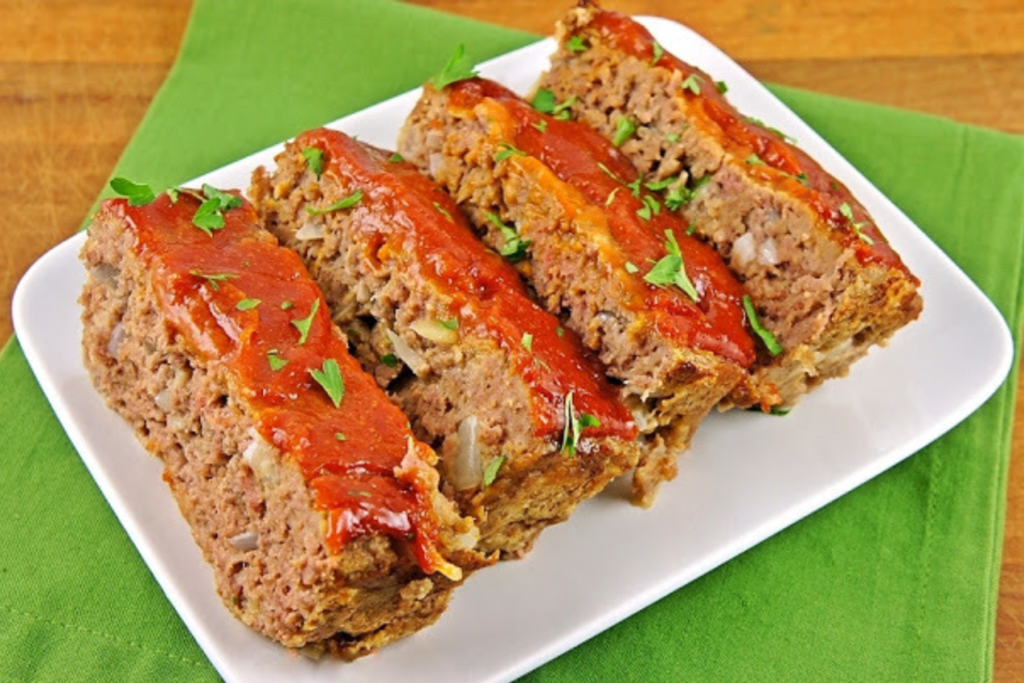
Meatloaf once held a steady place on dinner tables across the country. It was dependable, filling, and easy to stretch into enough servings for the whole family. A typical recipe mixed ground beef with breadcrumbs, eggs, onions, and ketchup before baking it into a thick loaf. For households trying to make the most of their grocery budget, it was a smart solution. One pan could feed several people, and leftovers often turned into sandwiches the next day.
The dish became closely tied to the idea of a classic home cooked dinner. Many families served it with mashed potatoes and green beans, creating a meal that felt warm and comforting. Today meatloaf has not completely disappeared, but the heavier versions from decades ago feel less common. Modern cooks often lighten the recipe with vegetables or leaner meat. The old style loaf still brings back memories of family dinners that once felt routine.
The Aspic Dinner Plate

Aspic once appeared on dinner tables looking like something straight out of a fancy cookbook. The dish involved savory ingredients such as meat, seafood, or vegetables suspended inside a clear gelatin mold. When sliced, the pieces revealed the ingredients neatly arranged inside the glossy jelly. For hosts in the mid twentieth century, aspic looked elegant and impressive. It suggested careful preparation and attention to presentation.
Guests at dinner parties often admired the dish before tasting it. At the time, gelatin molds symbolized a kind of refined entertaining. Today, though, the idea of savory food trapped inside gelatin can feel strange to many people. Modern diners tend to prefer fresh textures rather than firm jelly around their meals. While aspic still appears occasionally in culinary history discussions, it rarely shows up on everyday dinner plates anymore.
The Bologna Dinner Plate
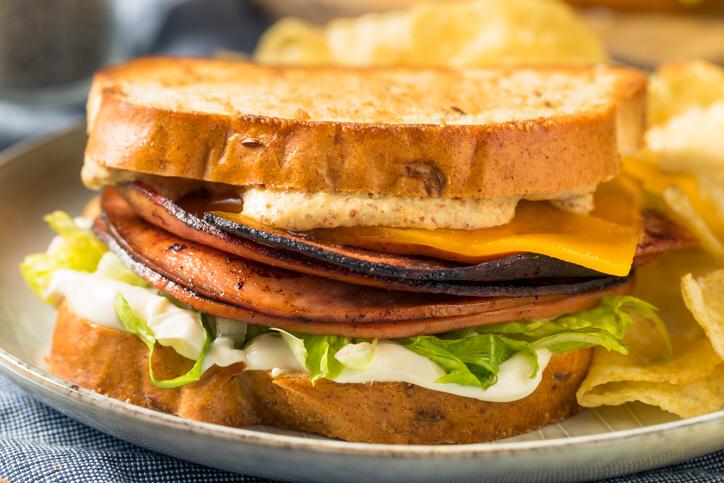
Bologna once appeared in far more meals than many people remember today. While it was famous in sandwiches, some households also fried thick slices and served them as a main dish. A quick trip to the frying pan turned the inexpensive deli meat into a hot dinner, often paired with eggs, potatoes, or bread. For families looking for affordable options, it was a simple way to get food on the table without much preparation.
Over time, though, the popularity of bologna as a dinner option began to fade. People started choosing fresher cuts of meat or lighter proteins instead of processed slices. While fried bologna sandwiches still appear in some regional cooking, the idea of building a full dinner around it feels less common now. For many people it remains more closely connected to childhood lunches than to evening meals.
The Gelatin Tuna Mold
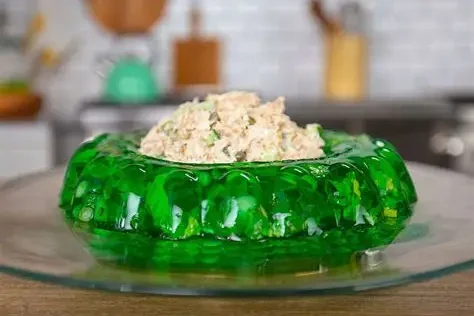
The gelatin tuna mold once looked impressive when it appeared at gatherings, even if the ingredients sound surprising today. The recipe usually combined canned tuna, mayonnaise, chopped vegetables, and unflavored gelatin poured into a mold. After chilling, the dish held its shape when sliced, revealing the tuna mixture inside. It was often served with crackers or salad during luncheons or parties.
For hosts in the middle of the twentieth century, molded dishes signaled effort and creativity. The presentation alone made the dish feel special. Today, however, the idea of fish suspended in gelatin can be difficult for many diners to imagine enjoying. Modern recipes rarely use gelatin this way. While the tuna mold still pops up in vintage cookbooks, it has mostly become a curious reminder of how different food trends once were.
The Creamed Peas On Toast

Creamed peas on toast once turned a very simple ingredient into a full meal. The dish usually involved green peas stirred into a creamy white sauce and spooned generously over toasted bread. It required only a handful of ingredients and came together quickly on the stovetop. For households managing tight grocery budgets, meals like this helped stretch ingredients while still feeling satisfying.
The creamy texture and mild flavor made it comforting, especially on cooler evenings. Over time, though, dishes built around thick cream sauces began to feel heavier than what many people prefer today. Fresh vegetables prepared with lighter seasoning have become more common in modern kitchens. Creamed peas on toast still appears in some traditional cookbooks, but it rarely shows up as a regular dinner choice anymore.
The Cottage Cheese Dinner Plate
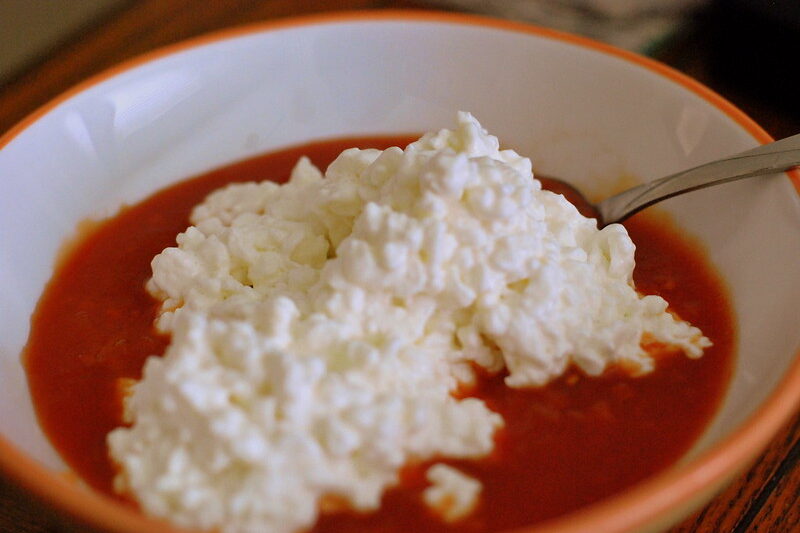
There was a time when cottage cheese appeared on dinner plates as more than just a side dish. Some households served generous scoops alongside fruit, vegetables, or sliced tomatoes as a light meal. It became especially popular during periods when simple, protein rich foods were encouraged for everyday eating. The mild flavor and creamy texture made it easy to pair with many other ingredients.
For a while it even appeared as part of diet focused meals in magazines and cookbooks. Over the years, though, dinner plates built around cottage cheese began to feel less appealing to many diners. While the ingredient still appears in recipes and snacks, it is rarely the centerpiece of a full evening meal. Today it is more likely to appear at breakfast or lunch rather than at the center of the dinner table.
The Sweet Tomato Aspic
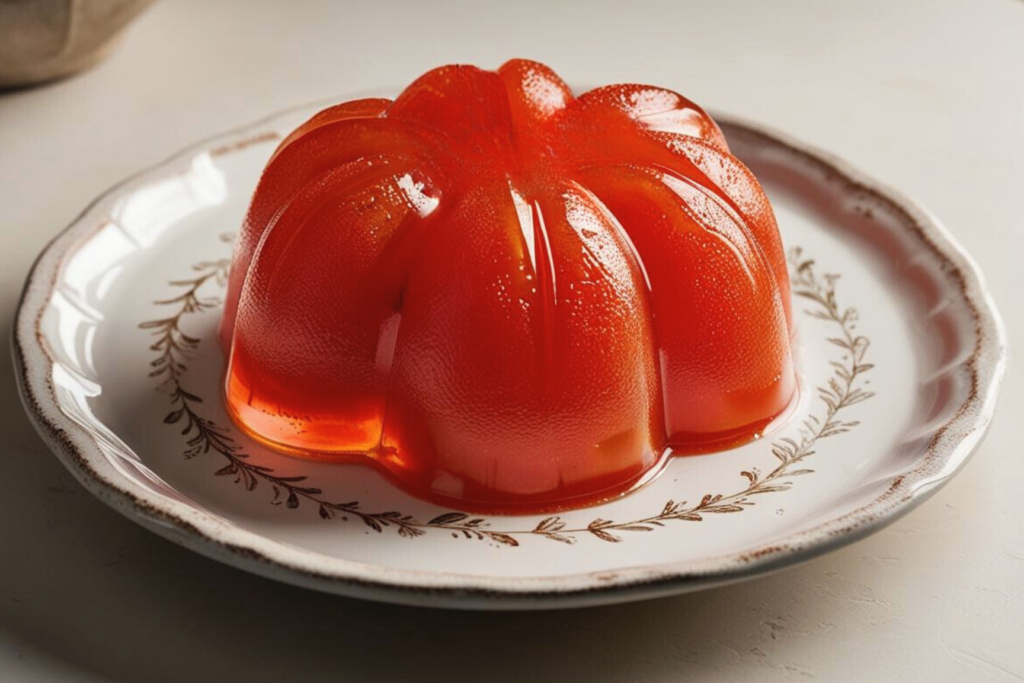
Tomato aspic once held a surprising place at dinner tables and formal luncheons. The dish used tomato juice or soup mixed with gelatin and seasonings, poured into a mold and chilled until firm. Sometimes small vegetables or herbs were added for color. When sliced, it created a bright red shape that looked tidy and decorative on the plate.
Hosts appreciated how elegant it appeared when served alongside salads or cold meats. Over time, however, the firm gelatin texture began to feel unusual to modern diners. Fresh tomato salads gradually replaced molded versions. While tomato aspic still appears in vintage recipe collections, it rarely shows up at gatherings today. For many people it has become one of those dishes remembered more through old cookbooks than through actual meals.


