
16. Los Angeles, California
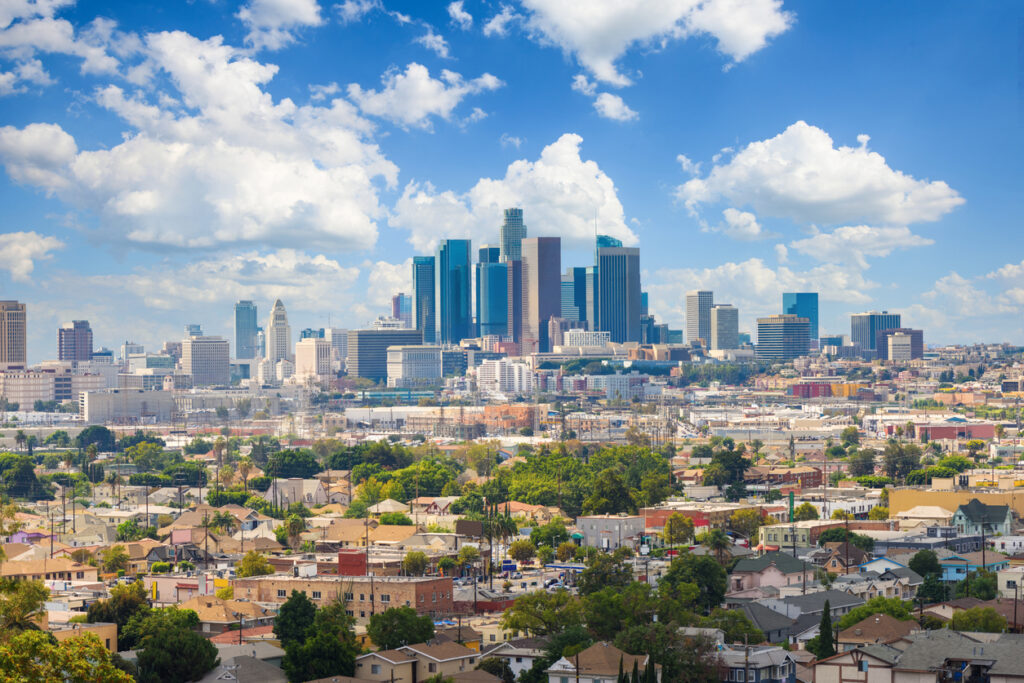
Living in Los Angeles means learning very quickly that the day often begins and ends on the freeway. The city spreads across a vast area, and most residents depend on their cars to move between neighborhoods, offices, and studios. During the morning rush, highways like the 405 and the 101 slowly fill with commuters heading toward different corners of the city. What looks like a simple drive on a map can stretch into a long crawl once brake lights begin stacking up across several lanes of traffic.
Locals eventually develop their own routines to deal with it. Some leave home well before sunrise to avoid the heaviest congestion. Others wait until later in the evening before making the drive back home. Navigation apps constantly suggest alternate routes, though those side streets can quickly fill as well. Over time, people accept that traffic is simply woven into everyday life here. In Los Angeles, the commute becomes another predictable part of the daily rhythm.
15. New York City, New York
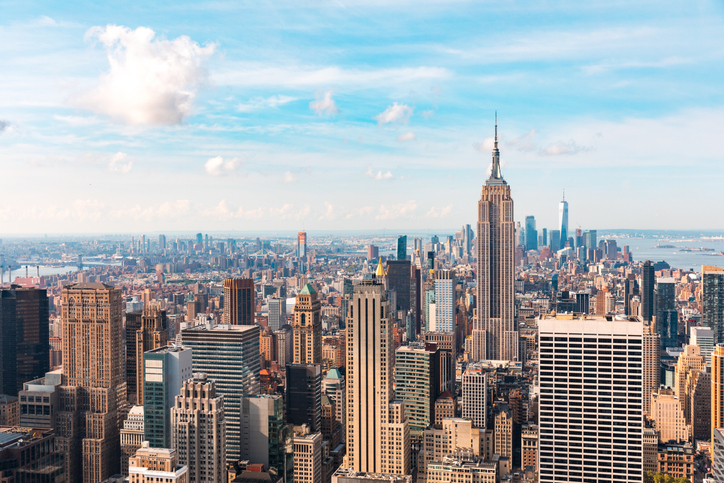
In a city as busy as New York, commuting is something nearly everyone talks about. Each morning millions of people move across the city using trains, buses, taxis, and private cars. Streets that already feel narrow begin filling quickly as delivery trucks, rideshares, and commuters all try to move at the same time. Bridges and tunnels heading into Manhattan become especially crowded early in the day. What might look like a short trip on the map can easily stretch longer once the steady flow of traffic begins to slow everything down.
Most New Yorkers eventually learn how to adapt to the daily rush. Many people plan their schedules around subway timing or leave home earlier than necessary to avoid the most crowded periods. Others use the commute as quiet time to read, listen to music, or catch up on messages. Even with the challenges, people accept it as part of living in one of the busiest cities in the world. Over time, the commute becomes less of a surprise and more of a daily routine that fits into the rhythm of city life.
14. Chicago, Illinois
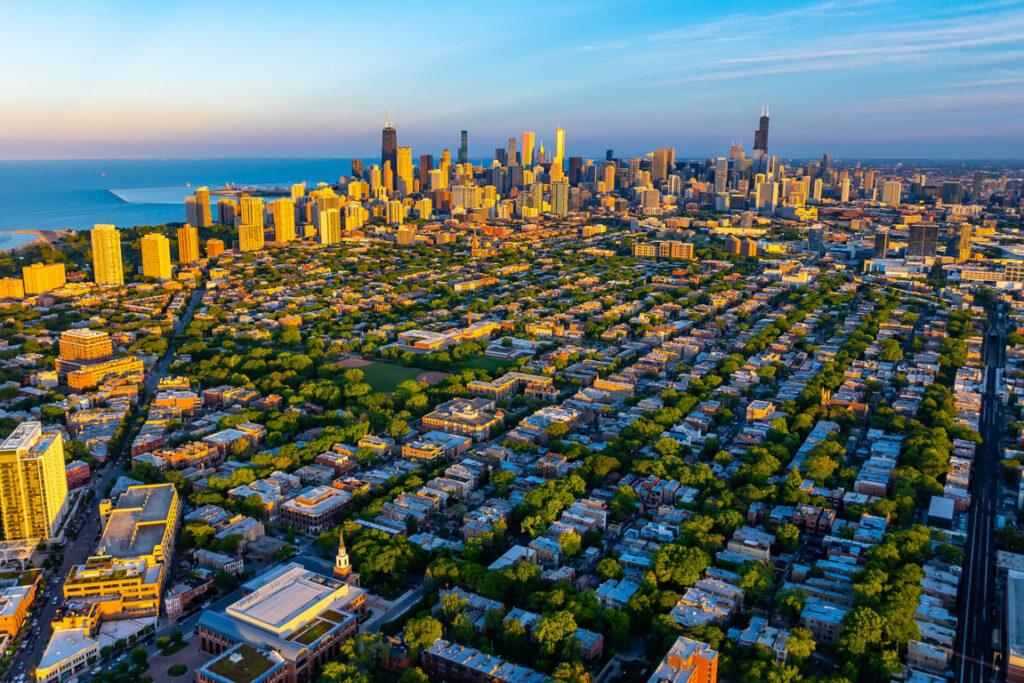
Chicago sits at the center of several major travel routes in the United States, which keeps its highways and streets active throughout the day. Many commuters drive into the city from surrounding suburbs, creating a steady flow of vehicles heading toward downtown each morning. Expressways like the Kennedy and the Dan Ryan are well known among locals for slowing down during peak hours. What starts as a smooth drive can quickly turn into a slow crawl once the lanes fill with cars.
Residents often learn small tricks that make the commute slightly easier. Some leave home earlier to avoid the thickest traffic, while others rely on commuter trains that connect suburban neighborhoods with the city center. Drivers frequently check traffic apps before starting the drive, hoping to spot delays before they reach the highway. Even with those adjustments, the daily rush still requires patience. Over time, Chicago commuters simply learn the rhythm of the roads and plan their mornings and evenings around it.
13. Boston, Massachusetts
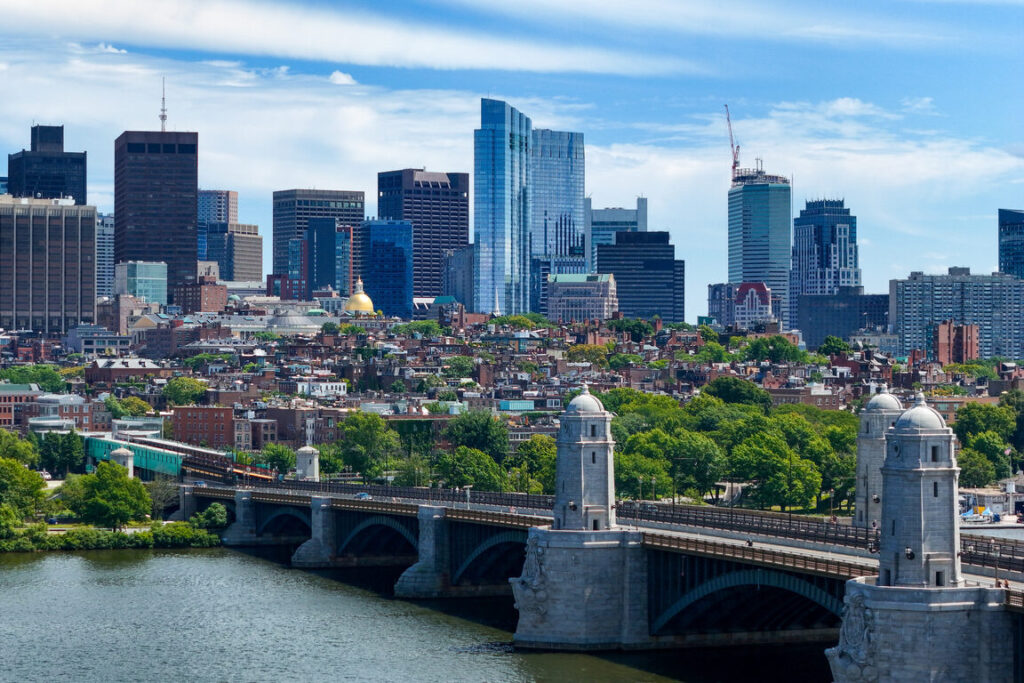
Boston’s road system reflects centuries of history, and that history plays a big role in how commuting feels today. Many streets were created long before modern cars existed, which means drivers often navigate narrow lanes, unexpected turns, and confusing intersections. For people new to the city, the layout can feel almost like a maze. During the morning rush, those winding streets begin filling with vehicles as commuters make their way toward offices, schools, and nearby neighborhoods.
Locals eventually become familiar with the quirks of the road network. They learn which streets tend to move faster and which ones are better avoided during busy hours. Some commuters prefer using the subway or commuter rail to bypass the traffic altogether. Others simply allow extra time for the drive, knowing that slowdowns are common. Living in Boston means accepting that the commute may take longer than expected, but residents often see it as just another part of the city’s historic character.
12. Washington, D.C.
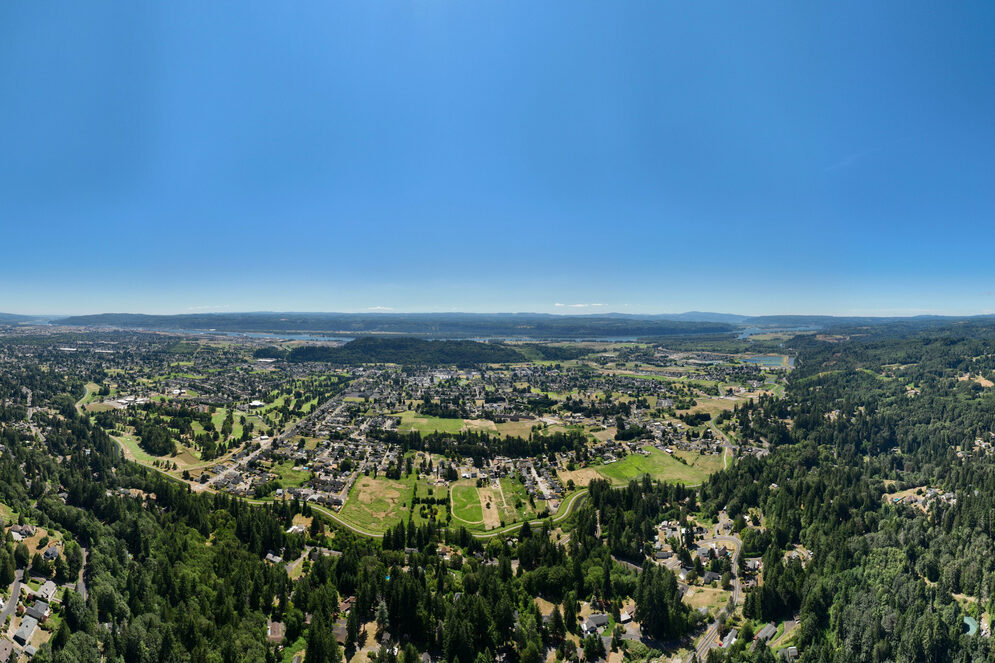
Washington is known as the nation’s capital, but daily life here often revolves around something much simpler. Getting to work. Every weekday morning thousands of commuters travel into the city from nearby Maryland and Virginia. Highways leading toward downtown begin filling early as government employees, contractors, and office workers all make their way toward the same destinations. Once the lanes begin to crowd, traffic can slow down quickly.
Many residents plan their commute carefully to avoid the worst congestion. Some rely on the Metro system, which carries large numbers of riders into the city each day. Others carpool or take commuter buses from surrounding suburbs. Even with those options, the roads remain busy during peak hours. Over time, people who live in the region learn to expect delays and adjust their schedules accordingly. In Washington, the commute becomes another routine part of life in a city that rarely slows down.
11. San Francisco, California
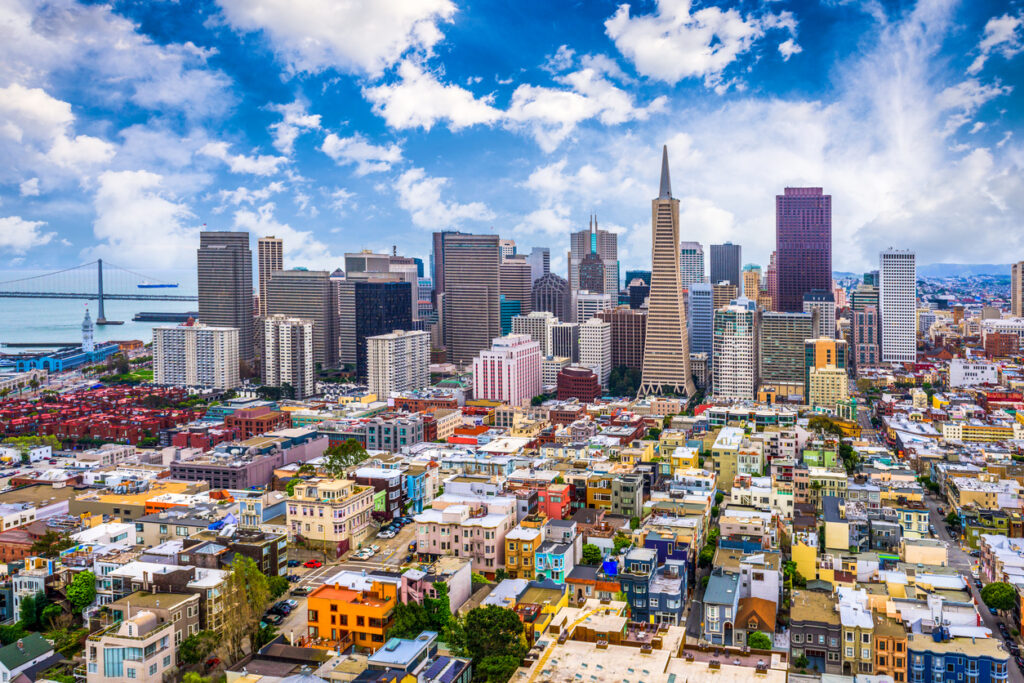
San Francisco’s popularity has grown rapidly in recent years, especially with the expansion of the technology industry across the Bay Area. Thousands of workers travel between cities every day to reach offices in San Francisco or nearby tech hubs. That steady movement places heavy pressure on the region’s bridges and highways. One of the most familiar sights during rush hour is the line of vehicles slowly moving across the Bay Bridge.
Residents quickly develop their own strategies to handle the congestion. Some rely on ferries, trains, or buses to reach the city without driving. Others adjust their work hours so they can travel earlier or later when traffic is lighter. Still, the number of commuters means that delays are common on many routes. For people who live in the Bay Area, patience becomes an important part of the daily commute as they move through one of the country’s busiest regions.
10. Atlanta, Georgia
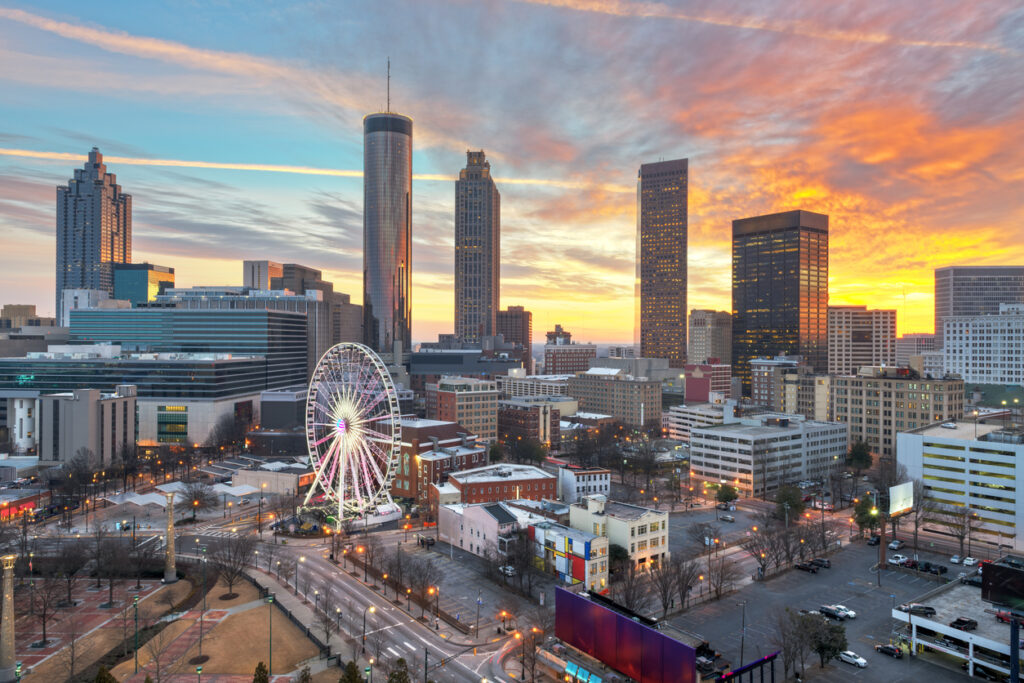
Atlanta has grown quickly over the years, and that growth shows clearly on its highways. The city is surrounded by suburbs that stretch far beyond downtown, which means many residents travel long distances to work each day. Interstate 285, often called the Perimeter, circles the city and carries a constant flow of traffic from multiple directions. During rush hour the lanes fill with commuters heading toward offices, schools, and business districts.
People who live in Atlanta often check traffic conditions before leaving home because delays can build quickly. Some drivers experiment with alternate routes through smaller roads in nearby communities. Others adjust their schedules to avoid the busiest periods of the day. Even with these efforts, congestion still appears regularly during morning and evening commutes. Over time, Atlanta residents grow used to the pattern and plan their day around the reality that the drive may take longer than expected.
9. Miami, Florida
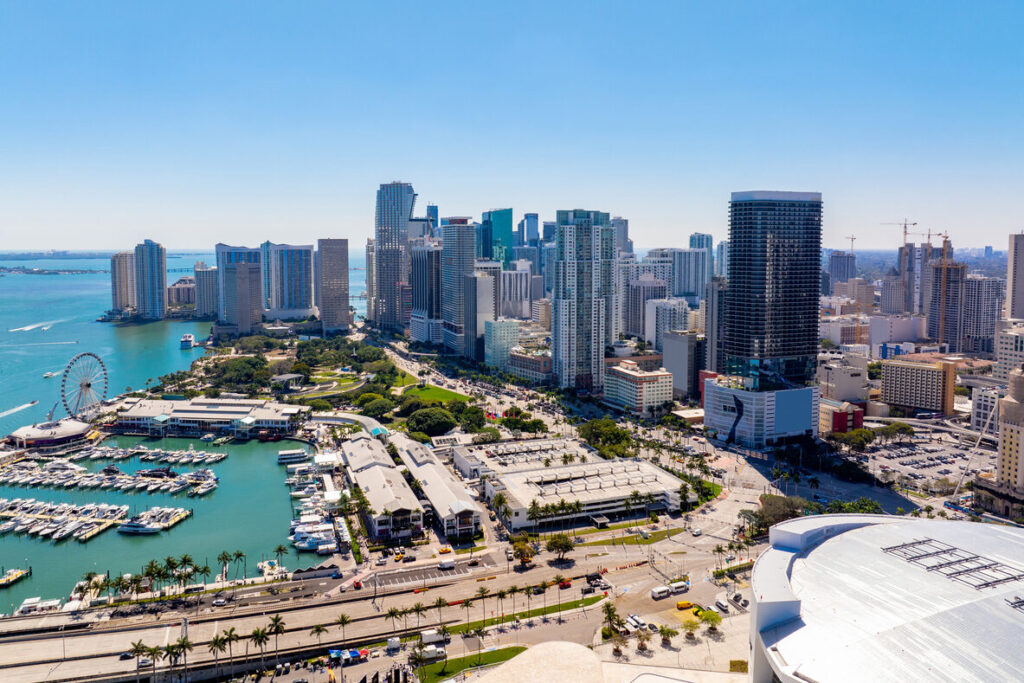
Miami is famous for its beaches, warm weather, and vibrant culture, but the roads can tell a very different story during commuting hours. Tourism adds a steady stream of vehicles to the streets, especially near downtown and the coastal areas. Bridges connecting the mainland to Miami Beach often become crowded as both visitors and residents travel across the water. During peak hours traffic can slow significantly, even for relatively short trips.
Local drivers gradually learn how to adjust to the flow of the city. Many leave home earlier in the morning to avoid the heaviest congestion. Others rely on trains or buses when possible. Still, the combination of tourism and population growth keeps the roads busy throughout much of the day. Over time, Miami residents simply learn to allow extra time for travel. Living in a popular coastal city brings many benefits, but the daily commute often requires patience and careful timing.
8. Houston, Texas
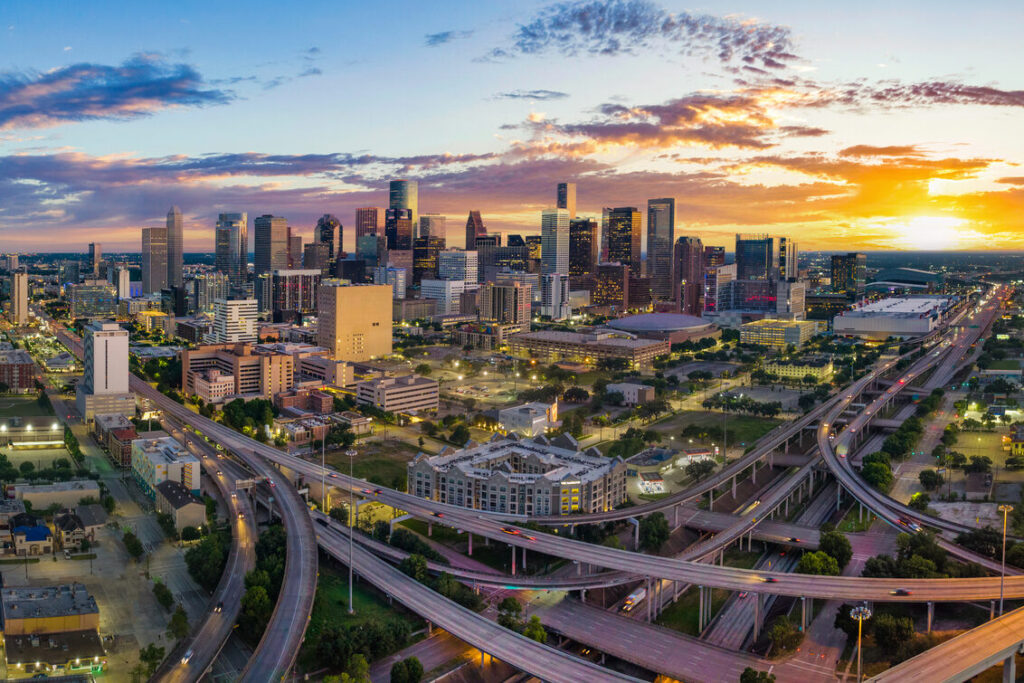
Houston is a city where distance quietly shapes the daily commute. The metropolitan area spreads across a very large region, which means many residents live far from where they work. Each morning long streams of vehicles move toward business districts from surrounding suburbs. Major highways like Interstate 10 and Interstate 45 carry a steady flow of drivers heading into the city. Even a routine trip can stretch longer once traffic builds across several lanes and vehicles begin slowing near exits and interchanges.
Many people who live in Houston adjust their schedules to make the commute easier. Some leave home earlier than necessary to avoid the busiest period of the morning rush. Others try alternative routes through nearby neighborhoods when the highways become crowded. Navigation apps are part of daily life for many drivers because conditions can change quickly during peak travel hours. Over time, residents simply learn to plan extra time for the drive and accept that commuting is part of life in a city that continues expanding.
7. Philadelphia, Pennsylvania
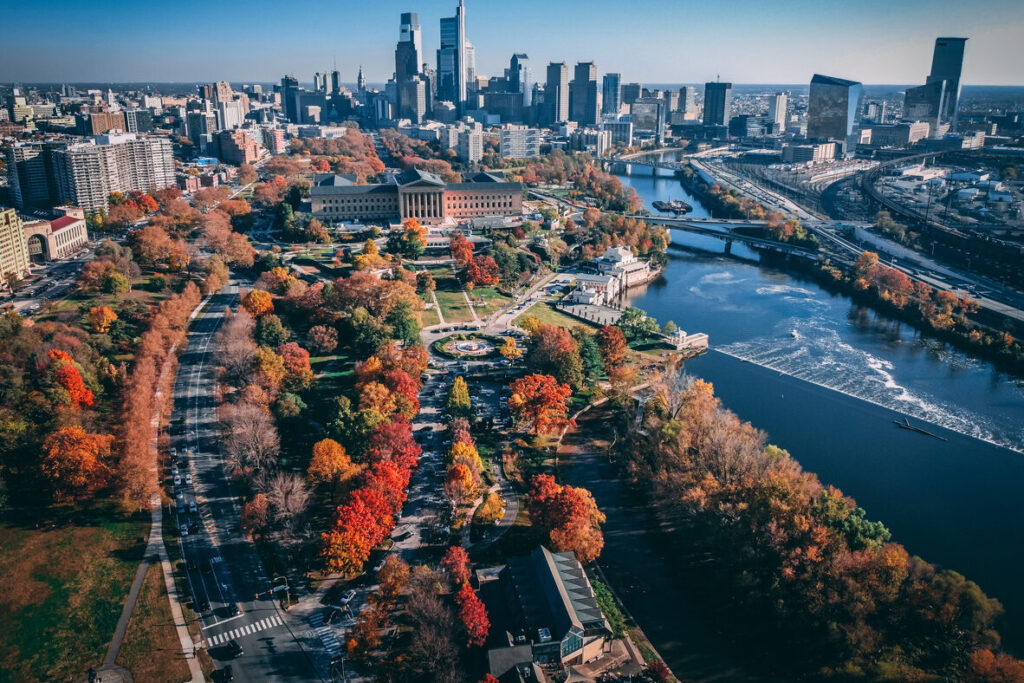
Philadelphia blends historic streets with the demands of modern traffic, and that combination often shows during rush hour. Many roads in the city were designed long before cars became the main form of transportation. Today those same streets carry thousands of vehicles each day as commuters travel between downtown offices and nearby suburbs. Highways leading into the city often fill early in the morning, creating long lines of slow moving traffic during the busiest hours.
Residents gradually become familiar with the patterns that shape the daily commute. Drivers learn which routes tend to move faster and which areas are likely to slow down during peak periods. Some commuters prefer using regional rail or buses to avoid driving altogether. Others simply plan for a longer trip and allow extra time before work. In Philadelphia, the commute becomes something people quietly factor into their daily routine as they move through one of the country’s oldest cities.
6. Seattle, Washington
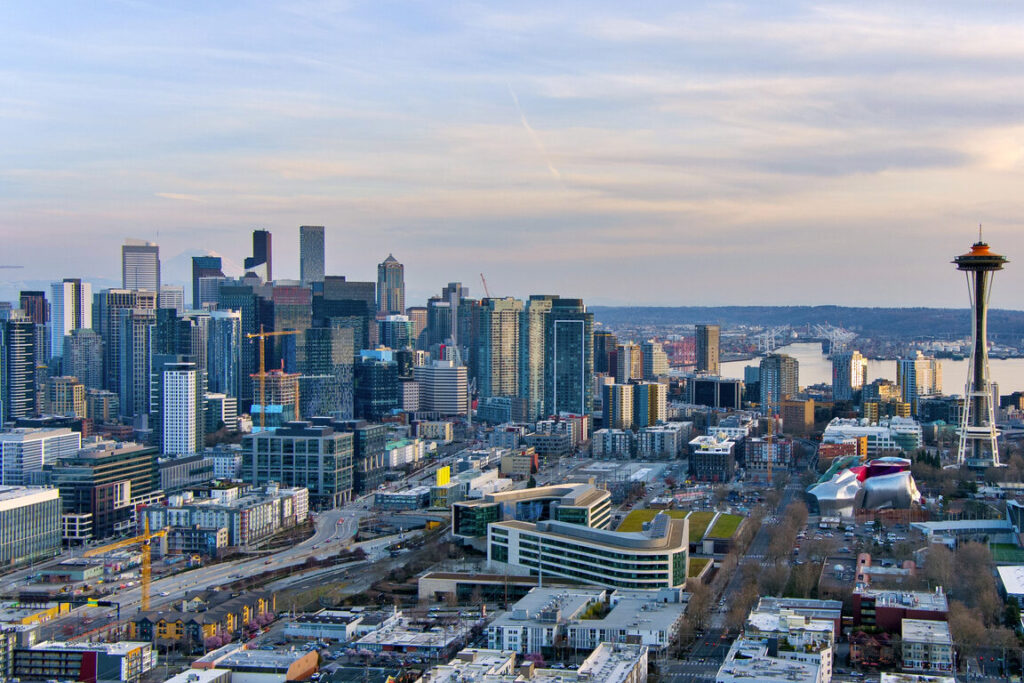
Seattle has grown rapidly over the past decade, and that growth has brought more vehicles onto the region’s roads. Technology companies and new job opportunities have drawn many people to the area, which means more commuters traveling across the city each day. Highways like Interstate 5 carry thousands of drivers through Seattle during peak hours. As the lanes fill, traffic can slow quickly and turn a short drive into a much longer trip.
Weather can also play a role in the daily commute. Rainy mornings sometimes slow traffic further as drivers move carefully through crowded highways and city streets. Many residents rely on buses, ferries, or light rail to avoid the roads when possible. Even so, congestion remains part of everyday life for many commuters. Over time people who live in Seattle learn to allow extra travel time and adjust their schedules around the busiest hours of the day.
5. Dallas, Texas
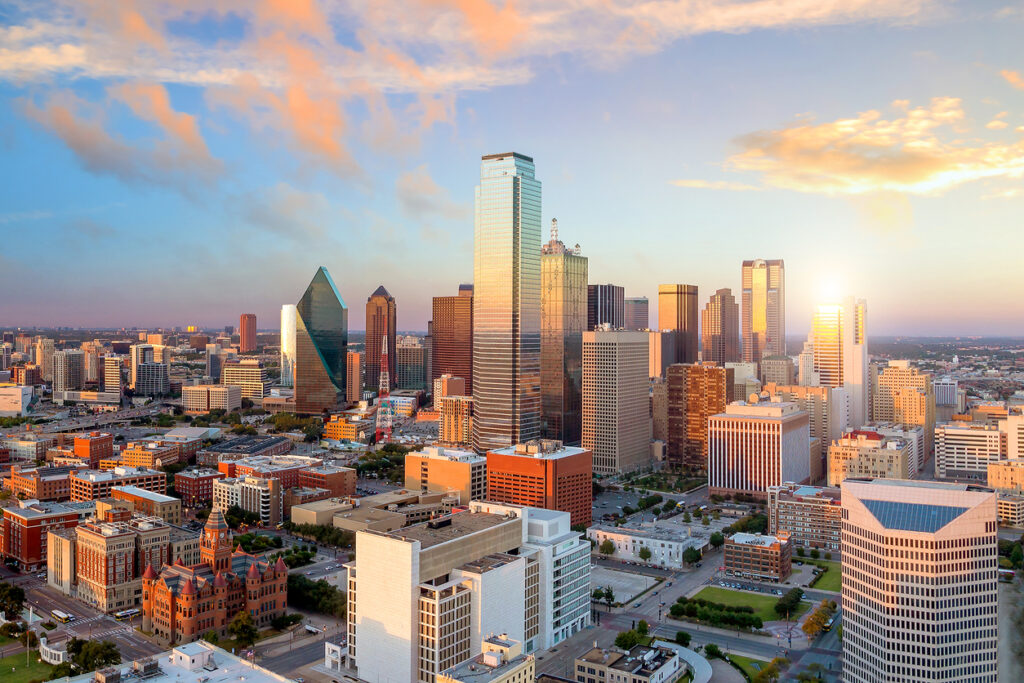
Dallas continues to grow in nearly every direction, and that expansion brings more commuters onto the road each year. Many residents live in suburbs that surround the city, which means daily travel often involves long drives along major highways. Roads like Interstate 635 and U.S. 75 carry steady streams of vehicles heading toward business districts every morning. As more cars merge onto these routes, traffic can slow and remain heavy throughout the busiest hours.
Drivers who live in the region often rely on traffic apps to plan their routes before leaving home. Some commuters use the light rail system to avoid the highways, while others simply start their day earlier in hopes of reaching work before congestion builds. Despite those adjustments, traffic remains a common part of the daily routine. For many residents, the commute is simply another piece of life in a city that continues to expand and attract new residents.
4. Denver, Colorado
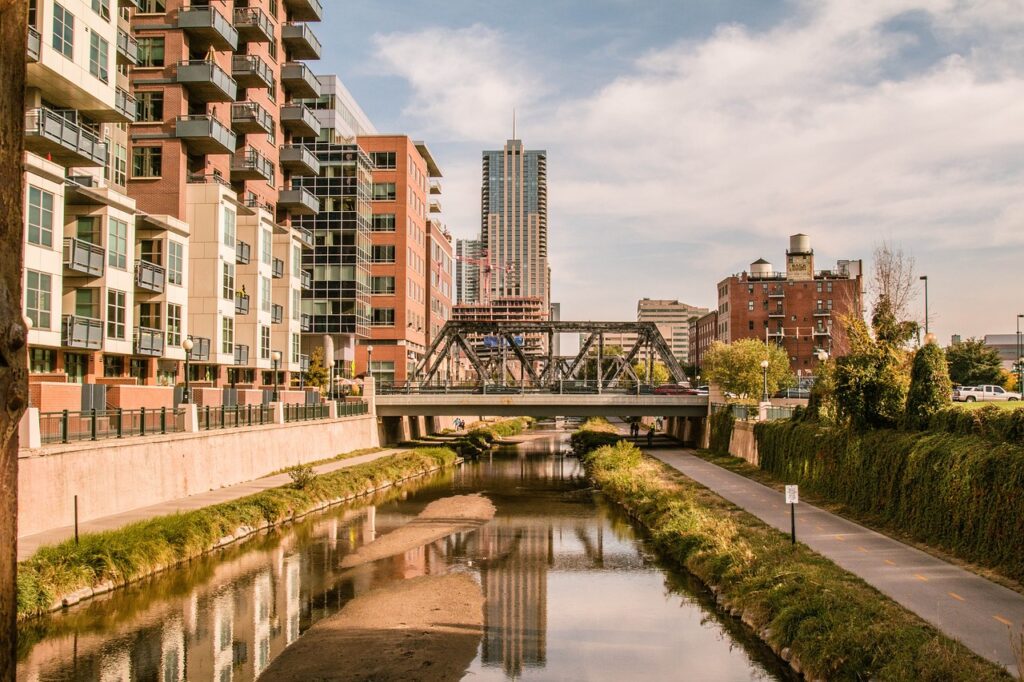
Denver offers beautiful views of the Rocky Mountains, but commuting through the city can still require patience. As the population has grown, more vehicles have appeared on the highways that connect neighborhoods and suburbs. Roads like Interstate 25 and Interstate 70 often carry large numbers of commuters each day. During the morning rush, traffic builds steadily as drivers travel toward offices and business centers across the region.
Weekend travel toward mountain destinations can also add to the congestion, especially during popular seasons. Residents who drive daily often become familiar with which times of day move more smoothly and which periods are likely to slow down. Some commuters rely on light rail lines that connect parts of the city. Others simply plan extra time for the drive. In Denver, the commute reflects the challenges that come with rapid population growth.
3. Phoenix, Arizona

Phoenix has transformed into one of the largest metropolitan areas in the United States, and that growth shows clearly on its highways. The city stretches across a wide desert valley, which means many residents travel long distances between home and work. Major routes like Interstate 10 and Loop 101 carry thousands of vehicles every day. During rush hour those roads begin filling with commuters heading toward offices and commercial areas across the city.
As the population continues to grow, more drivers share the same highways each morning and evening. Many residents check traffic conditions before leaving home to see if delays have already begun. Some adjust their schedules and travel earlier in the day when the roads are less crowded. Even with these strategies, congestion still appears regularly during peak hours. Living in a rapidly expanding city means learning how to navigate traffic that grows alongside the population.
2. San Diego, California
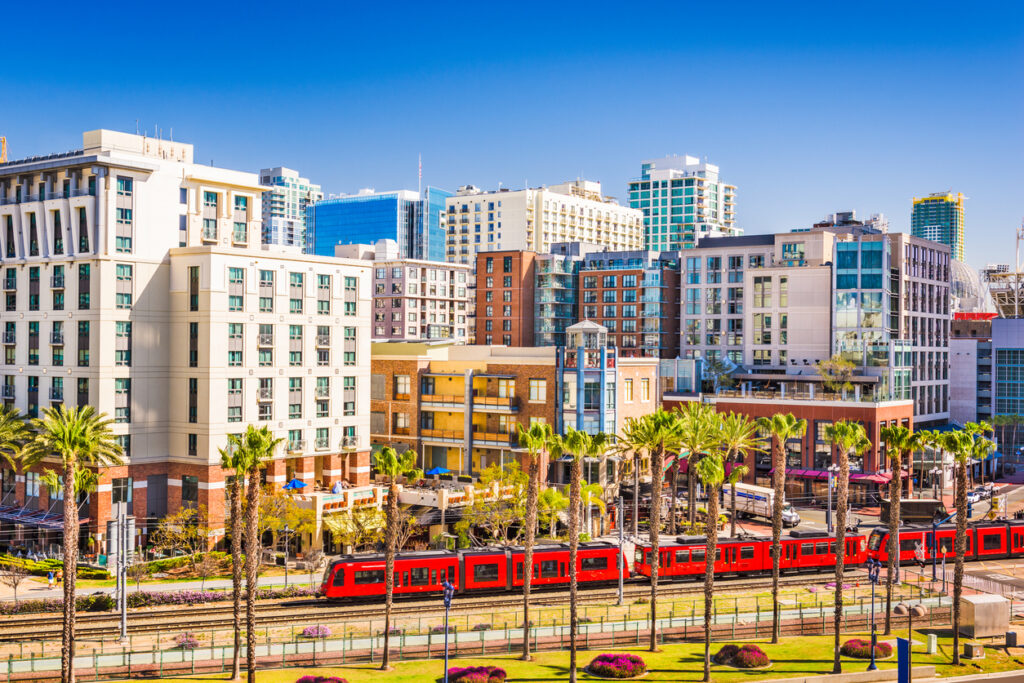
San Diego is often known for its relaxed coastal lifestyle, yet commuting through the city can still be challenging during rush hour. Major highways like Interstate 5 and Interstate 805 connect neighborhoods along the coast with communities farther inland. Each morning large numbers of commuters travel along these routes as they head toward downtown offices and business districts. Once traffic begins building, vehicles often move slowly for several miles.
Tourism can also add extra vehicles to the roads during busy seasons. Visitors exploring beaches and attractions share the same highways used by local commuters. Many residents adjust their travel schedules to avoid the most crowded times of the day. Others use public transportation when possible. Despite the slower pace of coastal living, traffic remains something locals quietly plan around as they move through the city each day.
1. Nashville, Tennessee
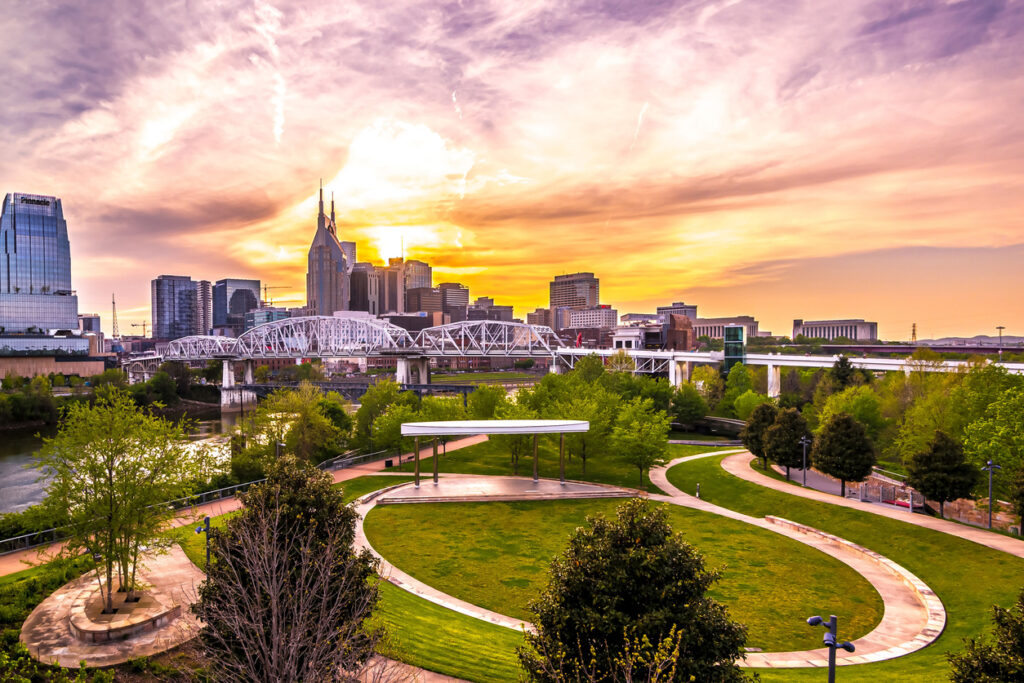
Nashville has experienced remarkable growth in recent years, drawing new residents, businesses, and visitors from across the country. With that expansion has come heavier traffic across the region’s highways. Each weekday morning commuters travel from surrounding suburbs toward downtown, filling major routes leading into the city. As more vehicles merge onto the roads, the pace of traffic often slows and the commute stretches longer than expected.
Residents have gradually adjusted to the changes that come with a growing city. Some workers leave earlier in the morning to reach the city center before congestion builds. Others choose different routes or rely on carpooling to make the trip easier. Even with those adjustments, traffic remains part of daily life for many people in the area. The story of Nashville’s commute reflects a broader pattern seen across the country as cities grow and their transportation systems work to keep up.


