
Justin Bieber
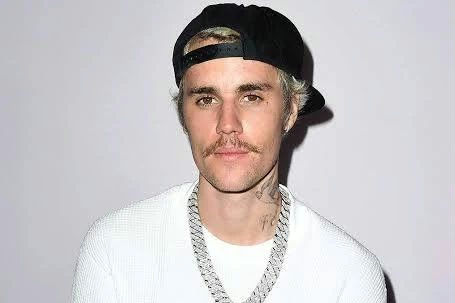
Justin Bieber’s life has been an extreme experiment in fame since he was “discovered” on YouTube in 2008 at the age of 13. By the time he was in his early twenties, the pressure of being the world’s most famous pop star had taken a massive toll on his mental health. In 2016, Bieber made headlines when he announced on Instagram that he was “done taking pictures” with fans. He wrote a heartfelt message explaining that the constant demands made him feel like a “zoo animal” rather than a human being. He noted that people wouldn’t even say hello to him; they would just shove a camera in his face.
This “zoo animal” analogy resonated with many other young stars who felt similarly hunted by the paparazzi and “stan” culture. Bieber clarified that he wasn’t trying to be mean, but he needed to protect his sanity so he could continue making music. Since then, he has focused on his spiritual life and his marriage, trying to find a way to exist in the world without being constantly “consumed.” While his decision was met with backlash from some, many others praised him for being honest about the psychological cost of hyper-fame. Today, he maintains those boundaries to ensure he can stay healthy and creative for years to come.
Jim Carrey
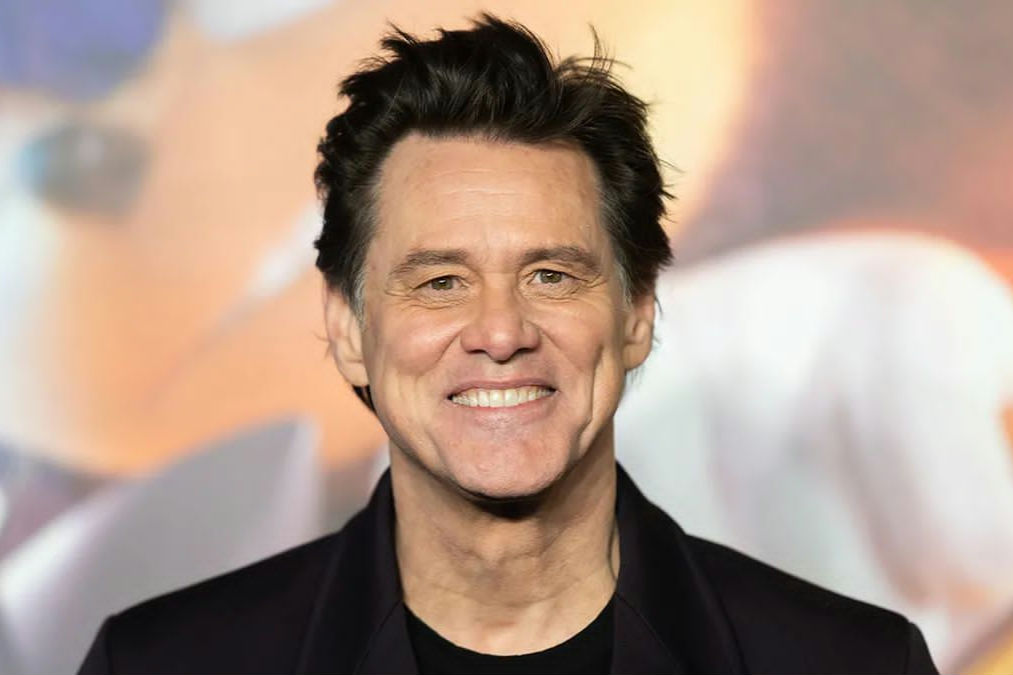
For decades, Jim Carrey was the high-energy face of Hollywood, starring in massive hits like Ace Ventura: Pet Detective in 1994 and The Truman Show in 1998. However, as the 2010s progressed, fans noticed a significant shift in how the actor interacted with the public. Carrey began openly declining selfie requests, explaining that the process felt hollow. He famously noted in interviews around 2019 that a photograph often serves as a “social media trophy” rather than a genuine human connection. To him, the flash of a camera lens often interrupts the possibility of a real conversation, turning a person into a mere prop for an Instagram post.
Carrey’s decision is deeply tied to his personal evolution and his move toward a more introspective lifestyle involving painting and philosophy. He has stated that he would much rather stop and talk to a fan about life or art for a few minutes than pose for a picture that someone will simply use to prove they met him. By 2020, he had firmly established this boundary, prioritizing “relevance” over digital validation. While some fans might feel disappointed by the lack of a photo, Carrey argues that a shared story or a kind word is a much more lasting and authentic memory than a pixelated image on a smartphone screen.
Emma Watson
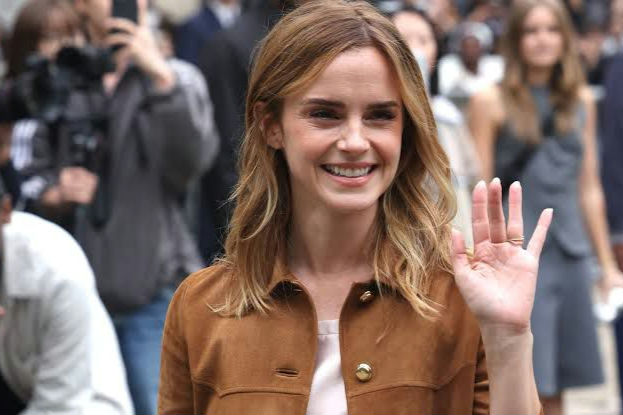
Emma Watson has lived in the global spotlight since she was cast as Hermione Granger in 2001 at the age of eleven. Growing up as part of the Harry Potter phenomenon taught her early on that fame comes with unique dangers, particularly regarding privacy. In a revealing 2017 interview with Vanity Fair, Watson explained that she had to stop taking selfies with fans for the sake of her own physical safety. She pointed out that in the age of social media, a photo posted instantly can reveal her exact location, what she is wearing, and who she is with, effectively tracking her movements in real-time for millions to see.
To balance her desire for privacy with her appreciation for her supporters, Watson often offers an alternative: a conversation. She is frequently happy to discuss her work in film or her passionate advocacy for women’s rights, provided the interaction doesn’t end with a digital geotag. She famously makes exceptions for children, understanding the magic that a meeting can hold for a young fan. By drawing this line, Watson highlights the terrifying reality of modern stalking and the need for digital boundaries. Her policy isn’t about being “above” her fans; it is a practical survival strategy for a woman who has spent her entire adult life under a microscope.
Chris Pratt
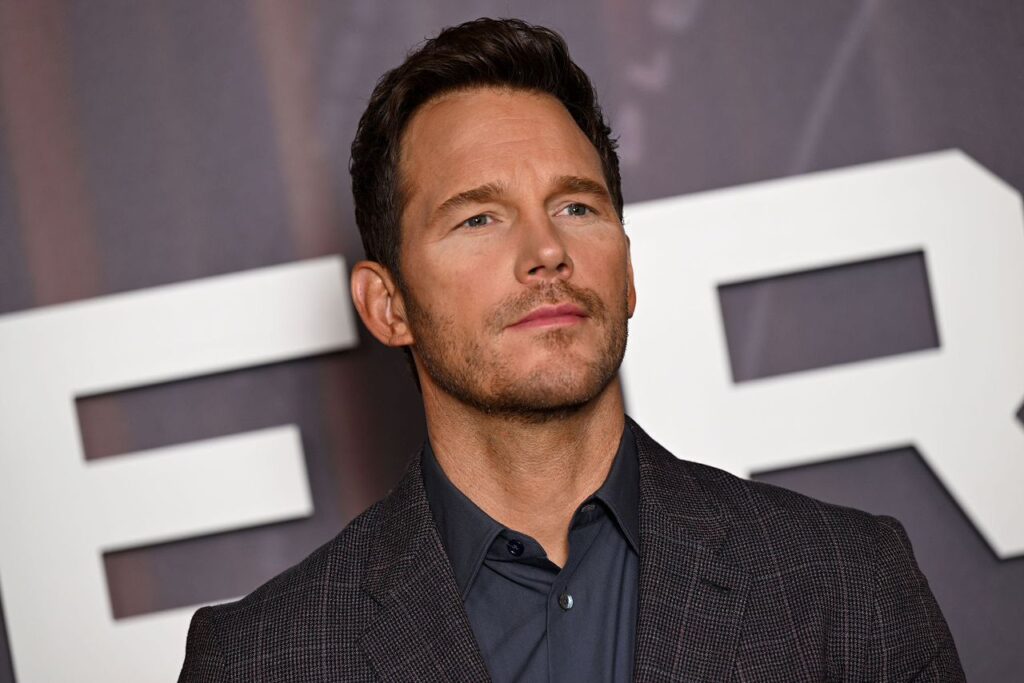
Chris Pratt became a household name during the mid-2010s through his leading roles in the Guardians of the Galaxy and Jurassic World franchises. As his fame reached legendary levels, he found it increasingly difficult to navigate daily life without being swarmed for photos. Eventually, Pratt decided to implement a “no photo” policy during his private time. Instead of posing for a selfie, he often offers fans a firm handshake and a moment of direct eye contact. He believes this shift moves the interaction away from being a transaction for a digital “win” and back toward being a respectful meeting between two people.
Pratt has been vocal about how the selfie culture can make a celebrity feel like an object rather than a human being. By suggesting a handshake, he forces a level of traditional social etiquette that a quick “point and shoot” camera moment lacks. He has mentioned in various press junkets since 2017 that he wants to enjoy his time with his family without feeling like he is constantly on a red carpet. This boundary allows him to remain grateful for the career the public gave him while maintaining his dignity. It is a middle-ground approach that seeks to preserve the humanity of the fan experience without feeding the endless hunger of social media feeds.
Jennifer Lawrence
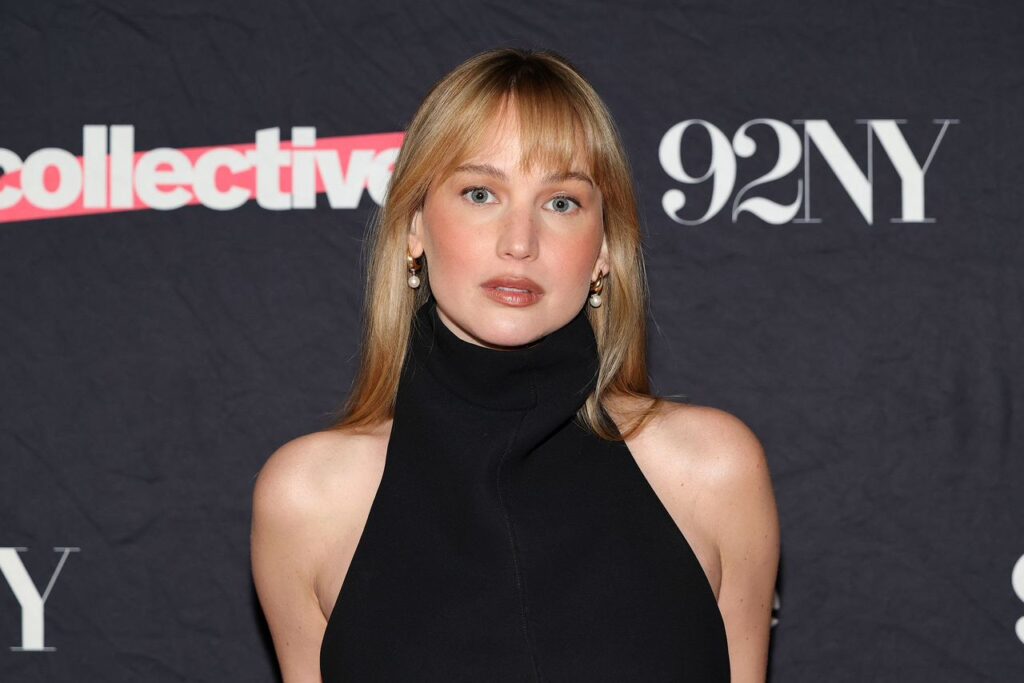
Jennifer Lawrence’s rise to the top of the A-list was incredibly rapid, fueled by her 2013 Academy Award win and the massive success of The Hunger Games. Known for her “relatable” personality, she soon found that being everyone’s “best friend” made it impossible to walk down the street. To cope, Lawrence admitted in 2017 that she often becomes intentionally “rude” or “ice-cold” when she enters public spaces. She explained that if she is seen being friendly to one person, she is immediately surrounded by dozens more, making it impossible to finish a meal or a walk.
This guarded behavior is a calculated defense mechanism designed to protect her mental health. Lawrence has noted that the constant pressure to be “on” is exhausting and that she needs to create a barrier to survive the intensity of her fame. While she understands that this might result in a “diva” reputation in some gossip circles, she prioritizes her well-being over being liked by every stranger she meets. Off-camera, she remains famously witty and warm with friends and colleagues, but she insists that she is “off the clock” the moment she leaves a film set. For Lawrence, a cold shoulder is sometimes the only way to keep a small piece of her life for herself.
Scarlett Johansson
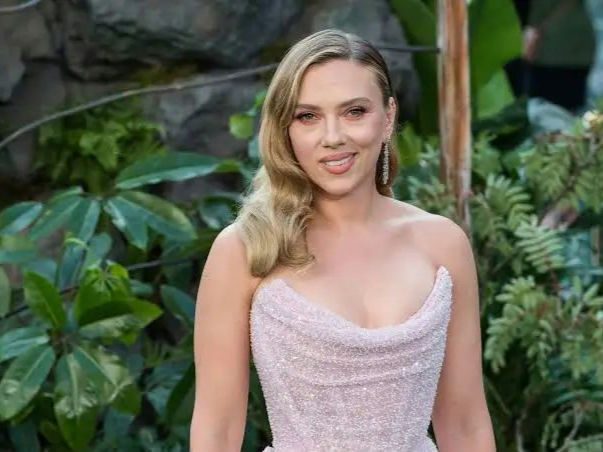
Scarlett Johansson has been a staple of the silver screen for decades, but her role as Black Widow in the Marvel Cinematic Universe, starting in 2010, pushed her into a new stratosphere of fame. Despite her massive public profile, Johansson is a staunch advocate for the right to an anonymous private life. She has frequently expressed that when she is not promoting a film or attending a professional event, she should be treated like any other private citizen. She often declines photo requests while shopping or dining, citing the need to separate her job from her personal identity.
Johansson’s perspective is that she is a professional actress, and her “performance” ends when the cameras stop rolling. She is happy to engage with the press and sign autographs at a movie premiere, as those activities are part of the work she is paid to do. However, she believes that the expectation for a celebrity to be available 24/7 is unreasonable and damaging. By setting this boundary, she attempts to raise her children away from the frenetic energy of fan encounters. For her, the “off-duty” rule is about maintaining a sense of normalcy in a world that often views famous people as public property rather than individuals with their own lives.
Joaquin Phoenix
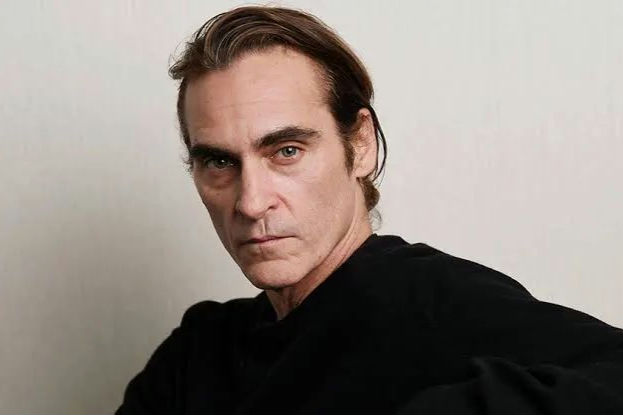
Joaquin Phoenix has always been an outlier in Hollywood, known for his intense dedication to his craft and his general disdain for the “fame machine.” After his 2019 Oscar-winning turn in Joker, the demand for his attention reached an all-time high. However, Phoenix has long maintained a preference for avoiding the standard selfie ritual. He finds the act of posing for a quick photo with a stranger to be artificial and prefers to spend those few seconds engaged in a meaningful dialogue. If a fan approaches him to talk about a cause he supports, such as animal rights, they are much more likely to get his attention.
Phoenix’s lifestyle is famously low-key, and he often avoids the typical celebrity hotspots. When he does encounter fans, he tries to keep the interaction grounded in reality. He has expressed that he doesn’t want to be a “character” in someone else’s digital story; he wants to be a person. For Phoenix, the trend of capturing everything on a phone has robbed life of its spontaneity. By saying no to the camera, he is making a statement about the value of being present in the moment. He encourages his supporters to put their phones away and actually look at the world around them, rather than through a screen.
Maisie Williams
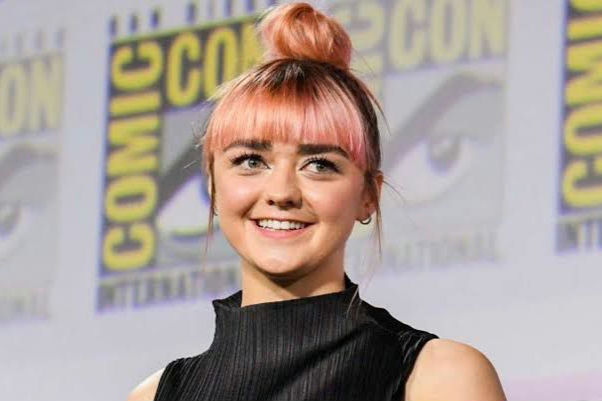
Maisie Williams grew up in front of the entire world as Arya Stark on Game of Thrones from 2011 to 2019. Being a child star meant that she never really knew a life without public scrutiny. As she entered her twenties, Williams began to speak out about the “numbing” effect of constant photo requests. She found it increasingly bizarre when people would walk up to her, snap a photo without saying a single word, and then walk away. To combat this, she began asking fans to actually talk to her before she would even consider an interaction, prioritizing human connection over a digital file.
Williams has used her platform to discuss how the “fan-celebrity” dynamic can feel very one-sided and transactional. She believes that if someone truly admires her work, they should want to have a brief exchange of words rather than just a picture to show their friends. This policy is her way of reclaiming her humanity in a world that often treats actors like statues in a museum. By insisting on a conversation, she turns a fleeting moment into a real memory for both herself and the fan. It is a brave stance for a young actress, but one that she feels is necessary to stay grounded and mentally healthy.
Kit Harington
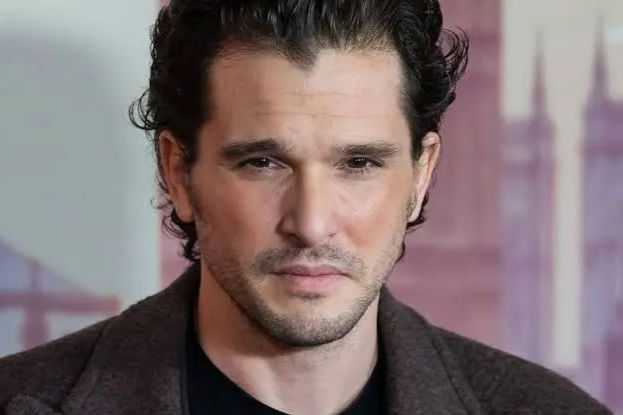
Kit Harington, another Game of Thrones alum who became a global icon as Jon Snow, has faced similar struggles with the weight of public expectation. During the peak of the show’s success in the mid-2010s, Harington found that he couldn’t go anywhere without being asked for a “Jon Snow” pose. He eventually had to draw a hard line, stating that he does not believe he owes his private time to the public. He has been very clear that while he loves his fans and the opportunities the show gave him, he is not a “service” that is available at all hours of the day.
Harington’s approach is rooted in the belief that the “contract” between an actor and the audience is fulfilled when the show airs or the ticket is bought. Anything beyond that is a gift, not a requirement. He is known for being incredibly generous at official fan conventions and organized events, where he spends hours signing and posing. However, if he is out with his wife or friends, he asks for the same respect and privacy that any other person would want. His stance is a reminder that even the King in the North needs a break from the spotlight to recharge and live his own life.
Amy Schumer
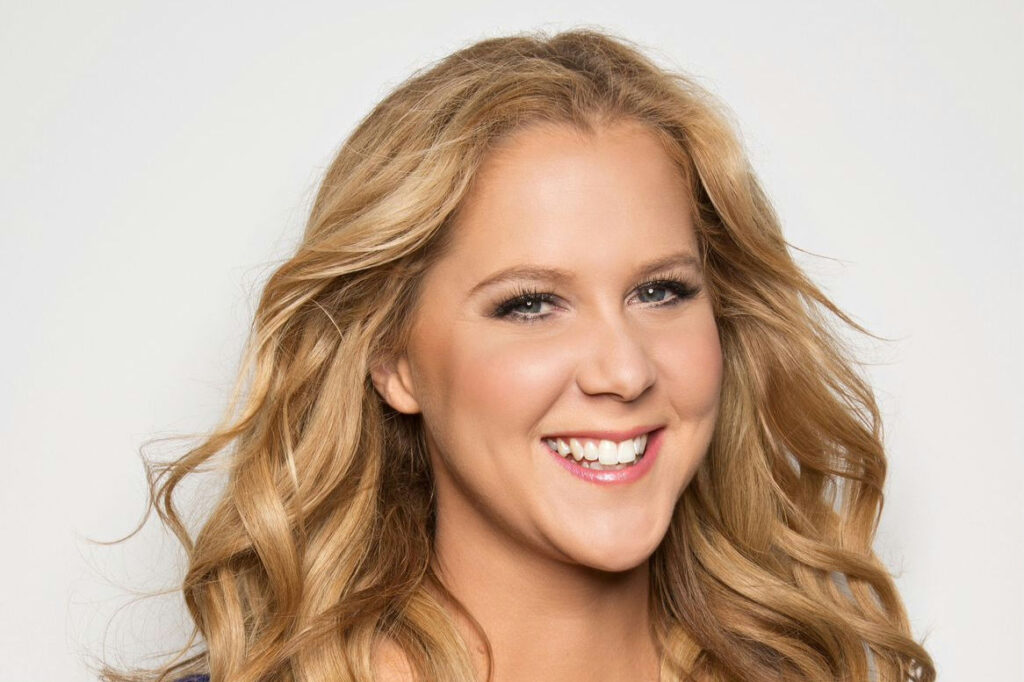
For a long time, comedian Amy Schumer was known for being one of the most accessible celebrities, often joking around and taking photos with anyone who asked. That changed abruptly in May 2016 following a scary incident in South Carolina. A fan reportedly harassed her and her family, refusing to stop filming even after she asked him to give them space. The man was aggressive and dismissive of her boundaries, which deeply shook Schumer. Shortly after, she took to social media to announce that she would no longer be taking photos with fans in public because of the lack of respect shown by some.
This incident served as a wake-up call for Schumer regarding her own safety and comfort. She explained that she felt “unsafe” and “objectified” by the encounter, realizing that her kindness was being mistaken for a lack of personal boundaries. While she still loves making people laugh and performing for live audiences, she has become much more selective about her interactions on the street. She has stated that she will still say hi or have a quick chat, but the camera is now off-limits. Her story is a perfect example of how the actions of a few entitled individuals can ruin the experience for an entire fan base.
Bryan Cranston
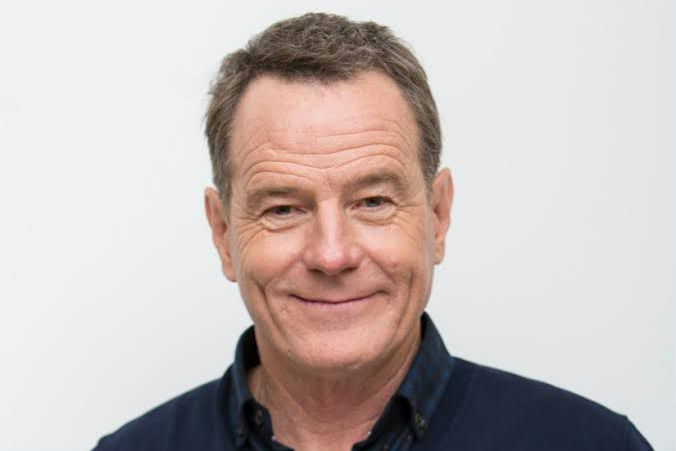
Bryan Cranston spent years as one of the most approachable actors in Hollywood, especially during the peak of Breaking Bad between 2008 and 2013. However, the sheer volume of fans seeking his signature eventually became a logistical nightmare. In February 2018, Cranston took to social media to officially announce his “retirement” from signing autographs. He explained that after nearly twenty years of trying to accommodate everyone, the constant flow of items, ranging from official posters to random scraps of paper, had become completely overwhelming and impossible to manage during his personal time.
A major factor in Cranston’s decision was the rise of the professional autograph “hound.” He noticed that many people asking for his signature weren’t fans at all, but individuals looking to flip the items for a high profit on auction sites within hours of the encounter. This commercialization sucked the joy out of the interaction for him. While he no longer signs memorabilia, Cranston remains incredibly friendly in public. He often tells fans that he is more than happy to take a quick selfie or share a handshake, as these moments feel more personal and less like a business transaction.
Steve Martin
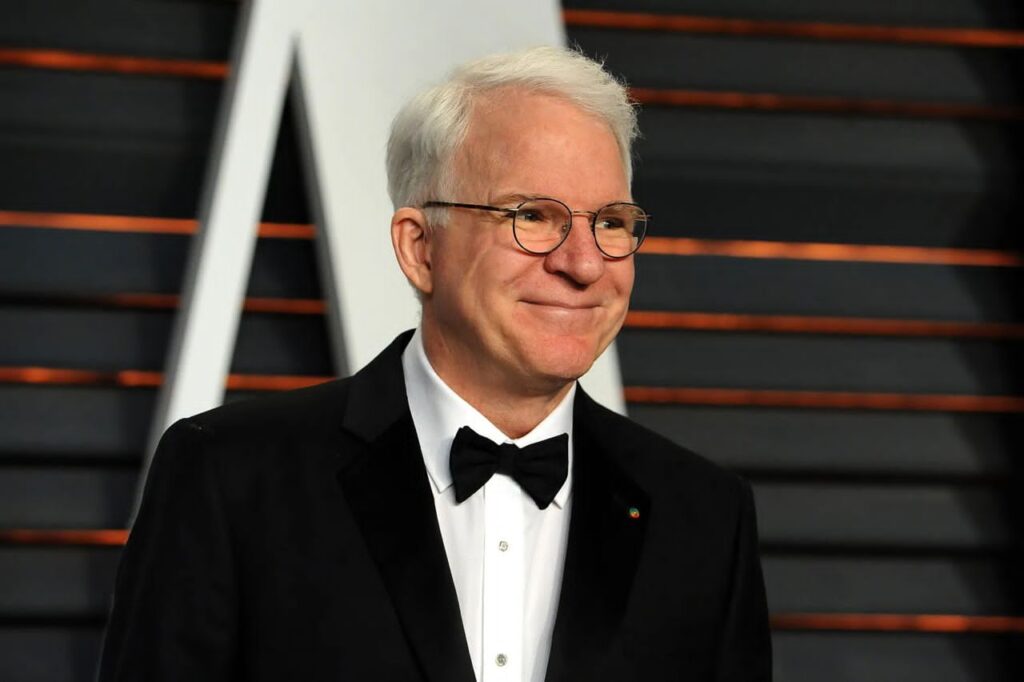
Comedy legend Steve Martin found a way to handle his immense fame in the late 1970s and early 1980s that was as witty as his stand-up routines. At the height of his “Wild and Crazy Guy” era, Martin was constantly swamped by fans wanting a piece of him. To cope with the demand while keeping his sanity, he began carrying pre-printed business cards. Instead of signing a napkin or a book, he would hand over a card that essentially certified the fan had met him and found him to be “warm, polite, intelligent, and funny.” It was a classic bit of Martin humor that satisfied the fan’s need for a souvenir.
The cards eventually became legendary items themselves, proving that Martin understood the “commodity” of fame long before the internet existed. He realized that most people just wanted proof of the encounter, and the card provided that without requiring him to stand in one spot for an hour signing names. While he eventually moved away from the cards as he transitioned into a serious film career and authorship, the strategy remains a gold standard for celebrity boundaries. It allowed him to acknowledge his audience’s support while gently mocking the absurdity of the “celebrity worship” culture that often follows famous figures.
Ringo Starr
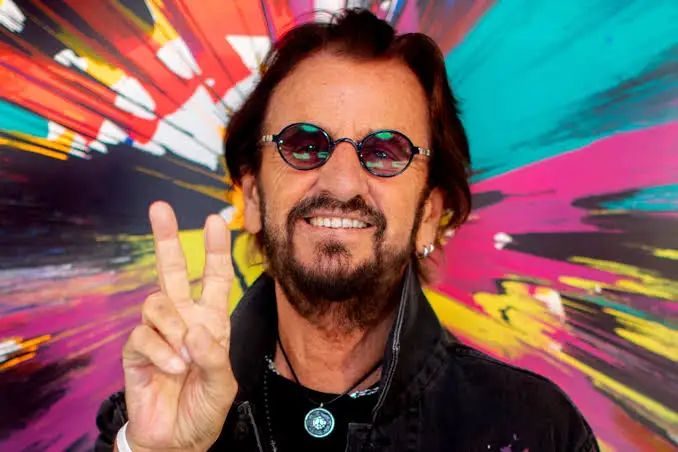
Ringo Starr, the world-famous drummer of The Beatles, famously reached his breaking point with fan requests in October 2008. In a video message that went viral long before “viral” was a common term, he told fans in no uncertain terms to stop sending him mail. He warned that anything sent after the 20th of October would simply be tossed away. While the message seemed blunt, it came from a place of genuine exhaustion. For over four decades, Starr had tried to keep up with the global “Beatlemania” demand, but the pile of items to sign had become a mountain he could no longer climb.
Starr later explained that his main frustration was the secondary market. He discovered that many of the “personal” items he was signing were being sold for thousands of dollars on the internet. He felt that his kindness was being exploited by people who didn’t actually care about his music but saw his signature as a paycheck. Today, at over 80 years old, he prefers to focus his energy on his art and his “Peace and Love” initiative. He still loves his fans, but he believes that he has given enough of his literal “mark” to the world and deserves to live his golden years without being a signing machine.
Paul McCartney
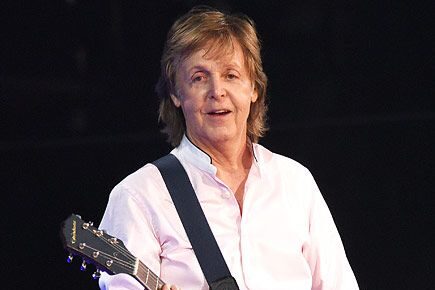
Sir Paul McCartney has lived under the microscope of fame since the early 1960s, yet even a musical icon has his limits. In recent years, specifically in interviews around 2021, McCartney has expressed a growing dislike for the modern selfie and autograph ritual. He finds the process of posing for a phone camera to be a bit “boring” and “staged.” He often jokes that the photos usually end up looking awkward anyway, with the fan looking thrilled and him looking like he’s just trying to get to the grocery store. He has largely stopped doing them in casual settings.
McCartney’s preference is much more old-fashioned: he wants to talk. He has stated that he finds a two-minute chat about music or life much more rewarding than a ten-second photo op. By removing the camera from the equation, he feels he can actually “be” with the person for a moment. It’s a way for him to maintain his humanity after sixty years of being treated like a global monument. For Paul, the music is the gift he gives to the world, and he hopes fans can appreciate that his private time is exactly that, private. A simple “hello” is now his preferred way to connect.
Billie Eilish

Billie Eilish experienced a level of fame that few can imagine before she was even twenty years old. Following the massive success of her 2019 debut album, she was suddenly followed by groups of grown men carrying stacks of posters for her to sign. She quickly realized that these weren’t fans, but professional “autograph hunters” who would often become aggressive or boo her if she didn’t sign every single item. This toxic environment led her to implement a strict “no signing” policy during her daily life to protect her mental health and physical safety.
Eilish has been very open about how scary these encounters can be for a young woman. She noted in several interviews that the entitlement people feel toward her time and her body is overwhelming. By refusing to sign items that are clearly meant for resale, she is taking a stand against a predatory industry that treats young artists like products. She still goes out of her way to show love to her “real” fans during her shows and official events, but on the street, she keeps her guard up. For Billie, setting these boundaries is the only way to navigate a career that started in her teenage bedroom and ended up on the world stage.
William Shatner
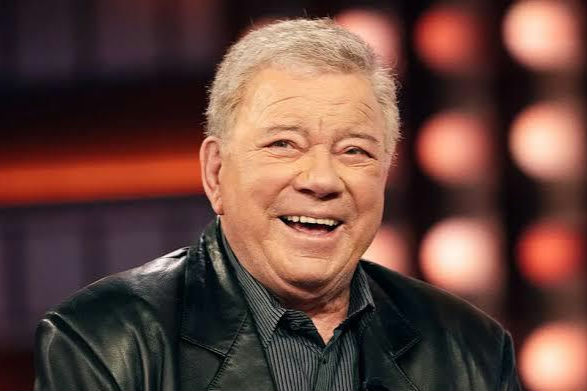
William Shatner has been a fixture of pop culture since Star Trek debuted in 1966. Having spent over half a century in the public eye, he has developed a very logical, Kirk-like approach to fan interactions. Shatner is famous for declining autographs in public places like airports, hotels, or restaurants. His reasoning is purely practical: “The Line.” He has explained that if he signs for one person in a busy terminal, a line of fifty people will form instantly, and he will miss his flight. To him, it is a matter of maintaining order in his daily life.
To make up for this, Shatner is a massive supporter of the convention circuit. He encourages fans to meet him at organized events where the environment is controlled and safe for everyone. At these shows, he spends hours interacting with the “Trekkies” who have supported him for decades. This “time and place” rule allows him to be the legend his fans want him to be while still being a regular grandfather when he’s off the clock. It is a boundary built on decades of experience, ensuring that his public appearances remain special and his private life remains peaceful.
Bruce Willis
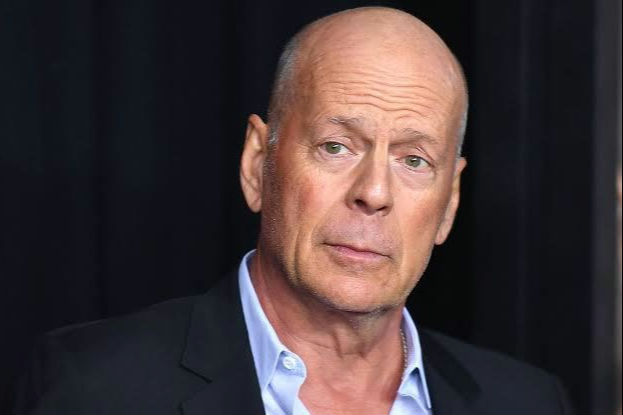
Bruce Willis was the ultimate “everyman” action star of the 80s and 90s, with iconic roles in Die Hard and Pulp Fiction. Despite his onscreen charisma, Willis has long held a reputation for being one of the most private and reserved men in Hollywood. He was never the type to enjoy the “celebrity” aspect of his job, and stories of him turning down autographs or photos have circulated since the late 1980s. For Willis, acting was a job he loved, but the fame that came with it was a side effect he had to manage with caution.
His reserved nature was often misinterpreted as being “difficult,” but those close to him suggest it was a necessary shield. As one of the biggest stars on the planet for thirty years, the pressure of being “John McClane” every time he stepped outside was immense. He preferred to save his energy for his family and his performances. Following his 2022 retirement due to health challenges, many fans have looked back at his career with more empathy, realizing that his desire for privacy was a way to protect his well-being long before the world knew what he was going through.
Tiger Woods
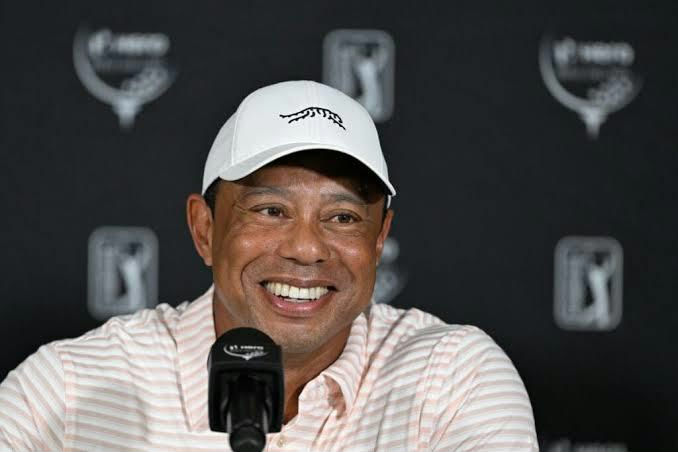
In the world of professional sports, few names carry as much weight, or as much financial value, as Tiger Woods. Since his professional debut in 1996, Woods has been the face of golf, and his autograph is one of the most valuable in the sporting world. Because of this, he is incredibly selective about what he signs and when. During tournaments, he is famously “in the zone,” often walking past hundreds of fans to maintain his mental focus. He has been known to decline almost all requests during a competition week, as a single distraction can cost him a shot at a title.
This scarcity has made an authentic Tiger Woods signature a “holy grail” for collectors, often fetching thousands of dollars at auction. Woods is aware of this market and generally prefers to sign only for children or at specific charity events where the proceeds go to his foundation. His policy is a mix of professional discipline and a desire to prevent his name from being used for someone else’s profit. While it might frustrate some adults waiting behind the ropes, his focus on the game and his charitable work remains his primary priority, leaving the “autograph hunt” as a secondary concern.
Claire Foy
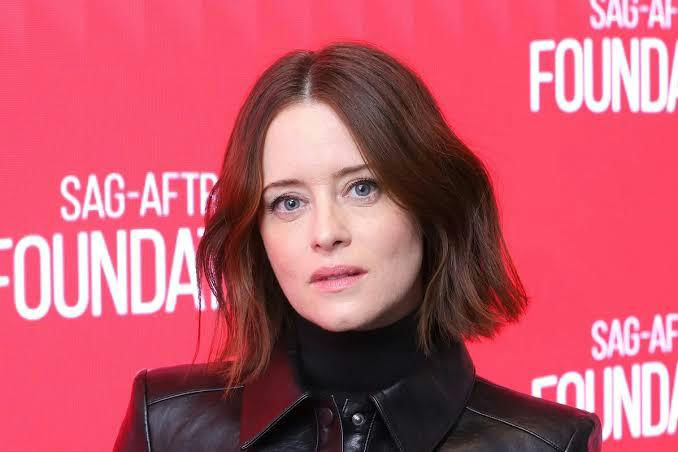
Claire Foy’s rise to fame as Queen Elizabeth II in The Crown starting in 2016 brought a very specific type of fan attention. Unlike many stars who have a general “no” policy, Foy reportedly has a very specific “ink rule.” She has been known to decline signing autographs if the fan provides a blue pen. This might seem like a strange “diva” request, but it is actually a very smart security measure. In the world of high-end memorabilia, blue ink is much easier to scan and digitally reproduce for fakes than black or permanent ink.
By being picky about the pen, Foy is protecting the authenticity of her own brand and preventing scammers from flooding the market with forged items. It shows a deep understanding of the modern digital landscape, where a celebrity’s “mark” is no longer just a piece of paper but a piece of data. This cautious approach is common among actors who have seen their names used to sell counterfeit goods online. For Foy, it’s not about being difficult; it’s about making sure that if a fan has something she signed, it’s the real deal and hasn’t been stolen by a computer program.
Zack Greinke
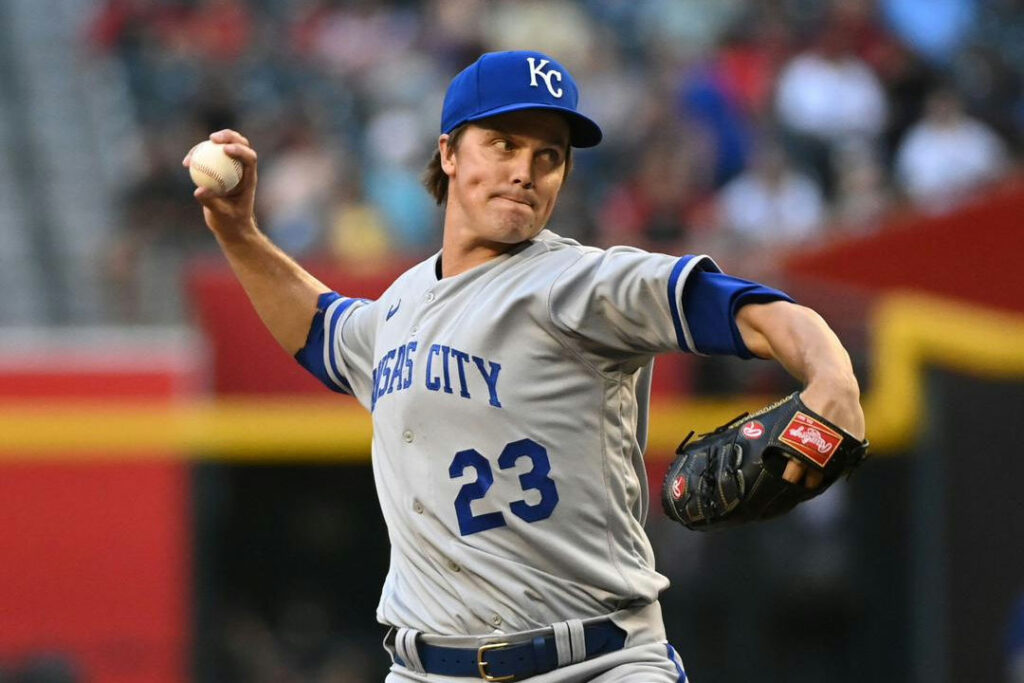
Zack Greinke is a legendary Major League Baseball pitcher, but he is perhaps even more respected for his honesty regarding his mental health. In 2006, Greinke took a break from baseball to address his battles with social anxiety and depression. Since returning to the mound and winning a Cy Young Award, he has been very open about why he avoids the traditional “fan frenzy.” For someone with social anxiety, a crowd of people shouting your name and reaching for your clothes can be a sensory nightmare. He often avoids autograph sessions because they trigger his “fight or flight” response.
Greinke’s story has done a lot to humanize professional athletes. He isn’t being “mean” when he walks past a crowd; he is managing a medical condition that makes those interactions physically and mentally painful. Many fans have come to appreciate his honesty, and some even bring signs to games letting him know they support his boundaries. By speaking out, Greinke has shown that even the toughest competitors have internal battles. He prefers to let his pitching do the talking, and his fans have learned that the best way to show him respect is to give him the space he needs to do his job.
Ultimately, the debate about fairness continues. Fans often feel that a quick signature or photo is a small request, yet celebrities must also protect their privacy, safety, and wellbeing.
Like this story? Add your thoughts in the comments, thank you.


