
1. Paul Reubens — From Gong Stage to Pee‑wee Herman
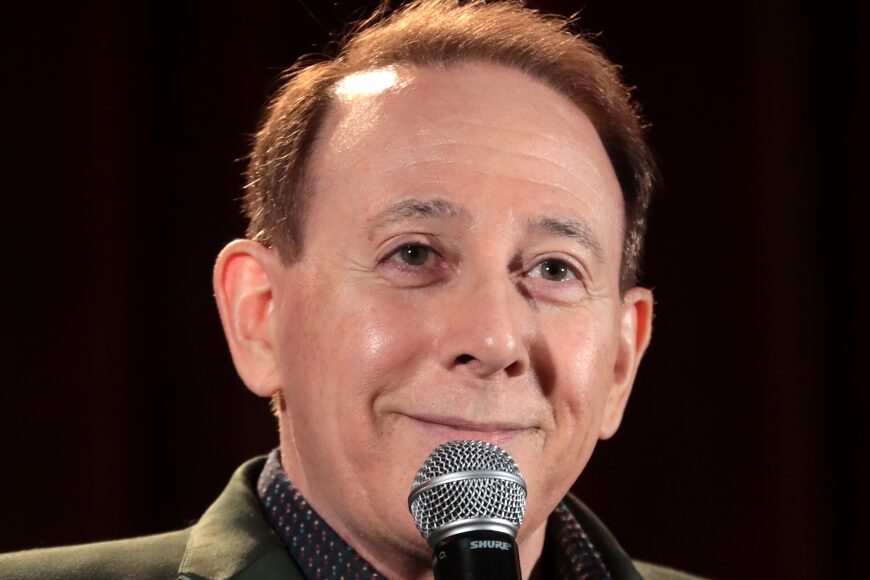
When Paul Reubens first hopped on The Gong Show stage in the late ’70s, he was just another scrappy comedian with a quirky act trying to make a mark. Over 14 appearances on the show, he brought characters and jokes that made the audience laugh and may have helped sharpen his instincts for comedic performance. Those early TV spots were part of a much bigger journey, eventually leading to his creation of the iconic Pee‑wee Herman persona that would define his career for decades. Behind that bow tie and red bicycle was a storyteller with a childlike spirit and a penchant for the absurd, and his live‑theater work with the improv troupe The Groundlings helped him refine his voice before Pee‑wee exploded onto the national stage with The Pee‑wee Herman Show on HBO and later in Pee‑wee’s Big Adventure.
Reubens became a beloved figure in American comedy, appearing in film, television, and even animated projects well into the 2000s before passing away in 2023. His journey from quirky talent show appearances to a cultural touchstone is a gentle reminder of how strange beginnings can bloom into something truly memorable. If you’ve ever caught a bit of Pee‑wee on TV, you know just how joyful that arc was. The Gong Show stage may have seemed small at the time, but it became a first step on a path that entertained generations.
2. Michael Winslow — The Sound‑Effect Wizard
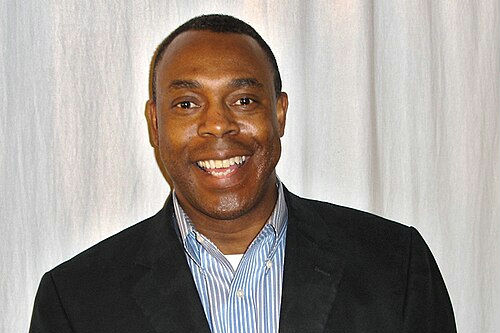
What’s life like when your first TV spotlight is on a show that celebrates the goofy and offbeat? For Michael Winslow, The Gong Show was an early stop where his uncanny talent for vocal sound effects, from mimicking animal calls to channel surfing noises to Hendrix riffs, caught attention. Unlike many acts that were gonged-off in seconds, his unique gifts stood out and hinted at something special. Winslow would soon be cast as Larvell Jones in the Police Academy movies, a role that let him turn those talents into a bona fide Hollywood identity.
The Police Academy series became hugely popular in the ’80s, and Winslow’s character remains one of the most recognizable parts of the franchise, delighting audiences with sound effects that seemed almost superhuman. Over the years, he turned those abilities into touring shows, voice‑acting gigs, and even music recordings. A quirky TV spot had blossomed into a long, creative career that kept surprising people. Winslow’s journey shows how embracing your weird talents early can lead to opportunities you never expected, and that sometimes the quirkiest moments make the biggest impression.
3. Oingo Boingo — From Midnight Madness to Big Soundtracks
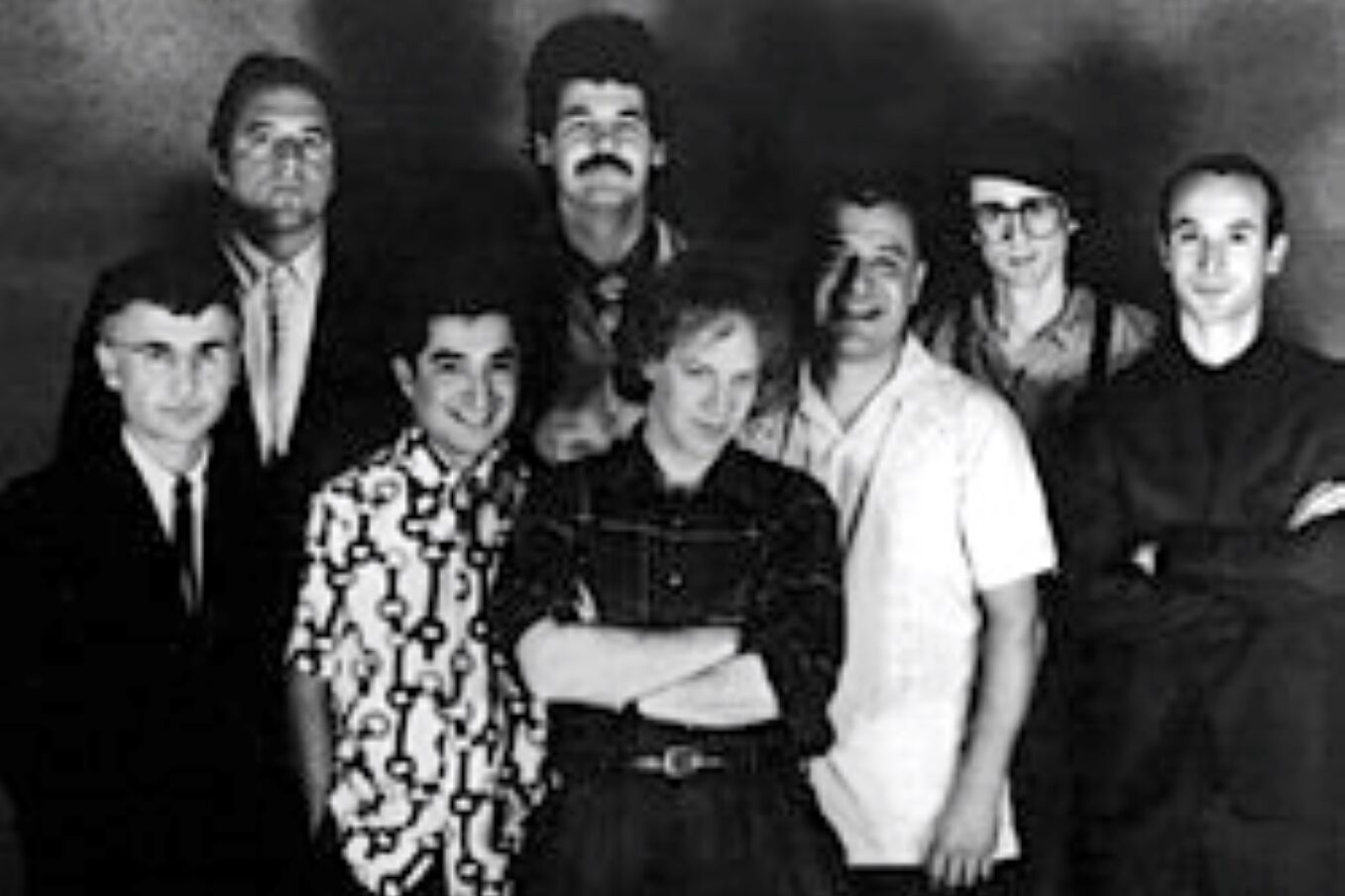
You might not guess it from the offbeat chaos of The Gong Show, but the band that would become Oingo Boingo had roots in that same quirky world of talent showcases. Before they were a new wave staple, Danny Elfman’s ensemble, first known as The Mystic Knights of Oingo Boingo performed on the show, dodging gongs and bringing their eclectic, theatrical music to a broader audience. That experimental flair didn’t stop there, and the group eventually shed the mystic title to hone a punchy, dynamic sound that carried them through the ’80s with a cult following and several albums.
The story didn’t end with the band. Danny Elfman went on to become one of the most celebrated composers in Hollywood, scoring some of the most iconic films and TV shows of the last few decades, from The Simpsons theme to countless Tim Burton classics. That Gong Show performance wasn’t just a fun detour; it was part of a winding road leading to a composer whose music has shaped modern pop culture. From theatrical oddities to mainstream success, this journey proves that early quirky exposure can spark lifelong creative achievements.
4. Rhonda Shear — Beyond the Gong to TV Hosting
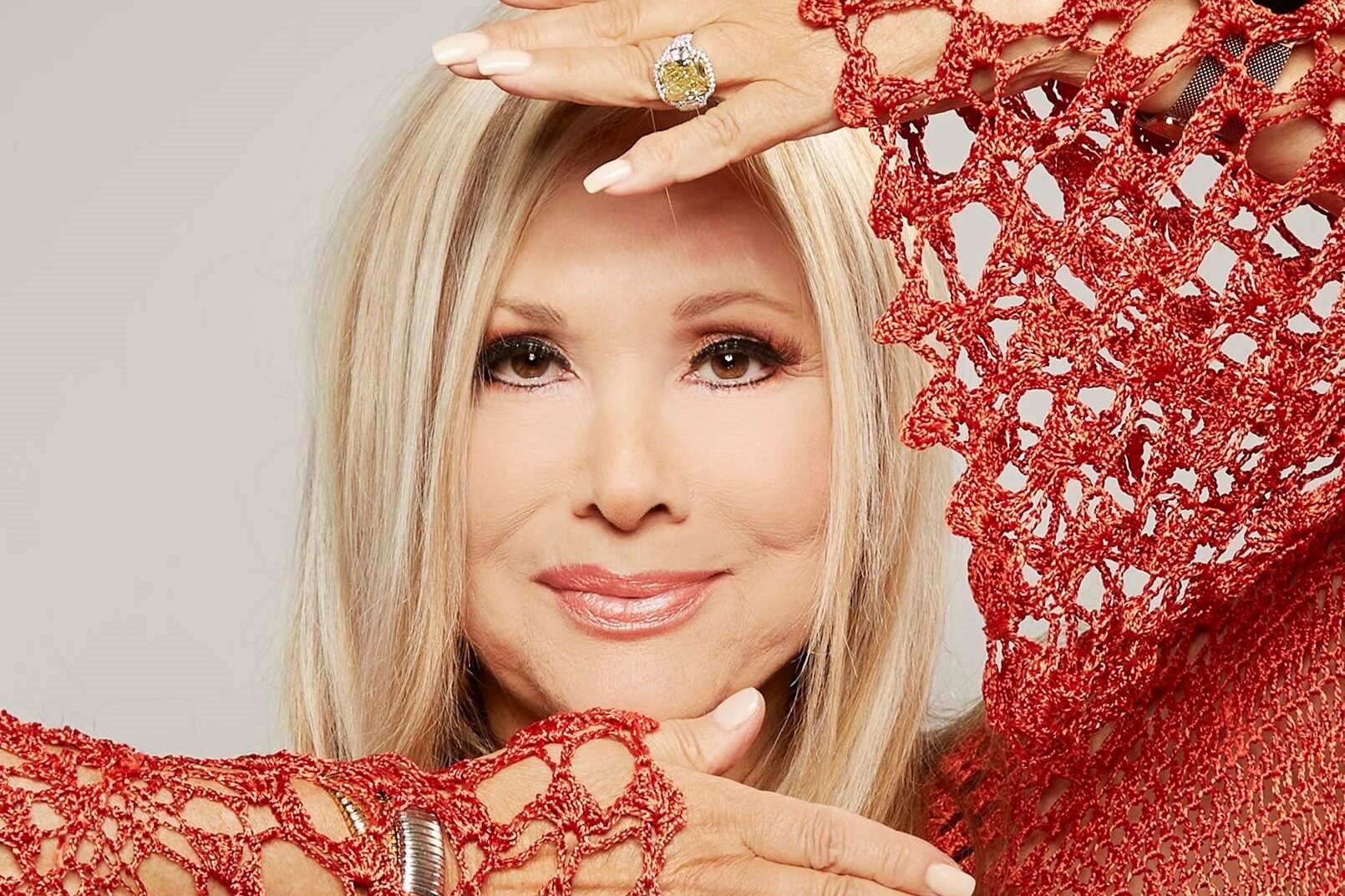
When Rhonda Shear took the stage on The Gong Show in 1979, she was one of many performers getting a shot at national TV. That moment alone might not have predicted the kind of career she would build, but Shear wasn’t just a passing act. After her TV appearance, she carved out a steady path in entertainment, crossing from acting into hosting. She became especially known in the ’80s and ’90s as the face of USA Up All Night, a weekend B‑movie showcase on the USA Network where her warm, playful on‑air style made her a familiar figure to late‑night viewers.
That gig wasn’t just a job; it helped her build a brand defined by humor, approachability, and a knack for connecting with audiences in a genuinely fun way. For many, that’s what Shear is remembered for, not just a funny talent show appearance, but a career that found its groove in front of the camera and stayed there. Her journey illustrates how a quirky start can lead to a long-lasting and fulfilling career in entertainment, showing that sometimes early TV moments are just the beginning of something bigger.
5. Jaye P. Morgan — The Judge Who Became Part of the Show’s Story
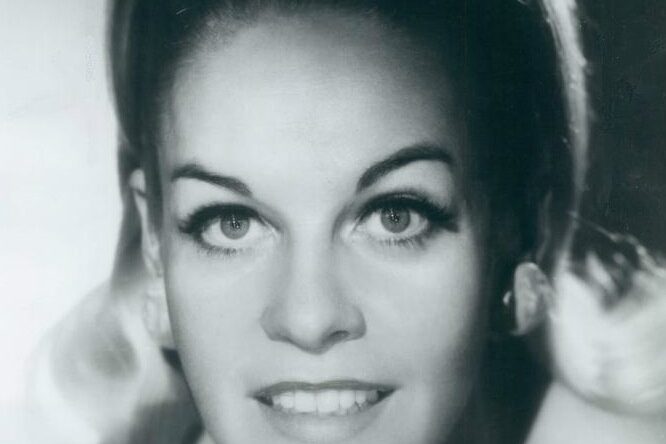
Sometimes the most memorable stories from The Gong Show didn’t come from contestants at all, but from the personalities sitting behind the judges’ desk. Jaye P. Morgan, a popular singer and television personality, became one of the show’s most recognizable judges during its early run. With her quick wit and playful reactions to the unpredictable acts on stage, she quickly became a favorite with viewers. Morgan already had a long entertainment career before the show, including hit records in the 1950s and regular appearances on variety programs. Still, her time on The Gong Show gave her a whole new kind of visibility with audiences who enjoyed the show’s chaotic charm.
One of the most talked-about moments in the show’s history came when Morgan was briefly dismissed from the judging panel after appearing in a men’s magazine, a decision that sparked conversation among fans at the time. Not long after, she was invited back, proving how much audiences enjoyed her presence. In later years, Morgan continued performing in music and television while looking back on her Gong Show days with humor. Her story fits right into the spirit of the program itself: unpredictable, a little quirky, and full of moments people still talk about decades later.
6. Boxcar Willie — The Hobo Who Rode the Country Charts
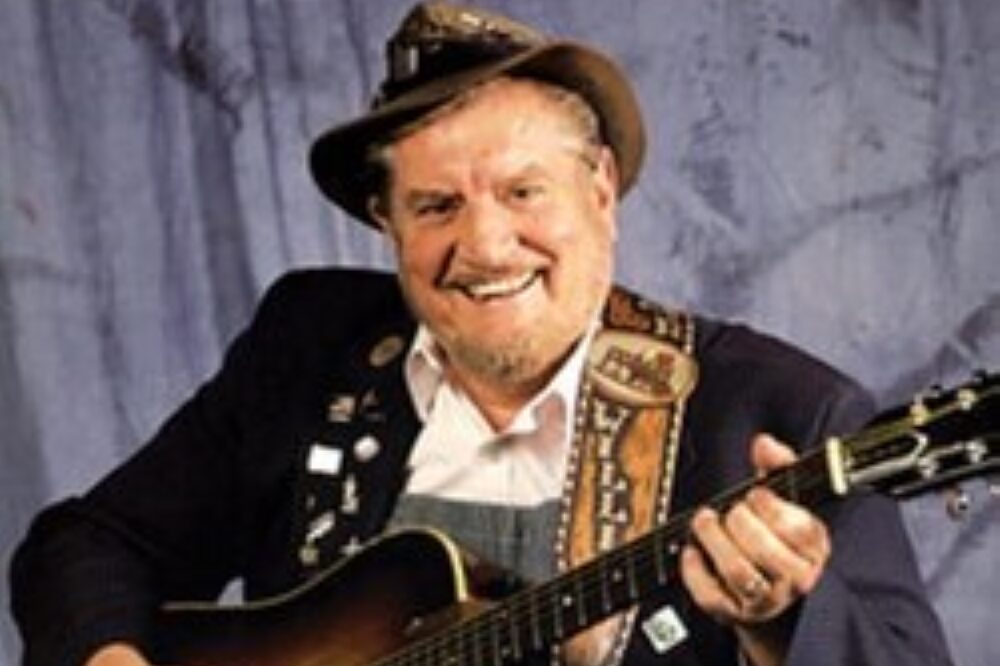
Back when he sashayed onto The Gong Show stage with his trademark overalls and railway‑man persona, few could have guessed that Lecil Travis Martin, better known as Boxcar Willie, was about to take an unusual ride to success. After winning on the Gong Show, Willie leaned into his lovable hobo character with a twinkle in his eye and a train whistle in his songs. That exposure helped him transition from Air Force vet and club performer into a full‑time country singer who became beloved both at home and abroad. His storytelling songs about railroads and Americana earned him a devoted following in Europe in the late 1970s, leading to sold-out shows at venues like Wembley Stadium and making him a regular on Hee Haw.
Back in the U.S., he eventually opened his own theater in Branson, Missouri, where families flocked to hear his brand of rootsy country. Boxcar Willie’s journey from amusement-show novelty to “America’s Favorite Hobo” reminds us that sometimes life’s winding tracks lead right to your dreams. It’s a story that shows quirky beginnings don’t have to limit you; they can open doors to audiences who love what you truly are. If Boxcar Willie’s story leaves you curious about how performers shape their own paths, there’s plenty more where that came from.
7. Cheryl Lynn — Disco Spark After Gong Shine
Before she was belting out a disco classic that would live on dance floors and playlists for decades, Cheryl Lynn was a young singer taking her chance on The Gong Show. That early moment on national TV helped her grab the attention that eventually led to a recording contract with Columbia Records. In 1978, Lynn released “Got to Be Real,” a soulful, upbeat track that rocketed up the charts and became one of the defining disco hits of the era, later earning a spot in the Dance Music Hall of Fame.
Her vibrant voice and confident presence made the song a timeless favorite, one that still pops up in movies and soundtracks. From a quirky talent show stage to becoming a voice synonymous with a generation’s sound, Lynn’s arc shows how unexpected exposure can open doors you never knew were waiting. If you’ve danced to “Got to Be Real” and wondered about the artist behind it, that’s Lynn’s enduring legacy right there, and yes, it all started with a little gong. Her story is a reminder that early opportunities, even in unconventional settings, can spark a lasting career.
8. Andrea McArdle — A Broadway Break After Gong
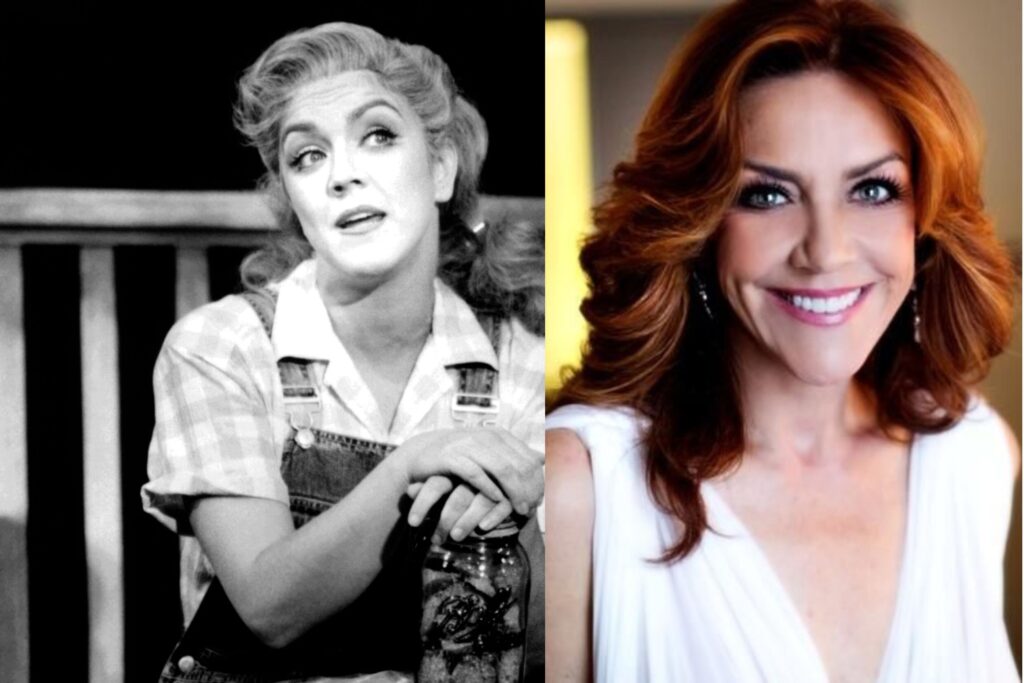
At just twelve years old, Andrea McArdle stepped onto a Gong Show spotlight long before she became a Broadway sensation. Not long after that TV moment, McArdle landed the iconic lead role in the musical Annie, which earned her a Tony nomination and made her a household name in theater. From national TV to national stages, she parlayed that early confidence into a thriving performing career. McArdle appeared on The Tonight Show several times, sang the national anthem at major baseball games, and continued to work in theater for decades.
Even years later, she revisited Annie in different roles, showing how early exposure, even in a quirky talent show, can plant seeds for lifelong artistic growth. McArdle’s journey from a TV talent show to Broadway lights hints at the power of persistence and timing. If you’re inspired by young performers turning big dreams into real careers, McArdle’s story is a bright one, worth following a reminder that a single early opportunity can lead to a lifetime in the spotlight.
9. The Unknown Comic — Masked Humor, Unmasked Success
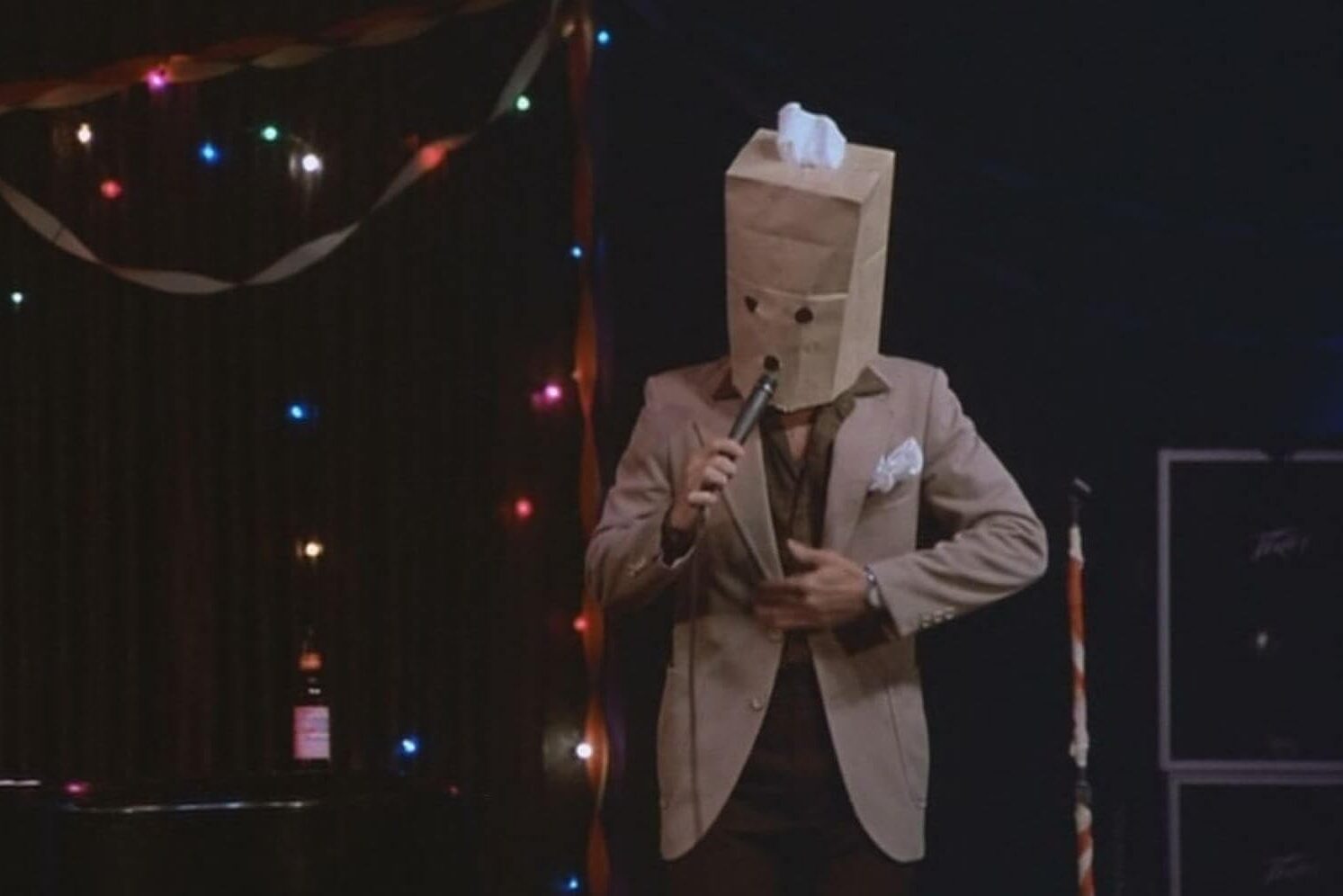
One of the most recognizable faces (or bags) from The Gong Show was that of The Unknown Comic, a paper-bag-wearing jokester whose frantic delivery and gag-a-minute style became a cult hit. What began as a way for Murray Langston to hide his identity on TV blossomed into a full entertainment career. Langston didn’t just amuse audiences on Gong Show; he went on to become a headliner in Las Vegas, wrote for television, and even produced his own shows like The Unknown Comedy Hour and The Sex and Violence Family Hour, which featured an early Jim Carrey.
Behind the bag was a comedian who learned that a bit of mystery and a lot of laughs could open doors across stages and screens. The Unknown Comic became a recognizable persona that showed how creativity and risk-taking can turn fleeting TV moments into lasting opportunities. His story is a playful reminder that sometimes disguising yourself allows your real talents to shine, and it encourages us to notice the possibilities behind every quirky start.
10. Gene Gene the Dancing Machine — Studio Hand to Beloved Icon
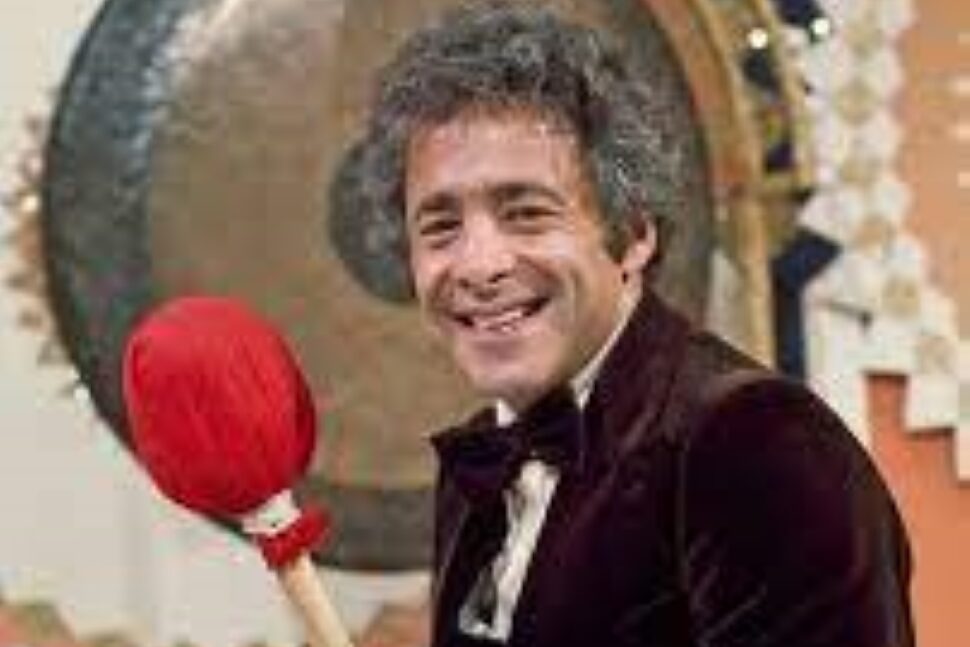
Not all memorable Gong Show figures came for the competition; some just happened into the spotlight. Gene Gene the Dancing Machine was a backstage studio hand at NBC whose infectious dance breaks became a recurring delight on the show’s broadcast. Audiences adored seeing him shuffle in with genuine joy, and his spontaneous moments helped shape the show’s playful spirit. Gene’s presence extended beyond Gong; he appeared on other variety stages and even had a cameo in Confessions of a Dangerous Mind, the 2002 film about Chuck Barris’s life.
Though his story isn’t one of traditional fame, it’s a beautiful reminder that sometimes being yourself becomes the part that people remember most. Gene Gene proved that you don’t need to compete to have impact, joy and authenticity can carry a legacy just as powerful as stardom. His story encourages us to celebrate the moments when ordinary people leave extraordinary impressions, showing that fame isn’t always about winning; it’s about leaving a smile behind.


