
1. Harlem Shake Hysteria
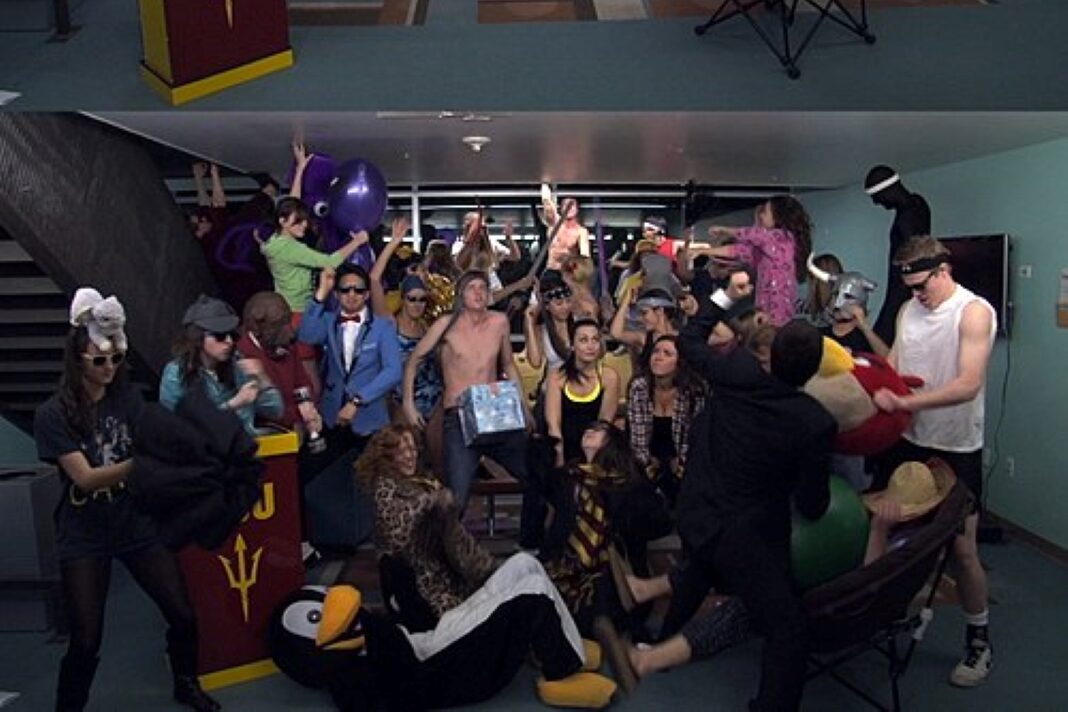
You know that moment in early 2013 when everyone from your cousin to your coworker was suddenly in a wild dance video? That was the Harlem Shake craze, a short clip where one person starts dancing alone and then, with a goofy beat drop, the entire room erupts into chaos in funny costumes. For a few glorious weeks, it felt like the whole world was trying to outdo everyone else for the craziest clip, and YouTube was flooded with uploads everywhere you looked. It was silly, spontaneous, and a perfect snapshot of how fast social media could make something explode overnight. People who had never danced in their lives were suddenly filming themselves flailing around in living rooms, offices, and public spaces.
Then, almost as fast as it started, it all disappeared. The memes stopped trending, and the endless streams of videos vanished from feeds, leaving only nostalgic glimpses of what had been a shared cultural moment. It’s hard to believe now that so many people took part, but that’s the charm of viral culture: it grabs you, makes you laugh, and then life moves on. That fleetingness is part of the magic, and it reminds us how many small moments make up the rhythm of the internet.
2. Fidget Spinner Frenzy
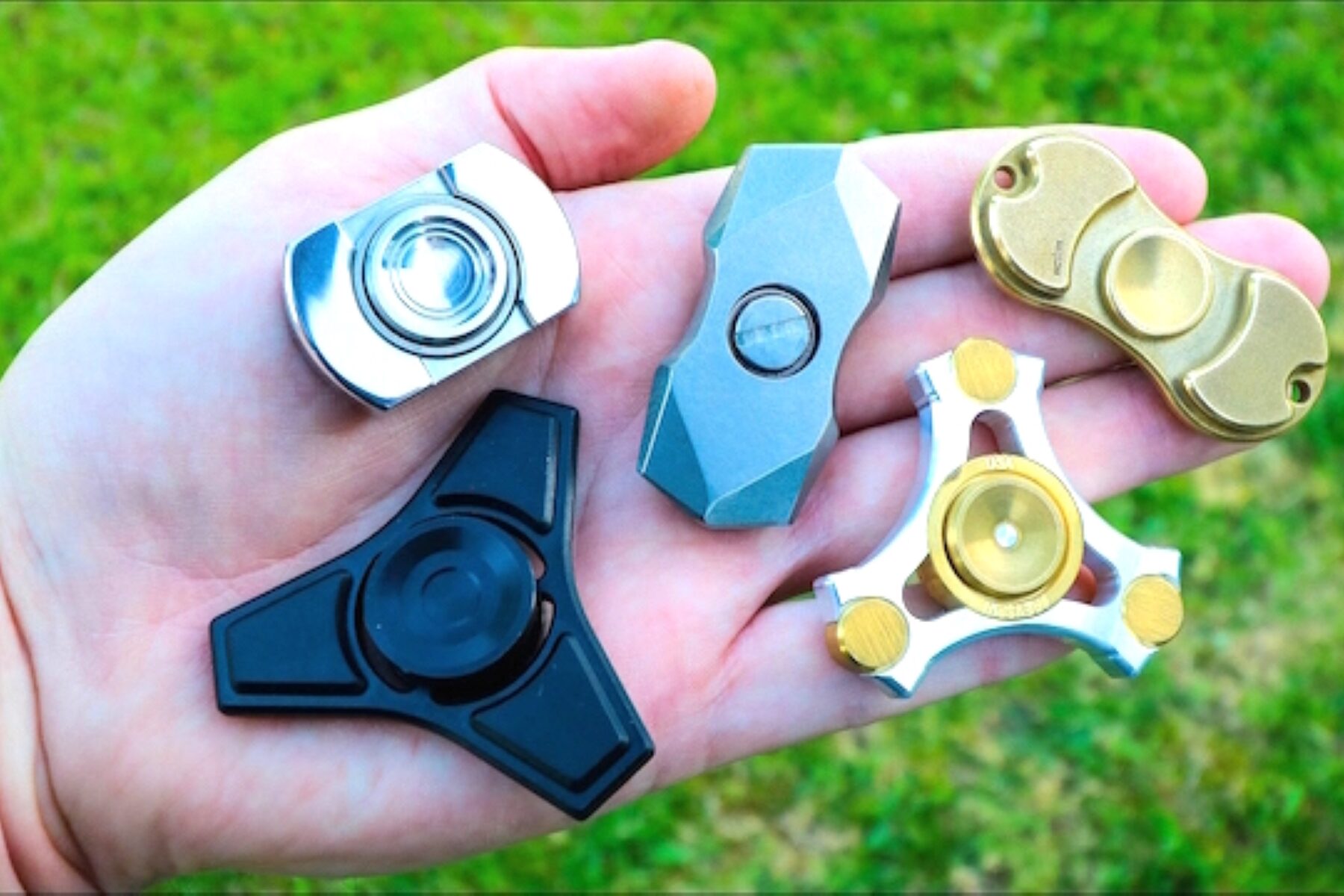
Remember that spring when fidget spinners seemed like the cure for everything? Little palm‑sized toys once marketed as tools to help people focus suddenly became the thing to have. Kids brought them to class, adults fidgeted with them in meetings, and social feeds filled with trick‑spinner clips before you knew it. Malls and toy aisles sold out, and suddenly everyone was practicing fancy spins, trying to impress their friends or post the perfect short video. It was a tiny object with a massive cultural footprint, and it felt like everyone was spinning in sync with the craze.
Then, literally within a few months, interest fizzled. Schools banned them because students couldn’t stop playing, and once that happened, the cool factor dropped just as quickly as it rose. Reddit threads joked about people who bought thousands of spinners only to be stuck holding boxes they couldn’t sell. That’s the funny thing about these bursts of pop culture: one minute they’re indispensable, the next they’re back in drawers gathering dust. Even now, fidget spinners are remembered as a brief, shared obsession that shows just how fast trends can rise and fall.
3. Ice Bucket Challenge Summer
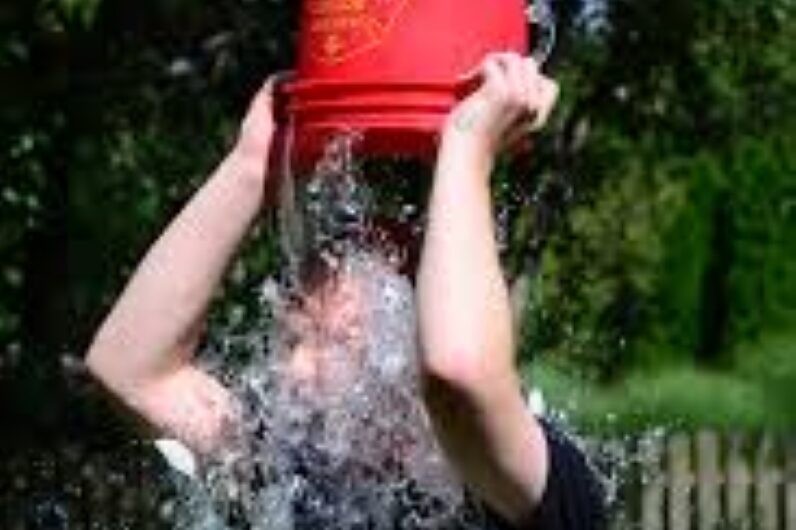
There was a summer in 2014 when seemingly everyone on your feed was dousing themselves with freezing water for a cause that was the ALS Ice Bucket Challenge. Celebrities, friends, neighbors, all poured ice water over their heads while nominating others to do the same, and the stunt actually raised over $115 million for ALS research in just weeks. It was one of those rare moments where a viral trend did some real good, and it was impossible to scroll without seeing someone’s shaky phone video getting tagged as part of the challenge. People laughed, shivered, and shared the joy of helping others in a way that felt completely lighthearted yet meaningful.
But just as quickly as it took off, it cooled off. By fall, the ice buckets were back in storage, the videos were no longer popping up, and that frantic summer of soggy T‑shirts became a collective nostalgic memory. Even though it disappeared from daily conversation, the legacy remained: donations had been made, awareness raised, and thousands of people had joined in on a fun, fleeting community experience. It’s a reminder that some cultural phenomena aren’t meant to last, but their brief moments can have surprisingly long‑lasting effects.
4. Planking Poses
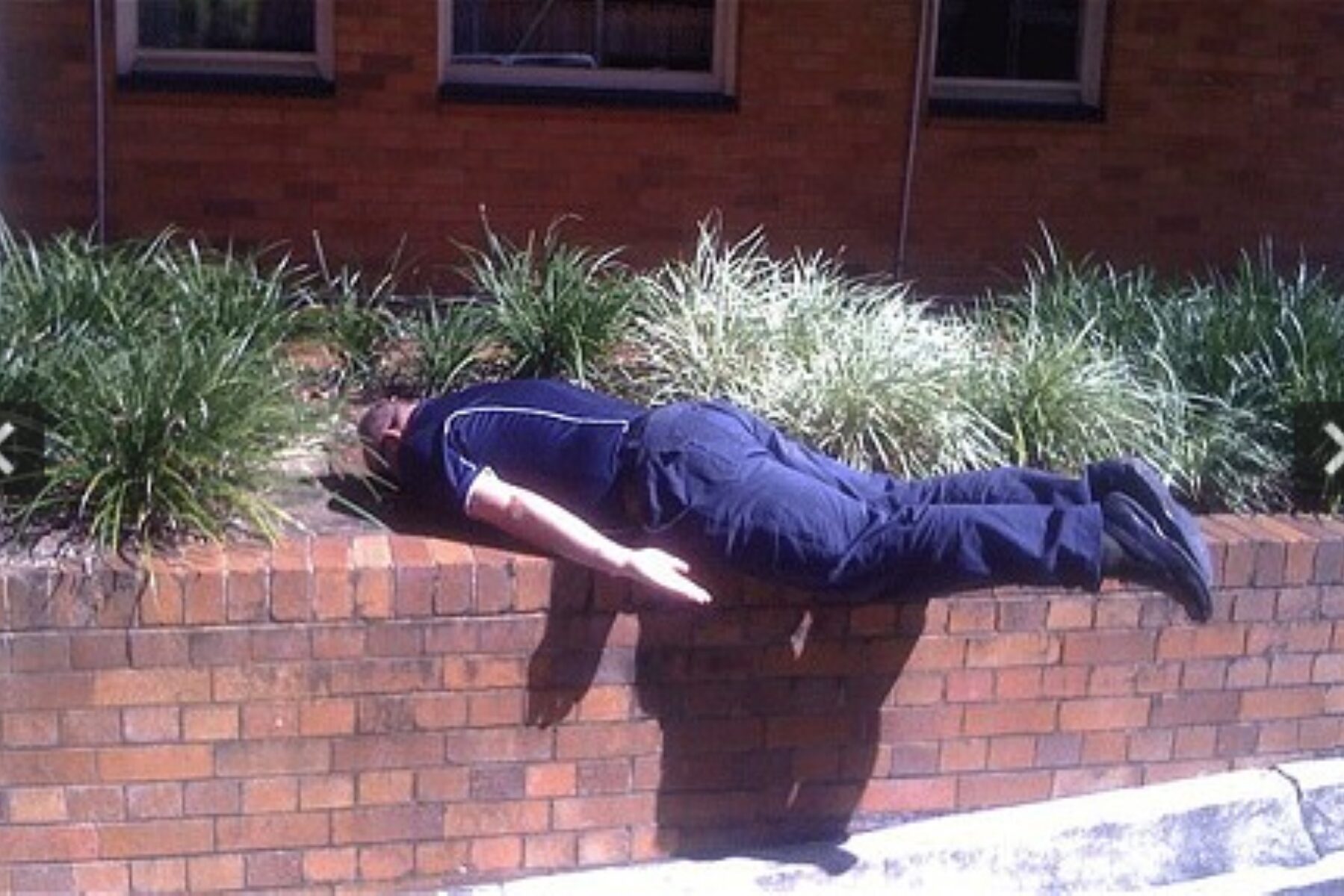
Once upon a time, people thought lying face‑down like a rigid board in random places was peak entertainment, yes, that was planking. In 2011, it spread like wildfire on social media, with photos of friends stretched out on benches, atop cars, and even on some questionable surfaces. Everyone seemed to be doing it, striking that stiff pose like it was a work of performance art, and for a hot minute, planking was the thing to share online. It was absurd and funny, the kind of trend you either joined or watched in baffled amusement.
Then, almost as suddenly as it started, poof planks were packed away, and the hashtag that once trended everywhere became quiet. Looking back, it’s one of those trends that makes you pause and laugh, wondering how something so simple could hammer its way into the spotlight and then vanish. That’s the beauty of viral phenomena: they give us shared laughter, a little ridiculousness to bond over, and then quietly disappear, leaving only memories and awkward photos on old hard drives.
5. Flappy Bird Fad

For a little while in 2014, you couldn’t open an app store without seeing Flappy Bird, a tiny pixel game with a bird bouncing through pipes that was so infuriatingly simple it became wildly addictive almost overnight. The creator said it was just a fun project, but players across the world became obsessed, posting high scores, sharing tips, and celebrating every small victory. It was frustrating, hilarious, and somehow uniting people were competing with friends, strangers, and even celebrities, all trying to master the flapping bird.
Then, in a twist that felt just as sudden as the game’s rise, the creator pulled it from app stores, saying the attention had become overwhelming. Just like that, the conversation quieted, notifications stopped buzzing, and phones were free of the pixelated bird’s frantic wings. If you ask people now, many smile remembering the challenge and the obsessive fun it sparked, yet it’s hardly mentioned today. It’s a perfect example of digital sensations disappearing as fast as they arrive, leaving only stories to tell at the dinner table or on nostalgic scrolls through old phones.
6. Mannequin Challenge Mania

Remember when people froze in place like statues while someone filmed the chaos around them? That was the Mannequin Challenge of late 2016. Everyone from high school teams to celebrities jumped on the trend, creating videos where participants held awkward poses while a camera moved through the scene, often backed by Rae Sremmurd’s “Black Beatles.” It was playful and visually impressive, a fun way to feel like part of a coordinated performance without actually moving. Watching those videos felt oddly satisfying, almost like peeking into a frozen moment in time where creativity met pure silliness.
But like many viral hits, it didn’t last long. Within months, the streams of new videos trickled to a stop, and the frozen people returned to their normal, unfrozen lives. Social media feeds that were once full of contorted poses were back to everyday photos, and hashtags stopped trending. It’s one of those quirks of pop culture that reminds us how quickly attention shifts. For a brief moment, people shared a laugh and a sense of collective artistry, and though it vanished fast, those snapshots of frozen chaos remain a fun memory of a trend that captured the world’s imagination.
7. Pokémon Go Fever
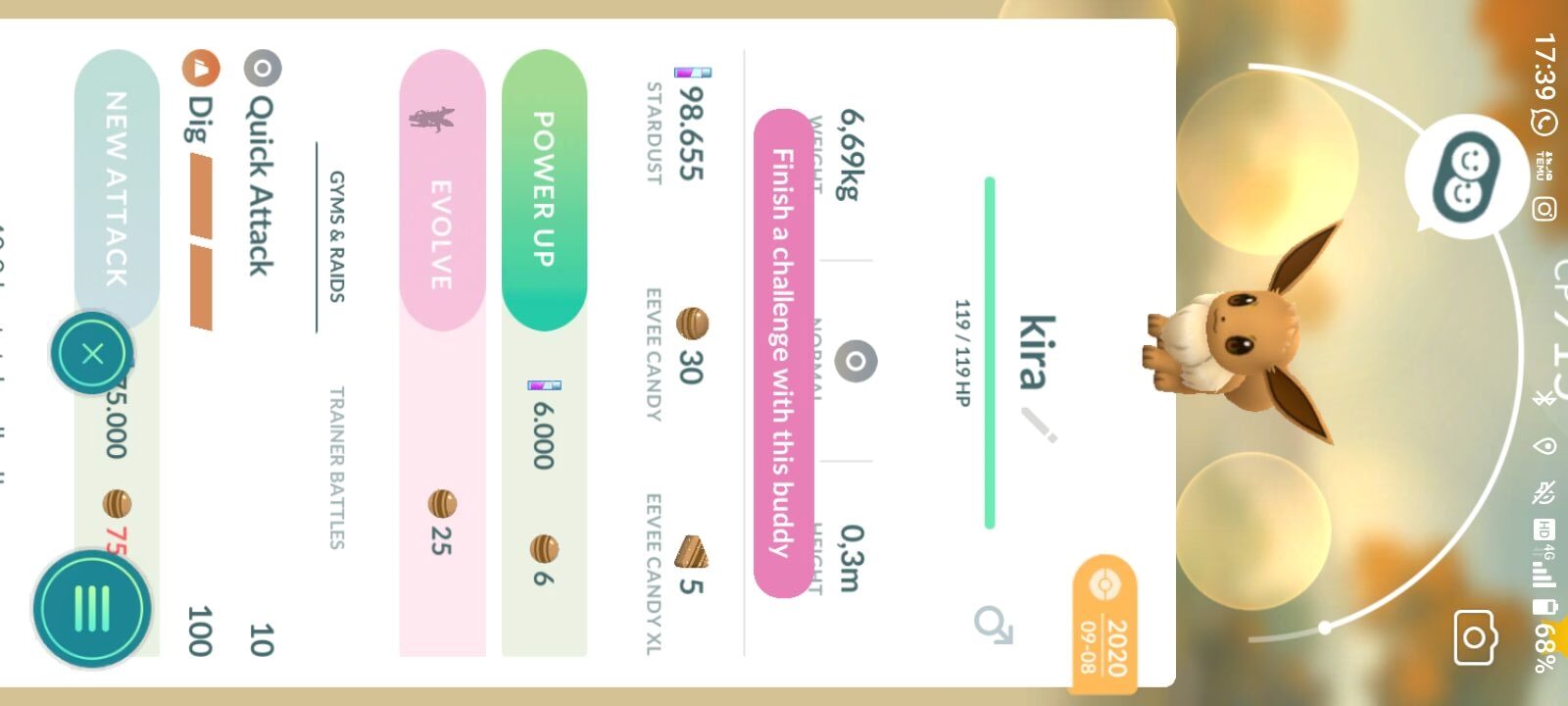
In the summer of 2016, everyone was running around parks, sidewalks, and even stores, staring at their phones, hunting digital creatures. The Pokémon Go craze had officially taken over. It wasn’t just a game; it was a social phenomenon. Families walked together, friends compared catches, and neighborhoods buzzed with strangers bonding over rare Pokémon spottings. The augmented reality magic of seeing a Pikachu on your screen while standing in the real world made it feel like the world had transformed overnight into a giant playground for nostalgic gamers and newcomers alike.
Yet, as quickly as the game dominated daily life, the frenzy cooled. The novelty wore off, and people stopped flocking to the same parks in droves. Online chatter about gyms, raids, and rare Pokémon gradually faded, replaced by the next trending game or viral video. Still, it left an impression: a moment where technology, nostalgia, and community collided perfectly, even if only briefly. For a little while, the streets were alive with energy, reminding us how pop culture can physically move people, and then just as quickly, let life return to its normal rhythm.
8. Bottle Flip Craze

It started as a simple desk trick: flip a partially filled water bottle, land it upright, and watch the internet explode. That was the bottle flip trend around 2016, and suddenly, everyone from kids in classrooms to pros in gyms was trying to perfect their spins. Videos of impossible flips, fails, and trick shots were shared endlessly, and it felt like no hallway, cafeteria, or backyard was safe from a flying bottle. What made it so fun was its simplicity; anyone could try, but few could master the perfect flip, making it addictive and hilarious to watch.
As with many fads, the hype eventually fizzled. Social media feeds moved on, and bottles returned to regular use without the acrobatic flair. While the trend vanished quickly, it gave people moments of shared excitement and joy, a reminder of how a tiny, everyday object can briefly unite everyone in the pursuit of fun. Even years later, flipping a bottle can spark memories of those viral videos and the shared excitement of something so ordinary yet became extraordinary for a short while.
9. Cinnamon Challenge Chaos
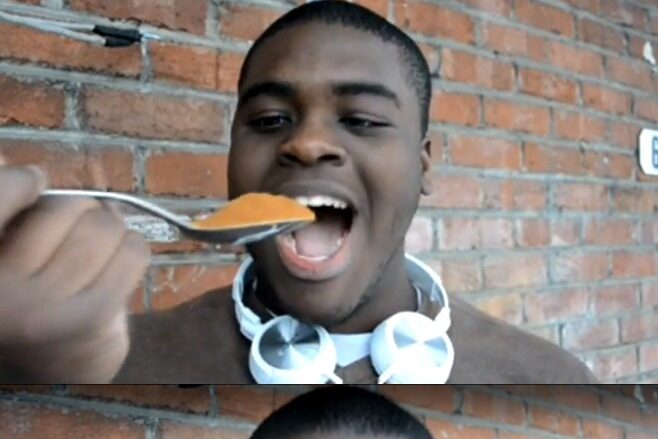
A seemingly harmless dare turned into a social media frenzy: swallow a spoonful of cinnamon without water, which was the Cinnamon Challenge around 2012. Teens and adults posted videos of themselves gagging, coughing, and laughing as the fine powder coated their mouths and noses. It spread fast on YouTube and Vine, becoming a shared moment of humor and bravado. Parents panicked, doctors warned, and yet the trend rolled on because it was daring, funny, and easy to attempt with friends, making it irresistible to younger audiences.
Eventually, the trend hit a wall. Health warnings and the simple repetition caused interest to drop, and the videos disappeared from feeds almost as fast as they appeared. What remains is a humorous anecdote of early social media antics, a reminder of how quickly something shocking can become a collective experience and just as quickly vanish. The Cinnamon Challenge shows how pop culture can be at once entertaining and risky, leaving us shaking our heads but still smiling at the memory of a shared, chaotic moment.
10. Harlem Shake’s Little Cousin — Mannequin Challenge Remix

Not every viral hit needs to reinvent the wheel. After the Mannequin Challenge, variations appeared, frozen scenes set to different songs, choreographed twists, and corporate versions, all attempts to extend the magic. While the original captured global attention, these spin‑offs gave it a short, playful second life. Students, office teams, and even sports clubs tried to recreate the frozen magic, experimenting with humor and style. It felt like a wink at the original trend, a playful remix that added personality without requiring the internet to start from scratch.
However, as with most spinoffs, the novelty didn’t last long. Audiences moved on, leaving these remixes to live quietly in personal archives and old feeds. The lesson is clear: pop culture trends often have short-lived sequels, but they remind us how collective creativity can briefly spark, spread, and vanish. Sometimes, the fun isn’t in how long it lasts, but in how fully it is experienced while it’s here.
11. The Tide Pod Challenge Shock
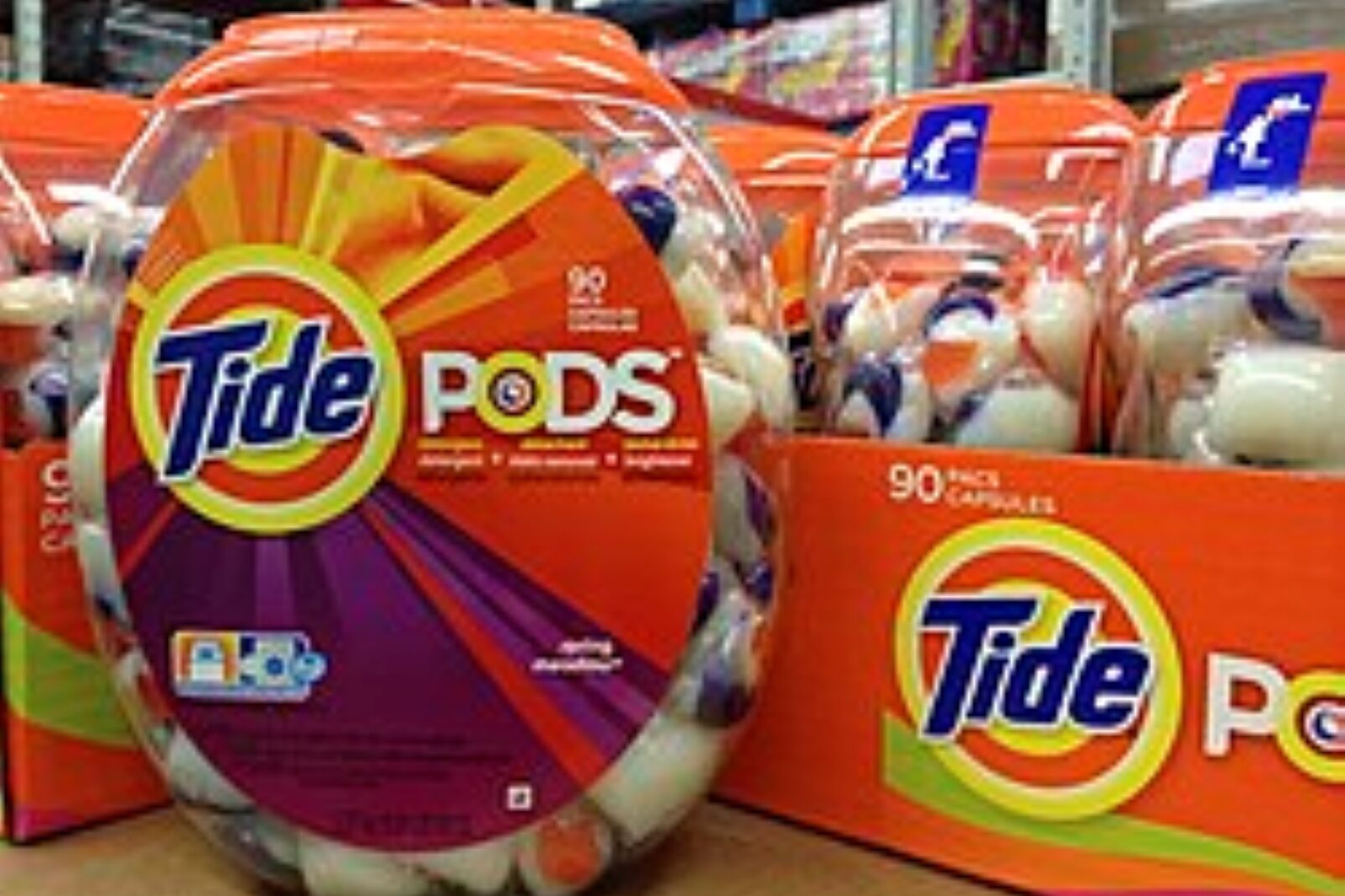
Every so often a trend pops up online that makes people stop scrolling and ask, “Wait, are they really doing that?” The Tide Pod Challenge was one of those moments. Around 2017 and 2018, short videos began circulating of people pretending to bite into the brightly colored laundry pods, something that had originally started as a joke about how candy-like they looked. Before long, the joke morphed into an actual challenge in some corners of the internet, with people filming reactions and daring friends to do the same. News outlets and health experts quickly stepped in with warnings, and the manufacturer itself had to remind people that the pods were never meant to be eaten. As one safety advisory bluntly put it, these products were designed “to clean clothes, not to be consumed.”
The sudden attention made the challenge famous almost overnight, but it also helped shut it down just as quickly. Platforms began removing videos, and schools and parents talked openly about the dangers. Within a few months, the trend faded from feeds and was replaced by safer, more lighthearted challenges. Looking back now, the Tide Pod moment feels like a reminder that not every viral trend is harmless fun. Still, it also showed how quickly the internet can correct course when a joke goes too far, with communities, companies, and creators all stepping in to steer the conversation back toward safer entertainment.
12. Silly Band Snapback
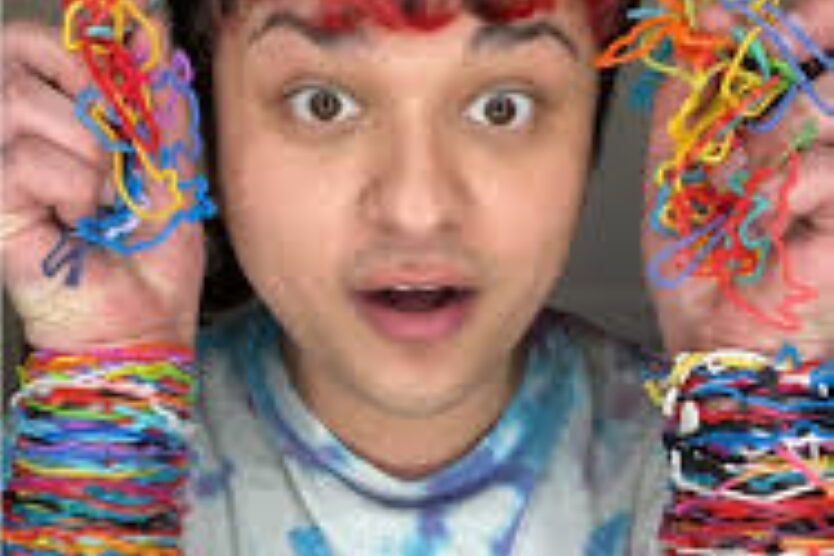
In the early 2010s, Silly Bandz took over playgrounds and lunchrooms. Kids collected them, traded them, and wore dozens on their wrists like tiny bracelets of obsession. Shapes, colors, and characters made each one feel special, and the thrill of completing a collection or finding a rare shape became a social game. Teachers often had to confiscate them, but that only made the craze more fun. Social interaction, small competition, and simple joy combined to make these rubber bands a perfect storm of fleeting pop culture.
But by the next school year, most had vanished from sight. Fads like Silly Bandz move fast, and once the initial excitement wore off, the bands became just another toy in the drawer. Yet for those who lived through it, trading and stacking them remains a fun memory, a snapshot of a moment where collecting small, silly objects was all anyone needed to feel part of a trend.
13. Harlem Shake’s Forgotten Cousin: Tebowing

Before every viral pose, there was Tebowing. Fans of Tim Tebow, the football quarterback, started kneeling dramatically in celebration, and it caught on as a goofy meme for everyone. People Tebowed at work, school, and public events, snapping pictures and posting online. The absurdity of adults and kids pausing mid-action just to kneel in imitation made it irresistible for sharing. It was a short-lived, playful expression that gave everyone a chance to join in a larger cultural joke.
And just as quickly as it appeared, Tebowing vanished. Once the novelty faded, the poses stopped, and social feeds returned to their usual content. It serves as an early lesson in how virality works: it’s not about permanence, but about shared amusement, timing, and simplicity. Even if it’s gone, the idea that anyone can take a small, silly action and turn it into a global joke is still funny to remember.
14. Gangnam Style Surge
In 2012, Gangnam Style exploded worldwide. Psy’s quirky dance, catchy beat, and humorous music video made it impossible to avoid. Schools, offices, and even government offices had people trying the iconic horse ride move. YouTube views skyrocketed, breaking records, and everyone knew the lyrics even if they didn’t speak Korean. It was an infectious phenomenon, combining humor, music, and dance into a global moment that transcended borders.
But soon, like all viral hits, it cooled down. The obsession faded, replaced by the next catchy song or viral video, yet its mark remained: the first video to reach one billion views on YouTube showed just how far a pop culture phenomenon could travel in a matter of weeks. Gangnam Style proved that trends don’t have to last forever to leave a lasting impression, reminding us that the joy is in the experience while it lasts.
15. The Kylie Jenner Lip Challenge Craze

Every so often a trend pops up online that makes people curious enough to try it themselves, even if it looks a little strange at first. Around 2015, the Kylie Jenner Lip Challenge began circulating across social media platforms. Inspired by the noticeably fuller lips of celebrity Kylie Jenner, some teenagers and young adults attempted to recreate the look by placing their lips inside small glasses or bottles and creating suction. The idea was that the pressure would temporarily swell the lips, producing a fuller appearance for photos and videos. Soon, clips of people attempting the challenge spread across platforms like YouTube and Instagram, with participants laughing through the process or reacting to the surprising results. For a short while, it became one of those curious internet moments that people talked about simply because it seemed so unusual.
Not long after the trend gained attention, medical professionals and parents began raising concerns. Dermatologists warned that the suction method could cause bruising, swelling, or even small injuries. As health warnings circulated, the challenge quickly lost its shine, and the internet moved on to the next viral distraction. Looking back now, the Kylie Jenner Lip Challenge feels like another snapshot of how quickly pop culture can take a small idea and amplify it across millions of screens. For a brief moment, it became a shared curiosity online, but like most viral challenges, it quietly faded away as quickly as it appeared.
16. Vine Loops That Stuck
Before TikTok ruled short-form video, there was Vine. Six-second clips became a playground for creativity, humor, and sometimes sheer nonsense. Everyone tried their hand at the perfect loop punchlines, stunts, and mini-skits that left viewers laughing or in awe of someone’s timing. It felt like the internet had a heartbeat in six-second increments, with trends forming overnight and spreading across schools, offices, and social feeds. The energy was contagious, and anyone could join in, making Vine a true pop culture incubator for fleeting fame.
But like many viral phenomena, Vine didn’t last. The platform shut down in 2017, and most of the short-lived stars moved on to other apps or faded from view. Still, the creativity it unleashed has left a mark on digital culture. Memorable clips continue to resurface online, reminding us that even brief moments can shape trends and influence the way we share humor today. Vine’s legacy shows that sometimes the impact outlasts the platform itself.
17. Pokemon Go’s Short Walk
When Pokemon Go first launched in 2016, it was impossible to ignore. Parks, streets, and public spaces were filled with players hunting digital creatures, and everyone seemed to be talking about rare catches and gym battles. Families and friends were bonding over virtual monsters, creating shared experiences in real life that felt magical. The craze demonstrated the power of AR technology combined with nostalgia. Suddenly, our phones made the world feel alive with adventure.
However, interest dropped just as quickly as it rose. Daily posts dwindled, crowds at popular spots thinned, and the conversation moved on. Still, it’s remembered fondly as one of those cultural moments where a game could physically move people and unite them, if only briefly. Pokémon Go’s meteoric rise and fall captures the fleeting nature of pop culture: it’s not about permanence, it’s about capturing a shared thrill while it lasts.
18. The “In My Feelings” Dance Challenge
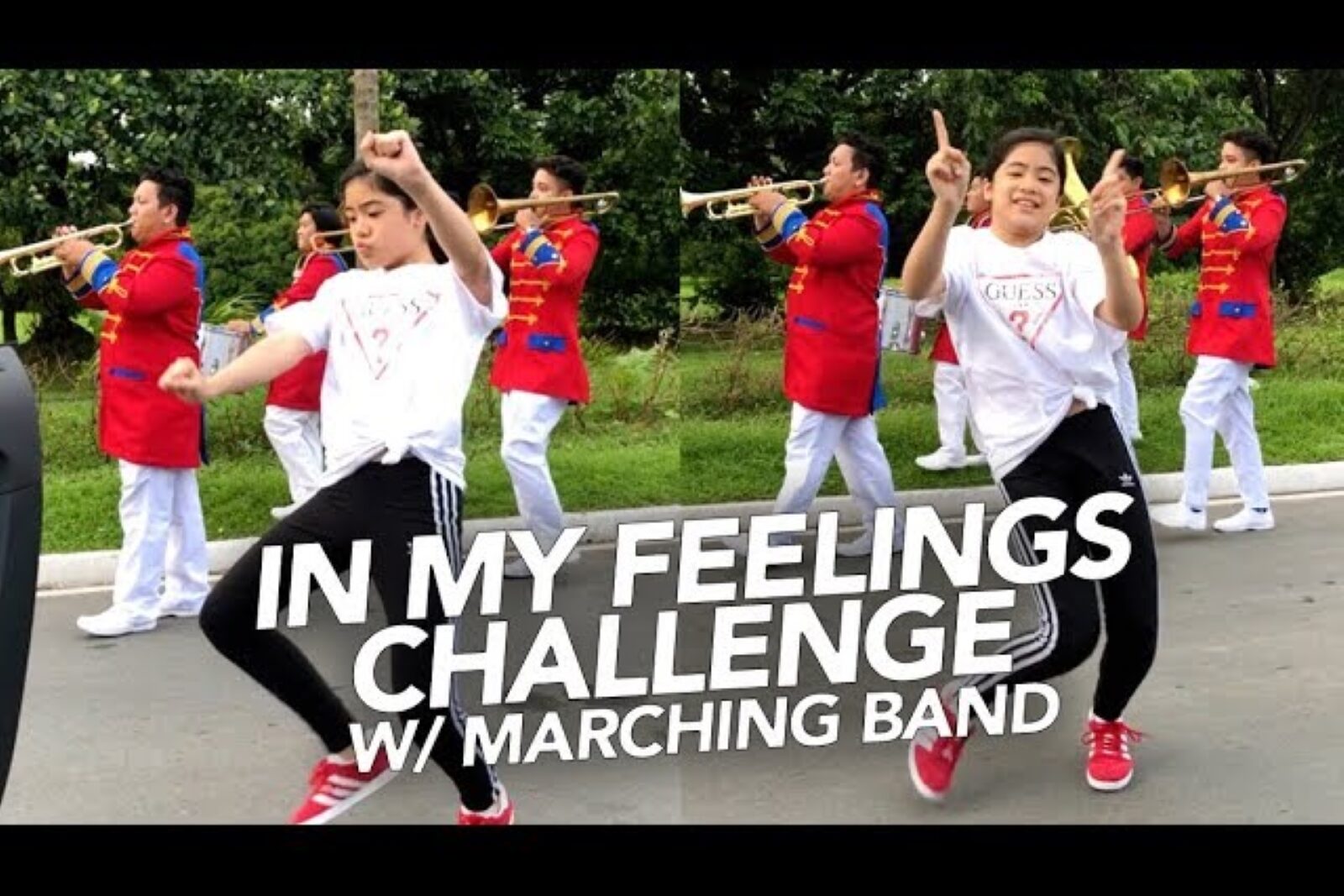
In the summer of 2018, a single song turned sidewalks, parking lots, and front porches into dance floors. The “In My Feelings” Challenge grew from the popularity of Drake’s hit track and encouraged people to step out of their cars and dance alongside the moving vehicle while the music played. The routine itself was playful and catchy, and social media quickly filled with videos of people recreating the moves in neighborhoods, parks, and even outside workplaces. Celebrities, athletes, and everyday fans joined in, helping the challenge spread across Instagram, Twitter, and YouTube. Media observers noted that the trend worked because it was simple and joyful, giving anyone with a phone camera a chance to join the fun.
Like most internet crazes, the excitement didn’t last forever. Safety concerns and the natural rhythm of online trends meant that by the end of the summer, new dances and memes had already begun to take its place. Still, the challenge left behind a vivid snapshot of a moment when a song, a dance, and a smartphone camera connected millions of people. It was one of those lighthearted bursts of pop culture where strangers across the world were laughing, dancing, and sharing the same beat, even if only for a few weeks.
19. Social Media Challenges
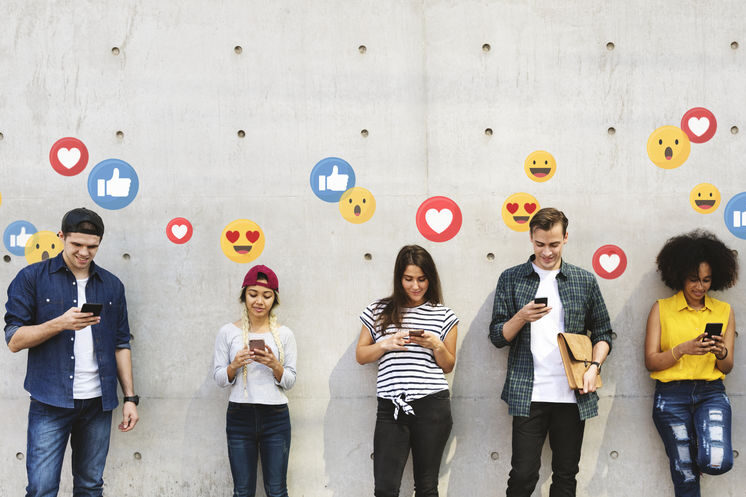
If you’ve spent any time online over the past decade, chances are you’ve seen at least one social media challenge sweep across your feed. One person posts a video attempting something playful or daring, tags a few friends, and suddenly thousands of others are doing the same thing. From dance routines to quirky dares, these challenges often start with a simple idea that’s easy for anyone to copy. As media researchers often point out, “viral challenges thrive on participation because they invite ordinary people to become part of the trend.” That sense of inclusion is exactly what makes them spread so quickly. For a few weeks, everyone seems to be talking about the same challenge, recreating it in kitchens, backyards, classrooms, and office break rooms.
But like many pop culture waves, most social media challenges fade almost as quickly as they appear. One week the internet is full of clips of people attempting the same stunt, and the next week the conversation has moved on to something completely new. Still, these short-lived trends leave a small cultural footprint. They capture a moment when millions of strangers share the same joke, dance, or dare. Looking back, it’s easy to see them as snapshots of internet culture at a particular time. They remind us that while trends may disappear, the joy of briefly participating in something together is what makes pop culture feel alive.
20. Viral Flash Finale
From Harlem Shake to Tebowing, Vine loops to Flappy Bird, the digital world is full of trends that explode into our lives and vanish just as fast. Each phenomenon leaves a trail of shared laughter, excitement, or absurdity that reminds us why we love pop culture: it’s interactive, surprising, and perfectly unpredictable. The beauty is in their fleetingness, the way they create a momentary collective experience that binds strangers, friends, and family in a laugh, a challenge, or a dance.
Ultimately, these vanished trends remind us to enjoy the moment, because nothing lasts forever online except the memories. Even as feeds move on, videos are deleted, and hashtags die, the warmth of having shared a small cultural spark remains. Pop culture isn’t about permanence; it’s about connection, fun, and stories we tell later. So next time you see a trend trending, dive in, laugh, participate, and savor it while it lasts.


