
1. Tonya Harding: Skating Past the Infamy
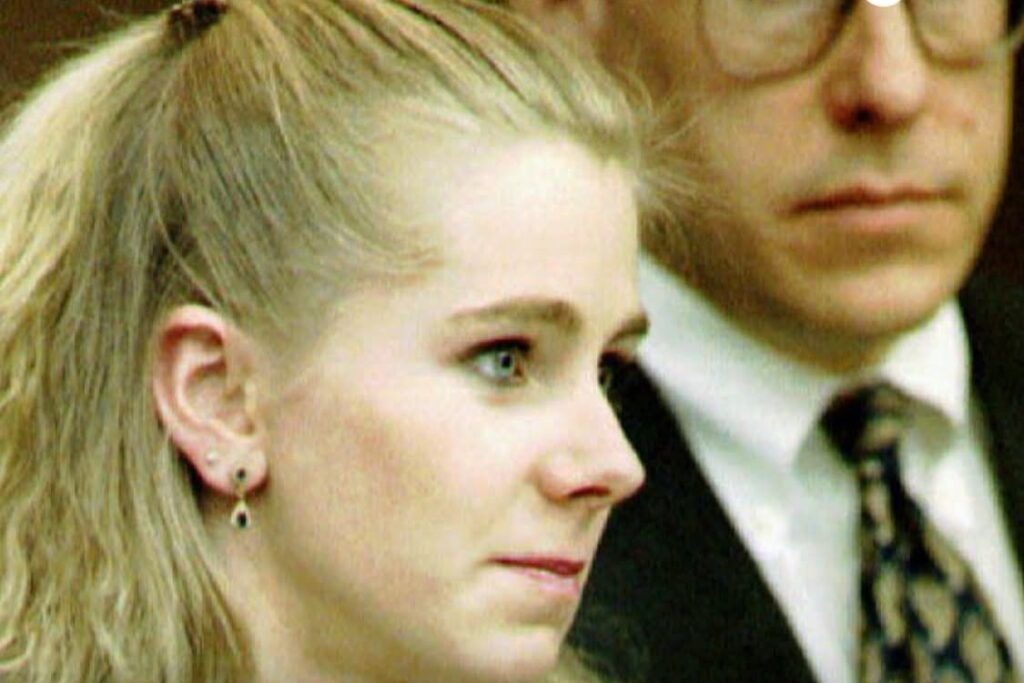
Few scandals in American sports history captured public attention like the one involving Tonya Harding in the mid-1990s. When fellow skater Nancy Kerrigan was attacked before the 1994 Winter Olympics, investigators eventually uncovered a plot tied to Harding’s ex-husband. The scandal exploded into a media spectacle. Harding was banned for life from the U.S. Figure Skating Association, and for many years her name was shorthand for one of sports’ most infamous controversies.
Life after the scandal took unexpected turns. Harding tried professional boxing for a short time, appeared in reality television, and largely stayed out of the spotlight while raising her family. In interviews years later she acknowledged the complicated legacy of the episode. “I’m proud of my accomplishments on the ice,” she told ABC News, reflecting on how the scandal overshadowed her athletic career. More recently, renewed interest in her story came with the 2017 film I, Tonya, which introduced her to a younger generation. Today Harding lives a quieter life in Washington state, occasionally speaking about resilience and second chances.
2. Monica Lewinsky: Turning a Painful Past Into Advocacy
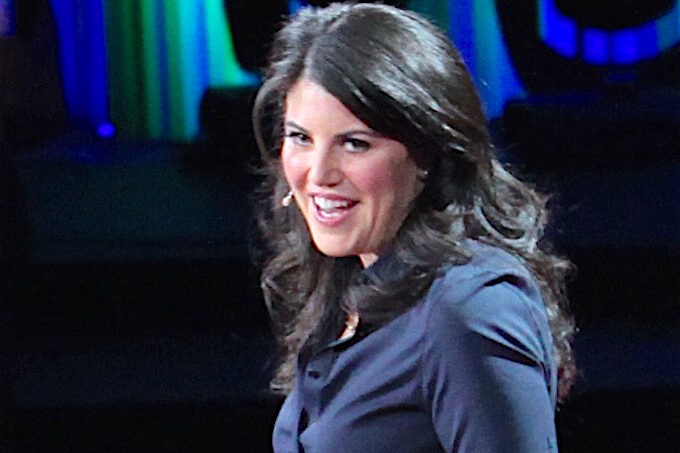
In the late 1990s, Monica Lewinsky became one of the most recognizable names in America when her relationship with President Bill Clinton triggered a political and cultural firestorm. The scandal dominated headlines for months and played a major role in the impeachment proceedings against Clinton. For Lewinsky, the experience was deeply personal and often humiliating as intense media scrutiny followed her everywhere.
Years later, Lewinsky gradually reclaimed her voice. Rather than disappear from public life entirely, she chose to speak about the lasting impact of public shaming and online harassment. In a widely viewed TED Talk she said, “Public humiliation as a blood sport has to stop,” reflecting on how her experience foreshadowed the social media age. Lewinsky later became an advocate against cyberbullying and worked with organizations focused on digital ethics and empathy online. While the scandal remains part of her story, she has steadily reshaped her public image into one centered on advocacy and thoughtful reflection about how society treats people after their lowest moments.
3. Richard Jewell: The Security Guard Who Became a Suspect
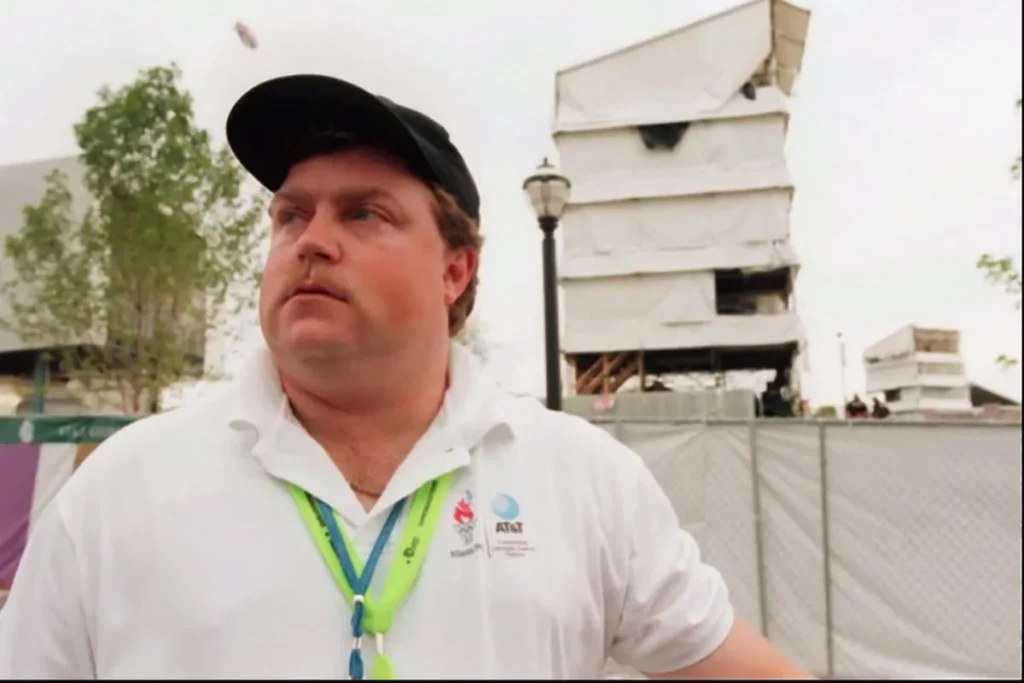
When a bomb exploded during the 1996 Summer Olympics in Atlanta, security guard Richard Jewell was initially hailed as a hero for helping evacuate the area. Within days, however, media coverage shifted dramatically after he became the focus of an FBI investigation. For weeks Jewell lived under intense suspicion as news outlets speculated about his possible involvement.
Ultimately, Jewell was cleared of wrongdoing, and the real perpetrator was later identified. But the damage to his reputation had already been done. Jewell later said the experience permanently changed his life. “They convicted me before I ever had a trial,” he once told reporters while reflecting on the media frenzy. He went on to work in law enforcement in smaller communities and filed defamation lawsuits against several news organizations, settling some of them. In later years, public perception of Jewell softened, especially after documentaries and films revisited the case. He died in 2007, but his story continues to be cited in discussions about media responsibility and the dangers of rushing to judgment.
4. Eliot Spitzer: From Political Fallout to Media Commentary
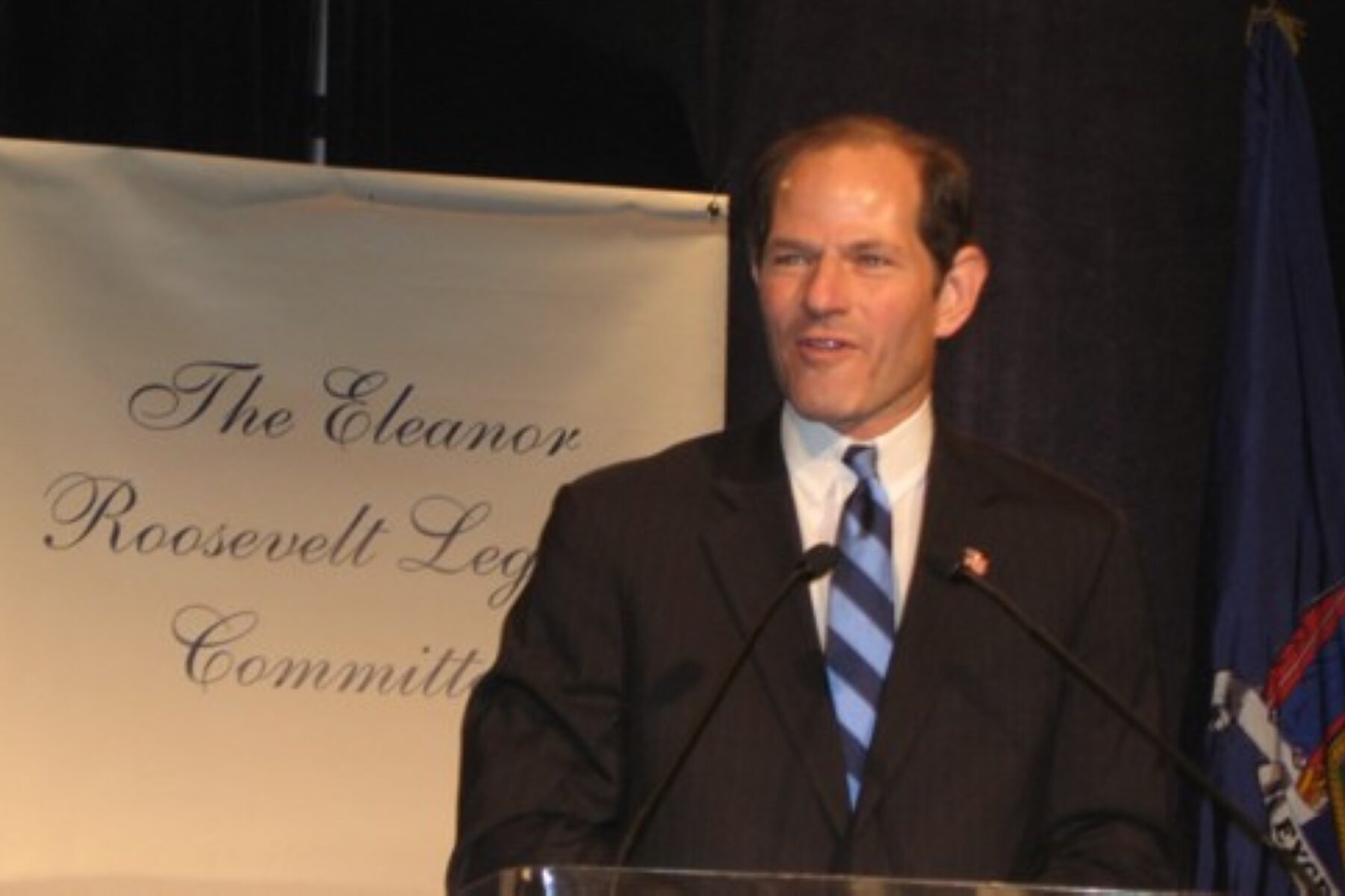
Eliot Spitzer was once known as the hard-charging governor of New York who built his reputation as a corruption-fighting attorney general. That image collapsed in 2008 when investigators revealed he had been involved in a prostitution ring. The revelation forced his resignation and ended what many believed would be a long political career.
Spitzer did not disappear from public life entirely. In the years following the scandal he transitioned into media, hosting television programs and offering commentary on politics and finance. Reflecting on the fallout years later, he told New York magazine that the experience forced him to rethink his life and priorities. Though he attempted a political comeback with a run for New York City comptroller in 2013, voters ultimately rejected the bid. Still, Spitzer remained active in public conversations about economics and government oversight. His story illustrates how a public figure can remain engaged in national dialogue even after a scandal reshapes their career trajectory.
5. Martha Stewart: Rebuilding a Brand After Prison
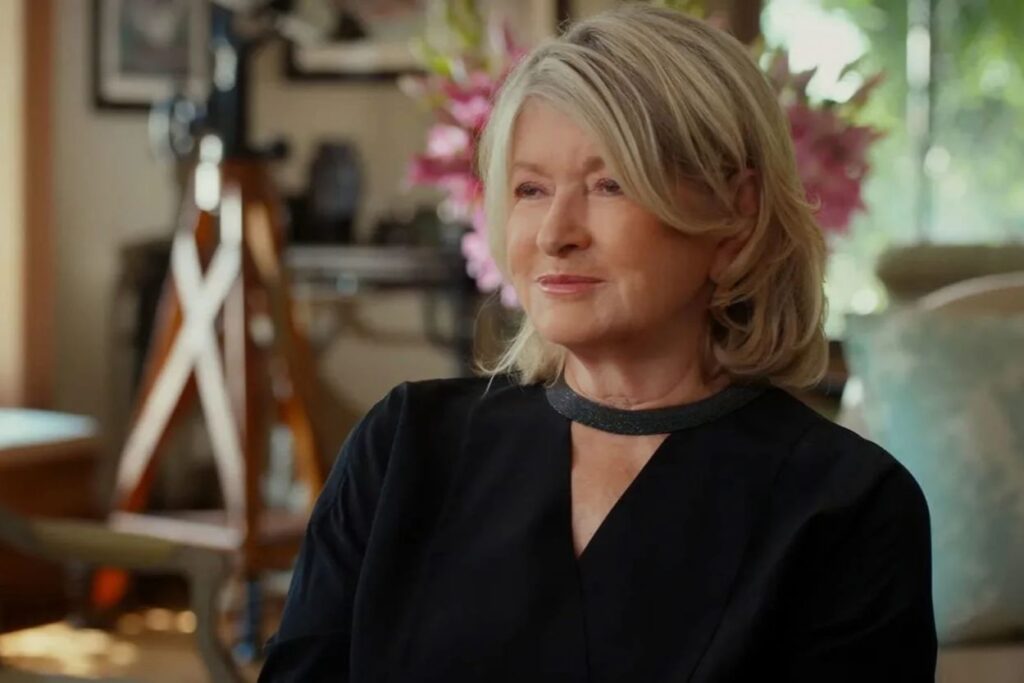
When lifestyle mogul Martha Stewart was convicted of charges related to insider trading in 2004, it shocked many Americans who associated her brand with polished domestic perfection. She served five months in federal prison, and for a time it appeared her business empire might not recover from the damage.
Instead, Stewart staged one of the more notable comebacks in modern business culture. After her release she returned to television, publishing, and product partnerships. Over time her public image softened, and audiences seemed willing to embrace her again. In interviews she often spoke candidly about the experience, once telling NBC that the ordeal made her “stronger and more focused.” In the years that followed she collaborated with unexpected partners and even leaned into humor about her past. Today Stewart remains a recognizable figure in American lifestyle media, proving that reputation setbacks do not always mean the end of influence or public affection.
6. Anthony Weiner: A Political Career That Never Fully Recovered
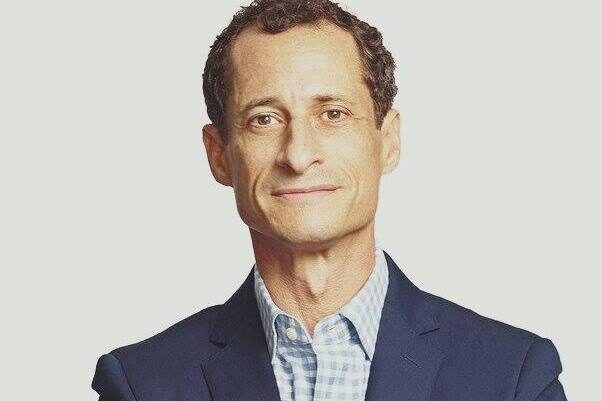
Anthony Weiner was once considered a rising star in Congress. Known for his energetic television appearances and outspoken political style, he seemed destined for a larger national role. That trajectory changed dramatically when explicit messages he sent online became public in 2011. The scandal forced his resignation from Congress.
Attempts to rebuild his political career proved difficult. A run for New York City mayor in 2013 briefly revived his visibility but quickly collapsed after additional revelations surfaced. The situation worsened later when further legal troubles resulted in a prison sentence. Reflecting on the pattern of mistakes, Weiner admitted in interviews that his behavior had damaged both his career and personal life. Since completing his sentence he has largely stayed away from public office and worked in private sector roles. His story is often cited as an example of how repeated scandals can permanently alter a political career that once appeared full of promise.
7. Ryan Lochte: Moving Forward After the Olympic Controversy
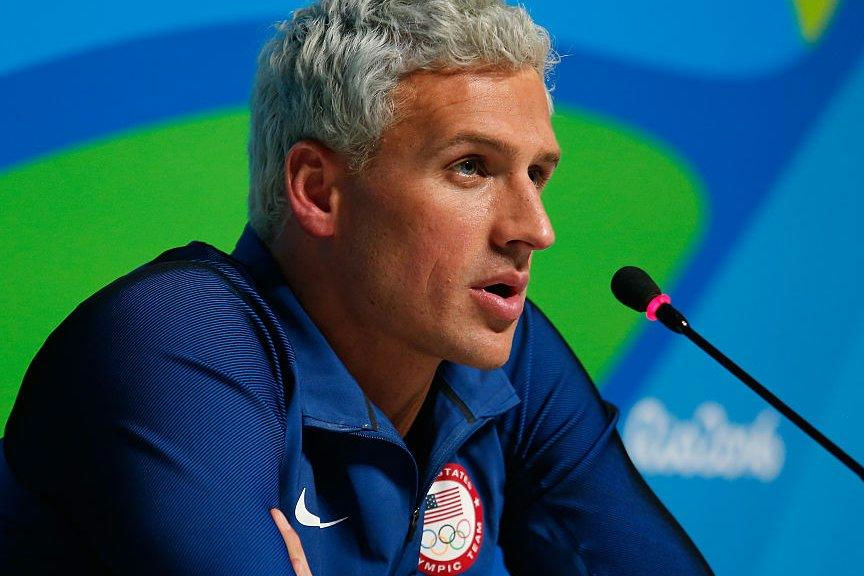
During the 2016 Rio Olympics, swimmer Ryan Lochte became the center of a controversy after claiming he had been robbed at gunpoint. Investigations later revealed the story was exaggerated, sparking international headlines and disciplinary action from swimming authorities.
In the years that followed, Lochte worked to repair his reputation. He issued public apologies and acknowledged his mistakes, telling reporters that he had “learned a lot” from the experience. Despite suspensions from competition, he eventually returned to the pool and continued training for future events. Lochte also appeared on television programs and focused on family life while maintaining a connection to the sport that made him famous. His career never quite returned to the same heights as before the incident, but he has remained part of the swimming community. The episode stands as a reminder that public missteps can linger long after the initial headlines fade.
8. Lori Loughlin: Reentering the Spotlight After the College Admissions Scandal
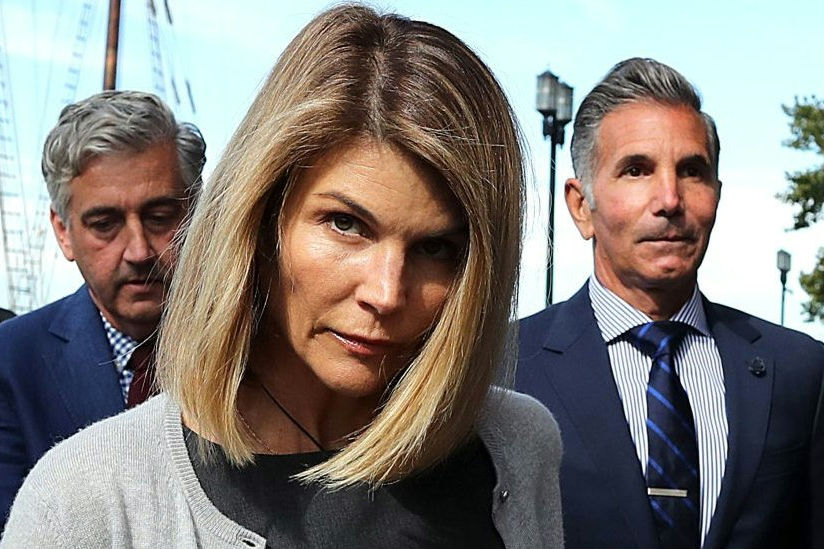
The 2019 college admissions scandal drew widespread attention when prosecutors revealed that wealthy parents had paid large sums to secure spots for their children at elite universities. Actress Lori Loughlin, beloved for her role on the television show Full House, was among those charged in the scheme.
After initially fighting the charges, Loughlin and her husband eventually pleaded guilty. She served a brief prison sentence and paid fines as part of the legal resolution. In a statement through her attorney, Loughlin expressed regret for her role in the scheme and acknowledged the harm it caused. Over time she began cautiously returning to acting projects, particularly with networks that had previously worked with her. The process of rebuilding her career has been gradual, and public reactions have been mixed. Yet her story reflects a common pattern in scandal narratives: the slow and often uncertain effort to move forward after a highly public fall from grace.
9. Elizabeth Holmes: From Silicon Valley Star to Prison Sentence

For a time, Elizabeth Holmes was celebrated as one of Silicon Valley’s most promising entrepreneurs. As the founder of Theranos, she claimed to have developed revolutionary blood-testing technology that could transform healthcare. The company attracted powerful investors and enormous media attention.
Investigations by journalists and regulators later revealed that the technology did not work as advertised. The fallout was swift. Theranos collapsed, and Holmes faced multiple criminal charges tied to fraud allegations. In 2022 she was convicted on several counts, and the case became one of the most closely watched business scandals of the decade. The Wall Street Journal reporter who first exposed problems with the company noted during interviews that the story demonstrated “the importance of skepticism in Silicon Valley’s culture of hype.” Holmes is now serving a federal prison sentence. Her rise and fall continues to be discussed in books, documentaries, and podcasts exploring the limits of ambition in the tech industry.
10. Felicity Huffman: A Quiet Return After Legal Consequences
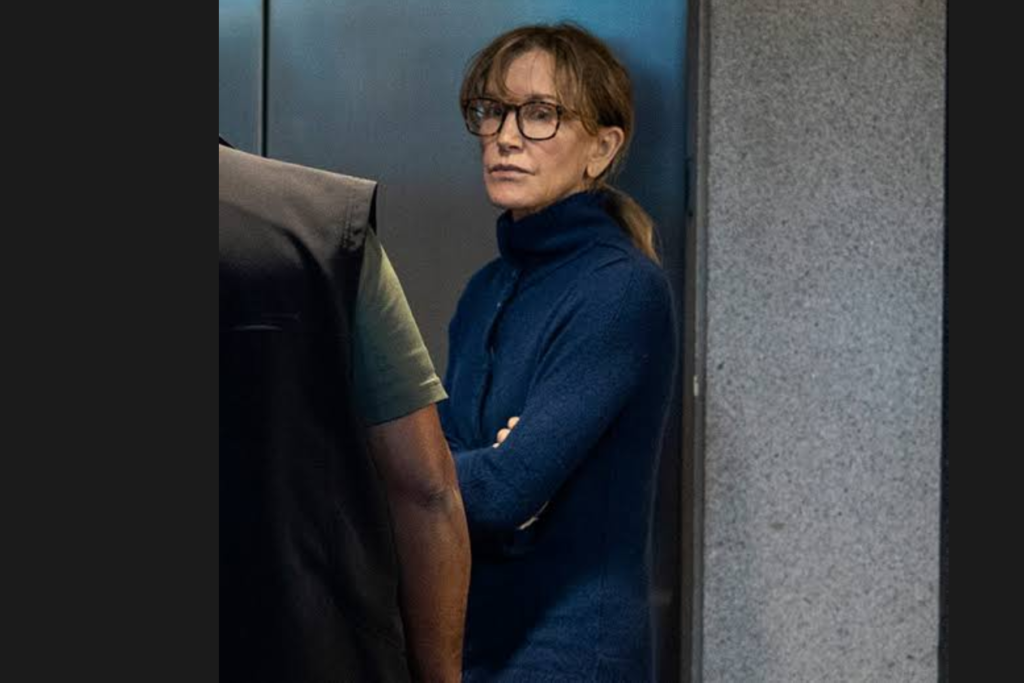
Felicity Huffman’s involvement in the same college admissions scandal placed the award-winning actress in an uncomfortable spotlight. Unlike some other defendants, Huffman quickly pleaded guilty to paying a consultant to manipulate her daughter’s SAT exam score.
She served a short prison sentence and publicly apologized for her actions. In a statement released to the court she said, “I am deeply ashamed of the pain I have caused my daughter, my family, my friends, and my colleagues.” After completing her sentence, Huffman stepped away from acting for a period of time before slowly returning to select projects. Industry observers noted that her early acceptance of responsibility likely helped ease her path back into professional work. Today her career continues in a quieter way than before the scandal. Her story reflects how accountability and time sometimes allow public figures to begin rebuilding trust, even when the memory of the controversy still lingers.
11. Paula Deen: Rebuilding a Culinary Career After Controversy

For years, Paula Deen was one of the most recognizable faces in American cooking. Her butter-rich Southern recipes and friendly television personality helped build a large media empire that included cookbooks, restaurants, and popular shows on the Food Network. That image shifted dramatically in 2013 when a lawsuit and subsequent deposition revealed that she had used racial slurs in the past. The backlash was swift. Major business partners cut ties, television deals disappeared, and Deen’s once dominant presence in the food media world suddenly faded.
In the years that followed, Deen focused on rebuilding her career piece by piece. She issued public apologies and acknowledged the hurt her words had caused. Speaking with Today, she once reflected, “I believe every one of us falls short at times.” Gradually she returned to television through online cooking shows and smaller network appearances, while her restaurants continued operating in parts of the South. Though she never fully regained the massive media platform she once had, Deen maintained a loyal fan base that continued to support her recipes and cookbooks. Her story shows how a public figure can continue working in their field even after a controversy reshapes how the public sees them.
12. Lance Armstrong: Life After One of Sports’ Biggest Falls
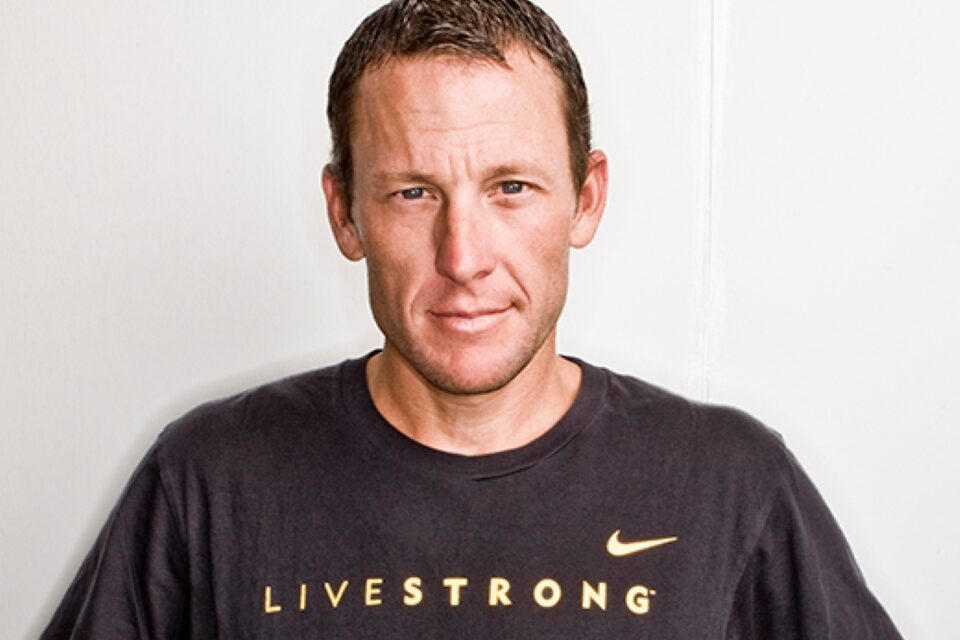
For more than a decade, Lance Armstrong was widely admired for his remarkable cycling victories and his inspiring comeback after surviving cancer. His seven Tour de France titles made him an international sports icon, and his Livestrong foundation raised millions for cancer awareness and support. But years of doping allegations finally caught up with him in 2012 when a major investigation by the U.S. Anti-Doping Agency concluded that he had used performance-enhancing drugs throughout much of his career.
The fallout was enormous. Armstrong was stripped of his Tour de France titles and banned from professional cycling for life. In a 2013 interview with Oprah Winfrey, he admitted to using banned substances, saying, “I made my decisions. They are my mistake.” Since then, Armstrong has largely stayed outside competitive sports but has remained active in endurance athletics and business ventures. He hosts a podcast about cycling and endurance sports and occasionally participates in charity events. While the scandal permanently altered his legacy in the sport, his story remains a complex one, often cited when people talk about ambition, pressure, and the consequences that can follow success.


