
1. Venice’s Layered Costs
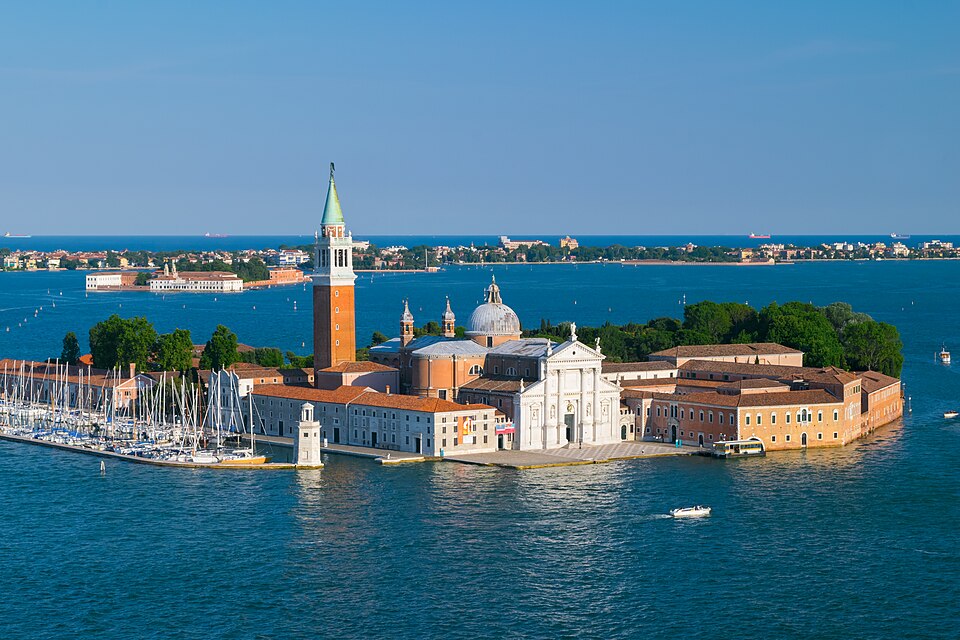
Venice can feel like a fairytale the minute you step off the train, but the enchantment often comes with small fees that stack up quickly. Once known as the City of Canals, it now greets many visitors with a daily day‑tripper charge designed to manage overtourism; you might pay around €5 on certain peak days just for entering without an overnight stay. On top of that, hotels and guesthouses add their nightly “tourist tax,” water taxis cost far more than a bus ride in another city, and even basic public restrooms often require coins.
That’s the part that surprises a lot of travelers. You didn’t necessarily see all these extra charges when you checked flight prices or booked a room, and suddenly you’re weighing the cost of a gelato against a gondola ride. It’s not that Venice is unfriendly or overpriced across the board, but knowing ahead of time that there’s a city entry cost, accommodation levies, and plenty of little transport and service charges can help you budget more realistically. Let this be a cue to always check for local taxes and small fees before you go, and if you’re planning a Venetian getaway, set aside a bit extra so you can savor the beauty without the stress. See what tips you can pick up before your next trip.
2. Paris’s Tourist Tax Jump
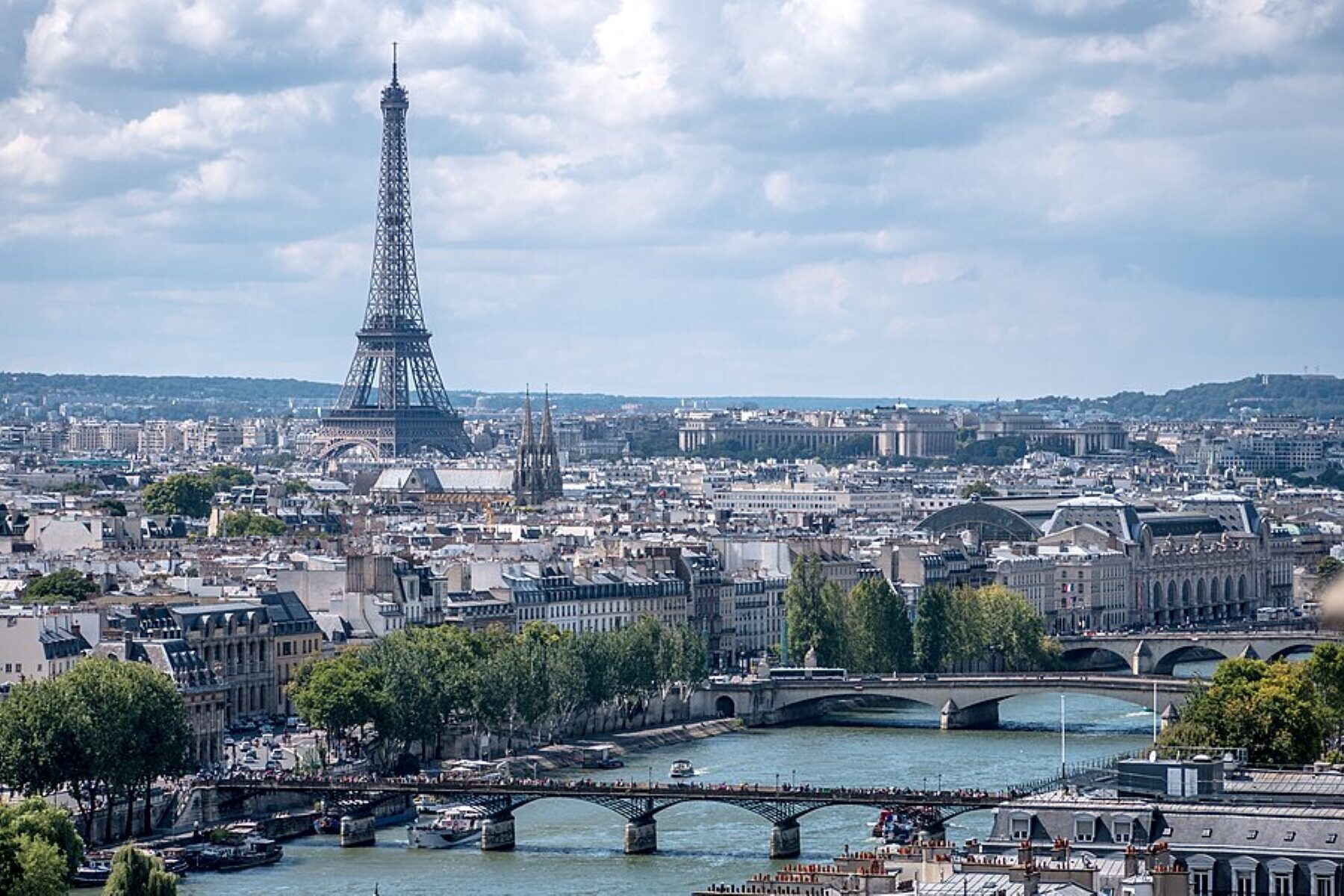
Paris is a city where romance and history meet café culture on every corner, but even here, the cost of living in the moment can creep up in ways visitors don’t always anticipate. In recent years the city significantly increased its per‑night tourist tax ahead of big events like the Olympics, meaning staying three or four nights could easily add well over a hundred euros to your bill before meals or museum tickets. Many travelers also encounter service charges on restaurant bills and booking fees on museum or attraction tickets that aren’t obvious when you first look at the headline price.
It’s not unique to Paris, it’s just one of the more famous places where these subtle costs add up fast, but it does make for a good story about why checking the fine print matters. Whether you’re strolling along the Seine or watching the sunset from Sacré‑Cœur, that little tourist tax can turn a seemingly affordable trip into something unexpectedly pricey. The takeaway? Always factor in city taxes and booking or processing fees when planning your budget so you can enjoy the City of Light without hidden surprises. Want more tips on avoiding sneaky travel fees?
3. New York City’s Surprise Charges

New York City is often a dream destination, with Broadway, skyline views, and world‑class museums, but even here, the cost of that dream can be peppered with fees you didn’t budget for. For years, visitors have been frustrated by hotels tacking on resort‑style destination or service fees that weren’t included in the initial rate they saw online. These extra charges are often mandatory, covering things like “amenities” you might never use, and they can add $20 to $50 or more per night to what you thought was your final price.
The good news is that the city is starting to tackle this issue with new rules requiring full price disclosure up front, so travelers know what they’re signing up for before they click “book.” But until that kind of transparency becomes widespread, it’s wise to double‑check whether a hotel’s advertised rate really includes all mandatory fees, occupancy taxes, and potential credit card holds before you arrive. With a little preparation, you can make sure that your next New York adventure is memorable for the right reasons, not the surprise charges. Looking for the next city on this list?
4. Las Vegas’s Resort Fees
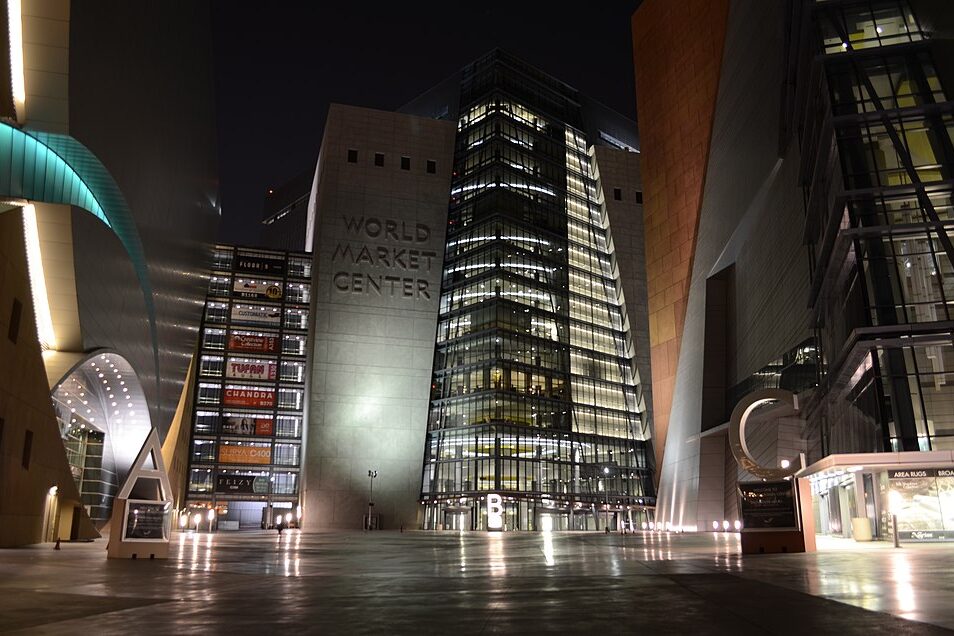
Las Vegas might be known for its bright lights and big jackpots, but many travelers are surprised to find that the price on their booking confirmation isn’t the price they actually pay. On The Strip, daily resort fees are practically standard, tacked on regardless of whether you use the gym, pool, or free coffee that they’re supposedly covering. Add in parking fees, event charges, and dining markups near the big casinos, and the bill climbs fast compared to what you thought you were signing up for.
It’s the kind of thing that makes a weekend escape feel far more expensive than the flyer or deal you snagged promised. The reality of these extras doesn’t mean you should skip Vegas, just that a little advance checking, especially on hotel and resort fees, can keep your budget feeling more in control. There’s no shame in asking a front desk or booking agent what all the line items are before you reserve. Curious about more cities like this?
5. Amsterdam’s Incremental Tourism Taxes
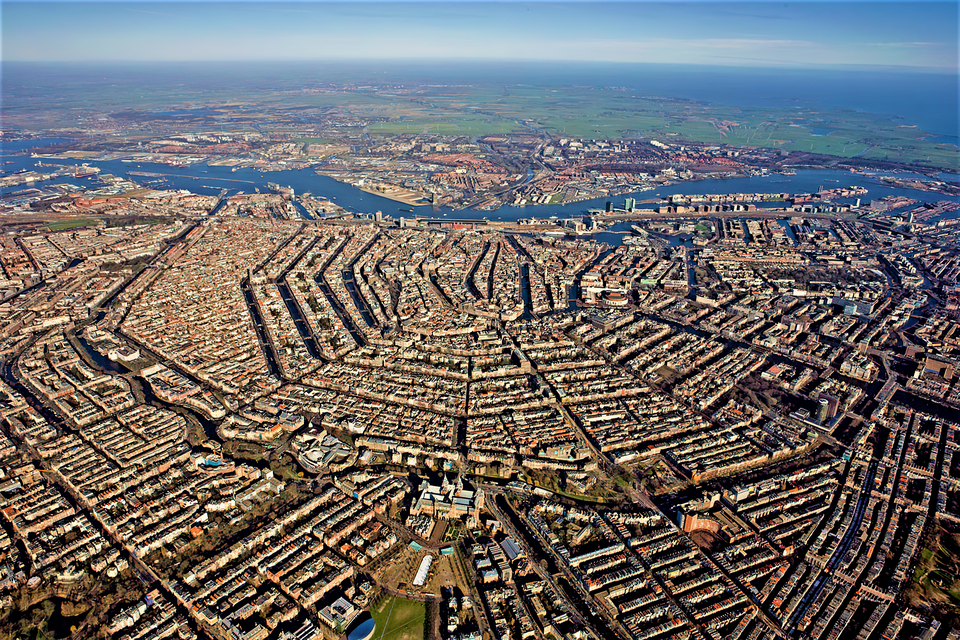
Amsterdam’s charm is undeniable, with its canals, cycling culture, and cozy cafés, but like many European cities, it quietly layers in tourist taxes and fees that don’t always show up in your initial travel search. Hotels here often charge a per‑night city tax, short‑term rentals tack on extra percentages, and even basic bike rentals might include unexpected deposits or insurance costs. Public restrooms frequently require a small payment, and airport transit surcharges or transport fees can pop up when you least expect them.
For visitors unfamiliar with structured tourism funding schemes, it can be a surprise that these tiny costs multiply over a three or four-day stay. The key is awareness: knowing that Amsterdam, like many beloved destinations, funds its infrastructure with these little levies helps you plan ahead so you can focus on exploring the Jordaan or Rijksmuseum rather than fretting over the budget. Have you thought about how many small charges can add up during a trip?
6. Rome’s Historic Fees
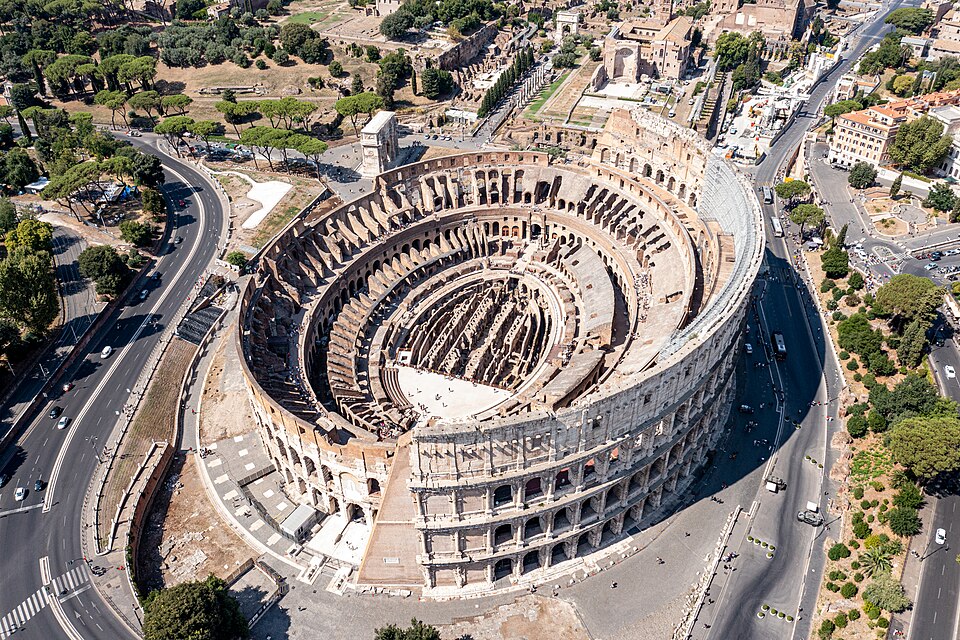
Rome is timeless, but its pricing practices can feel very much of the modern world, especially when extra charges show up across accommodation, attractions, and even transit. Hotels apply nightly tourist taxes, the Colosseum and Vatican Museums often include reservation or booking fees, and even some restaurants or transit systems have penalties or surcharges that aren’t obvious until you’re right in the moment. It’s the kind of “hidden” cost that makes that perfect espresso after a long day of sightseeing feel more like an unwelcome budget line than a treat.
Travellers who aren’t prepared can find themselves juggling museum booking fees with unexpected transport fines or service charges on meals that weren’t clearly explained. That doesn’t make Rome any less magical; it just means that a little extra planning goes a long way. Whether you’re walking through the Forum or tossing a coin in the Trevi Fountain, understanding that small fees may pop up helps you approach your trip with peace of mind, not panic.
7. Barcelona’s Service and Seat Charges

Barcelona has that irresistible blend of sun, art, and tapas, but many visitors discover that the price on the menu isn’t always the price on the bill. Cafés and restaurants sometimes add service charges or “cover” fees simply for seating you, particularly in the more tourist‑heavy areas near La Rambla or the beach. These little add‑ons can feel odd if you’re expecting yet another straightforward plate of paella.
This isn’t a scam, it’s just part of local hospitality culture that isn’t always clear to visitors who come from places without this practice, but it’s the sort of thing that can make a lunch that seemed affordable start to creep into “wow, that was a lot extra.” Between café fees, city tourist levies on stays, and occasional transport costs that aren’t obvious until you’re buying tickets, Barcelona can remind you why reading the fine print feels like a travel skill of its own. The trick? Ask about service charges before you order and build a little cushion into your travel budget so you enjoy sunny piazzas without the surprise. Want to keep going?
8. London’s Congestion Charge Reality
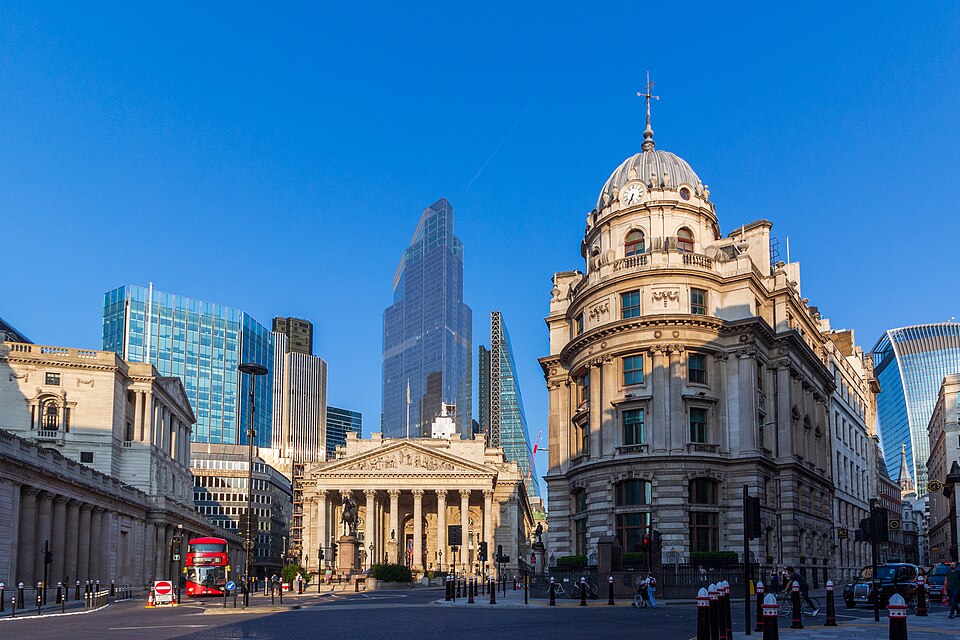
London is legendary for its history and double‑decker views, but there’s a stealth fee that surprises a lot of first‑time visitors: the Congestion Charge in central areas. Driving into parts of the city during peak times can cost more than £15 in a day, and that’s before parking, tolls, or Ubers get added to the tally. It’s not advertised alongside flight or hotel prices, but once you’re there and decide a rental car is easier than the Tube, it shows up fast.
Then there are the accommodation taxes, and don’t forget the fact that many train and bus travel cards require topping up or booking ahead to avoid premium costs. All of these little charges add up in a place where every red phone booth and historic stop feels Insta‑worthy, but your wallet may raise an eyebrow if you didn’t plan for these extras. A friendly hint? Take the Tube, walk when you can, and research transport fees before you land so your London adventure is rich in experience, not surprises. Curious about the next?
9. Tokyo’s Convenience Fees and Transport Costs
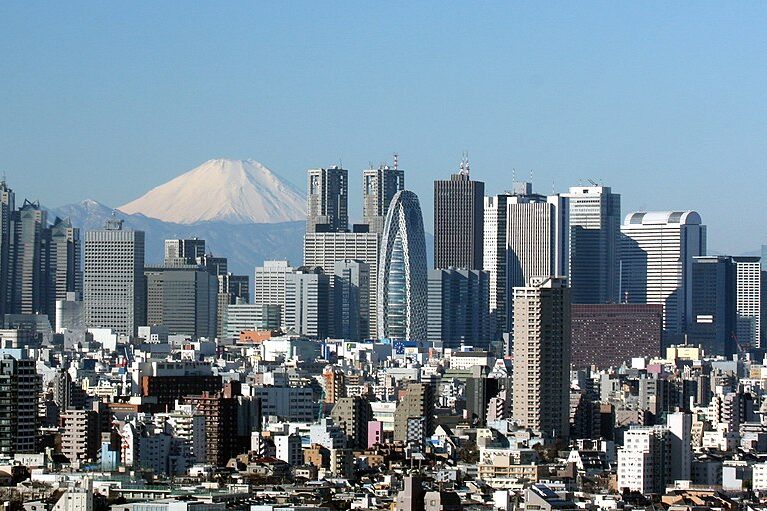
Tokyo dazzles with neon, culture, and impeccable efficiency, but life in Japan’s capital can come with small charges most travelers don’t budget for. Many hotels, hostels, and even ryokans apply tourist or accommodation taxes that you don’t see until checkout, plus there are sometimes surcharges for luggage handling or early check‑in. Train tickets can also get tricky if you hop between companies’ lines, and convenience stores often add fees when you buy event or transport tickets there.
It’s not that Tokyo is unfriendly, far from it, but the city’s meticulous system means each part of your journey has its own price tag, and travelers often remark that the fees slip in quietly if you’re not looking closely. When you’re navigating Shinjuku Station on the busiest metro network in the world, or enjoying sushi in a tucked‑away alley, those extra charges can feel like a rhythm you weren’t clued into before arrival. A simple strategy? Research transport passes and hotel taxes ahead of time and enjoy Tokyo’s wonders without budget discomfort. Ready for entry 10?
10. Dubai’s Tourism Dirhams and Extras

Dubai is all about big skylines and bigger experiences, but the city also comes with daily tourism fees sometimes called “dirham charges” that hotels add per night, and they’re rarely included in the headline rate when you book. That’s before you factor in charges at attractions, parking fees, or extra costs for desert tours and dune safaris that often come with booking or agency service fees you didn’t see up front.
Travelers often arrive dazzled by the sheer scale of the Burj Khalifa and the Palm Jumeirah, only to be nudged into realizing that booking those experiences, transport, and accommodation taxes all add up quickly. It’s like buying a postcard for the memory but not noticing the stamp price until you’re at the counter. The best move is to research these fees before you go, check your hotel’s nightly extras, and factor them into your budget so you’re smiling at the views, not the bill. Curious about more travel‑fee surprises?
11. Sydney’s Ticketing and Booking Fees
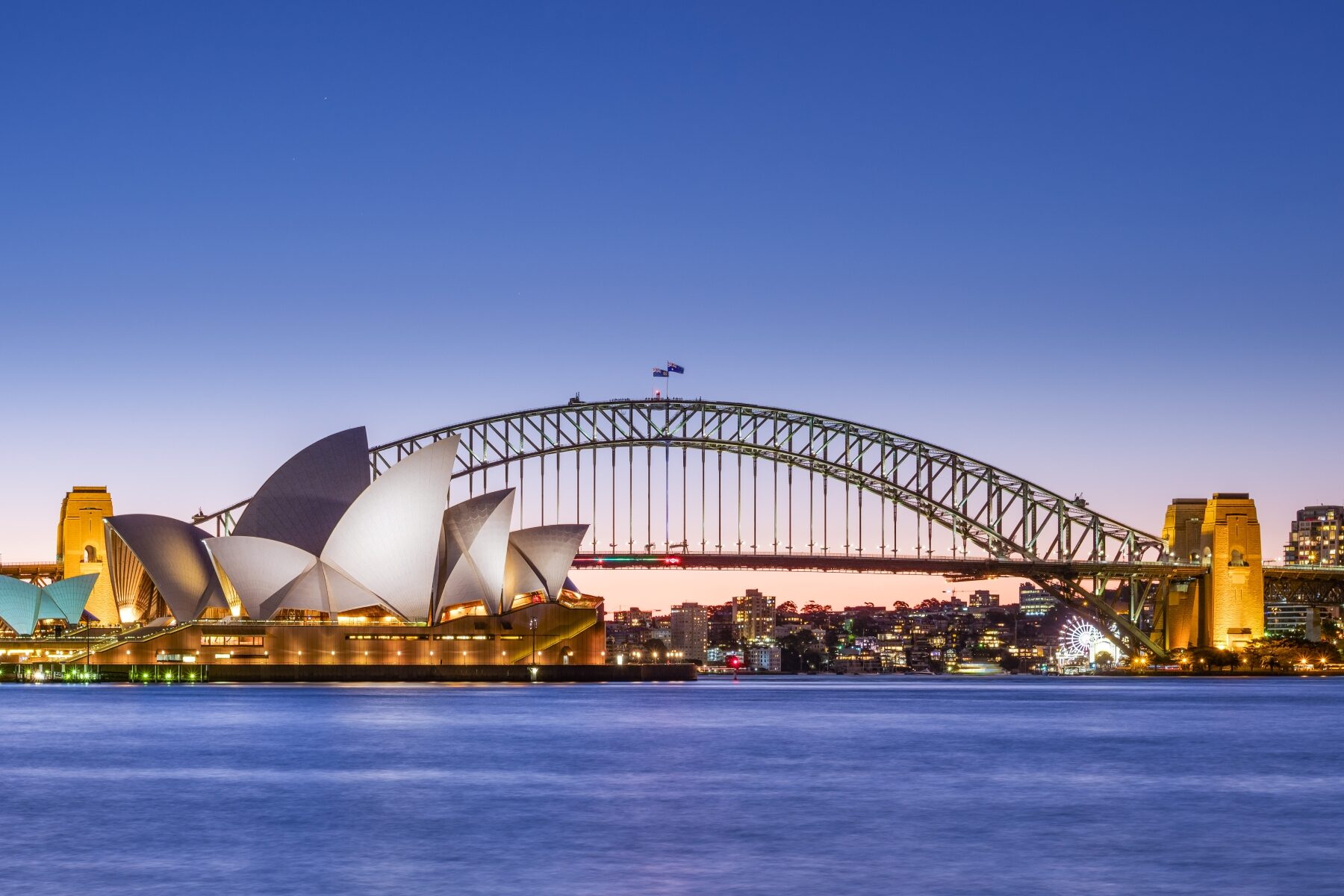
Sydney’s iconic Harbor Bridge and Opera House make it one of those bucket‑list cities, but tickets for ferries, tours, and even some outdoor attractions often come with booking or processing fees you don’t notice until checkout. Many travelers remark that the ticket price on the website isn’t the final total, as taxes, service fees, and online booking charges can push it higher.
Then there’s transport, while the city’s Opal card system helps manage fares, hopping on ferries or trains during peak hours can feel pricey compared to what you expected from initial research. Sydney doesn’t hide these fees, but if you’re reading estimates instead of actual checkout totals, it’s easy to be surprised. The simple takeaway? Cruise those harbor views and coastal walks with a solid understanding of ticketing practices so you can relax and explore without stopping mid‑trip to re‑jig your budget. Want to finish strong with the last batch?
12. Singapore’s Miscellaneous Surcharges
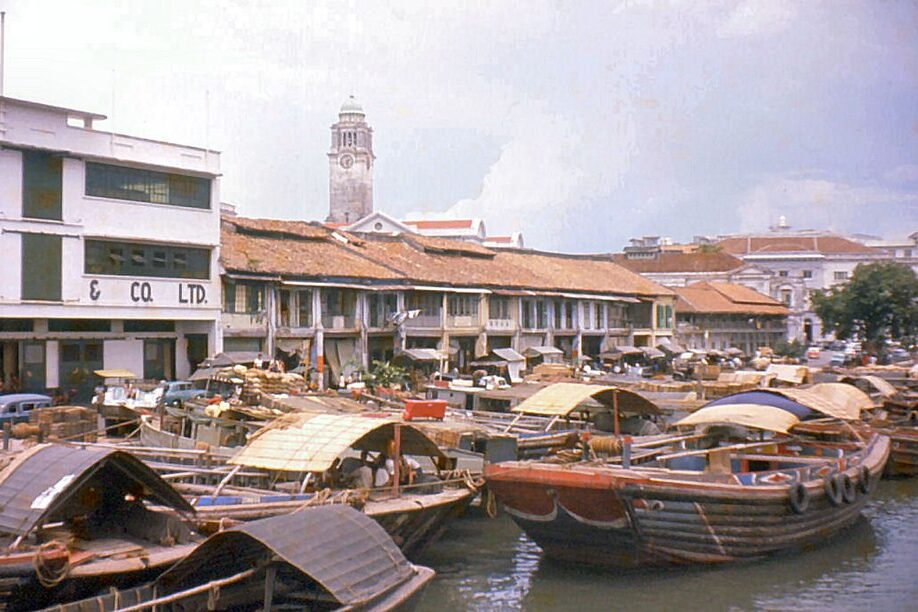
Singapore brands itself as a pristine and efficient city‑state, and that’s mostly true, but visitors often find small surcharges on meals (particularly at food courts and hawker centers charging service or GST surcharges) and unexpected tourism levies on certain stays or bookings that weren’t clear when they first checked prices. Public transit is smooth, but tap‑on/tap‑off fees and occasional surcharges during peak travel or special events can make daily spending tick up faster than expected.
The point isn’t to paint Singapore as expensive; it’s just that these little charges tend to sneak into the picture like subtle melodies you only notice once they’re playing. If you budget for headline costs but don’t leave room for these extras, your wallet might feel tighter than the city’s impeccable streets. By knowing about tourism levies and service charges ahead of time, you can enjoy every garden‑lined path and hawker Centre feast with peace of mind. If you’ve stuck with this list so far, you’ll notice that being aware of small fees is almost just part of smart travel planning
13. Prague’s Tiny Fees That Add Up
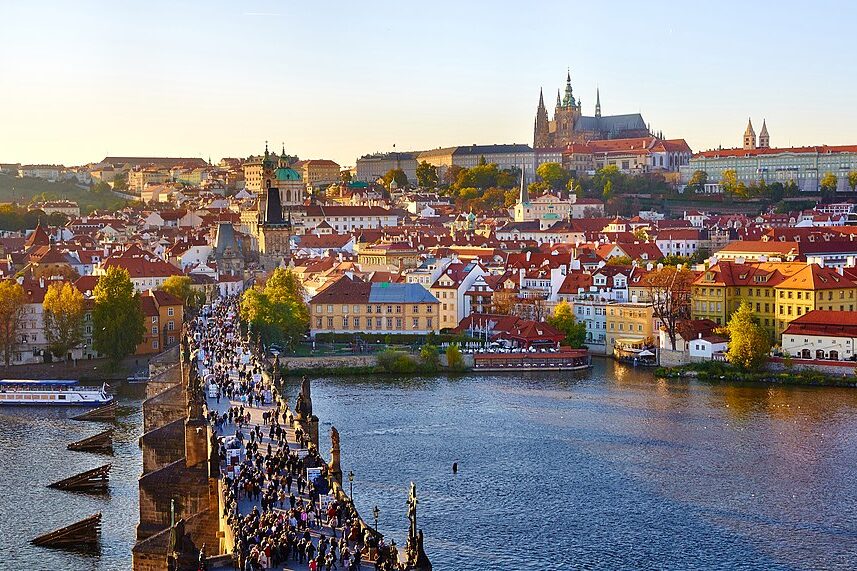
Prague feels like a fairytale city the moment you arrive, with cobblestone streets, Gothic towers, and the Vltava River smiling back at you, but like many beloved destinations, it quietly slips in fees that travelers don’t always expect. Many hotels add a small local tax per night that doesn’t show in the headline booking price, café tables on Old Town squares sometimes carry automatic “seat charges,” and even some public toilets require coins to use. It’s the kind of thing you notice when you’ve already fallen in love with the city and suddenly see small extras on your card transactions.
That doesn’t make Prague unfriendly, it just means that portions of your experience are priced in increments instead of one big number at checkout. Once you know about these little costs ahead of time, you can plan for them, budget for relaxed café stops without surprise, and glide around Charles Bridge with your wallet feeling as light as your spirit. Understanding small charges everywhere you travel helps turn what feels hidden into something you can manage with a smile. If you’re jotting down suitcase lists, add a little cushion for those tiny charges, too.
14. Honolulu’s Resort and Amenity Charges
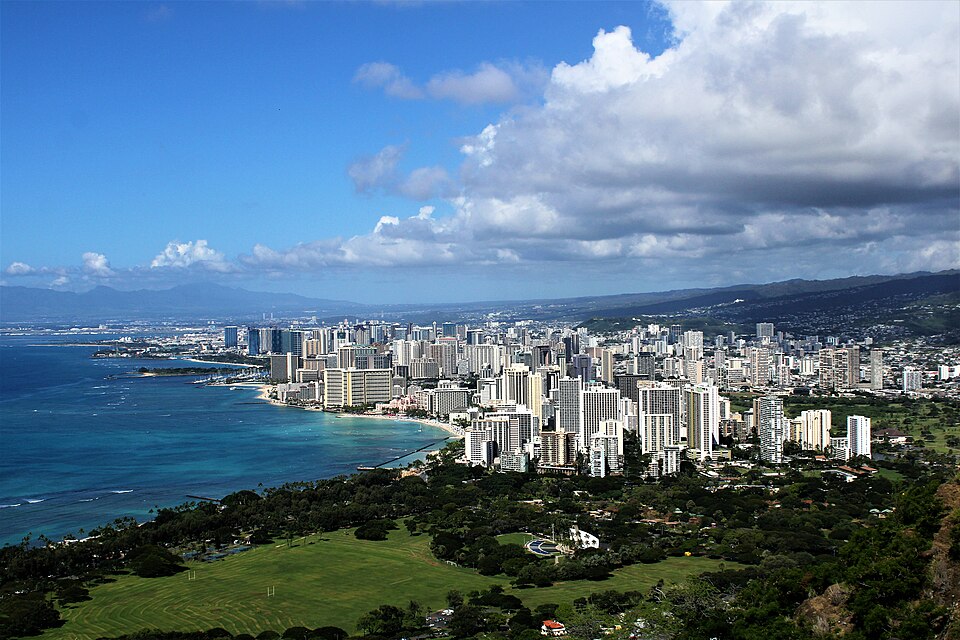
Honolulu calls travelers with sunlit beaches and lush tropical blooms, but like Las Vegas and other resort cities, it often tacks on daily resort or amenity fees that weren’t visible when you first booked. These can cover things like beach chair access, gym use, pool towels, and even Wi‑Fi, and whether you use them or not, they’re usually added to your room bill. Then there are parking fees at many hotels, and small traveler levies that locals call “transient accommodations taxes” you don’t see on initial search results.
It’s easy to get swept up in the aloha spirit and forget to double‑check the fine print, especially when your mind is already on sunsets and shave ice. But learning about overnight fees ahead of time means you’re not hit with an unexpected total at checkout. Instead, you’re free to enjoy Waikiki and Diamond Head with peace of mind. Think of it this way: know before you go, and the only surprises you encounter are the ones worth remembering. That kind of planning helps wrap up what we’ve been talking about here: small fees don’t have to ruin your trip if you’ve built them into your map of expectations.
15. Quebec City’s Tourist Admissions Everywhere
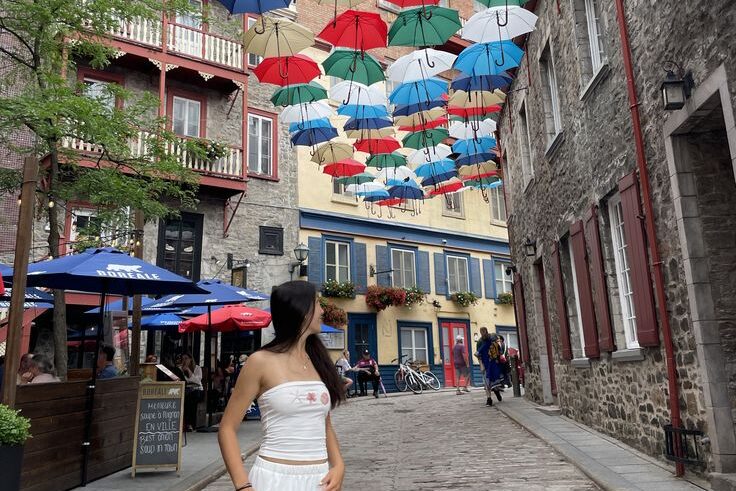
Old Québec is a storybook place, full of French‑Canadian charm and centuries‑old architecture, but its popularity also means you’ll find tourist admission fees in lots of places that don’t always pop up in initial price searches. Whether it’s a city‑wide heritage tax on stays, paid access to historic sites, or small charges at museums and guided tours, those costs can increase quickly when you multiply them by days and people. Then there are seasonal transport fees for shuttles, ferries, and parking in the winter months that many visitors don’t anticipate.
It’s not that Québec is unfriendly it’s just one of those cities where its treasured sites are funded by those small charges, and they show up when you’re already enchanted by the cobbles and cafés. Knowing these fees exist before you go means you can enjoy the charm without budget stress. Preparing for minor costs ahead of time makes it easy to savor every Rue du Petit‑Champlain stroll. Travel gracefully and you’ll find you look forward to those experiences more than you worry about the math.
16. Buenos Aires’s Service and Cover Charges
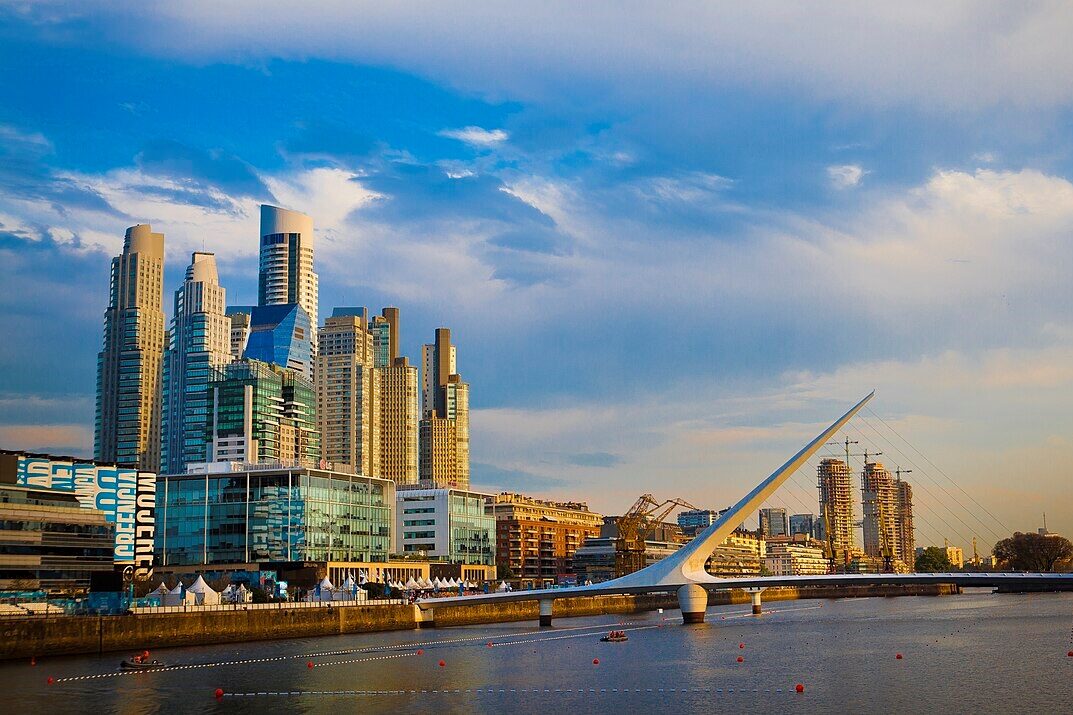
Buenos Aires. Tango. Empanadas. Colorful streets. It all sounds so romantic, and it mostly is. Still, many visitors find that restaurant service fees and cover charges, often labeled “cubierto” appear on their bill even in casual places. That’s a standard part of dining out here, but if you’re reading prices expecting them to be final, that added line can feel like a surprise. On top of that, some cafés and bars add small entertainment or live‑music charges, and domestic travel within Argentina can carry booking or service fees that don’t show until checkout.
It’s part of the local rhythm more than a travel trick, but knowing about these additional costs ahead of time means your evening of steak and Malbec stays warm in memory, not marred by invoice confusion. Build those modest extra charges into your plan, and you’ll glide from tango club to café table without budget tension. Traveling smart isn’t about avoiding costs; it’s about anticipating them so you keep your head in the moment. That’s the real travel secret.
17. Reykjavik’s Value‑Added Charges
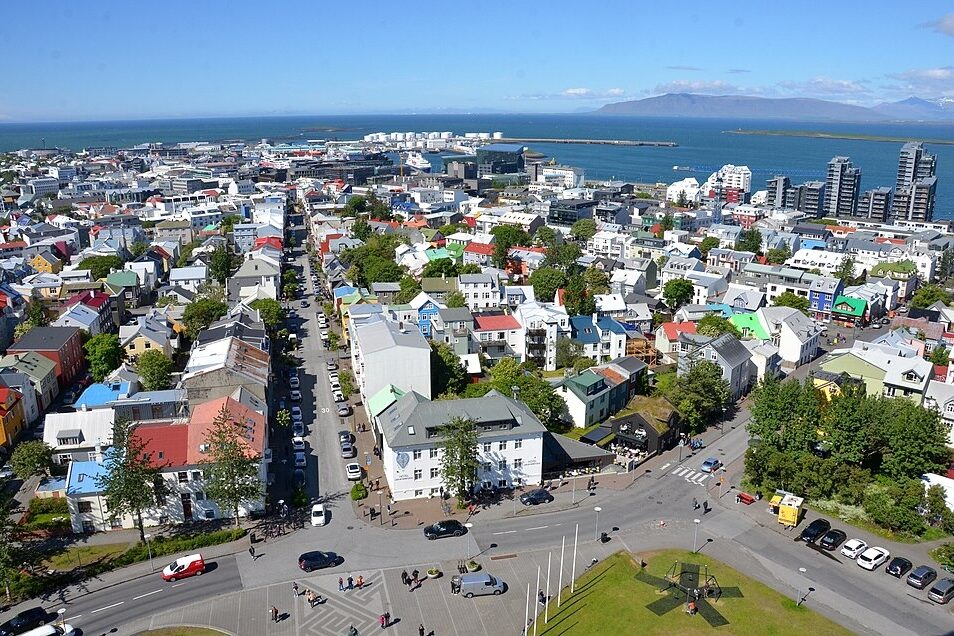
Reykjavik and Iceland, in general, feel like a world apart, with waterfalls, glaciers, and midnight sun, but they are also a place where value‑added taxes on services and daily tourism charges on accommodations come through clearly on your bill. Flights, tours, and rental cars often carry environmental or service add‑ons you don’t see in a quick fare search, and simple activities like whale‑watching or hot‑spring access sometimes include booking fees that don’t show until the last step of checkout.
Iceland isn’t trying to hide these costs; they’re part of how the country funds its preservation and infrastructure, but the pattern is the same one we’ve been talking about through this whole list: little charges, not always obvious upfront, that push your overall spending higher than you first expected. When you plan with that in mind, you can focus on waterfalls and northern lights instead of sticker shock. All travel has layers, and knowing them makes you a more relaxed voyager.


