
Small Choices, Big Financial Stability
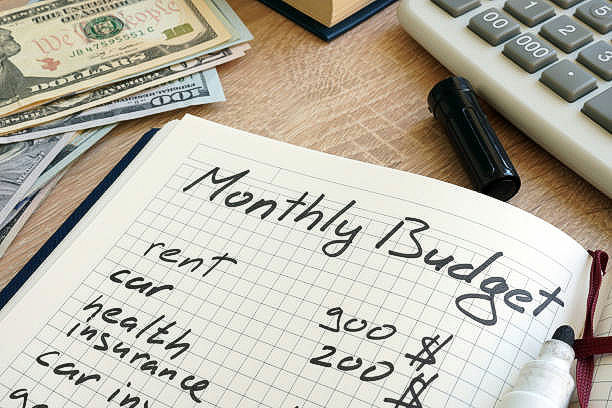
Many people believe that building wealth requires a massive salary or a lucky break, but the reality is much simpler. Financial stability is usually born from the small, repeated habits we practice every day. While a single expensive dinner won’t break the bank, the “silent killers” of a budget are often the daily lattes, the streaming services we forgot to cancel, or the convenient takeout meals that add up over time. By shifting your focus from making grand sacrifices to making consistent, smart choices, you can stop money from slipping through your fingers and start building a solid foundation for your future.
Research into personal finance consistently shows that those who maintain structured routines, like using budgeting apps or setting up automatic transfers, experience significantly less financial stress. In fact, a 2023 study highlighted that even small adjustments in household management, such as meal planning or monitoring energy consumption, can save the average family over $2,000 annually. These habits don’t require expert knowledge; they only require a bit of patience and awareness. Over months and years, these tiny tweaks transform your financial reality, proving that consistency is far more powerful than intensity when it comes to your wallet.
Track Your Spending
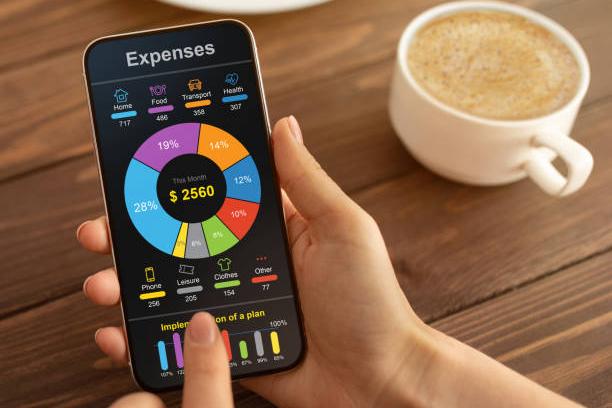
The first step to taking control of your life is knowing exactly where your money goes. While most of us can easily account for big bills like rent, mortgages, or car payments, it is the “invisible” spending that often derails our goals. Whether it’s a $4 snack at the gas station or a $10 digital upgrade, these small costs are often forgotten by the time we check our balances. Tracking your spending, whether through a dedicated app, a simple spreadsheet, or a classic notebook, shines a light on these hidden patterns and gives you the power to make intentional changes.
Financial experts often call these small, recurring costs “spending leaks.” When you sit down to review a full month of transactions, you might be shocked to find that those “insignificant” purchases actually total hundreds of dollars. Since 2020, banking technology has made this easier than ever, with most apps now automatically categorizing your purchases for you. Studies show that people who actively monitor their cash flow develop much stronger saving behaviors. The goal isn’t to stop spending altogether, but to ensure that every dollar you part with is actually bringing value to your life.
Automate Your Savings
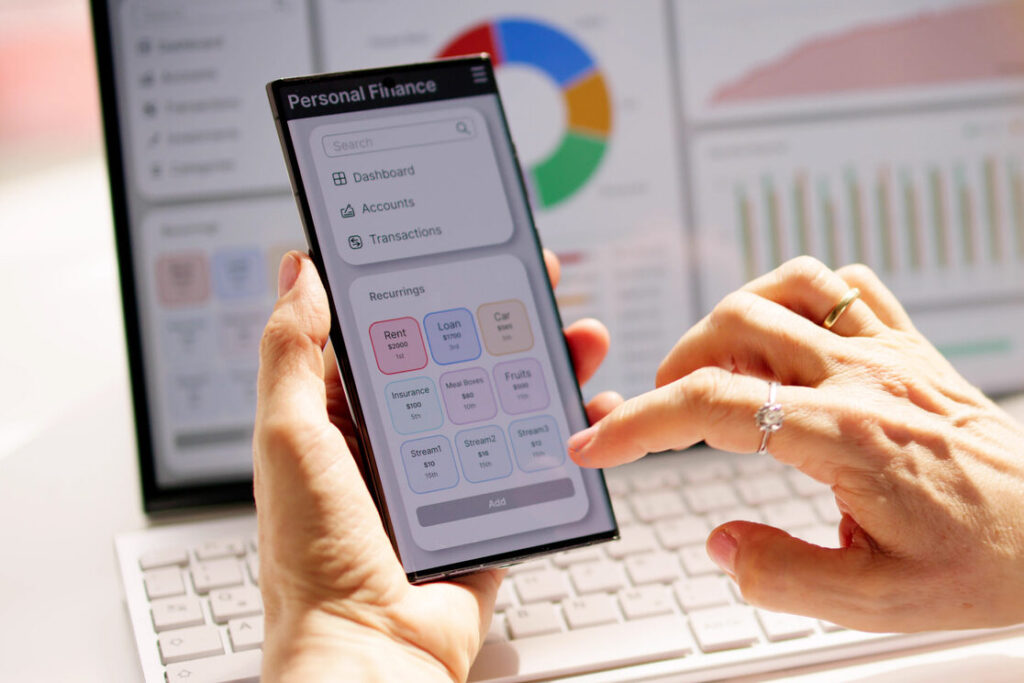
One of the biggest hurdles to saving money is relying purely on willpower. By the end of the month, it’s all too easy to find a “reason” to spend what’s left rather than putting it away. Automation removes the struggle of making a choice by handling the heavy lifting for you. When you set up a recurring transfer to happen on the same day your paycheck hits your account, you ensure that your future self gets paid before you have a chance to spend that money elsewhere. This “set it and forget it” approach is one of the most effective ways to build wealth.
This strategy is widely known as “paying yourself first.” Financial professionals often suggest aiming to save between 10% and 20% of your income, but even starting with $25 a week can create significant momentum. For example, a person earning $3,000 a month who automates just 10% of their pay would have $3,600 tucked away by the end of the year without ever having to think about it. Research confirms that those who automate their savings accumulate wealth much faster than those who try to save manually, simply because the system eliminates the human tendency to procrastinate or forget.
Try The 24-Hour Rule

In an era of one-click shopping and targeted social media ads, impulse buying has become a major financial trap. It’s incredibly easy to see something shiny, feel a rush of excitement, and hit “buy” before your logical brain has a chance to weigh in. The 24-hour rule is a simple, no-cost tool to combat this. The rule is easy: if you see a non-essential item you want, you must wait exactly one full day before finalizing the purchase. This short pause allows the initial emotional high to fade, giving you the clarity to decide if the item is truly a need.
Marketing is designed to create a false sense of urgency, making us feel like we might miss out if we don’t act fast. By stepping back for 24 hours, you break that spell. You will often find that by the next morning, the “must-have” item no longer seems that important. This practice, often called mindful consumption, doesn’t mean you can never buy nice things; it just ensures that your purchases align with your long-term goals. Over a year, the money saved from avoided impulse buys can easily fund a vacation or a significant portion of an emergency fund.
Use Cash Envelopes
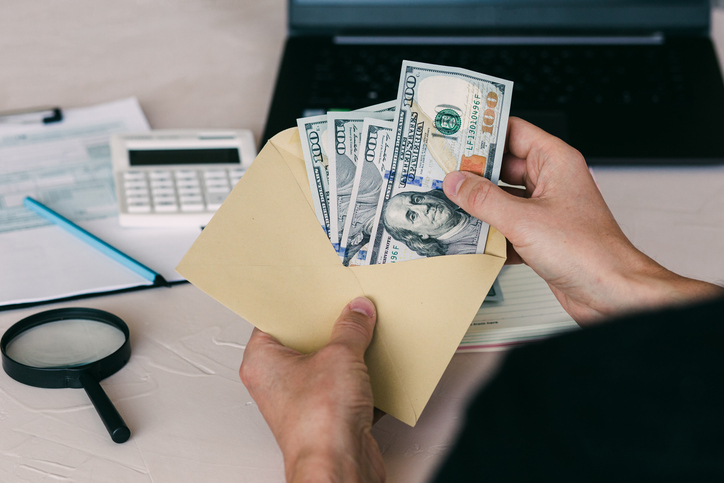
Before the world went digital, families managed their budgets using physical envelopes for different categories like groceries, gas, and fun money. While it might seem old-fashioned in 2026, this method remains incredibly effective because of the psychology behind physical currency. When you pay with a card or a phone, the transaction feels abstract and painless. However, when you physically hand over $50 in cash and see your “Dining Out” envelope getting thinner, the reality of your spending hits home much harder. It creates an immediate, visual boundary that prevents overspending.
The beauty of the envelope system is that it makes your budget self-enforcing. Once the cash in the grocery envelope is gone, you have to get creative with what’s in the pantry until the next payday. This encourages more thoughtful decision-making at the store, such as choosing generic brands or skipping luxury snacks. Financial coaches frequently recommend this for anyone who struggles with “budget creep” in variable categories. Even if you prefer digital tools, applying the “envelope mindset” by setting hard limits on specific spending categories can help you regain control and stop the cycle of living paycheck to paycheck.
Practise No-Spend Days

A “no-spend day” is a simple challenge where you commit to spending zero dollars on anything that isn’t an absolute necessity (like your commute or pre-existing bills). The goal is to avoid the “casual” spending that we often do out of habit or boredom. By designating certain days of the week as “no-spend” zones, you break the constant cycle of consumption. Instead of meeting a friend for an expensive lunch, you might invite them for a walk in the park; instead of browsing online shops, you might finally start that book on your nightstand.
Starting with just one or two no-spend days a week can have a massive impact on your bottom line. If you typically spend $15 a day on coffee, snacks, or small errands, cutting those out twice a week saves you roughly $120 a month. Over the course of a year, that is nearly $1,500 in found money. Beyond the financial gain, these days help shift your perspective, proving that you don’t need to spend money to have a fulfilling or productive day. This mindset shift eventually leads to more intentional spending on the days when you do choose to open your wallet.
Conduct Energy Audits

Your home might be “leaking” money without you even realizing it. Many households pay significantly more than necessary for utilities because of minor inefficiencies like drafty windows, old lightbulbs, or uninsulated pipes. An energy audit is a professional or DIY check-up of your home to find where you are wasting power. Since energy prices have seen fluctuations in recent years, taking the time to optimize your home’s efficiency is one of the smartest long-term investments you can make for your monthly budget.
Many utility providers now offer free basic audits or provide kits to help you do it yourself. Simple fixes, like switching to LED bulbs, which use up to 90% less energy than traditional ones, or sealing a gap under a door, can save you hundreds of dollars over the lifetime of your home. The International Energy Agency (IEA) has noted that efficiency improvements are the “first fuel” for a reason; they provide immediate savings that continue every single month. By performing a quick audit today, you are essentially giving yourself a permanent monthly discount on your living expenses.
Adjust Your Thermostat
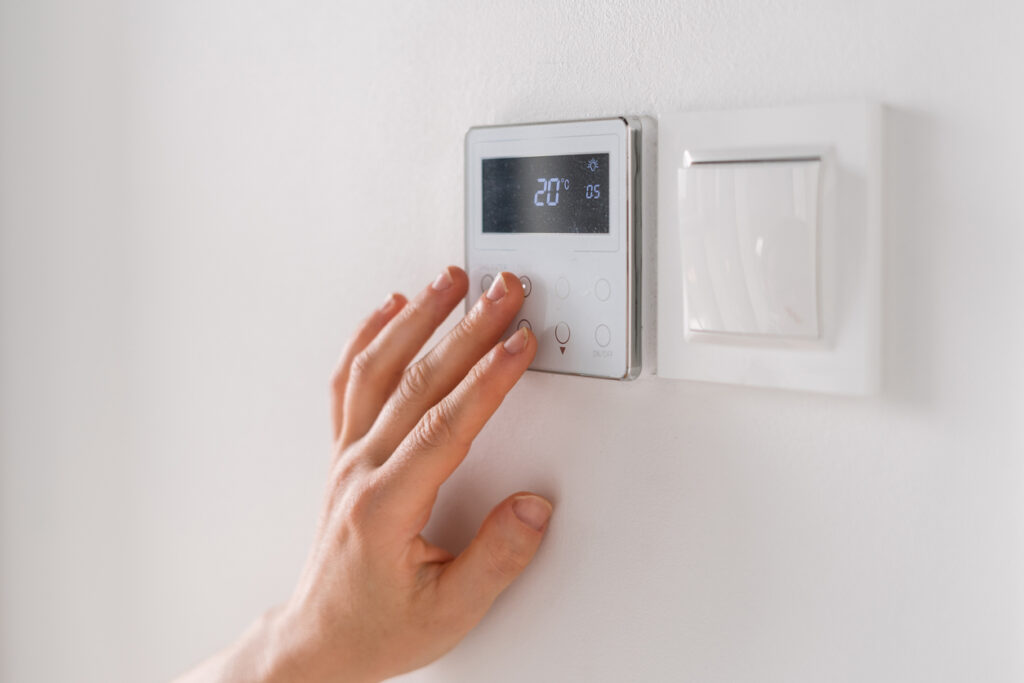
Heating and cooling are usually the largest expenses on a monthly utility bill, often making up nearly half of the total cost. One of the easiest ways to keep that money in your pocket is by making small, strategic adjustments to your thermostat. Experts found that turning your thermostat back by 7 to 10 degrees for eight hours a day (typically while you are asleep or at work) can save you about 10% on your annual energy bills. In the winter, wearing a cozy sweater instead of cranking the heat can lead to surprising savings.
With the rise of smart and programmable thermostats since the early 2020s, this habit is now almost effortless. You can schedule your home to be perfectly comfortable while you are there and more energy-efficient while you are away. Even a one-degree Celsius change in your average setting can make a noticeable dent in your costs over a full season. These are passive savings, meaning once you make the adjustment, you continue to save money without any further effort. It’s a simple way to maintain your comfort while ensuring your hard-earned money isn’t literally vanishing into thin air.
Cancel Unused Subscriptions
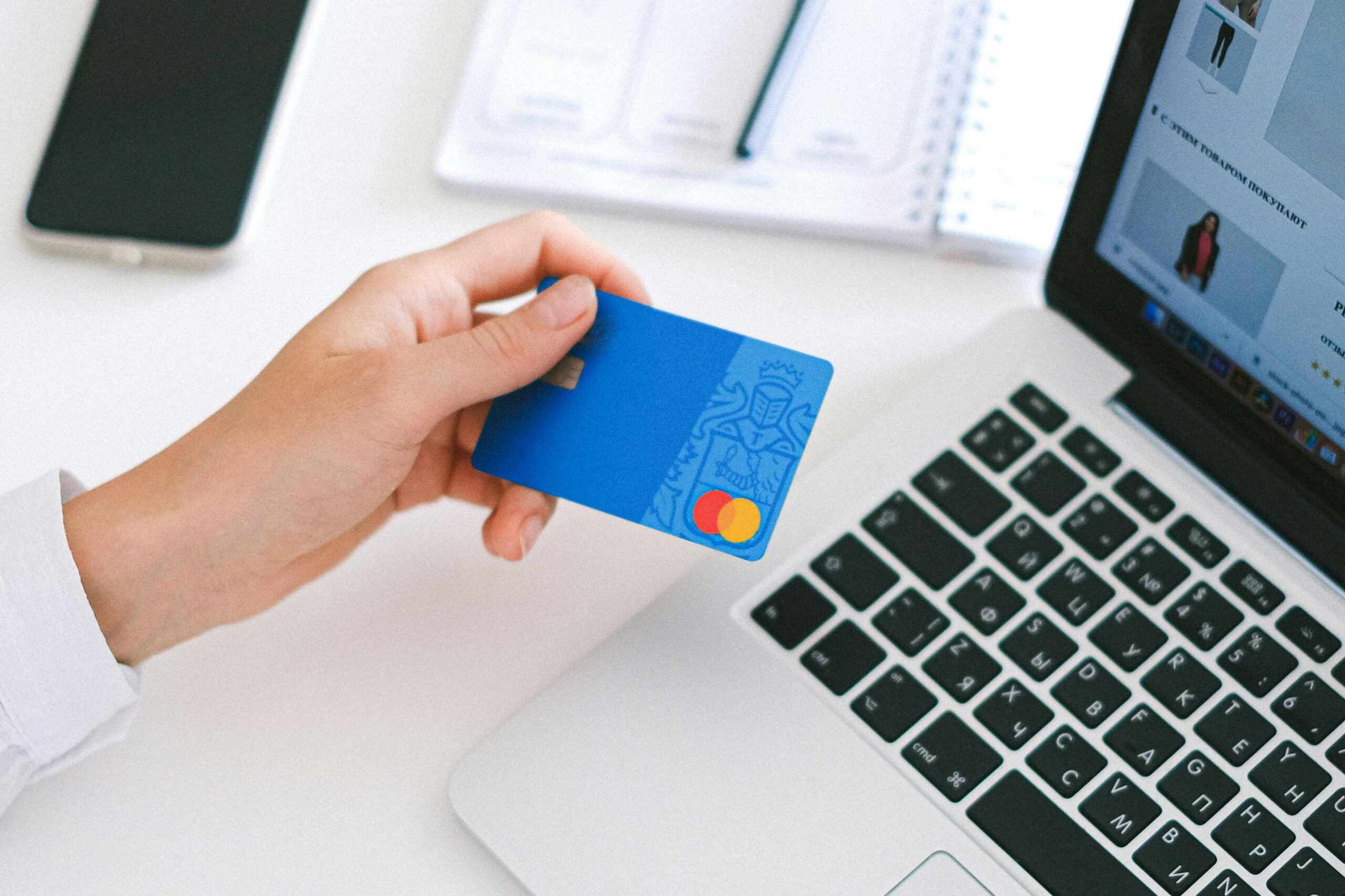
We live in the “age of the subscription,” where everything from movies and music to gym memberships and snack boxes requires a monthly fee. These $10 or $15 charges are designed to be small enough that you don’t notice them, but they can quickly bloat a budget. It is very common for people to continue paying for a streaming service they haven’t watched in months or a fitness app they never opened. Periodically “auditing” your bank statement specifically for recurring charges is one of the quickest ways to give yourself an instant raise.
Financial advisors suggest doing a deep dive into your subscriptions at least twice a year. If you haven’t used a service in the last 30 days, cancel it. You can always sign back up later if you truly miss it. Many people find they are able to clear $50 to $100 a month just by cutting out digital clutter. Since 2022, several apps have launched specifically to help users find and cancel these “forgotten” bills. By taking ten minutes to click “cancel,” you stop a recurring drain on your finances and free up money that could be better spent on things that actually bring you joy.
Buy In Bulk

The math behind bulk buying is simple: the more you buy at once, the less you pay per unit. For non-perishable items that you use every single day, like toilet paper, laundry detergent, rice, or pasta, buying in larger quantities is a proven strategy to lower your cost of living. While the upfront cost is higher, the long-term savings are substantial. Warehouse clubs and wholesale retailers have made this approach popular for decades, but even standard grocery stores now offer bulk sections that can save you significant money over time.
However, the key to successful bulk buying is staying disciplined. It only saves you money if you actually use what you buy. Purchasing 10 gallons of mustard just because it’s on sale isn’t a deal if it expires before you finish the first jar. Focus on your “staple” items, the things you know your household will consume within six months. By reducing the number of trips you take to the store and paying the lowest possible price per item, you protect yourself from inflation and price spikes. This habit turns your regular shopping routine into a strategic way to build your savings account.
Switch To Reusables

Disposable products are designed for convenience, but they create a continuous cycle of spending that quietly drains your bank account. Items like paper towels, plastic water bottles, and single-use coffee pods might seem cheap in the moment, but replacing them every few weeks adds up to a significant annual expense. By investing in high-quality reusable alternatives, such as microfiber cleaning cloths, stainless steel bottles, and silicone food bags, you can eliminate these recurring costs. While the initial purchase price is higher, these items typically pay for themselves within just a few months of use.
Environmental awareness has made these alternatives more accessible than ever in 2026, with many retailers offering durable goods that last for years. For instance, switching from bottled water to a filtered pitcher and a reusable flask can save the average person over $500 a year. Similarly, using cloth napkins instead of paper ones can save a family of four roughly $150 annually. These small changes represent a broader shift toward a more sustainable and intentional lifestyle. Over time, choosing durability over disposability reduces household waste, simplifies your shopping list, and keeps more of your hard-earned money exactly where it belongs, in your pocket.
Meal Plan Weekly

Meal planning is a powerful strategy that transforms grocery shopping from a chaotic chore into a calculated financial win. When you head to the store without a plan, you are far more likely to fall for impulse buys or purchase ingredients that eventually go to waste. By spending just thirty minutes each week mapping out your meals, you can buy exactly what you need and nothing more. This habit has been shown to reduce food waste significantly, which is vital considering the average household throws away nearly 30% of the food they buy.
Beyond saving money at the checkout counter, meal planning is a major deterrent against the temptation of expensive takeout. When you know you have a delicious meal ready to be cooked at home, the urge to spend $40 on delivery quickly fades. According to data from 2024, home-cooked meals cost roughly $4 to $6 per serving, whereas restaurant meals average over $20. For a family, this simple routine can result in savings of $3,000 or more per year. It also encourages healthier eating habits and makes daily life feel much more organized, proving that a little bit of foresight goes a long way.
Pack Your Lunch

Bringing your lunch to work is a classic financial tip for a reason: the math simply works. In many urban areas, a mid-day meal at a cafe or fast-food spot can easily cost between $12 and $18. If you do this every workday, you are spending upwards of $300 a month just on lunch. By contrast, a lunch prepared at home, whether it’s a hearty salad, a sandwich, or leftovers from the night before, usually costs less than $3 to make. The difference is a “hidden raise” that you can give yourself starting tomorrow.
The long-term impact of this habit is even more impressive when you look at the annual totals. Someone who packs their lunch four days a week instead of buying it can save more than $2,500 over the course of a year. This is money that could be used to fund a vacation, pay down high-interest debt, or boost an investment account. Additionally, packing your own food gives you total control over the ingredients, often leading to a much healthier lifestyle with less salt and sugar. It’s a small daily commitment that builds incredible financial momentum and discipline over months and years.
Choose Generic Brands

Many consumers are conditioned by decades of advertising to believe that a higher price tag always equals better quality. However, when it comes to “store brands” or generic products, the difference is often just the packaging. Most major supermarkets source their generic items from the same manufacturers that produce the big-name brands. By switching to the store-brand version of staples like flour, sugar, canned beans, or even over-the-counter medicines, you can save anywhere from 20% to 50% on your total grocery bill without sacrificing any performance or taste.
This habit is particularly effective for household supplies and pantry essentials where the ingredients are virtually identical. For example, generic ibuprofen or saline solution must meet the same health standards as the branded versions but usually cost a fraction of the price. If the average shopper made the switch to generic for just half of their regular items, they could easily save $1,000 annually. It’s one of the easiest ways to fight inflation because it requires no change in your lifestyle, only a slight change in which box you reach for on the shelf.
Use Loyalty Programmes

Retail loyalty programs have evolved significantly since the 1990s, moving from paper punch cards to sophisticated digital apps that offer real-time savings. While some people worry about privacy, these programs are designed to reward frequent shoppers with exclusive discounts and “cash back” points. By consistently using a loyalty card at your primary grocery store or pharmacy, you can access lower prices that aren’t available to the general public. Many apps also offer digital coupons that can be “clipped” with a single tap, further driving down the cost of your weekly essentials.
The key to mastering these programs is to use them strategically rather than letting them dictate your spending. Savvy shoppers only use coupons for things they were already planning to buy, effectively treating the rewards as a direct discount on their lifestyle. Over the course of a year, the “points” earned on necessary purchases like fuel and food can often be redeemed for a completely free grocery haul or a significant discount on gas. These incremental wins might feel small in isolation, but they act as a constant, quiet buffer that helps keep your household budget balanced and under control.
Use The Public Library

In a world full of paid subscriptions and digital paywalls, the public library remains one of the most underrated financial resources available. Modern libraries in 2026 offer far more than just dusty books; they are high-tech hubs for free entertainment and education. Most libraries now provide free access to massive digital platforms where you can stream movies, download popular magazines, and listen to the latest audiobooks for free. By utilizing these services, you can easily justify canceling multiple monthly entertainment subscriptions, putting that money back into your savings.
The savings offered by a library card are measurable and substantial. If you typically buy two new books a month, switching to the library saves you roughly $400 a year. If you use their “library of things”, where some branches now lend out tools, kitchen appliances, or even camping gear, you can avoid the high cost of buying items you only need once or twice. Libraries also offer free community workshops, quiet workspaces, and high-speed internet, making them an invaluable asset for anyone looking to reduce their cost of living while still enjoying a rich, active, and intellectual life.
Maintain Your Car

Vehicle ownership is one of the largest expenses for the average household, but neglecting basic maintenance can turn a manageable cost into a financial disaster. Small, routine tasks like changing the oil, checking tire pressure, and replacing air filters are relatively inexpensive, yet they prevent the kind of major engine or transmission failures that cost thousands of dollars to fix. Regular maintenance also ensures that your car runs as efficiently as possible, saving you a significant amount of money at the gas pump over the life of the vehicle.
Beyond the mechanical benefits, keeping a detailed service record and maintaining the car’s cosmetic condition helps preserve its resale value. A well-documented, clean car can be worth thousands more than a neglected one when it’s time to trade it in. Mechanics often emphasize that “an ounce of prevention is worth a pound of cure.” By setting aside a small “car fund” for regular check-ups every six months, you avoid the sudden stress of an emergency repair bill. This proactive approach turns car care from a burdensome expense into a smart investment that protects your mobility and your wallet.
Refinance High-Interest Debt

High-interest debt, particularly from credit cards, is one of the biggest obstacles to building wealth because the interest often grows faster than most people can pay it off. Refinancing is a strategic move where you take out a new loan with a much lower interest rate to pay off your existing, expensive debt. This can be done through a personal loan, a balance transfer credit card, or even a home equity line of credit. The goal is to lower your monthly payments and ensure that more of your money goes toward the “principal” balance rather than just covering interest.
For example, if you are carrying a $5,000 balance on a card with a 24% interest rate, you could be paying over $100 a month just in interest. By refinancing that into a loan at 10%, you immediately save a massive amount of money and shorten your path to being debt-free. Since 2023, many financial institutions have streamlined this process, allowing people to compare rates online in minutes. When done carefully, and without running up new debt, refinancing is a powerful tool that transforms an overwhelming financial burden into a structured, manageable plan that frees up your future income.
Declutter And Sell

Most people are sitting on a “gold mine” of unused items that are simply taking up space in their homes. From old electronics and designer clothing to kitchen gadgets and furniture, these items represent locked-up capital. Decluttering your home is not only great for your mental clarity, but it also provides a unique opportunity to generate a quick cash injection. Online marketplaces and local selling apps have made it incredibly easy to list an item and find a buyer within hours, turning your “clutter” into direct savings or money to pay off a bill.
This habit also has a profound psychological effect on your future spending. When you realize how many things you bought and never used, you become a much more conscious shopper. You start to ask, “Will I actually use this, or will I be selling it on an app in a year?” Many people find they can generate $500 to $1,000 just by doing a deep clean of their garage and closets. By making “decluttering and selling” a semi-annual habit, you keep your home organized, put extra money in your pocket, and develop a more disciplined approach to what you allow into your life.
Try The 52-Week Challenge

Saving money can often feel like a mountain that is too steep to climb, but the 52-week challenge breaks it down into easy, manageable steps. The concept is simple: in the first week of the year, you save $1. In the second week, you save $2, and you continue increasing the amount by one dollar each week. Because the challenge starts so small, it’s easy to build the “saving muscle” without feeling any financial pain. By the time the amounts become larger in the final months, you have already established a rock-solid habit of setting money aside.
By the end of the year, this gradual approach results in a total of $1,378. For many, this is enough to cover a major car repair, an emergency medical bill, or a nice holiday without using a credit card. Some people prefer to do the challenge in reverse, saving $52 in the first week when their New Year’s resolution energy is highest, to make the end of the year easier. Regardless of the direction, the structure provides a clear roadmap to success. It proves that you don’t need a huge windfall to build a meaningful cushion; you just need the discipline to stick to a plan for one year.


