
1. Look Who’s Talking
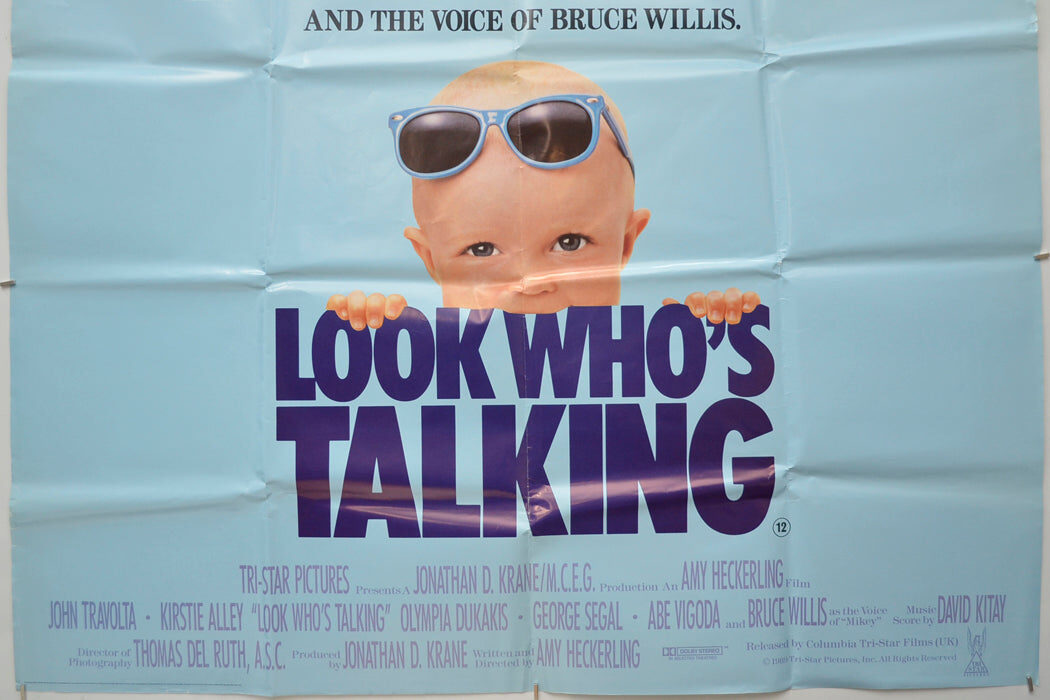
Sometimes a movie arrives with a simple idea and somehow turns into a moment everyone remembers. Back in 1989, Look Who’s Talking was exactly that kind of surprise. The story follows a single mother raising her baby, except the audience hears the baby’s thoughts out loud. Those thoughts were voiced by Bruce Willis, which made the whole thing playful and strangely charming. People went to see it expecting a light comedy and left talking about it for weeks. It became one of those movies friends recommended to each other without thinking twice, and theaters stayed busy because word of mouth kept spreading. For a while, it felt like the kind of film everybody had seen at least once.
The movie ended up earning hundreds of millions worldwide and quickly became one of the biggest comedy hits of its time. What made it work was not just the unusual premise but the warm tone that ran through the whole story. Families watched it together and television reruns kept it alive for years afterward. Yet as the decades moved forward and new comedies arrived, the film slowly slipped out of everyday movie conversations. Today it rarely appears on lists of classic comedies from the era. Still, many people instantly recognize the title, which says a lot about how memorable that talking baby once was
2. Gone In 60 Seconds
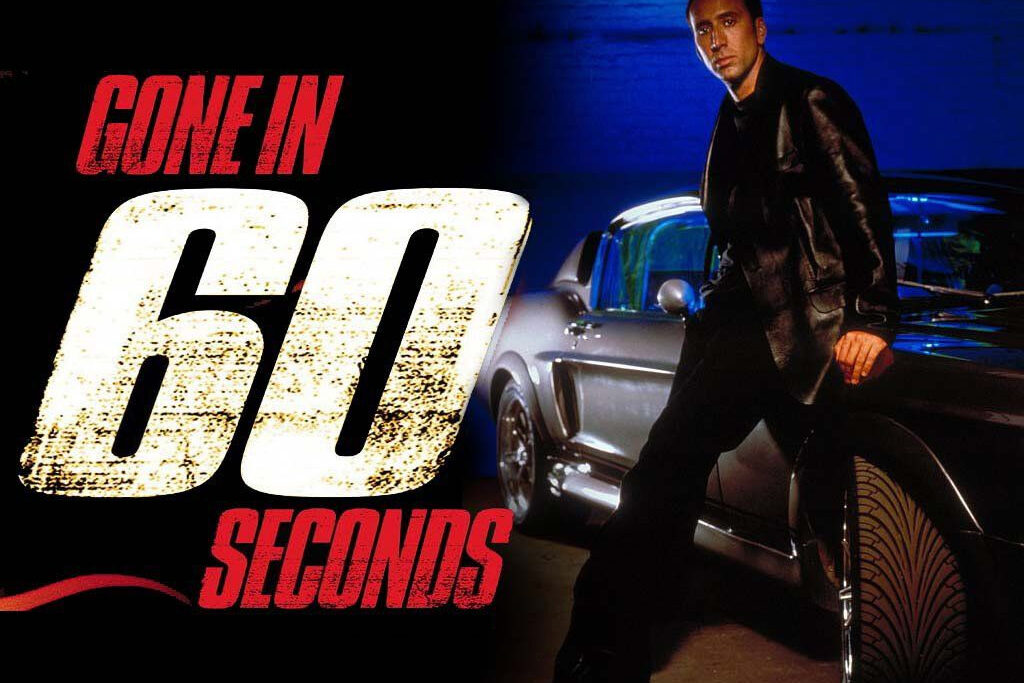
There was a stretch in the early 2000s when action movies about cars ruled the big screen, and Gone in 60 Seconds sat comfortably in that lane. The film followed a retired car thief who is pulled back into the business for one impossible mission. He has to steal fifty luxury cars in a single night to save his younger brother from serious trouble. Nicolas Cage led the cast with his usual mix of intensity and unpredictability, which fit perfectly with the film’s fast pace. Audiences were drawn to the sleek cars, nighttime city streets, and thrilling chases that kept the story moving from one tense moment to the next.
The movie performed strongly at the box office and quickly built a reputation among action fans who enjoyed its stylish approach to crime and racing. One of the most memorable elements was the silver Shelby Mustang known as Eleanor, which became almost as famous as the characters themselves. For a while, that car alone kept the film alive in conversations about iconic movie vehicles. Over time, however, other racing franchises grew larger and louder, gradually taking over the spotlight. As those newer series captured audience attention, Gone in 60 Seconds quietly drifted into the background, remembered fondly by fans who still appreciate its straightforward adrenaline and early 2000s energy.
3. Dangerous Minds
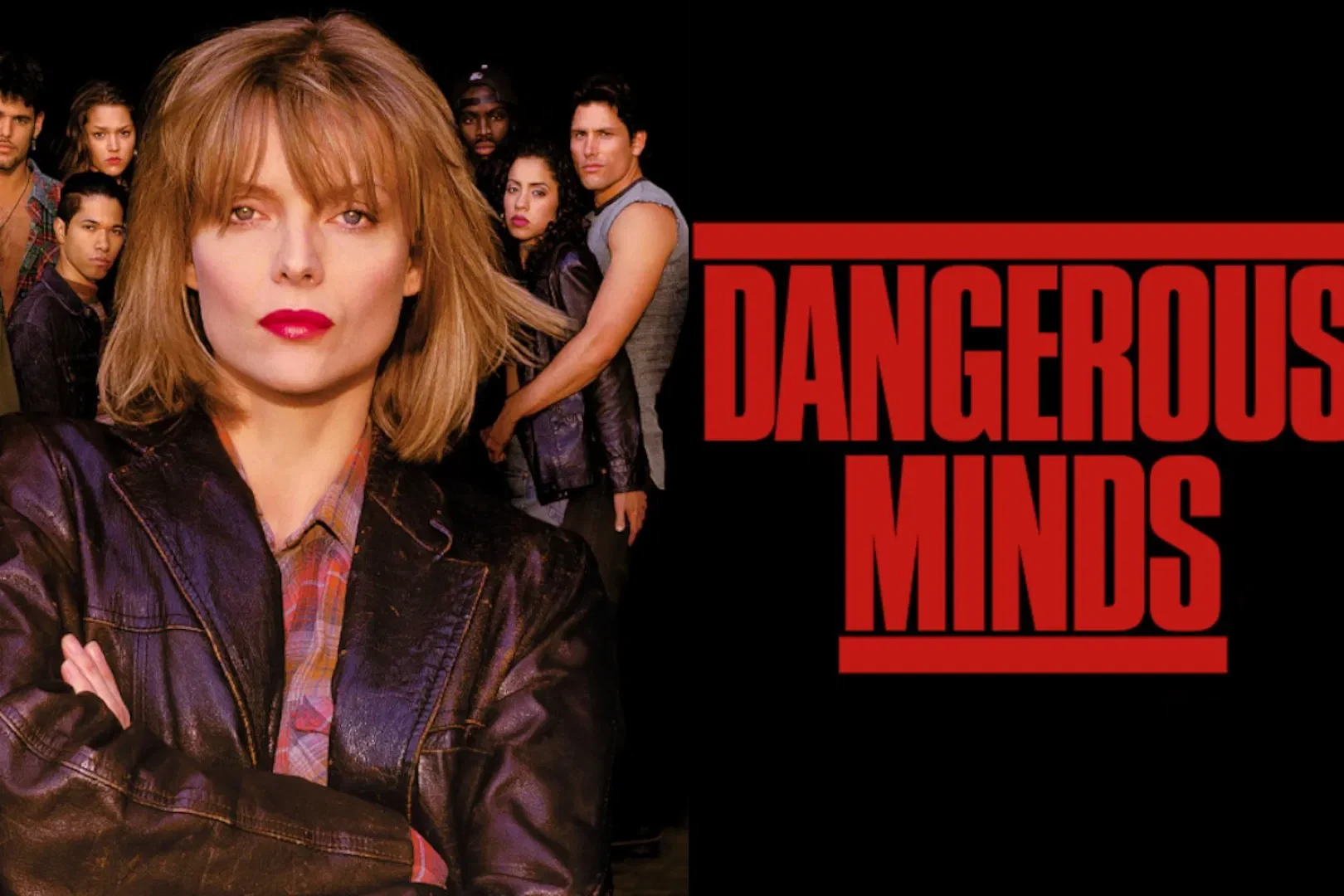
In the mid 1990s, audiences seemed drawn to stories about teachers who refused to give up on their students, and Dangerous Minds captured that idea in a very direct way. Michelle Pfeiffer played a former Marine who walks into a classroom filled with teenagers who have already stopped believing school can help them succeed. Instead of accepting that defeat, she begins experimenting with new ways to reach them. She listens, challenges them, and slowly earns their trust through patience and persistence. The film felt relatable because it reflected real frustrations inside many classrooms while still offering hope that change was possible.
The movie performed well in theaters and quickly became part of the cultural conversation of that time. Much of the attention came from its powerful soundtrack, especially the song Gangsta’s Paradise by Coolio, which dominated radio stations and music charts. For many viewers, the song and the film remain closely linked in memory. Over the years, however, the movie has quietly slipped behind other classroom dramas that continue to receive more attention. Despite that shift, Dangerous Minds still stands as a reminder of how a simple story about determination and empathy once resonated deeply with audiences everywhere.
4. Eraser
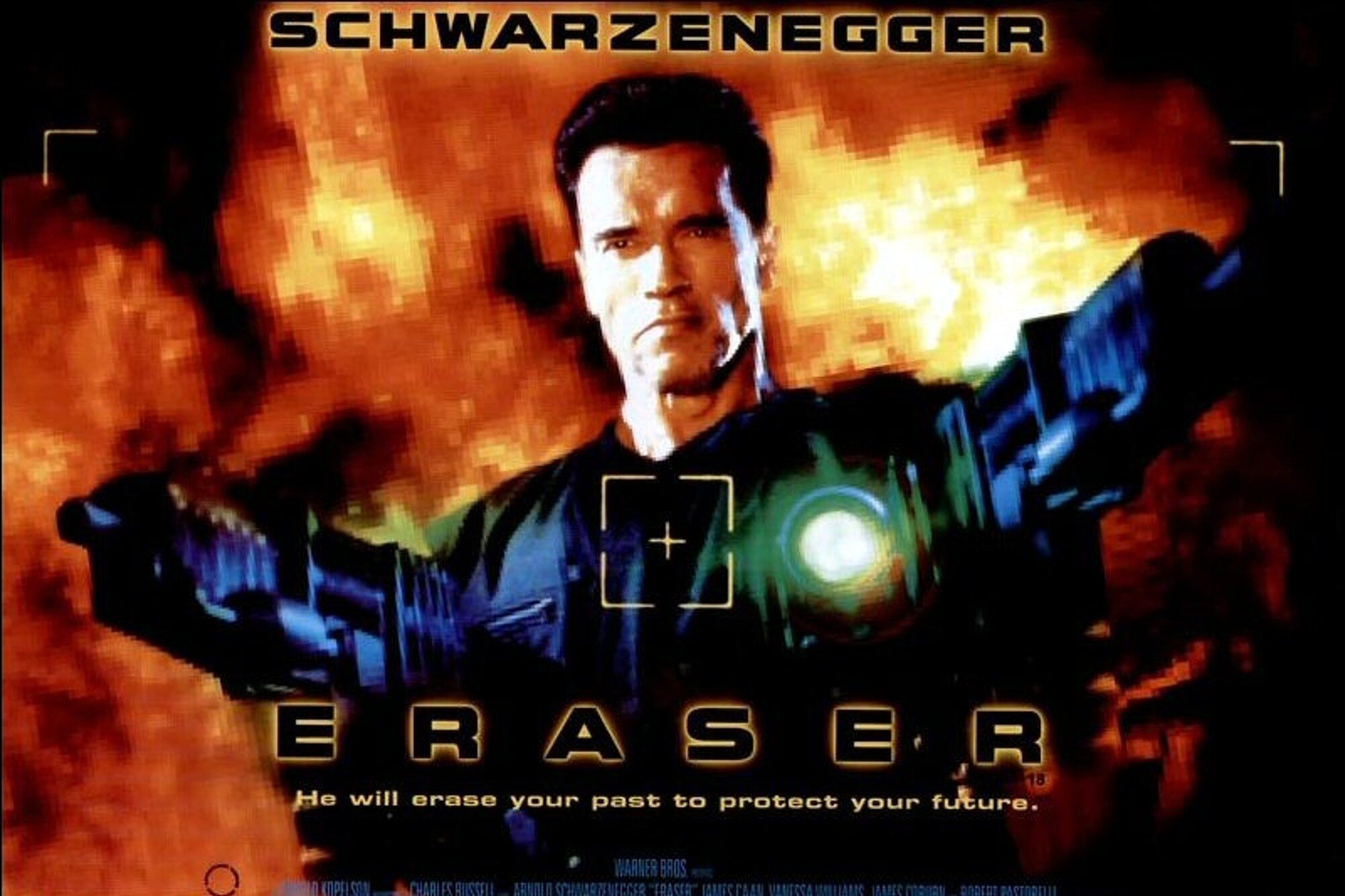
During the 1990s, Arnold Schwarzenegger was almost guaranteed to draw crowds whenever he appeared in an action movie, and Eraser arrived right in the middle of that era. The story followed a federal marshal whose job was to protect important witnesses by erasing their identities and relocating them somewhere safe. When a weapons conspiracy begins to unfold, he finds himself protecting a scientist whose knowledge could expose dangerous secrets. The film delivered the kind of action audiences expected from Schwarzenegger, with intense chases, explosive moments, and futuristic weapons that looked impressive on screen. Viewers showed up in strong numbers, turning the film into another solid hit for the actor.
For a while, Eraser felt like another dependable entry in the long list of action movies that defined that decade. Yet when people look back at Schwarzenegger’s career today, the conversation usually centers on titles like Terminator, Predator, or Total Recall. Those films built enormous cultural legacies that overshadowed some of his other work. As a result, Eraser slowly slipped behind those bigger landmarks. It still appears occasionally on television or streaming services, reminding viewers of a time when straightforward action stories with a determined hero could easily capture the attention of audiences around the world.
5. I Now Pronounce You Chuck And Larry
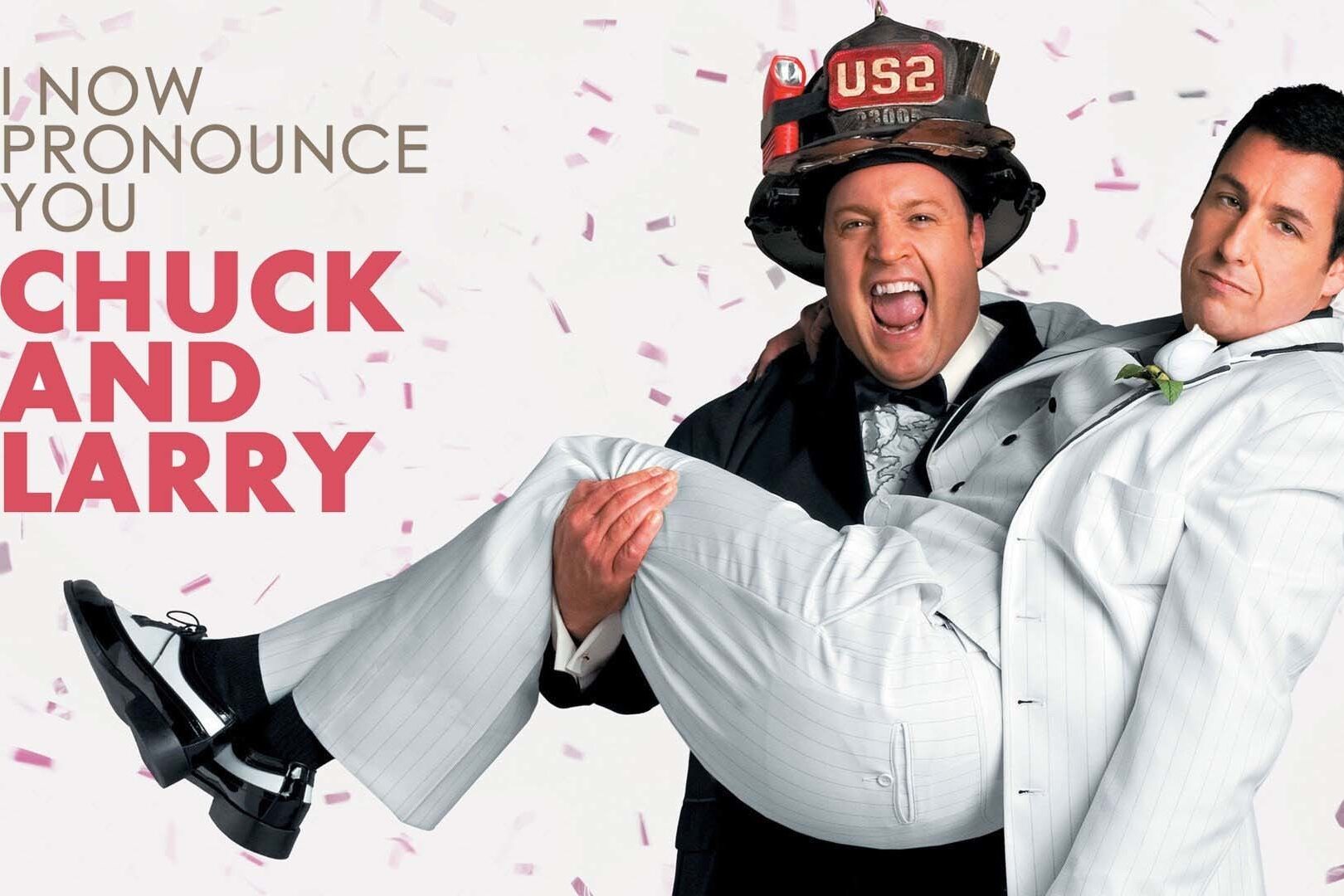
In the mid 2000s, Adam Sandler comedies were reliable box office draws, and I Now Pronounce You Chuck and Larry arrived during that successful run. The story followed two firefighters who pretend to be married so one of them can secure insurance benefits for his children after losing his spouse. What begins as a practical solution soon becomes complicated once coworkers and friends start believing the relationship is real. Sandler teamed up with Kevin James, and their easy comedic chemistry gave the film a relaxed and playful tone. Audiences responded positively and the movie earned strong numbers during its theatrical run.
For a while it felt like another example of Sandler’s ability to turn a simple idea into a popular comedy. The film also explored themes of friendship and loyalty beneath the humor, which helped balance the more outrageous moments. As time passed, however, discussions about Sandler’s most memorable movies usually returned to earlier favorites like Happy Gilmore or The Wedding Singer. Those films became long lasting cultural staples, while Chuck and Larry gradually faded from everyday conversation. Even so, it remains a snapshot of that particular moment when broad comedies about friendship and chaotic situations could easily fill theaters.
6. Congo
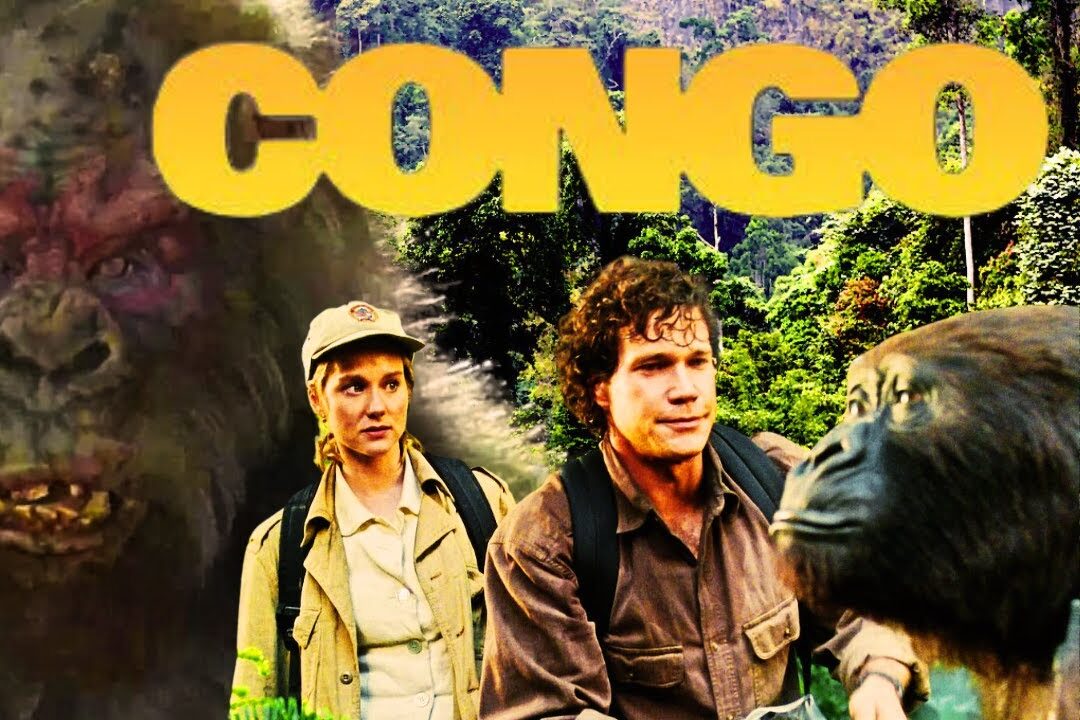
When Congo arrived in theaters during the mid 1990s, it promised audiences an adventurous story filled with mystery and exploration. The film followed a group of explorers traveling deep into the African jungle in search of valuable diamonds hidden within a lost city. Along the way they are joined by a gorilla that communicates using sign language technology, which gave the movie a strange but memorable twist. The story came from a novel by Michael Crichton, whose earlier work had already inspired successful films. That connection alone created curiosity among moviegoers eager to see another ambitious adventure on the big screen.
Despite mixed reactions from critics, audiences were intrigued enough to turn the movie into a financial success. Viewers seemed drawn to its unusual combination of science fiction, jungle adventure, and suspense. The film delivered energetic moments and unpredictable encounters that made it entertaining even when the plot grew wild. As years passed, however, other action movies and adventure franchises captured more attention and became more widely remembered. Congo slowly slipped into the category of movies people vaguely recall from that decade. Those who revisit it today often describe it as an odd but enjoyable reminder of the bold studio adventures that once appeared regularly in theaters.
7. Phenomenon
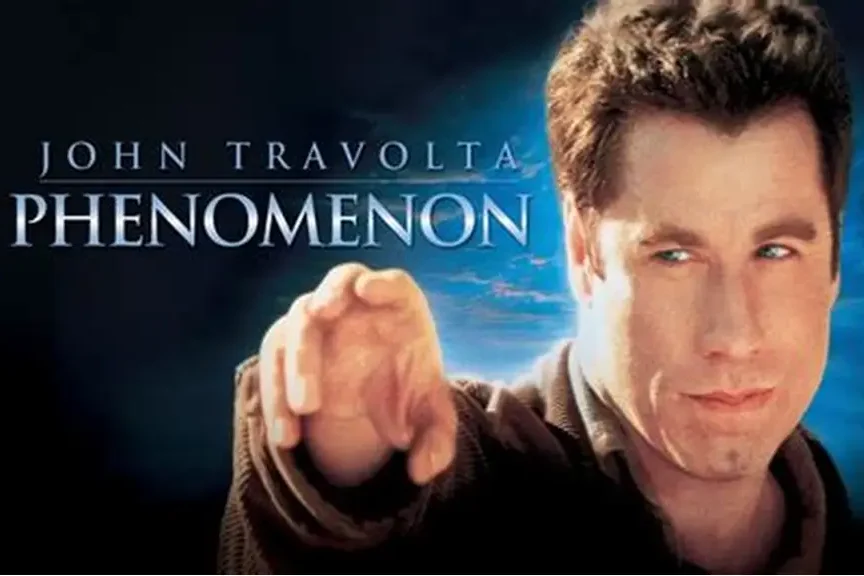
When Phenomenon premiered in 1996, audiences were already noticing John Travolta’s strong return to popularity, and this film added another thoughtful chapter to that moment. The story centered on an ordinary mechanic living in a quiet town who suddenly gains extraordinary intelligence after witnessing a mysterious light in the sky. As his mind begins working at an incredible level, he starts solving complex problems and seeing the world differently from everyone around him. The film focused on how this sudden change affected his friendships and relationships rather than simply celebrating his new abilities.
Audiences responded warmly to the emotional tone of the story, and the movie became a solid commercial success during its release. Many viewers appreciated the way the film explored both the wonder and the loneliness that came with the character’s transformation. Over time, however, the movie gradually slipped from everyday conversations about memorable films from the 1990s. It did not disappear entirely, but it settled quietly into the background of that era’s movie history. For those who remember it, Phenomenon still feels like a gentle story about curiosity, compassion, and how one person’s change can affect an entire community.
8. The Horse Whisperer
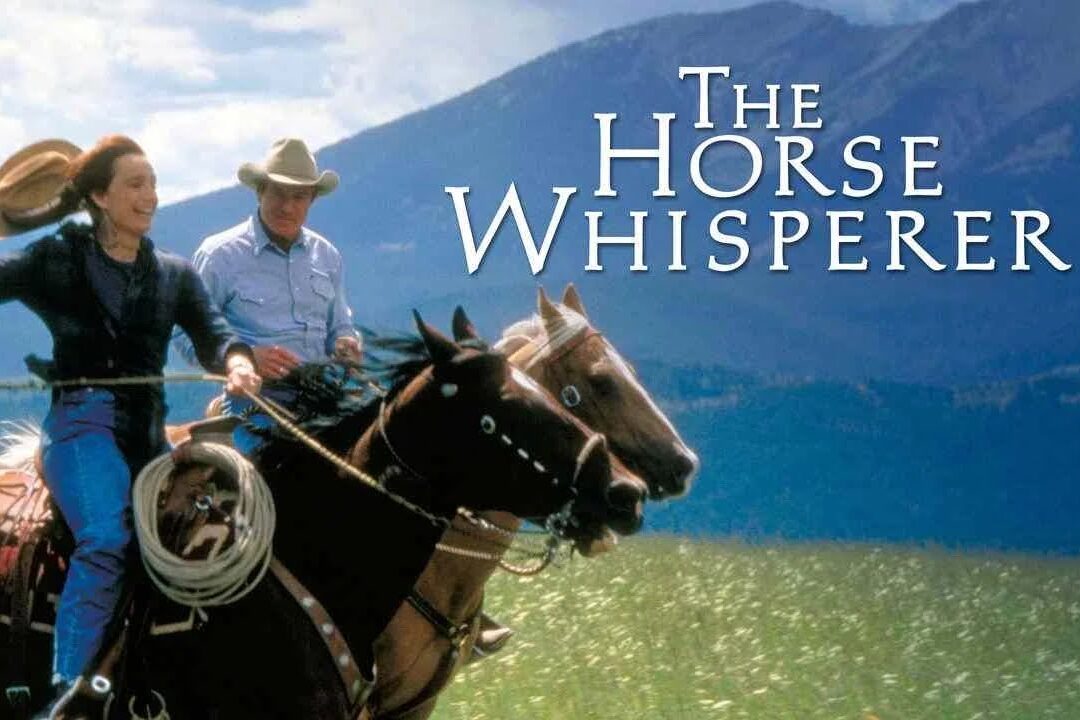
When The Horse Whisperer arrived in 1998, it brought a slower and more reflective style of storytelling to theaters. Directed by Robert Redford, the film followed a young girl who survives a devastating riding accident that leaves both her and her horse emotionally scarred. Hoping to help them heal, her mother travels to Montana to meet a man known for his remarkable ability to calm injured horses. The story unfolds patiently against sweeping landscapes and quiet conversations that gradually reveal the emotional struggles of each character. Audiences responded to the sincerity of the story and the movie performed strongly at the box office.
The film reminded viewers that a thoughtful drama could still capture widespread attention without relying on constant action or spectacle. Much of its appeal came from the gentle relationship between humans and animals, which gave the story a sense of calm reflection. Over time, however, the film’s nearly three hour length and slower pacing made it less likely to stay in regular viewing rotation. Newer films began dominating conversations about memorable dramas. Even so, those who return to The Horse Whisperer often appreciate the patience of its storytelling and the quiet sincerity that runs through every scene.
9. Beowulf
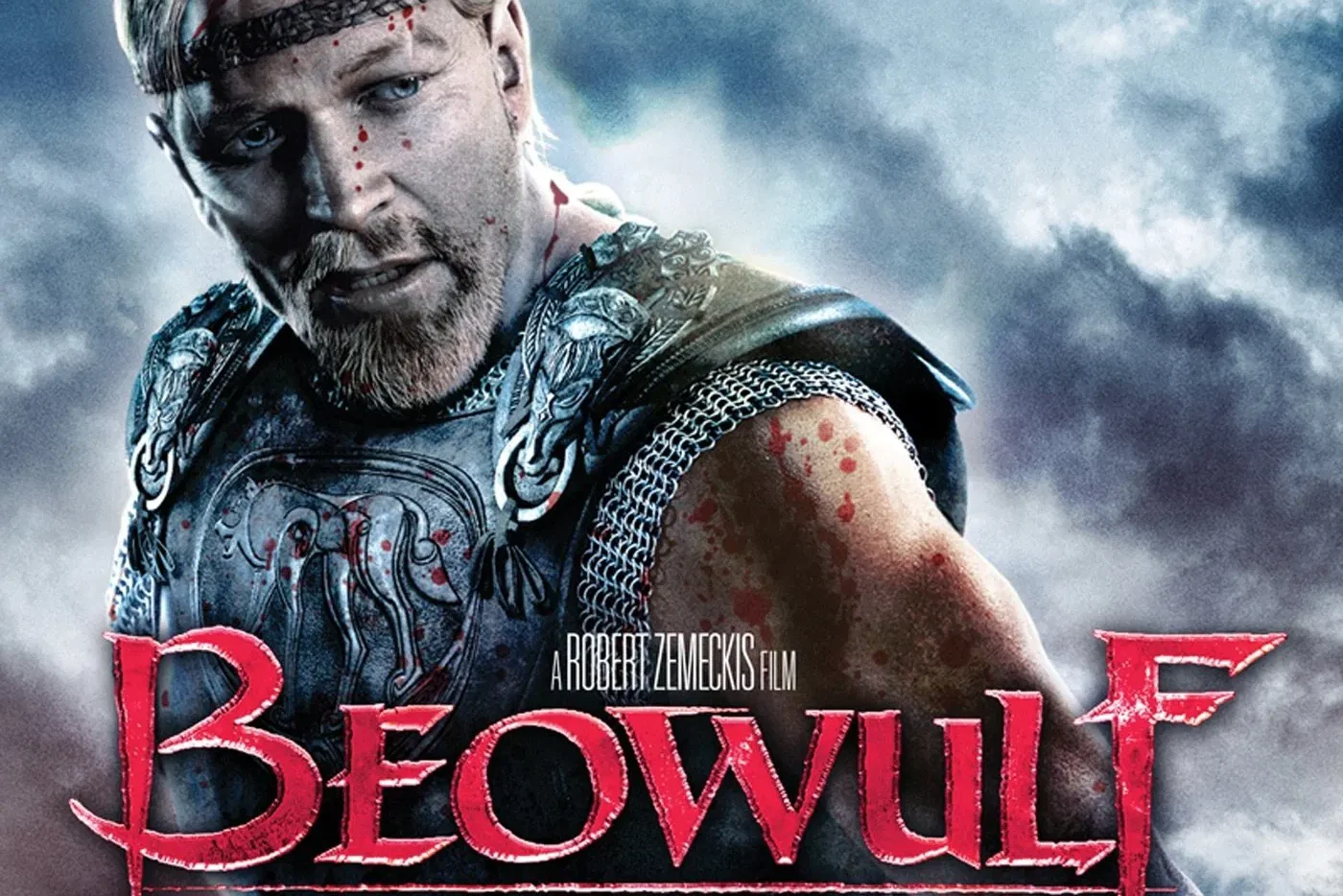
When Beowulf premiered in 2007, the film immediately drew attention because of the unusual technology used to create it. Director Robert Zemeckis used motion capture techniques that transformed live actor performances into fully digital characters. The story itself came from the ancient epic about a warrior who faces a terrifying monster threatening a kingdom. Actors performed their roles physically while computers translated their movements into animated figures inside a richly designed world. At the time, this approach felt ambitious and exciting, which sparked strong curiosity among audiences.
The film opened successfully at the box office as viewers wanted to see how the technology looked on a large screen. Some people admired the bold visual style while others found the digital characters slightly unfamiliar. As animation methods continued improving in the years that followed, Beowulf slowly slipped away from conversations about groundbreaking visual achievements. Even so, the movie still represents an interesting step in the evolution of digital filmmaking. It captured a moment when studios were experimenting with how technology could reshape storytelling while still trying to preserve the emotional depth of live performances.
10. Romancing The Stone
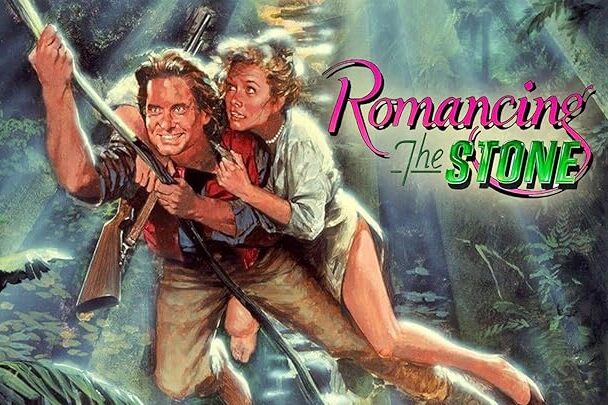
Back in the mid 1980s, Romancing the Stone arrived with the kind of adventure that felt exciting without taking itself too seriously. The story followed a shy romance novelist who suddenly finds herself pulled into a real life treasure hunt after her sister is kidnapped. What begins as a desperate trip to deliver a map quickly turns into a dangerous journey through the jungles of Colombia. Along the way she meets a rugged adventurer who helps guide her through unfamiliar territory. Their personalities clash at first, but that tension slowly turns into a playful partnership that carries the film forward.
Audiences embraced the movie’s blend of humor, action, and romance, and it quickly became a major box office success. The chemistry between the lead actors gave the story warmth and helped balance the adventure with moments of genuine charm. For a while it felt like one of the most enjoyable adventure films of its era. The film even inspired a sequel as studios hoped to continue the excitement. Over time, however, larger franchises began dominating the adventure genre, and this once popular hit gradually faded from everyday conversation. Still, those who revisit it often rediscover how entertaining a simple adventure story can be when it focuses on character and humor.
11. Stir Crazy
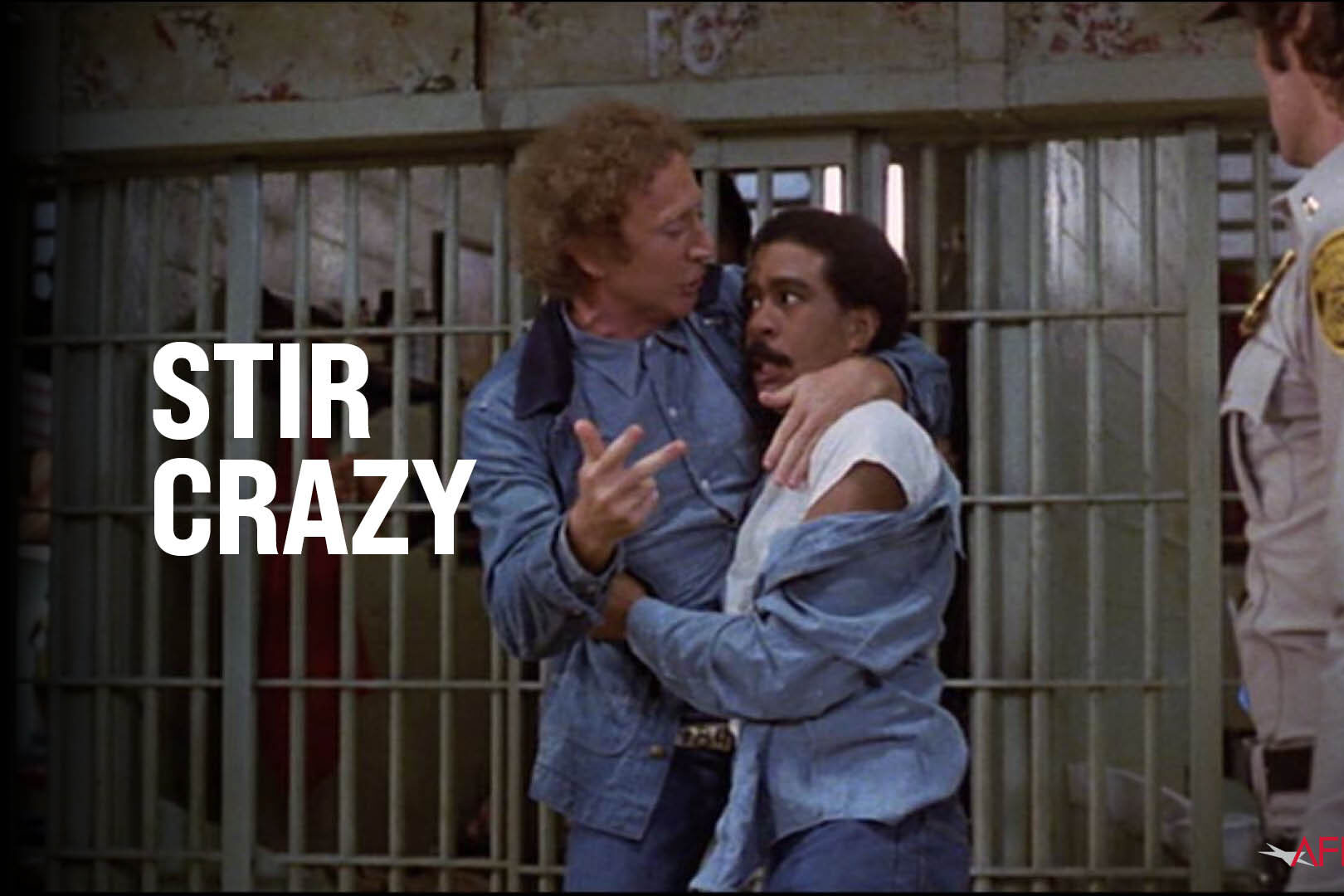
When Stir Crazy opened in theaters in 1980, it quickly became one of the most talked about comedies of the year. The film paired Gene Wilder and Richard Pryor, whose natural comedic chemistry had already proven successful with audiences. In this story they play two friends who travel west hoping to find better opportunities. Instead, a misunderstanding lands them in serious trouble, and before they know it they are accused of robbing a bank they never even entered. Their situation becomes even more ridiculous when they end up serving time in prison for the crime.
Much of the humor comes from watching the two friends react to their unexpected surroundings while trying to keep their spirits up. Their conversations feel spontaneous and their friendship gives the movie an easy rhythm that audiences enjoyed. Viewers embraced the pairing and the film became a major commercial success during its theatrical run. Despite that strong start, the movie is not always the first title people mention when discussing classic comedies today. Other collaborations between Wilder and Pryor eventually gained more lasting attention. Stir Crazy remains a reminder of how powerful their comedic partnership was during that era.
12. Conspiracy Theory
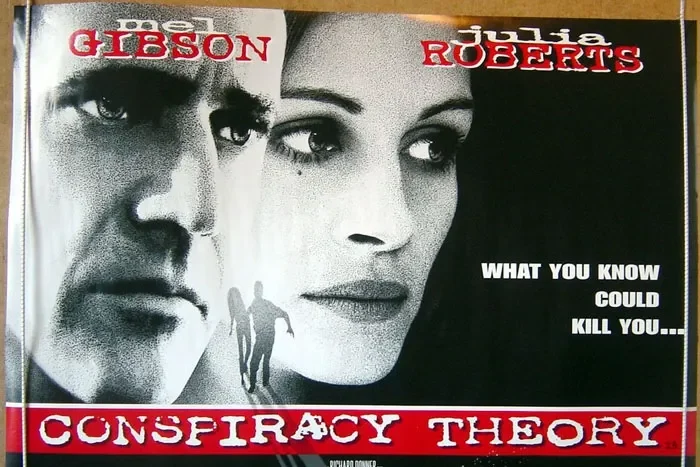
Conspiracy Theory arrived in the late 1990s with a premise that immediately sparked curiosity among moviegoers. The story followed a New York taxi driver who constantly shares wild theories about secret organizations controlling the world. Most people around him assume his stories are harmless paranoia. However, things begin to change when one of his theories suddenly seems frighteningly accurate. Before long he finds himself being chased by mysterious forces who want to silence him. Mel Gibson played the anxious driver while Julia Roberts portrayed a government attorney who becomes unexpectedly involved in his situation.
The movie blended suspense with moments of humor and even a gentle thread of romance between the two central characters. Audiences were intrigued by the unusual mix of paranoia and mystery, and the film performed well at the box office. For a time it remained a popular thriller that people recommended to friends looking for something a little different. As years passed, though, the film slowly faded from everyday conversations about memorable suspense movies. It did not disappear entirely, but it became one of those films viewers recall only after hearing its distinctive title again.
13. Airport
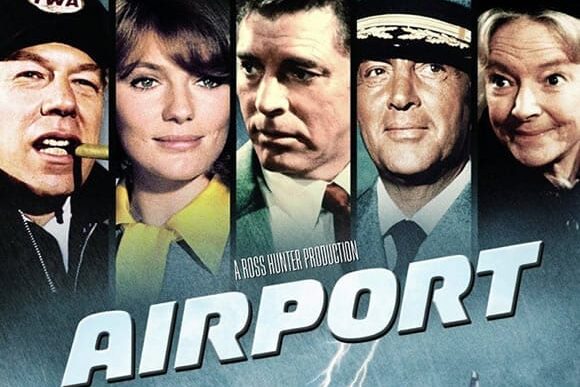
Long before modern disaster movies filled theaters with massive digital spectacle, Airport showed audiences how gripping that type of story could be. Released in 1970, the film focused on several characters whose lives intersect during a tense night at a busy snowbound airport. A damaged airplane struggles to land safely while airport staff race against time to manage the growing crisis. The narrative moves between pilots, passengers, and ground crews, gradually building suspense as the situation becomes more dangerous. Audiences were drawn to the unfolding drama and the film quickly became a huge commercial success.
The movie’s popularity helped establish the blueprint for many disaster films that followed during the next decade. Its large ensemble cast and interconnected storylines created a structure that later movies would imitate again and again. The film even received several Academy Award nominations, showing how seriously it was taken during its release. As the decades passed, however, newer disaster movies arrived with faster pacing and larger visual effects. Airport slowly shifted from a widely watched hit into more of a historical reference point. Even so, its influence remains important because it helped define a genre that would dominate theaters for years.
14. Deep Impact
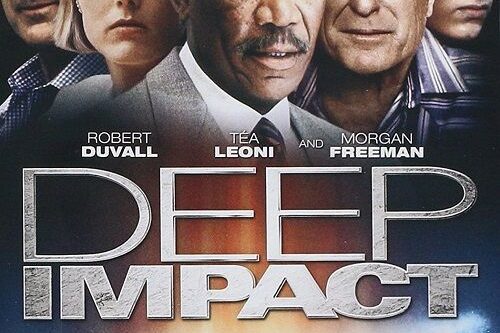
In 1998, audiences suddenly had two different movies about asteroids threatening Earth, and Deep Impact offered a more thoughtful approach to the idea. The story begins when scientists discover a massive comet on a collision course with the planet. As governments quietly prepare for the possibility of disaster, several ordinary people begin facing difficult choices about family, responsibility, and survival. Instead of focusing entirely on explosions or destruction, the film spends much of its time exploring how individuals react to the knowledge that the world could change forever.
That emotional focus helped the movie stand apart from other disaster films of the era. Viewers were drawn to the human stories unfolding alongside the scientific efforts to stop the comet. The film performed well commercially and drew large audiences curious about its serious tone. However, another asteroid movie released the same year emphasized louder action and eventually became the one most people remembered. Because of that contrast, Deep Impact gradually slipped into the background of movie history. Those who watch it again today often notice how reflective the story feels compared with many modern disaster movies.
15. Oz The Great And Powerful
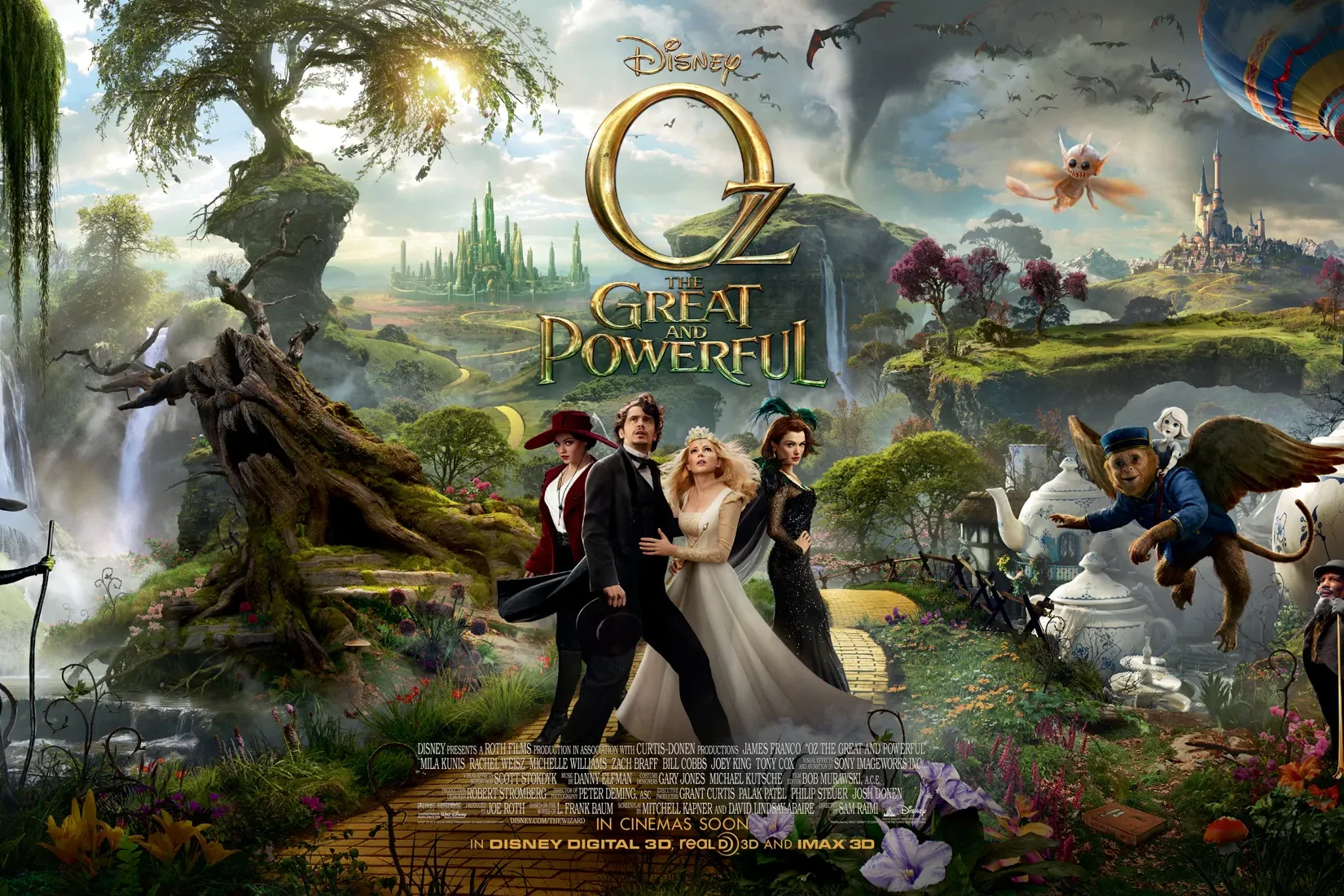
When Oz the Great and Powerful arrived in theaters in 2013, Disney hoped to expand the magical world first introduced decades earlier in The Wizard of Oz. The story explored how a traveling stage magician from Kansas unexpectedly finds himself transported to the mysterious land of Oz. At first he tries to impress the people there with clever tricks, but he slowly realizes that the kingdom needs more than illusions. As he meets witches and learns about the struggles within the land, he begins changing from a self interested performer into someone capable of real leadership.
The film impressed audiences with colorful landscapes, elaborate costumes, and large scale fantasy sequences that filled the screen. Curiosity about returning to the famous world helped draw large crowds during its opening weeks. The movie eventually earned hundreds of millions worldwide, making it a financial success for the studio. Despite that strong start, it never quite became the lasting fantasy franchise many expected. Without additional films continuing the story, conversations about the movie gradually faded. Today it often appears as an example of how even visually impressive fantasy adventures can quietly drift away once the excitement of their initial release passes.
16. The Artist
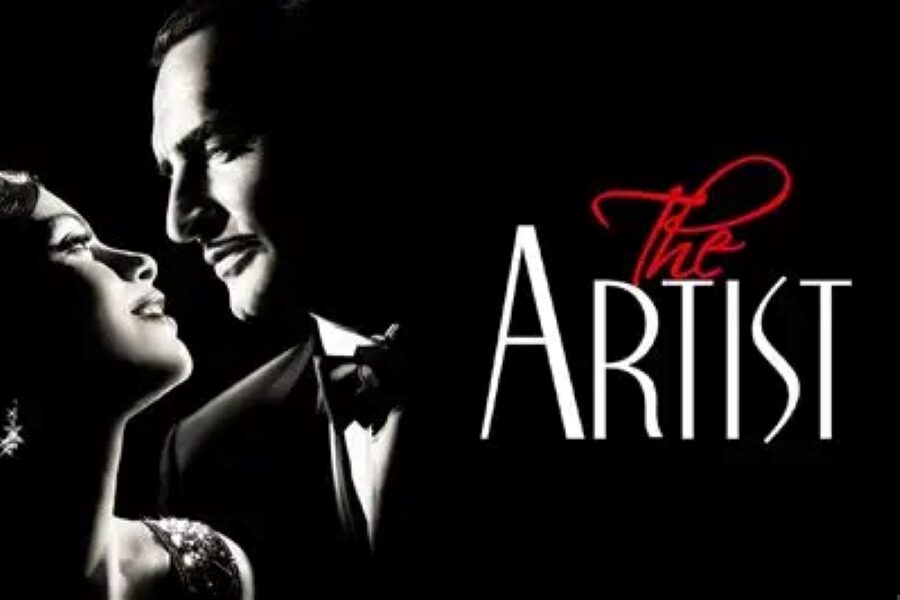
When The Artist premiered in 2011, it immediately stood out because it embraced the style of silent films from the early days of Hollywood. Presented in black and white with very little spoken dialogue, the movie followed a silent film star struggling as the industry shifted toward movies with sound. The story balanced humor and emotion while paying tribute to the creativity of early filmmakers. Audiences and critics were both intrigued by the unusual approach, and the film quickly gained attention during awards season.
The movie went on to win the Academy Award for Best Picture, which seemed to guarantee it a permanent place in movie history. For a while it was widely discussed as a charming reminder of cinema’s roots. As time passed, though, the film did not remain as visible in everyday conversations as many other award winning titles. Some viewers appreciated it as a creative experiment rather than a film they would revisit often. Even so, The Artist still represents a moment when audiences proved they were willing to embrace an old storytelling style when it was presented with genuine affection and imagination.
17. Fried Green Tomatoes
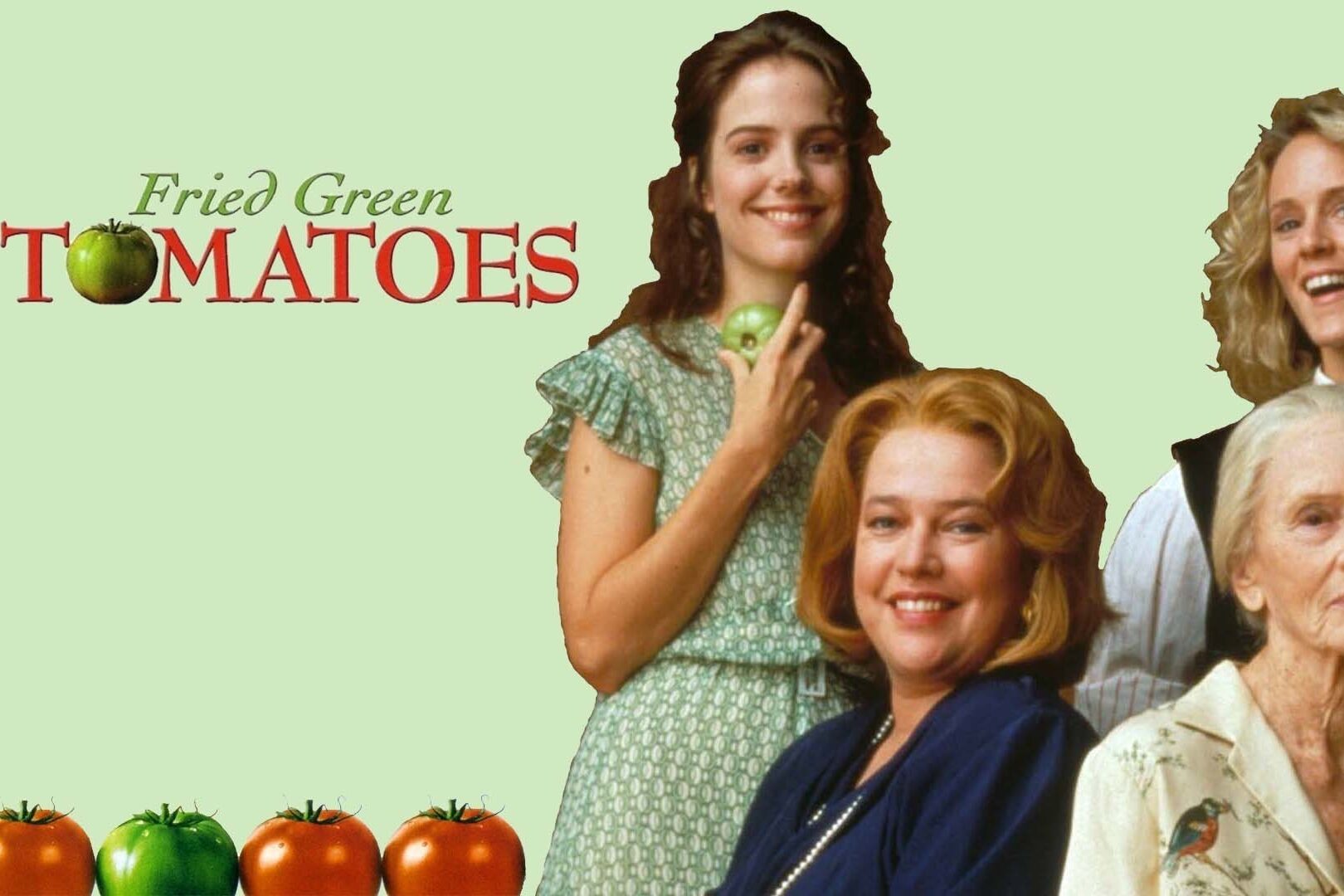
When Fried Green Tomatoes arrived in the early 1990s, it quickly touched audiences with its heartfelt storytelling and memorable characters. The film moves between two timelines, revealing the story of a deep friendship between two women in a small southern town while also following a modern day woman who learns about their lives years later. Through these parallel stories, the movie explores themes of resilience, loyalty, and the quiet strength people show during difficult moments. Viewers responded strongly to its warmth and emotional honesty.
The film performed well in theaters and developed a devoted audience that appreciated its message about friendship and perseverance. Many people found comfort in its slower pace and the way it allowed relationships to grow naturally on screen. Over the years, however, the movie gradually stepped away from the center of popular movie discussions. Newer films captured more attention while this story settled into a quieter place in people’s memories. Those who revisit it often find that its emotional sincerity still feels just as powerful as it did when audiences first discovered it decades ago.
18. Crash
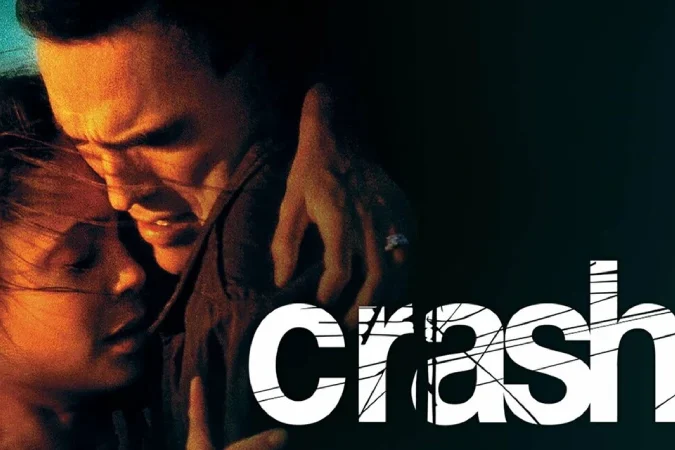
When Crash premiered in 2004, it quickly became one of the most discussed films of the year because of the way it explored interconnected lives within a busy city. The story followed several strangers whose paths unexpectedly cross, revealing uncomfortable truths about prejudice, misunderstanding, and empathy. Each storyline slowly connects with another, showing how one decision can influence people who seem completely unrelated at first. The film encouraged viewers to reflect on how easily assumptions shape everyday interactions.
The movie gained significant attention during awards season and eventually won the Academy Award for Best Picture. At the time, audiences and critics debated its themes and storytelling choices, which kept the film in conversation for months. As the years passed, those debates gradually faded and the movie became less visible in discussions about major Oscar winners. Still, its success reminds us how quickly a film can capture public attention and spark important conversations. Sometimes a movie dominates the spotlight for a while and then quietly steps aside as new stories arrive, leaving behind a moment in time that people remember differently as years pass.


